

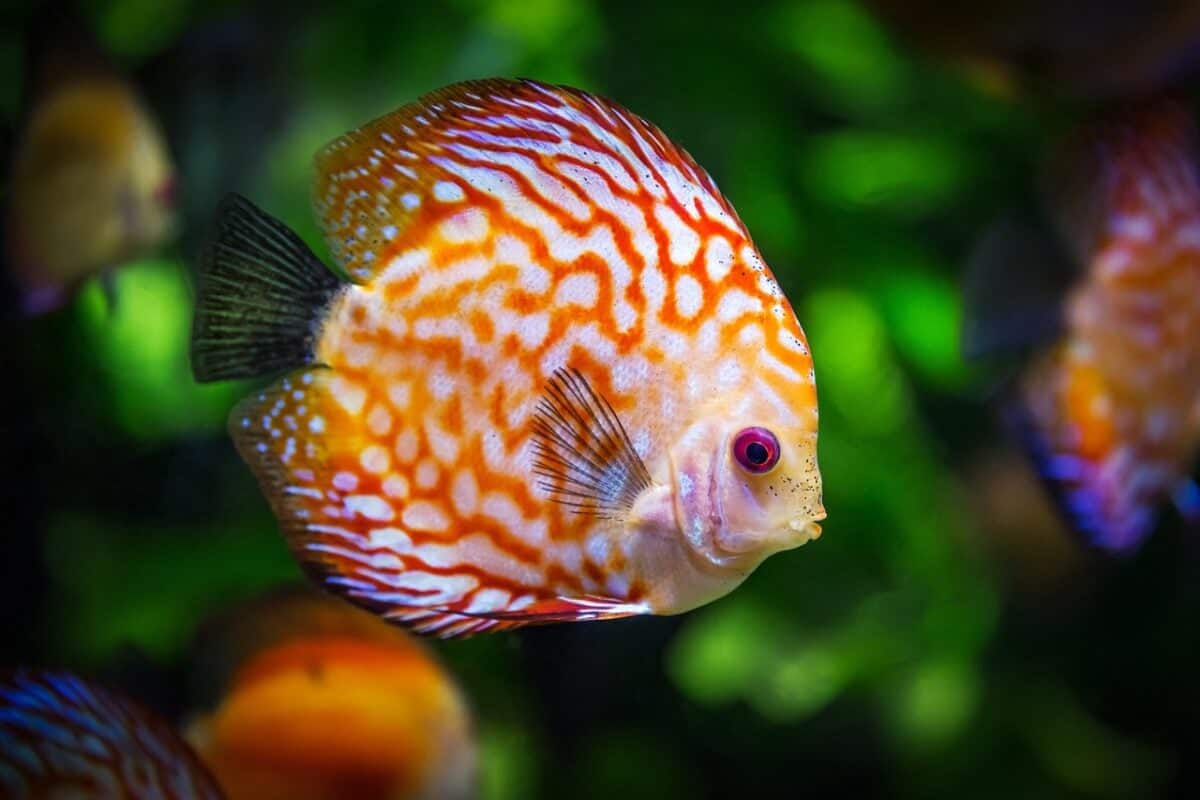
Imagine a world where changing your gender isn’t just accepted—it’s a survival strategy that’s been perfected over millions of years. In the depths of our oceans, rivers, and coral reefs, countless fish species have mastered the art of sequential hermaphroditism, transforming from one sex to another as their environment demands. This isn’t science fiction or modern social commentary; it’s one of nature’s most fascinating biological adaptations.
While humans debate gender fluidity, fish have been quietly demonstrating that sex isn’t always fixed at birth. From the vibrant coral reefs of the Pacific to the murky depths of the Atlantic, these aquatic shape-shifters are rewriting the rules of reproduction and survival. Their stories reveal a underwater universe where flexibility isn’t just an advantage—it’s often the difference between thriving and extinction.
The Clownfish Revolution: From Nemo to Female Leader
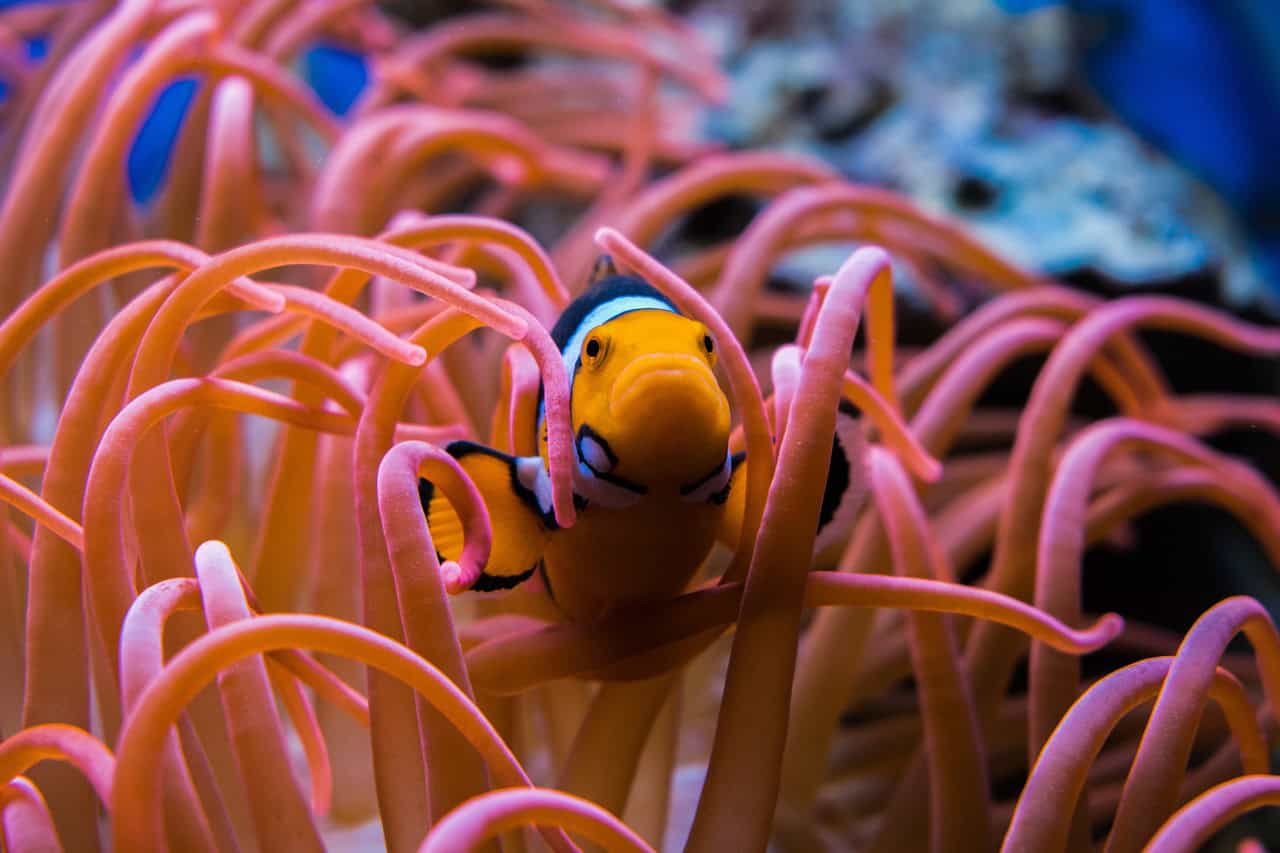
The beloved clownfish, immortalized in countless movies and aquariums, harbors one of nature’s most dramatic gender transformations. Every clownfish begins life as a male, living in a strict social hierarchy dominated by the largest, most aggressive female. This matriarchal society operates like an underwater monarchy, where the queen rules with absolute authority over her colorful subjects.
When the dominant female dies or disappears, something remarkable happens. The largest male doesn’t just step up to fill the leadership void—he literally transforms into a female, complete with functioning ovaries and egg-producing capabilities. This process, called protandry, takes just a few weeks to complete.
The transformation is so complete that the new female becomes larger, more aggressive, and assumes all the behavioral traits of her predecessor. She’ll then select a new male partner from the remaining fish, ensuring the colony’s survival continues uninterrupted.
Wrasse Warriors: The Ultimate Gender Flexibility
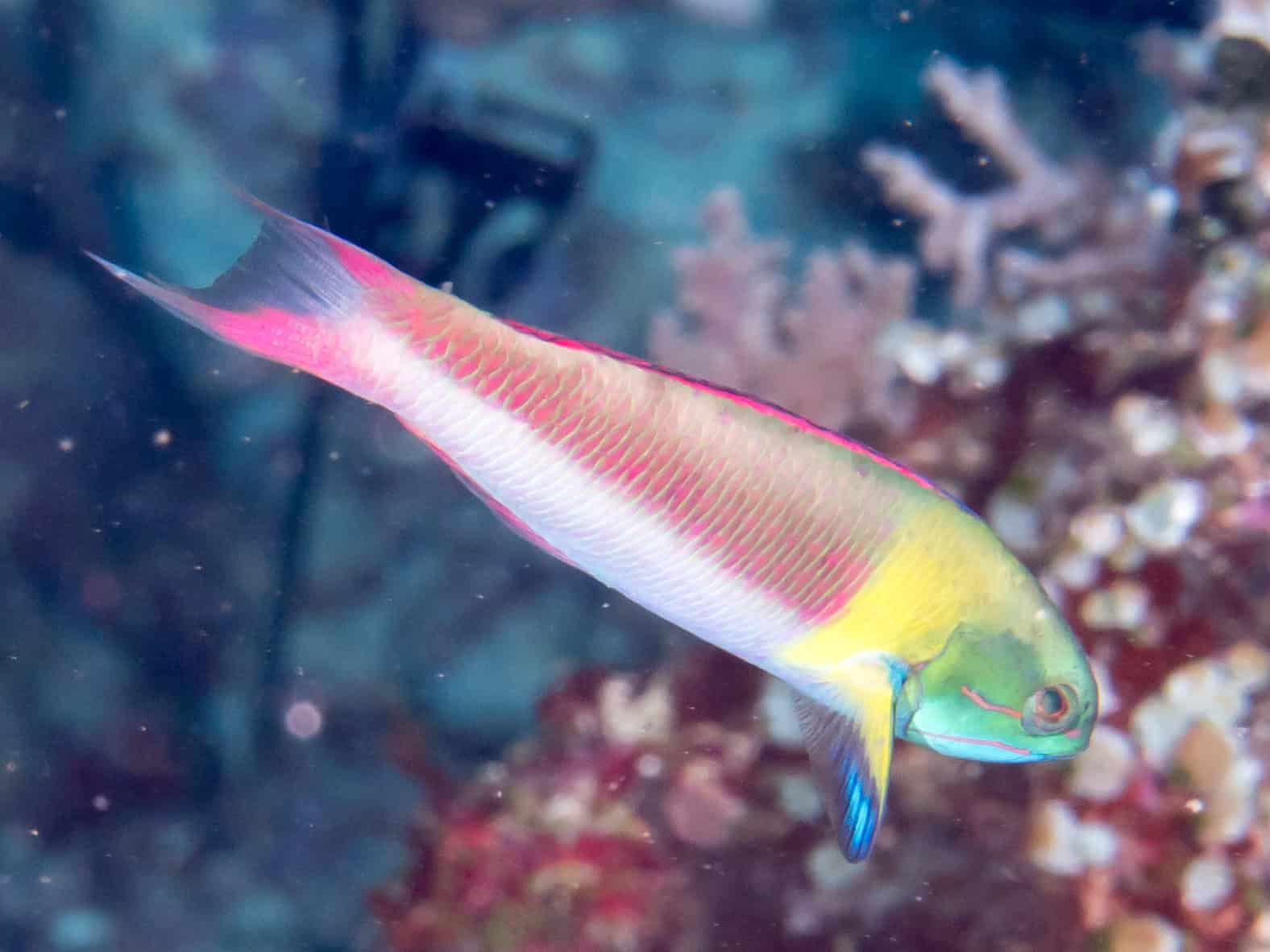
Blue-headed wrasse take gender fluidity to extraordinary levels, practicing what scientists call “socially controlled sex change.” These Caribbean reef fish exist in a complex social structure where large, territorial males defend harems of smaller females and subordinate males. The system works perfectly—until it doesn’t.
When a dominant male dies, the social fabric begins to unravel. Within hours, the largest female in the group begins an irreversible transformation that will make her the new male leader. Her body chemistry changes, her behavior becomes more aggressive, and she develops the distinctive blue head coloration that signals her new status.
This rapid response system ensures that breeding territories remain defended and reproductive success continues. The transformation is so efficient that researchers have observed complete sex changes occurring in less than 10 days under the right conditions.
Parrotfish: The Colorful Chameleons of the Reef
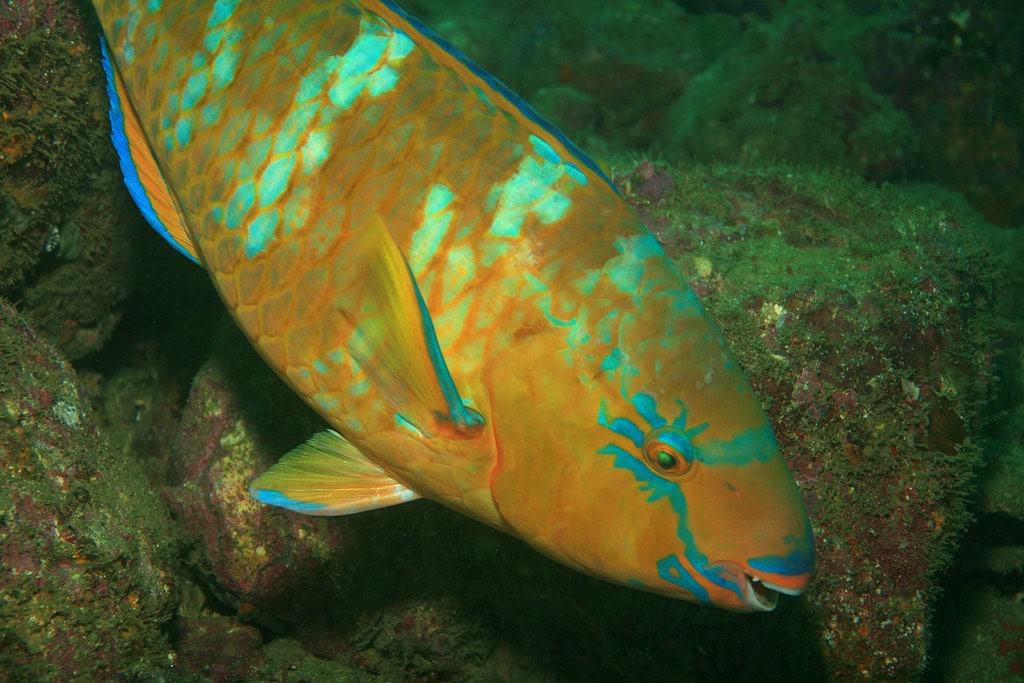
Parrotfish showcase one of the most visually spectacular gender transformations in the marine world. These algae-eating reef dwellers often begin life as drab, brownish females before undergoing a stunning metamorphosis into brilliantly colored males. The change isn’t just cosmetic—it’s a complete biological overhaul that affects everything from body size to behavior patterns.
The transformation typically occurs when parrotfish reach sexual maturity and social conditions favor male characteristics. Terminal phase males, as they’re scientifically known, develop vibrant blues, greens, and yellows that would make any artist jealous. They also grow larger, become more territorial, and develop specialized feeding behaviors.
Some parrotfish species can even reverse the process under extreme circumstances, though this is less common. This flexibility ensures that parrotfish populations can adapt to changing reef conditions and maintain healthy breeding ratios even when environmental pressures shift.
Grouper Gatherings: Size Matters in Sex Determination

Groupers demonstrate that sometimes bigger truly is better when it comes to reproductive success. These massive reef predators practice protogynous hermaphroditism, meaning they start life as females and transform into males as they grow larger and older. The logic is simple: larger fish can produce more sperm and defend territories more effectively.
The transformation process in groupers is triggered by a combination of size, age, and social factors. When a female grouper reaches a certain threshold—usually around 15-20 years old and weighing several pounds—hormonal changes begin shifting her from female to male. The process can take several months to complete.
This strategy makes perfect biological sense. Young, smaller fish are more efficient at producing eggs, while older, larger fish excel at producing sperm and defending breeding territories. It’s an elegant solution that maximizes reproductive output across an individual’s entire lifespan.
Angelfish Aristocracy: Hierarchy Drives Change
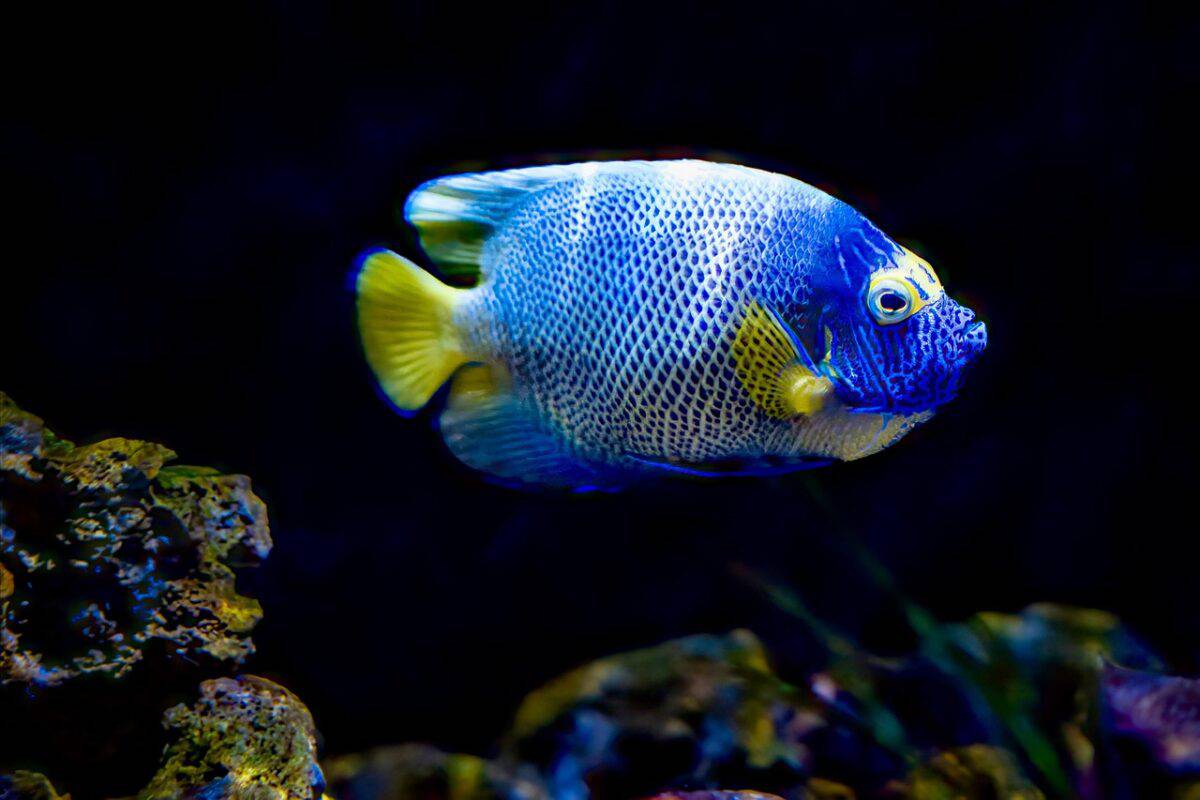
Angelfish species across the world’s tropical reefs have evolved sophisticated social systems where gender change serves as a population management tool. These fish live in complex hierarchies where the largest, most dominant individuals become males, while smaller fish remain female until conditions change. The system creates a natural balance that ensures optimal breeding success.
When environmental pressures increase—such as predation, habitat loss, or food scarcity—angelfish populations can quickly adjust their sex ratios. If too many males are lost to predators, females can transform to fill the reproductive gap. This flexibility has allowed angelfish to thrive in some of the world’s most challenging marine environments.
The transformation process in angelfish is particularly fascinating because it can be influenced by external factors like water temperature, chemical signals from other fish, and even the lunar cycle. This environmental sensitivity makes them excellent indicators of reef health and ecosystem stability.
Gobies: The Masters of Bidirectional Change
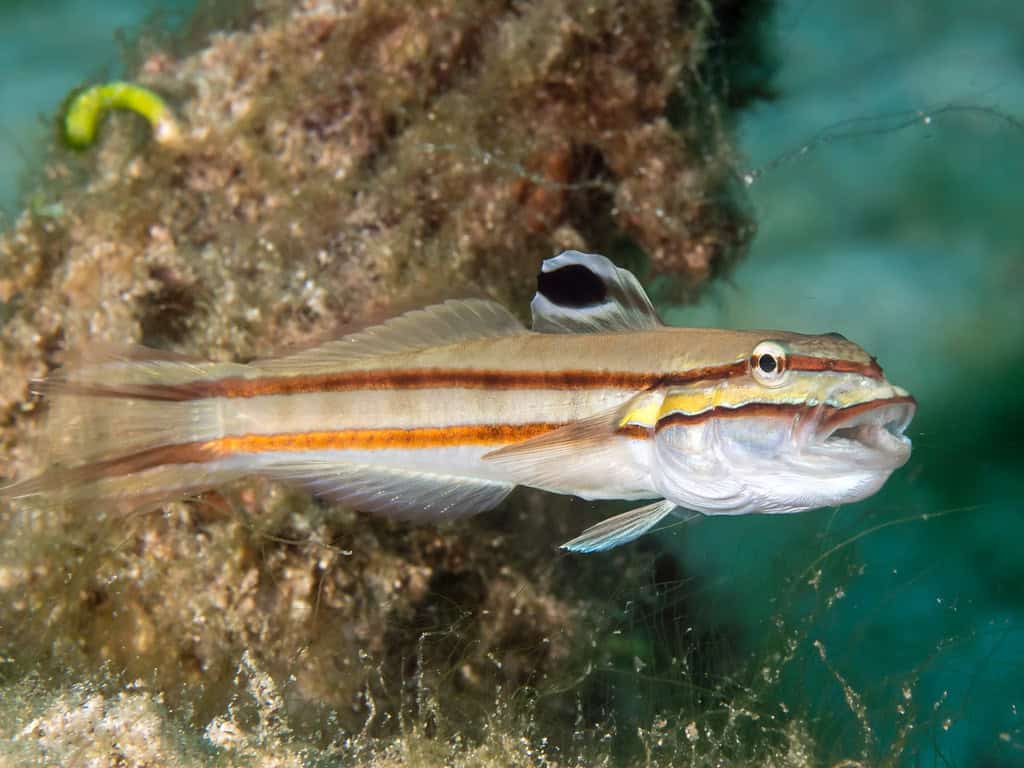
Gobies represent the pinnacle of gender flexibility in the fish world, with some species capable of changing sex in both directions—from male to female and back again. This bidirectional hermaphroditism allows goby populations to respond rapidly to changing demographics and environmental conditions. The ability to switch back and forth provides an evolutionary advantage that few other fish possess.
The coral goby, found throughout the Indo-Pacific, can complete a sex change in as little as four days when social conditions demand it. If a mated pair loses one partner, the survivor can transform to match the sex of any new partner that arrives. This remarkable flexibility ensures that breeding opportunities are never missed.
Some goby species can even function as both sexes simultaneously, though this is less common. This incredible adaptability has made gobies one of the most successful fish families on Earth, with species thriving in environments from tropical coral reefs to temperate tide pools.
Anthias: The Underwater Choreographers
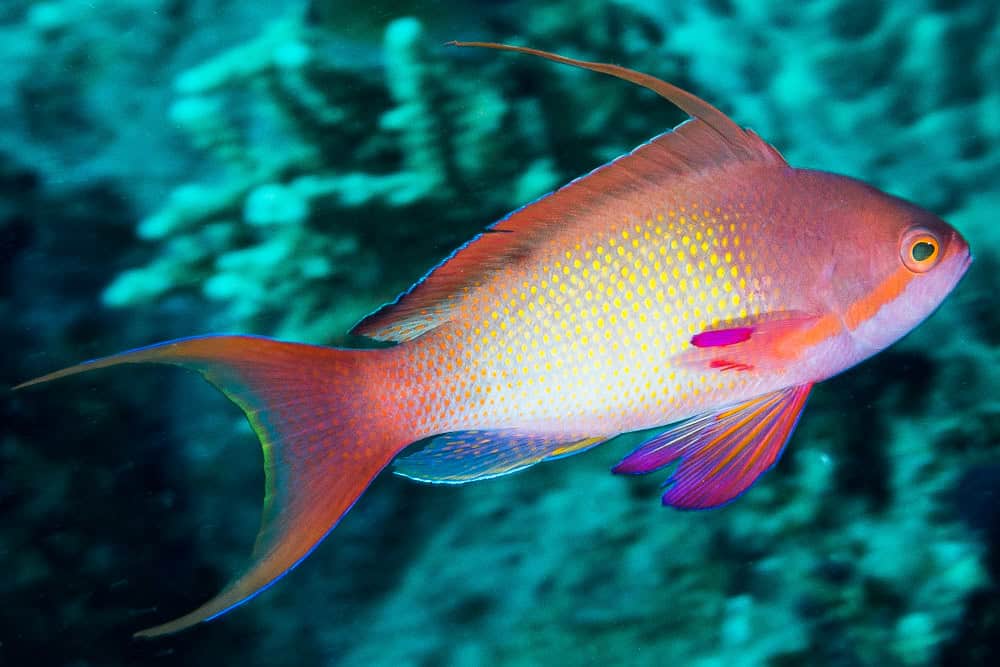
Anthias create some of the most visually stunning displays in the underwater world, with their gender-changing abilities serving as the foundation for complex social choreographies. These small, colorful fish live in large aggregations where a single dominant male oversees a harem of females. The male’s bright colors and elaborate courtship displays are designed to attract females and warn away competitors.
When the dominant male dies or is removed from the group, the largest, most aggressive female undergoes a rapid transformation. Within days, she develops male coloration, grows larger, and begins exhibiting territorial behaviors. The change is so dramatic that underwater observers can watch the transformation occur in real-time.
The social structure of anthias is so rigid that the transformation process is almost automatic. There’s no competition or fighting—the next female in line simply assumes the male role when needed. This seamless transition ensures that breeding activities continue without interruption, maintaining the colony’s reproductive success.
Damselfish Dynasties: Territory and Transformation
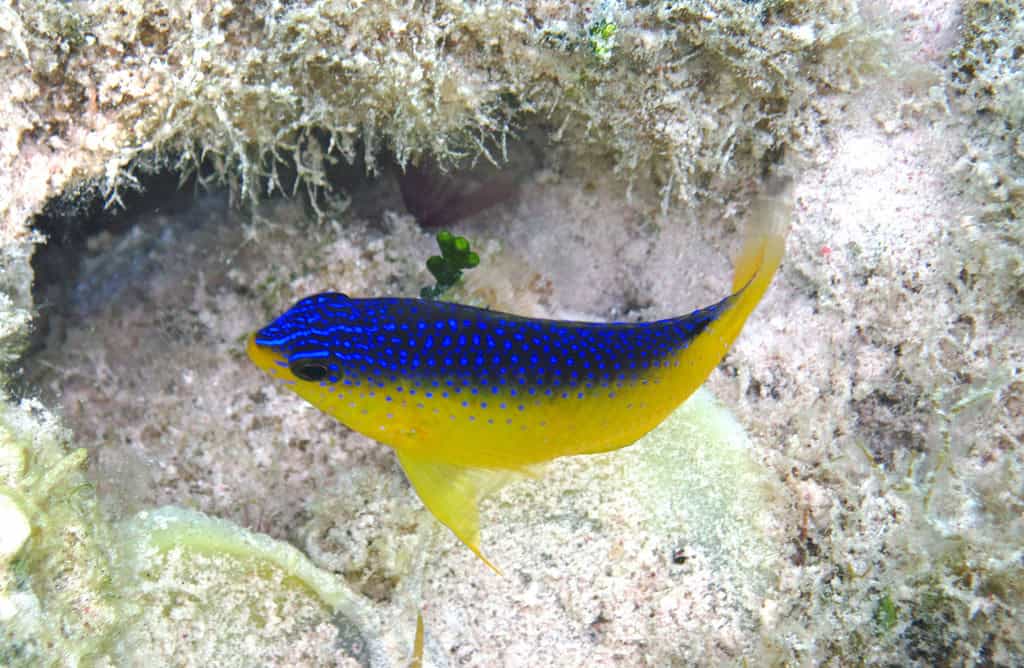
Damselfish species throughout the world’s tropical waters have evolved gender-changing abilities that closely tie to territorial behavior and resource availability. These small but aggressive fish defend patches of algae, coral, or other resources with remarkable tenacity. The quality and size of a territory often determine whether a fish will remain female or transform into a male.
In many damselfish species, only the largest, most successful territory holders become males. This creates a direct link between environmental success and reproductive role. Fish that can secure and defend high-quality territories earn the right to transform into males and attract multiple female partners.
The transformation process in damselfish is often triggered by achieving a certain body size or successfully defending a territory for an extended period. This ensures that only the most capable individuals become males, leading to stronger offspring and more successful populations overall.
Butterflyfish: Partnership and Flexibility
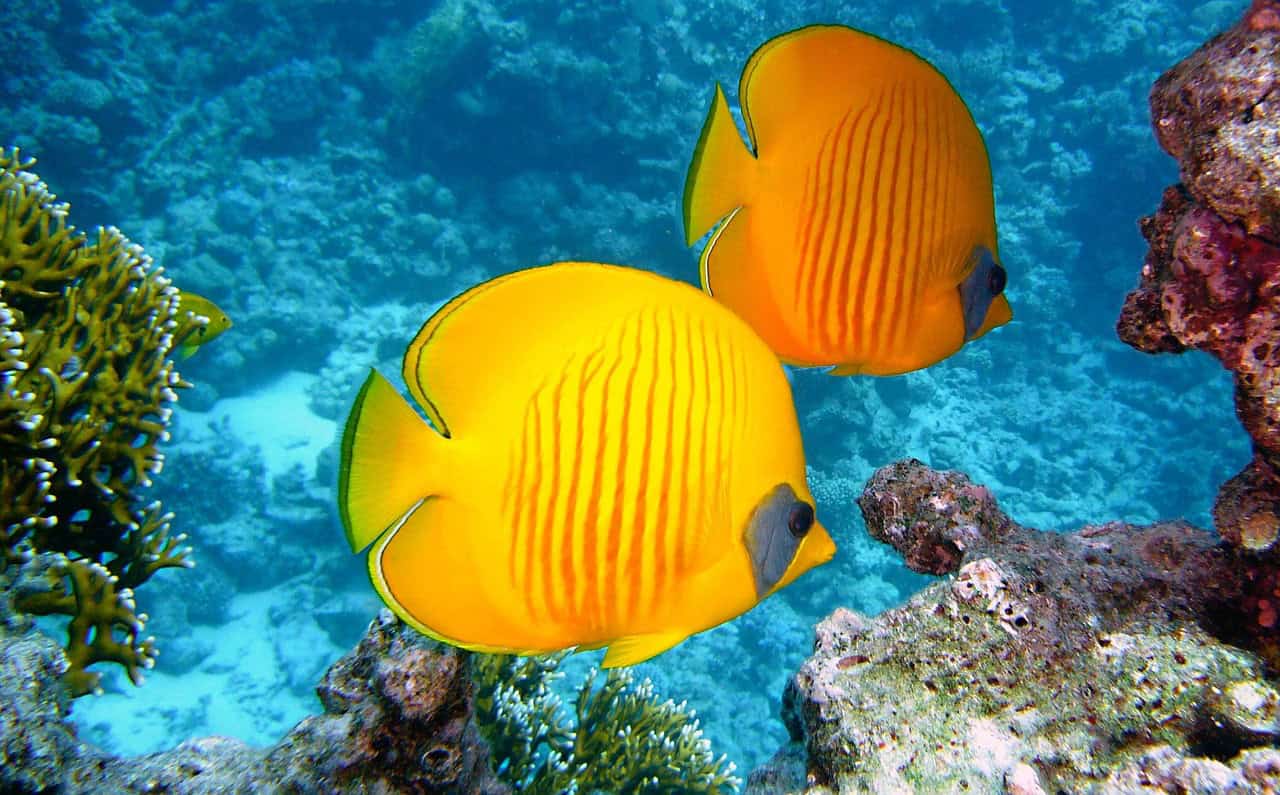
Butterflyfish demonstrate that gender change doesn’t always require complex social hierarchies or territorial disputes. Many species form monogamous pairs that can last for years, with the ability to change sex serving as an insurance policy against partner loss. This flexibility allows butterflyfish pairs to maintain their territories and breeding success even when one partner dies.
The transformation process in butterflyfish is often slower and more gradual than in other species, sometimes taking several months to complete. This extended timeline allows the fish to maintain their pair bond and territory while undergoing the biological changes necessary for their new reproductive role.
Some butterflyfish species can even delay or reverse their sex change if their original partner returns or if social conditions change. This remarkable flexibility has made butterflyfish one of the most successful families on coral reefs worldwide.
Surgeonfish: The Timing Specialists
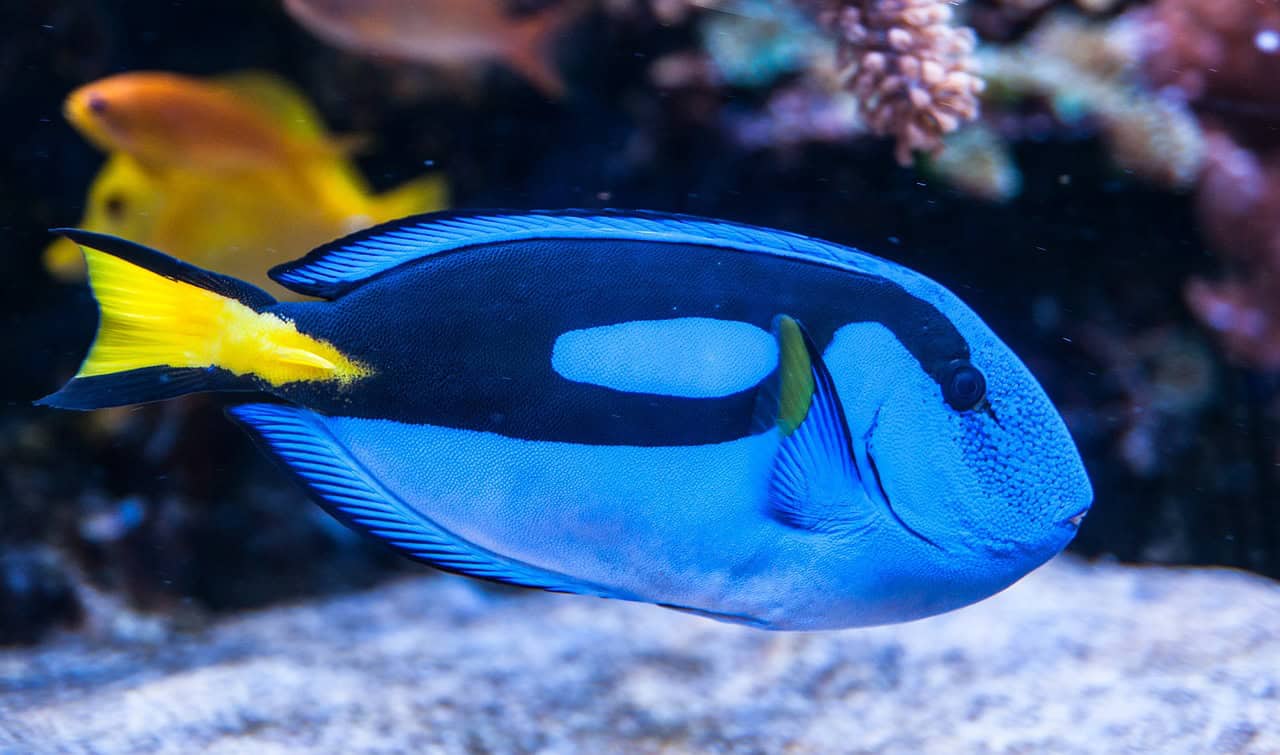
Surgeonfish have evolved gender-changing abilities that are closely tied to environmental timing and seasonal breeding cycles. These algae-eating fish often synchronize their sex changes with lunar cycles, seasonal temperature changes, or spawning seasons. This timing ensures that sex ratios are optimal when breeding activities peak.
The transformation process in surgeonfish is often triggered by environmental cues that predict favorable breeding conditions. Rising water temperatures, changing day length, or chemical signals from other fish can all initiate the sex change process. This environmental sensitivity allows surgeonfish populations to prepare for breeding seasons in advance.
Many surgeonfish species aggregate in large groups during spawning, with recently transformed males taking on leadership roles in coordinating breeding activities. This system ensures that spawning events are well-organized and successful, maximizing reproductive output for the entire population.
Hawkfish: Opportunistic Adapters
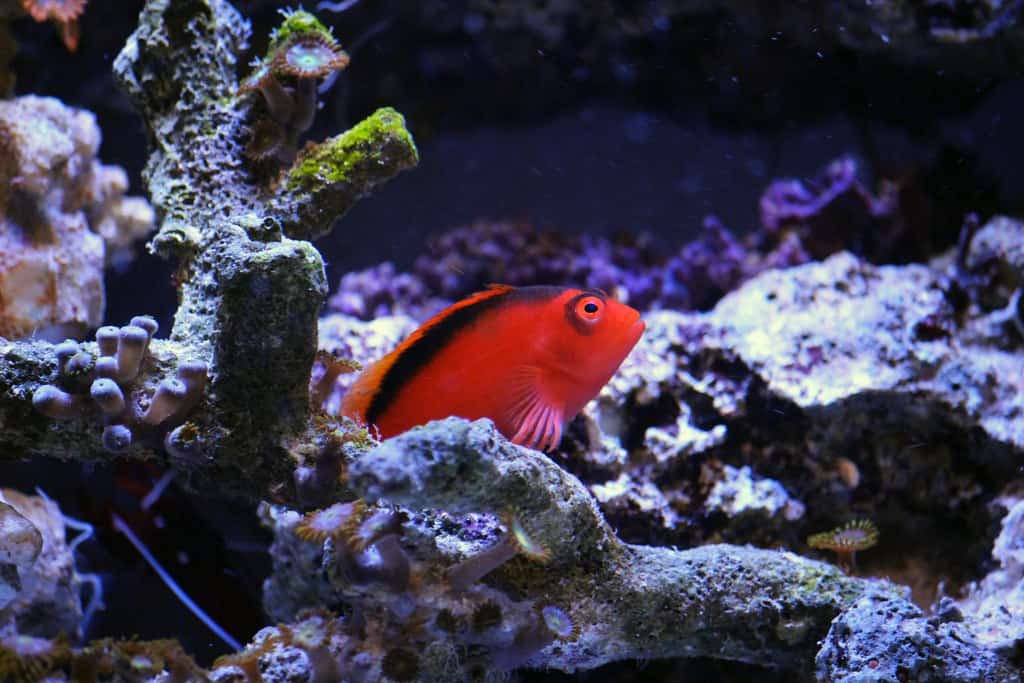
Hawkfish represent opportunistic gender changers that can rapidly adapt to changing social conditions on coral reefs. These small predators live in complex territorial systems where males defend areas of reef against intruders while females move freely between territories. The ability to change sex allows hawkfish to take advantage of breeding opportunities as they arise.
The transformation process in hawkfish is often triggered by the availability of suitable territories or the death of dominant males. A female hawkfish can transform into a male within weeks if she can successfully claim and defend a territory. This rapid response system ensures that valuable reef real estate is never left undefended.
Some hawkfish species show remarkable flexibility in their sex-changing abilities, with individuals capable of assessing social conditions and timing their transformations for maximum reproductive advantage. This strategic approach to gender change has made hawkfish highly successful in competitive reef environments.
Moray Eels: The Mysterious Transformers
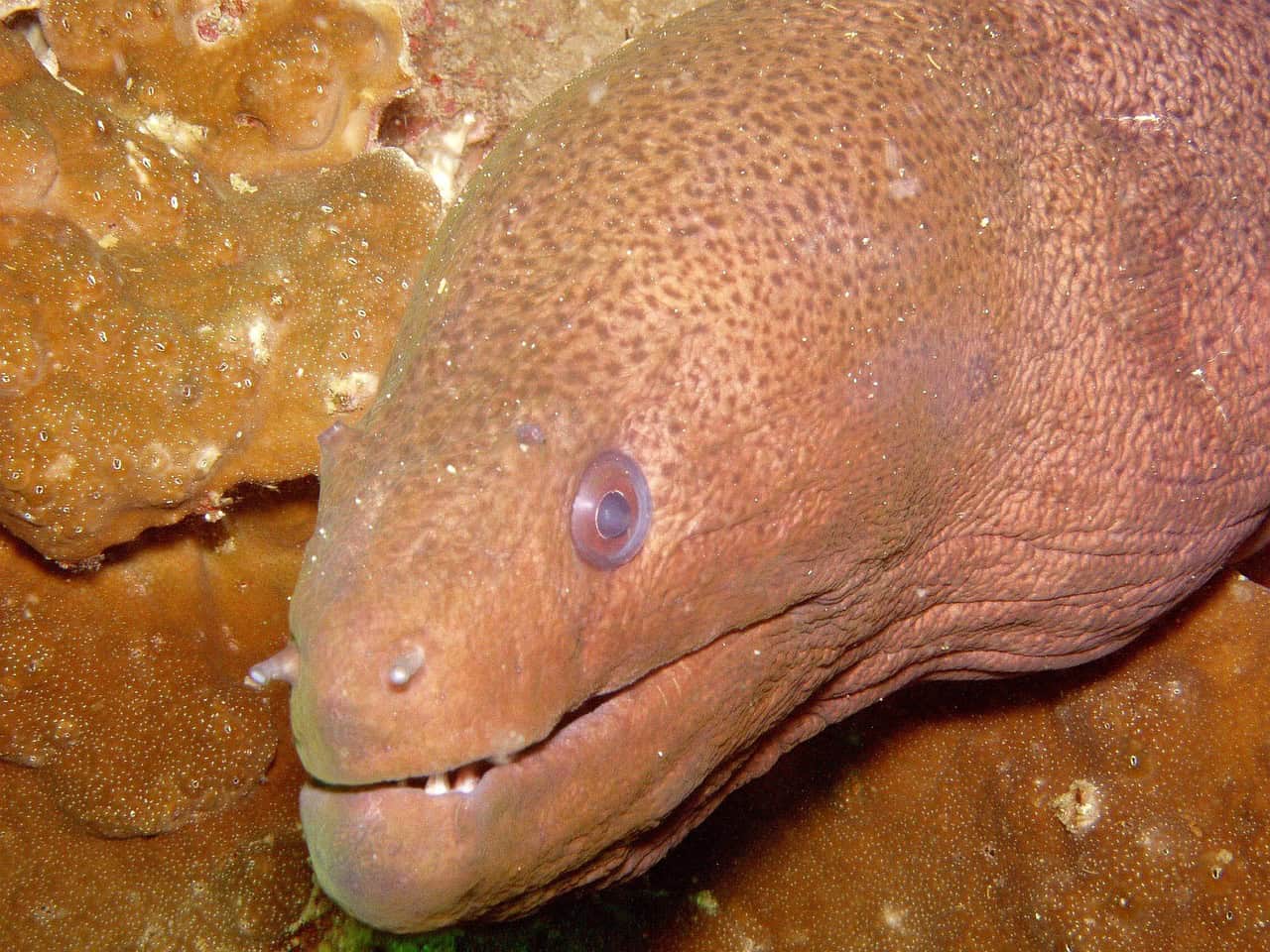
Moray eels bring an air of mystery to the gender-changing world, with many species exhibiting complex transformation patterns that scientists are still working to understand. These serpentine predators often live solitary lives in reef crevices, making their reproductive behaviors difficult to observe and study. However, research has revealed that many moray species are capable of changing sex under specific conditions.
The transformation process in moray eels appears to be related to size, age, and availability of suitable partners. Some species begin life as males and transform into females as they grow larger, while others follow the opposite pattern. The secretive nature of moray eels makes studying their gender-changing abilities particularly challenging.
Recent research has revealed that some moray eel species can even function as simultaneous hermaphrodites, capable of producing both eggs and sperm at the same time. This ability provides maximum flexibility in reproduction, allowing morays to breed with any compatible partner they encounter.
Basslets: The Community Organizers
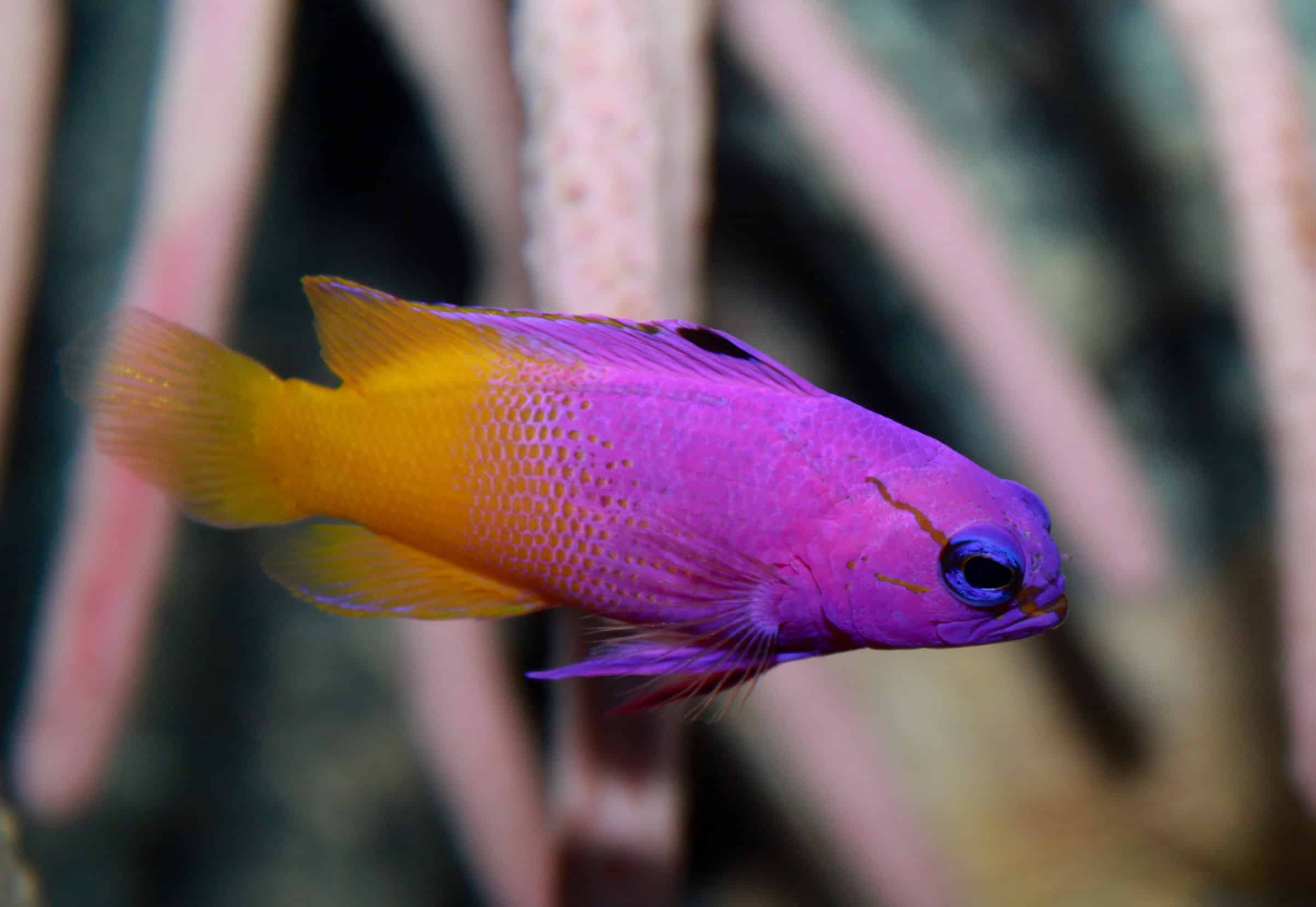
Basslets demonstrate how gender change can serve as a community organization tool in complex reef ecosystems. These small, colorful fish live in large aggregations where social structure is maintained through a combination of size-based hierarchies and gender flexibility. The ability to change sex allows basslet communities to maintain optimal breeding ratios even as environmental conditions change.
The transformation process in basslets is often influenced by community demographics rather than individual factors. If a community has too many males or females, individuals can transform to restore balance. This population-level sex change ensures that breeding opportunities are maximized for the entire group.
Some basslet species have evolved the ability to assess community sex ratios and adjust their own gender accordingly. This sophisticated social awareness allows basslet communities to function as self-regulating reproductive units that can adapt to changing conditions.
Cardinalfish: The Mouthbrooding Changers
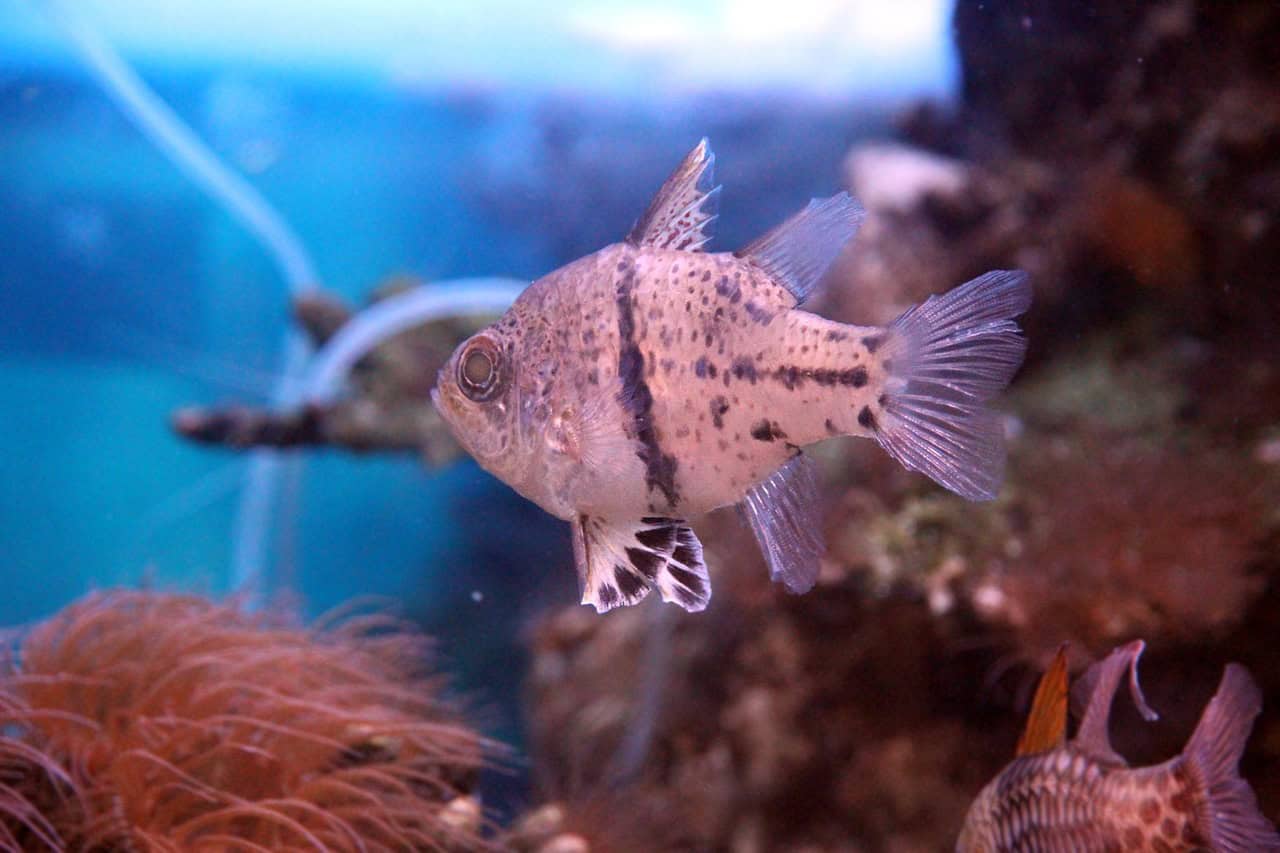
Cardinalfish combine gender-changing abilities with unique parental care behaviors that make them particularly fascinating subjects for study. Many species are mouthbrooders, meaning males carry developing eggs in their mouths until they hatch. The ability to change sex allows cardinalfish to optimize their reproductive strategies based on environmental conditions and partner availability.
The transformation process in cardinalfish is often triggered by the need to balance mouthbrooding duties with territorial defense. If a population has too many males carrying eggs, some individuals may transform into females to increase egg production. Conversely, if there are too few males available for mouthbrooding, females can transform to fill this crucial role.
This flexibility in both gender and parental care roles makes cardinalfish highly adaptable to changing reef conditions. The ability to adjust both sex ratios and parental care strategies provides multiple ways for populations to respond to environmental challenges.
Dottybacks: The Aggressive Adapters
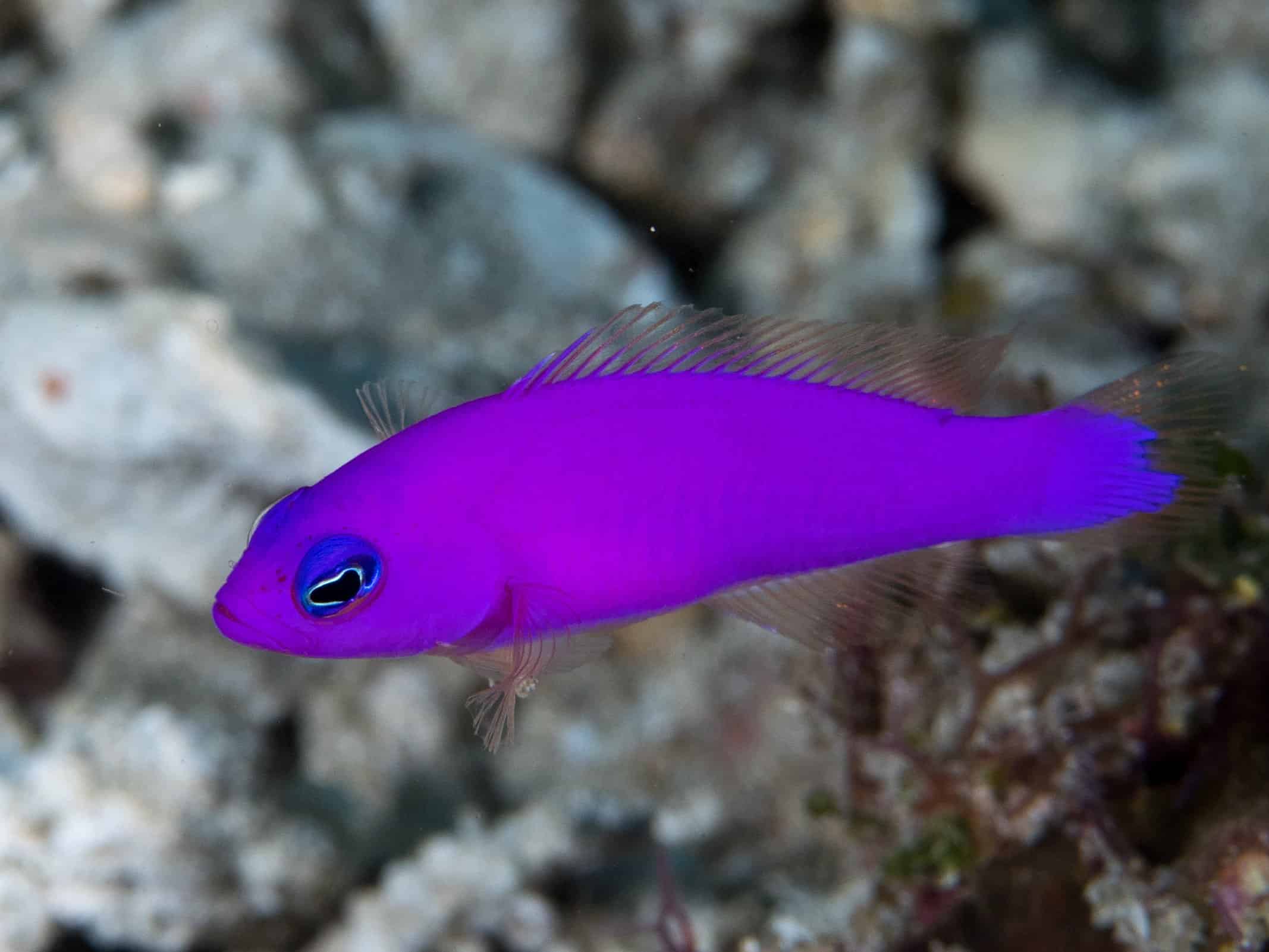
Dottybacks showcase how aggression and territorial behavior can drive gender change in reef fish communities. These small but fierce predators defend territories with remarkable intensity, often fighting much larger fish to protect their patches of reef. The ability to change sex allows dottybacks to optimize their territorial strategies based on available resources and competition levels.
The transformation process in dottybacks is closely linked to territorial success and resource availability. Fish that can successfully claim and defend high-quality territories often transform into males, while those in marginal areas may remain female. This creates a direct link between environmental success and reproductive role.
Some dottyback species show remarkable plasticity in their sex-changing abilities, with individuals capable of rapidly switching between male and female roles as territorial conditions change. This flexibility allows dottyback populations to maintain stable breeding systems even in highly competitive reef environments.
Fairy Basslets: The Depth Specialists
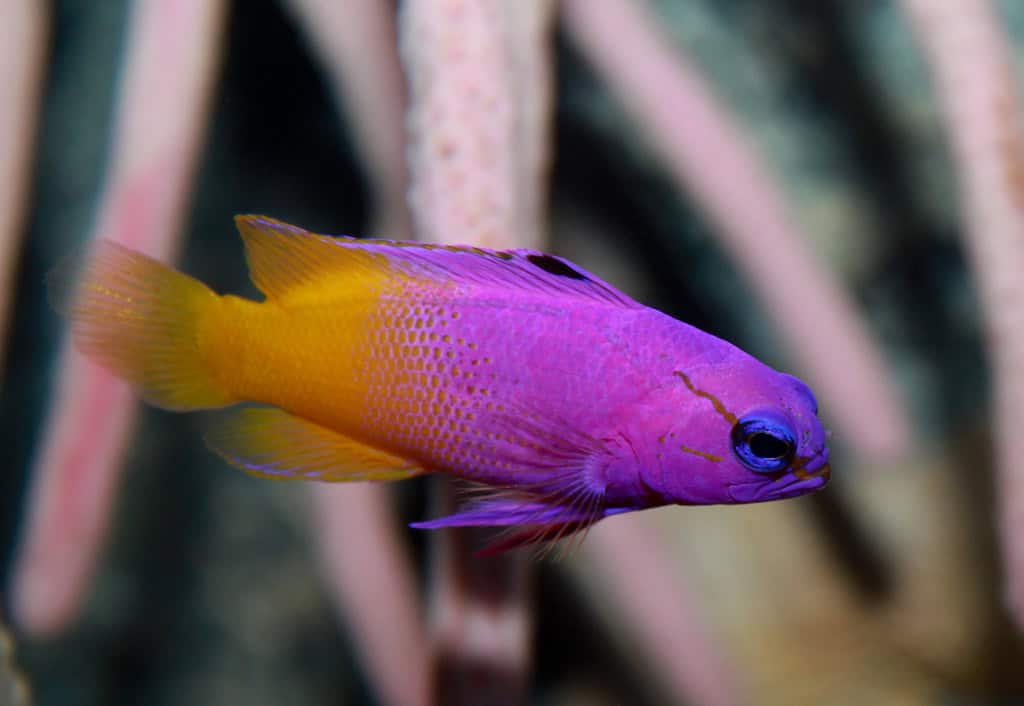
Fairy basslets inhabit the deeper regions of coral reefs where light levels are low and environmental conditions are more stable. These colorful fish have evolved gender-changing abilities that are adapted to the unique challenges of deep reef environments. The ability to change sex allows fairy basslet populations to maintain breeding success even in the isolated conditions of deep reefs.
The transformation process in fairy basslets is often slower and more gradual than in shallow-water species, reflecting the more stable environmental conditions in deeper waters. This extended timeline allows fish to carefully assess social conditions before committing to a sex change.
Many fairy basslet species form long-term pair bonds or small group associations that can persist for years. The ability to change sex serves as insurance against partner loss, ensuring that breeding partnerships can continue even when one member dies or disappears.
Tilefish: The Burrow Builders
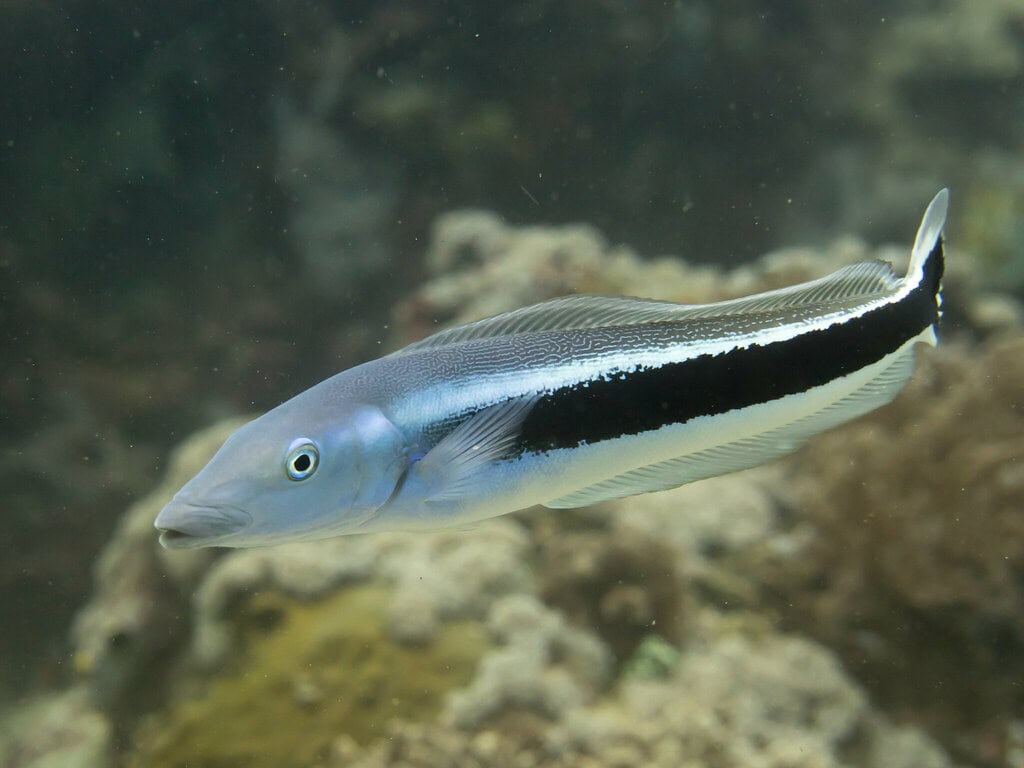
Tilefish represent a unique group of gender-changing fish that combine sex change abilities with complex burrow-building behaviors. These fish create elaborate tunnel systems in sandy bottoms, with the quality and size of burrows often determining breeding success. The ability to change sex allows tilefish to optimize their reproductive strategies based on burrow ownership and territorial success.
The transformation process in tilefish is closely tied to burrow construction and maintenance activities. Fish that can successfully build and defend large, complex burrows often transform into males and attract multiple female partners. This creates a direct link between engineering skills and reproductive success.
Some tilefish species show remarkable flexibility in their burrow-building and sex-changing behaviors, with individuals capable of adjusting both strategies based on substrate availability and competition levels. This dual flexibility has made tilefish highly successful in sandy bottom environments worldwide.
The Evolutionary Advantage: Why Gender Change Works
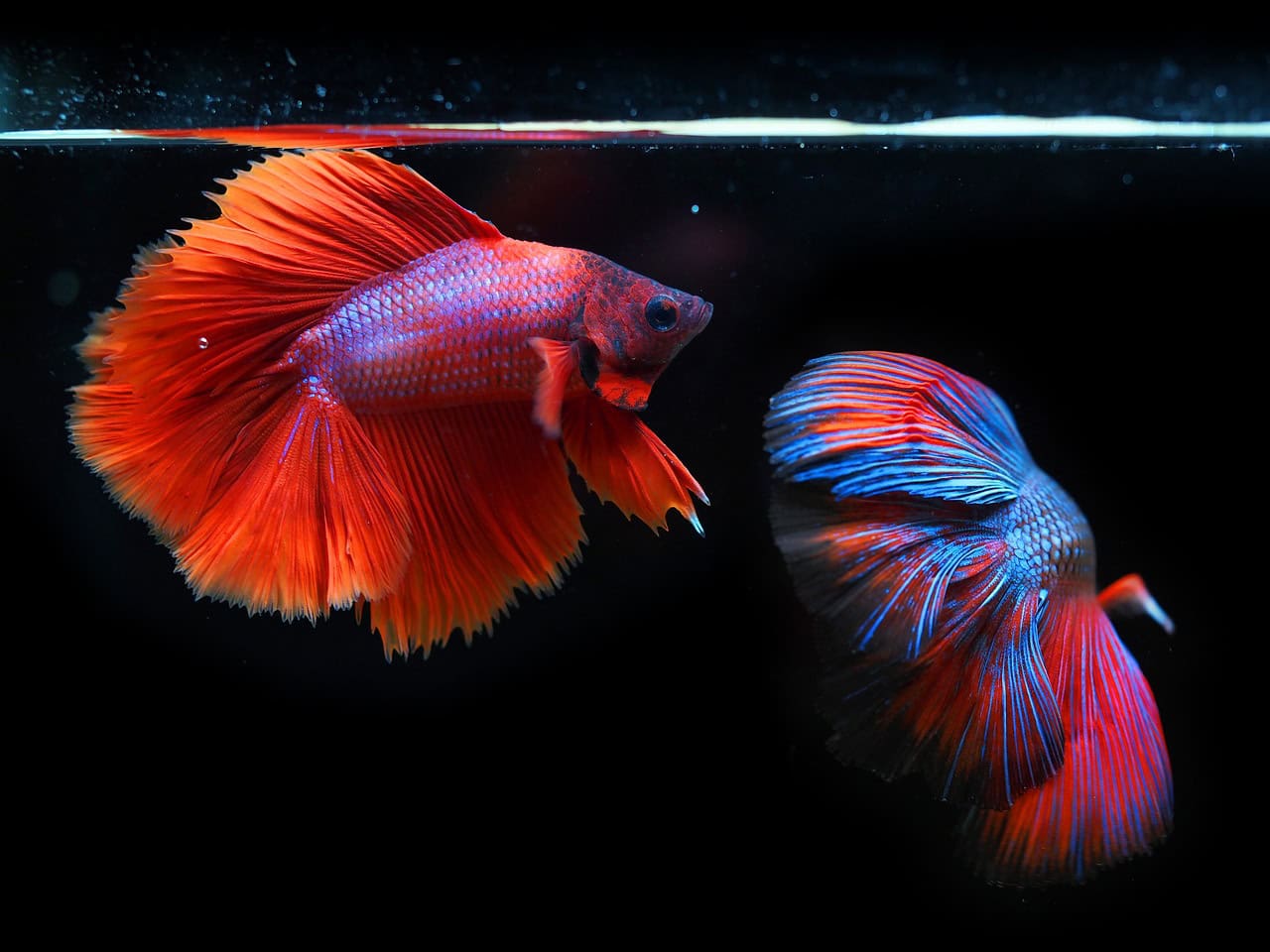
The widespread occurrence of gender change in fish species reveals its tremendous evolutionary value as a survival strategy. This flexibility allows fish populations to maintain optimal breeding ratios even when environmental conditions change rapidly or unpredictably. Unlike fixed-sex species that may struggle when sex ratios become imbalanced, gender-changing fish can quickly adjust to maintain reproductive success.
The ability to change sex also maximizes individual reproductive output over a lifetime. Fish can function as whichever sex is most advantageous at any given time, switching between egg production and sperm production as conditions warrant. This flexibility provides a significant advantage in competitive environments where reproductive opportunities may be limited.
Gender change also serves as a population-level adaptation that allows fish communities to respond to environmental pressures more effectively. When predation, disease, or habitat loss affects one sex more than the other, gender-changing species can rapidly restore balance and maintain breeding success.
Conclusion
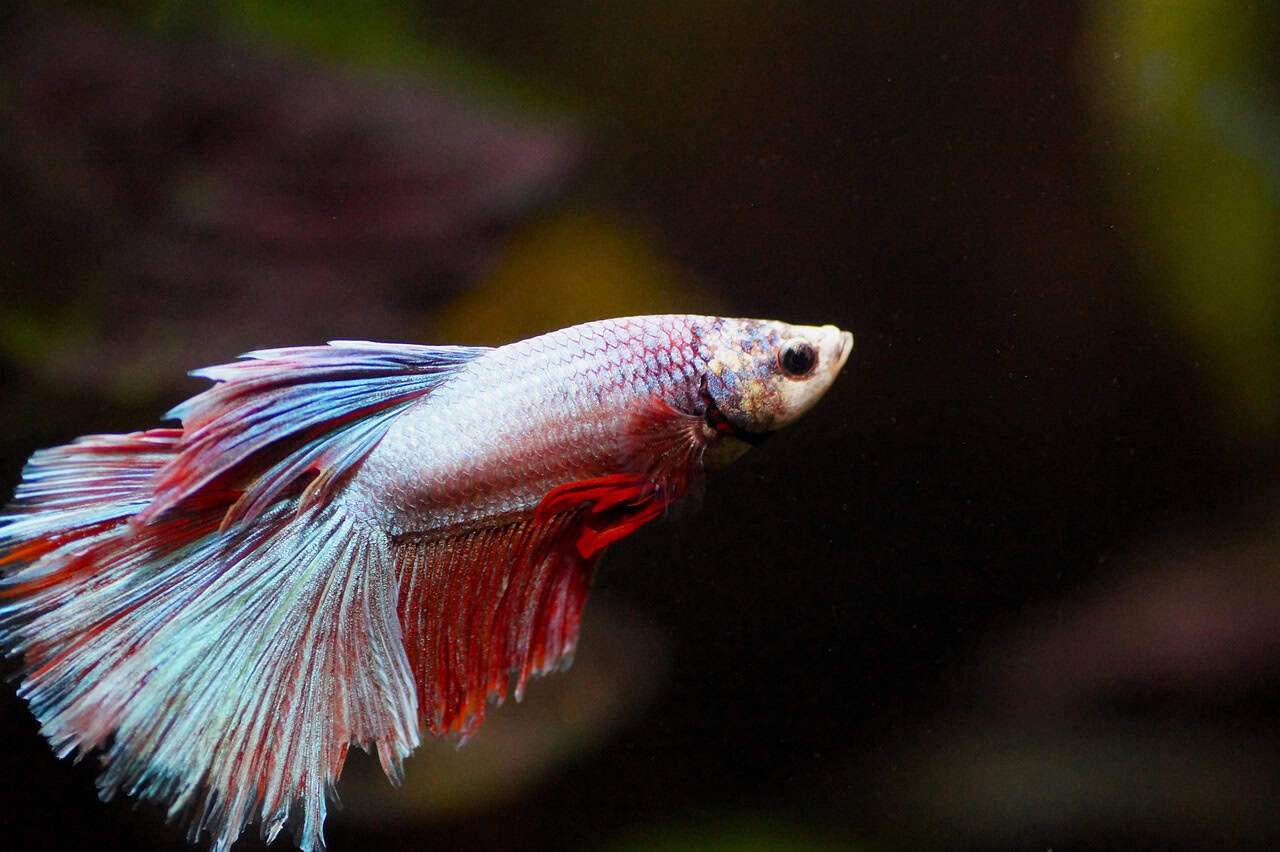
The underwater world of gender-changing fish reveals nature’s incredible ability to find creative solutions to survival challenges. From the clownfish’s matriarchal succession to the goby’s bidirectional flexibility, these aquatic shapeshifters demonstrate that gender can be a fluid, adaptive trait rather than a fixed characteristic. Their strategies have evolved over millions of years, creating some of the most sophisticated reproductive systems in the animal kingdom.
These remarkable fish remind us that diversity and flexibility aren’t just modern concepts—they’re fundamental survival strategies that have shaped life on Earth for eons. As we continue to explore and understand these incredible adaptations, we gain deeper insights into the complexity and beauty of marine ecosystems.
The next time you’re watching fish in an aquarium or snorkeling over a coral reef, remember that you might be witnessing one of nature’s most extraordinary transformations happening right before your eyes. In a world where change is constant, these fish have mastered the ultimate survival skill: the ability to become exactly what they need to be. What other secrets might these underwater chameleons be hiding in the depths?

- The Animals That Inspired Mythical Creatures in Movies - August 2, 2026
- Why Orcas Teach Their Young to Beach Themselves While Hunting - July 31, 2026
- How Raccoons Use Their Tiny Hands to Explore - July 31, 2026