


In the animal kingdom, few creatures capture our imagination quite like parrots with their extraordinary ability to mimic human speech. While many pets might recognize commands or respond to their names, certain parrot species take communication to another level by mastering phrases and words in multiple languages. This linguistic versatility isn’t merely an entertaining party trick—it represents a fascinating intersection of biology, cognition, and the unique bond between humans and these intelligent birds. From African Greys reciting phrases in French and English to Amazons switching between Spanish and German, multilingual parrots demonstrate remarkable cognitive flexibility that continues to astonish researchers and bird enthusiasts alike.
The Science Behind Parrot Speech
🔥 Would you like to save this?
We'll email this post to you, so you can come back to it later!
The ability of parrots to vocalize human language stems from their unique anatomy. Unlike mammals, parrots possess a specialized vocal organ called the syrinx, located at the base of the trachea. This organ allows for intricate sound manipulation and precise control of air through multiple vibrating surfaces. Additionally, parrots have thick, muscular tongues and can control their vocal tract in ways that permit them to form human-like sounds. Their brain structure also plays a crucial role—particularly the presence of an enlarged area called the HVC (high vocal center), which is responsible for vocal learning. This neural architecture shares surprising similarities with the language areas in human brains, despite our distant evolutionary relationship. These biological adaptations don’t automatically translate to language comprehension, but they provide the necessary foundation for parrots to replicate the sounds of multiple languages with remarkable accuracy.
African Grey Parrots: The Multilingual Champions
🔥 Would you like to save this?
We'll email this post to you, so you can come back to it later!
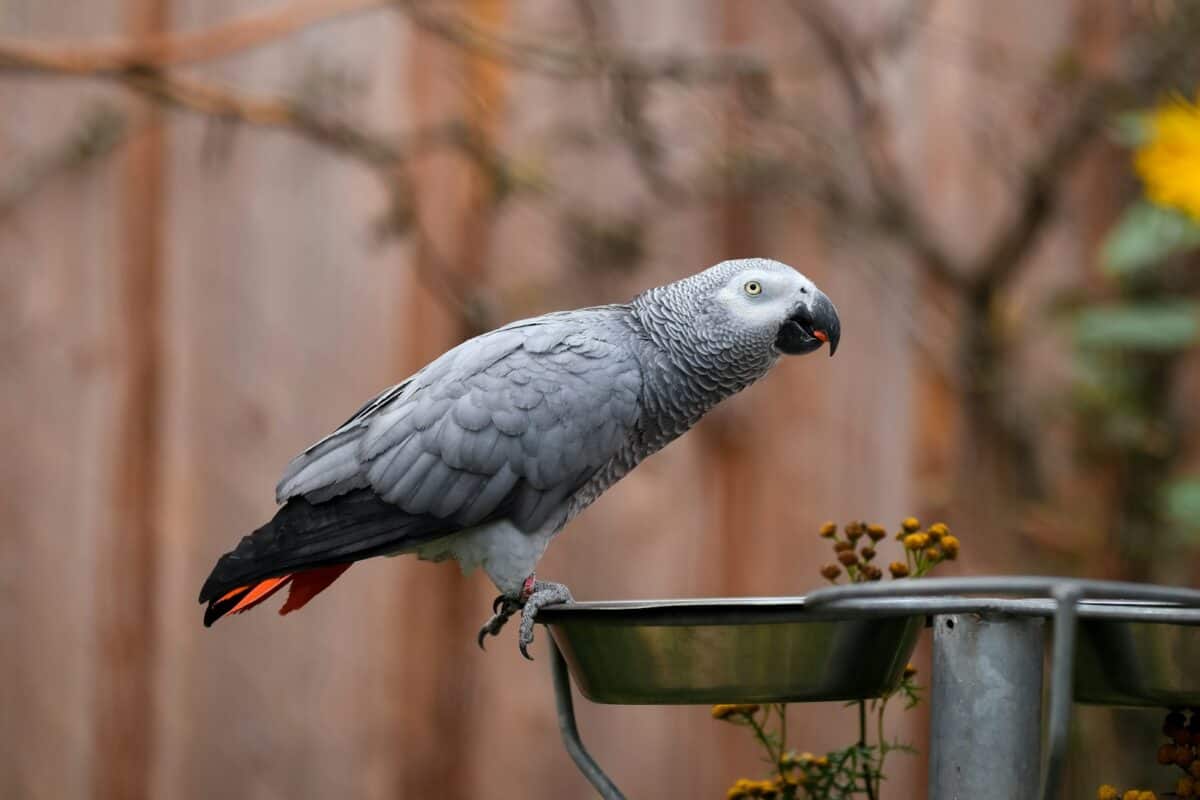
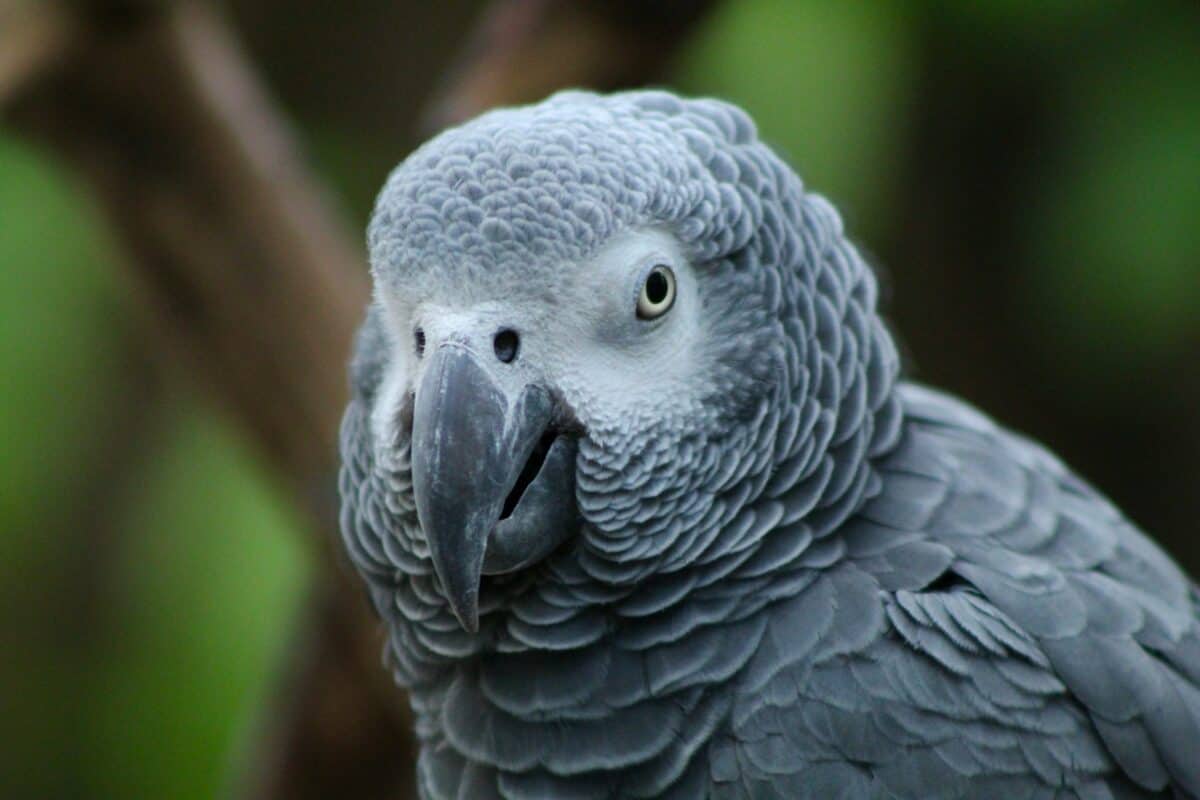
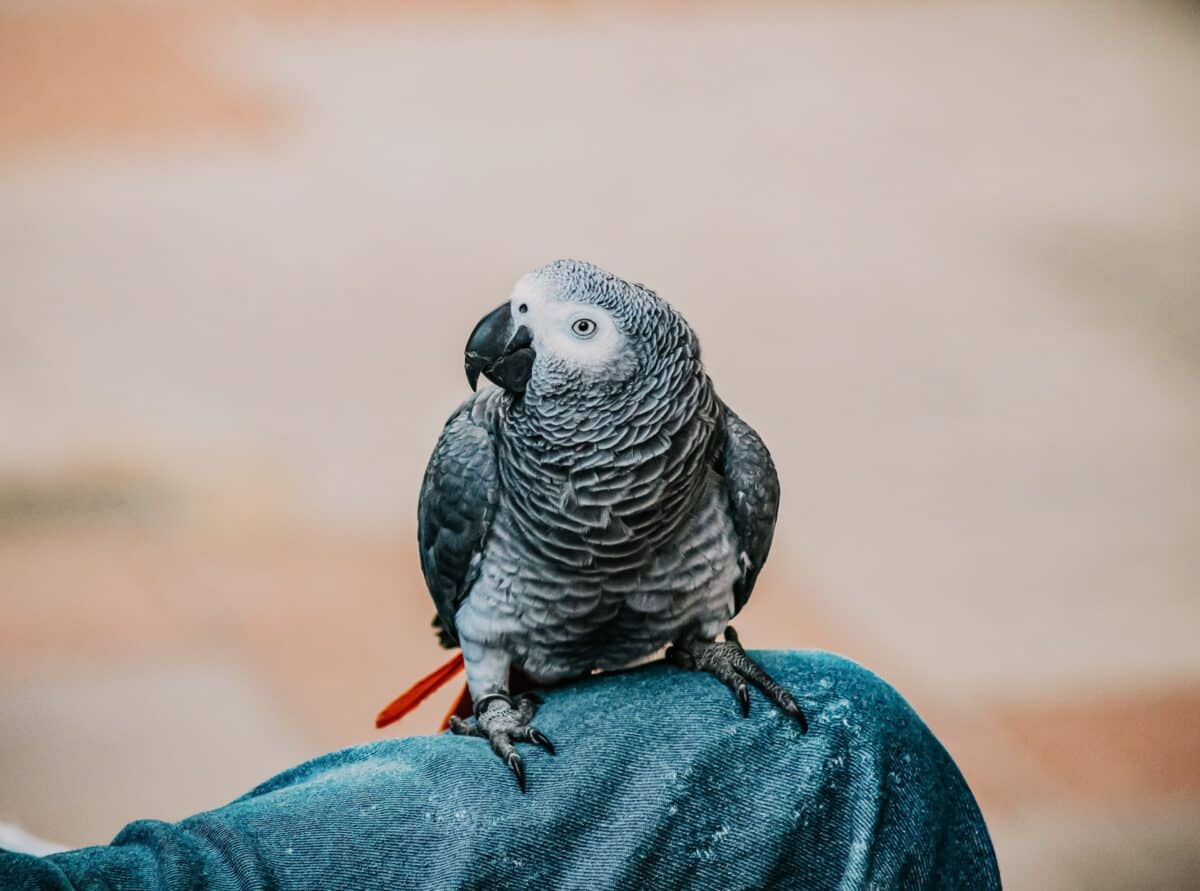
When discussing multilingual parrots, African Grey Parrots (Psittacus erithacus) consistently top the list. These intelligent birds possess vocabulary capabilities sometimes exceeding 1,000 words and can distinguish between different languages with apparent ease. The famous case of Alex, studied by Dr. Irene Pepperberg, demonstrated not just mimicry but understanding of concepts, numbers, and colors. Today, numerous documented cases exist of African Greys who communicate in combinations such as English-French, English-German, and even English-Arabic-French. What makes them particularly adept at multiple languages is their exceptional ability to discern subtle phonetic differences and reproduce them accurately. Their cognitive capacity allows them to associate certain words with specific people who speak different languages, sometimes responding in Italian to an Italian-speaking family member while switching to English for others. This contextual awareness takes their linguistic abilities far beyond simple mimicry.
Amazon Parrots: Multilingual Maestros of the Americas

🔥 Would you like to save this?
We'll email this post to you, so you can come back to it later!
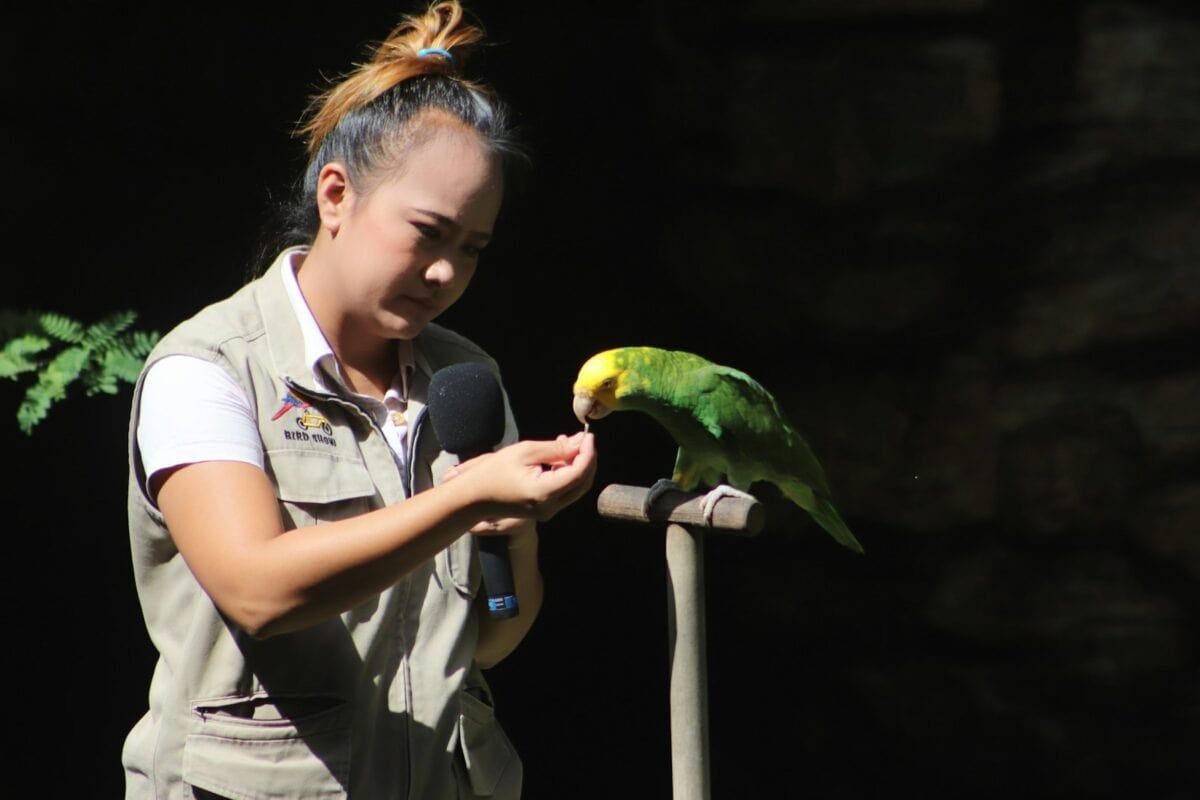
Amazon parrots comprise another group renowned for their linguistic talents across multiple languages. Yellow-naped Amazons (Amazona auropalliata) and Double Yellow-headed Amazons (Amazona oratrix) particularly excel in this area. Their natural vocal range includes complex calls and regional dialects in the wild, predisposing them to human language acquisition. In multilingual households, these birds frequently become fluent in whatever languages they regularly hear. There are documented cases of Amazons speaking combinations of Spanish-English, Portuguese-English, and German-Spanish. Unlike some parrots that might simply repeat phrases, Amazons often demonstrate contextual usage—greeting in Spanish in the morning while switching to English for requests. Their strong personalities and social nature contribute to their willingness to engage vocally, making them enthusiastic participants in cross-linguistic communication. Their voices typically sound remarkably human-like, often complete with accurate accents that reflect their primary caregivers.
Budgerigars: Small Birds with Surprising Linguistic Range

🔥 Would you like to save this?
We'll email this post to you, so you can come back to it later!
Don’t let their diminutive size fool you—budgerigars (Melopsittacus undulatus), commonly known as budgies or parakeets, can develop impressive multilingual abilities despite their small stature. While they typically don’t achieve the vocabulary breadth of larger parrots, budgies often compensate with exceptional clarity and pronunciation. Their natural communication involves complex warbling and chirping sequences, providing a foundation for human speech mimicry. In multilingual environments, budgies have been documented speaking combinations like English-Japanese and German-English. What makes their linguistic achievement particularly remarkable is the relationship between their tiny syrinx and their ability to produce recognizable human sounds. Their high-pitched voices may render some sounds differently than larger parrots, but their capacity to distinguish between languages and reproduce appropriate phrases in each remains impressive. Their affordability and smaller size make them accessible multilingual companions for those with limited space.
The Role of Environment in Multilingual Development
🔥 Would you like to save this?
We'll email this post to you, so you can come back to it later!
A parrot’s linguistic environment plays the decisive role in determining whether it will develop multilingual abilities. Birds raised in households where multiple languages are consistently spoken have the greatest likelihood of acquiring varied linguistic skills. The critical period for vocal learning in parrots extends far beyond that of humans—while they learn most readily when young, many species can continue acquiring new words and languages throughout their lives. Consistency and repetition prove essential; parrots benefit from hearing the same phrases in different languages regularly, preferably from native speakers with authentic pronunciation. The emotional context also matters significantly—words and phrases associated with excitement, rewards, or attention receive preferential treatment in the parrot’s repertoire. Some bird owners report success with dedicated “language sessions” focusing on one language at a time, while others find that natural immersion in a multilingual household produces the most authentic results. Without regular exposure and reinforcement, however, parrots may lose fluency in less-frequently used languages.
Quaker Parrots: The Underestimated Polyglots

🔥 Would you like to save this?
We'll email this post to you, so you can come back to it later!
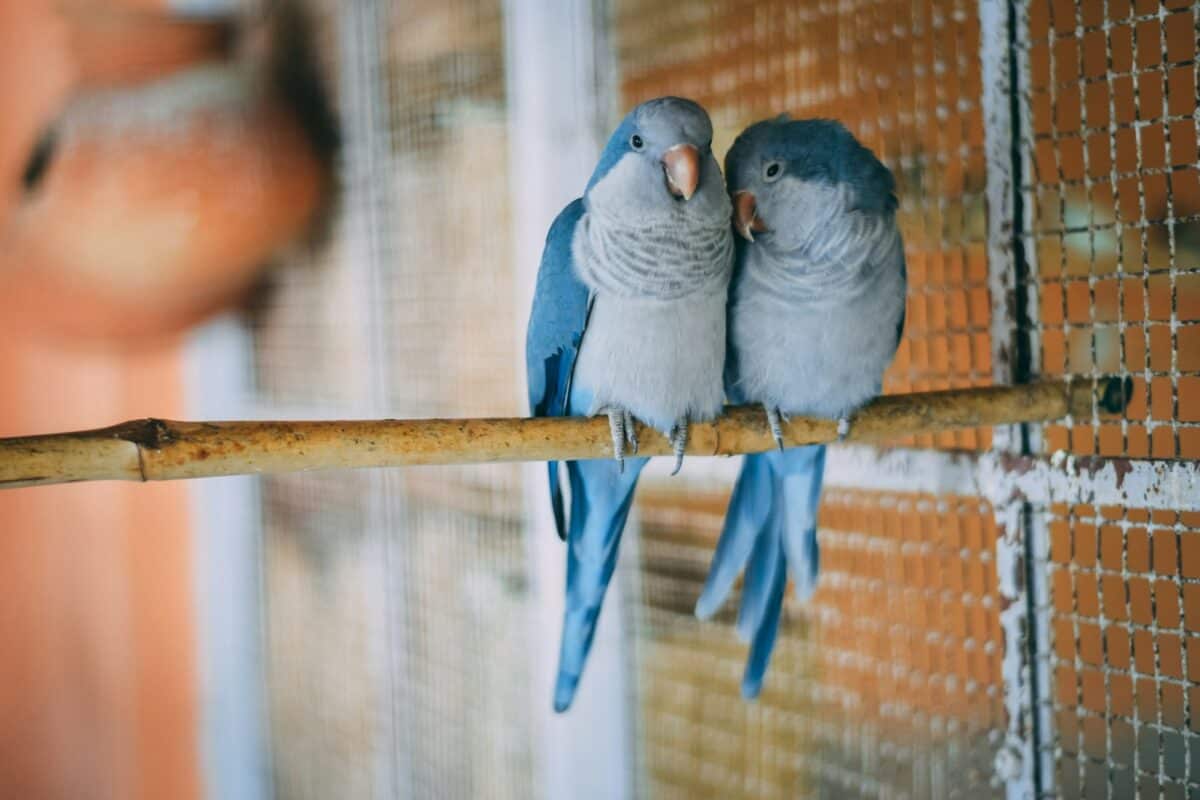
Quaker parrots (Myiopsitta monachus), also known as Monk parakeets, represent another species with remarkable multilingual potential that often flies under the radar. These medium-sized birds combine high intelligence with extraordinary social skills and vocal abilities. Their natural tendency to form complex social structures in the wild translates to an eagerness to communicate vocally in captivity. Documented cases exist of Quakers speaking combinations of English-Spanish, French-English, and even maintaining trilingual abilities in households where three languages are regularly spoken. Their speech tends to be particularly clear and well-articulated, with an uncanny ability to mimic the intonation patterns specific to each language they learn. Their moderate size, relative affordability, and long lifespan of 20-30 years make them excellent candidates for families seeking a multilingual avian companion. Additionally, their playful and inquisitive nature often leads them to actively participate in conversations, sometimes appropriately responding in the language being used at the moment.
Cockatoos: The Expressive Language Learners
🔥 Would you like to save this?
We'll email this post to you, so you can come back to it later!
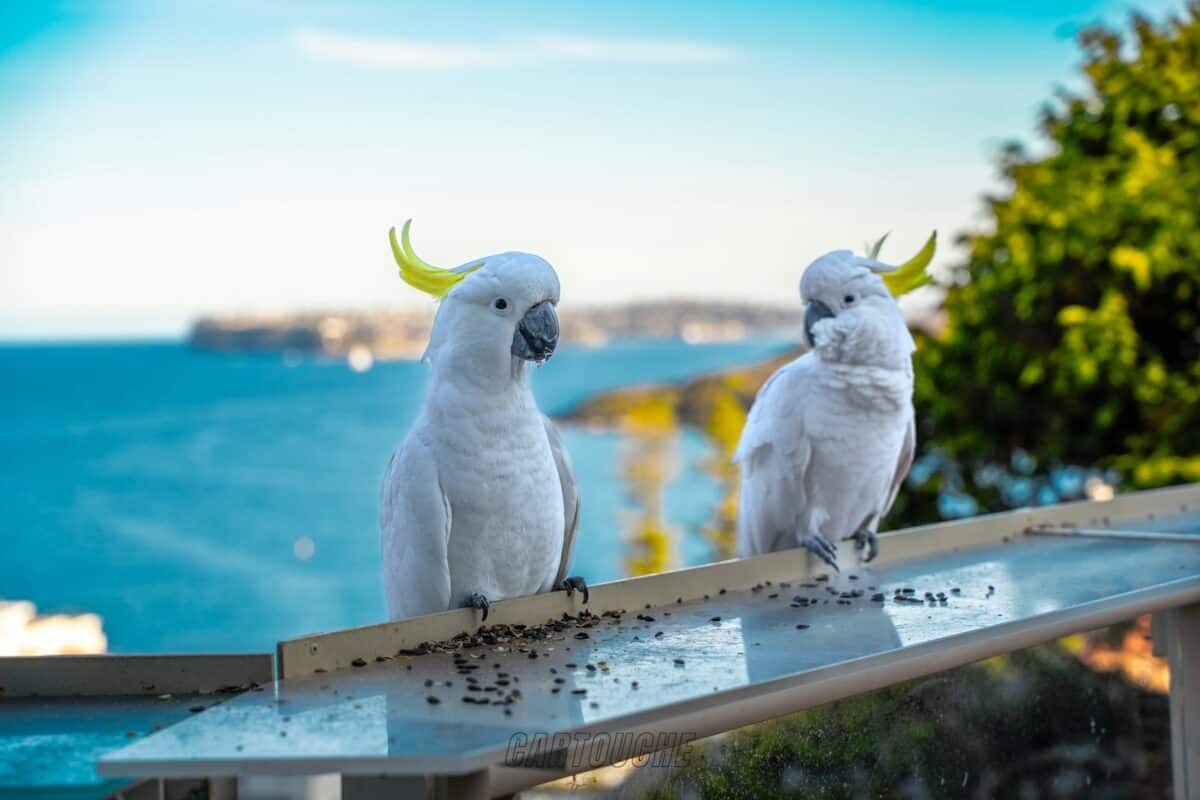
Cockatoos, particularly Umbrella Cockatoos (Cacatua alba) and Moluccan Cockatoos (Cacatua moluccensis), bring a unique dimension to multilingual abilities through their highly expressive delivery. While they may not acquire vocabularies as extensive as African Greys, their emotional expressiveness adds remarkable authenticity to their speech across languages. These birds often learn not just words but appropriate emotional context, sometimes crying out in distress using one language while expressing joy in another. Their strong bonding tendency means they often develop language preferences associated with their favorite people, speaking German to one family member while conversing in English with another. Their powerful voices can project their multilingual repertoire with impressive volume, and they frequently combine vocalizations with physical movements or displays—raising their crests when excited or swaying while speaking. This integration of physical expression and vocalization creates an especially convincing linguistic performance that transcends simple mimicry. Their long lifespan of 60-70 years also provides ample time for language acquisition and refinement.
Eclectus Parrots: Gender Differences in Multilingual Ability
🔥 Would you like to save this?
We'll email this post to you, so you can come back to it later!
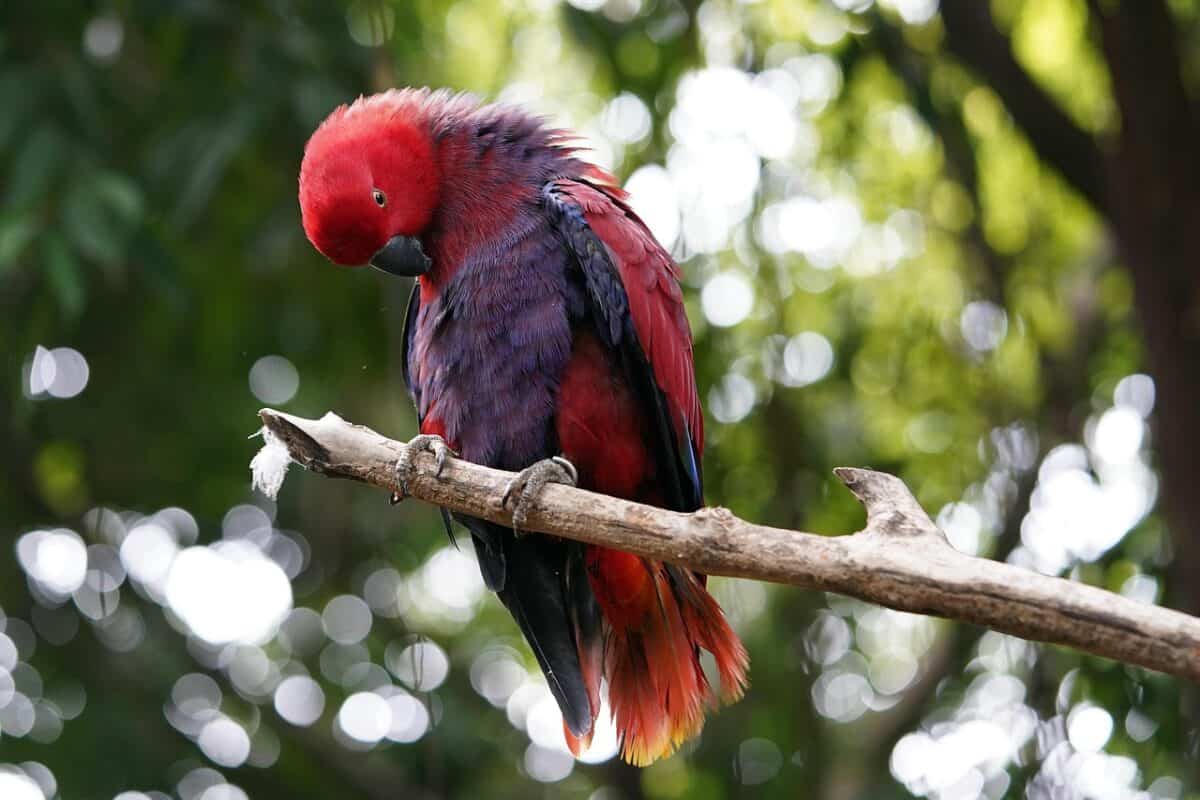
Eclectus parrots (Eclectus roratus) present a fascinating case study in how gender might influence multilingual abilities. These sexually dimorphic birds—with emerald-green males and bright red and purple females—show notable differences in their vocal tendencies. Female Eclectus parrots typically develop more extensive vocabularies and greater clarity in multiple languages, while males may excel in specific phrases with perfect pronunciation but generally speak less frequently. This gender difference likely reflects their natural communication patterns in the wild, where females vocalize more frequently to establish territory around nesting sites. In multilingual households, Eclectus parrots have demonstrated proficiency in combinations like English-Mandarin and Dutch-English-German. They appear particularly adept at distinguishing between languages with significantly different tonal qualities, potentially due to their naturally melodic wild calls. Their relatively calm demeanor and moderate noise levels make them suitable multilingual companions for apartment living, where they can continue to expand their linguistic repertoire without disturbing neighbors.
Comprehension Versus Mimicry in Multilingual Parrots

🔥 Would you like to save this?
We'll email this post to you, so you can come back to it later!
A crucial distinction exists between a parrot’s ability to mimic words in multiple languages and true comprehension of what they’re saying. Research increasingly suggests that certain parrot species, particularly African Greys and some Amazons, understand more than previously thought. While they likely don’t grasp grammar in the human sense, they can associate words with objects, actions, and consequences across language barriers. For example, some multilingual parrots recognize that “agua,” “water,” and “Wasser” all refer to the same substance and will respond appropriately regardless of which language is used. This functional understanding isn’t universal among all talking parrots—many birds simply repeat sounds without conceptual association. The distinction becomes apparent through controlled experiments and observation of spontaneous, appropriate usage. A truly multilingual parrot might, for instance, request food in one language when hungry but switch to another language if the first request goes unanswered. Such contextual switching suggests a level of understanding that transcends pure mimicry and demonstrates remarkable cognitive flexibility across linguistic boundaries.
Famous Multilingual Parrots in History and Media
🔥 Would you like to save this?
We'll email this post to you, so you can come back to it later!
Throughout history, several parrots have achieved fame for their exceptional multilingual abilities. Einstein, an African Grey who appeared on numerous television shows, could speak more than 200 phrases in multiple languages and mimic sounds ranging from other animals to household appliances. Prudle, a Lesser Sulphur-crested Cockatoo recorded in the Guinness Book of World Records, commanded a vocabulary of over 800 words in English and Japanese. More recently, Disco the parakeet became a YouTube sensation with his clear renditions of phrases and songs in both English and Spanish. These celebrated cases extend back centuries—historical accounts mention parrots aboard international trading vessels who picked up phrases in multiple languages from sailors. Perhaps most scientifically significant was Alex, Dr. Irene Pepperberg’s African Grey, who demonstrated not just multilingual mimicry but cognitive capabilities previously thought impossible in non-primates. These famous examples have helped reshape our understanding of avian intelligence and linguistic capability, inspiring further research into the cognitive mechanisms underlying these remarkable abilities.
Ethical Considerations and Responsible Ownership
🔥 Would you like to save this?
We'll email this post to you, so you can come back to it later!
The allure of owning a multilingual parrot comes with significant ethical responsibilities. These intelligent birds require extensive mental stimulation, social interaction, and proper care to thrive, particularly when developing complex language skills. Potential owners should recognize that parrots are long-lived, with many species living 50+ years—a commitment extending well beyond most other pets. Attempting to teach multiple languages should never involve punishment or frustration, as this damages the bird’s willingness to communicate and trust. Responsible ownership means providing appropriate housing, nutrition, veterinary care, and understanding that even the most linguistically talented parrot remains a wild animal with natural behaviors like screaming and chewing. Many rescue organizations operate at capacity with surrendered birds whose owners underestimated their complexity and needs. The ideal home for a multilingual parrot includes patient, committed caretakers who value the bird’s welfare above its entertainment value, recognize the time investment required, and are prepared to provide consistent care throughout the bird’s entire life, potentially including provisions in estate planning.
Future Research on Multilingual Capabilities in Parrots
🔥 Would you like to save this?
We'll email this post to you, so you can come back to it later!
The scientific frontier of parrot linguistics continues to expand, with promising research directions exploring the depth and mechanisms of their multilingual abilities. Current studies using advanced neuroimaging techniques aim to map how parrot brains process different languages and whether they categorize linguistic information similarly to humans. Other researchers are investigating whether parrots develop distinct “accents” when speaking different languages, potentially providing insights into how they mentally organize varied linguistic inputs. The question of true translation—whether parrots can associate equivalent words across languages and substitute them appropriately—remains particularly tantalizing. Ongoing longitudinal studies tracking parrots from infancy through maturity seek to identify optimal periods for introducing additional languages and whether early exposure creates stronger neural pathways for language acquisition. Citizen science projects involving pet owners documenting their birds’ linguistic development provide valuable data supplementing laboratory research. As our understanding of avian cognition advances, these magnificent birds may help unlock fundamental insights about the evolution of communication and the neural foundations of language across species boundaries.
The Remarkable Bridge Between Species
🔥 Would you like to save this?
We'll email this post to you, so you can come back to it later!
The multilingual abilities of certain parrot species represent far more than an entertaining peculiarity—they constitute a remarkable bridge between human and avian experience. When a parrot addresses us in our native language, then switches effortlessly to communicate with another family member in a different tongue, we glimpse something profound about the flexibility of intelligence and the universality of communication. These abilities challenge our assumptions about the uniqueness of human language and expand our understanding of cognitive possibilities in the animal kingdom. For thousands of years, humans have been captivated by these colorful companions who seem determined to join our conversations, regardless of which language we speak. As research continues to unravel the mysteries behind their remarkable talents, multilingual parrots remain among our most fascinating windows into animal intelligence—feathered polyglots who remind us that the drive to communicate transcends species boundaries and sometimes, even linguistic ones. In their colorful presence, we find both scientific wonder and the simple joy of connection across the biological divide.

- How Koalas Survive on a Diet of Toxic (To Humans) Eucalyptus Leaves - November 5, 2026
- The Largest Python Ever Captured in Florida’s Everglades - November 5, 2026
- The Largest Sea Turtle Ever Rescued Off North Carolina - November 5, 2026