


Imagine stepping back in time 20 million years ago and encountering a creature that would make even the most seasoned paleontologist do a double-take. Picture a massive beast with the armored appearance of a military tank, yet possessing the elegant proportions of a thoroughbred horse. This wasn’t some fantastical creature from a science fiction movie – this was Teleoceras, one of the most remarkable rhinoceros species that ever roamed the ancient grasslands of North America.
Unlike the horn-bearing giants we associate with modern rhinos, Teleoceras presented an entirely different evolutionary approach to survival. This prehistoric powerhouse stretched nearly 13 feet in length but stood surprisingly low to the ground, creating a silhouette that was both imposing and oddly graceful. Its barrel-shaped body, supported by short, sturdy legs, gave it the appearance of a living fortress, while its elongated skull and refined features hinted at a more horse-like ancestry than we might expect from a rhinoceros.
The Evolutionary Marvel That Defied Classification
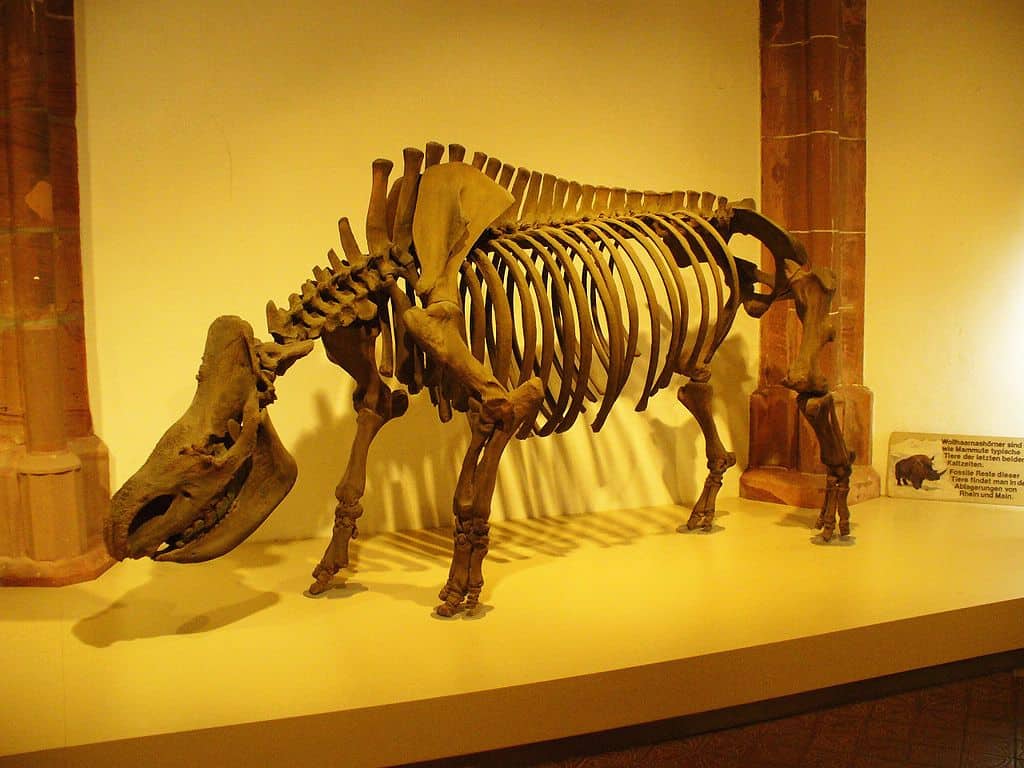
When paleontologists first discovered Teleoceras fossils in the late 1800s, they struggled to categorize this unusual creature. The skeletal remains presented a puzzling combination of features that seemed to blur the lines between different animal families. Dr. Othniel Charles Marsh, the renowned American paleontologist who first described the species, noted that the animal’s proportions were unlike anything seen in the fossil record.
The confusion stemmed from Teleoceras’s unique body plan, which represented a completely different evolutionary strategy than modern rhinos. While today’s rhinoceros species are built for charging through dense vegetation, Teleoceras appeared designed for a lifestyle that required both defensive capabilities and surprising agility. Its low-slung profile and robust build suggested an animal that could withstand attacks while maintaining the mobility needed to navigate diverse terrains.
A Tank-Like Body Built for Ancient Warfare
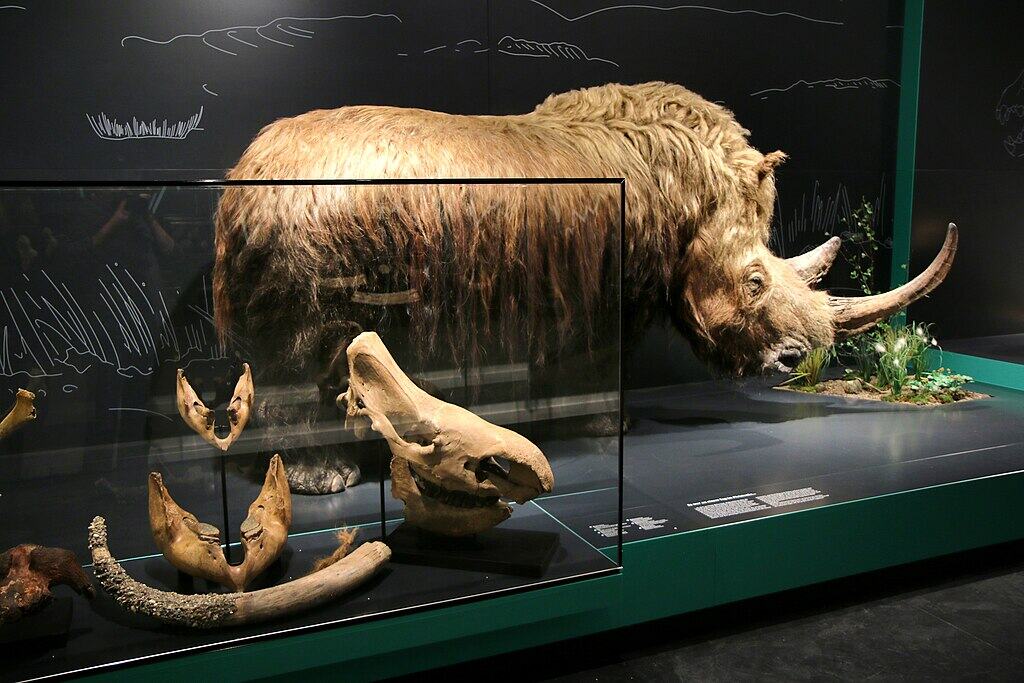
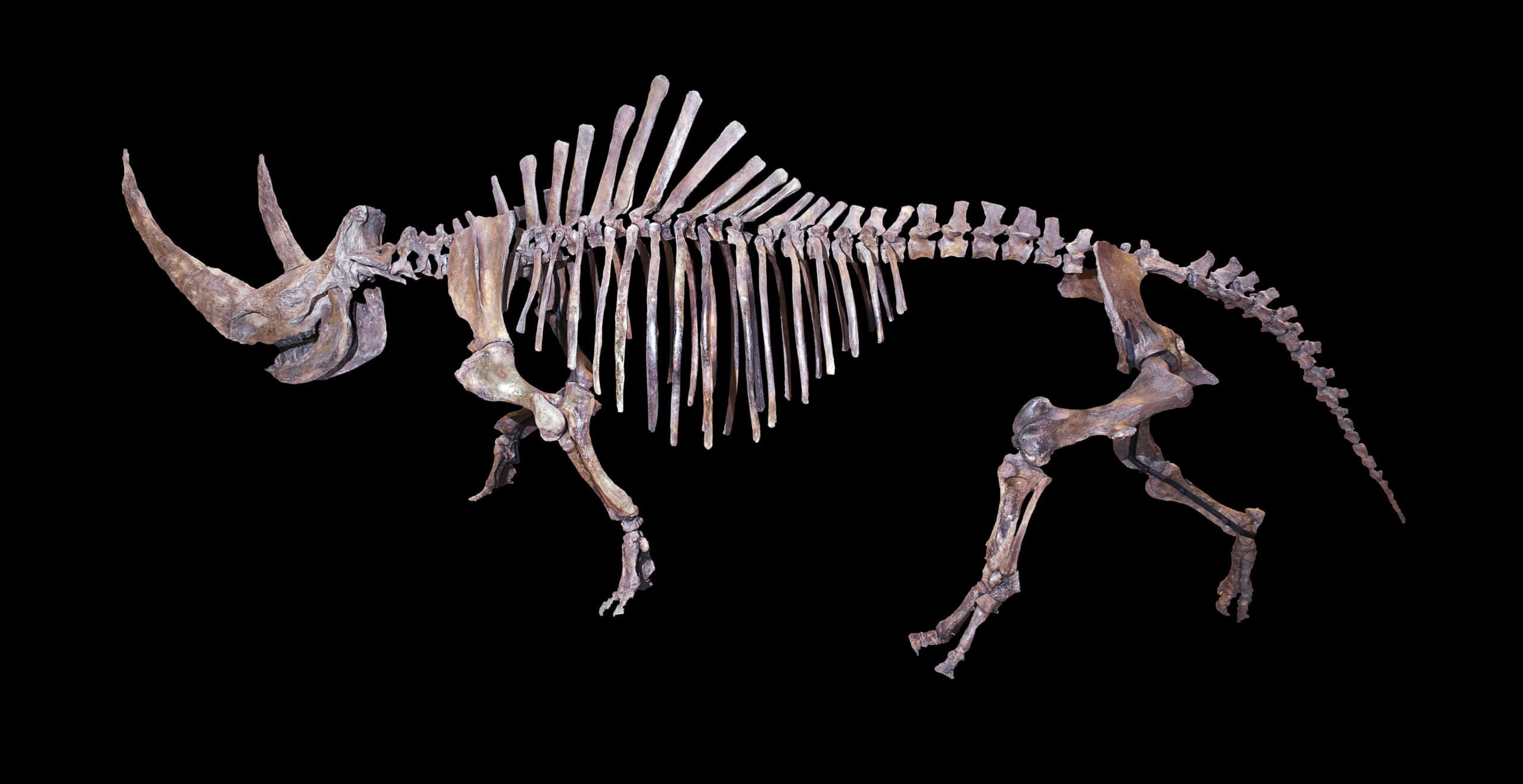
The most striking feature of Teleoceras was undoubtedly its heavily built, barrel-shaped torso that earned it the “tank” comparison. This prehistoric rhino’s body measured approximately 4 feet in height at the shoulder, but its length of nearly 13 feet created a distinctly horizontal profile. The robust ribcage and thick vertebrae provided exceptional protection for vital organs, much like the armor plating on a modern battle tank.
This defensive architecture wasn’t merely for show – it served crucial survival purposes in the Miocene epoch’s competitive ecosystem. The thick, muscular body could absorb impacts from predators or rival Teleoceras during territorial disputes. Scientists believe this tank-like build also helped the animal maintain its ground when feeding, preventing smaller competitors from easily displacing it from prime grazing spots.
Horse-Like Proportions That Surprised Scientists
Despite its rhinoceros classification, Teleoceras possessed remarkably horse-like proportions that set it apart from its modern relatives. The animal’s skull was elongated and refined, lacking the bulky, horn-supporting structures we associate with contemporary rhinos. Instead, its head displayed a more streamlined profile reminiscent of ancient horses, with a relatively narrow snout and well-defined facial features.
The limb proportions further reinforced this horse-like appearance, though adapted for a different lifestyle. While the legs were shorter and more robust than those of actual horses, they maintained a similar relative positioning and joint structure. This combination created an animal that appeared to be caught between two evolutionary paths – the heavy, defensive build of a modern rhino and the more agile, graceful form of early equids.
The Missing Horn That Changed Everything
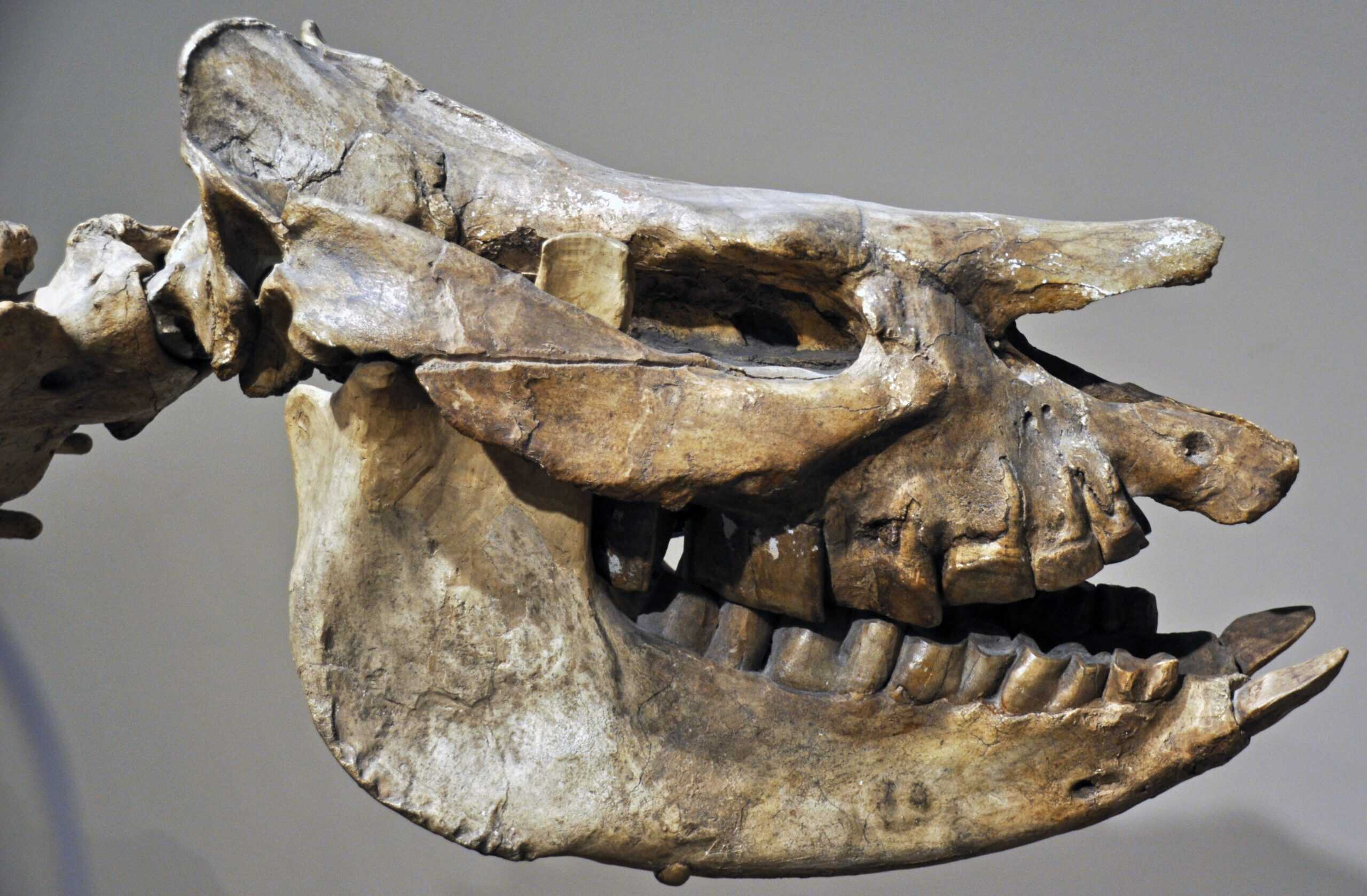
Perhaps the most surprising aspect of Teleoceras was its complete lack of the prominent horn that defines modern rhinoceros species. This absence fundamentally altered the animal’s appearance and behavior, contributing to its unique horse-tank hybrid look. Without the need to support a heavy horn structure, the skull could develop along different lines, creating the more refined, equine-like profile that puzzled early researchers.
The missing horn also suggests that Teleoceras employed entirely different defensive and social strategies than its modern relatives. Instead of using horns for combat and intimidation, this ancient rhino likely relied on its massive size, thick hide, and powerful build to deter threats. This evolutionary choice represents a fascinating alternative path in rhinoceros development, one that prioritized bulk and armor over weaponry.
Habitat and Environment of the Miocene Giant
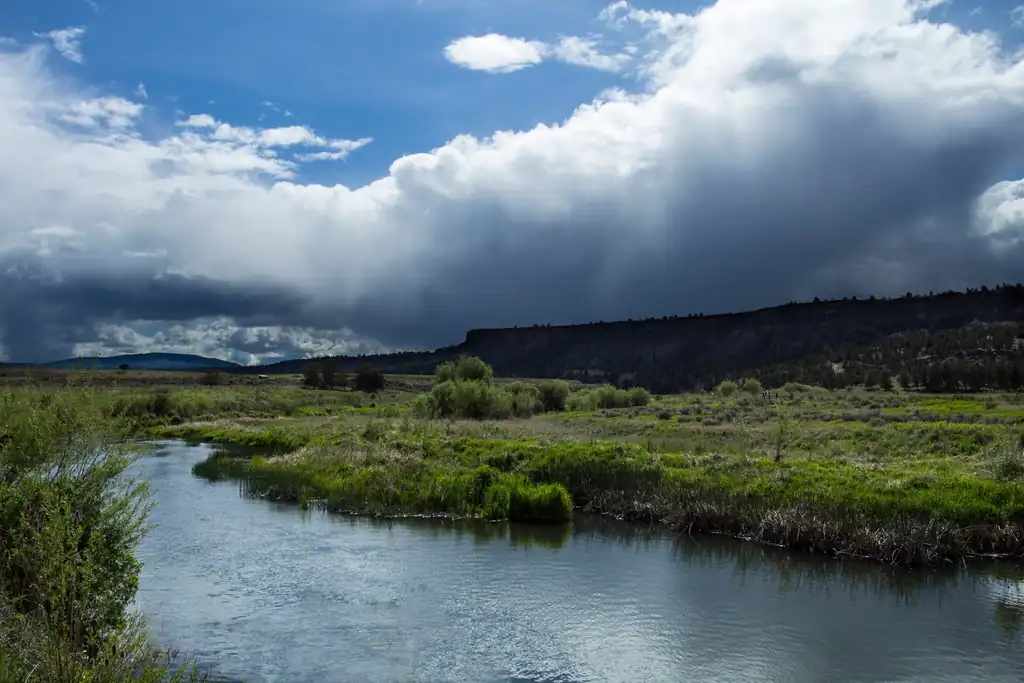
Teleoceras thrived during the Miocene epoch, approximately 17 to 5 million years ago, in what is now the Great Plains of North America. This period was characterized by expanding grasslands and a relatively warm, humid climate that supported diverse megafauna. The environment was perfect for a large grazing animal like Teleoceras, with abundant vegetation and water sources scattered across the landscape.
The fossil evidence suggests that Teleoceras preferred areas near rivers and wetlands, where it could access both food and water easily. Its low-slung body and broad feet were well-adapted for traversing soft, muddy ground near water sources. This habitat preference also explains why so many Teleoceras fossils have been found in ancient river deposits, preserved in the sediments that once lined these prehistoric waterways.
Dietary Habits of a Prehistoric Grazer

Analysis of Teleoceras teeth reveals a fascinating story about its dietary preferences and feeding strategies. The animal possessed broad, flat molars perfectly designed for grinding tough plant material, indicating it was primarily a grazer. These teeth show heavy wear patterns consistent with processing large quantities of coarse vegetation, including grasses, sedges, and possibly aquatic plants.
The feeding behavior of Teleoceras likely resembled that of modern hippos more than contemporary rhinos. Its low profile and proximity to water sources suggest it may have spent considerable time feeding on aquatic vegetation. The powerful jaw muscles and robust skull structure could generate tremendous grinding force, allowing the animal to process even the toughest plant materials efficiently.
Social Behavior and Herd Dynamics
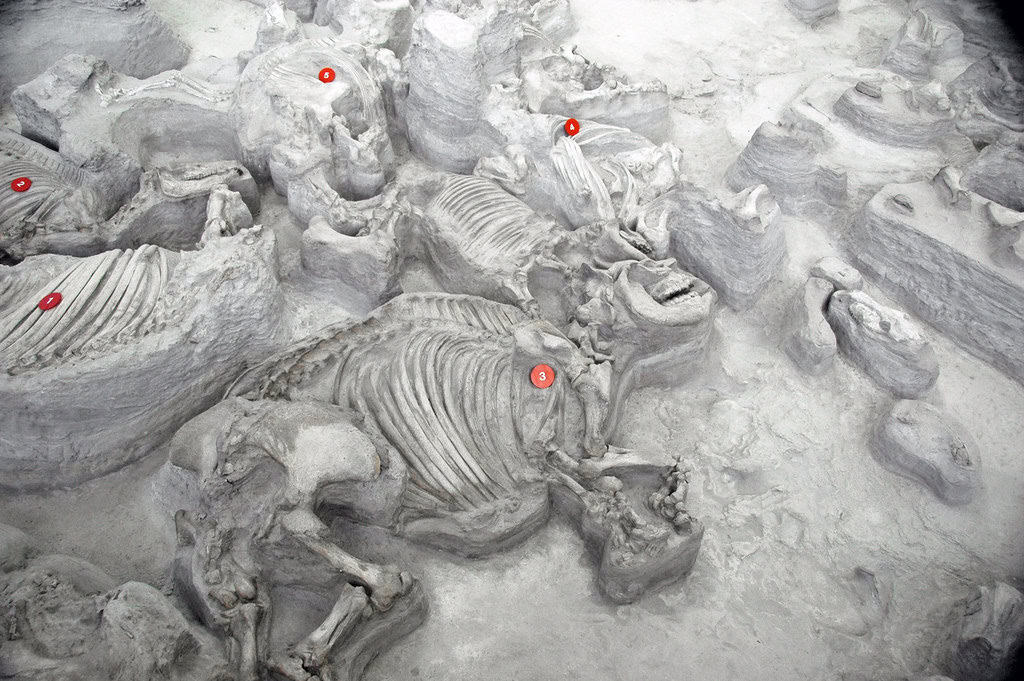
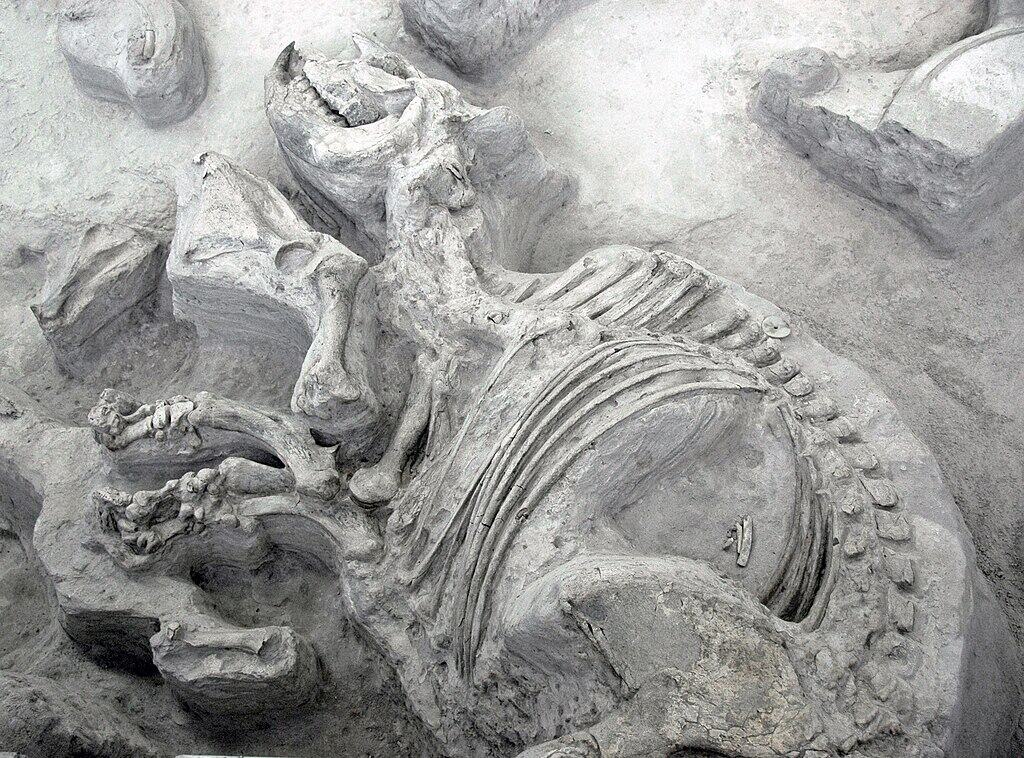
Fossil evidence suggests that Teleoceras lived in social groups, with multiple individuals often found buried together in ancient flood deposits. These mass burial sites, known as “bonebeds,” indicate that the animals traveled and fed together, possibly forming loose herds for protection and resource sharing. The Ashfall Fossil Beds in Nebraska have yielded some of the most spectacular examples of these group burials.
The social structure of Teleoceras herds likely provided significant advantages in their ancient ecosystem. Group living would have offered protection from predators, with the combined mass of several tank-like bodies creating an intimidating defensive formation. Additionally, herding behavior would have helped individuals locate the best feeding areas and water sources across the vast Miocene landscapes.
Predators and Threats in the Ancient World
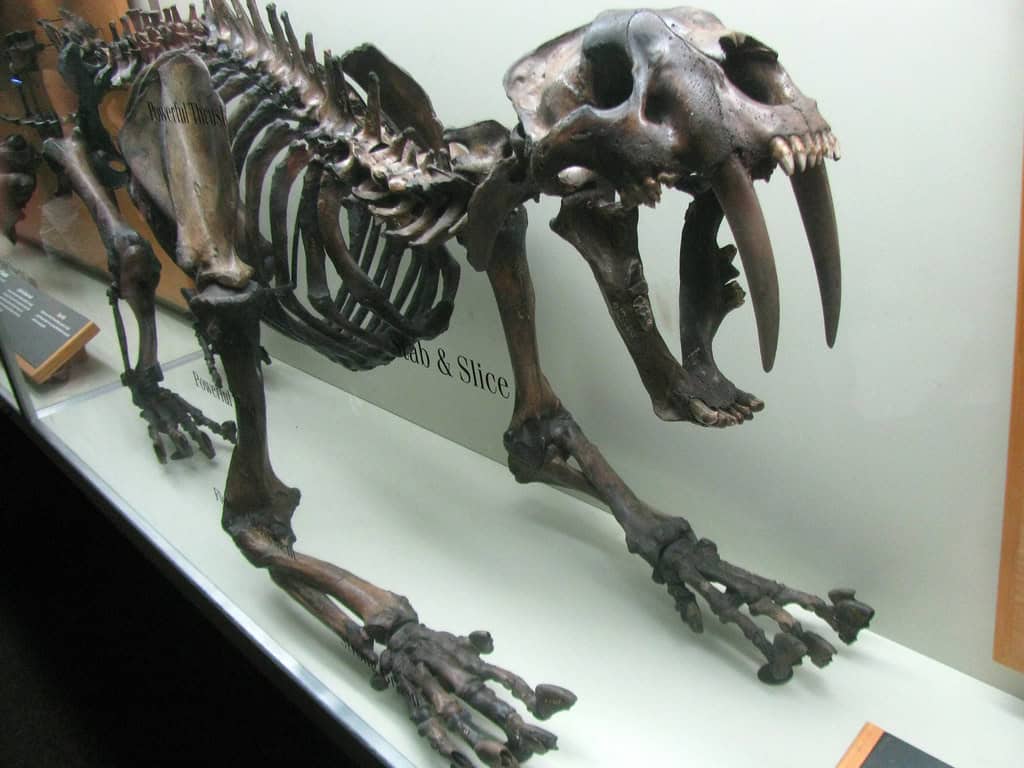
Despite its formidable appearance, Teleoceras faced numerous threats in the Miocene ecosystem. Large predators such as the saber-toothed cat Machairodus and the massive bear-dog Amphicyon posed significant dangers, particularly to young or isolated individuals. The fossil record shows evidence of predator attacks on Teleoceras, including bite marks and broken bones that suggest violent encounters.
The tank-like build of Teleoceras was likely an evolutionary response to these predation pressures. The low profile made it difficult for predators to access vulnerable areas like the neck and belly, while the robust construction could absorb significant damage. However, the trade-off was reduced speed and agility, meaning that Teleoceras had to rely on its defensive capabilities rather than escape tactics.
Reproduction and Life Cycle
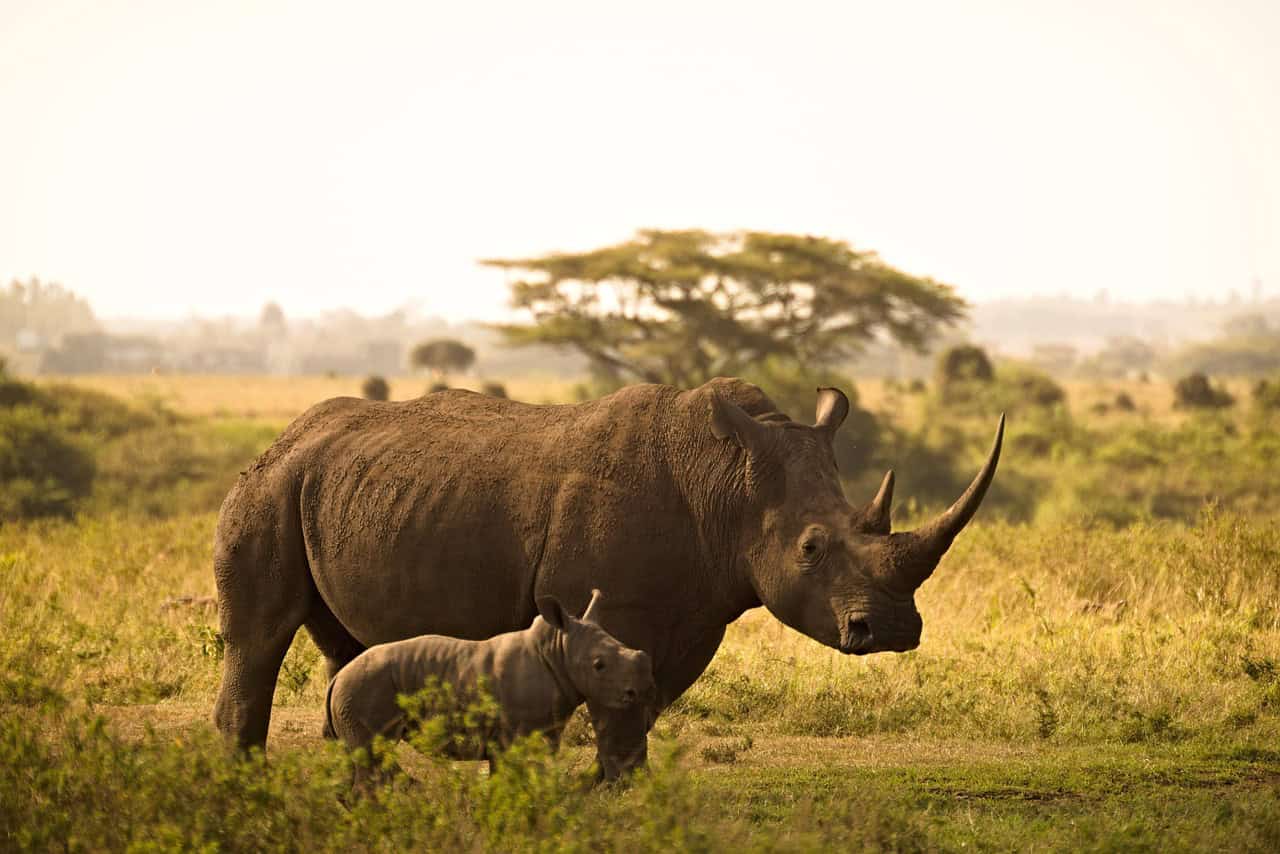
Understanding Teleoceras reproduction requires piecing together clues from fossil evidence and comparisons with modern relatives. The species likely had a relatively long gestation period, similar to modern rhinos, with females giving birth to single calves after approximately 15-18 months. The young would have been vulnerable during their first years, requiring protection from both predators and environmental hazards.
Growth patterns evident in fossil bones suggest that Teleoceras had a relatively slow maturation rate, taking several years to reach full size. This extended development period would have required significant parental investment and may have contributed to the species’ social behavior. The protective herd structure would have been crucial for ensuring the survival of young individuals until they could defend themselves.
Extinction and Environmental Changes
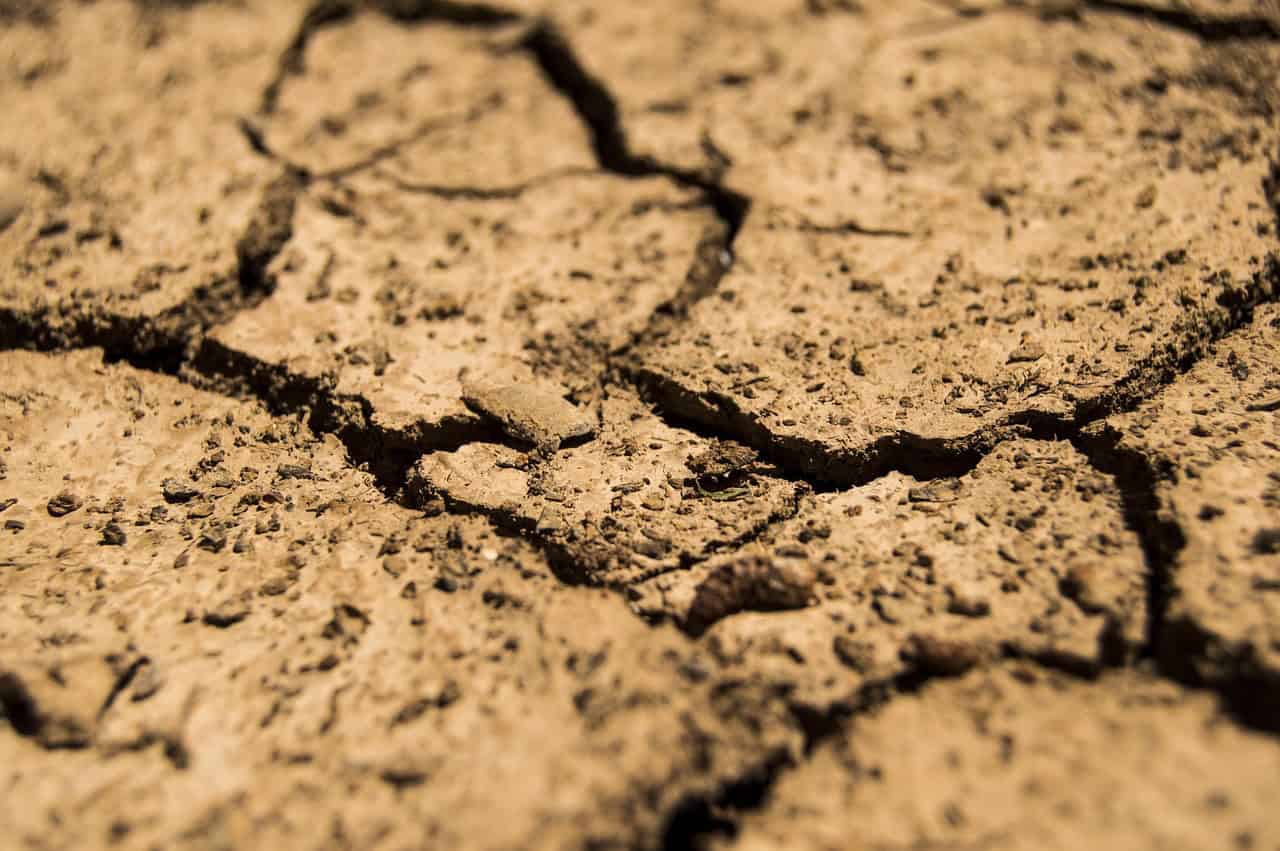
The decline and eventual extinction of Teleoceras coincided with significant environmental changes during the late Miocene period. As the climate became cooler and drier, the lush grasslands that supported these massive herbivores began to shrink. The changing vegetation patterns and reduced water availability created challenging conditions for an animal so dependent on abundant plant resources.
Competition with other herbivores also played a role in Teleoceras’s extinction. As horses evolved and diversified, they became more efficient grazers, potentially outcompeting Teleoceras for food resources. The arrival of more advanced predators and the overall cooling trend of the late Miocene created a perfect storm of challenges that ultimately proved insurmountable for this remarkable species.
Fossil Discoveries and Scientific Breakthroughs
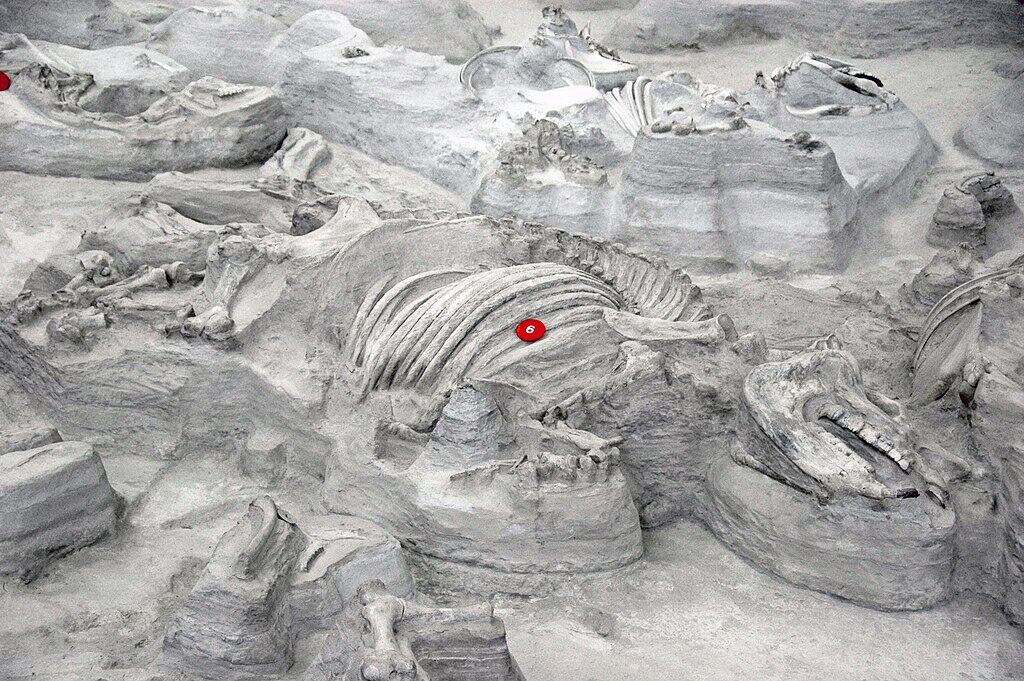
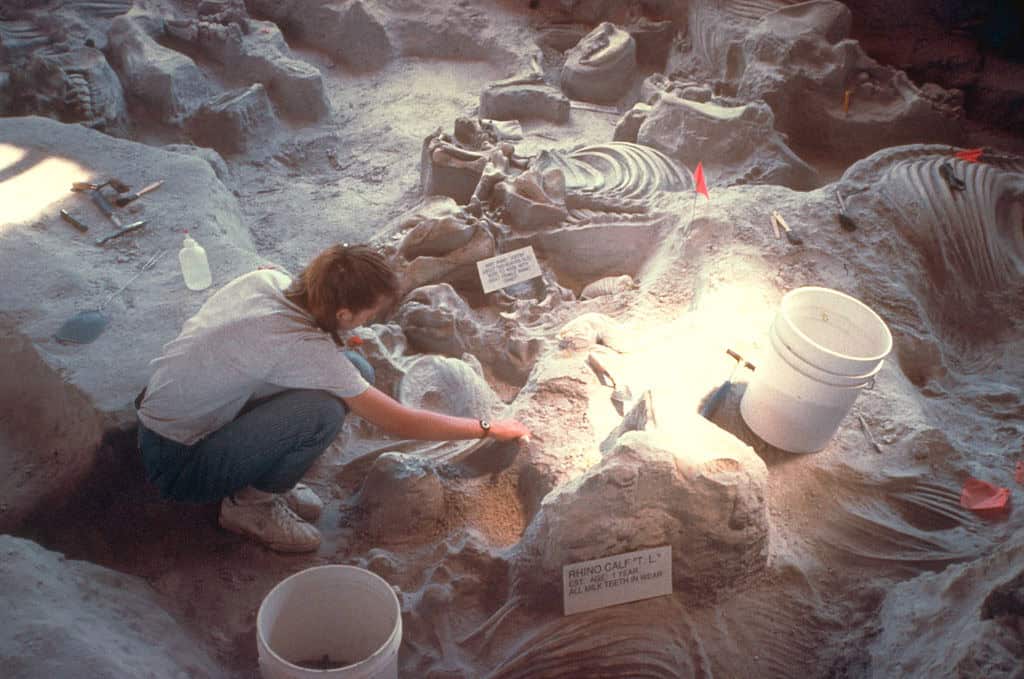
The story of Teleoceras discovery is filled with remarkable fossil finds that have revolutionized our understanding of ancient rhinoceros evolution. The most famous discovery site, the Ashfall Fossil Beds in Nebraska, has yielded hundreds of complete skeletons, providing unprecedented insight into the species’ anatomy and behavior. These fossils were preserved in volcanic ash, creating exceptional preservation conditions that captured even the smallest details.
Recent discoveries have included complete family groups, with adults and juveniles found together, providing evidence of social behavior and herd structure. Advanced imaging techniques have revealed internal bone structures, growth patterns, and even evidence of diseases that affected these ancient animals. Each new discovery adds another piece to the puzzle of how Teleoceras lived and adapted to its prehistoric world.
Comparative Anatomy with Modern Rhinos
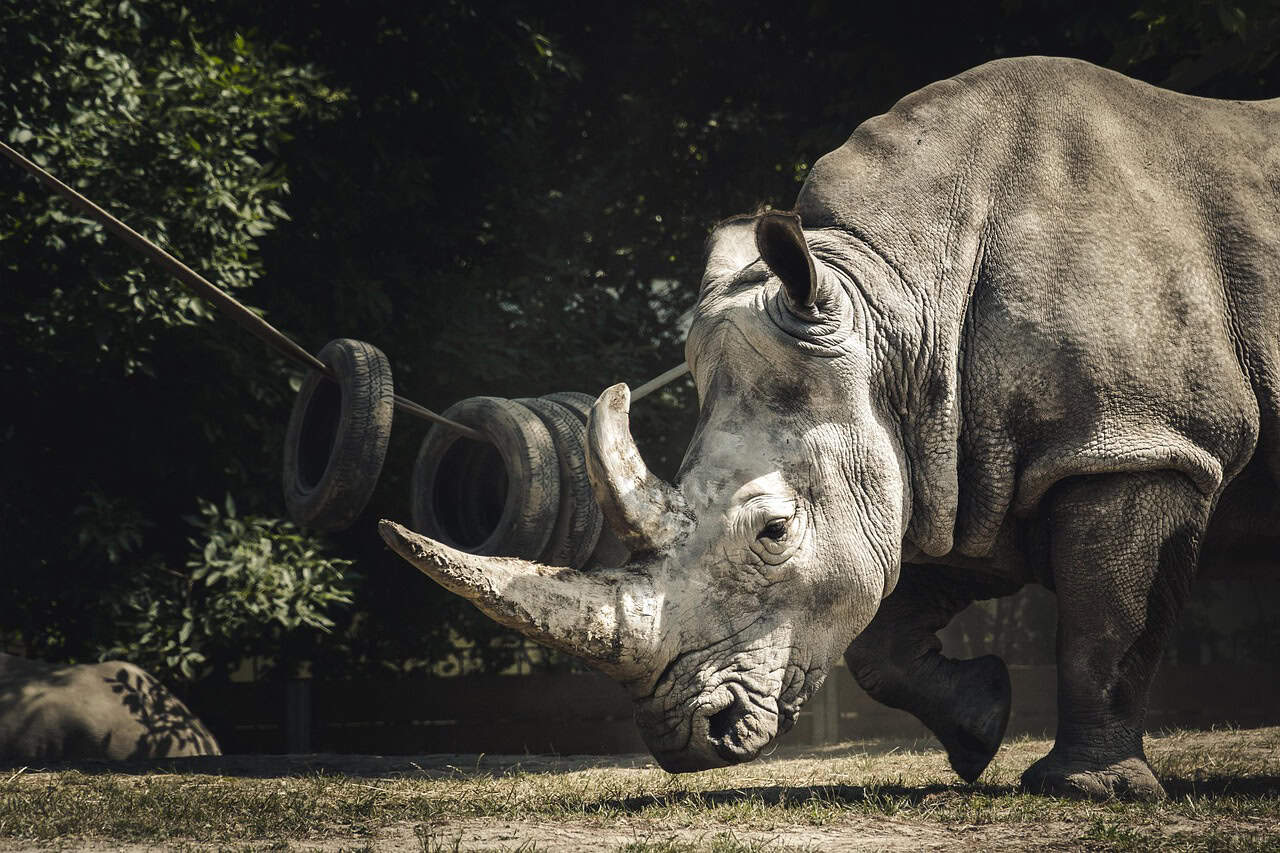
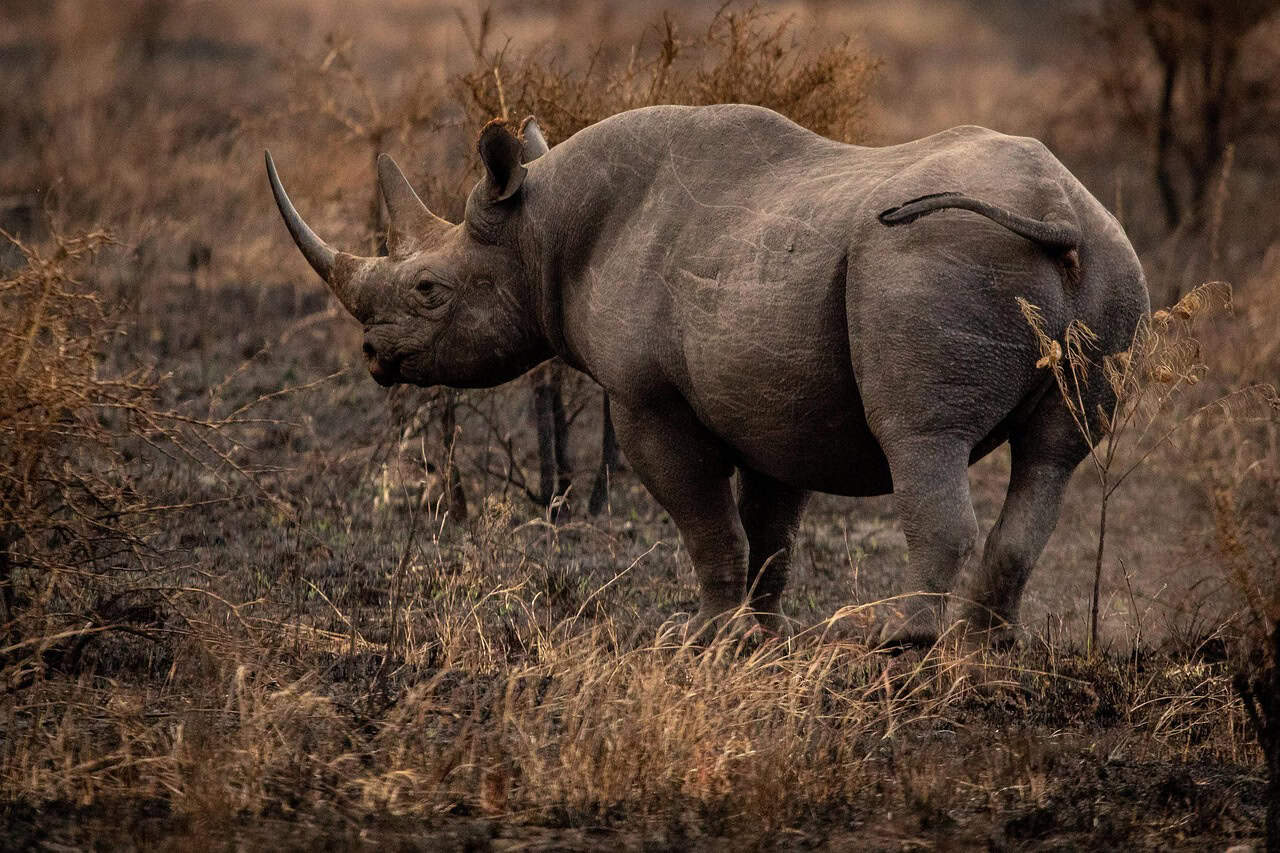
When comparing Teleoceras to modern rhinoceros species, the differences are striking and reveal the diverse evolutionary paths within the rhinoceros family. Modern rhinos are built for speed and charging, with long legs and prominent horns, while Teleoceras was designed for stability and defense. The skull shape, body proportions, and limb structure all reflect these different survival strategies.
The most obvious difference lies in the overall body plan – modern rhinos are taller and more athletic, while Teleoceras was broader and more heavily built. This comparison highlights how environmental pressures and ecological niches can drive evolution in dramatically different directions, even within the same family of animals. The success of both approaches demonstrates the remarkable adaptability of rhinoceros species over millions of years.
Paleontological Significance and Research Impact
Teleoceras has become a cornerstone species for understanding Miocene mammalian evolution and ecosystem dynamics. Its abundant fossil record and distinctive characteristics make it an ideal subject for studying ancient climate change, predator-prey relationships, and evolutionary adaptation. Research on Teleoceras has contributed to our understanding of how large herbivores respond to environmental changes over geological time scales.
The species has also provided important insights into the evolution of social behavior in mammals. The evidence for herding behavior in Teleoceras represents some of the earliest documented social structures in rhinoceros evolution. This research has implications for understanding how modern endangered rhino species might adapt to changing environmental conditions and human pressure.
Modern Conservation Lessons from Ancient Giants

The extinction of Teleoceras offers valuable lessons for modern conservation efforts, particularly regarding rhinoceros species currently facing extinction threats. The environmental changes that led to Teleoceras’s demise – habitat loss, climate change, and increased competition – mirror many of the challenges facing contemporary rhinos. Understanding how these ancient giants responded to environmental pressures can inform current conservation strategies.
The success of Teleoceras for millions of years demonstrates the importance of habitat preservation and ecosystem stability. The species thrived when grasslands were abundant and water sources were plentiful, but struggled as these resources became scarce. This pattern emphasizes the critical need to protect and restore habitats for modern rhinoceros species, ensuring they have the resources needed for long-term survival.
Cultural Impact and Public Fascination
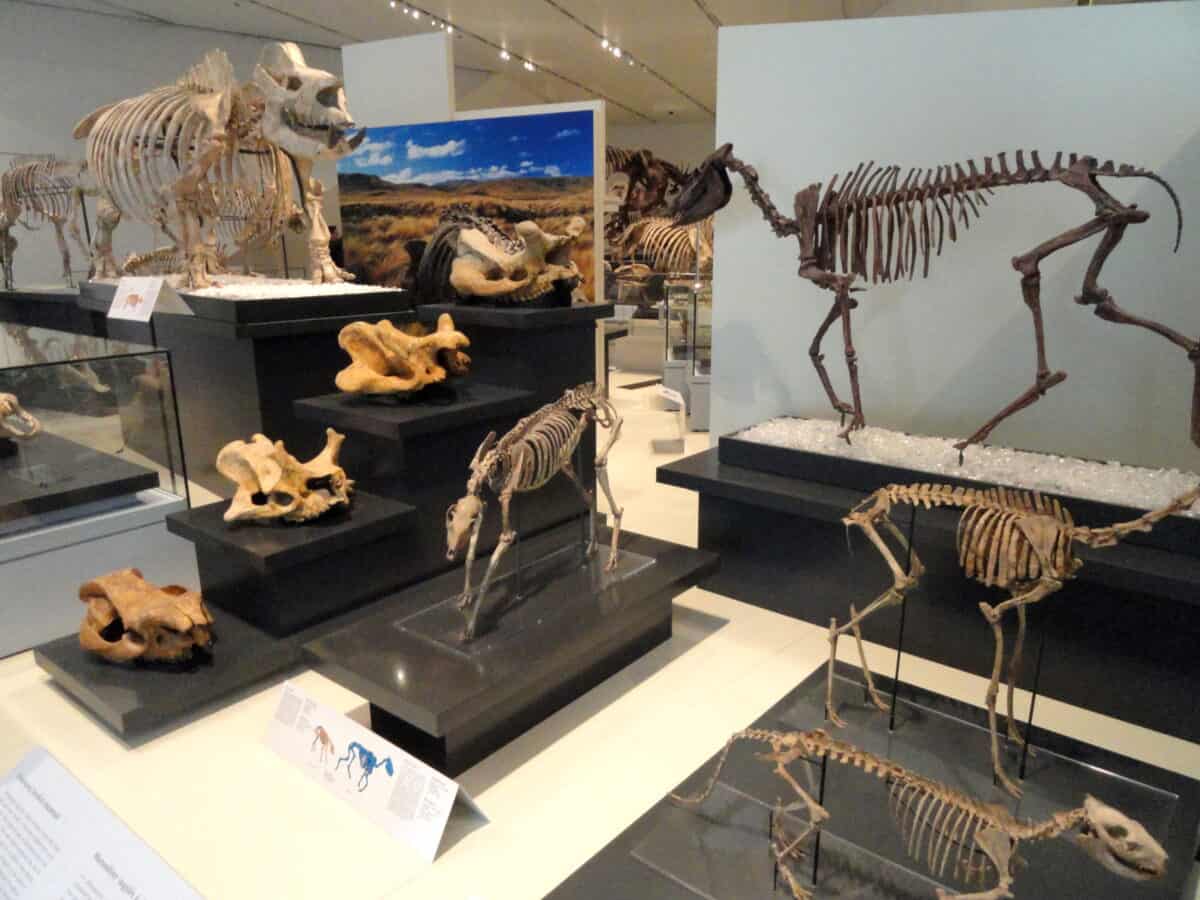
Teleoceras has captured the public imagination in ways that few fossil species achieve, largely due to its unique appearance and the vivid comparisons to familiar animals. The “tank-horse hybrid” description has made the species accessible to general audiences, helping to bridge the gap between scientific research and public understanding. Museums worldwide feature Teleoceras displays, often highlighting its distinctive characteristics and ancient lifestyle.
The species has also inspired artistic reconstructions and popular media representations, from children’s books to documentary films. These cultural interpretations, while sometimes taking creative liberties, have helped maintain public interest in paleontology and prehistoric life. The enduring fascination with Teleoceras demonstrates how remarkable fossil discoveries can continue to educate and inspire long after their scientific description.
Future Research and Unanswered Questions
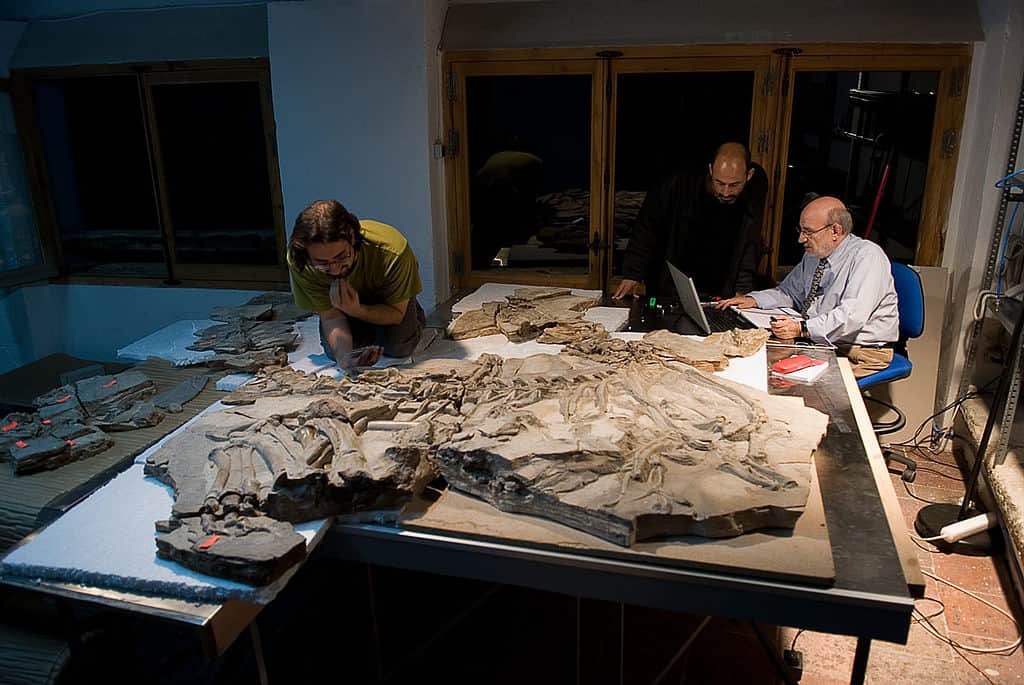
Despite decades of research, many questions about Teleoceras remain unanswered, providing exciting opportunities for future scientific investigation. Advanced DNA analysis techniques may eventually allow researchers to extract genetic material from well-preserved fossils, potentially revealing relationships between ancient and modern rhinoceros species. New imaging technologies could provide insights into soft tissue structures and physiological processes that are invisible in traditional fossil analysis.
Climate modeling and environmental reconstruction techniques continue to improve, offering the possibility of more detailed understanding of Teleoceras’s habitat and ecological relationships. As new fossil sites are discovered and excavated, researchers may uncover evidence of previously unknown behaviors, migrations patterns, or evolutionary adaptations. The story of Teleoceras is far from complete, with new chapters waiting to be written as science advances.
The Legacy of a Prehistoric Giant
Teleoceras represents more than just an interesting prehistoric animal – it embodies the incredible diversity and adaptability of life on Earth. This ancient rhino’s unique combination of features challenges our assumptions about evolutionary development and reminds us that nature’s solutions to survival challenges are often more creative than we might expect. The species serves as a testament to the power of adaptation and the importance of preserving biodiversity.
The legacy of Teleoceras extends beyond paleontology into broader discussions about evolution, extinction, and conservation. Its story provides context for understanding how species respond to environmental change and highlights the complex relationships between climate, habitat, and survival. As we face our own environmental challenges, the lessons learned from this ancient giant remain remarkably relevant.
Educational Value and Scientific Literacy
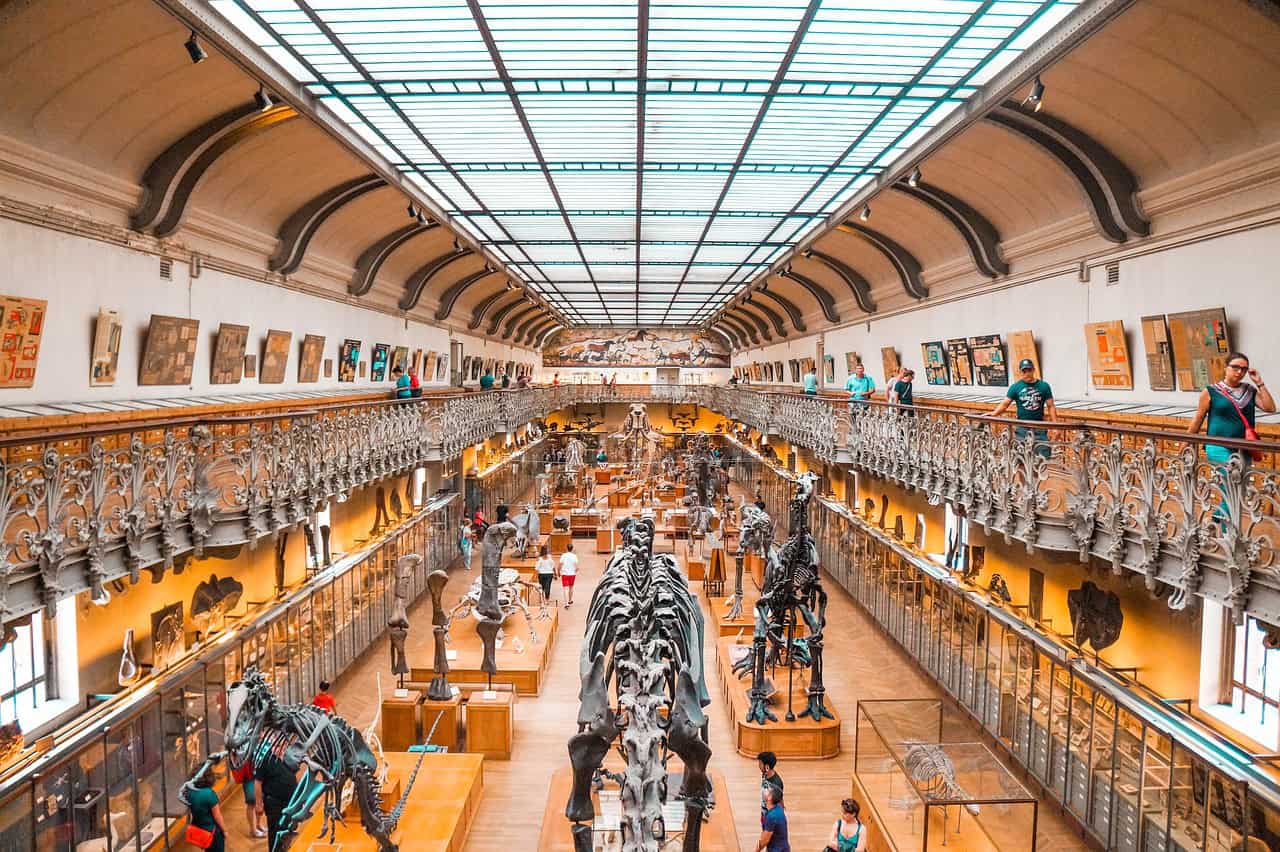
Teleoceras has become an invaluable tool for science education, helping students understand concepts ranging from evolution and adaptation to extinction and environmental change. The species’ distinctive appearance and well-documented fossil record make it an ideal subject for hands-on learning experiences. Many educational programs use Teleoceras as a gateway to discussing broader topics in paleontology and earth science.
The accessibility of Teleoceras research has also contributed to scientific literacy among the general public. The species demonstrates how scientific knowledge builds over time, with each new discovery adding to our understanding of ancient life. This ongoing process of discovery and interpretation helps people appreciate the dynamic nature of scientific research and the importance of continued investigation into our planet’s history.
Conclusion
The remarkable story of Teleoceras continues to unfold as new discoveries shed light on this extraordinary ancient rhinoceros. From its tank-like defensive build to its surprisingly horse-like proportions, this prehistoric giant challenges our understanding of evolutionary adaptation and survival strategies. The species’ success for millions of years in the ancient grasslands of North America demonstrates the power of specialized adaptation, while its eventual extinction serves as a reminder of the fragility of even the most seemingly robust species.
Today, as modern rhinoceros species face unprecedented threats, the lessons learned from Teleoceras become increasingly relevant. The importance of habitat preservation, the dangers of environmental change, and the value of understanding evolutionary history all emerge from the fossil record of this ancient giant. Perhaps most importantly, Teleoceras reminds us that evolution is an ongoing process of adaptation and change, capable of producing solutions to survival challenges that exceed our wildest imagination.
What other prehistoric giants might be waiting in the fossil record to surprise us with their unexpected combinations of features?

- The Animals That Inspired Mythical Creatures in Movies - August 2, 2026
- Why Orcas Teach Their Young to Beach Themselves While Hunting - July 31, 2026
- How Raccoons Use Their Tiny Hands to Explore - July 31, 2026