

When it comes to extraordinary survival skills, the American pika stands out as a remarkable example. Found in some of the most rugged terrains across North America, this small, hardy mammal has evolved to thrive in environments characterized by extreme temperatures—both searing heat and numbing cold. Known for their remarkable adaptability and resilience, pikas continue to fascinate scientists and nature lovers alike. This article delves into the fascinating world of the American pika, covering their characteristics, habitats, behavior, and survival strategies.
Unveiling the American Pika: An Overview

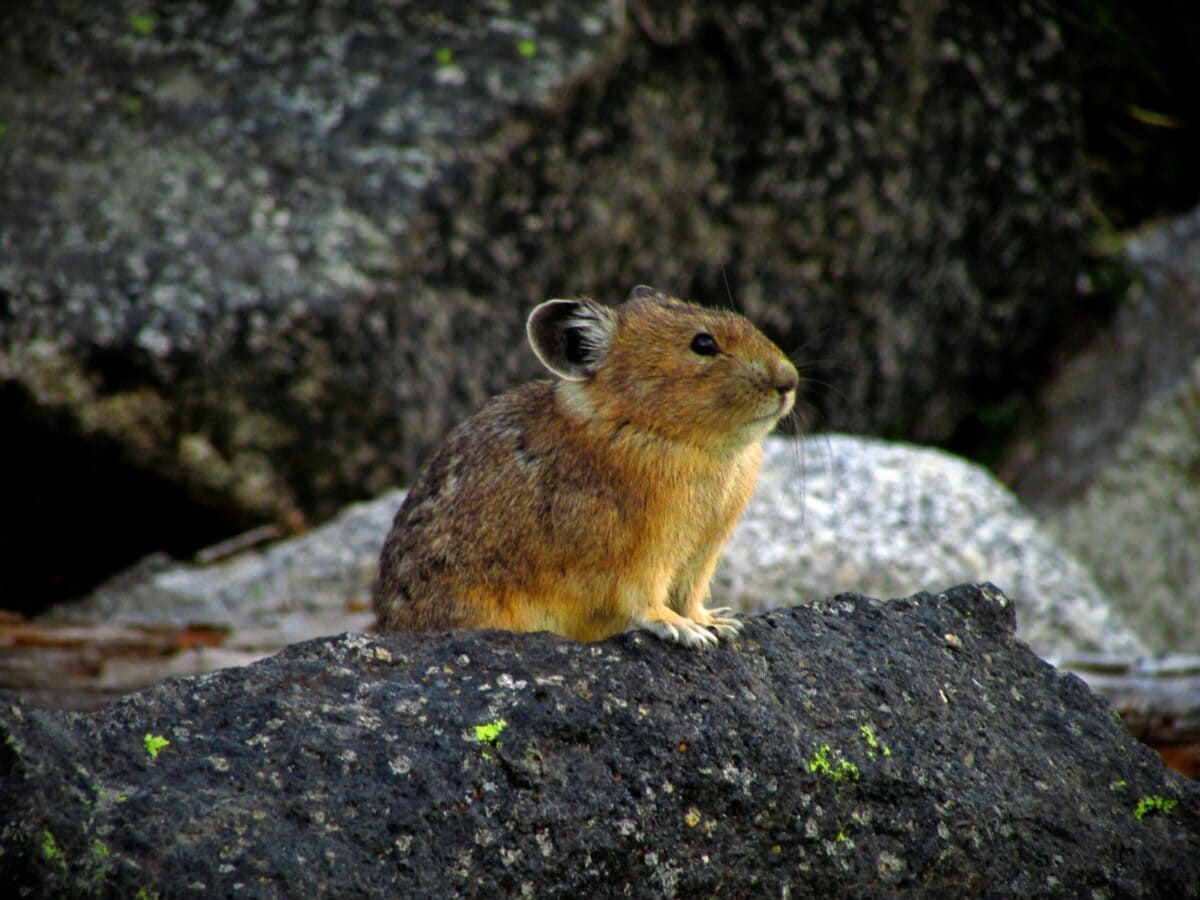
The American pika (Ochotona princeps) is a small, herbivorous mammal closely related to rabbits and hares. Often found in alpine and subalpine regions of western North America, pikas are known for their distinctive “eek” call and diminutive size. Weighing in at only about 5.3 ounces (150 grams) and measuring roughly 6–8 inches (15–20 cm) in length, pikas are easily overlooked in their rocky habitats.
Habitats of Extremes: Where Do Pikas Live?

Pikas primarily reside in talus fields—rocky areas with significant crevices that provide both protection and temperature regulation. These environments are challenging due to their inherent exposure to extreme temperature fluctuations. In the summer, pikas are found amidst towering granite peaks and at elevations ranging from 8,000 to 13,500 feet (2,400 to 4,100 meters). Such high-altitude environments pose unique challenges, yet they offer refuge from predators and competitors.
The Secrets of Pika Survival in Winter
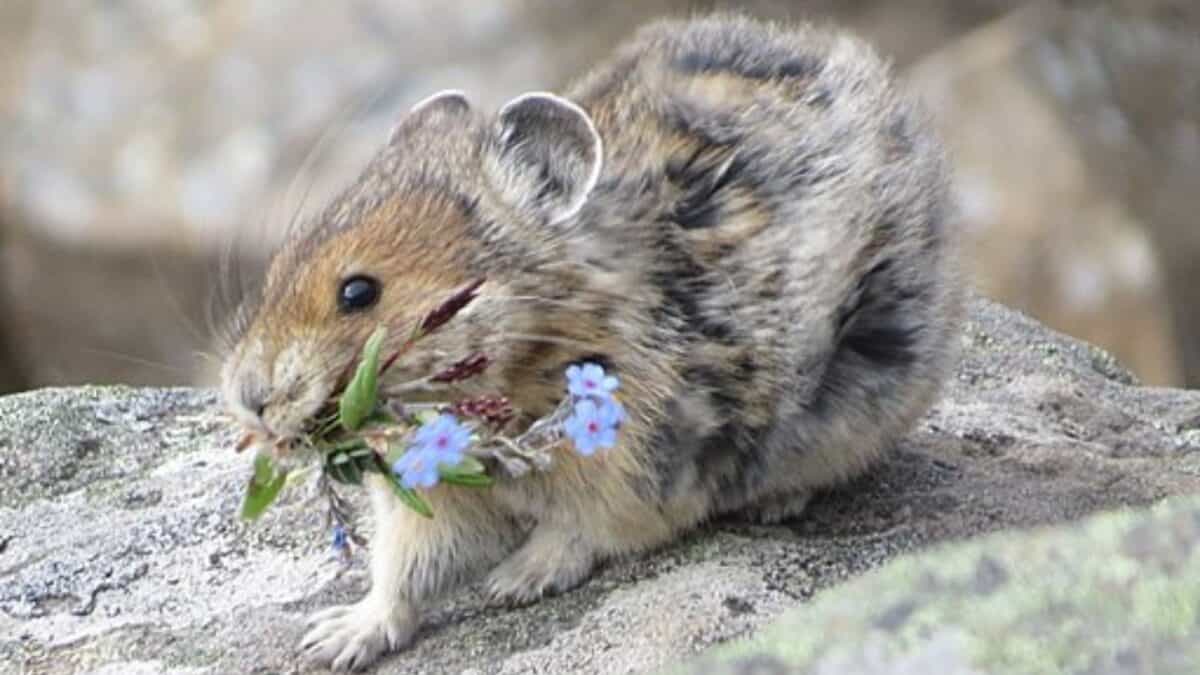
Surviving harsh winter conditions demands remarkable adaptations. Pikas do not hibernate; instead, they prepare in advance by collecting and storing vast quantities of hay. This “haypiling” activity is crucial for their winter survival, providing nourishment during long stretches when temperatures plummet and food is scarce. The food caches are strategically positioned, ensuring accessibility beneath snow-laden landscapes.
Heat Tolerance: Battling the Heat in Summer
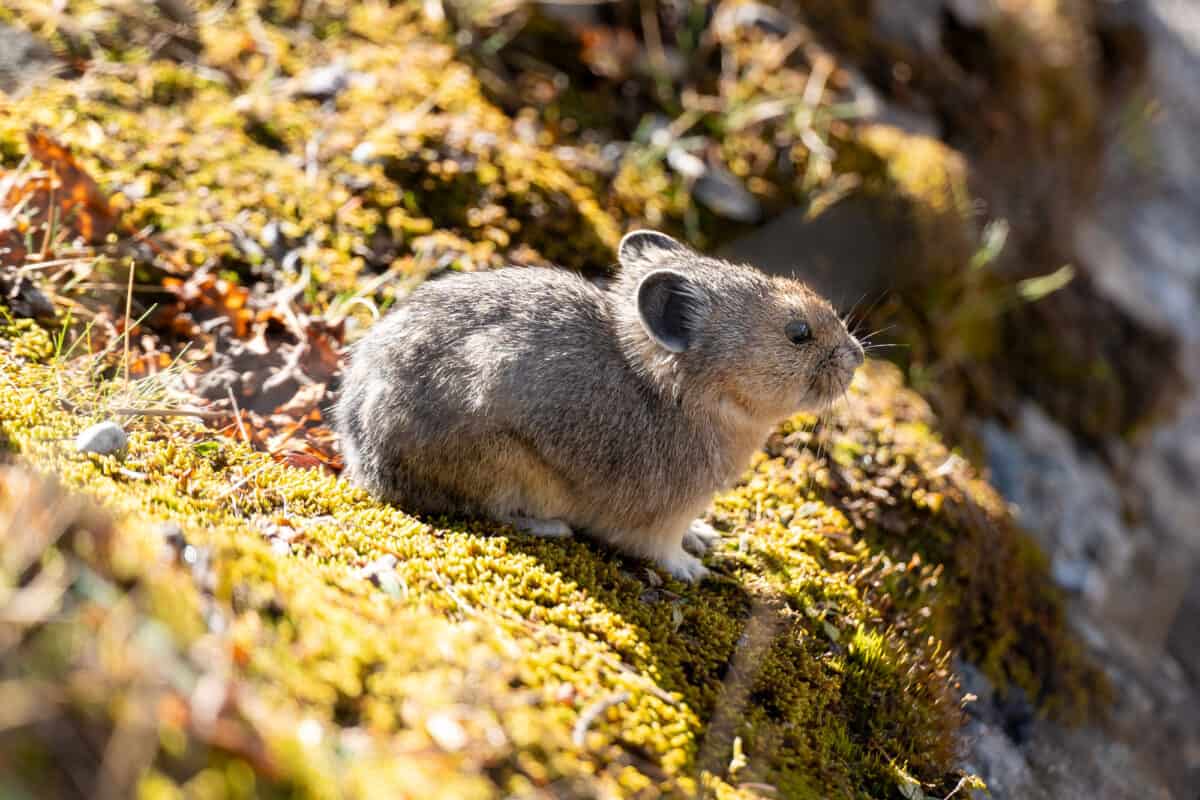
Conversely, pikas are heat-sensitive, as their thick fur evolved to provide warmth rather than cooling. When ambient temperatures soar, pikas seek refuge in the cool microclimates found amid crevices and rocks. Their physiological adaptations, coupled with these behavioral strategies, allow them to maintain a stable body temperature and avoid overheating, despite the summer sun bearing down on their alpine homes.
Diet and Foraging: A Herbivore’s Menu
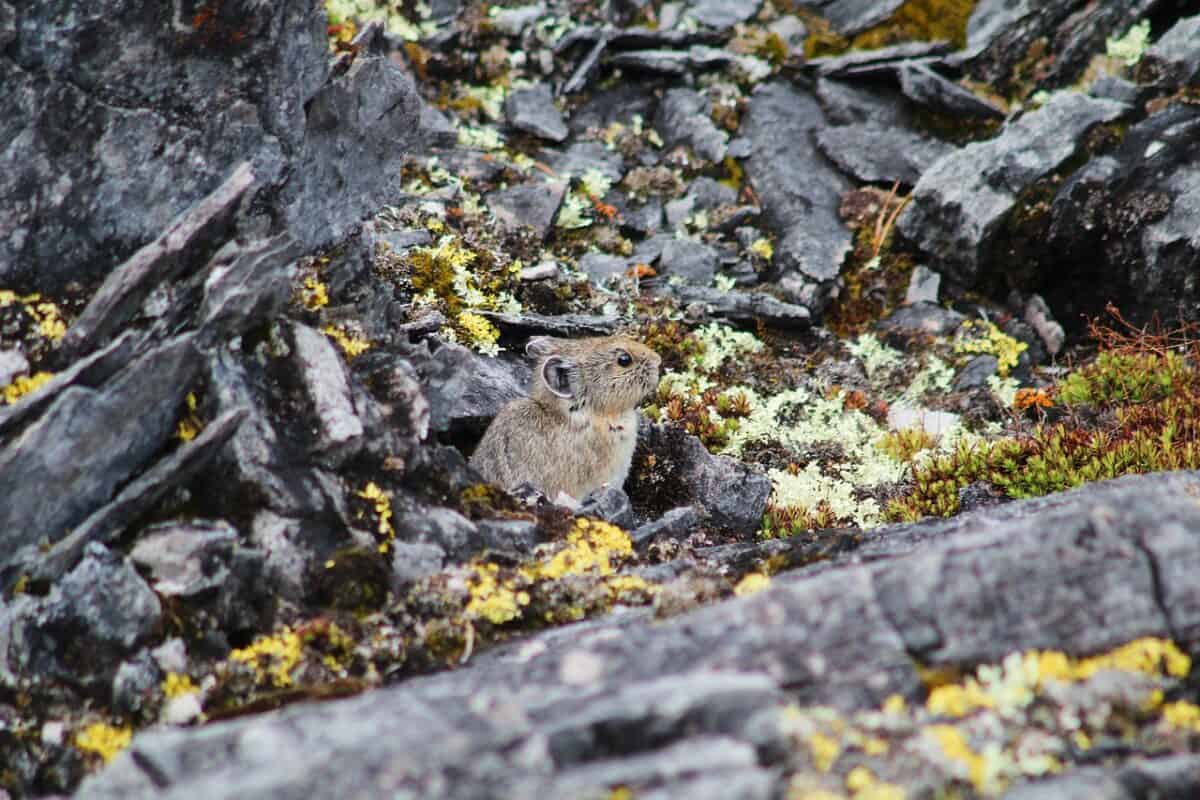
Pikas are strict herbivores, with a diet composed of various grasses, sedges, mosses, and twigs. They venture out frequently during the warmer periods to feed and gather plant material. The choice of forage is highly selective, with a preference for nutrient-rich plants that support their dietary needs throughout prolonged winters.
Communication: The Pika’s Vocal Expressions
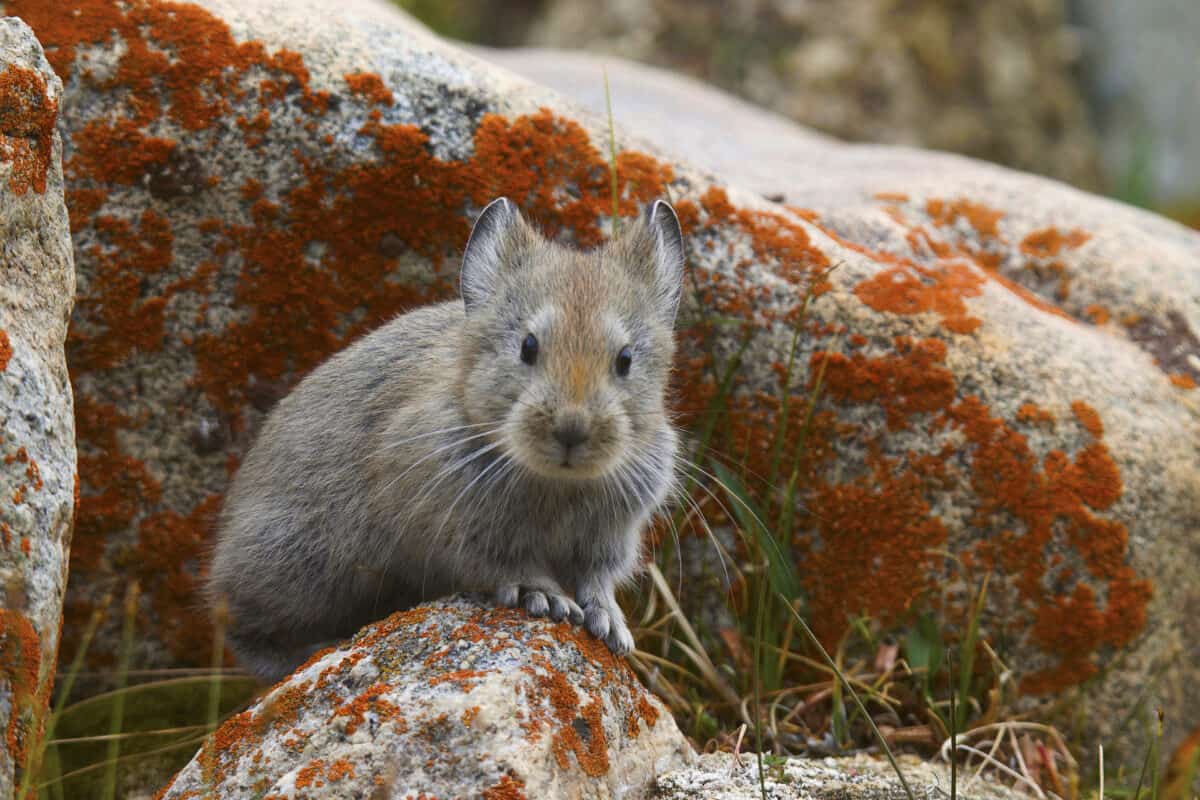
Pikas are notably vocal animals, using their high-pitched calls to communicate with each other. These vocalizations serve multiple purposes: they help maintain territory boundaries, alert others to the presence of predators, and facilitate mating interactions. The sheer variety and frequency of calls ensure effective communication across the rocky landscapes where they reside.
Social Structure: Lone Rangers or Community Creatures?

While pikas may appear solitary, they exhibit complex behaviors often associated with territoriality and social structure. Each pika defends its own territory, but they also maintain social bonds with neighbors through vocalizations and interactions. This blend of independence and community aids in survival, allowing for cooperation without direct social dependency.
Reproductive Strategies: Ensuring Species Continuity

The breeding season for pikas begins in early spring. Pikas typically produce two litters per year, with litters averaging 2-6 offspring. The young are born altricial, requiring significant care and nurturing. This high reproductive rate is a counterbalance to high mortality rates in harsh environments, ensuring species sustainability.
Predators and Threats: The Battle for Survival

Despite their resilience, pikas face threats from a variety of predators, including weasels, coyotes, hawks, and owls. These predators are adapted to hunting in these challenging terrains. Additionally, habitat fragmentation and climate change pose significant threats to their populations, altering their habitats and survival prospects.
Climate Change Impact: A Looming Challenge

Climate change is arguably one of the most pressing threats facing pikas today. Rising temperatures result in habitat loss and fragmentation, forcing pikas to move to higher elevations. This uphill migration might eventually lead to a lack of suitable living spaces. Efforts are underway to monitor and protect pika populations in light of these environmental changes.
Conservation Efforts: Protecting the Resilient Pika
Conservationists and researchers have prioritized understanding and protecting pika populations, focusing on habitat preservation and climate change mitigation. Community awareness, citizen science efforts, and targeted conservation strategies aim to address the impacts of global warming and ensure the long-term survival of this remarkable species.
Conclusion: The Resilience of the Pika

The American pika is a testament to the power of adaptation and resilience. Despite facing severe environmental challenges, these small mammals continue to maintain their populations across their native range. Their unique ability to weather both fire and ice showcases their remarkable evolutionary finesse, offering valuable insights into the adaptability of life. Preserving such a resilient species requires concerted efforts and comprehensive strategies to ensure their continued presence in our rapidly changing world.

- The Truth About Giraffes’ Silent Communication Skills - July 22, 2026
- 10 Fierce Animals That Match Elon Musk’s Fearless Ambition - July 22, 2026
- The Tortoise: A Symbol of Patience and Slow Movement - July 22, 2026