


Deep in the heart of Texas, something extraordinary happens every summer that most people never witness. Millions of Mexican free-tailed bats emerge from a single cave system in a spectacle so massive it can be seen on weather radar. This isn’t just any bat colony – it’s the largest gathering of mammals anywhere in North America, and possibly the world. The sheer scale of this natural phenomenon defies imagination, creating one of wildlife’s most breathtaking displays.
The Bracken Cave Phenomenon
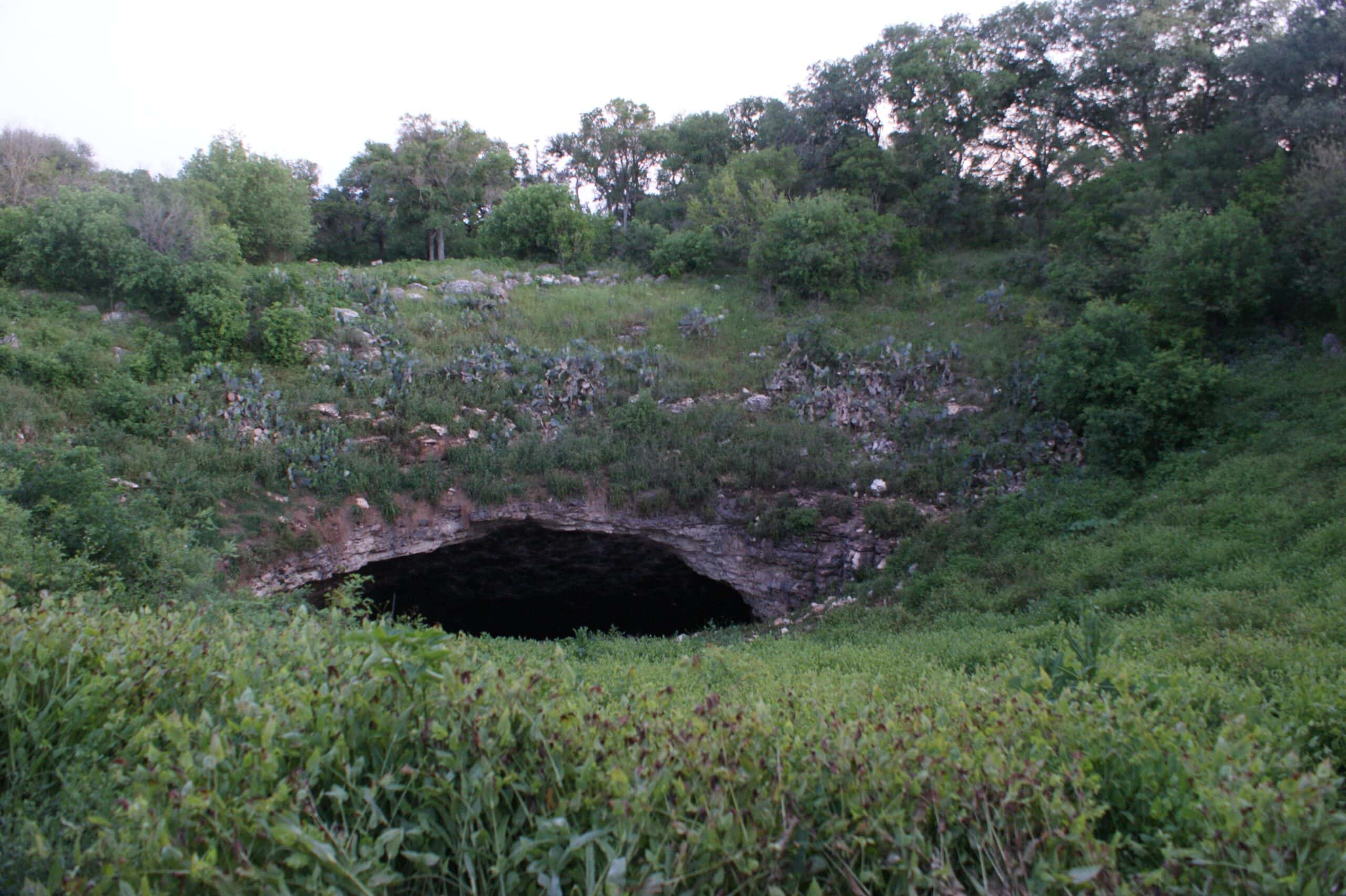
Located just outside San Antonio, Texas, Bracken Cave serves as home to an estimated 15 to 20 million Mexican free-tailed bats during peak season. This limestone cave system has been hosting these incredible gatherings for thousands of years, creating what researchers describe as the most dense concentration of mammals on Earth.
The cave itself stretches deep underground, providing the perfect roosting environment with stable temperatures and humidity levels. During daylight hours, the bats cluster together in massive formations along the cave ceiling, creating a living carpet of wings and fur. The temperature inside rises significantly due to the collective body heat of millions of bats, creating a unique microclimate that supports this incredible population.
What makes Bracken Cave particularly special is its consistent year-after-year population growth. Unlike many wildlife populations that fluctuate dramatically, this colony has maintained its massive size for decades, making it a reliable natural wonder that continues to amaze scientists and visitors alike.
The Mexican Free-Tailed Bat Species
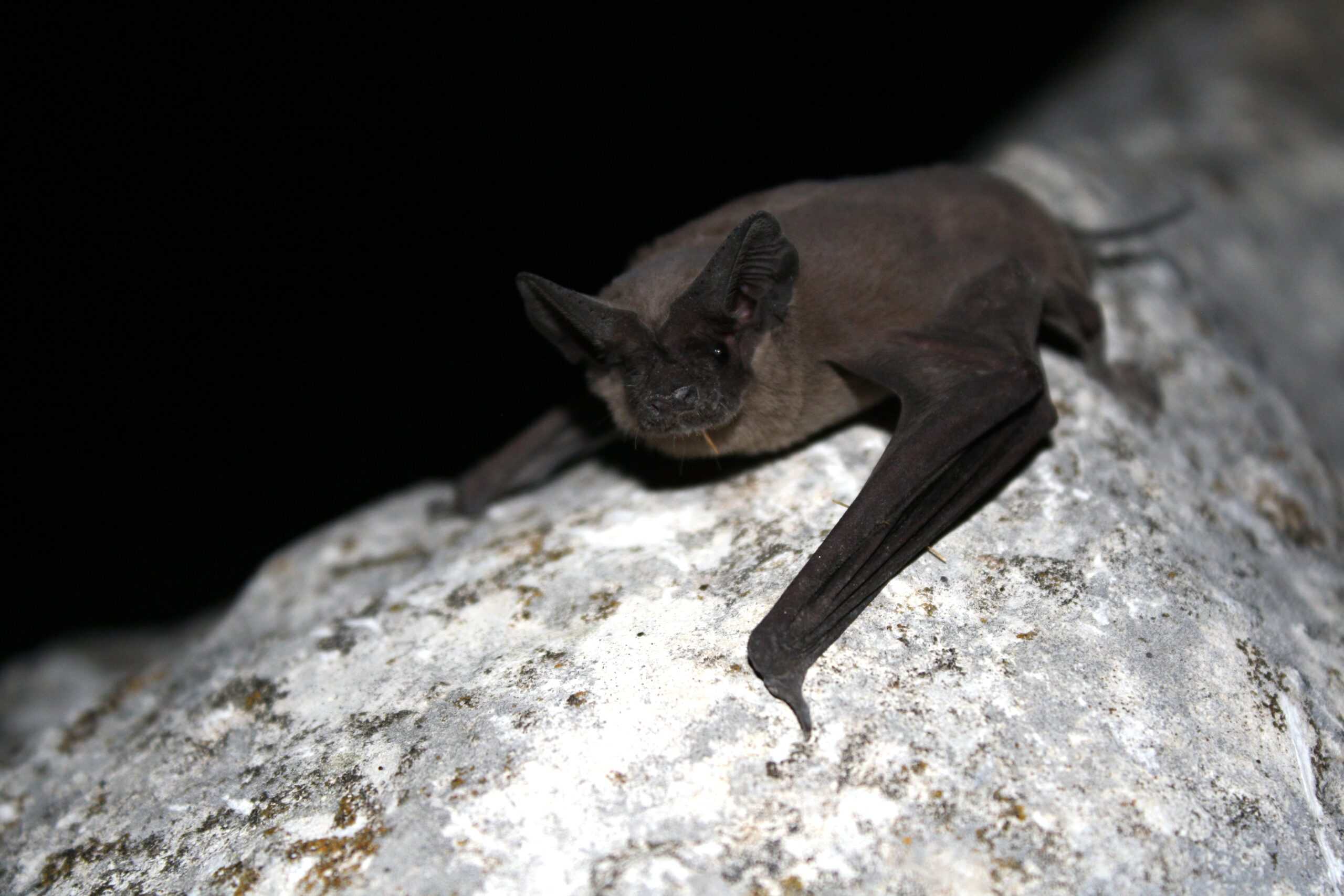
The Mexican free-tailed bat, scientifically known as Tadarida brasiliensis, is a remarkable species perfectly adapted for life in massive colonies. These bats are relatively small, weighing only about half an ounce, yet they’re capable of incredible feats of navigation and endurance. Their distinctive tail extends beyond their wing membrane, giving them their common name.
These bats possess exceptional echolocation abilities, allowing them to navigate in complete darkness alongside millions of their fellow colony members without collision. Their wing structure is designed for high-speed flight, enabling them to reach speeds of up to 60 miles per hour during their nightly hunting expeditions.
The species demonstrates remarkable longevity for such small mammals, with some individuals living up to 18 years in the wild. This longevity, combined with their high reproductive success rate, contributes to the sustained massive population at Bracken Cave.
The Nightly Emergence Spectacle
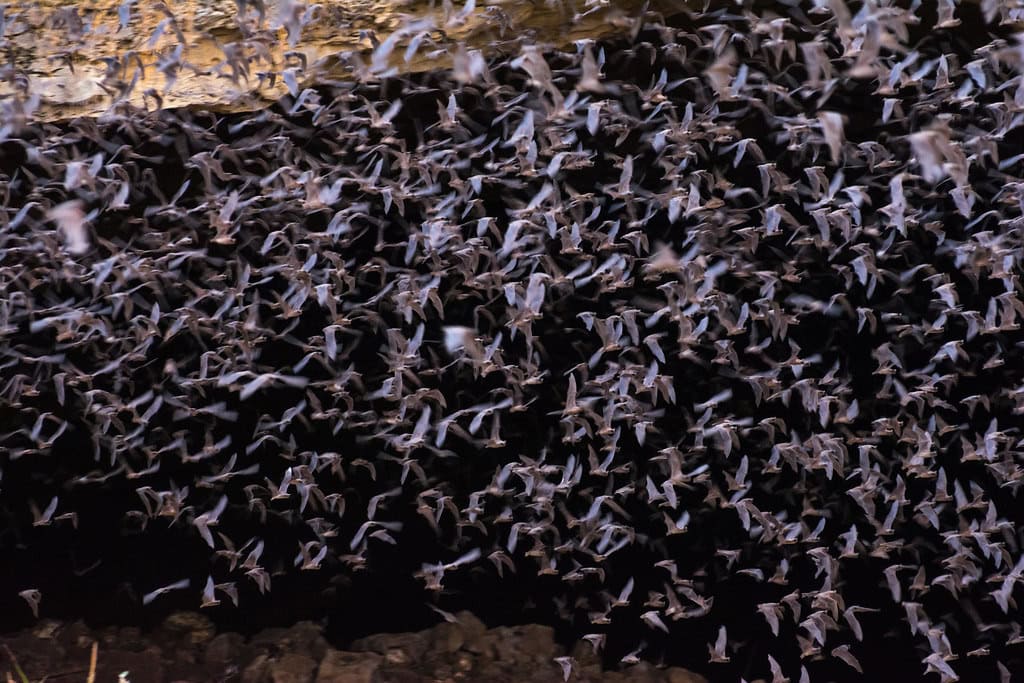
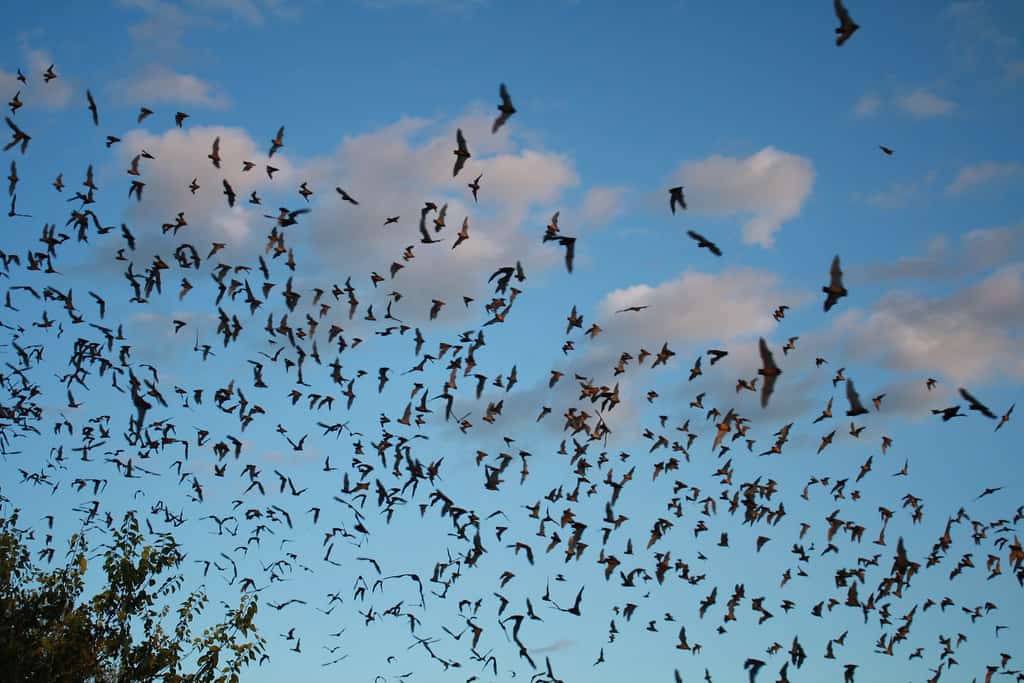
Every evening at sunset, Bracken Cave transforms into nature’s most incredible theater. The bats begin their exodus in a spiraling tornado-like formation that can stretch several miles into the sky. This emergence isn’t random – it follows a precise pattern that has evolved over millennia to maximize the colony’s survival.
The entire emergence process can take up to three hours, with bats streaming out of the cave at rates of up to 300 bats per second during peak flow. The sound is deafening – a constant whooshing and chittering that can be heard from miles away. Local weather radar stations regularly pick up these massive bat clouds, mistaking them for storm systems.
What’s truly remarkable is how organized this chaos appears to be. Despite the millions of individuals involved, collisions are extremely rare, demonstrating the sophisticated echolocation and social coordination systems these bats have developed.
Seasonal Migration Patterns
The Bracken Cave colony follows an ancient migration pattern that spans from central Texas to southern Mexico. During winter months, the cave population drops dramatically as bats migrate south to warmer climates where insects remain active. This migration can cover over 1,000 miles, making it one of the longest mammalian migrations in North America.
Spring brings the return journey, with pregnant females arriving first to establish the maternity colony. The timing is crucial – they must arrive when insect populations are beginning to peak, providing adequate food resources for raising their young. Male bats typically arrive later in the season, creating distinct phases in the colony’s annual cycle.
Climate change has begun affecting these migration patterns, with some bats arriving earlier than historical norms. Researchers are closely monitoring these changes to understand how global warming might impact this incredible natural phenomenon.
The Maternity Colony System
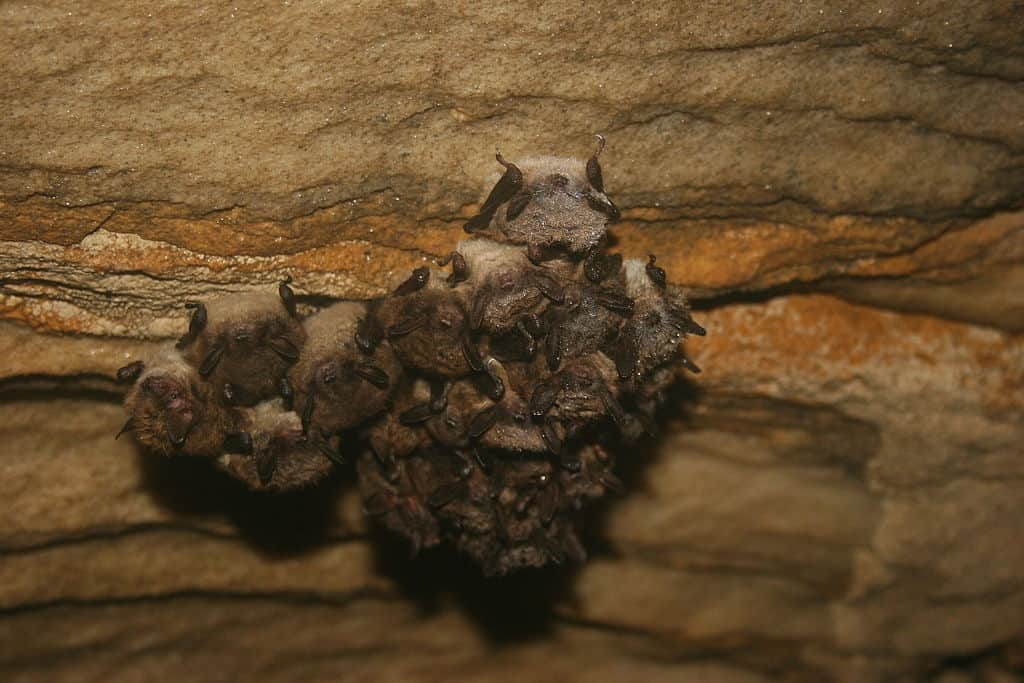
During summer months, Bracken Cave becomes North America’s largest maternity ward. Female bats give birth to single pups in massive communal nurseries, with millions of babies clustered together in specific areas of the cave. The density in these nursery areas reaches up to 500 pups per square foot, creating what researchers call “pup carpets.”
What’s absolutely mind-blowing is how mothers can locate their specific offspring among millions of nearly identical pups. They use a combination of echolocation calls, scent recognition, and spatial memory to navigate this seemingly impossible task. The success rate is remarkably high, with most mothers successfully reuniting with their young each night.
The nursery system provides protection through numbers – predators simply cannot make a significant impact on such a massive population. This collective child-rearing strategy has proven incredibly successful, contributing to the species’ thriving population numbers.
Feeding Habits and Ecological Impact
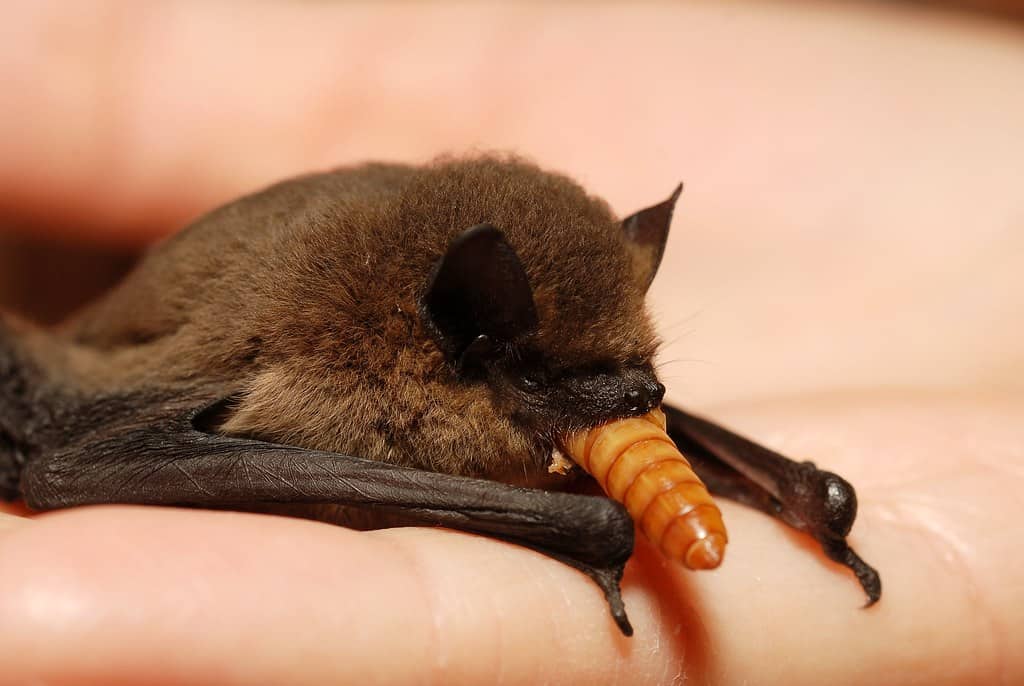
The appetite of 20 million bats is staggering – they consume an estimated 200 tons of insects every single night. This includes massive quantities of agricultural pests like corn borers, cotton bollworms, and various moth species that would otherwise devastate crops across Texas and surrounding states.
Their hunting range extends up to 60 miles from the cave, with individual bats capable of catching and consuming up to 1,000 small insects per hour. The economic value of their pest control services has been estimated at over $2 million annually for Texas agriculture alone.
The bats’ feeding behavior follows sophisticated patterns, with different groups targeting different insect populations at various altitudes and locations. This specialization prevents competition within the colony and ensures maximum efficiency in pest control across the region.
Conservation Challenges and Threats
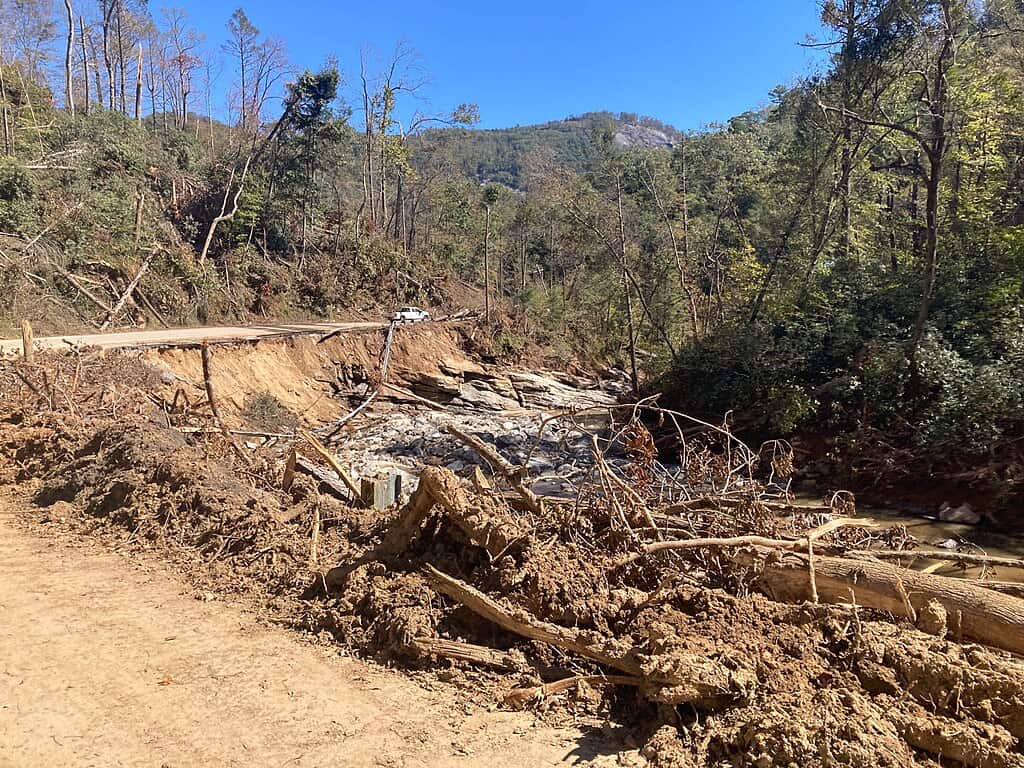
Despite their impressive numbers, the Bracken Cave colony faces several serious threats. Habitat destruction along their migration routes has eliminated many traditional roosting sites, forcing more bats to concentrate in fewer locations. Urban development around San Antonio has encroached on their foraging areas, reducing available hunting grounds.
Pesticide use poses a particularly insidious threat – while it reduces insect populations the bats depend on for food, it also introduces toxins into the food chain. Bats consuming contaminated insects can suffer from neurological damage, reproductive problems, and death.
White-nose syndrome, a devastating fungal disease that has killed millions of bats across North America, hasn’t yet reached Texas but remains a constant concern. Climate change is altering insect emergence patterns, potentially disrupting the delicate timing between bat reproduction and peak food availability.
Scientific Research and Monitoring
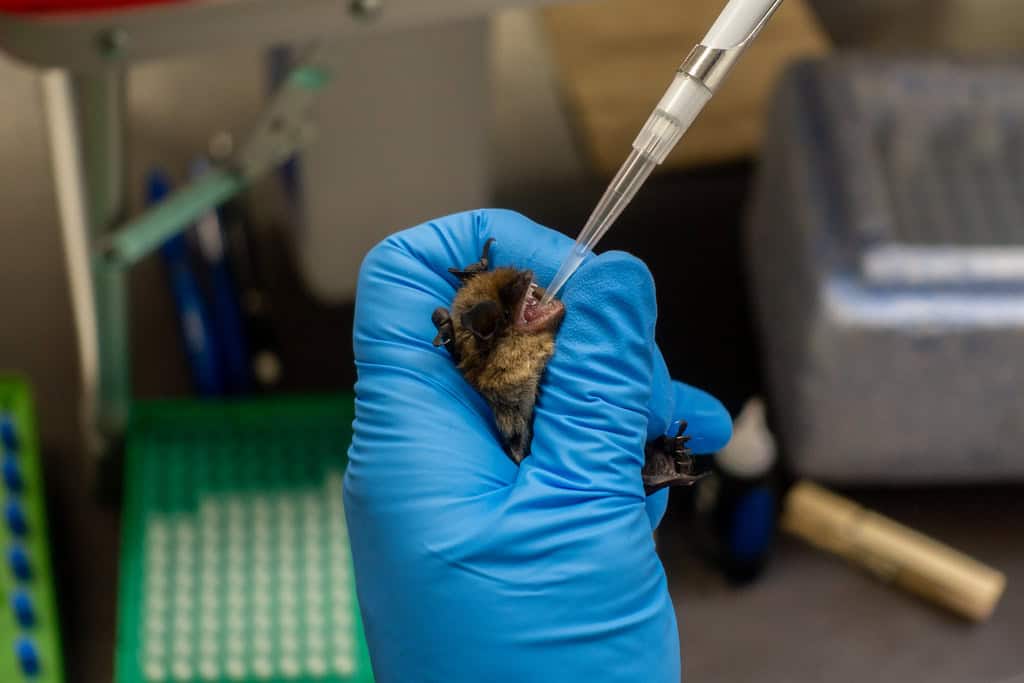
Bracken Cave serves as a living laboratory for bat researchers worldwide. Scientists have been studying this colony for decades, using everything from traditional banding to cutting-edge GPS tracking technology. The sheer scale of the population provides unprecedented opportunities to study mammalian behavior, ecology, and social dynamics.
Recent research has focused on understanding how millions of individuals coordinate their movements without central leadership. This research has applications beyond biology, informing studies of crowd dynamics, traffic flow, and even robotics swarm behavior.
Long-term monitoring data from Bracken Cave has become crucial for understanding broader ecological changes. Population trends, arrival and departure dates, and breeding success rates all provide insights into environmental health across the southwestern United States and Mexico.
The Cave’s Unique Ecosystem

Bracken Cave isn’t just home to bats – it supports an entire ecosystem adapted to life in this unique environment. The cave floor is covered in several feet of guano, creating a nutrient-rich substrate that supports specialized bacteria, fungi, and invertebrates found nowhere else on Earth.
The decomposition of bat guano creates an atmosphere with extremely high ammonia levels that would be toxic to most mammals, yet the bats have evolved specific adaptations to thrive in these conditions. Specialized mites and beetles have co-evolved with the bats, living exclusively in this environment.
Even the cave’s geology plays a role in supporting this massive population. The limestone structure provides excellent insulation and acoustic properties, while natural ventilation systems help regulate temperature and air quality throughout the vast underground chambers.
Tourism and Public Education

Bat Conservation International, which owns and protects Bracken Cave, offers limited public viewing opportunities during certain times of the year. These carefully managed tours allow visitors to witness the evening emergence while minimizing human impact on the colony. The experience is often described as life-changing by those fortunate enough to witness it.
Educational programs associated with the cave have helped change public perception of bats from feared creatures to appreciated wildlife. Many visitors leave with a new understanding of bats’ ecological importance and become advocates for bat conservation.
The economic impact of bat tourism extends beyond the cave itself, supporting local businesses and creating jobs in the surrounding communities. This economic value helps demonstrate the importance of protecting bat habitats for both ecological and financial reasons.
Comparison to Other Bat Colonies
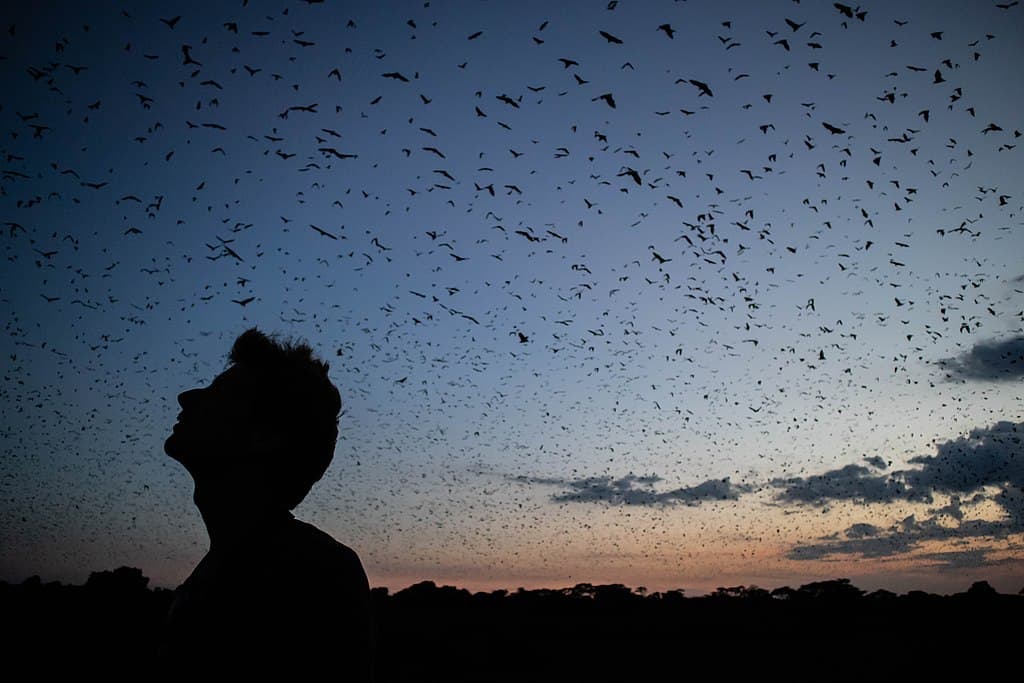
While impressive bat colonies exist worldwide, none approach the scale of Bracken Cave. The largest bat colony in Africa, at Kasanka National Park in Zambia, hosts about 8 million fruit bats – less than half of Bracken Cave’s population. Even the famous Carlsbad Caverns in New Mexico, once thought to be the largest, hosts only about 400,000 bats.
What makes Bracken Cave particularly remarkable is the consistency of its massive population. Many other large colonies experience dramatic fluctuations based on weather, food availability, and human disturbance. Bracken Cave has maintained its incredible numbers for decades, making it truly unique among the world’s natural wonders.
The cave’s location in the heart of North America’s richest agricultural region provides unlimited food resources, supporting population densities that would be impossible in most other locations. This perfect storm of conditions has created something truly extraordinary in the natural world.
Historical Significance and Discovery

Indigenous peoples of the region have known about Bracken Cave for thousands of years, with archaeological evidence suggesting they may have used bat guano for various purposes. European settlers in the 1800s were among the first to document the cave’s incredible bat population, though early estimates were wildly inaccurate.
During World War II, the U.S. military actually considered using the cave’s bats as biological weapons, strapping tiny incendiary devices to the animals in a program called “Project X-Ray.” The program was eventually abandoned, but it highlighted the military’s recognition of the colony’s unprecedented size.
Modern scientific study of the cave began in the 1950s, with researchers gradually developing better methods for estimating the true population size. It wasn’t until the 1980s that scientists fully grasped the colony’s record-breaking magnitude.
Acoustic Environment and Communication
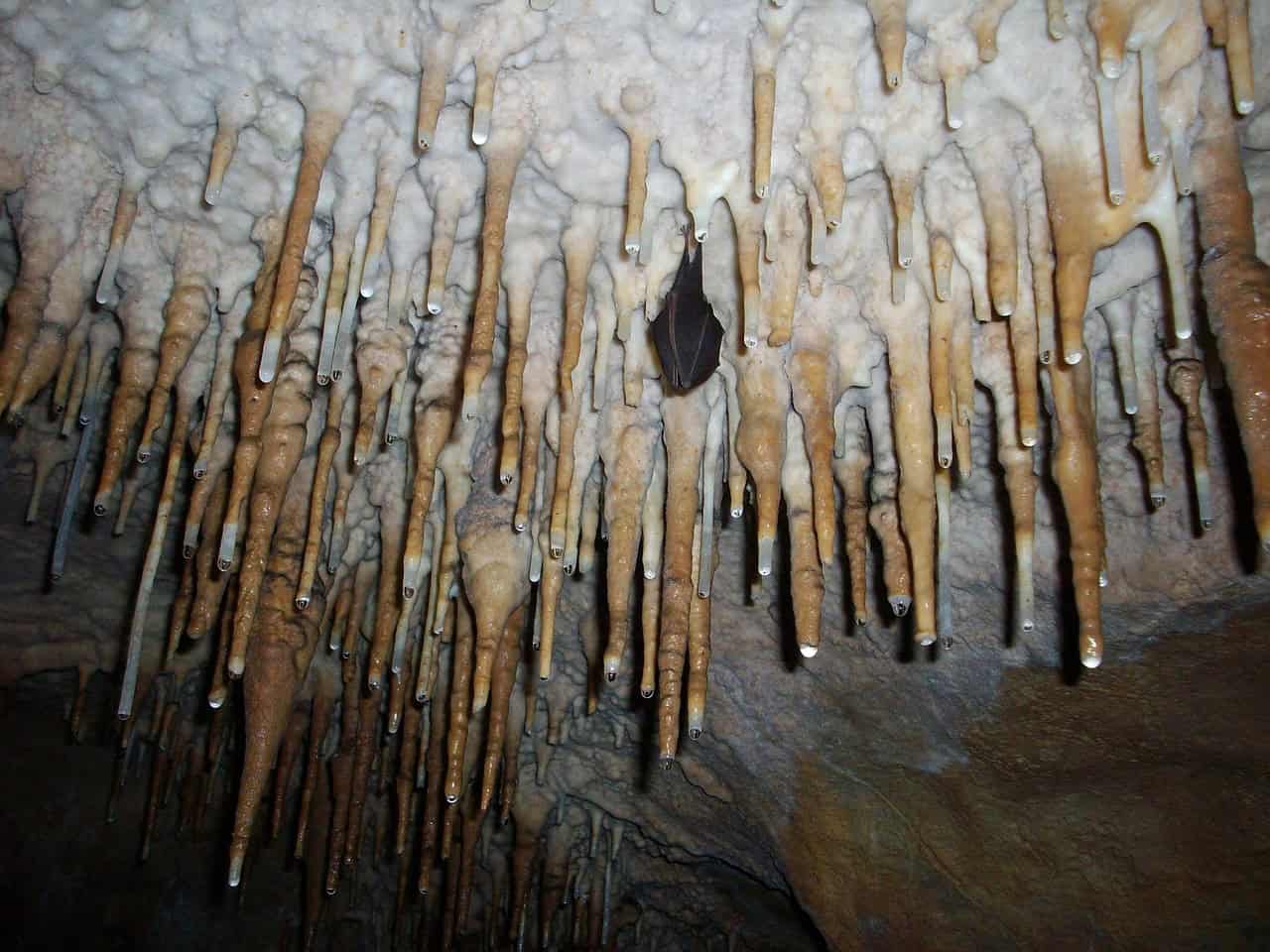
The sound environment inside Bracken Cave is unlike anything else on Earth. With millions of bats calling simultaneously, the acoustic density reaches levels that would be overwhelming to human ears. Each bat produces ultrasonic calls at frequencies between 20-50 kHz, creating a complex symphony of echolocation.
Researchers have discovered that bats adjust their call frequencies and intensities based on crowd density, demonstrating sophisticated acoustic adaptation. During peak emergence periods, the collective sound can reach decibel levels comparable to a jet engine, yet the bats continue to navigate and communicate effectively.
The cave’s acoustics have been studied by engineers and architects interested in understanding how natural spaces can manage such intense sound levels. The limestone walls and cave geometry create natural sound dampening that helps prevent the acoustic chaos that might otherwise result from millions of calling bats.
Temperature and Microclimate Effects
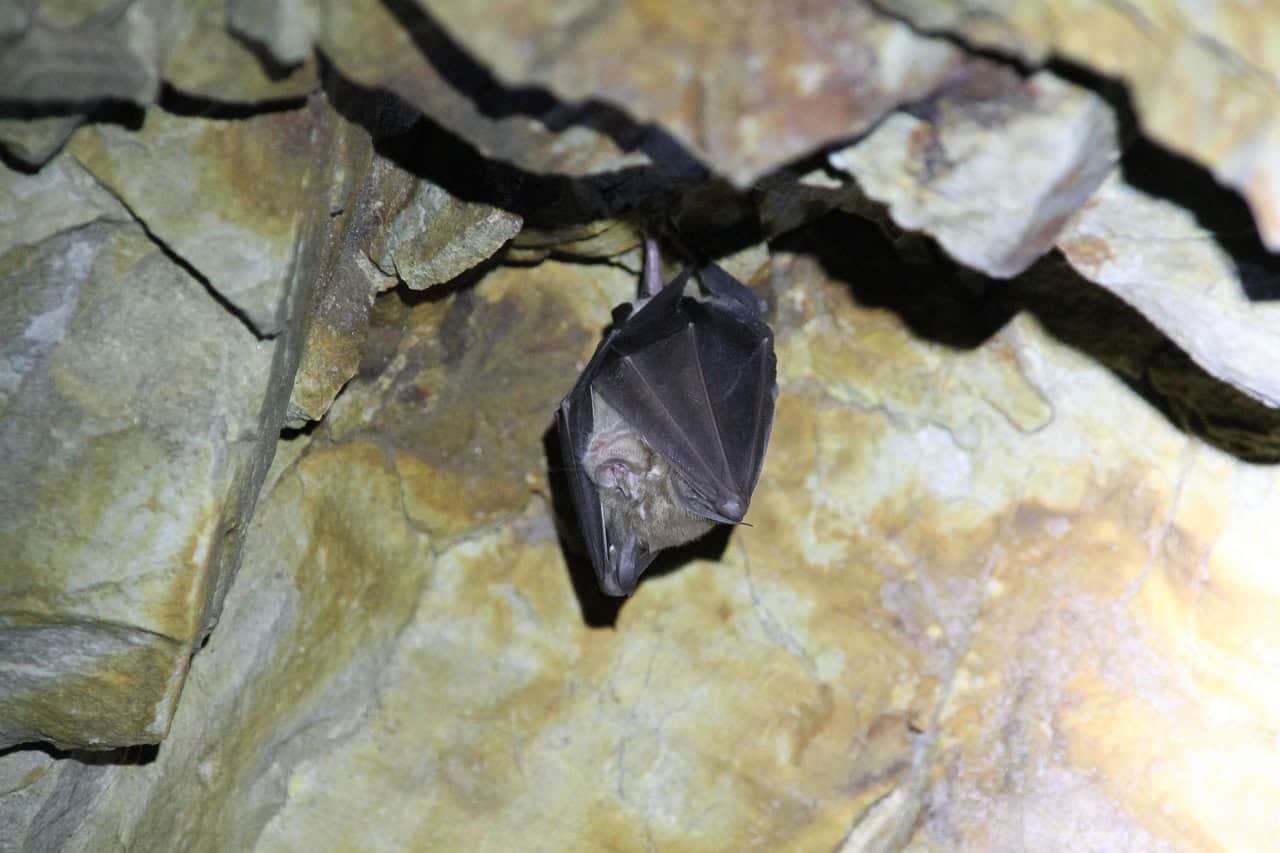
The collective body heat of 20 million bats creates a unique microclimate inside Bracken Cave. Temperatures can reach up to 120°F in the most densely populated areas, with humidity levels approaching 100%. This creates an environment similar to a tropical rainforest, but underground and in the middle of Texas.
These extreme conditions have led to the evolution of specialized adaptations in the bats themselves. They’ve developed improved thermoregulation abilities and can tolerate ammonia levels that would be lethal to most mammals. The heat also accelerates the decomposition of guano, creating a nutrient cycling system that supports the cave’s unique ecosystem.
The temperature differential between the cave interior and external air creates powerful convection currents that actually help facilitate the bats’ emergence. As hot air rises from the cave mouth, it creates an updraft that assists millions of bats in their nightly departure.
Predator-Prey Relationships
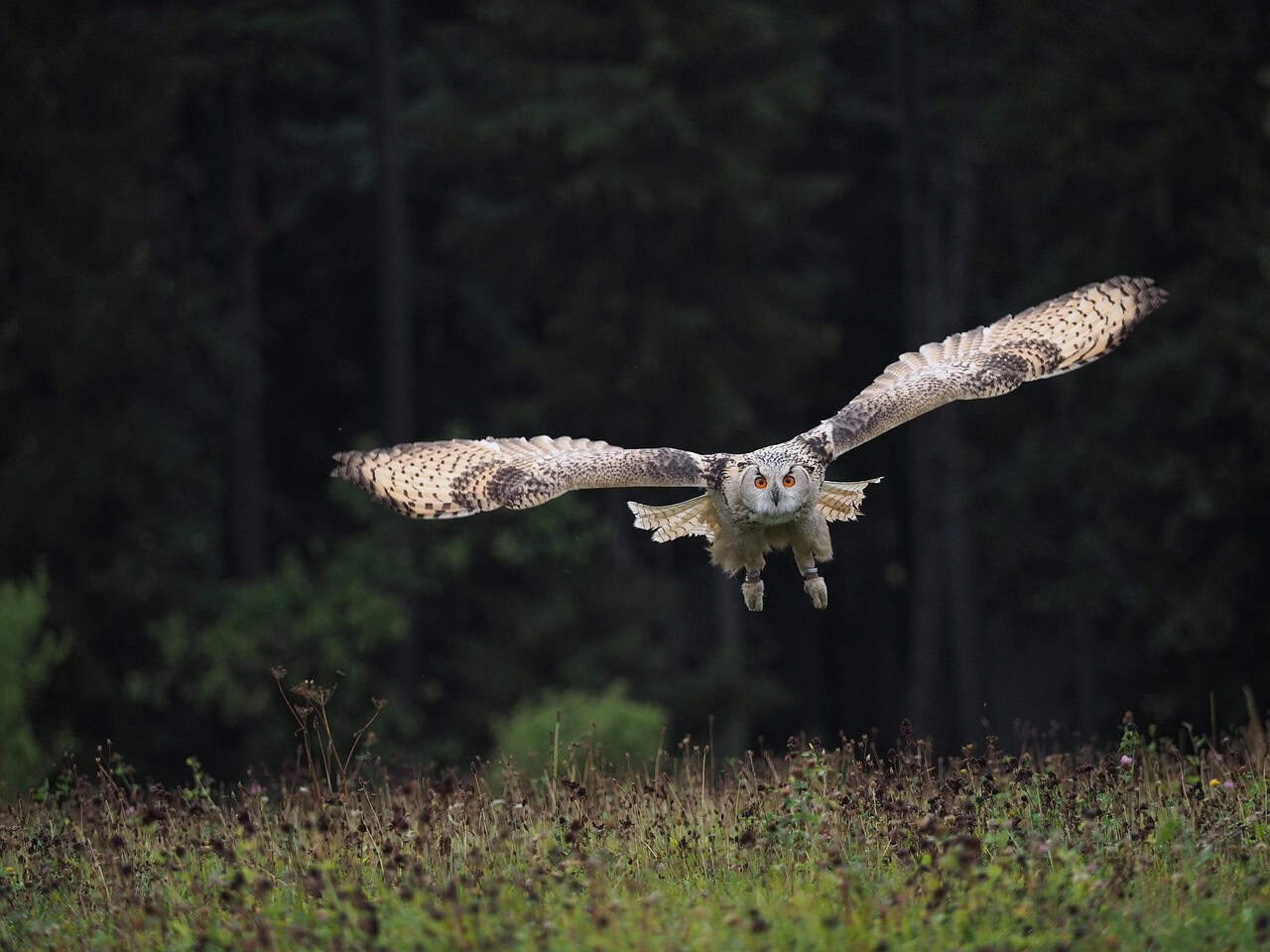
Despite their enormous numbers, the bats of Bracken Cave face predation from various species that have adapted to exploit this incredible food source. Hawks, owls, and other raptors time their hunting activities to coincide with the evening emergence, positioning themselves near the cave entrance to catch bats as they stream out.
Snakes, including rattlesnakes and rat snakes, hunt within the cave itself, particularly targeting young bats that fall from the ceiling. The cave floor and walls provide hiding spots for these predators, who have adapted to the extreme conditions inside the cave.
However, the sheer magnitude of the bat population means that predation has minimal impact on overall colony health. The “safety in numbers” strategy works exceptionally well, with predators able to take only a tiny fraction of the available prey. This overwhelming abundance has actually shaped the behavior and population dynamics of predator species in the region.
Guano Production and Soil Fertility
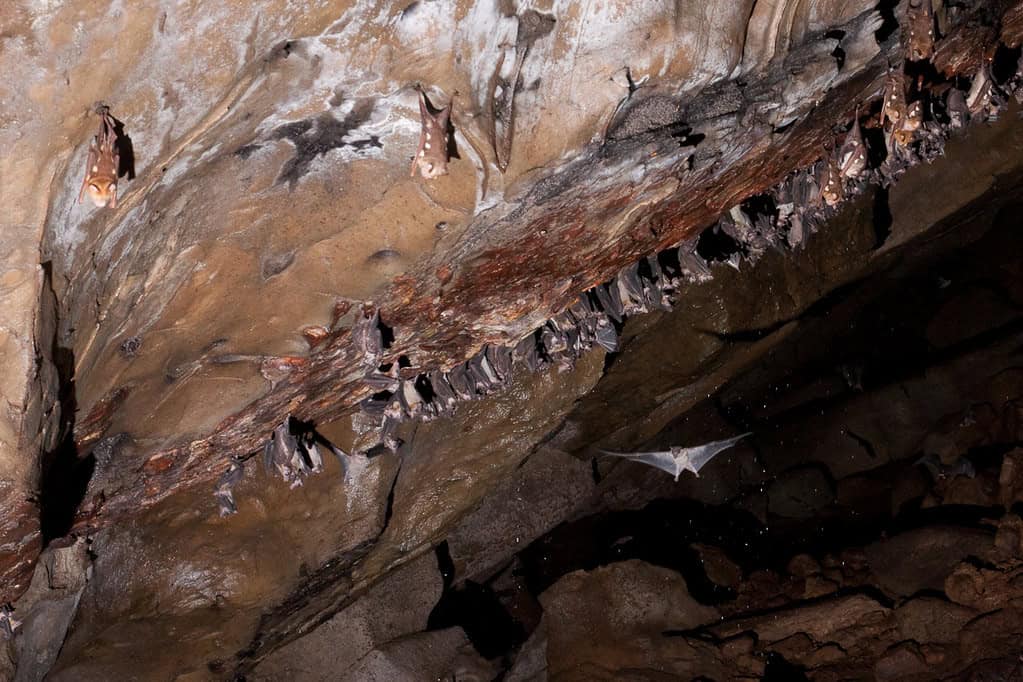
The 20 million bats of Bracken Cave produce an estimated 40 tons of guano daily during peak season. This creates massive deposits that can reach depths of several feet across the cave floor. The guano is incredibly rich in nitrogen and phosphorus, making it one of the most potent natural fertilizers on Earth.
Historically, bat guano from large colonies like Bracken Cave was mined for agricultural use and even for gunpowder production during the Civil War. The nutrient content of bat guano is so concentrated that it can burn plants if applied directly without proper composting.
The decomposition process creates a complex ecosystem of bacteria, fungi, and invertebrates that exist nowhere else. These organisms have evolved to thrive in the high-ammonia, nutrient-rich environment, creating a complete food web within the cave system itself.
Navigation and Homing Abilities

Perhaps the most remarkable aspect of the Bracken Cave colony is how individual bats can navigate back to this specific location among millions of others. Research has revealed that bats use a combination of magnetic fields, landmark recognition, and acoustic signatures to find their way home across distances of up to 60 miles.
Young bats learn these navigation skills through a process similar to imprinting, following experienced adults during their first foraging trips. The success rate is extraordinary – less than 1% of adult bats fail to return to the cave each night, despite the vast distances and complex terrain they must navigate.
Scientists have discovered that bats can recognize the unique acoustic signature of their home cave from several miles away. The collective sound of millions of bats creates a distinctive audio beacon that helps guide returning individuals to the correct location.
Genetic Diversity and Population Health

Despite the massive size of the Bracken Cave colony, genetic studies have revealed surprising diversity within the population. Bats from different regions of North and South America contribute to the gene pool, creating a genetically robust population that’s resistant to disease and environmental changes.
The colony’s genetic health is enhanced by the fact that not all bats return to the same roost every year. Some individuals explore alternative sites, while others may join different colonies, creating gene flow between populations across the continent.
This genetic diversity has proven crucial for the colony’s long-term survival. When environmental challenges arise, the varied genetic background ensures that some individuals will possess the traits needed to survive and reproduce, maintaining the population’s overall health and adaptability.
Future Outlook and Conservation Efforts
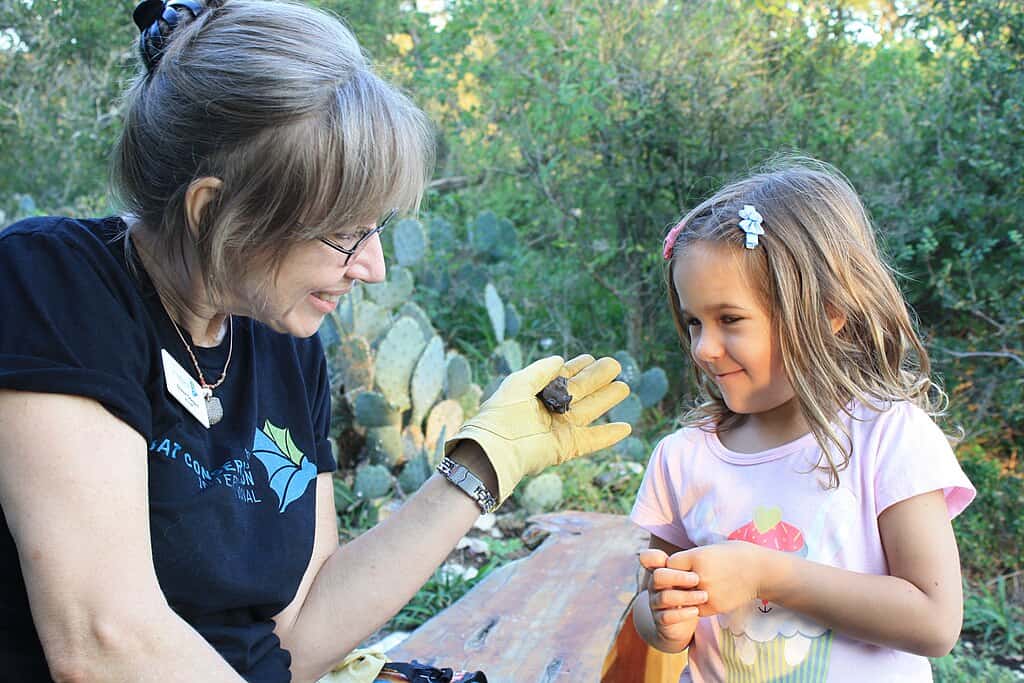
The future of Bracken Cave depends on continued conservation efforts and public support. Bat Conservation International has implemented comprehensive protection measures, including habitat restoration, research programs, and educational initiatives. Land acquisition around the cave has created buffer zones that protect critical foraging areas.
Climate change poses the greatest long-term threat to the colony’s survival. Shifting weather patterns could disrupt the delicate timing between bat reproduction and peak insect availability. Conservation efforts now focus on monitoring these changes and developing adaptive management strategies.
Public education remains crucial for the colony’s protection. As more people understand the ecological and economic value of bats, support for conservation efforts grows. The success of Bracken Cave as a conservation model demonstrates that even the largest wildlife populations can be protected with proper planning and community support.
Conclusion

As we face an uncertain environmental future, Bracken Cave serves as both a reminder of nature’s incredible power and a symbol of what we can accomplish through dedicated conservation efforts. The protection of this remarkable colony demonstrates that with proper stewardship, even the most extraordinary natural phenomena can be preserved for future generations to witness and study.
Standing at the entrance of Bracken Cave during the evening emergence, watching millions of bats spiral into the Texas sky, one cannot help but feel humbled by the scale of this natural wonder. It’s a reminder that our planet still holds mysteries and marvels that can inspire awe and wonder in an age when so much of the natural world feels familiar and documented.
What other natural phenomena might we be overlooking in our own backyards, waiting to amaze us with their hidden complexity and beauty?

- Why Orcas Teach Their Young to Beach Themselves While Hunting - July 31, 2026
- How Raccoons Use Their Tiny Hands to Explore - July 31, 2026
- Raju the Elephant Cried Tears of Freedom - July 30, 2026