


The majestic sight of an eagle soaring high above mountainous terrains or over vast forests, effortlessly gliding on air currents, is one that fills us with awe. But beyond their regal appearance, eagles are extraordinary hunters, equipped with some of the most sophisticated vision in the animal kingdom. This article explores how eagles spot prey from miles away, illustrating a brilliant symphony of biological adaptation and evolutionary mastery.
The Anatomy of Eagle Eyes
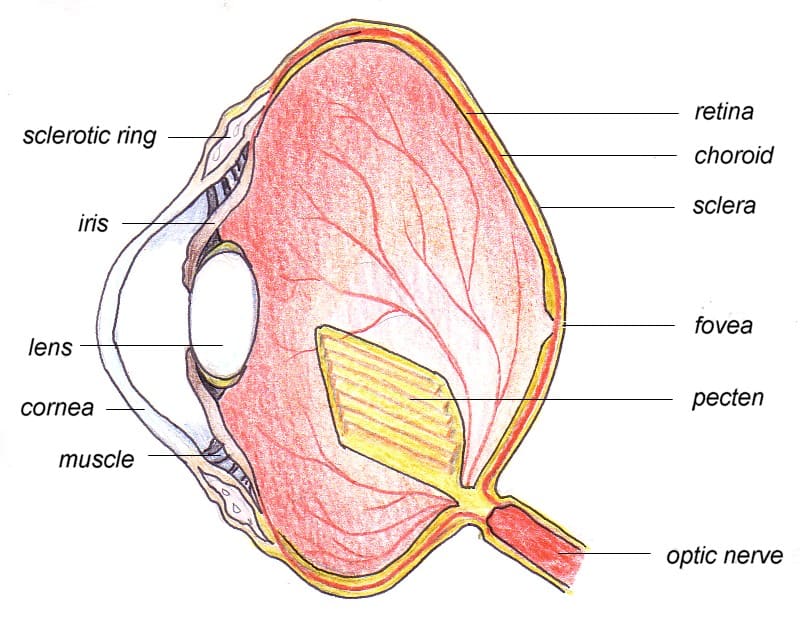
The eyes of an eagle are notably one of its most defining and powerful features. Unlike humans, whose eyes occupy about 5% of the head’s surface area, an eagle’s eyes can take up almost 50%. Their eye size is comparable to that of a human being, but packed into a much smaller skull. This large eye size provides a key foundation for their extraordinary visual prowess.
Keen Vision: Detail and Clarity

When discussing vision, one cannot overlook the clarity and detail with which eagles perceive their surroundings. Eagles have a visual acuity about 4-5 times sharper than that of humans. This superior acuity is attributed to the high density of photoreceptor cells in their retinas, specifically the cones responsible for color vision. With this capability, eagles can see even the tiniest movements of their prey in great detail, ensuring their hunting accuracy.
Binocular Vision and Depth Perception
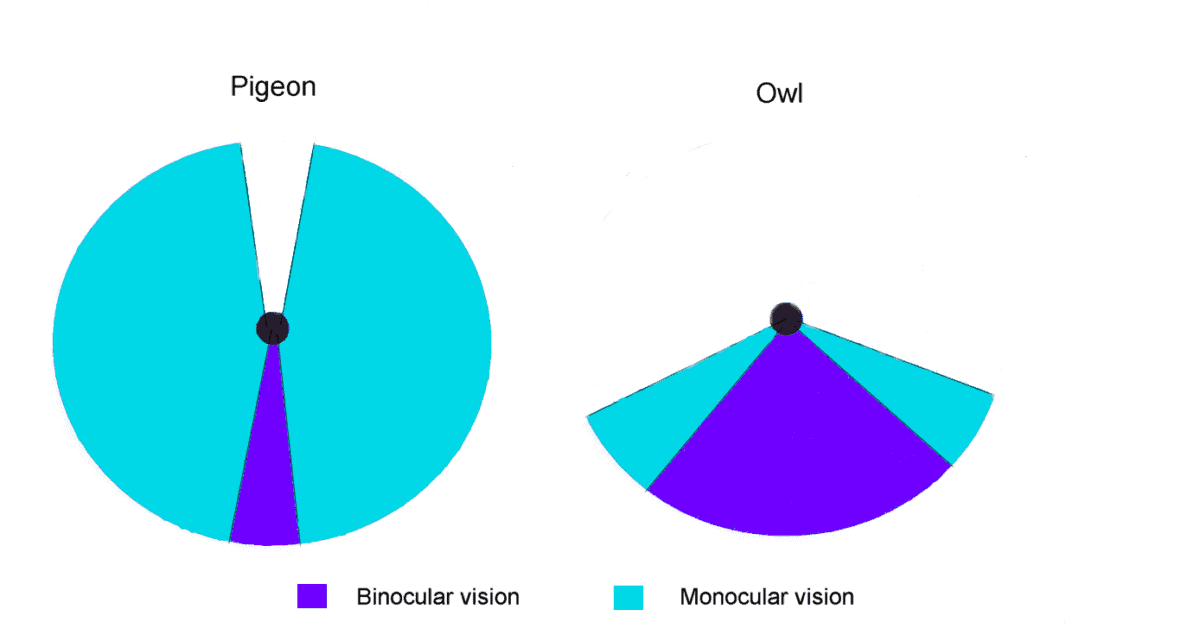
The positioning of an eagle’s eyes allows for an impressive range of binocular vision. This binocular vision is critical for depth perception, enabling them to judge distances accurately when swooping down for a kill. Eagles can, therefore, effectively triangulate the position of their prey, adjusting their flight path with precision as they dive.
Field of View: A Wide Vantage Point

Eagles also benefit from a remarkable field of view. While humans have a field of view of around 180 degrees, eagles have approximately a 340-degree visual field. This extensive range allows them to survey large areas for potential prey without needing to move their heads significantly, giving them the ability to detect movement from almost any direction.
Exceptional Color Vision
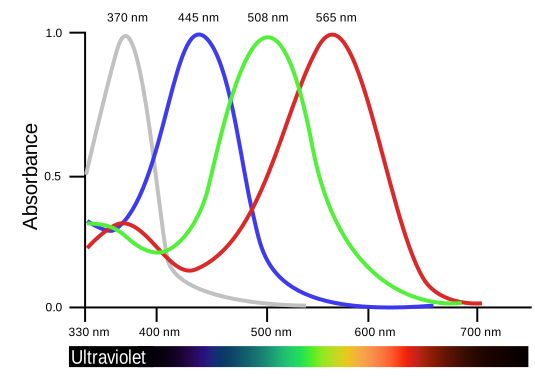
Color vision is another area where eagle eyesight proves superior. Eagles can discern more shades and colors than humans, including ultraviolet light. This feature enables them to spot urine trails left by small mammals, which reflect UV light, making it easier to track and locate potential quarry from high in the sky.
Tubular Eyes: A Unique Advantage

Unlike humans, eagle eyes are more tube-shaped than spherical. This anatomical structure helps optimize their ability to perceive distant objects by offering greater magnification and a sharper image on the retina. However, this advantage comes at a minor cost of fixity, whereby eagles have to move their entire head to change their field of focus.
The Fovea: A Double-Edged Benefactor
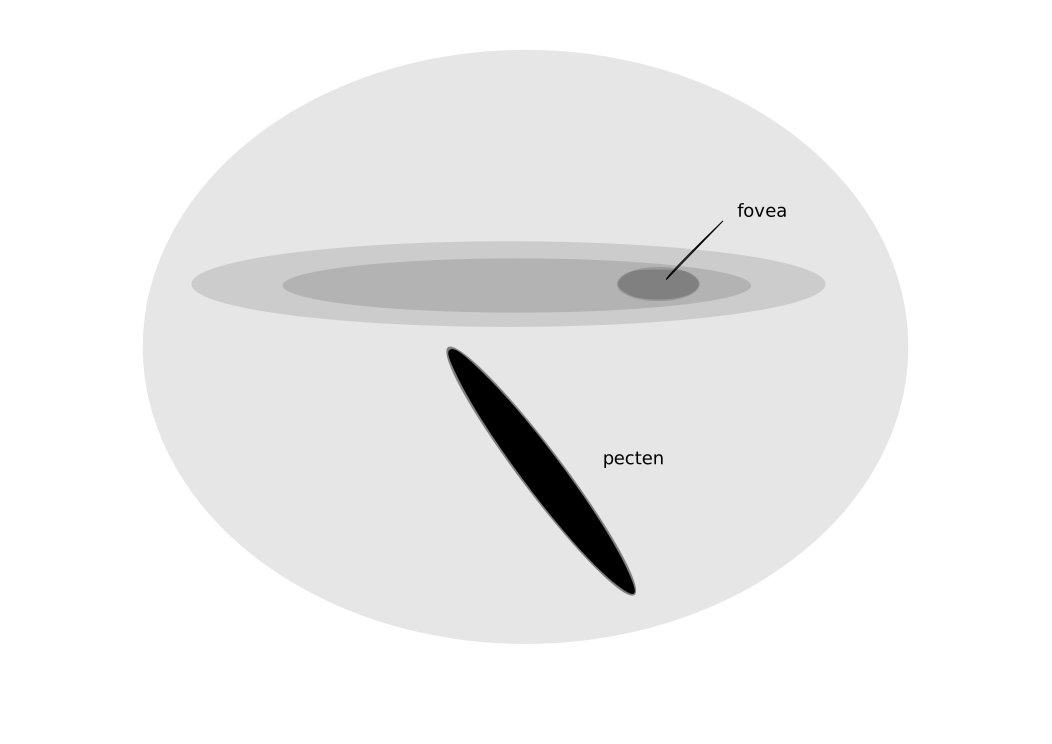
In the realm of avian eyesight, the fovea is a crucial element — an area of the retina with the highest concentration of visual cells. Eagles have two foveae in each eye, which enables them to spot prey both on the horizon and directly below them simultaneously. These dual focal points enhance their ability to detect and focus on prey while maintaining a broad scanning capability.
Adaptability of Vision

Eagles also display remarkable adaptability in their vision. Their ability to switch quickly between different focal points and distance settings helps them transition seamlessly from high-altitude scanning to close-up pursuit as they close in on their prey. This adaptability is crucial during high-speed hunts, where precision and rapid response are paramount.
The Role of Intelligence in Hunting

While physical attributes play a significant role, an eagle’s intelligence also contributes to its hunting success. Eagles learn from experience, adjusting their strategies based on the types of prey they encounter and the environmental conditions. Over time, this learning process refines their predatory tactics, enhancing their proficiency in spotting and capturing prey from afar.
Vision in Various Lighting Conditions

Eagles can hunt in various lighting conditions, owing to their eyes’ ability to adjust to different light intensities. Their retinas can open wide to increase light reception during dawn or dusk, while specialized filters block out excessive sunlight, allowing them to hunt efficiently at different times of the day.
Influence of Evolutionary Development

The extraordinary vision of eagles is a product of evolutionary development, fine-tuned over millions of years. With their survival dependent on their ability to hunt and spot prey, these adaptations have given them a significant edge, cementing their status as apex predators in various ecosystems around the globe.
The eagle’s unparalleled eyesight is a testament to the wonders of nature’s adaptability and innovation. Through a complex interplay of anatomical and psychological faculties, these birds of prey are architecturally refined for the hunt. Their ability to spot prey from miles away is not only a marvel in the animal kingdom but an inspiration, illustrating the ingenuity and resilience of life itself.

- Owls and Other Forest Dwellers of the Cascades - July 19, 2026
- What Happens When a Python Eats Something Too Big? - July 19, 2026
- Baby Koalas Hug Their Moms for Safety and Comfort - July 19, 2026