
In medical marvels and regenerative biology, the African spiny mouse (Acomys) stands as a revolutionary model with exceptional healing abilities that could transform our understanding of spinal cord injuries and regeneration. Unlike humans and most mammals that form scar tissue after injury, these remarkable rodents can regrow damaged neural tissue, offering hope for treatments that could one day help millions of people with spinal cord injuries. This extraordinary capability challenges long-held beliefs about mammalian regeneration limits and opens new frontiers in regenerative medicine research.
The Extraordinary Healing Abilities of the African Spiny Mouse

The African spiny mouse, particularly species in the Acomys genus, possesses regenerative abilities that are exceptionally rare among mammals. Native to arid regions of Africa and the Middle East, these mice have evolved remarkable tissue regeneration capabilities as a survival mechanism. When threatened by predators, they can shed large portions of their skin—a defensive strategy called autotomy—and then completely regenerate the lost tissue without scarring. This same regenerative capacity extends to their internal organs, including cardiac tissue, and most remarkably, their central nervous system. Unlike conventional laboratory mice that heal through scarring, Acomys species can restore complex tissues to their original functional state, making them invaluable models for regenerative medicine research.
Understanding Spinal Cord Injuries and Their Impact

Spinal cord injuries represent some of the most devastating traumas in human medicine, often resulting in permanent paralysis and sensory loss. When the spinal cord is damaged, the central nervous system typically responds by forming scar tissue that prevents regeneration. This scarring, primarily produced by glial cells, creates both a physical and chemical barrier to axon regrowth. In humans, this means that neurons cannot reconnect across the injury site, leading to permanent functional loss. According to the World Health Organization, between 250,000 and 500,000 people suffer spinal cord injuries annually worldwide, with most cases resulting in long-term disability. The limited regenerative capacity of the human spinal cord makes these injuries particularly challenging to treat, which is why the African spiny mouse’s abilities have generated such excitement in the scientific community.
The Discovery: How Scientists Found This Regenerative Capability
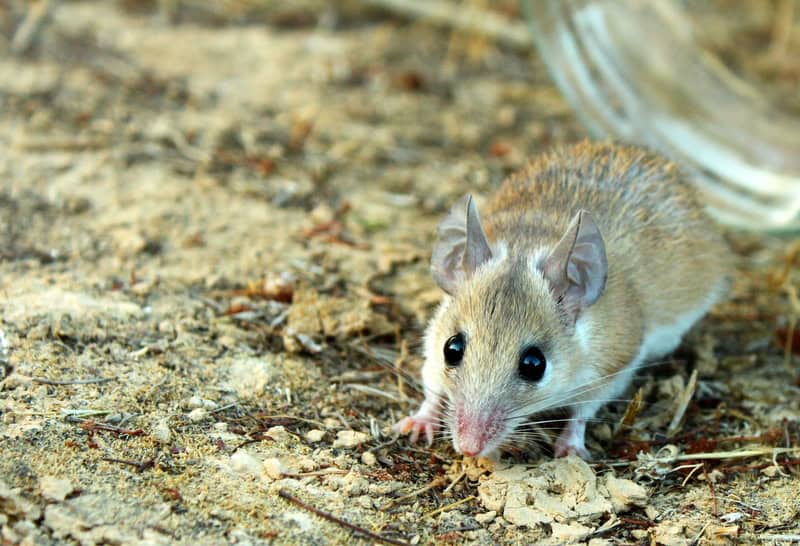
The remarkable spinal cord regeneration abilities of the African spiny mouse were first comprehensively documented by researchers at the University of Kentucky in 2012. Led by Dr. Ashley Seifert, the team initially focused on the mouse’s ability to shed and regenerate skin but soon discovered that its regenerative capabilities extended far beyond external tissues. Subsequent research at various institutions, including the Heidelberg University and Harvard Medical School, confirmed that these mice could repair severe spinal cord injuries that would cause permanent paralysis in other mammals. The discovery process involved careful comparison between conventional laboratory mice and Acomys species following standardized spinal cord injuries. Researchers were astonished to observe functional recovery in the spiny mice, with axons growing across lesion sites and meaningful neurological function returning within weeks—a phenomenon previously thought impossible in mammals.
The Science Behind Neural Regeneration

The spinal cord regeneration process in African spiny mice involves complex cellular and molecular mechanisms that fundamentally differ from typical mammalian wound healing. When spinal injury occurs, most mammals experience a cascade of inflammatory responses that lead to glial scarring—where specialized cells called astrocytes form a barrier that prevents axon regrowth. In contrast, the African spiny mouse displays a controlled inflammatory response that promotes healing rather than scarring. They express unique patterns of genes involved in extracellular matrix remodeling and maintain a stem cell-like environment at the injury site. Their neural stem cells remain active and proliferative after injury, differentiating into new neurons and glial cells that support functional recovery. Additionally, their immune response appears calibrated to clear debris without initiating the scarring process, creating an environment conducive to axon regrowth and proper reconnection of neural circuits.
Comparing Regeneration Across Species

The regenerative capabilities of the African spiny mouse place it in a remarkable position on the spectrum of regeneration across animal species. While some animals like salamanders and zebrafish are well-known for their ability to regrow limbs and other complex structures, mammals have generally been considered limited in regenerative potential. Humans and most mammals can regenerate liver tissue to some extent, but neural tissue regeneration has been thought impossible. The African spiny mouse represents an evolutionary intermediate—a mammal with regenerative abilities more typical of amphibians or reptiles. This unique positioning makes it particularly valuable for translational research, as it shares more genetic and physiological similarities with humans than non-mammalian models. Understanding why this specific mammal retained or evolved these regenerative capabilities while closely related species did not could provide crucial insights into potentially unlocking similar healing in humans.
Key Molecular Pathways in Spinal Cord Regeneration

Research into the African spiny mouse’s regenerative abilities has identified several critical molecular pathways that facilitate spinal cord repair. Gene expression studies reveal that these mice upregulate factors that promote axon growth and downregulate molecules that typically inhibit regeneration. One key difference appears in their expression of growth factors like brain-derived neurotrophic factor (BDNF) and nerve growth factor (NGF), which remain elevated for longer periods following injury compared to non-regenerating mammals. Another critical pathway involves the inflammatory response mediated by macrophages, which in spiny mice adopt a pro-regenerative phenotype rather than the pro-inflammatory state seen in typical mammals. Additionally, studies have identified unique patterns in the Wnt/β-catenin signaling pathway, which controls stem cell proliferation and differentiation. The extracellular matrix environment also differs significantly, with reduced deposition of chondroitin sulfate proteoglycans—molecules known to inhibit axon growth in other mammals.
Challenges in Studying Spinal Cord Regeneration

Despite the tremendous potential, studying spinal cord regeneration in African spiny mice presents several significant challenges. Unlike common laboratory mice, Acomys species haven’t been fully domesticated or genetically characterized, making standardized research more difficult. Their longer reproductive cycles and smaller litter sizes compared to laboratory mice limit the pace of research. Additionally, the comprehensive molecular tools and genetic manipulation techniques available for conventional mouse models are still being developed for spiny mice. Tracking neural recovery also requires sophisticated imaging and functional assessment methods that must be adapted specifically for these animals. Ethical considerations regarding experimental spinal cord injuries in animals further complicate this research field. Perhaps most challenging is the translation gap—determining whether mechanisms that work in these specialized regenerators could function in non-regenerating mammals like humans, whose evolutionary path diverged from Acomys millions of years ago.
Implications for Human Medicine and Treatment
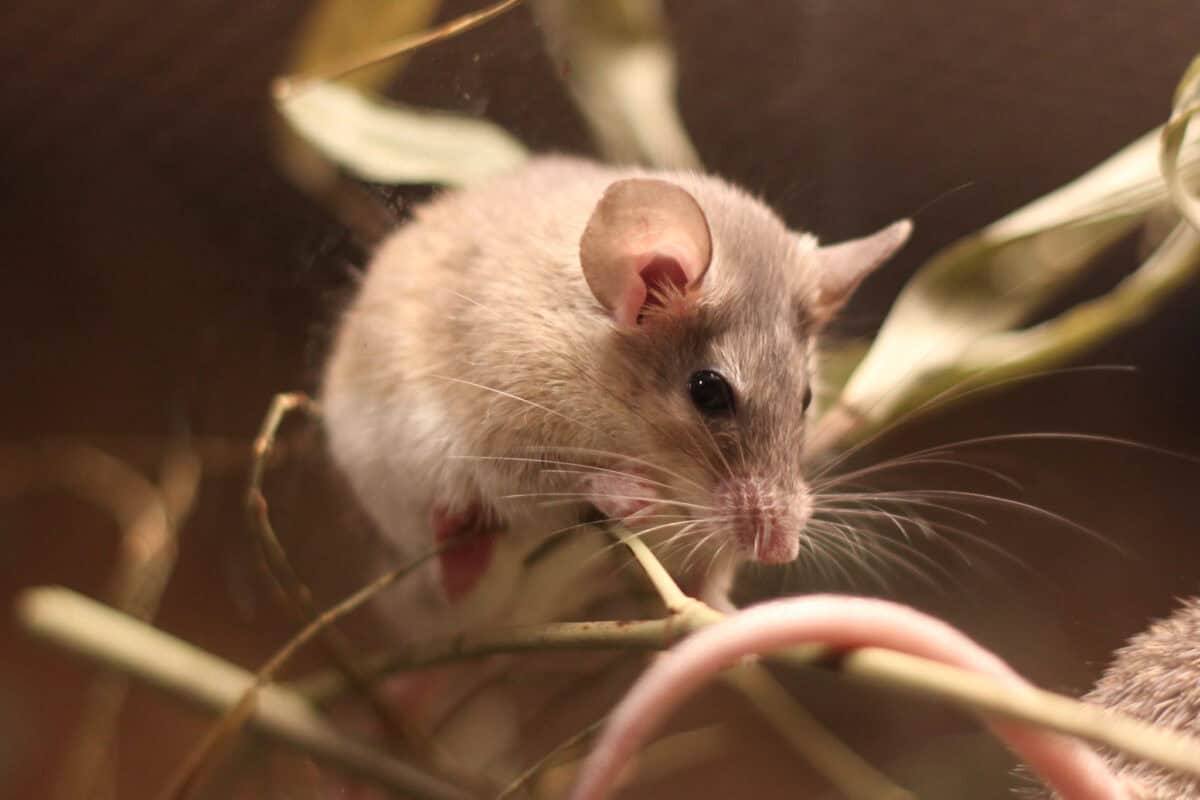
The African spiny mouse’s regenerative capabilities hold profound implications for human medicine, particularly for the approximately 17,000 new spinal cord injury patients in the United States alone each year. If scientists can decode and eventually replicate the molecular and cellular processes that enable these mice to regrow neural tissue, it could revolutionize treatment approaches for spinal cord injuries in humans. Current treatments focus primarily on minimizing further damage and rehabilitation to maximize remaining function, rather than true regeneration. The study of these mice has already identified several promising therapeutic targets, including specific growth factors, immune modulators, and extracellular matrix components that could potentially be developed into treatments. Pharmaceutical companies and research institutions are exploring how these findings might translate into gene therapies, biologics, or small molecule drugs that could create a more regeneration-friendly environment in human spinal injuries.
Current Research Breakthroughs
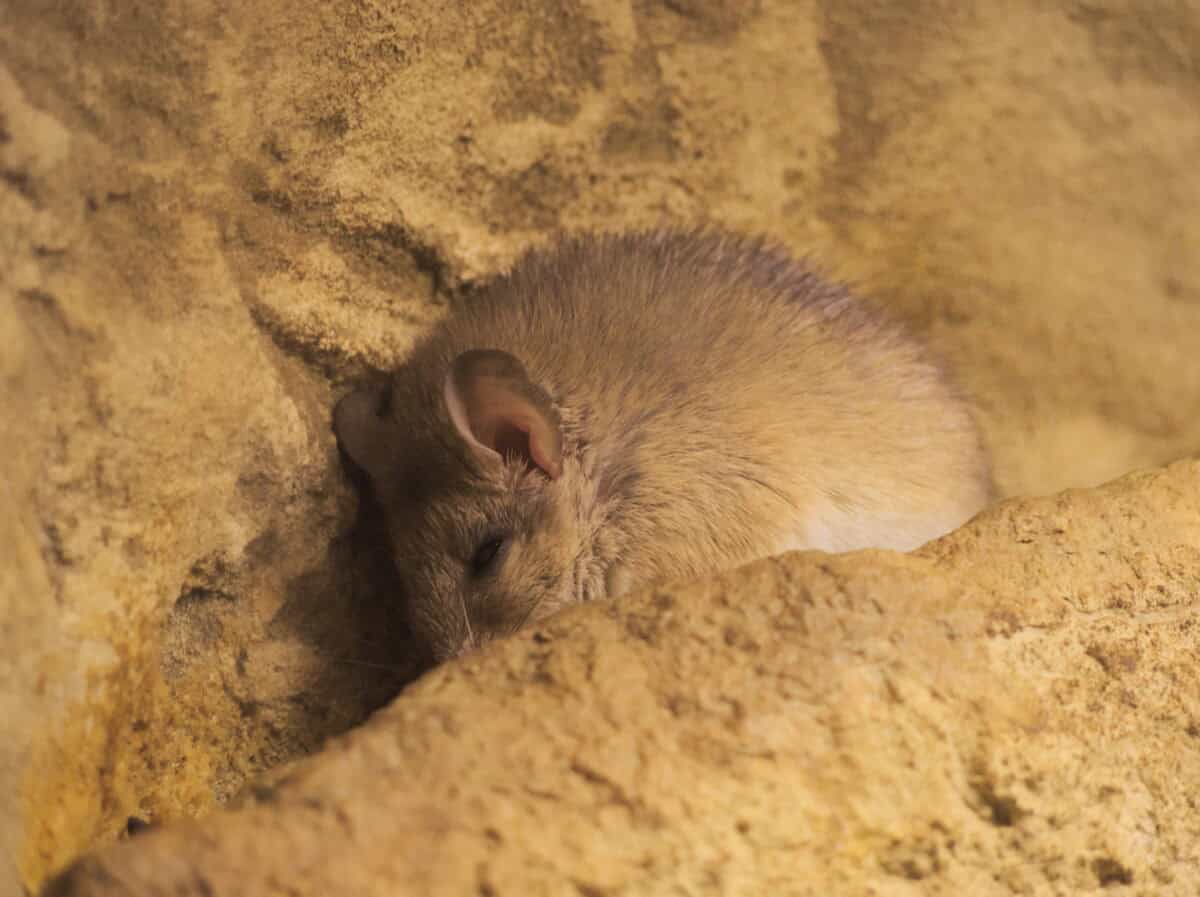
Recent studies have produced several promising breakthroughs in understanding the African spiny mouse’s regenerative capabilities. In 2022, researchers at the University of California successfully identified a unique pattern of gene expression in spiny mouse neural stem cells that appears to maintain them in a more embryonic-like state even in adulthood, potentially explaining their enhanced regenerative capacity. Another team at Johns Hopkins University discovered that the extracellular matrix produced by spiny mouse astrocytes after injury is fundamentally different from other mammals, lacking several regeneration-inhibiting proteins. Perhaps most exciting, preliminary studies at the Karolinska Institute demonstrated that when human neural stem cells were cultured with factors derived from injured spiny mouse spinal cords, they showed enhanced growth and differentiation potential. These findings suggest that the regenerative environment created by spiny mice might be partially replicable in human cells, representing a significant step toward potential clinical applications.
Beyond Spinal Cord: Other Regenerative Capabilities

The African spiny mouse’s regenerative prowess extends well beyond spinal cord tissue, making it an even more valuable model for multiple aspects of regenerative medicine. Their most visible regenerative feature is their skin, which can regrow complete with hair follicles, sebaceous glands, cartilage, and even fur patterning after substantial loss—a process more similar to regeneration in amphibians than typical mammalian wound healing. Remarkably, these mice can also regenerate cardiac tissue following heart damage, restoring functional muscle rather than forming the non-contractile scar tissue typical in humans after heart attacks. Studies have also documented their ability to repair kidney damage and regenerate pancreatic beta cells, suggesting potential applications for treating diabetic conditions. Perhaps most surprisingly, recent research indicates they can regrow portions of their brain tissue after controlled damage, making them one of the only mammals known with this capacity.
The Role of Evolution in Regenerative Abilities

Evolutionary biologists suggest that the African spiny mouse’s exceptional regenerative capabilities likely developed as an adaptation to harsh predatory environments. These mice evolved in regions with numerous predators, and their ability to autotomize (voluntarily release) skin when captured provided a survival advantage—but only if that skin could be effectively regenerated. This represents a fascinating case of convergent evolution, where these mammals independently developed regenerative traits similar to those seen in some reptiles and amphibians. Genetic analyses indicate that rather than retaining ancient regenerative pathways from evolutionary ancestors, spiny mice appear to have reactivated or repurposed developmental gene networks that are typically silenced in adult mammals. This evolutionary perspective is crucial for understanding why these mice can regenerate while closely related species cannot, and whether similar pathways might be artificially reactivated in humans. The evolutionary trade-offs that may have occurred—potentially between regenerative capacity and cancer resistance or immune function—also provide important context for translational research.
Future Directions in Regenerative Medicine Research

The study of African spiny mouse regeneration is poised to expand in several promising directions. Researchers are developing more sophisticated genetic tools specific to Acomys species, including CRISPR-Cas9 systems for precise genetic manipulation, which will allow more detailed investigation of the genes controlling regeneration. Single-cell RNA sequencing technologies are being employed to map the complete cellular landscape during regeneration, potentially identifying previously unknown cell types or states crucial to the process. Biomaterial engineers are working to develop synthetic scaffolds that mimic the regeneration-friendly extracellular environment of the spiny mouse’s healing tissues. Drug screening initiatives are systematically testing thousands of compounds for their ability to induce similar regenerative responses in non-regenerating mammals. Long-term, this research could lead to combinatorial therapies that address multiple aspects of spinal cord injury simultaneously—promoting neuron survival, axon growth, remyelination, and appropriate synapse formation. The ultimate goal remains developing treatments that could restore function to humans with spinal cord injuries.
Conclusion: A New Frontier in Regenerative Biology

The African spiny mouse represents a revolutionary frontier in regenerative biology, challenging long-held assumptions about the limits of mammalian healing capabilities. Its ability to regrow functional spinal cord tissue offers a unique window into regenerative processes that were once thought impossible in mammals, providing hope for millions suffering from paralysis and other consequences of spinal cord injuries. While substantial challenges remain in translating these findings to human treatments, each discovery brings scientists closer to understanding the fundamental principles that govern regeneration versus scarring. As research techniques advance and our understanding deepens, the humble spiny mouse may prove to be one of the most important model organisms in the history of medicine, potentially unlocking regenerative pathways that could transform treatment for some of medicine’s most intractable conditions. Their remarkable biology reminds us that nature often holds solutions to problems we’ve considered unsolvable, if only we know where—and how—to look.

- The Most Vulnerable Mammals Facing a Hotter Planet - July 30, 2026
- The Bird That Can Recognize More Faces Than a Human - July 29, 2026
- How Army Ants Coordinate Massive Raids Without a Leader - July 29, 2026