

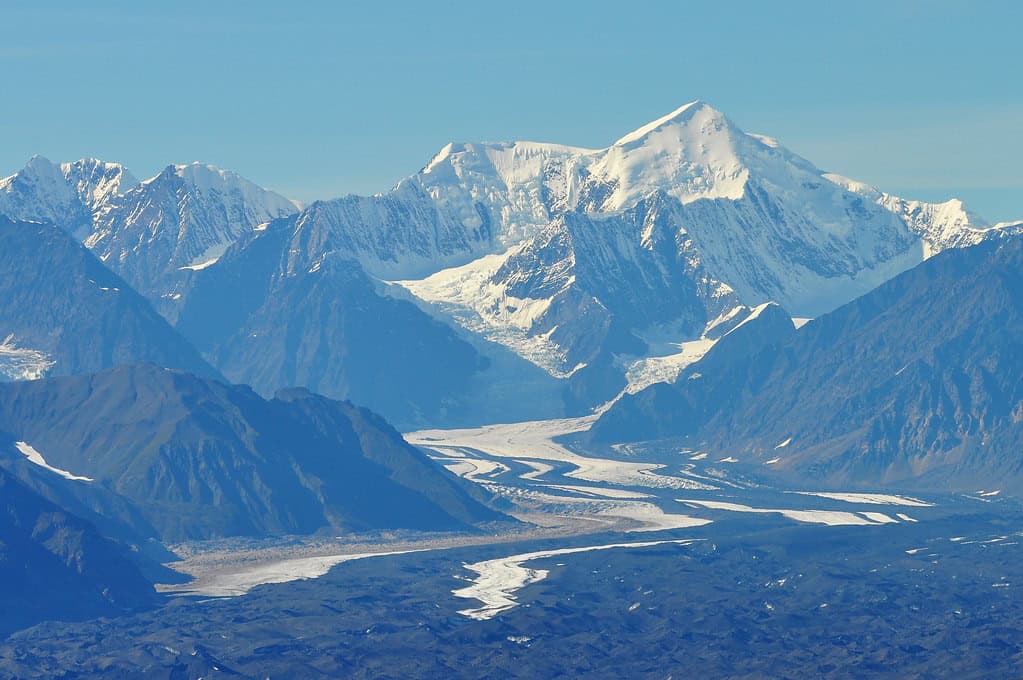
From the rugged coastlines of Alaska to the misty swamps of Florida, America offers an incredible array of wildlife photography opportunities. The diverse landscapes and ecosystems across the United States create perfect habitats for thousands of animal species, making it a paradise for wildlife photographers. Whether you’re capturing soaring eagles, elusive wolves, or tiny colorful frogs, the perfect shot awaits in these natural wonders. This article explores the top 10 American wildlife photography destinations, highlighting the unique species, best seasons to visit, and photography tips for each location.
Yellowstone National Park, Wyoming

Yellowstone National Park stands as America’s premier wildlife photography destination, offering unparalleled opportunities to capture images of some of the country’s most iconic species. As America’s first national park, Yellowstone hosts the largest concentration of mammals in the lower 48 states, including grizzly bears, wolves, bison, elk, and moose. The Lamar Valley, often called “America’s Serengeti,” provides expansive vistas where photographers can capture herds of bison roaming across golden meadows, particularly during the early morning and evening golden hours. Winter brings spectacular opportunities for photographing wolves against snow-covered landscapes, while spring offers adorable wildlife babies and dramatic predator-prey interactions. The park’s geothermal features create unique backdrops, with steam rising through forests where wildlife often congregate. For the best experience, visit during shoulder seasons (May-June or September-October) to avoid summer crowds while still enjoying accessible roads and active wildlife.
Katmai National Park, Alaska
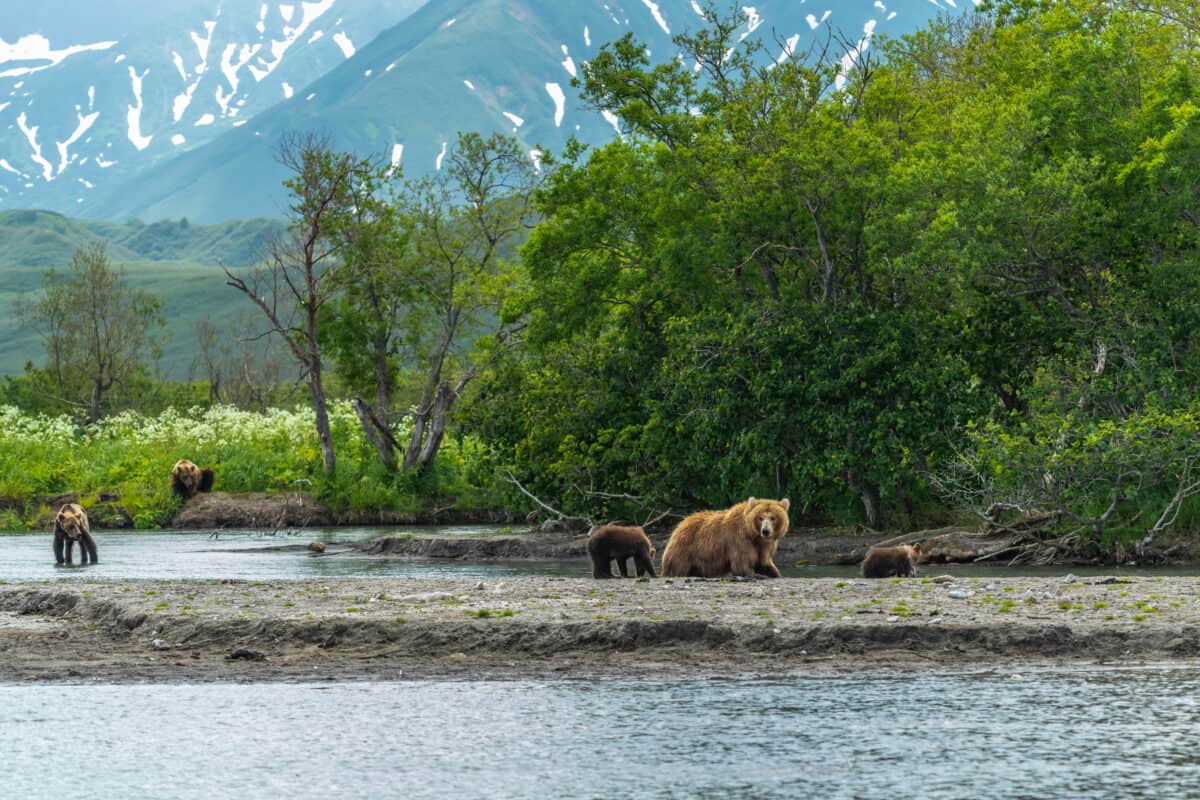
For photographers seeking the ultimate bear photography experience, Katmai National Park is unrivaled. This remote Alaskan wilderness is home to the world’s highest concentration of brown bears, with over 2,200 bears residing within its boundaries. The park’s famous Brooks Falls offers one of wildlife photography’s most iconic settings, where bears gather to catch leaping salmon during the summer runs. July through September provides prime opportunities to photograph bears fishing, with multiple bears often visible at once as they compete for prime fishing spots. The sight of these massive predators standing atop waterfalls, snatching salmon mid-air, creates dramatic action shots unmatched elsewhere. Photographers should bring long lenses (at least 200-400mm) and consider booking space on the Brooks Falls viewing platforms well in advance. Despite the remote location requiring float plane access, Katmai rewards photographers with intimate bear behavior observations, including mothers with cubs, social interactions, and fishing techniques that vary by individual bear.
Everglades National Park, Florida
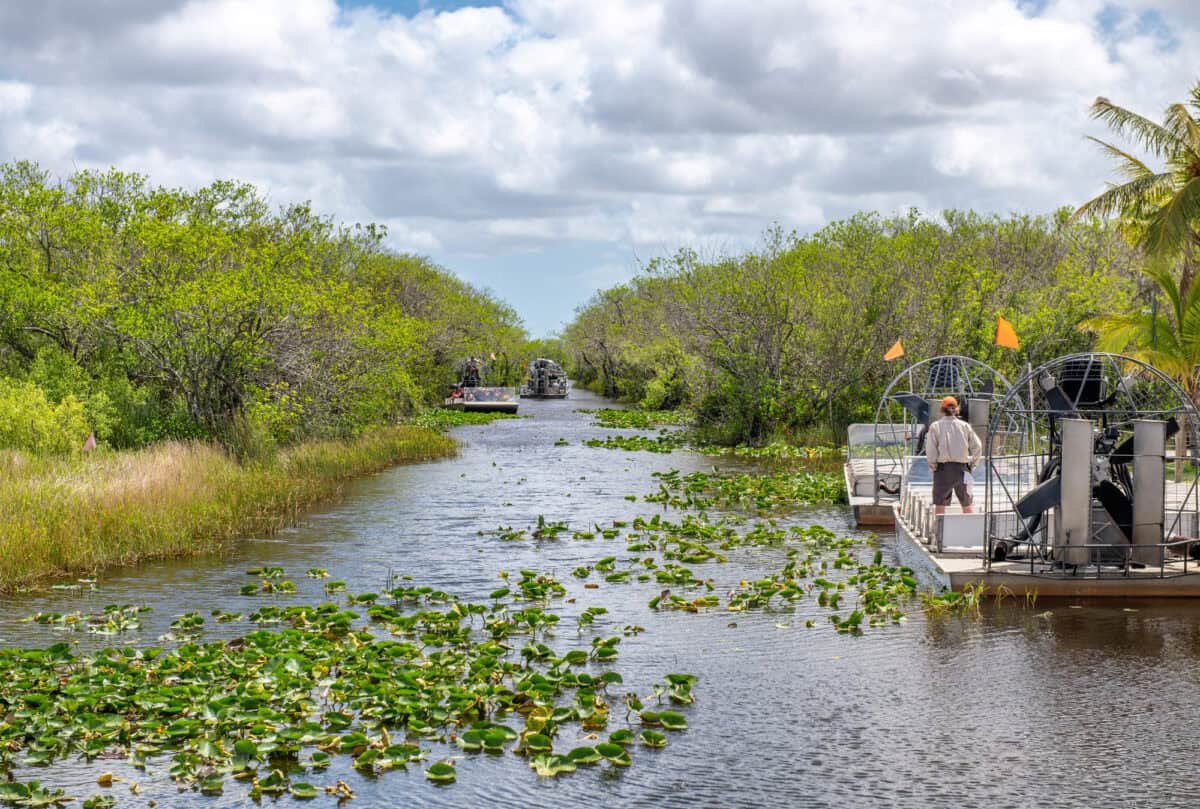
The Everglades represents America’s largest subtropical wilderness and provides a unique ecosystem for wildlife photographers seeking bird and reptile photography opportunities. This “River of Grass” hosts over 360 bird species, including colorful roseate spoonbills, wood storks, and the endangered snail kite. The winter dry season (December-April) concentrates wildlife around remaining water sources, making it the optimal time for photography. Anhinga Trail and Shark Valley offer excellent opportunities to photograph American alligators, sometimes with dozens visible from a single vantage point. The early morning light illuminating wading birds in the marsh creates ethereal scenes, while sunset boat tours provide access to mangrove areas where birds gather at roosting sites. Macro photographers will appreciate the smaller subjects like tree frogs, anoles, and diverse insect life. The park’s variety of ecosystems—from sawgrass prairies to cypress swamps—means photographers should allocate several days to explore different regions, with Flamingo and Everglades City offering distinct wildlife photography opportunities. The Everglades’ flat landscapes make it perfect for photographers new to wildlife photography, as animals are often visible at relatively close range from established boardwalks and observation platforms.
Bosque del Apache National Wildlife Refuge, New Mexico

For bird photographers, few locations match the spectacle of Bosque del Apache during winter migration. This managed wetland along the Rio Grande becomes the temporary home to tens of thousands of snow geese and sandhill cranes from November through February, creating one of North America’s most dramatic wildlife gatherings. The refuge is renowned for its “blast offs”—moments at dawn when thousands of snow geese take flight simultaneously, filling the sky with wings and calls. These mass ascensions create unparalleled photographic opportunities, especially when captured against the pink and orange hues of sunrise. The refuge’s design includes viewing platforms and driving loops specifically positioned to allow photographers optimal shooting angles without disturbing wildlife. Sandhill cranes offer equally compelling subjects, with their elegant profiles and fascinating courtship dances. Photographers should arrive before sunrise to set up for morning fly-outs and stay until sunset when birds return to roosting ponds. Beyond waterfowl, the refuge hosts coyotes, mule deer, and raptors hunting among the wetlands. The predictable daily patterns of bird movement make Bosque del Apache an excellent destination for photographers planning specific shots, with the annual Festival of the Cranes offering workshops and guided photography opportunities.
Channel Islands National Park, California

Often called “America’s Galapagos,” the Channel Islands offer wildlife photographers a unique opportunity to capture images of species found nowhere else on Earth. This archipelago off the California coast hosts endemic island foxes, scrub jays, and numerous plant species that have evolved in isolation. The surrounding marine sanctuary provides extraordinary opportunities for photographing marine mammals, including vast colonies of sea lions and harbor seals that blanket beaches on several islands. Between December and April, the islands become prime locations for photographing migrating gray whales, while year-round residents include playful dolphins and colorful garibaldi fish. Unlike heavily trafficked national parks, the Channel Islands’ limited visitation means photographers often have scenes entirely to themselves. Anacapa and Santa Cruz islands offer the most accessible photography opportunities, with island foxes often approaching photographers with curious but cautious behavior. The islands’ coastal position creates dramatic fog and light conditions, especially during morning hours when marine layers create diffused lighting ideal for wildlife photography. The landscape itself provides striking backdrops, with dramatic cliffs, sea caves, and endemic oak groves that frame wildlife in their natural habitat. Photographers should prepare for changing weather conditions and bring weather-sealed equipment when visiting this marine environment.
Denali National Park, Alaska

Denali National Park offers wildlife photographers the rare opportunity to capture North American wildlife against the backdrop of the continent’s tallest peak. This vast wilderness hosts the “Big Five” of Alaskan wildlife: grizzly bears, wolves, moose, caribou, and Dall sheep. The park’s limited road system creates a unique photography experience, as the restriction of private vehicles means wildlife remains relatively undisturbed and often visible from the park shuttle buses. Photographers should book spots on the Kantishna Experience or Transit buses that travel the full 92-mile park road, allowing access to different ecosystems and wildlife concentrations. The alpine zones provide opportunities to photograph Dall sheep perched on seemingly impossible slopes, while the lower elevations host moose in willow thickets and bears digging for roots or berries depending on the season. The park’s vastness means telephoto lenses (at least 400mm) are essential, though constantly scanning nearby areas can reveal surprising close encounters. Late August and early September offer spectacular fall colors that complement wildlife photography, with red and gold tundra creating vibrant foregrounds. Wildlife is most active during the cooler hours of early morning and evening, making the long summer daylight hours particularly productive for photography. Clear days provide opportunities to capture wildlife with North America’s most iconic mountain backdrop, though photographers should be prepared for Denali to create its own weather patterns, offering constantly changing lighting conditions.
Monterey Bay, California
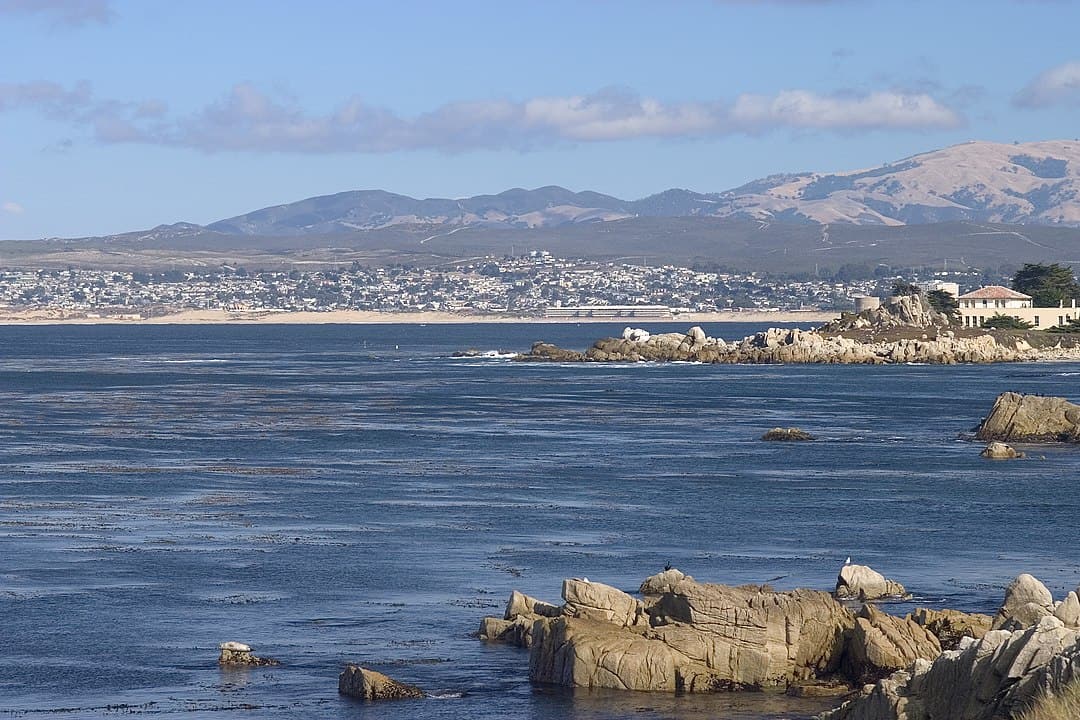
Monterey Bay represents one of the world’s premier destinations for marine wildlife photography, with its nutrient-rich waters supporting an extraordinary diversity of sea life. The submarine Monterey Canyon, deeper than the Grand Canyon, creates upwelling currents that attract wildlife throughout the food chain, from tiny krill to massive blue whales. Photographers can capture sea otters floating among kelp forests, harbor seals hauled out on coastal rocks, and sea lions performing acrobatic displays. The bay hosts one of the most reliable places to photograph killer whales, humpback whales, and the largest animal ever to live—the blue whale—during summer months. Unlike many wildlife photography destinations, Monterey offers multiple photography platforms: land-based shooting from locations like Point Lobos and Moss Landing, dedicated photography boats that position specifically for optimal light conditions, and underwater opportunities for those with appropriate equipment. The Monterey Bay Aquarium provides backup photography opportunities during inclement weather, with naturalistic habitats and species difficult to photograph in the wild. The predictable daily patterns of certain species, such as sea otters in Elkhorn Slough and seabirds at Bird Rock, allow photographers to plan shoots around specific subjects. The bay’s coastal fog creates magical lighting conditions, especially during morning hours when wildlife activity peaks and golden light pierces through marine layers.
Great Smoky Mountains National Park, Tennessee/North Carolina

The Great Smoky Mountains offer eastern America’s premier wildlife photography destination, with biodiversity that rivals tropical locations. This ancient mountain range hosts over 65 mammal species, 200 bird species, and one of the world’s most diverse salamander populations, earning it the nickname “Salamander Capital of the World.” Cades Cove and Cataloochee Valley provide open areas where photographers can capture images of reintroduced elk herds, especially dramatic during the fall rut when bulls bugle and spar. Black bears are frequently photographed, particularly in spring when mothers emerge with cubs and in fall when they forage extensively before winter. Unlike western parks, the Smokies’ lush forests create challenges and opportunities for wildlife photography—the dappled light filtering through old-growth forests creates magical backdrops, but requires careful exposure techniques and knowledge of animal behavior to predict where subjects might appear. The park’s famous morning mist creates atmospheric conditions perfect for moody wildlife portraits, especially along waterways where otters and mink may be spotted. Macro photographers will find endless subjects among the park’s 1,500 flowering plant species and incredible insect diversity. Spring ephemeral wildflowers create colorful foregrounds for wildlife images in April and May, while fall colors provide vibrant backgrounds from late September through October. Multiple scenic roads and over 800 miles of trails ensure photographers can access various habitats and elevation zones to maximize wildlife encounters.
Kodiak Island, Alaska
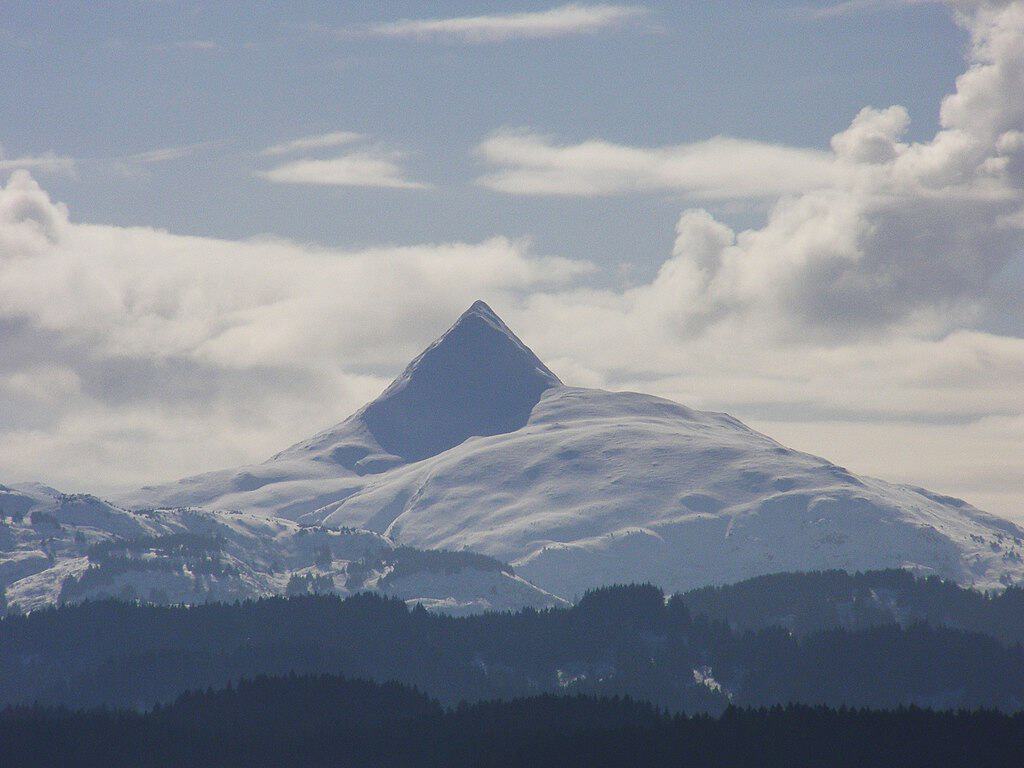
Kodiak Island presents wildlife photographers with opportunities to capture images of the world’s largest brown bears in diverse and stunning settings. The Kodiak bear, a subspecies of brown bear, can reach weights exceeding 1,500 pounds, making them imposing photographic subjects against the island’s dramatic landscapes. Unlike more visited bear-viewing destinations, Kodiak offers photographers the chance to document bears in varied habitats, from salmon streams to alpine meadows covered in wildflowers. The island’s remoteness ensures that wildlife behavior remains natural and undisturbed, with bears often tolerating photographers at closer distances than in more heavily trafficked locations. Beyond bears, Kodiak offers opportunities to photograph sea lions, harbor seals, puffins, and enormous gatherings of bald eagles. The island’s position in the Gulf of Alaska creates distinct lighting conditions, with long summer days providing extended golden hour opportunities. Most premium photography locations require floatplane access, with Frazer Lake and the Ayakulik River among the most productive areas for bear photography. The island’s quickly changing weather patterns create dramatic skies that add atmosphere to wildlife images. Photographers should book guided expeditions with experienced naturalists who understand bear behavior and can position groups for optimal shooting opportunities. Late July through September offers the best combination of salmon runs, bear activity, and stable weather for photography.
Ding Darling National Wildlife Refuge, Florida
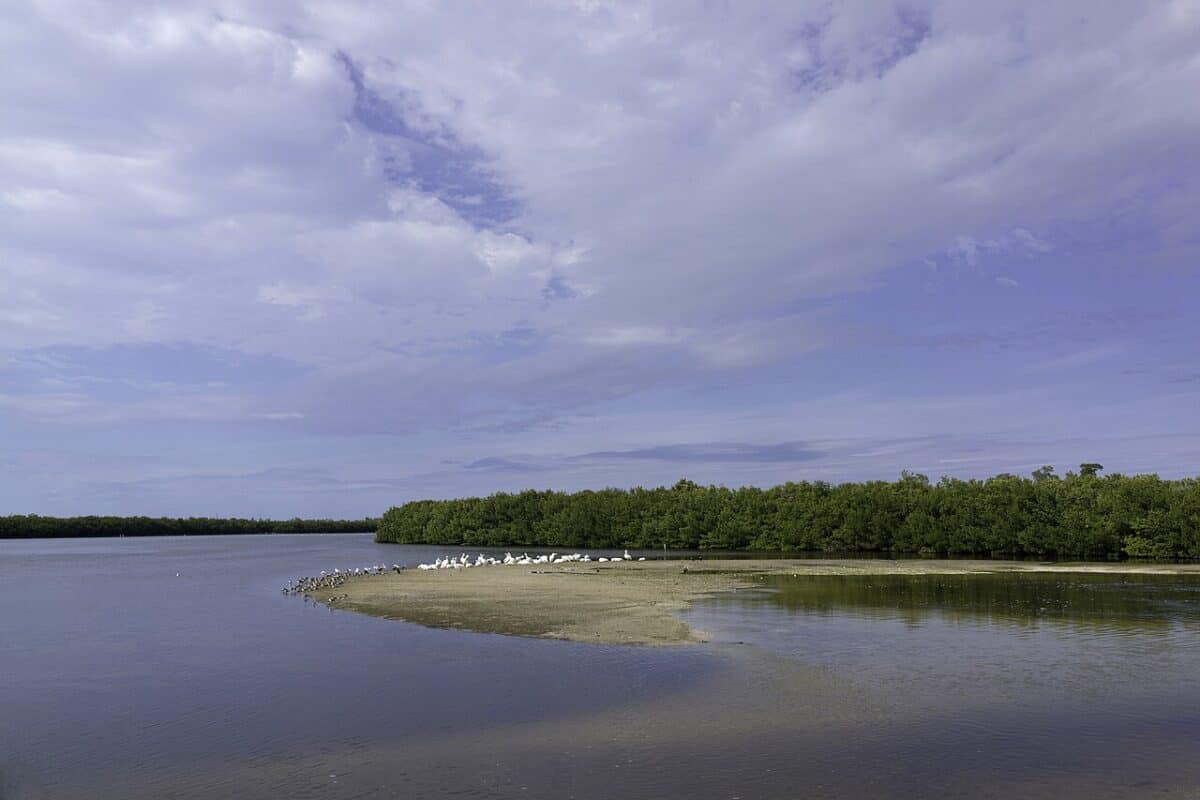
J.N. “Ding” Darling National Wildlife Refuge on Sanibel Island represents one of North America’s most accessible yet rewarding wildlife photography destinations. The refuge’s unique design includes a 4-mile Wildlife Drive specifically created to allow photographers to capture images of wildlife from their vehicles, which serve as mobile blinds. This accessibility makes Ding Darling ideal for photographers with mobility limitations or those traveling with non-photographers. The refuge hosts over 245 bird species, with wading birds like roseate spoonbills, wood storks, and great egrets often feeding within perfect photography range. The controlled water management system concentrates birds during winter months, when photographers should time visits around low tides for optimal feeding activity. The mangrove ecosystem supports wildlife beyond birds, including alligators, raccoons, bobcats, and river otters. Unlike many wildlife photography locations, Ding Darling often allows for frame-filling images with moderate telephoto lenses (200-400mm), making it suitable for photographers still building their equipment collection. The refuge’s east-west orientation means morning light illuminates subjects beautifully along Wildlife Drive when traveling counter-clockwise. Kayak trails offer photographers additional perspectives, accessing areas where birds allow closer approaches than possible from land. The refuge’s bird life creates opportunities for flight photography, feeding behavior documentation, and courtship displays depending on the season, with February through April offering peak activity for many nesting species.
Point Reyes National Seashore, California
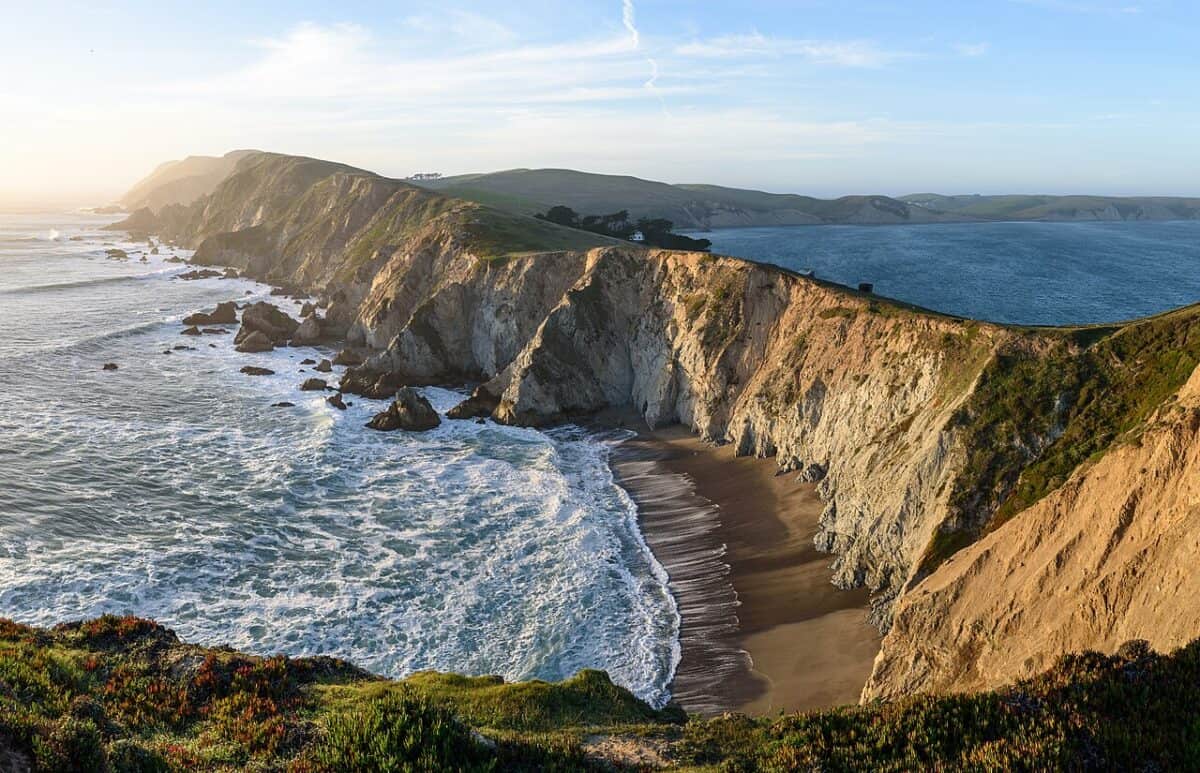
Point Reyes National Seashore offers photographers an extraordinary combination of wildlife diversity and dramatic landscapes within day-trip distance of San Francisco. This peninsula jutting into the Pacific hosts one of California’s largest tule elk herds, with bulls gathering harems during the fall rut against the backdrop of coastal grasslands and fog-shrouded hills. The park’s varied ecosystems—from beaches to forest to grassland—support diverse wildlife, including bobcats, coyotes, badgers, and over 490 bird species. The Tomales Point Trail provides photographers with reliable elk encounters, while Abbotts Lagoon offers shorebird photography opportunities and occasional coyote sightings. The park’s position on the Pacific Flyway makes it exceptional for bird photography, particularly during spring and fall migrations. Harbor seals pupping on protected beaches from March through June create touching wildlife moments for photographers, while elephant seals establish breeding colonies at Chimney Rock from December through March—offering dramatic opportunities to capture 5,000-pound bulls battling for dominance. The interplay of fog and sunlight creates magical lighting conditions, particularly during early morning hours when wildlife is most active. Unlike many premium wildlife photography destinations, Point Reyes offers numerous opportunities year-round, with diverse subjects always available regardless of season. Photographers should research tide schedules when planning coastal photography, as many wildlife areas are accessible only during lower tides.
Essential Photography Gear and Tips for Wildlife Photography

Successful wildlife photography at these destinations requires appropriate equipment and preparation. A telephoto lens with a minimum 300mm focal length is essential, with 400-600mm typically ideal for most wildlife situations. Consider a mid-range zoom (70-200mm) for larger animals or environmental wildlife portraits that include habitat. Stability is crucial, so invest in a sturdy tripod with a fluid head for tracking moving subjects. Bring extra batteries and memory cards, particularly in cold environments like Alaska where battery life decreases significantly. Weather protection for your gear becomes essential in locations like rainforest environments or coastal areas with salt spray. Beyond equipment, successful wildlife photography requires understanding animal behavior—knowing feeding patterns, territory preferences, and seasonal movements dramatically increases productive encounters. Research specific locations before visiting, including seasonal wildlife concentrations and daily movement patterns. Most importantly, practice ethical wildlife photography: maintain appropriate distances, never bait or disturb animals for photos, stay on designated trails, and prioritize animal welfare over getting “the shot.” The best wildlife photographs come from patience and respect for your subjects, allowing natural behaviors to unfold while minimizing your presence in their environment.
Conclusion:

America’s diverse landscapes create extraordinary opportunities for wildlife photographers at every skill level, from beginners capturing accessible subjects at Ding Darling to professionals seeking challenging shots of wolves in Yellowstone’s winter wilderness. These top destinations represent not only premier photography opportunities but also critical conservation areas where photographers can document species and ecosystems increasingly under threat. The images captured at these locations often become powerful tools for conservation advocacy, helping build public appreciation for America’s wildlife heritage. Whether you’re photographing massive brown bears in Alaska or tiny salamanders in the Great Smoky Mountains, these destinations offer transformative experiences that deepen your connection to the natural world while developing your photographic skills. As you plan your wildlife photography adventures across America, remember that patience, research, ethical practices, and an appreciation for the entire ecosystem—not just charismatic subjects—will yield the most meaningful and impactful images.

As a little kid, I fell in love with nature, wildlife, and animals. Living in the USA, South Africa, Italy, China and Germany gave me the opportunity to discover the world's Wildlife. My favorite animals are Mountain Gorillas, Siberian Tigers, and Great White Sharks.
I'm a certified PADI Open Water Diver, went to Everest Base Camp and Trekked Gorillas in Uganda. I hold a Master of Science in Economics and Finance.
Please send any feedback to feedback@animalsaroundtheglobe.com
- 10 Cool Animals You Can See in Ecuador (Galápagos Included!) - June 14, 2026
- 11 Surprising Things Sharks Are Afraid Of - June 14, 2026
- 10 Strongest Birds On Earth - June 14, 2026