

England may not be the first country that comes to mind when thinking of wildlife, but it boasts a surprisingly diverse array of fauna. From elusive mammals to vibrant birds and fascinating reptiles, England’s wildlife is a reflection of its varied landscapes and climates. This article delves into the top 10 animals and wildlife in England, showcasing the incredible creatures that call this region home.
Red Fox
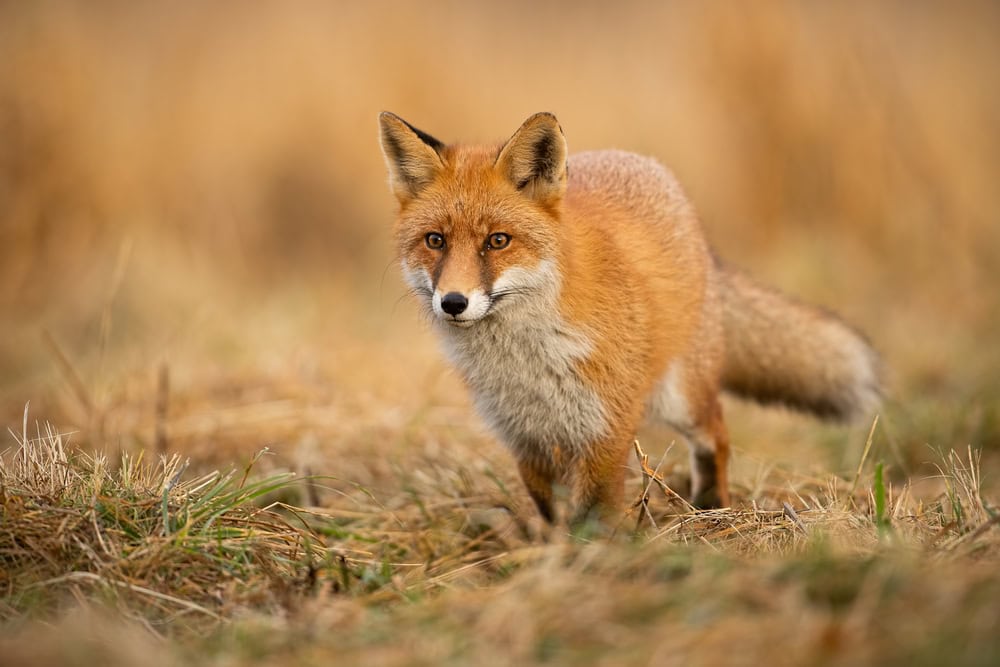
The red fox (Vulpes vulpes) is arguably one of England’s most iconic animals. Known for its striking reddish-orange coat and bushy tail, this adaptable mammal can be found in urban and rural environments alike. Red foxes are highly intelligent and exhibit complex behaviors, making them fascinating subjects for wildlife enthusiasts. They primarily feed on small mammals, birds, and even fruits, showcasing their omnivorous diet.
European Badger

The European badger (Meles meles) is another quintessential English mammal. These nocturnal creatures are known for their distinct black-and-white striped faces and stocky bodies. Badgers live in extensive underground burrows called setts, which they often share with family groups. They’re primarily omnivorous, feeding on earthworms, insects, small mammals, and a variety of plants. Badgers are an integral part of English folklore and culture, often symbolizing wisdom and protection.
Hedgehog

The hedgehog (Erinaceus europaeus) is a beloved garden visitor in England, known for its distinctive spines and endearing behavior. Despite their spiky appearance, hedgehogs are gentle creatures that play a crucial role in controlling insect populations. They hibernate during the winter months and are most active at night. Sadly, hedgehog populations are declining due to habitat loss and road traffic, prompting conservation efforts to protect these charming animals.
Red Deer

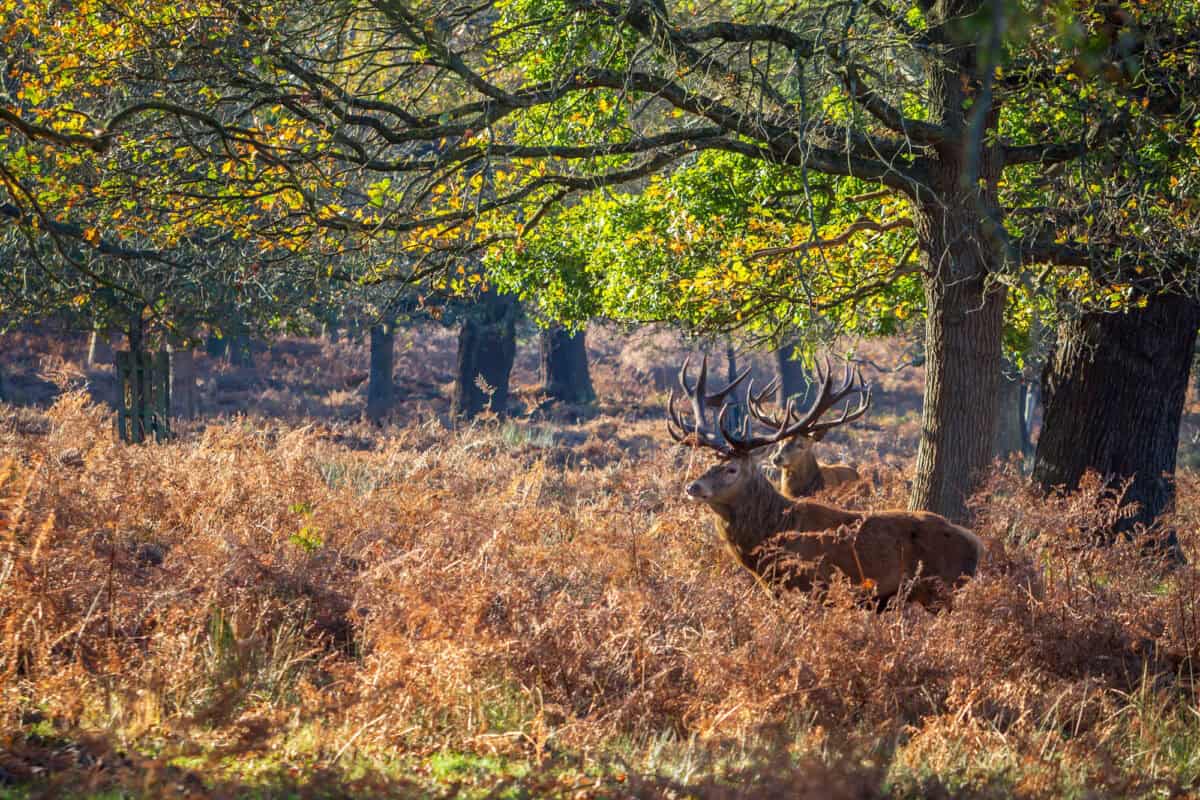
The red deer (Cervus elaphus) is the largest land mammal found in England. These majestic creatures are most commonly seen in national parks such as Exmoor and the New Forest. Recognizable by their impressive antlers and reddish-brown coats, red deer are social animals that usually form large herds. During the autumn rut, males engage in dramatic displays and vocalizations to attract females, offering wildlife watchers a spectacular natural show.
Common Pipistrelle
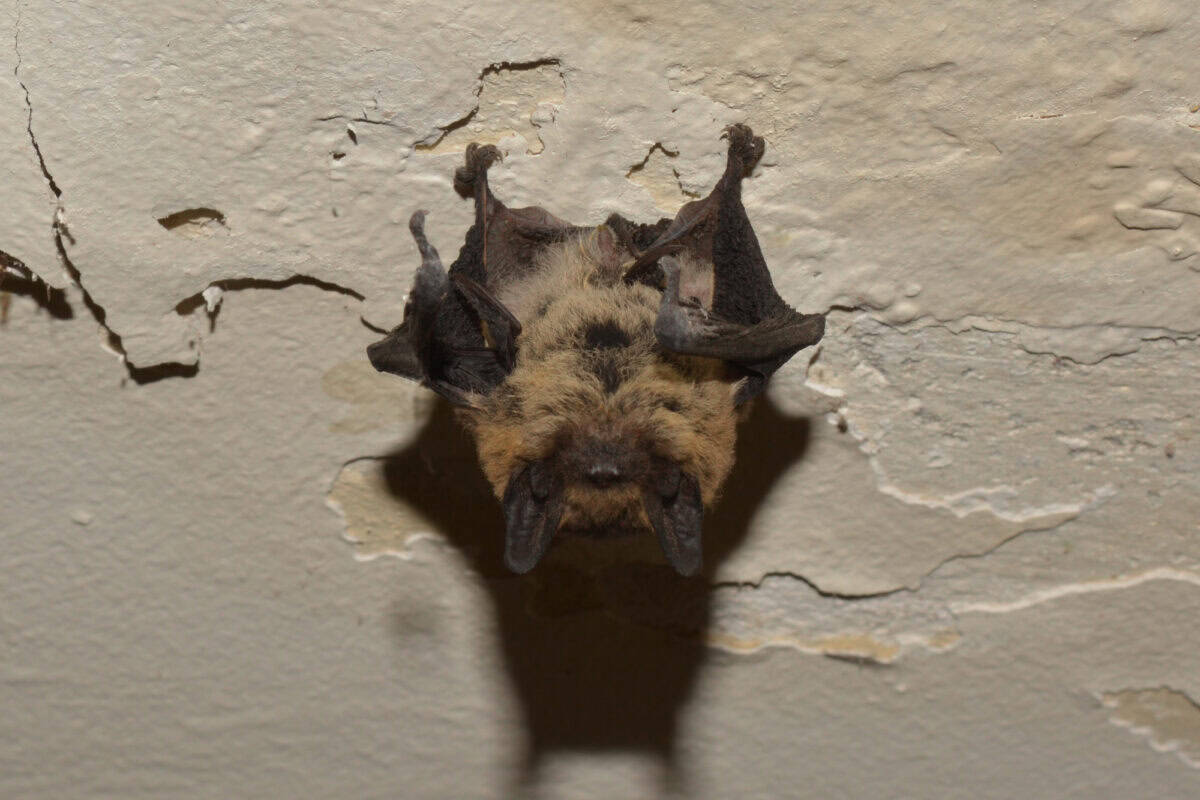
Bats make up a significant portion of England’s mammalian wildlife, with the common pipistrelle (Pipistrellus pipistrellus) being one of the most widespread species. These tiny bats are expert insect hunters, using echolocation to navigate and catch prey during flight. Despite their small size, pipistrelles play a vital role in maintaining healthy ecosystems by controlling insect populations. Observing these agile creatures at dusk is a thrilling experience for wildlife enthusiasts.
European Otter

The European otter (Lutra lutra) is a semi-aquatic mammal that has made a remarkable comeback in England after facing near extinction due to habitat loss and pollution. Otters are skilled swimmers, easily identifiable by their sleek bodies, webbed feet, and playful nature. They typically inhabit rivers, lakes, and coastal areas, where they feed on fish and crustaceans. The revival of otter populations is a testament to successful conservation efforts and improved water quality across the country.
Mute Swan
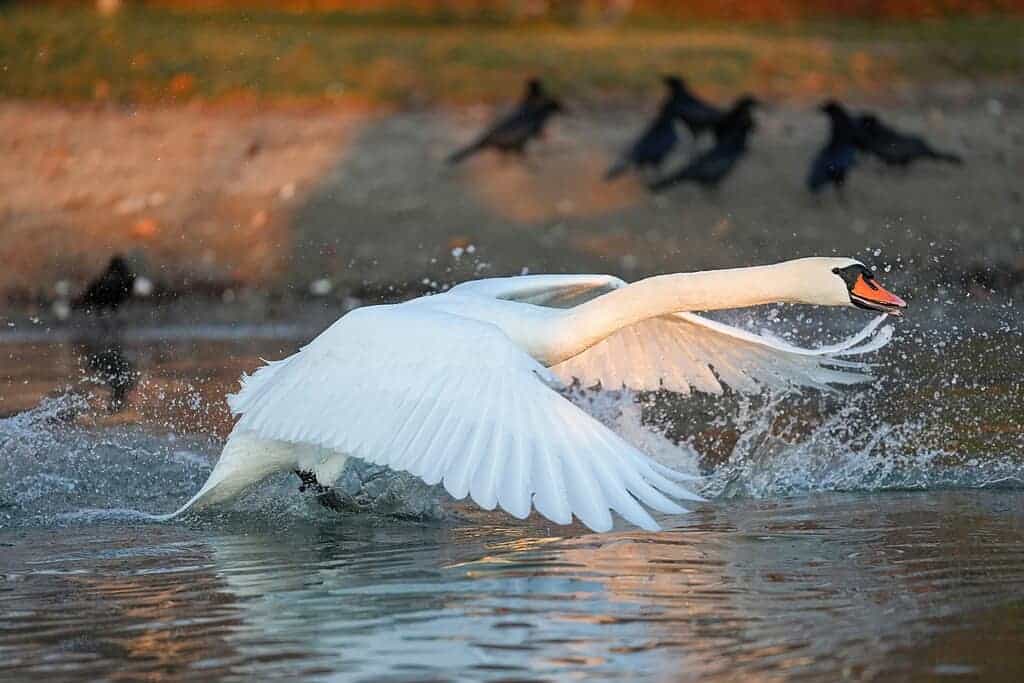
The mute swan (Cygnus olor) is a graceful waterfowl often associated with English lakes and rivers. Known for their long necks and striking white plumage, mute swans are a symbol of elegance and beauty. Despite their serene appearance, these birds can be fiercely territorial, especially during breeding season. Mute swans feed on aquatic vegetation and small invertebrates, playing a role in maintaining the health of aquatic ecosystems.
Peregrine Falcon

The peregrine falcon (Falco peregrinus) holds the title of the fastest bird in the world, capable of reaching speeds over 240 miles per hour during its hunting stoop. These formidable predators are known for their striking blue-grey plumage and distinctive facial markings. Peregrine falcons have adapted to urban environments and are often seen nesting on tall buildings. Their recovery from population declines due to pesticide use in the mid-20th century is a significant conservation success story.
Adder

The adder (Vipera berus) is England’s only native venomous snake. Found in heathlands, woodlands, and moorlands, adders are relatively shy and pose little threat to humans when left undisturbed. They are recognizable by their distinct zigzag pattern along their backs. Adders primarily prey on small mammals and are most active during spring and summer. Their presence is an indicator of healthy ecosystems, making them an important species for conservation efforts.
Seals
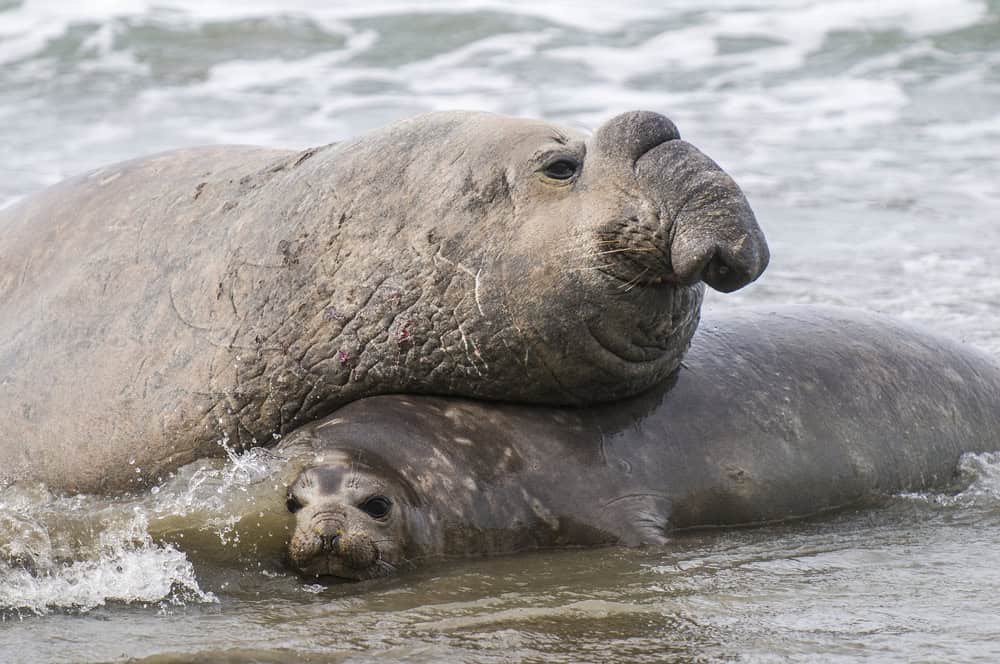
England’s coastal regions are home to both the grey seal (Halichoerus grypus) and the common seal (Phoca vitulina), with colonies found in places like the Farne Islands and Essex coasts. These marine mammals are known for their playful behavior and sociability. Grey seals, distinguished by their elongated heads, are generally larger, while common seals have shorter muzzles. Watching seals bask on rocks or frolic in the waves is a highlight for many wildlife enthusiasts exploring England’s coastal areas.
Conclusion
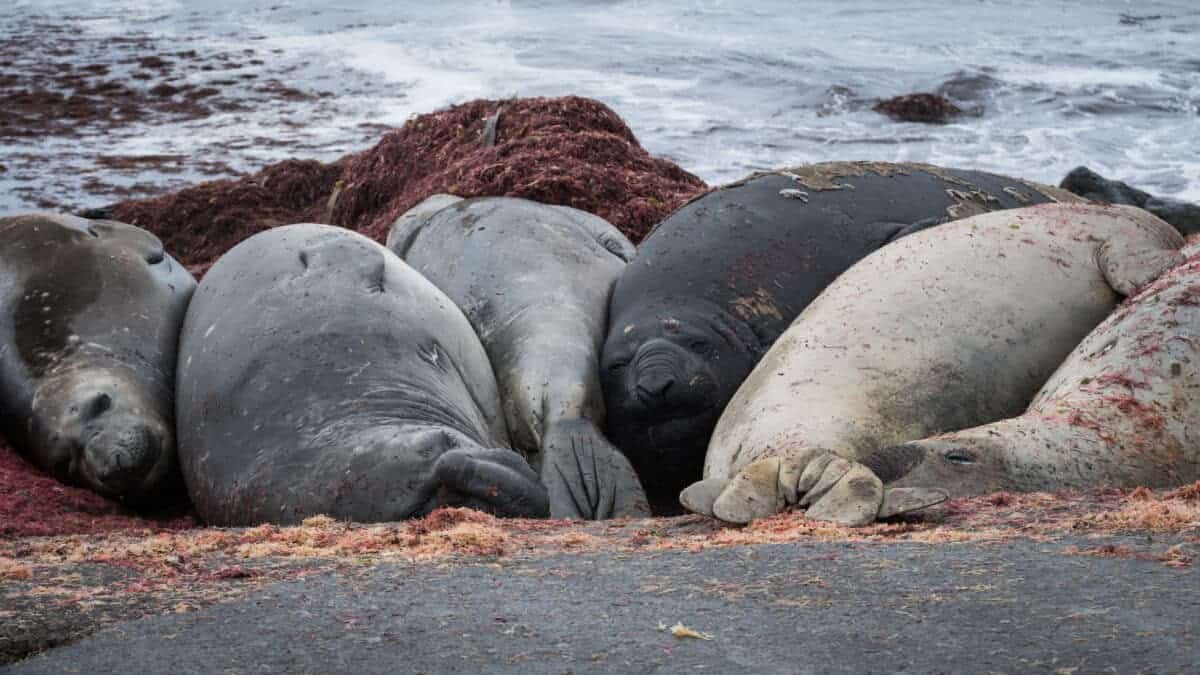
England’s wildlife extends far beyond these ten species, but they represent a glimpse into the rich biodiversity the country has to offer. Through conservation efforts and habitat protection, these species and many others continue to thrive, offering us a chance to observe and admire the natural wonders of England. Whether exploring urban parks or remote wilderness areas, there’s always an opportunity to connect with nature and appreciate the diverse animals that share this island nation with us.

As a little kid, I fell in love with nature, wildlife, and animals. Living in the USA, South Africa, Italy, China and Germany gave me the opportunity to discover the world's Wildlife. My favorite animals are Mountain Gorillas, Siberian Tigers, and Great White Sharks.
I'm a certified PADI Open Water Diver, went to Everest Base Camp and Trekked Gorillas in Uganda. I hold a Master of Science in Economics and Finance.
Please send any feedback to feedback@animalsaroundtheglobe.com
- 10 Most Unique Reptiles You will See in the US - July 21, 2026
- 3 Dangerous Invasive Species the USA Must Eradicate - July 21, 2026
- 10 Things That Calm Cats And 4 That Make Them Nervous - July 21, 2026