
Ontario, Canada’s most populous province, is a treasure trove for wildlife enthusiasts. With its diverse ecosystems ranging from dense forests and expansive wetlands to majestic lakes and rugged cliffs, Ontario is a haven for a variety of animal species. In this article, we will explore ten of the most fascinating animals and wildlife that inhabit this vibrant region.
1. Moose

The moose, one of the largest members of the deer family, is an iconic symbol of Ontario’s wildlife. These majestic mammals are easily recognizable due to their massive size, distinctive antlers, and long legs, adapted for trudging through deep snow and dense vegetation. Usually found in boreal forests, moose are solitary creatures that spend much of their time feeding on aquatic plants in swamps and marshes. Observers might spot them drinking from or wading in the region’s many lakes and rivers.
2. Black Bear

Sleek and adaptable, the black bear is Ontario’s most widespread bear species. They are primarily found in forested areas and play a crucial role in the ecosystem as both predators and scavengers. Despite their formidable size and strength, black bears primarily feed on vegetation, berries, and insects, though they do eat meat when available. Encounters with humans are typically rarer and usually involve bears searching for food during the summer and fall months, when they are preparing for hibernation.
3. Beaver
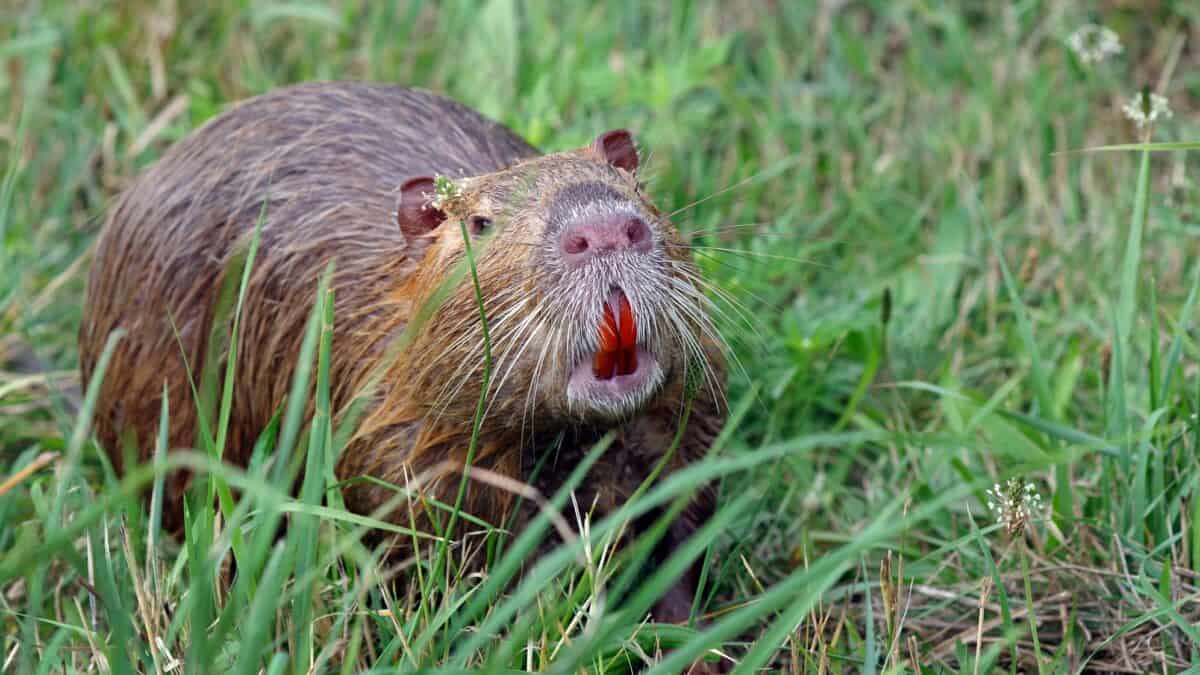
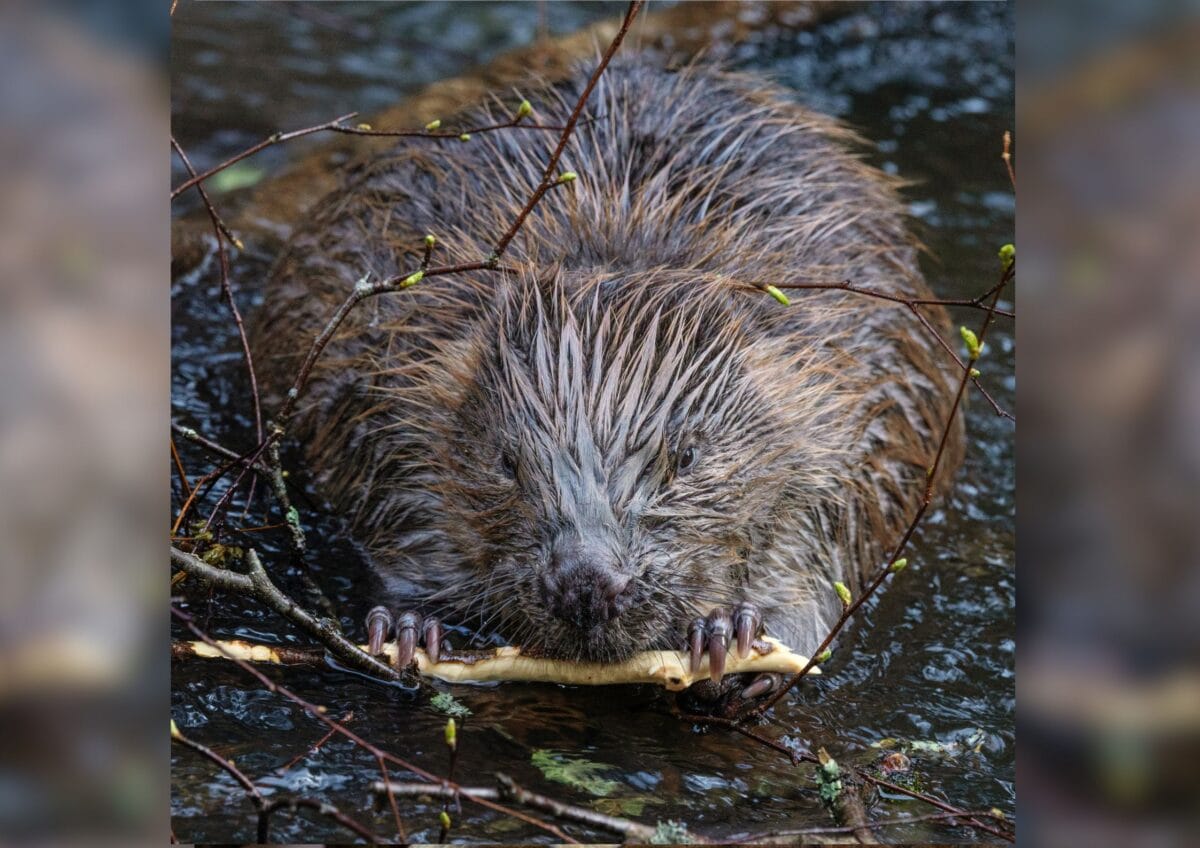
The clever and industrious beaver is not only the national animal of Canada but also a common sight in Ontario. Known for their outstanding engineering skills, beavers build intricate lodges and dams that transform landscapes and create wetland habitats for many other species. These nocturnal rodents are easily identified by their flat, scaly tails and powerful front teeth used for gnawing on wood. Beavers play an essential role in maintaining healthy ecosystems by regulating water flow and enhancing biodiversity in their habitats.
4. Common Loon

A symbol of pristine wilderness, the common loon captivates those who encounter its haunting calls echoing across Ontario’s lakes. These striking birds, with their distinctive black-and-white plumage and eerie red eyes, are expert divers and fishers, capable of diving for up to a minute to catch fish. Breeding primarily in the northern reaches of Ontario, loons require clear, clean lakes for nesting, making them an indicator of the health of aquatic ecosystems. Their presence and calls bring a sense of tranquility and wild beauty to Ontario’s waterways.
5. Eastern Wolf
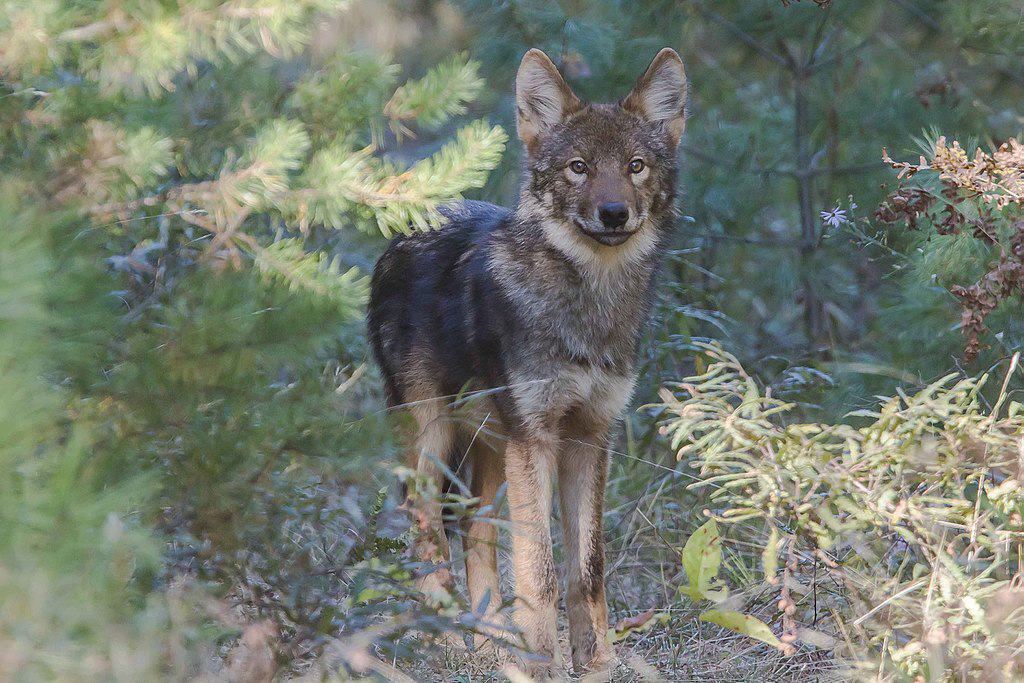
Known for their elusive nature, eastern wolves (also known as Algonquin or timber wolves) inhabit the forests and remote wilderness areas of Central Ontario. Smaller than their gray wolf cousins, eastern wolves are social animals that live and hunt in packs, primarily preying on deer and moose. They are a vital part of the ecosystem as top predators, helping to control prey populations and influence the dynamics within their habitats. Observing these majestic creatures in the wild is a rare and thrilling experience.
6. Great Gray Owl
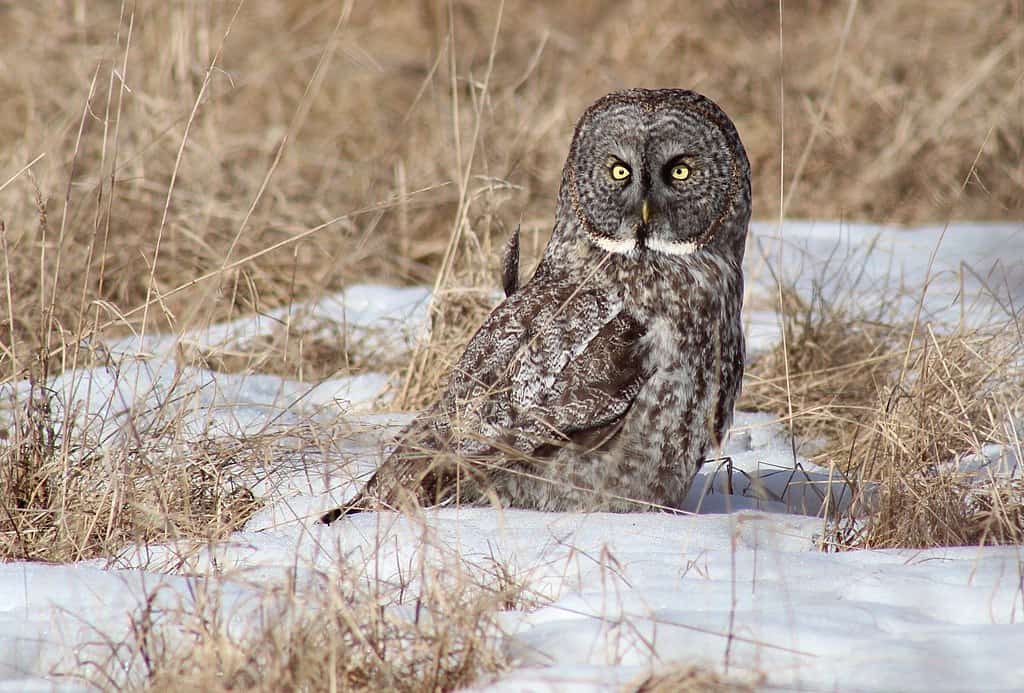
The great gray owl, often referred to as the “phantom of the north,” is the largest owl by length found in Ontario. With its broad head and startling yellow eyes, this magnificent bird is adapted for silent flight and keen sensing abilities, allowing it to hunt small mammals under thick snow cover. Preferring old-growth forests and open areas like marshes, sightings of this owl are a delight for birdwatchers. Its patient and graceful hunting techniques make it a fascinating species to study and observe.
7. Northern Pike
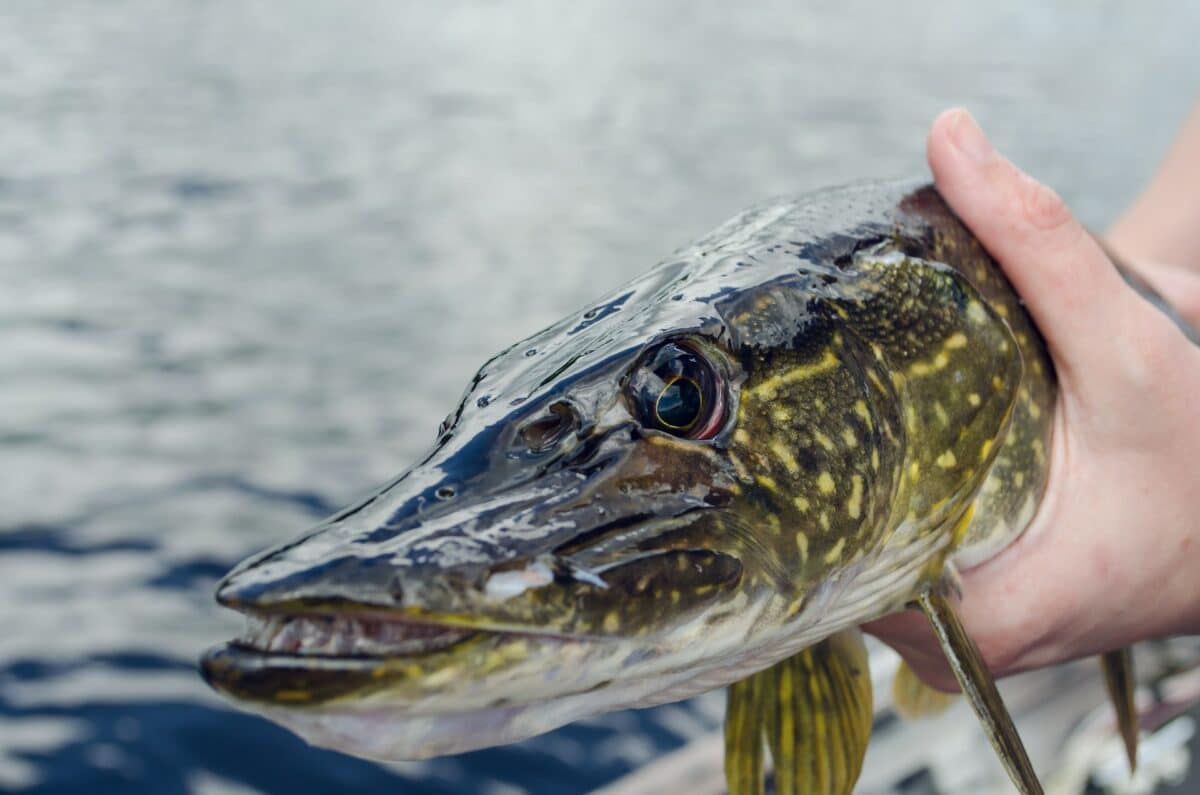
Ontario’s lakes and rivers are renowned for their rich fishing opportunities, and the northern pike is one of the most exciting freshwater predators of these waters. Recognizable by its elongated body and sharp teeth, the northern pike is a voracious predator, preying on smaller fish and amphibians. These fish can grow to impressive sizes, making them a prized catch for anglers. Their presence is vital for maintaining the balance of aquatic ecosystems by controlling the population of smaller fish species.
8. White-tailed Deer
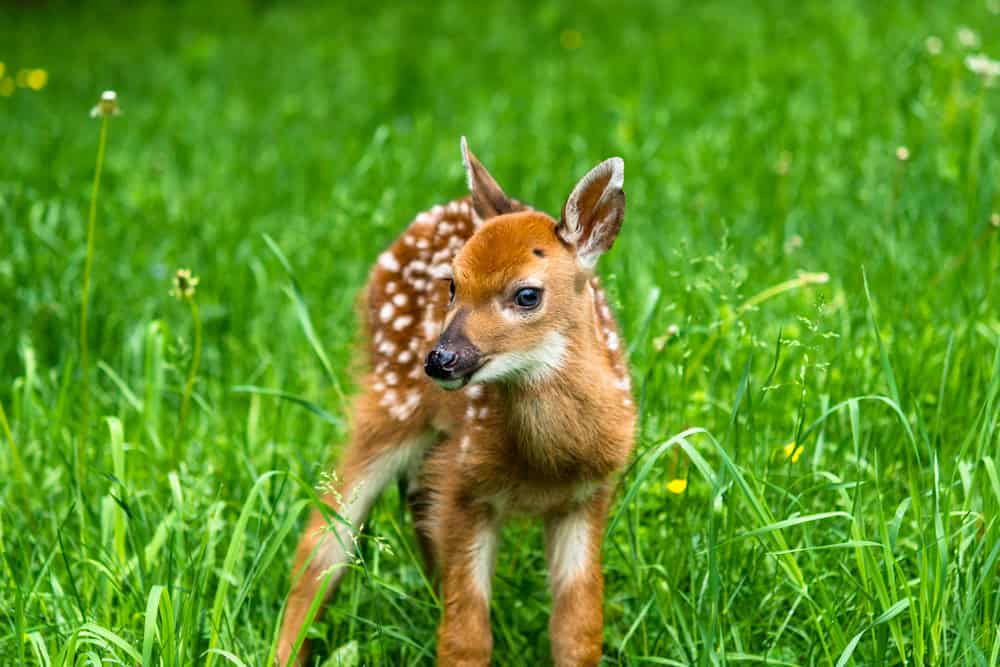
The white-tailed deer is ubiquitous across Ontario, from the southern agriculture areas to the northern woodlands. Easy to recognize due to their brown coats, white underbellies, and the characteristic white underside of their tails, these deer are adaptable to a variety of habitats. They are a critical species in Ontario, influencing vegetation patterns through their browsing habits and serving as an essential prey species for predators like wolves and bears.
9. Painted Turtle

As Ontario’s most widespread turtle species, the painted turtle is a familiar sight in lakes, ponds, and marshes, basking on logs during sunny days. Its vibrant pattern of red, yellow, and black makes it one of the most attractive turtles, and these reptiles play a vital role in the ecosystem by contributing to the aquatic food web. Despite their resilience, painted turtles face threats from habitat loss and road mortality, emphasizing the need for conservation efforts to protect their habitats.
10. Coyote

The adaptable coyote is a skilled survivor that has managed to thrive not only in Ontario’s rural landscapes but also in its urban environments. Coyotes are medium-sized members of the canine family, known for their intelligence and versatility. They primarily feed on small mammals but are opportunistic feeders, consuming a wide variety of foods including fruits, birds, and carrion. Their presence in urban areas requires a balance between coexistence and management to minimize conflicts with humans while preserving their ecological role.
Conclusion

Ontario’s diverse array of animals and wildlife reflects the rich tapestry of its varied landscapes and climates. From the deep woods and open waters to urban environments, each species contributes uniquely to the province’s ecological balance. Whether you’re an avid wildlife enthusiast or a casual observer, Ontario offers countless opportunities to explore and appreciate its natural wonders. Through awareness and conservation efforts, we can help ensure that these remarkable species continue to thrive in the wild for generations to come.

- The Most Powerful Earthquake Ever Felt in the U.S. - July 19, 2026
- How Rhinoceros Males Compete for Mating Rights in the Wild - July 18, 2026
- 13 Spider Species Thriving in Changing Environments - July 18, 2026