

Texas, the second-largest state in the U.S., is renowned for its diverse landscapes that range from deserts and grasslands to forests and coastal areas. This variety of habitats supports an impressive array of wildlife. From iconic symbols of the American southwest to unique creatures found only in the region, Texas offers an exciting opportunity to explore nature’s marvels. Dive into the top ten animals and wildlife that uniquely represent the state’s rich biodiversity.
The American Alligator
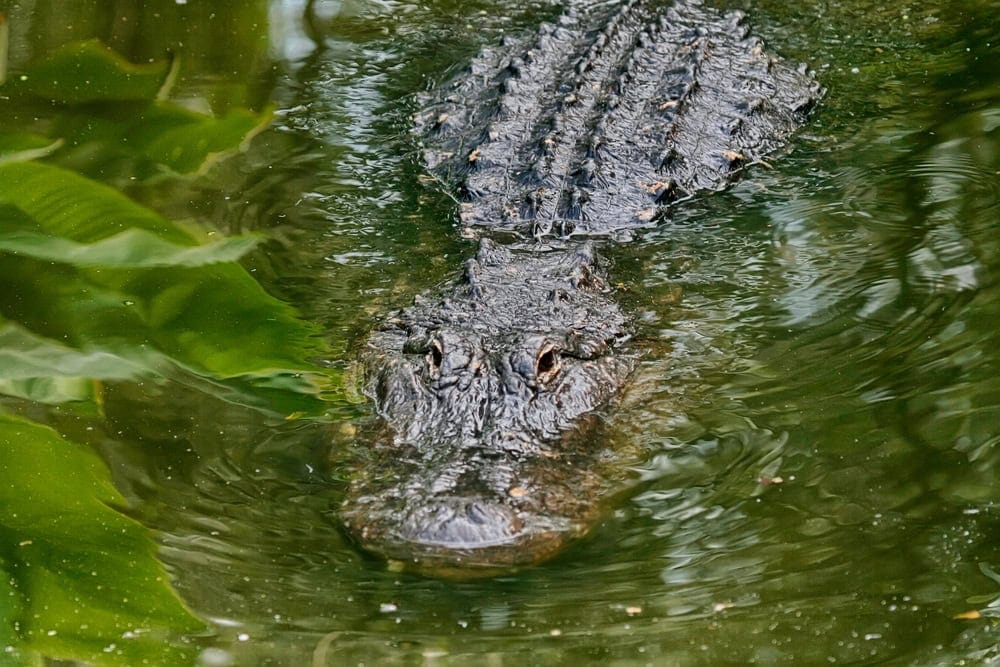
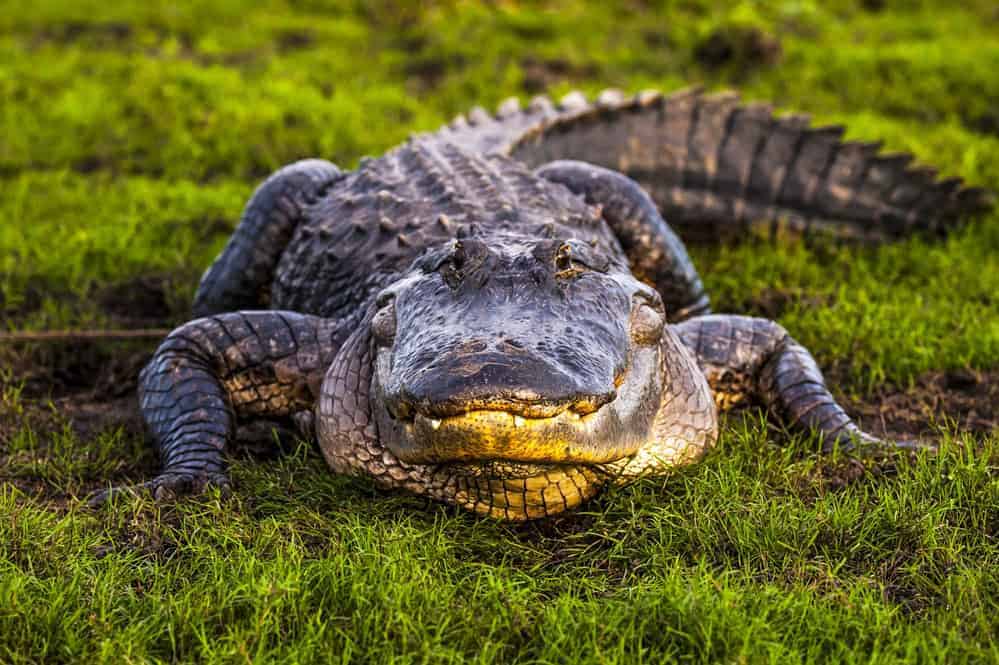
The American alligator is one of Texas’s fascinating predators, predominantly found in the coastal wetlands of East Texas. These large reptiles, which can grow up to 15 feet in length, play a crucial role in the ecosystem by controlling fish and other aquatic populations. Despite their fearsome appearance, alligators are typically shy around humans. Their continued presence in Texas is a testament to successful conservation efforts that began in the 20th century.
The Armadillo Texas’s Official State Mammal
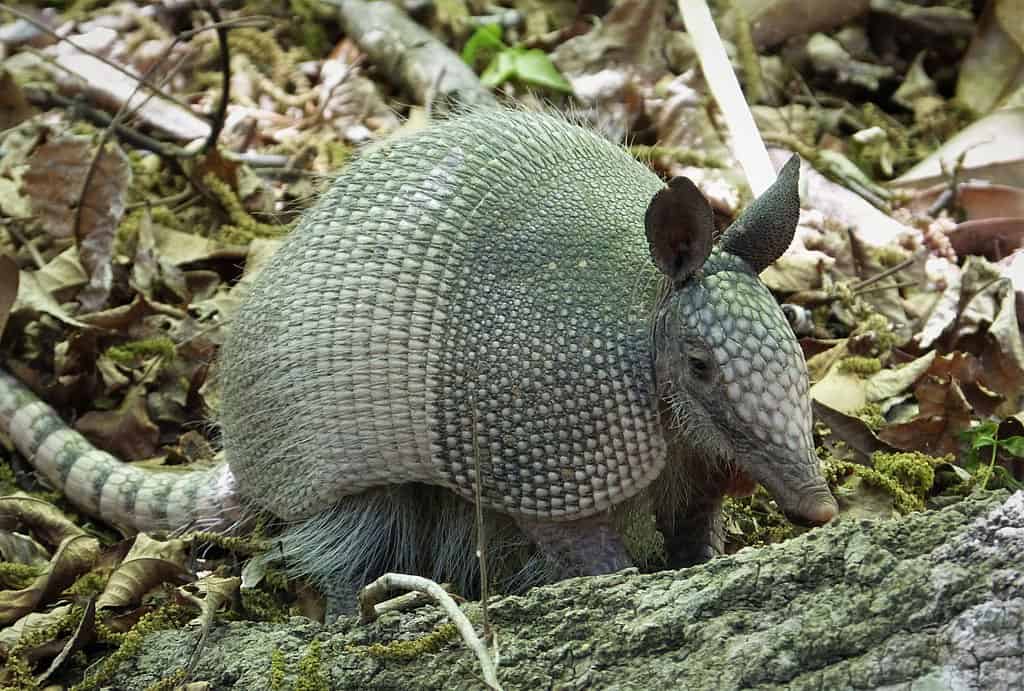
The nine-banded armadillo is synonymous with Texan wildlife. This peculiar, armoured creature is well-adapted to the state’s varied environments, from forests to grasslands. Known for their burrowing habits, armadillos are instrumental in aerating the soil and controlling insect populations. Despite being relatively small, they hold a special place in the Texan identity, often spotted alongside rural roads.
The Resilient Coyote
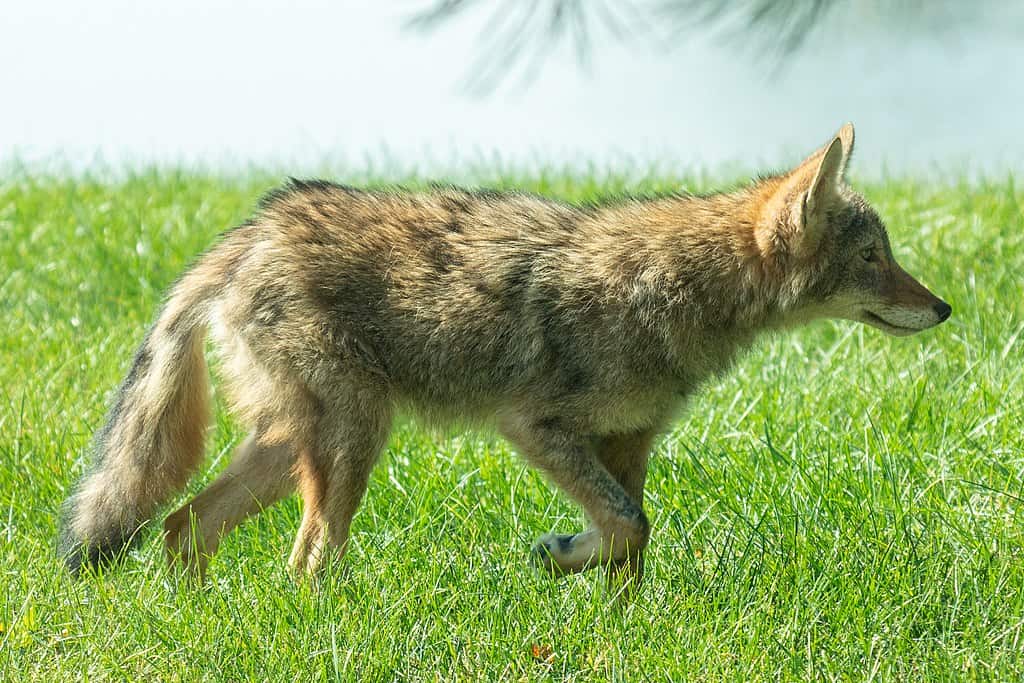
Coyotes, known for their adaptability, are found throughout Texas. These highly intelligent and social animals have a broad diet that ranges from small mammals to fruits and insects. Coyotes have been the subject of conflicts due to their scavenging habits near urban areas, but they are also an integral part of the ecosystem as both predators and scavengers. Their distinct howls are often heard at night, embodying the wild spirit of the Texas wilderness.
Bobcats The Stealthy Hunters

Bobcats are elusive yet widespread in Texas, inhabiting wooded areas, semi-deserts, and even suburban edges. These solitary felines are master hunters with a preference for rabbits, rodents, and birds. Although they are rarely seen due to their stealthy nature and nocturnal tendencies, bobcats are essential in controlling the populations of their prey, contributing to a balanced ecosystem.
The Unique Texas Horned Lizard

Often affectionately called the “horny toad,” the Texas horned lizard is a unique reptile native to the state. With its distinctive crown of horns, this lizard is well-camouflaged against the Texan terrain. Primarily insectivorous, it plays a crucial role in controlling ant populations. Despite facing habitat loss and other challenges, the Texas horned lizard remains a beloved emblem of Texas’s natural heritage.
The White-tailed Deer
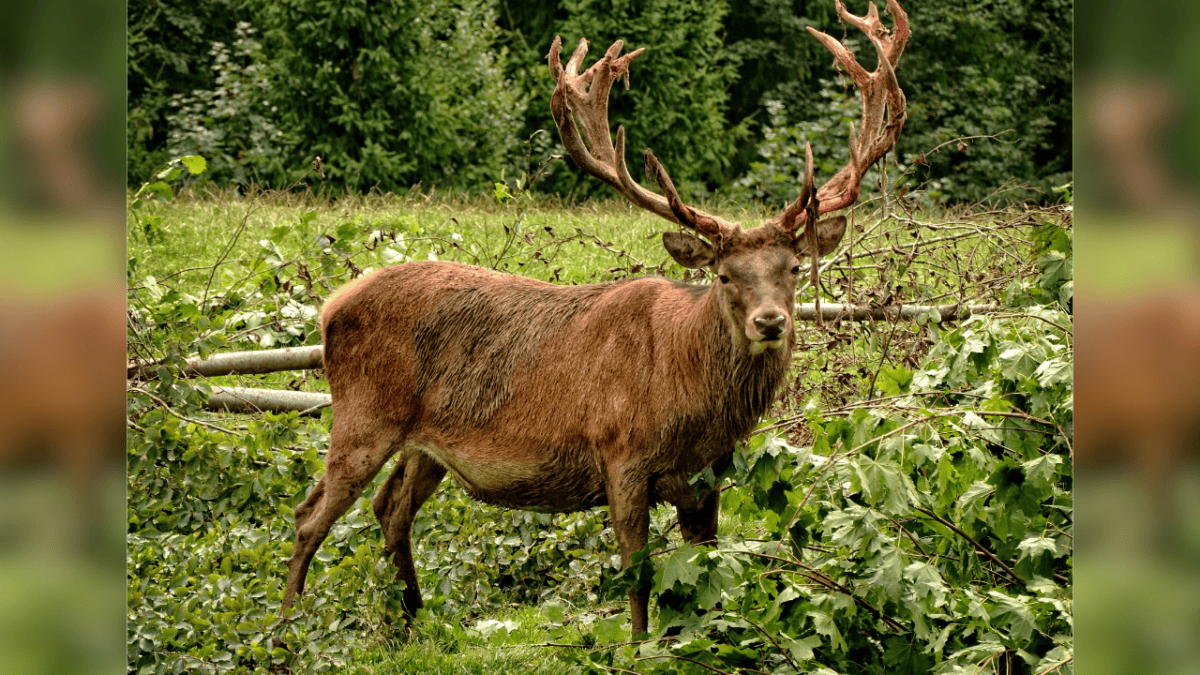
White-tailed deer are perhaps the most iconic mammals in Texas. Found across diverse habitats, from lush forests to arid brushlands, they are easily recognizable by their characteristic white tail. These herbivores are vital for the ecosystem, influencing plant community compositions and serving as prey for larger predators. Texas supports a thriving deer population, making the species a popular target for wildlife observation and hunting alike.
The Raucous Great-tailed Grackle
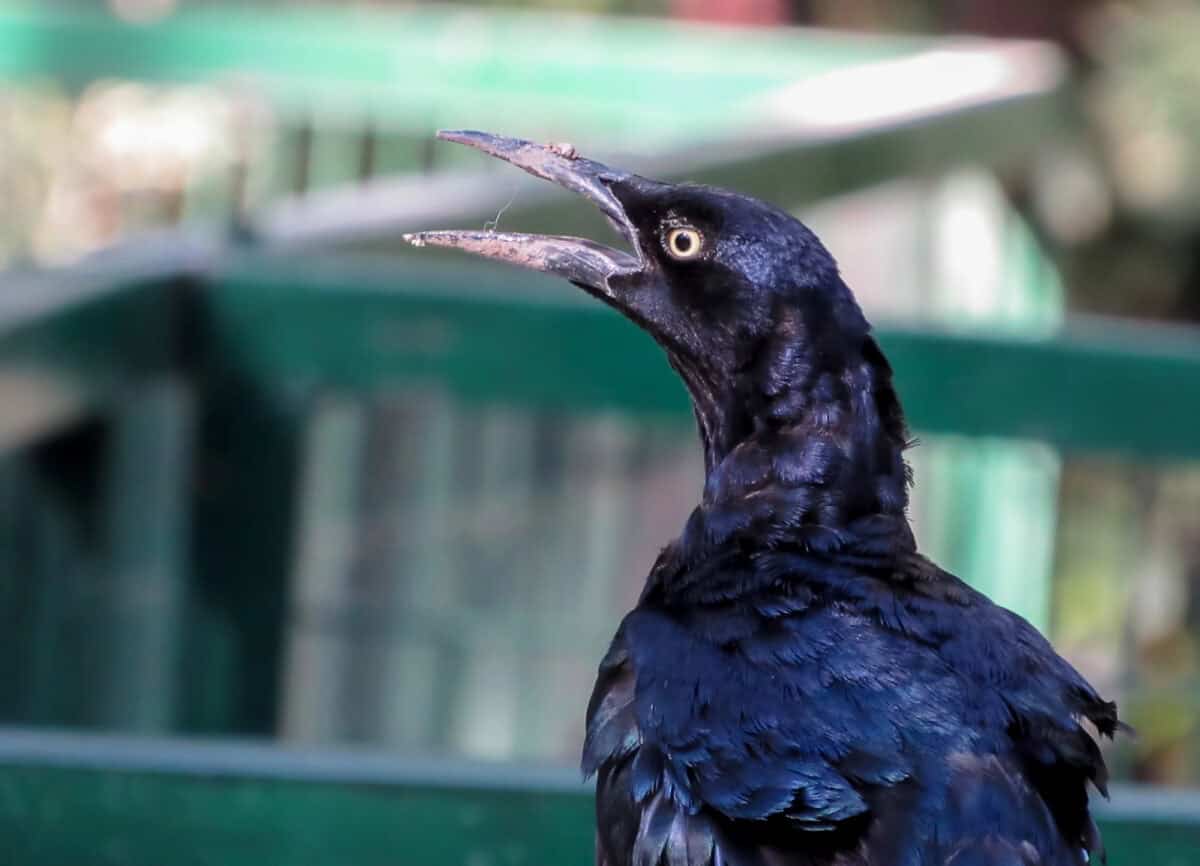
Great-tailed grackles are a common sight in Texas, especially in urban areas. These adaptable birds are known for their iridescent black plumage and wide-ranging vocalizations. They have thrived due to their ability to exploit human-modified environments, often found around parking lots and parks. While sometimes deemed as a nuisance, their intelligence and adaptability offer fascinating insights into avian success in urban settings.
The Vibrant Painted Bunting
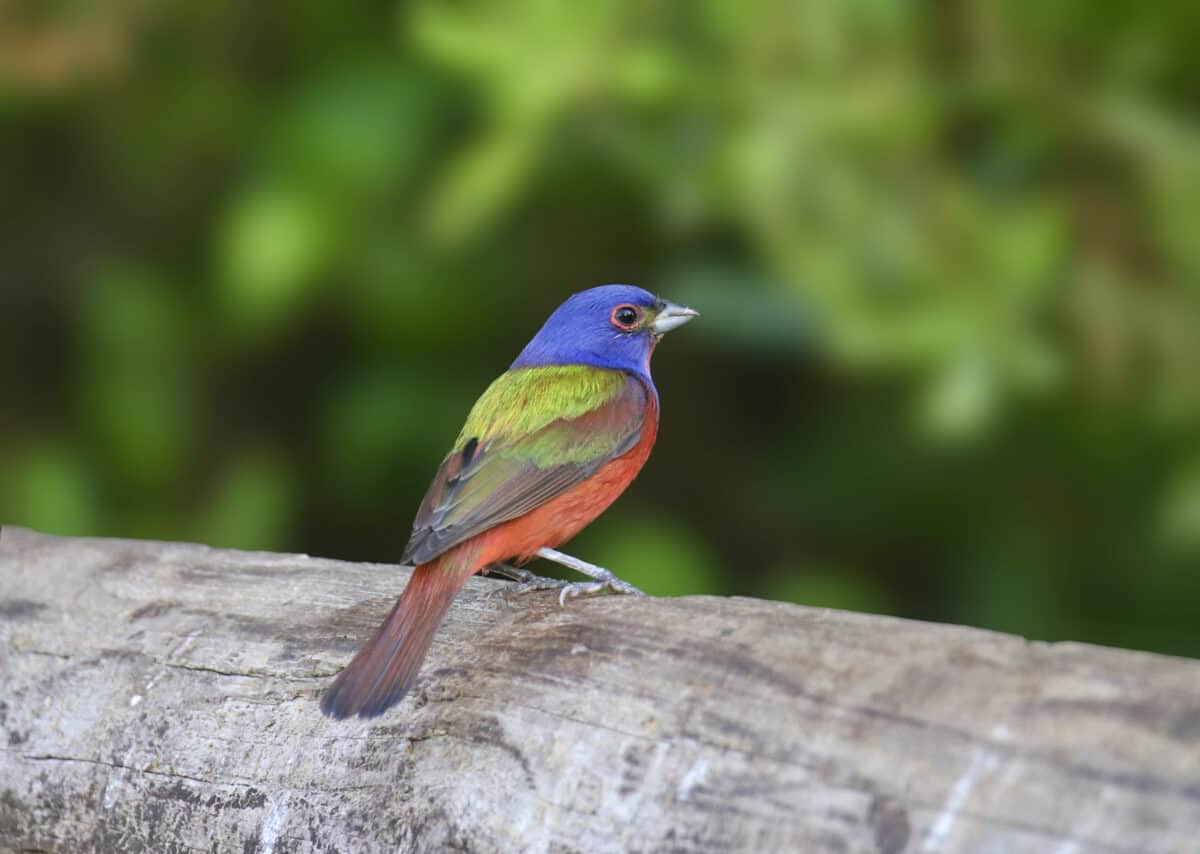
The painted bunting is one of the most visually stunning birds found in Texas. Males boast a brilliant combination of blue, red, and green plumage, making them a coveted sight for birdwatchers. These birds prefer dense thickets and are more often heard than seen. Despite their beauty, painted buntings face threats from habitat destruction, underscoring the need for continued conservation efforts to protect these avian jewels.
The Monarch Butterfly A Migratory Marvel

Texas plays a crucial role as a rest stop for the monarch butterfly during its annual migration from Canada to Mexico. These butterflies are celebrated for their incredible long-distance journey and their striking orange and black wings. However, monarchs face challenges from habitat loss and climate change, making efforts to preserve their migratory paths and breeding grounds in Texas essential.
The Peculiar Gulf Coast Toad

Endemic to Texas, the Gulf Coast toad is a resilient amphibian that inhabits various environments, from dense forests to urban areas. Known for its adaptability, it feeds on insects and plays a vital role in pest control. The Gulf Coast toad’s ability to thrive in diverse conditions makes it a fascinating subject of study and a key player in maintaining ecological balance in its habitats.
Conclusion: Conserving Texas’s Rich Biodiversity

Texas’s wildlife is as vast and varied as its landscapes, offering a rich tapestry of ecosystems teeming with life. Each species, from the stealthy bobcat to the vibrant monarch butterfly, plays an integral role in maintaining ecological balance. As human activity increasingly impacts natural environments, it becomes imperative to engage in conservation efforts that preserve these incredible creatures and their habitats for future generations to appreciate and enjoy.

As a little kid, I fell in love with nature, wildlife, and animals. Living in the USA, South Africa, Italy, China and Germany gave me the opportunity to discover the world's Wildlife. My favorite animals are Mountain Gorillas, Siberian Tigers, and Great White Sharks.
I'm a certified PADI Open Water Diver, went to Everest Base Camp and Trekked Gorillas in Uganda. I hold a Master of Science in Economics and Finance.
Please send any feedback to feedback@animalsaroundtheglobe.com
- 15 Crocodile Facts That Prove They Have not Needed to Evolve - June 16, 2026
- 12 Signs a Koala Is Under Stress in Captivity - June 16, 2026
- 15 Ways Weather Changes Are Affecting Backyard Birds - June 16, 2026