


Wisconsin, with its diverse landscapes of forests, wetlands, and lakes, is a haven for wildlife enthusiasts. From the northern woods to the Mississippi River, the state’s varied ecosystems host a rich tapestry of animal life. For those interested in exploring Wisconsin’s wildlife, this article highlights ten remarkable species that call the Badger State home. Whether you’re a birdwatcher, a fisherman, or simply a nature lover, there’s something to capture your interest in Wisconsin’s wild corners.
White-Tailed Deer
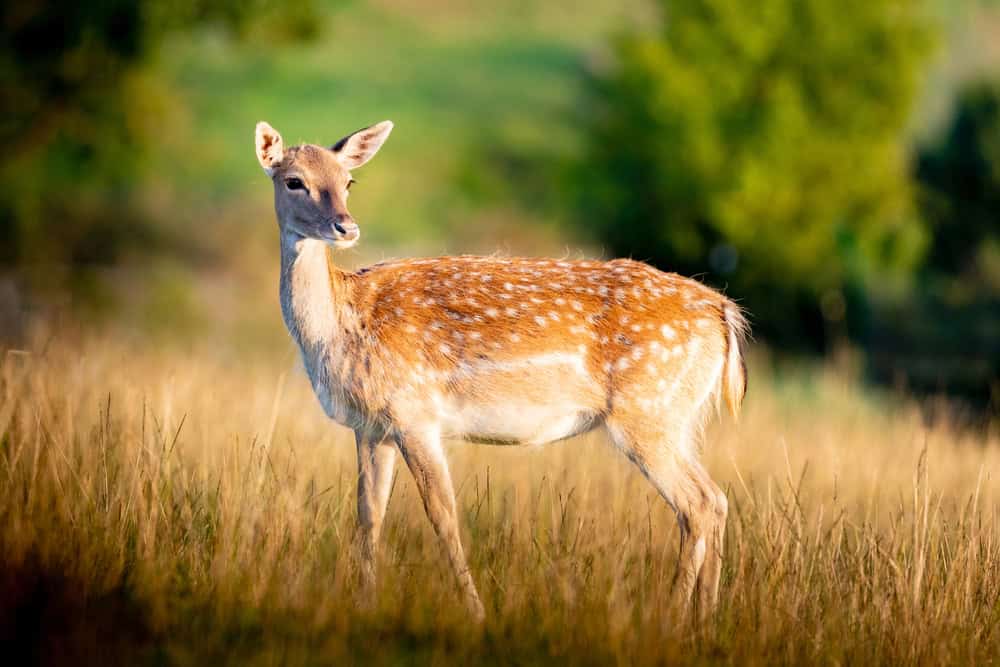
The white-tailed deer is perhaps the most iconic animal in Wisconsin. Known for its distinctive white tail that signals danger to its herd, this species thrives in the state’s dense forests and open fields. White-tailed deer are herbivores, feeding on a wide range of plants, including leaves, fruits, and acorns. As a popular target for hunters, the deer have a significant economic impact on Wisconsin, promoting conservation efforts and awareness of sustainable hunting practices.
American Black Bear

Found primarily in the northern forests, the American black bear is a formidable yet often shy resident of Wisconsin. These bears are highly adaptable omnivores, eating everything from nuts and berries to insects and fish. With an increasing population, black bears are a testament to successful conservation initiatives. Visitors to Wisconsin’s forests might spot them foraging for food or see signs of their presence, like claw marks on tree trunks.
Bald Eagle

Once on the brink of extinction, the bald eagle has made a remarkable comeback, and Wisconsin’s waterways provide a perfect habitat for these majestic birds. These raptors are impressive hunters, often seen near rivers and lakes hunting for fish. Spotting a bald eagle is a memorable experience. Wisconsin offers numerous opportunities for birdwatchers to catch a glimpse of the national bird in flight, particularly in areas like the Mississippi River valley.
Sandhill Crane
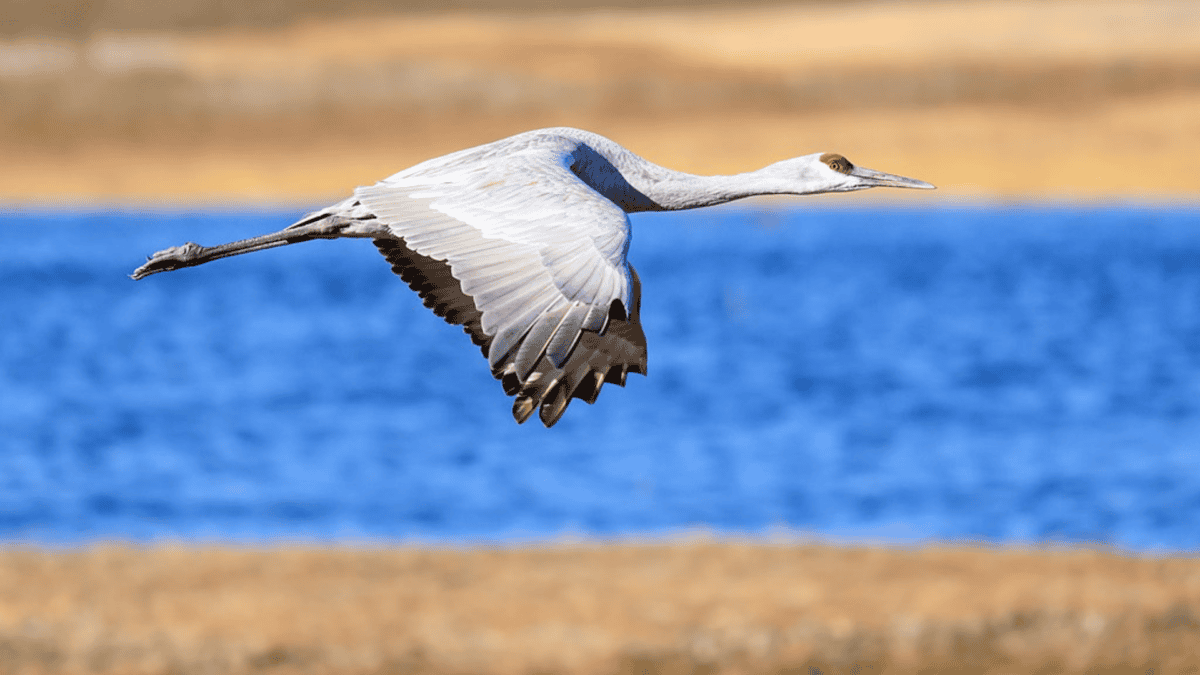
The sandhill crane, known for its striking plumage and distinctive call, migrates through Wisconsin every year, providing a spectacular sight for bird enthusiasts. These large, graceful birds are often seen in flocks near wetlands. Their courtship dance, a breathtaking combination of leaps, bows, and wing flaps, is a highlight for anyone lucky enough to witness it. Wisconsin’s marshes and fields are important stopover points in their migration routes.
Gray Wolf

The gray wolf’s presence in Wisconsin is another success story in wildlife conservation. Once nearly eradicated from the state, wolves have repopulated many forested areas. These apex predators play a crucial role in maintaining ecological balance by controlling deer and other prey populations. While elusive and often hard to spot, gray wolves are an integral part of Wisconsin’s natural heritage and symbolize the untamed wilderness of the Northwoods.
Ruffed Grouse
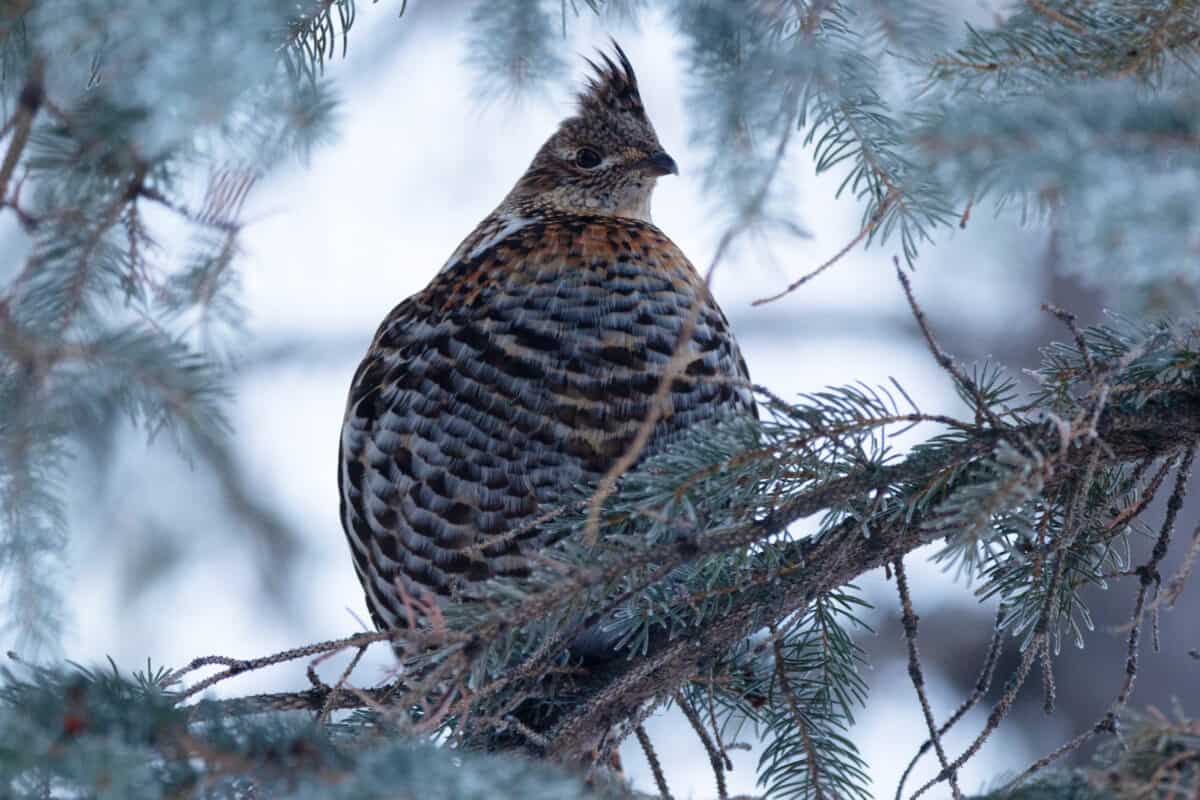
The ruffed grouse is a popular game bird native to Wisconsin’s mixed woodlands. Known for the male’s unique drumming display during mating season, these birds are adept at camouflaging among the fallen leaves and underbrush. Hunters and nature lovers appreciate the grouse both for their challenge and beauty, contributing to the appreciation and management of Wisconsin’s forest habitats.
Eastern Massasauga Rattlesnake
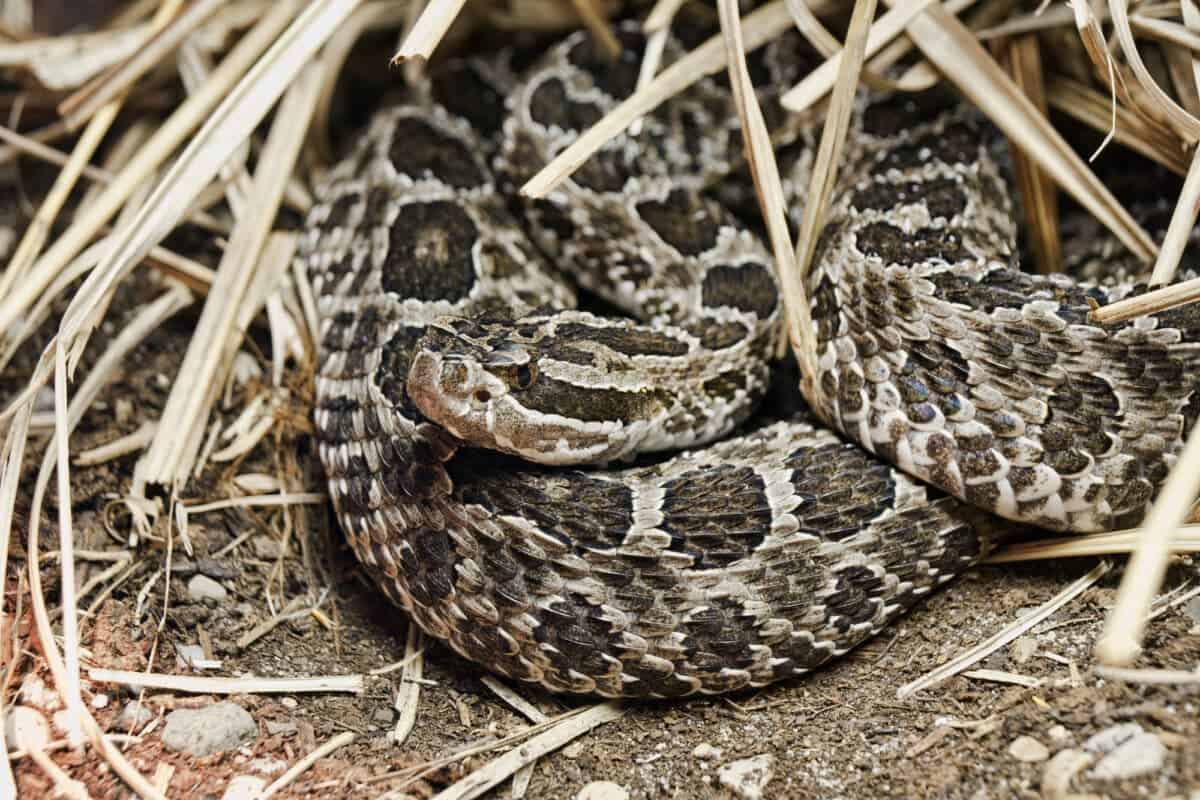
While less commonly encountered, the eastern Massasauga rattlesnake is an important yet threatened species in Wisconsin. Preferring wetlands and marshy areas, these snakes are secretive and non-aggressive, posing little threat to humans when left undisturbed. Conservation efforts are in place to protect their habitats and ensure their continued presence in the state, highlighting the importance of biodiversity and habitat preservation.
Common Loon

The haunting calls of the common loon are synonymous with Wisconsin’s northern lakes. These iconic birds are expert divers, often spotted gliding gracefully across the water or hunting for fish underneath the surface. The presence of loons is often an indicator of good water quality, and their conservation is closely linked to efforts to maintain clean, healthy aquatic ecosystems in Wisconsin.
Brook Trout

Wisconsin’s streams and rivers are a paradise for anglers, especially those seeking the state’s official fish, the brook trout. Preferring cold, clear waters, these colorful fish are native to the region and valued for their sporting challenge and taste. Conservation programs, including habitat restoration and pollution control, ensure healthy populations for future generations.
American Badger
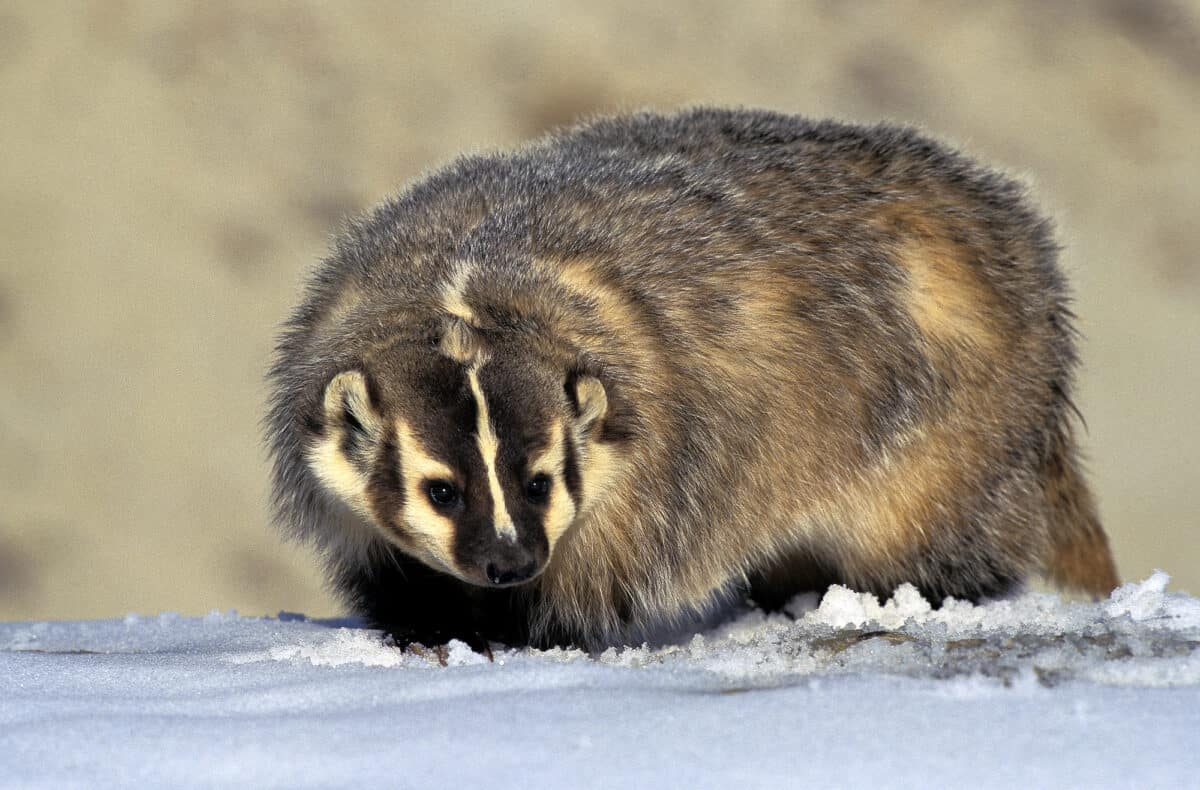
True to its moniker, the Badger State is home to the American badger, a tenacious and solitary digger. Found in open grasslands and prairies, these animals dig extensive burrows in search of small mammals to feed on. The American badger plays an important ecological role by controlling populations of ground-dwelling rodents, demonstrating nature’s interconnectedness and balance.
Conclusion

Wisconsin’s diverse ecosystems host an impressive variety of animals, each contributing to the state’s rich natural tapestry. Through dedicated conservation efforts, many of these species continue to thrive, offering myriad opportunities for wildlife observation and appreciation. Whether you’re exploring Wisconsin’s forests, rivers, or wetlands, the state’s wildlife promises an exciting and educational adventure for all. By valuing and protecting these animals, we ensure that future generations can enjoy the same natural wonders that we cherish today.

As a little kid, I fell in love with nature, wildlife, and animals. Living in the USA, South Africa, Italy, China and Germany gave me the opportunity to discover the world's Wildlife. My favorite animals are Mountain Gorillas, Siberian Tigers, and Great White Sharks.
I'm a certified PADI Open Water Diver, went to Everest Base Camp and Trekked Gorillas in Uganda. I hold a Master of Science in Economics and Finance.
Please send any feedback to feedback@animalsaroundtheglobe.com
- The 10 Rarest Dog Breeds Making a Comeback in America - July 19, 2026
- 13 Creatures That Survived Mass Extinctions - July 19, 2026
- 12 Pets That Are Perfect for Seniors - July 19, 2026