

Yellowstone National Park, renowned for its stunning landscapes and incredible wildlife, is located primarily in the USA states of Wyoming, Montana, and Idaho. The park is home to a large variety of animals, including ferocious predators, graceful deer, and fascinating birds.
1. Pronghorn

🔥 Would you like to save this?
We'll email this post to you, so you can come back to it later!
Pronghorns, nicknamed the “speed demons” of the prairie, are the fastest land animals in North America, capable of reaching speeds up to 55 mph (88 km/h). They are excellent endurance runners, able to maintain high speeds over long distances, and have exceptional eyesight and agility, which helps them evade predators. Pronghorns are characterized by their soft tan coats and white rump patches. Their fur allows them to blend in with the grasslands and sagebrush flats of the park, which makes spotting pronghorns in Yellowstone a harder but far more thrilling experience.
2. Moose

🔥 Would you like to save this?
We'll email this post to you, so you can come back to it later!
Adult male moose (bulls) stand 6 ft (1.8 m) tall at the shoulder, weigh as heavy as 1,400 lb (635 kg), so it’s easy to understand why they are one of the most sought-after sightings in Yellowstone. Furthermore, Bulls grow massive antlers that are covered with a soft “skin” that is shed and regrown annually when seasons change. Their antlers are their display of dominance during the mating season. It’s important to maintain a safe distance when observing them as they can be unpredictable and protective of their young.
3. Wolverine

🔥 Would you like to save this?
We'll email this post to you, so you can come back to it later!
Wolverines are well-equipped for survival in harsh environments with their stocky build, powerful jaws, sharp claws, and incredible strength. Even though they seem ferocious, they mostly scavenge for food, and often feast on carrion. They are nocturnal and roam around a large area of land, making their sightings a rare and special occurrence.
4. Elk

🔥 Would you like to save this?
We'll email this post to you, so you can come back to it later!
Elks, also known as wapitis, are the largest species of deer in North America. During the rutting season, which occurs from late August until mid-October, male elks produce a bugling sound to attract potential mates. The bugling sounds echo through the park and can be heard when visiting Yellowstone in the fall.
5. Ravens

🔥 Would you like to save this?
We'll email this post to you, so you can come back to it later!
Ravens are an intelligent bird species that inhabit Yellowstone National Park. These large, black-feathered birds with a distinctive croaking call are often seen in pairs or small groups. They are highly opportunistic and will scavenge for various food sources, including carrion and scraps left by other animals. Ravens play an important ecological role by helping to clean up the park’s ecosystem. Spotting these intelligent birds soaring through the skies or perched on tree branches is common in Yellowstone.
6. Wolves

🔥 Would you like to save this?
We'll email this post to you, so you can come back to it later!
Wolves were reintroduced into Yellowstone National Park in the 1990s in what has been hailed as a remarkable example of conservation success. These predators are crucial in maintaining the park’s ecological balance by controlling populations of smaller mammals, leading to a reduction in overgrazing by herbivores and an increase in biodiversity. It’s a remarkable experience to see these wolves or hear their howls in Yellowstone.
7. Cougar

🔥 Would you like to save this?
We'll email this post to you, so you can come back to it later!
The elusive cougar, also known as the mountain lion or puma, are solitary cats that roam the remote areas of Yellowstone National Park. They are also masters of camouflage, making them challenging to spot. Cougars are highly adaptable and thrive in various habitats, from mountains to forests. While sightings of cougars in Yellowstone are rare, evidence of their presence, such as tracks or scat, can sometimes be found.
8. Bison

🔥 Would you like to save this?
We'll email this post to you, so you can come back to it later!
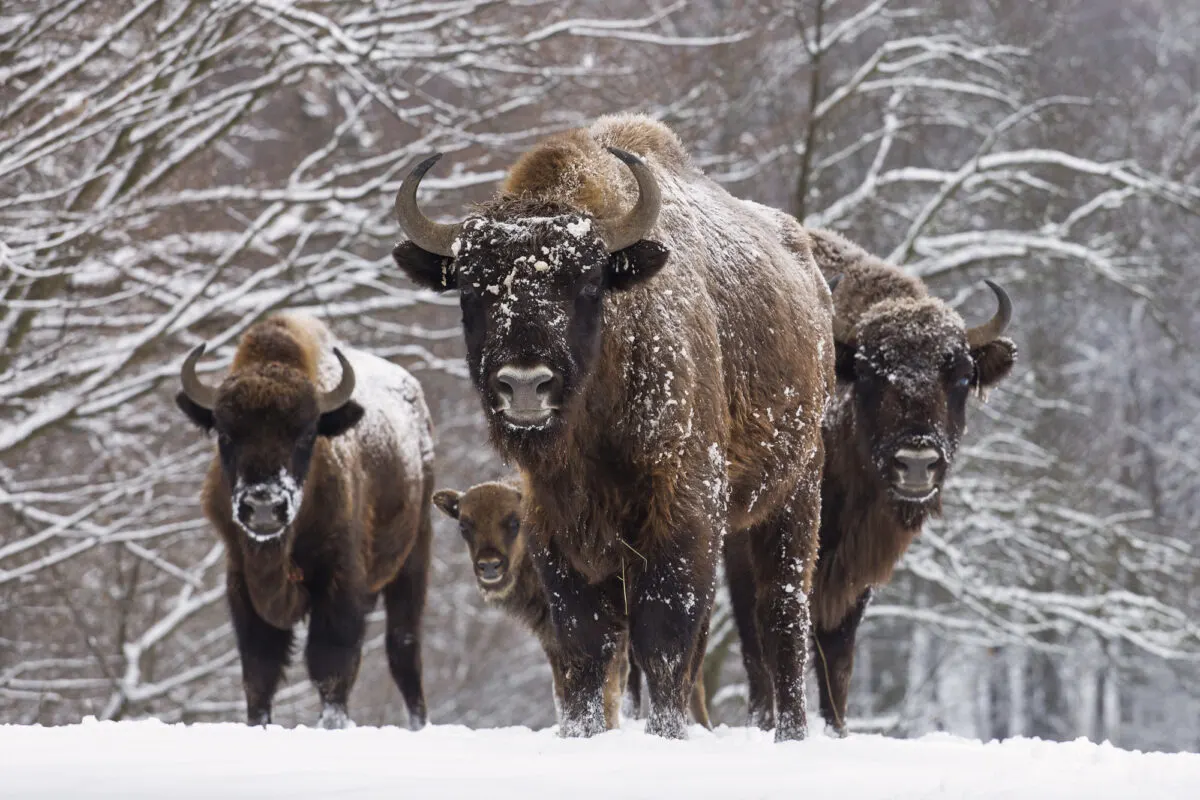
The American bison, often referred to as buffalo, holds a special place in the history and ecology of Yellowstone National Park. These massive herbivores are an iconic symbol of the American West. Yellowstone is one of the few places where bison still roam freely in large numbers. Witnessing a bison herd grazing on the grasslands or crossing a river is an unforgettable experience. These majestic creatures testify to the park’s commitment to wildlife conservation.
9. Black Bears

🔥 Would you like to save this?
We'll email this post to you, so you can come back to it later!
This charismatic species is found in the forests and meadows of Yellowstone National Park. These bears exhibit various coat colors, including black, brown, cinnamon, and blonde. Yellowstone’s black bears are primarily herbivorous, feeding on grasses, berries, nuts, and other plant material. However, they are opportunistic omnivores and will scavenge for food when available. Following bear safety guidelines and respecting their natural habitat is crucial for both visitor safety and the well-being of the bears.
10. Coyotes

🔥 Would you like to save this?
We'll email this post to you, so you can come back to it later!
Coyotes are adaptable and resilient predators found throughout Yellowstone National Park. These canines are widely distributed and thrive in various habitats, from grasslands to forests. With their keen senses and agile movements, coyotes are skilled hunters and scavengers. They primarily eat smaller-sized mammals, birds, and carrion. Yellowstone’s coyotes are known for their distinctive yipping and howling calls, often echoing through the park’s valleys. Observing these cunning and resourceful animals in their natural habitat provides a glimpse into Yellowstone’s intricate web of life.
Wrapping Up

🔥 Would you like to save this?
We'll email this post to you, so you can come back to it later!
Yellowstone is a true treasure trove of diverse and fascinating wildlife. Each animal adds to the park’s ecosystem, from the speedy pronghorns to the elusive cougars and wolves. Visitors to Yellowstone can witness these incredible animals in their natural habitats, offering a deeper appreciation for the wonders of the natural world. By respecting wildlife and their habitats, we can ensure the preservation of these magnificent creatures for generations to come.

Please message any feedback to feedback@animalsaroundtheglobe.com
- Top 10 Weird Animals – The Strangest Creatures on Earth - October 31, 2026
- Top 10 Ice Age Animals - October 17, 2026
- Top 10 Iconic Chinese Animals - September 26, 2026