


The animal kingdom is a sprawling tapestry of life, showcasing remarkable adaptability and survival strategies that have evolved over millennia. Among these, certain creatures have developed truly unique defense mechanisms to thwart predators and ensure their survival. From chemical warfare to stunning illusions, these defenses are both fascinating and effective. This article delves into the top 10 animals with the most unique defense mechanisms, highlighting the ingenuity of evolution in action.
1. The Bombardier Beetle Chemical Warfare

The Bombardier beetle is a master of chemical warfare. When threatened, it ejects a hot, noxious chemical spray from its abdomen. This rapid-fire spray reaches temperatures of up to 100°C (212°F), effectively deterring predators. The beetle’s ability to precisely aim this toxic barrage, coupled with its surprising heat, makes it a formidable target for any would-be predator.
2. The Hagfish Slime Producer Extraordinaire
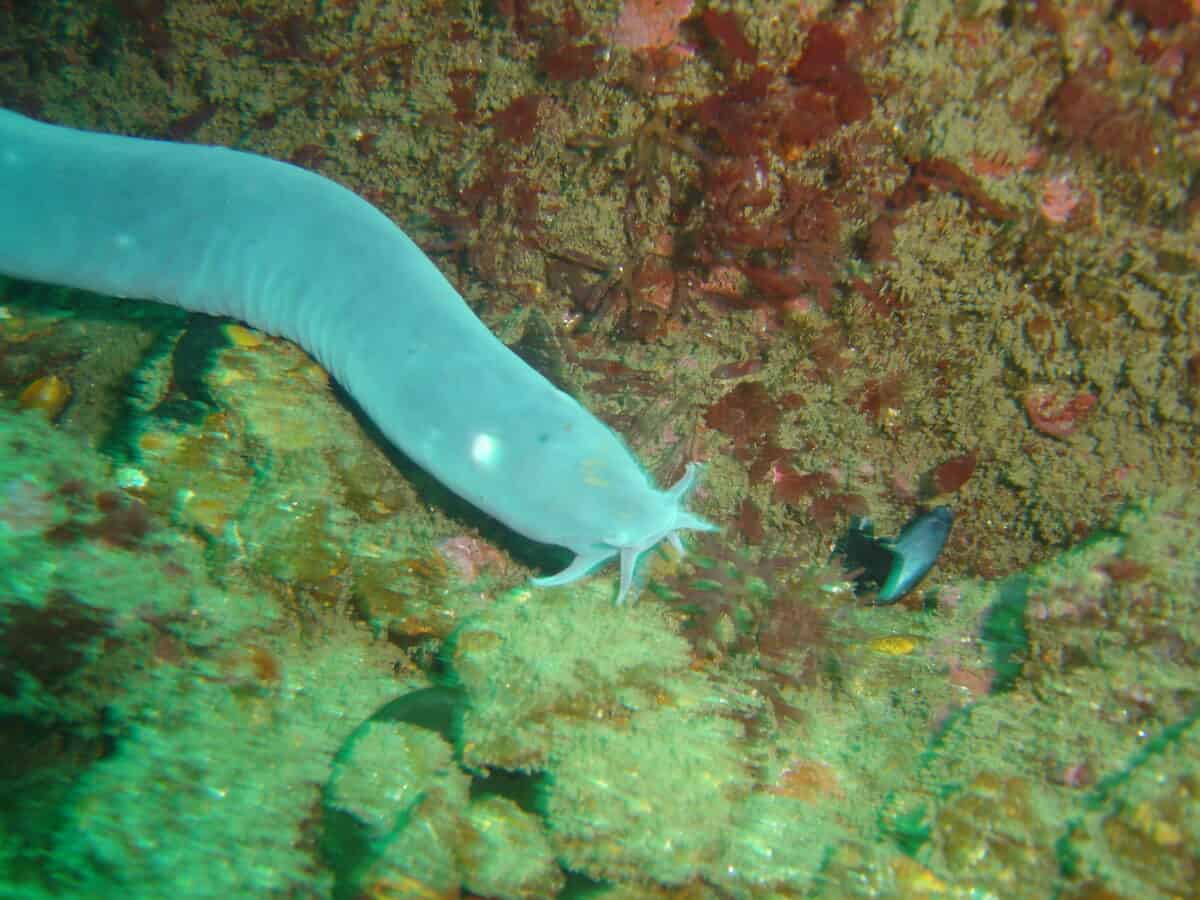
Resembling a creature from the depths of a horror movie, the hagfish employs an extraordinary defensive mechanism: slime. When attacked, the hagfish ejects a protein-rich slime that expands in water, clogging the gills of predatory fish and making it nearly impossible for them to continue their assault. This slimy defense allows the hagfish to slip away to safety.
3. The Octopus Master of Disguise

Thanks to specialized skin cells called chromatophores, octopuses possess an unparalleled ability to transform their appearance. They can change their color, texture, and even shape to blend seamlessly into their surroundings or mimic other threatening creatures. This camouflage allows them to evade predators and ambush unsuspecting prey.
4. The Texas Horned Lizard Blood Shooter
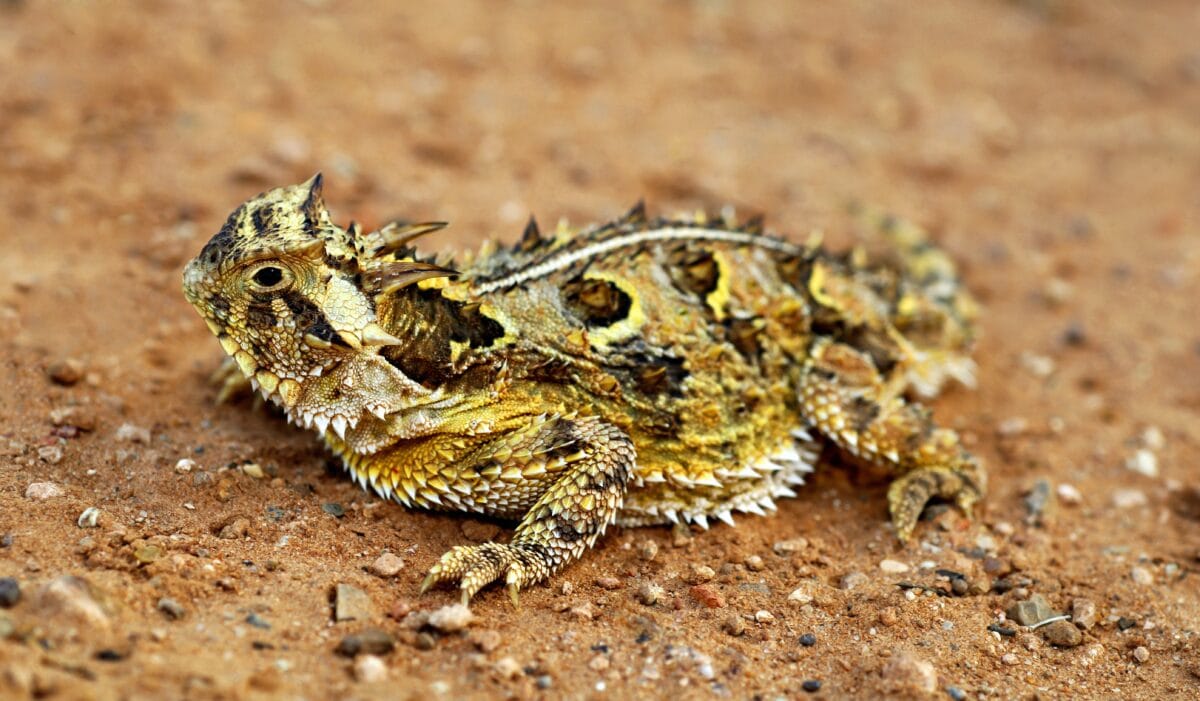
When threatened, the Texas horned lizard uses an extraordinary defense mechanism: It squirts blood from its eyes, aiming for the predator’s mouth or eyes. This unexpected and often disorienting response can confuse or deter predators, giving the lizard a chance to escape. The blood contains chemicals that are unpleasant to certain predators, enhancing its defensive utility.
5. The Sea Cucumber Evisceration Expert

The sea cucumber is a master of sacrificial defense. When threatened, it expels its internal organs, including portions of its digestive tract, to distract and deter predators. This evisceration, while seemingly extreme, allows the sea cucumber to regenerate lost organs over time, ensuring its continued survival in its ocean habitat.
6. The Spitting Cobra Precision Venom Delivery
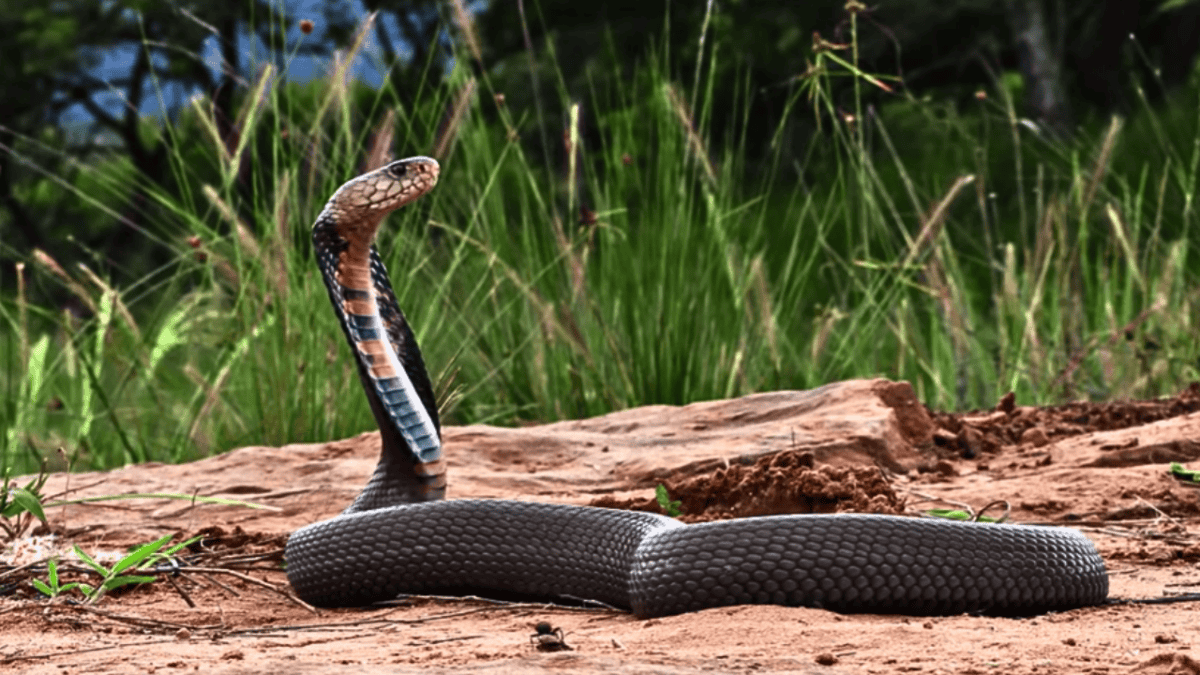
Unlike other snakes that rely on bites, the spitting cobra employs a unique defense mechanism: it spits venom at potential threats. This venom can be accurately aimed at the eyes of a predator, causing severe irritation and even temporary blindness. This precise venom delivery acts as a powerful deterrent to larger attackers.
7. The Pufferfish Inflatable Defense

Pufferfish use their unique inflatable defense to ward off predators. When threatened, they can inflate their bodies considerably by swallowing water or air. This sudden transformation not only makes them look larger and harder to swallow but also reveals sharp spines that can deter or injure predators who attempt to bite.
8. The Mimic Octopus Nature’s Impressionist
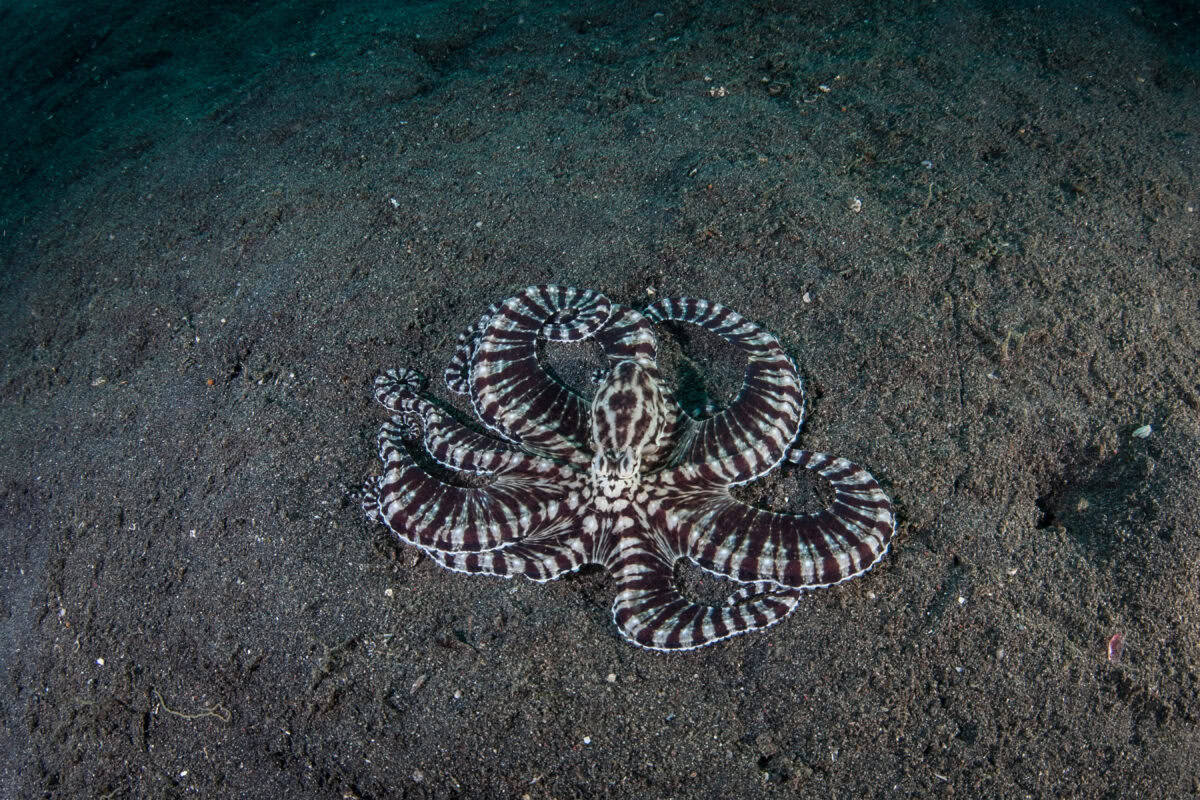
Unlike its camouflaged cousins, the mimic octopus takes deception to a new level by imitating the appearance and behaviors of other marine animals, such as lionfish, flatfish, and sea snakes. This impressive impersonation can confuse predators, as the mimic octopus assumes the guise of a more dangerous or inedible animal.
9. The Malaysian Exploding Ant Self-Sacrificial Explosion

In a dramatic act of self-sacrifice, Malaysian exploding ants have developed the ability to burst their abdomens when confronted by threats. This self-detonation releases sticky and toxic substances that can immobilize or kill predators. This defense highlights the lengths to which nature has gone to evolve survival strategies within the animal kingdom.
10. The Electric Eel Shocking Predator Defense
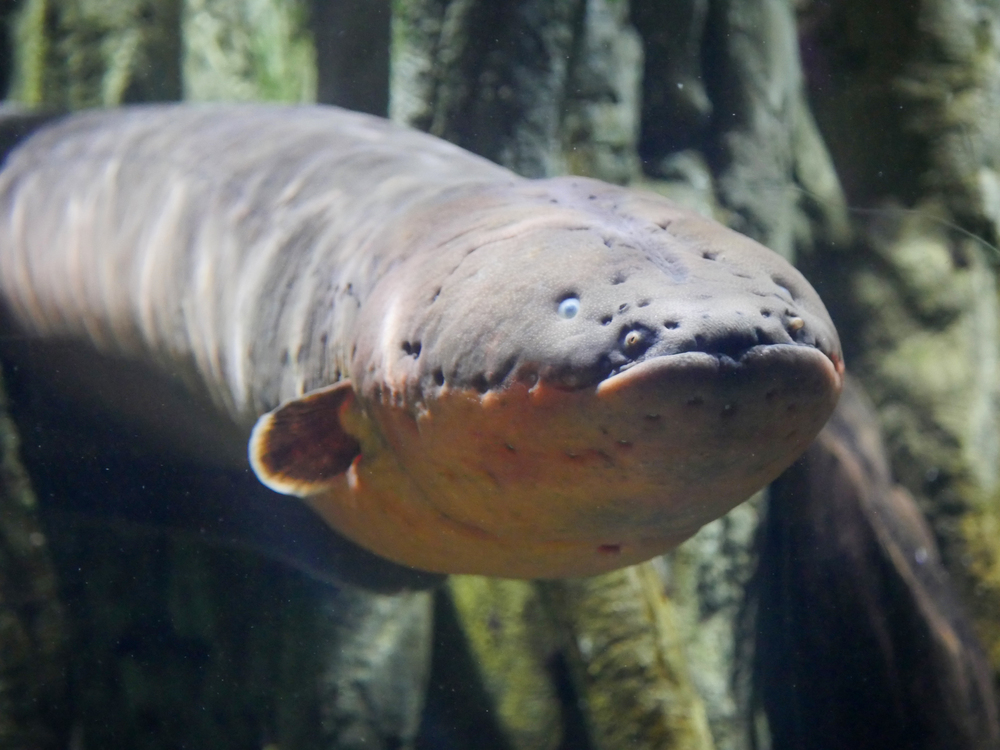
The electric eel uses powerful electrical discharges to ward off dangerous attackers and stun prey. It can produce charges up to 600 volts, and its shock can cause significant discomfort to potential predators, giving them time to retreat hastily. This electrical prowess underscores the diversity of natural defense mechanisms in aquatic environments.
Conclusion: The Wonders of Evolutionary Defense

The variety and ingenuity of defense mechanisms found in the animal kingdom are a testament to the power and creativity of evolution. These strategies not only highlight the diverse ways animals protect themselves but also offer insight into the complex interactions between predators and prey. As we continue to study these fascinating creatures, we gain a deeper appreciation for the adaptability of life and the marvels of nature’s designs.

As a little kid, I fell in love with nature, wildlife, and animals. Living in the USA, South Africa, Italy, China and Germany gave me the opportunity to discover the world's Wildlife. My favorite animals are Mountain Gorillas, Siberian Tigers, and Great White Sharks.
I'm a certified PADI Open Water Diver, went to Everest Base Camp and Trekked Gorillas in Uganda. I hold a Master of Science in Economics and Finance.
Please send any feedback to feedback@animalsaroundtheglobe.com
- The Biggest Stingray Ever Caught in US Waters - July 19, 2026
- 15 Stunning Animals You Can See in 2025 - July 19, 2026
- 13 Reasons You Should not Approach a Wild Bison - July 19, 2026