
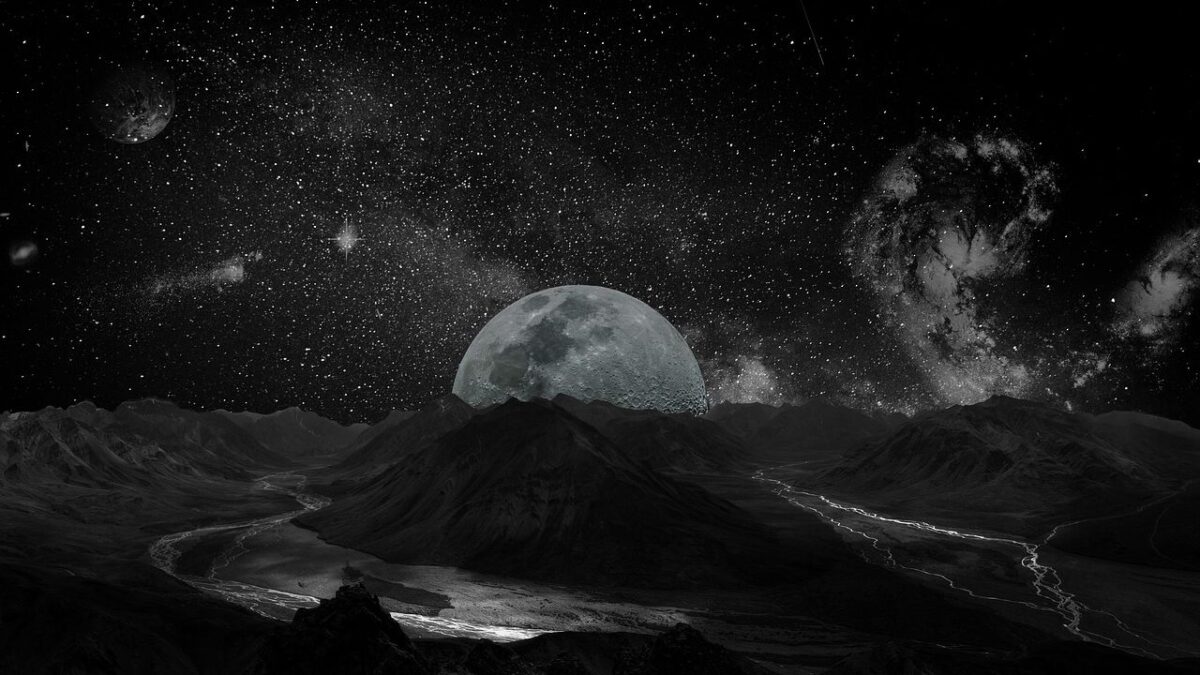
Ever wonder where you’d book your next vacation if money, physics, and the fact that you’d die instantly in space weren’t issues? You know, just casual daydreams. Our solar system is bursting with destinations that make Earth’s most exotic locales look downright ordinary.
From lakes filled with substances you’d never want to swim in, to volcanoes that make Mount Everest look like a speed bump, these places aren’t just scientifically fascinating. They’re absolutely mind-blowing. Let’s be real, most of us won’t be packing our bags for Jupiter anytime soon, but dreaming about these alien worlds? That’s free, and honestly, pretty thrilling.
Enceladus: The Tiny Moon with Explosive Secrets
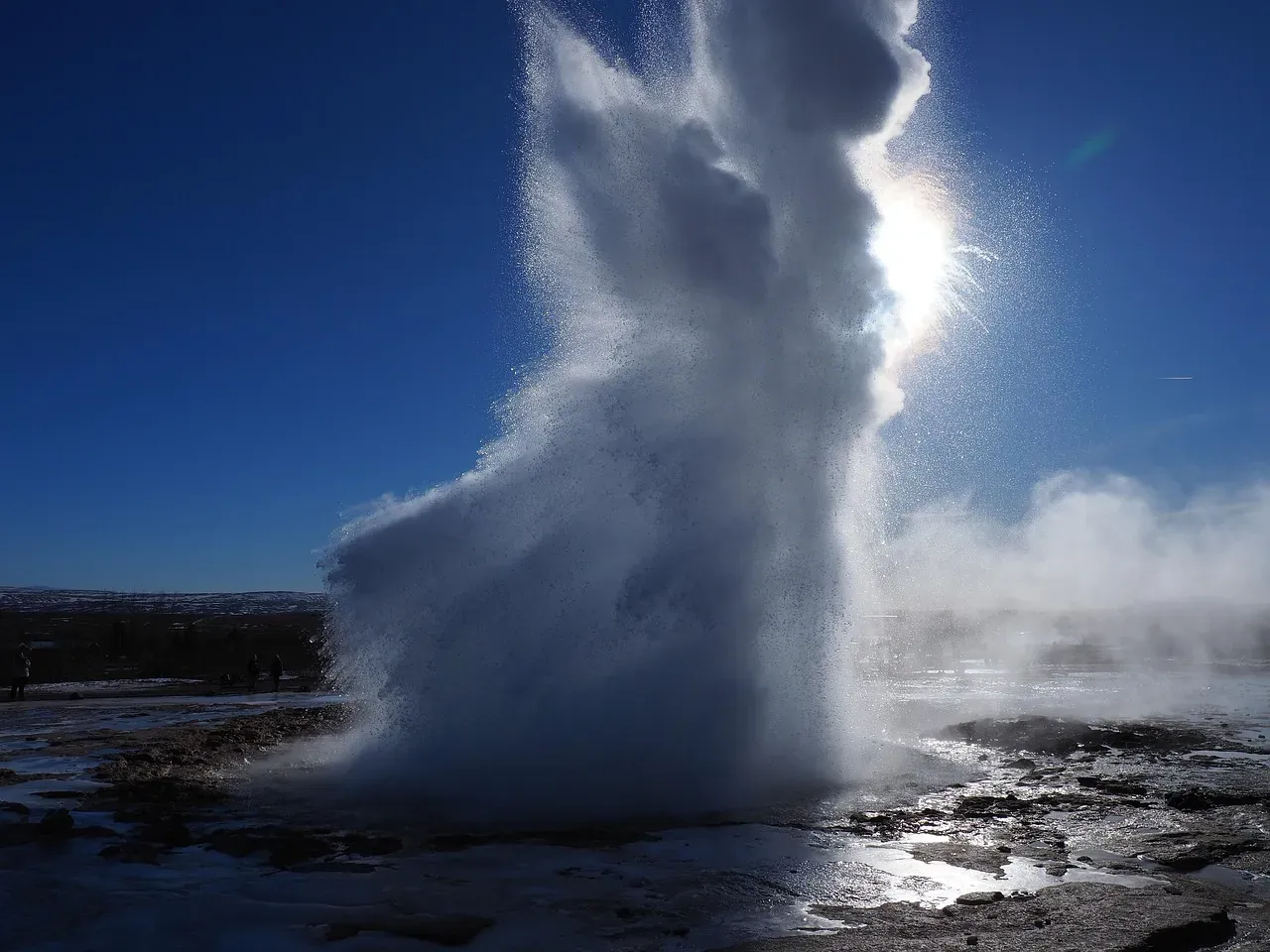
Picture this: a moon barely larger than Arizona, orbiting Saturn, shooting massive geysers of water thousands of kilometers into space. Sounds crazy, but that’s Enceladus for you. Scientists discovered that gigantic geysers spew water thousands of kilometers out into space from ridges at the south pole, creating one of Saturn’s faint rings with the expelled material.
What makes this place truly extraordinary isn’t just the spectacle. Scientists confirmed that a global ocean roughly 26 to 31 kilometers deep exists beneath the icy shell, and this ocean supplies material to Saturn’s E ring through jets carrying ice droplets and peculiar nanograins of silica. Here’s the thing that gets researchers really excited: those silica particles can only form where liquid water and rock interact at scorching temperatures.
Evidence points to hydrothermal vents deep beneath Enceladus’ icy shell, not unlike the hydrothermal vents that dot Earth’s ocean floor. Think about that for a moment. This frozen little moon, so far from the sun that it should be a lifeless ice ball, might have underwater hot springs. With its global ocean, unique chemistry and internal heat, Enceladus has become a promising lead in our search for worlds where life could exist.
The plumes themselves are like free samples from an alien ocean. Rather than drilling through miles of ice, scientists can simply fly through the spray and analyze what’s there. Talk about convenience.
Titan: Where It Rains Gasoline and Lakes Aren’t Made of Water
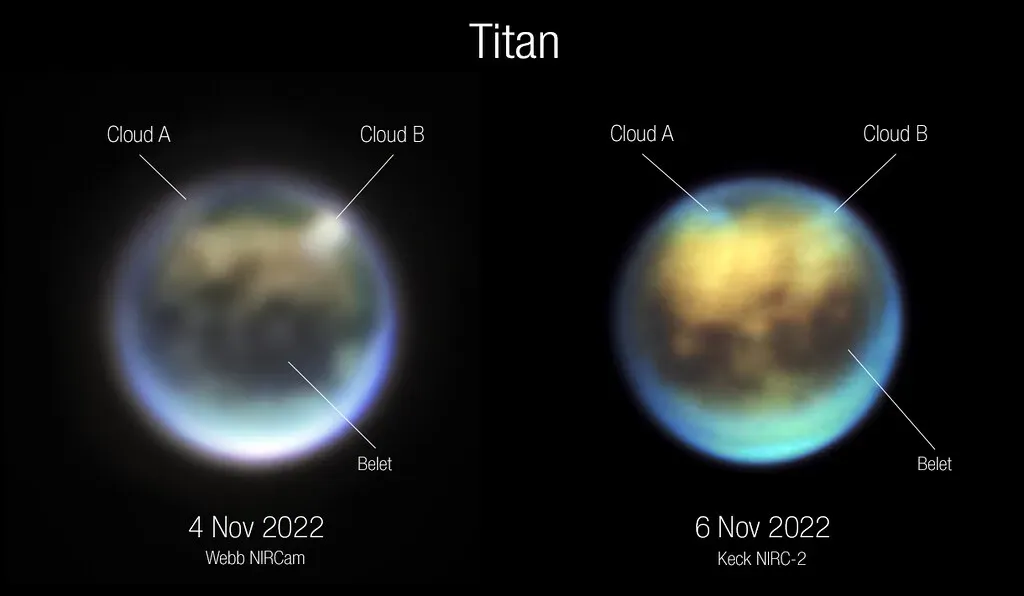
Saturn’s largest moon Titan is bizarre in the best possible way. It is the sole other place in the solar system known to have an earthlike cycle of liquids raining from clouds, flowing across its surface, filling lakes and seas, and evaporating back into the sky. Except there’s a twist: instead of water, we’re talking about liquid methane and ethane.
Let that sink in. Titan has weather, but the rain would kill you instantly. The observed lakes and seas are largely restricted to polar regions where colder temperatures allow permanent liquid hydrocarbons, including Kraken Mare and Ligeia Mare, which combined represent roughly 80 percent of Titan’s sea and lake coverage. Kraken Mare alone is larger than some of Earth’s Great Lakes.
Recent simulations show that Titan’s large seas have likely been shaped by waves, with scientists suggesting that waves of liquid methane and ethane lap on shores and crash on coasts during storms. Imagine standing on a beach watching hydrocarbon waves roll in under an orange sky. The temperatures hover around minus 290 degrees Fahrenheit, so you’d need one heck of a spacesuit.
What really blows my mind is that NASA researchers recently identified that cell-like compartments called vesicles, needed to form the precursors of living cells, could form in the lakes of Titan. Life as we don’t know it might actually be possible in those frigid methane seas. That’s not science fiction anymore.
Europa: The Cracked Ice Ball Hiding an Ocean
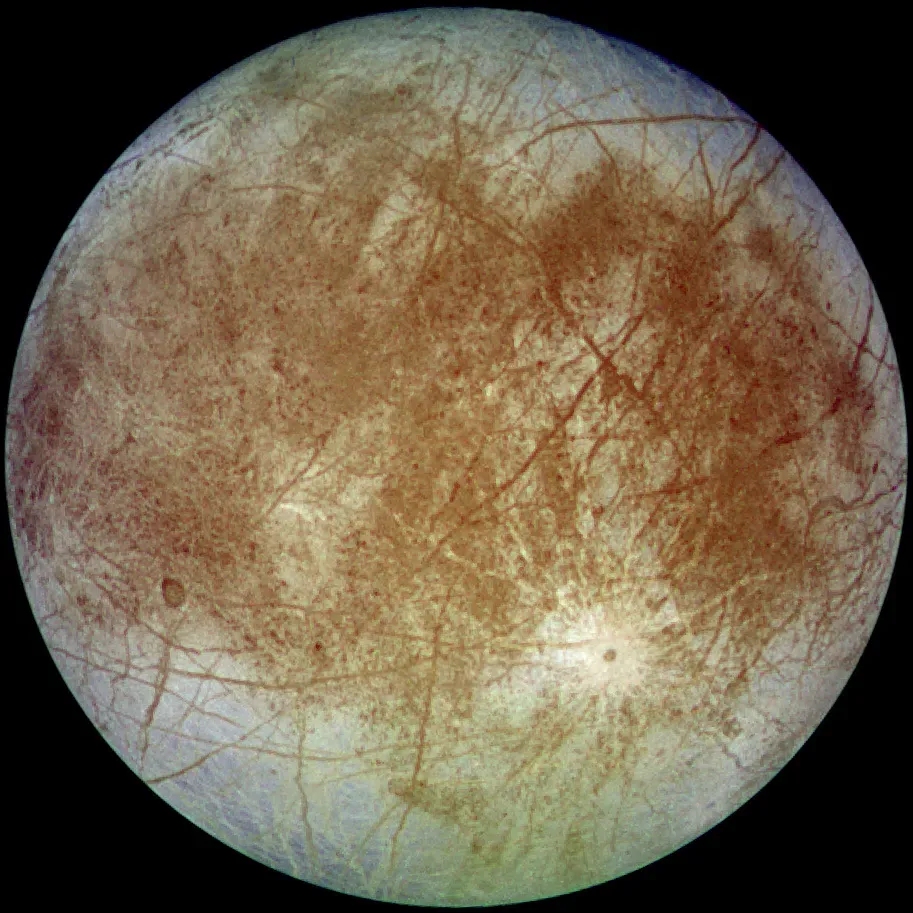
Jupiter’s moon Europa looks like someone took a cue ball and went to town with a marker, drawing reddish-brown cracks all over it. Scientists think Europa’s ice shell is 10 to 15 miles thick, floating on an ocean 40 to 100 miles deep, which may contain twice as much water as Earth’s global ocean. Twice as much water as our entire planet, locked beneath a frozen shell.
The evidence for this hidden ocean is compelling. Measurements showed that Jupiter’s magnetic field is disrupted around Europa, strongly implying that a deep layer of electrically conductive fluid exists beneath the surface, most likely a global ocean of salty water. It’s not just speculation. The magnetic readings basically shouted “there’s an ocean here” to scientists.
There is strong evidence that this saltwater ocean may be one of the best places to look for environments where life could exist beyond Earth. The conditions might be right, with chemical elements and energy sources that life requires. NASA’s Europa Clipper spacecraft, launched in October 2024, is currently on its way to investigate these possibilities.
The surface itself is a fractured mess of ice, constantly flexing and cracking due to Jupiter’s immense gravitational pull. Some regions show evidence that water vapor plumes similar to those on Enceladus may erupt from the surface, with supporting evidence found in data from the Galileo space probe. If true, those plumes would offer another window into that mysterious subsurface ocean.
Mars: Home to the Solar System’s Most Dramatic Landscapes
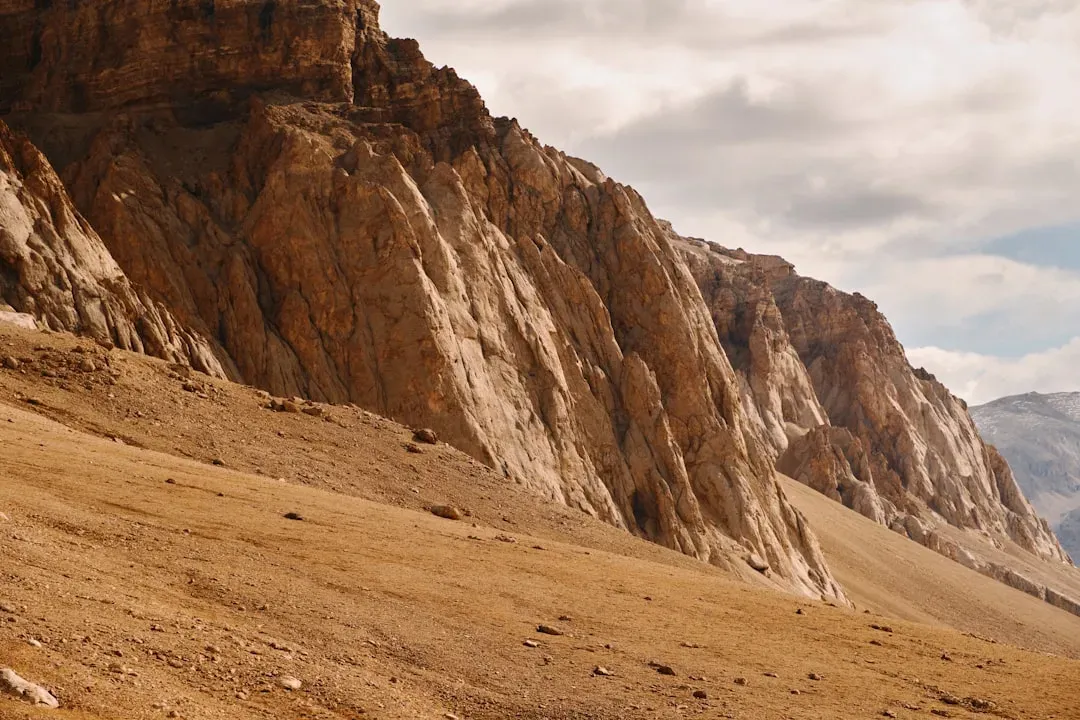
Mars might be the most talked-about destination beyond Earth, but honestly, it deserves the hype. The largest mountain on any planet in our solar system, Mars’ Olympus Mons, is three times higher than Mount Everest. That’s not a typo. This shield volcano towers roughly 16 miles above the surrounding plains.
Then there’s Valles Marineris, which makes Earth’s Grand Canyon look like a ditch. At more than 4,000 km long, 200 km wide and up to 7 km deep, Valles Marineris is the largest canyon in the Solar System. If you placed this canyon system on Earth, it would stretch across the entire United States. The sheer scale is difficult to wrap your head around.
The most agreed upon theory is that Valles Marineris was formed by rift faults, later enlarged by erosion and collapsing of the rift walls, and its formation is thought to be closely tied with the formation of the Tharsis Bulge. Basically, volcanic activity and tectonic forces ripped the Martian crust apart billions of years ago, creating this geological masterpiece.
The Red Planet offers more than just impressive geology. Photos reveal 130 small volcanoes on the eastern floor of the nearly 2,500-mile-long Valles Marineris, some of which may have been active relatively recently in geological terms. The landscape tells a story of ancient water flows, volcanic eruptions, and dramatic climate change. It’s like a planetary history book written in rock and dust.
Saturn’s Rings: The Solar System’s Most Spectacular Show
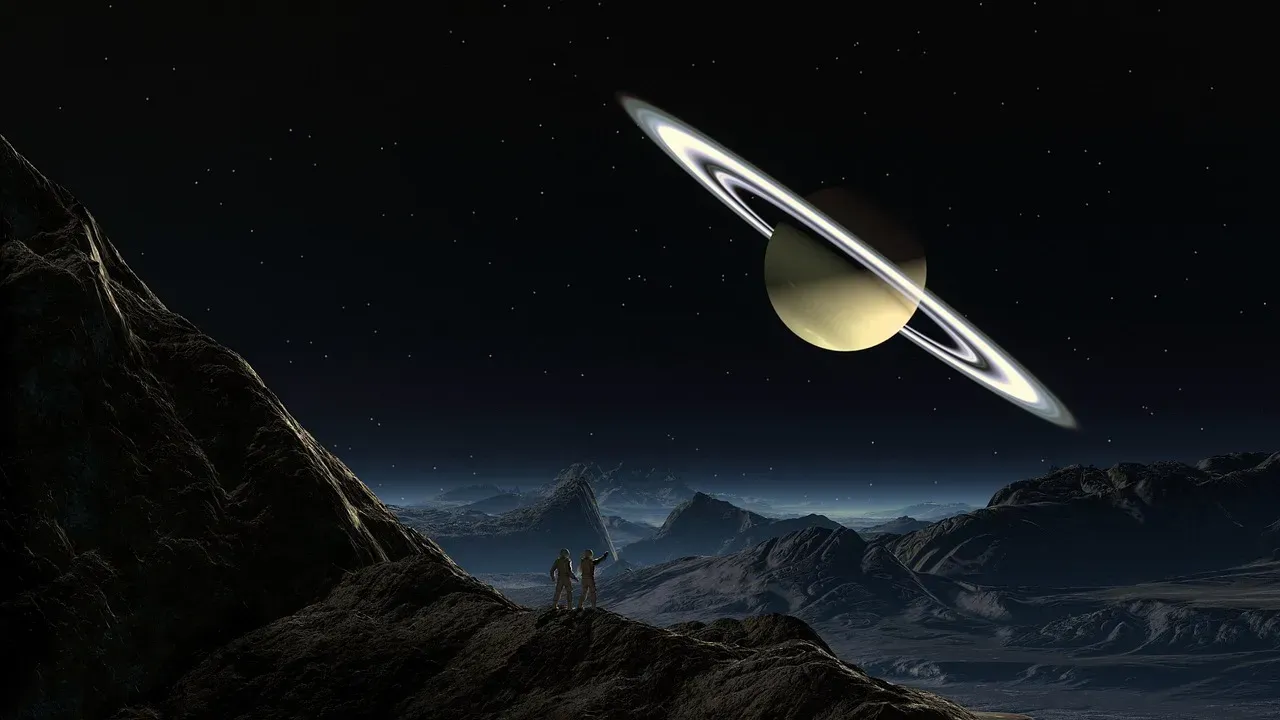
Let’s be honest. Nothing in our solar system quite matches the visual drama of Saturn’s rings. The rings of Saturn are one of the most distinct planetary features in the solar system, with a diameter of 270,000 km but an astonishingly thin thickness of only 100 meters. That’s like taking a structure the size of a large country and flattening it to the height of a football field.
The rings are made up of many particles of rock and dust and lie within what is known as the Roche limit, the radius within which a large moon would be torn apart by the great tides that Saturn would exert upon it. These aren’t solid structures. They’re billions of individual chunks of ice and rock, each orbiting Saturn independently, creating those stunning bands we see in photographs.
What’s remarkable is how dynamic they are. The particles constantly collide, break apart, and clump together. Some scientists believe the rings might be relatively young in cosmic terms, perhaps only a few hundred million years old. That would make them practically brand new compared to Saturn itself, which has existed for over four billion years.
If you could somehow park a spacecraft near the rings and just watch, you’d witness an ever-changing dance of ice and rock. Light filters through them in ways that create shifting patterns and colors. They’re not just beautiful. They’re a living reminder of the chaotic forces that shape our solar system, frozen in orbital motion around a gas giant.
Conclusion: The Universe Next Door
Our solar system is far stranger and more wonderful than most people realize. These five destinations represent just a fraction of the cosmic wonders waiting practically in our backyard. From hydrocarbon lakes to subsurface oceans, from continent-sized canyons to rings that defy imagination, each location challenges what we thought we knew about planetary science.
The best part? We’re still discovering new things about these places. Every spacecraft flyby, every improved telescope image, every computer simulation reveals something unexpected. Maybe one day, centuries from now, humans will actually visit these alien landscapes. Until then, we can marvel at the fact that such extraordinary places exist right here in our neighborhood.
What fascinates you most about these destinations? Would you dare to visit one if you could?

- The World’s Most Mysterious Ancient Sites: 7 Ancient Wonders Of North America - July 18, 2026
- Can Animals Truly Predict Major Weather Events Before Humans? - July 18, 2026
- 15 Types of Foxes And Where To See Them in The Wild - July 18, 2026