

As climate change and urban development continue to alter natural ecosystems, gardeners are faced with the challenge of conserving water while also fostering environments that support local wildlife. By adopting water-saving techniques, you can create a thriving garden that not only conserves precious resources but also serves as a sanctuary for birds, bees, butterflies, and other creatures. This article outlines practical tips to achieve a vibrant, water-wise garden that is a haven for local wildlife.
Embrace Native Plants

Native plants are adapted to the local climate and soil conditions, making them naturally drought-tolerant. They require less water and maintenance than exotic species, providing an ideal habitat for local wildlife. By incorporating a variety of native plants, you provide food and shelter for birds and pollinators, supporting biodiversity and creating a self-sustaining garden ecosystem.
Implement Mulching Techniques

Mulching is an effective way to conserve soil moisture, suppress weeds, and regulate soil temperature. By using organic materials like wood chips, straw, or bark, you improve soil health while reducing the need for frequent watering. Mulch also creates a habitat for beneficial insects and microorganisms, which contribute to a balanced garden ecosystem.
Install Rainwater Harvesting Systems

Collecting rainwater is an excellent method to maintain a water-efficient garden. Installing barrels or tanks to capture and store rainwater from your roof can significantly reduce reliance on tap water. This environmentally-friendly practice not only conserves water but also provides chemical-free hydration for your plants, benefiting both the garden and local fauna.
Create a Wildlife Pond

A small pond can be a lifeline for wildlife, particularly during dry spells. By adding a pond, you introduce a water source that attracts frogs, birds, and beneficial insects. Ensure the pond has gentle sloping sides, so animals can safely access water. Plant native aquatic plants around the edges to enhance habitat value while promoting natural filtration and reducing evaporation.
Adopt Drip Irrigation
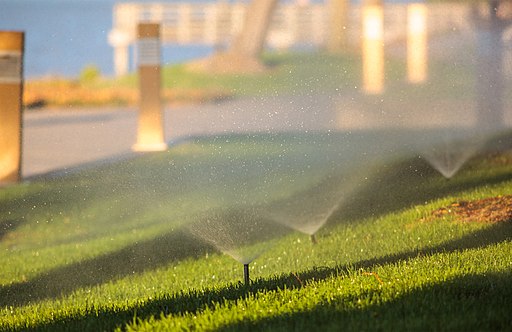
Drip irrigation systems deliver water directly to the plant roots, minimizing evaporation and runoff. By providing a steady supply of moisture exactly where it is needed, these systems efficiently conserve water while ensuring optimal plant health. Moreover, a well-hydrated plant landscape can provide food and shelter for insects and other wildlife.
Opt for Permeable Landscaping

Permeable surfaces, like gravel, permeable pavers, or bark chips, allow water to infiltrate the soil rather than running off into storm drains. This not only conserves water but helps recharge groundwater supplies. By using permeable materials, you create a garden that naturally manages rainwater, reducing erosion and providing moisture to local flora and fauna.
Plant Drought-Resistant Varieties
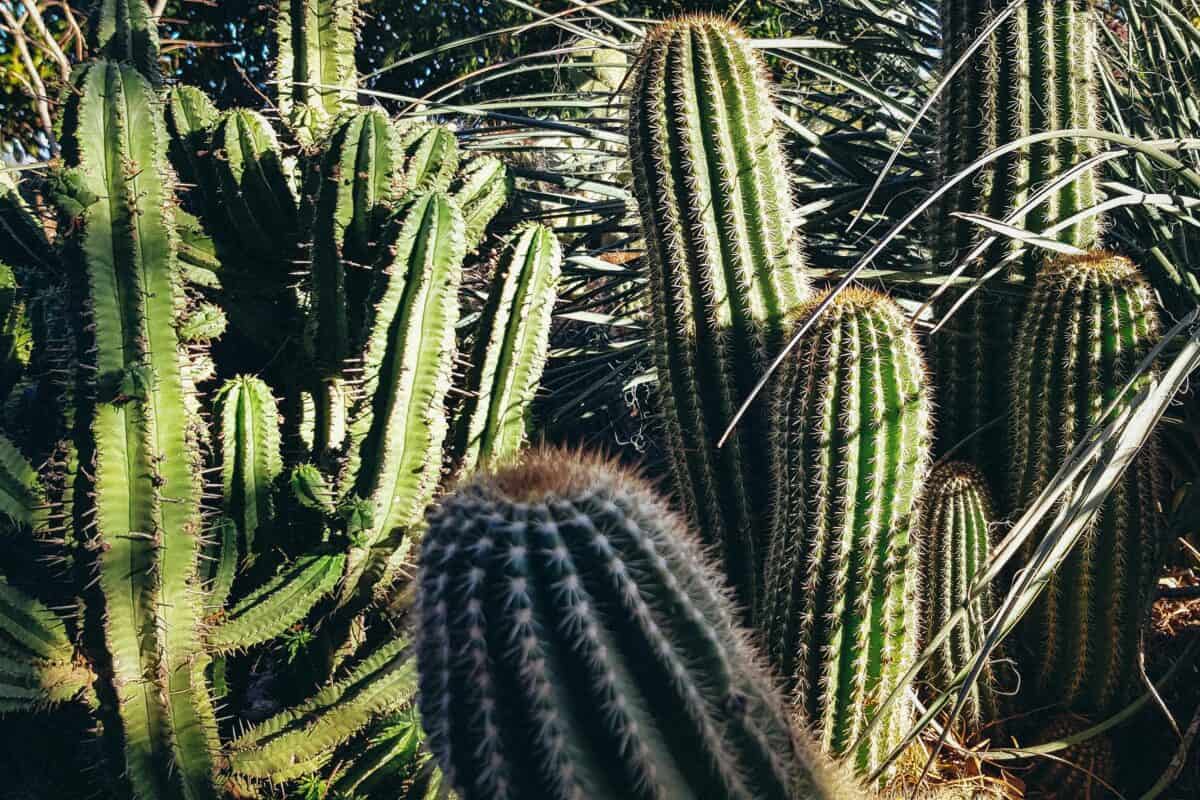
Certain plant species are inherently drought-tolerant and ideal for water-saving gardens. By selecting succulents, ornamental grasses, and drought-resistant perennials, you reduce the need for excessive watering. These plants thrive with minimal care, offering habitat and food resources for wildlife even in arid conditions.
Incorporate Xeriscaping Principles

Xeriscaping focuses on designing gardens that require little to no irrigation. By strategically arranging drought-tolerant plant groups, minimizing lawn areas, and using mulch, a xeriscaped garden reduces water use while providing a rich environment for wildlife. This approach allows you to conserve resources without compromising on beauty or ecological value.
Create a Rain Garden
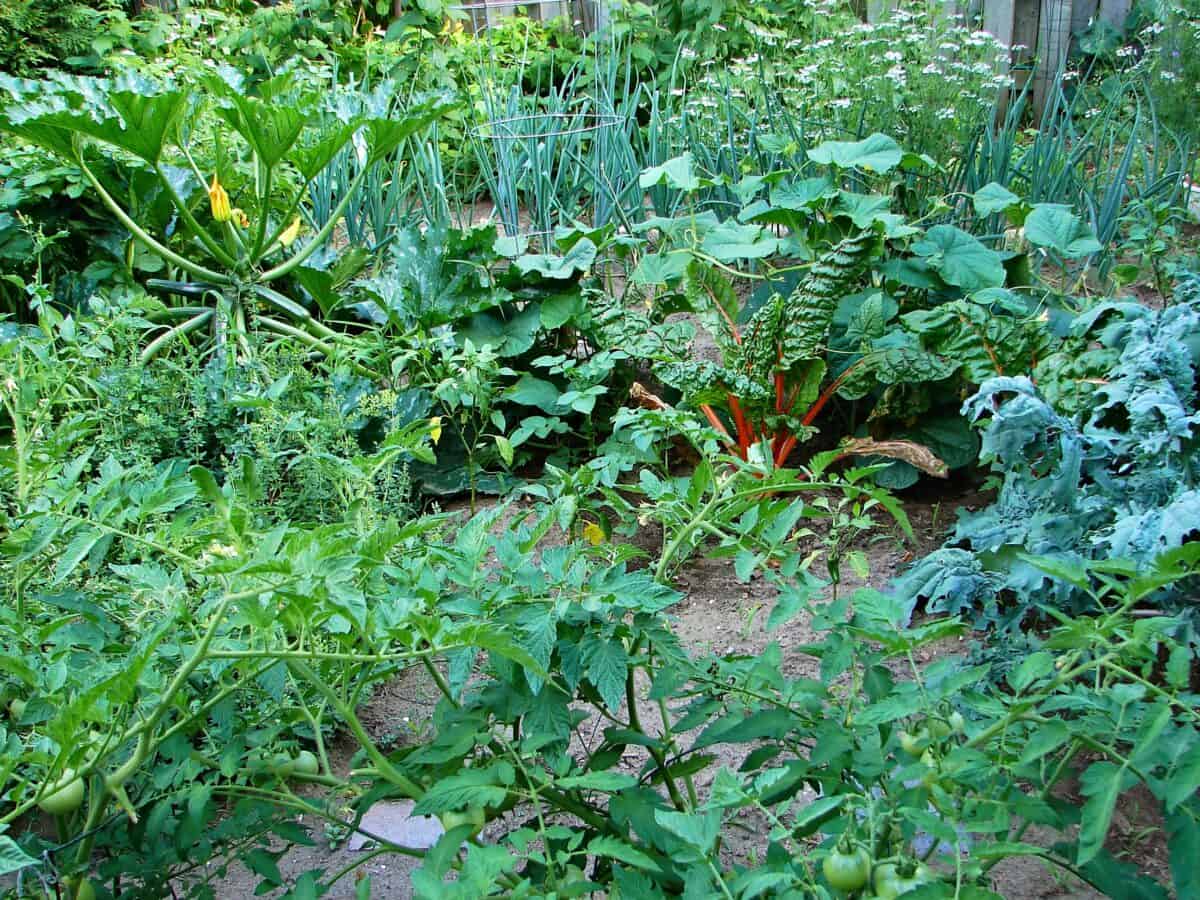
A rain garden is designed to capture and absorb rainwater from surfaces like roofs and driveways. By planting a rain garden with moisture-loving species, you manage runoff effectively while reducing erosion and water waste. This specialized garden area can become a habitat for birds, butterflies, and other pollinators, enriching the local ecosystem.
Shade and Shelter
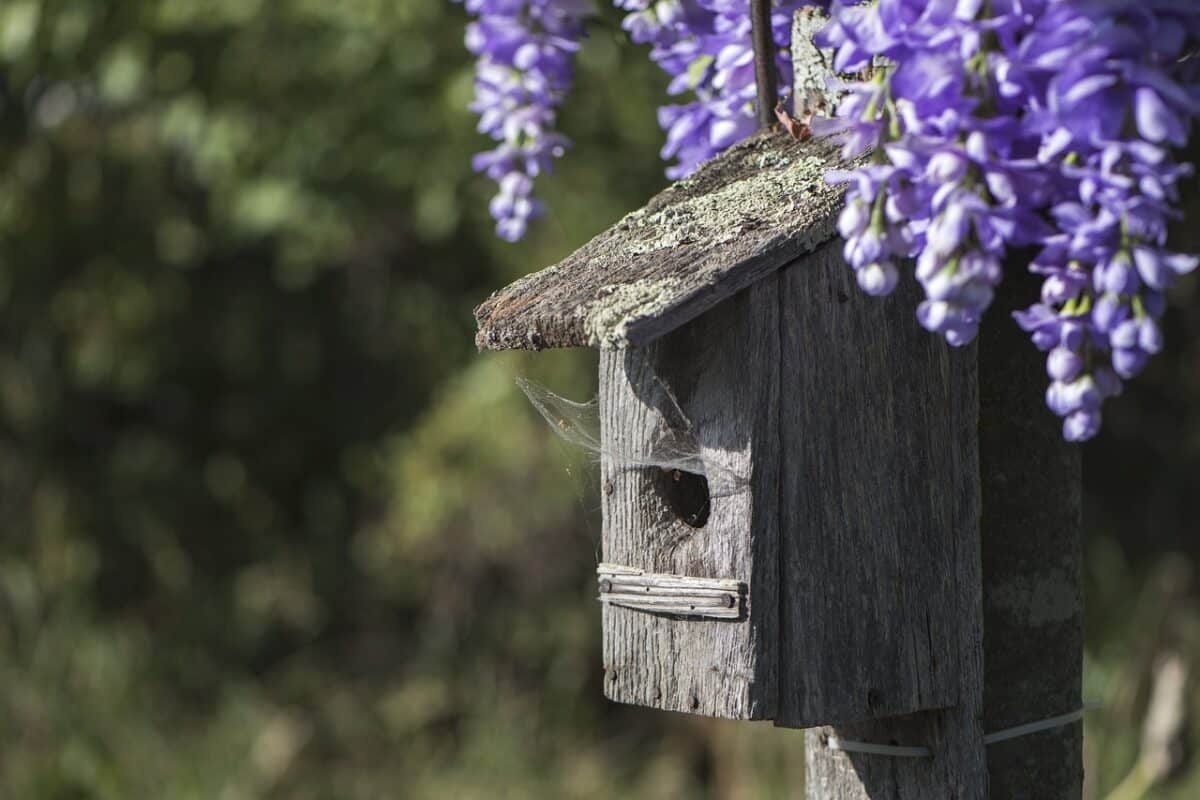
Trees and shrubs not only offer shade, reducing evaporation and the need for watering, but also provide nesting sites and food for wildlife. By incorporating trees that thrive in dry conditions, you can create a cool microclimate in your garden. The layered canopy and foliage offer shelter for birds and beneficial insects, enhancing biodiversity.
Practice Smart Watering

Timing and technique are crucial when watering your garden. Water early in the morning or late in the evening to minimize evaporation. Use a deep watering method to ensure the moisture reaches the root zone. By adopting these practices, you optimize water usage and encourage plants to develop deep root systems, making them more resilient to drought.
Encourage Beneficial Insects

By fostering an environment that attracts beneficial insects such as bees, ladybugs, and butterflies, you support natural pest control and pollination. Planting a variety of flowering species throughout the growing season ensures continuous nectar and pollen supply. This not only contributes to wildlife conservation but also enhances the health and productivity of your garden.
Incorporating water-saving strategies into your gardening practices can yield rewarding results. Not only do these methods help conserve vital water resources, but they also create a balanced habitat that attracts and sustains local wildlife. Embrace these ecological tips to transform your garden into a thriving oasis, where nature and efficiency coexist in harmony.

- The Most Dangerous Animals in Arizona - August 1, 2026
- 10 Dog Breeds That Take Years to Become Reliable Indoors - August 1, 2026
- 9 Curious Facts About the Aardvark: The Nighttime Tunnel Specialist - August 1, 2026