

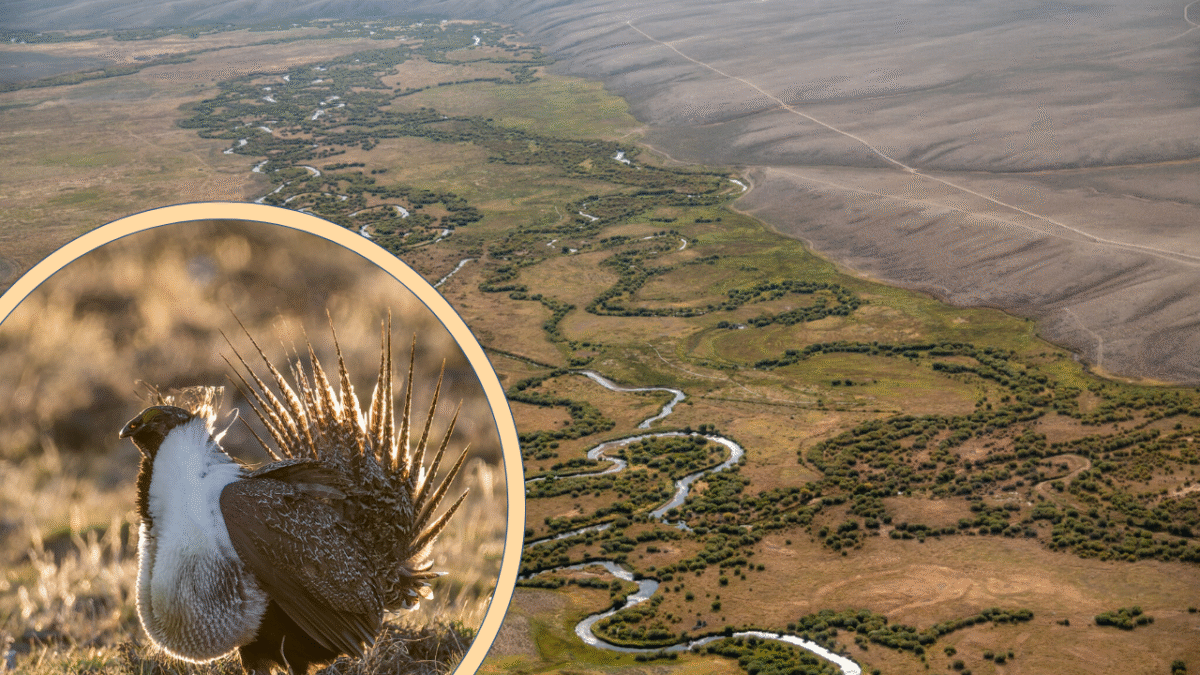
As a new U.S. government shutdown drags on, the fate of one of the West’s signature species—the greater sage-grouse—is inching toward uncertainty. In Wyoming’s Red Desert, management plans once protective of “priority habitat” are being rolled back even as federal oversight falters. Conservationists worry that the window of reduced enforcement may allow development to press into lands critical for the bird’s survival.
What’s Changing for Sage Grouse Habitat
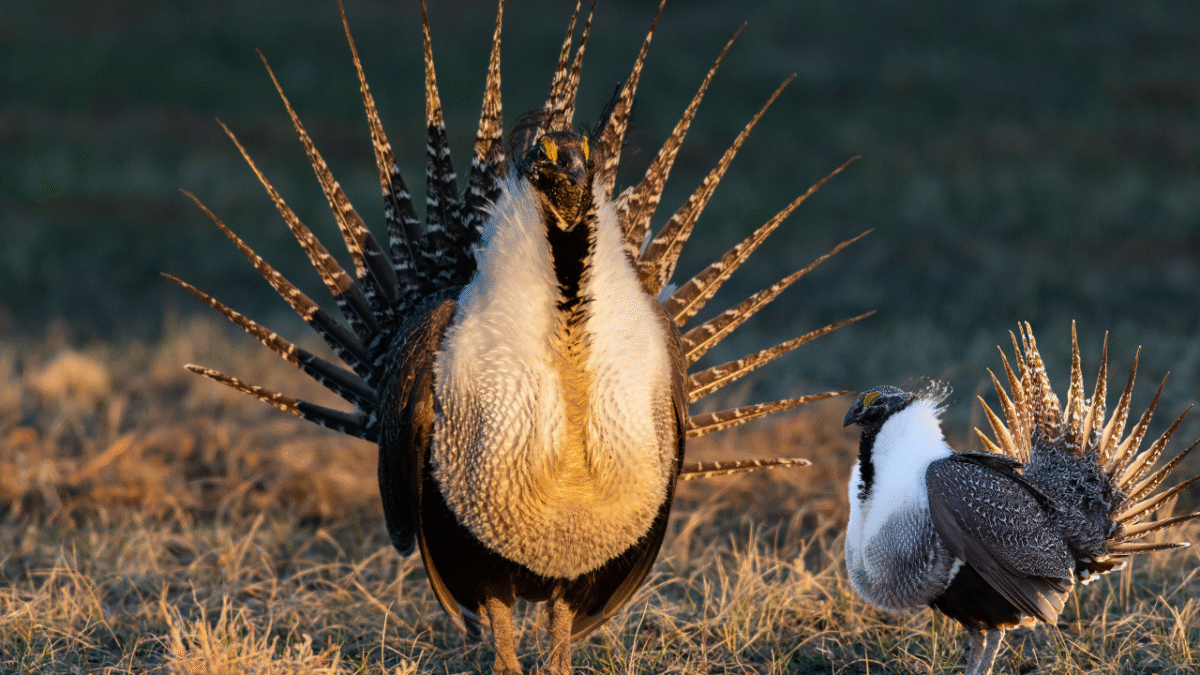
On October 1, the Trump administration announced revisions to the Rock Springs Resource Management Plan, which manages large swaths of Wyoming’s sagebrush country. Key among the changes is the removal of some “priority habitat management areas,” zones formerly shielded from intensive development. Many environmentalists fear the new developments will allow more energy development in critical sage grouse habitat.
Tom Christiansen, a former sage grouse coordinator, pointed to the region known as the “Golden Triangle”—“this landscape is extremely important for sage grouse”—warning that rollback of protections could open it to extraction and other encroachment.
Environmental groups see the timing as particularly hazardous: with agencies under partial shutdown, monitoring and enforcement capacity is limited.
A Shutdown’s Toll: What Happens When Oversight Goes Dark
In a shutdown, many federal environmental and wildlife agencies can’t function in full capacity. The ASPCA notes that “government agencies that help protect animals can’t enforce animal protection laws without funding.”
And the Wildlife Society warns that seasonal wildlife data collection and training of new biologists may be disrupted.
The Humane Society adds that reductions in staffing “can leave animals—wild, farmed and companion—more vulnerable to harm.”
In practice, that means fewer inspections, delayed responses to violations, and stalled conservation work just when pressures rise.
Lessons from the 2018–19 Shutdown
The 35-day shutdown from December 2018 to January 2019 — the longest in U.S. history — offers a window into what wildlife and land might face under paralysis.
- National parks, left with skeletal crews, saw overflowing restrooms, unmanaged trash, and unchecked visitor impacts.
- Endangered species permitting and consultations ground to a halt, stalling recovery programs.
- Ecosystem degradation accelerated in some areas as enforcement of grazing or development rules lapsed.
- One 2018 blog post summed up the danger: “It’s a bad time to try to restore endangered species populations” when federal services simply can’t act.
Thus, when a shutdown meets an aggressive rollback of protections, even temporary interruptions can leave lasting scars.
What’s at Stake—and What’s Next
Sage grouse populations have declined by about 80 percent since 1965, largely owing to habitat loss and fragmentation.
Their sagebrush ecosystems also support more than 350 other species and are integral for local economies and ecological integrity.
With new development potentially allowed into formerly protected zones, and federal agencies hampered by budget gaps, conservationists warn of a double threat: policy reversals plus enforcement vacuum. As one environmental coalition puts it, a shutdown “hands polluters a free pass and leaves wildlife … more vulnerable.”
If lawmakers and the administration do not restore full funding—and urgent oversight capacity—these birds, their habitat, and many dependent species may pay dearly.

- 8 Mysterious Spirit Animals Associated with the Zodiac Sign Scorpio - July 29, 2026
- 23 Dog Breeds Trainers Say First-Time Owners Regret - July 29, 2026
- 18 Horse Breeds Farriers Say Are Hard on Hooves - July 29, 2026