
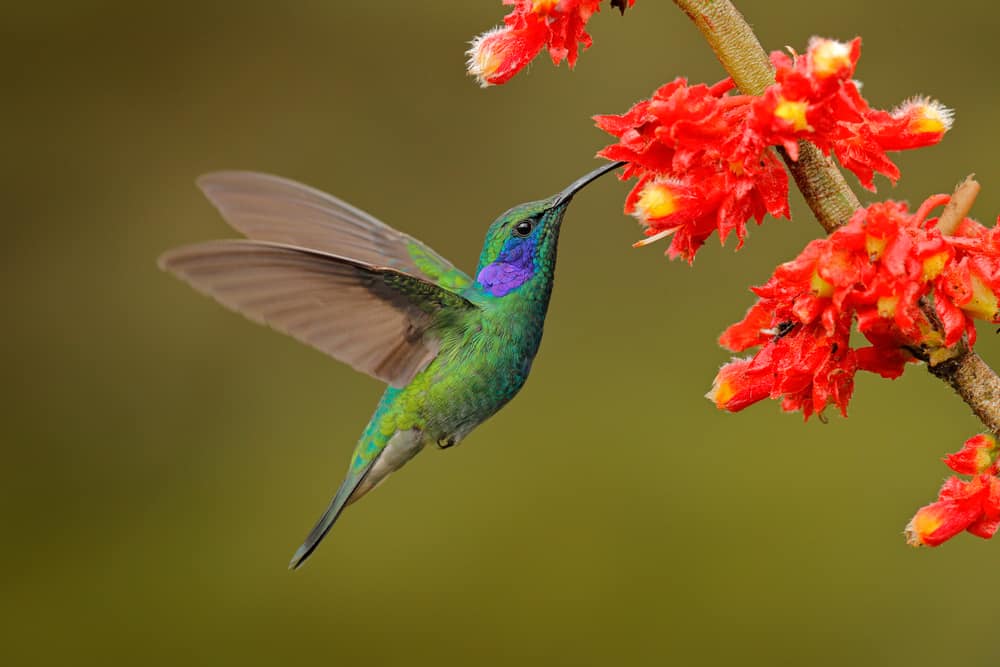
Hummingbirds are more than just tiny, vibrant creatures darting through gardens—they carry secrets that touch the soul and connect us to something deeper. These delicate beings are messengers, symbols of resilience, and guardians of the natural world, with meanings that stretch far beyond their glittering feathers. What if these mysterious visitors hold the key to understanding life’s hidden joys, challenges, and transformations? Here are 5 symbolic meanings of hummingbirds and what they mean.
The Beauty of Hummingbirds

🔥 Would you like to save this?
We'll email this post to you, so you can come back to it later!
Hummingbirds are small, brightly colored birds known for their dazzling feathers and incredible flying skills. With about 320 species, they are part of the Trochilidae family. Their vibrant colors and unique feather patterns make them a joy to watch in any garden.
Their Joyful Spirit

🔥 Would you like to save this?
We'll email this post to you, so you can come back to it later!
Have you ever noticed the lively flutter of a hummingbird and felt an instant lift in your mood? These tiny birds are known for their playful energy and vibrant colors, which have deep meanings across various cultures. Their presence often reminds us to embrace joy and live life with a light heart!
1. Messengers of the Divine
🔥 Would you like to save this?
We'll email this post to you, so you can come back to it later!
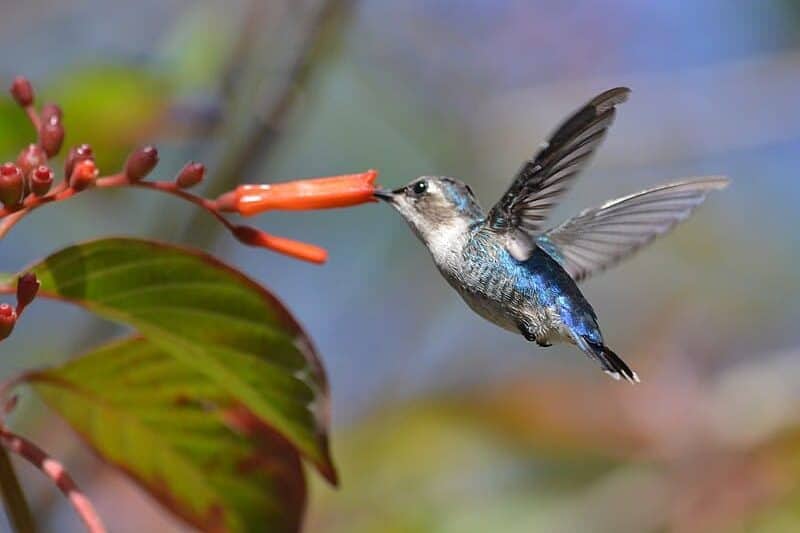
In many beliefs, hummingbirds are seen as messengers from the spiritual realm. They often appear in moments of sorrow, offering comfort and reminding us of the presence of loved ones who have passed away. Their delicate presence brings a sense of peace and a reminder that we are never truly alone.
2. Symbols of Resilience and Agility
🔥 Would you like to save this?
We'll email this post to you, so you can come back to it later!
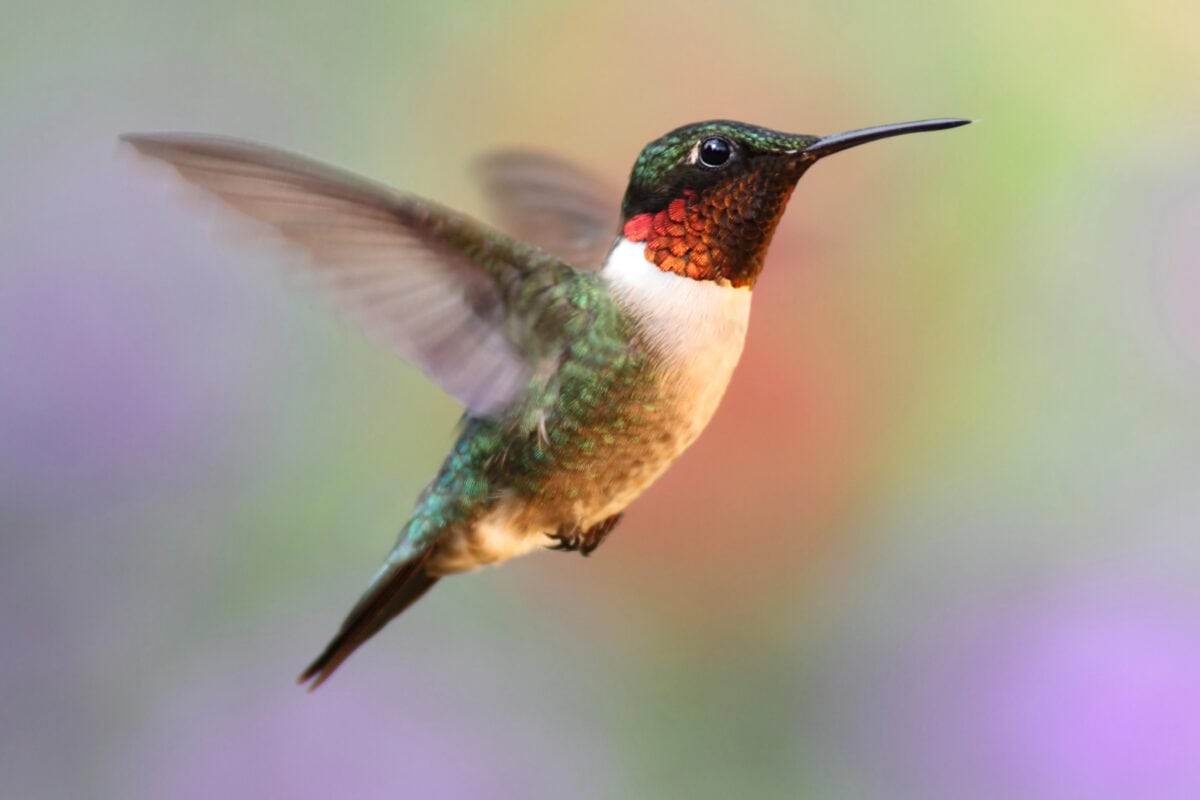
Despite their small size, hummingbirds are incredibly resilient and agile. They can fly long distances and adapt quickly to their surroundings, symbolizing endurance and the ability to overcome challenges. These traits inspire us to be adaptable and face life’s hurdles with grace and determination.
3. Healing and Tenderness

🔥 Would you like to save this?
We'll email this post to you, so you can come back to it later!
Hummingbirds also represent healing and the need for gentleness. Their ability to reach the most delicate flowers teaches us to approach life’s challenges with care and understanding. By embracing tenderness, we can heal ourselves and others, nurturing our well-being and relationships.
4. Embracing Change with Optimism

🔥 Would you like to save this?
We'll email this post to you, so you can come back to it later!
Encountering a hummingbird is often seen as a sign to embrace change with a positive attitude. Just as these birds migrate over great distances, we too are on a journey of transformation. Hummingbirds encourage us to look forward with hope and appreciate the present moment.
5. A Multi-Layered Symbol of Beauty

🔥 Would you like to save this?
We'll email this post to you, so you can come back to it later!
Hummingbirds are more than just beautiful creatures; they carry rich symbolism that touches various aspects of life. Whether they remind us to find joy, embrace change, or heal with tenderness, these small birds have a big impact on how we view the world. Their presence inspires us to live fully and appreciate the beauty around us.
The Role of Hummingbirds in Pollination
🔥 Would you like to save this?
We'll email this post to you, so you can come back to it later!
Hummingbirds play a vital role in pollination, helping plants reproduce by transferring pollen from one flower to another. This process is crucial for the creation of seeds, fruits, and new plants. Watching this in action is a captivating experience, as these birds seem to appear out of nowhere to perform their important work.
The Importance of Pollinators

🔥 Would you like to save this?
We'll email this post to you, so you can come back to it later!
Pollinators like hummingbirds are essential for human survival, as they contribute to the growth of many of the foods we eat. An impressive 90 percent of the world’s flowering plants rely on animal pollinators. Without hummingbirds, our food supply and ecosystems would suffer greatly.
The Threat of Extinction

🔥 Would you like to save this?
We'll email this post to you, so you can come back to it later!
Unfortunately, about 8 percent of the 366 hummingbird species are endangered or critically endangered. Habitat loss, climate change, and invasive species threaten their survival. Protecting these birds is crucial for maintaining healthy ecosystems.
How to Attract Hummingbirds

🔥 Would you like to save this?
We'll email this post to you, so you can come back to it later!
Attracting hummingbirds to your garden is easier than you might think. Start by planting brightly colored flowers, especially red, tubular ones that these birds love. Adding a few key plants will not only color in your garden but make it a hummingbird haven!
Supporting Conservation Efforts

🔥 Would you like to save this?
We'll email this post to you, so you can come back to it later!
To help protect hummingbirds and other pollinators, consider supporting conservation organizations. Groups like Pollinator Partnership work to educate the public and promote the creation of pollinator-friendly habitats. By getting involved, you can make a difference in preserving these beautiful creatures so they will appear in gardens for generations to come.

- 10 Weird Facts About Some of the Rarest Marine Mammals - September 23, 2026
- 24 Puppies?! The World Records of Puppy Litters Ever Recorded - September 15, 2026
- The Fascinating Life of Nature’s Gracious Giant - September 14, 2026