

Across the windswept plains and mesas of North America, few figures capture the imagination quite like Coyote. Neither fully divine nor entirely mortal, this complex character dances through Native American storytelling with equal parts wisdom and foolishness, creation and chaos. From the Navajo Nation’s sacred ceremonies to the Pueblo tribes’ cautionary tales, Coyote embodies the contradictions that make us human.
What makes this trickster so enduring? The answer lies in his remarkable ability to bridge worlds – connecting the sacred with the profane, teaching through mischief, and revealing profound truths through seemingly simple stories. His tales have shaped Indigenous cultures for countless generations, offering lessons that remain strikingly relevant today.
The Multifaceted Nature of a Mythical Being
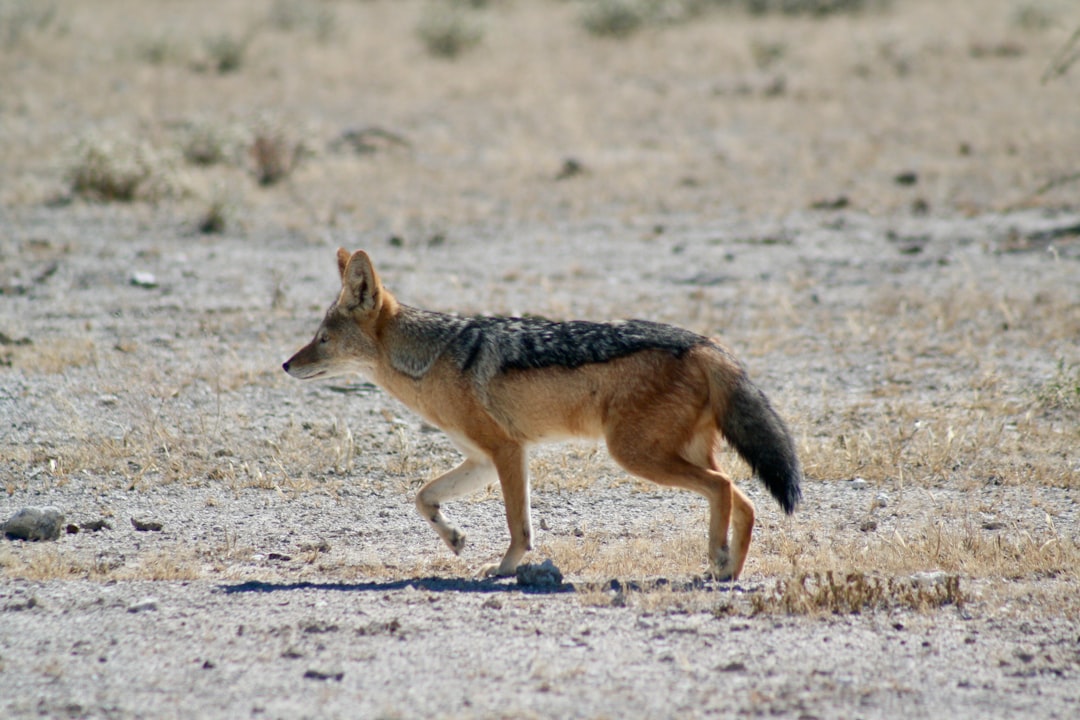
Coyote, in the mythology and folklore of the North American Plains, California, and Southwest Indians, the chief animal of the age before humans. Yet this description barely scratches the surface of his complexity. Coyote’s exploits as a creator, lover, magician, glutton, and trickster are celebrated in a vast number of oral tales. He was typically portrayed as a demiurge (independent creative force), as a maker of fateful decisions, as the being who secured for humans such necessities as fire and daylight, and as the originator of human arts.
What’s fascinating is how Coyote defies simple categorization. In some Native American coyote myths, Coyote is a revered culture hero who creates, teaches, and helps humans; in others, he is a sort of antihero who demonstrates the dangers of negative behaviors like greed, recklessness, and arrogance; in still others, he is a comic trickster character, whose lack of wisdom gets him into trouble while his cleverness gets him back out.
Cultural Variations Across Tribal Nations
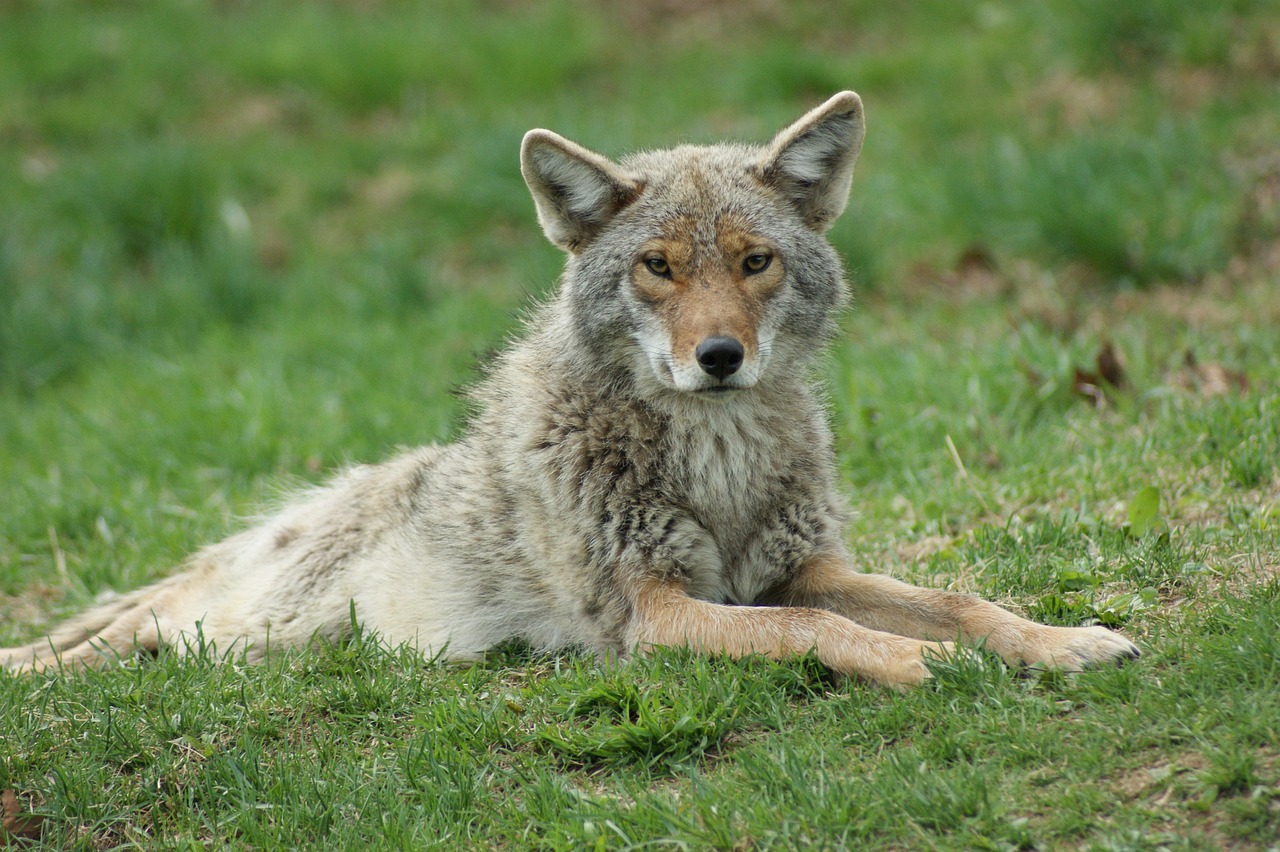
The beauty of Coyote lies in his adaptability to different cultural contexts. Coyote is featured in the mythology of numerous peoples from the area covered by the modern state of California, including the Achomawi and Atsugewi, the Chumash, the Diegueños, the Gallinoméro, the Juaneño, the Karok, the Luiseño, the Maidu, the Miwuk, the Pomo, the Rumsen, the Shasta, the Sinkyone, the Wappo, the Yana, and the Yokuts. Each tribe has crafted their own unique interpretation of this shape-shifting figure.
This cultural flexibility sometimes leads to interesting contradictions. A Navajo storyteller once denied that a Coos story about Coyote stealing salmon was really a Coyote story at all, noting that in Navajo country, coyotes don’t eat fish. Such regional differences remind us that Coyote isn’t a single character but rather a living tradition that adapts to local landscapes and needs.
The Sacred Fire Bringer
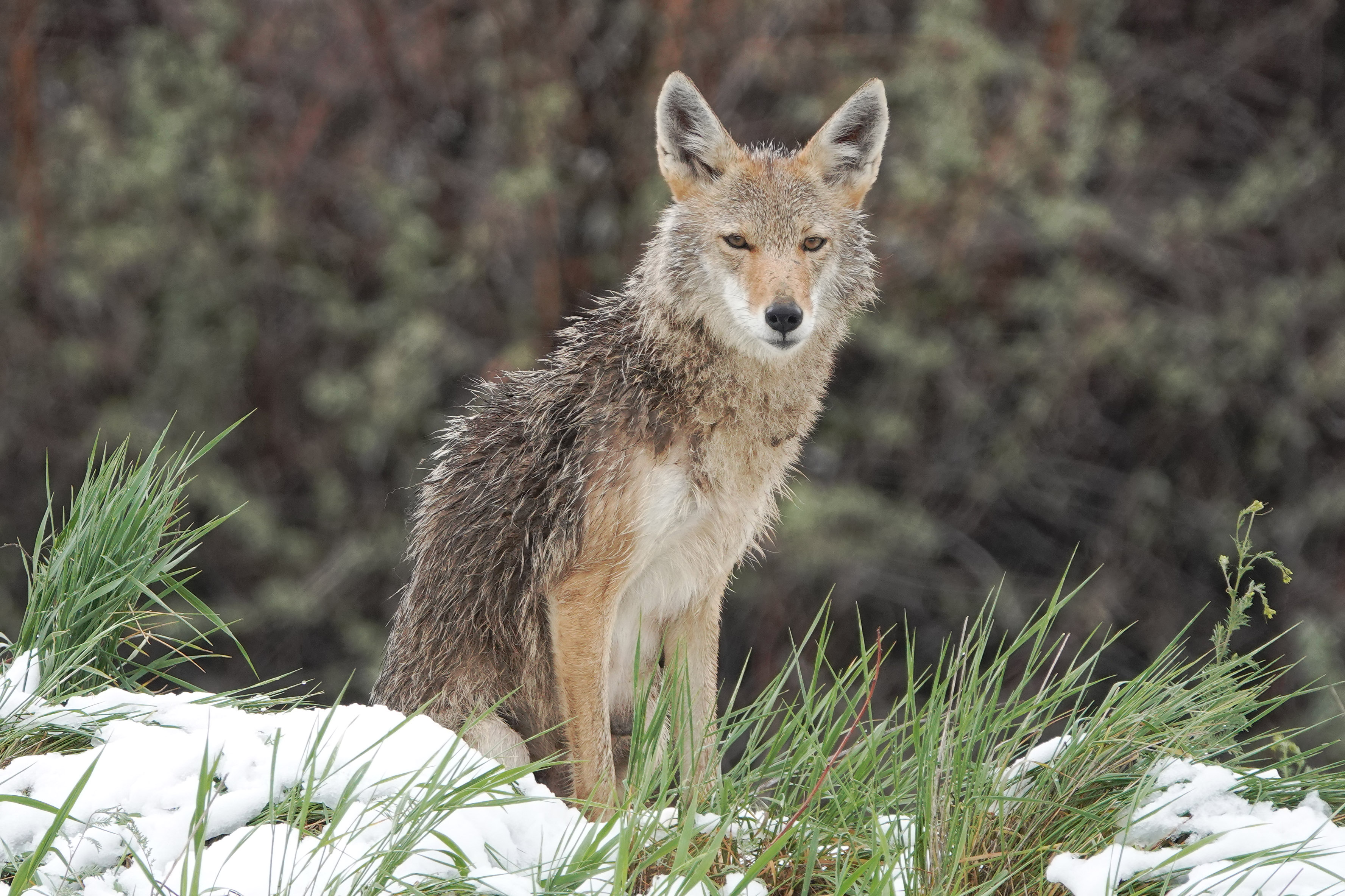
He was typically portrayed as a demiurge (independent creative force), as a maker of fateful decisions, as the being who secured for humans such necessities as fire and daylight, and as the originator of human arts. Among Coyote’s most celebrated achievements is the gift of fire to humanity. This wasn’t simply a practical contribution – it represented the bridge between the celestial and terrestrial worlds.
One day Coyote wandered by the human village. He could hear the wailing of the humans as they mourned their loved ones who had died in the cold of winter. Coyote was not of the People and had no need for fire, but he felt sorry for the men and women who were sad about the others who had died. This compassionate motivation sets Coyote apart from mere trickery – he acts from genuine empathy for human suffering.
Master of Transformation and Chaos
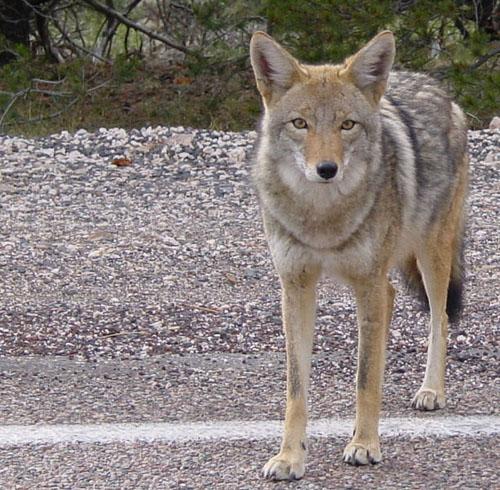
Coyote is an irresponsible and trouble-making character who is nevertheless one of the most important and revered characters in Navajo mythology. Coyote is a key figure in Navajo mythology, and of all the figures in Navajo mythology, Coyote (Mąʼii) is the most contradictory. This contradiction forms the heart of his appeal – he’s simultaneously the cause of problems and their solution.
In all cases, his transgression of normative social boundaries frequently resulted in social or physical chaos, a situation resolved in each folktale’s conclusion. However, this chaos isn’t meaningless destruction. Like a forest fire that clears the underbrush for new growth, Coyote’s disruptions often lead to positive change and deeper understanding.
The Teacher Through Mischief
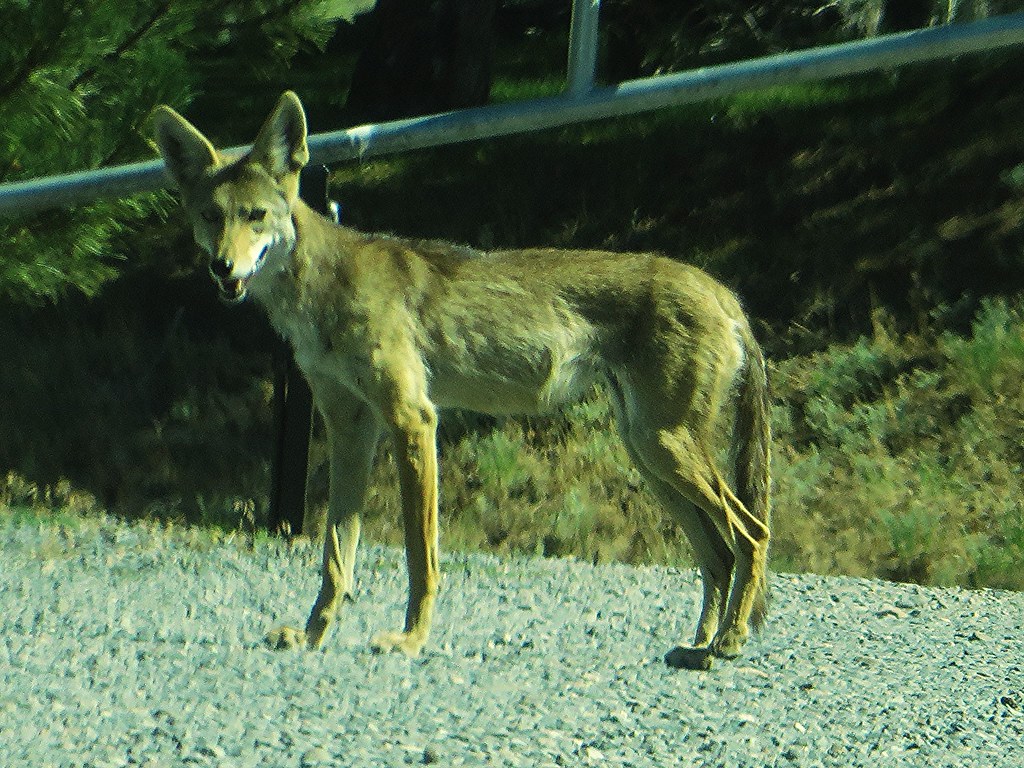
The trickster tales are often used as teaching tools for children, espousing moral lessons, teaching etiquette, and posing philosophical questions. Coyote’s pedagogical method is unique – he teaches by example, often negative example. The point of “The Coyote and the Lizards” is to listen to your elders. Through his mistakes, listeners learn what not to do.
The figure of the coyote is often marked by mischief, cunning, trickery, impatience, and gluttony, as well as vanity, foolishness, and greed. Yet these very flaws make him relatable and his lessons memorable. Children remember the consequences of greed or arrogance when they see Coyote suffer them firsthand.
Spiritual Significance and Ceremonial Role
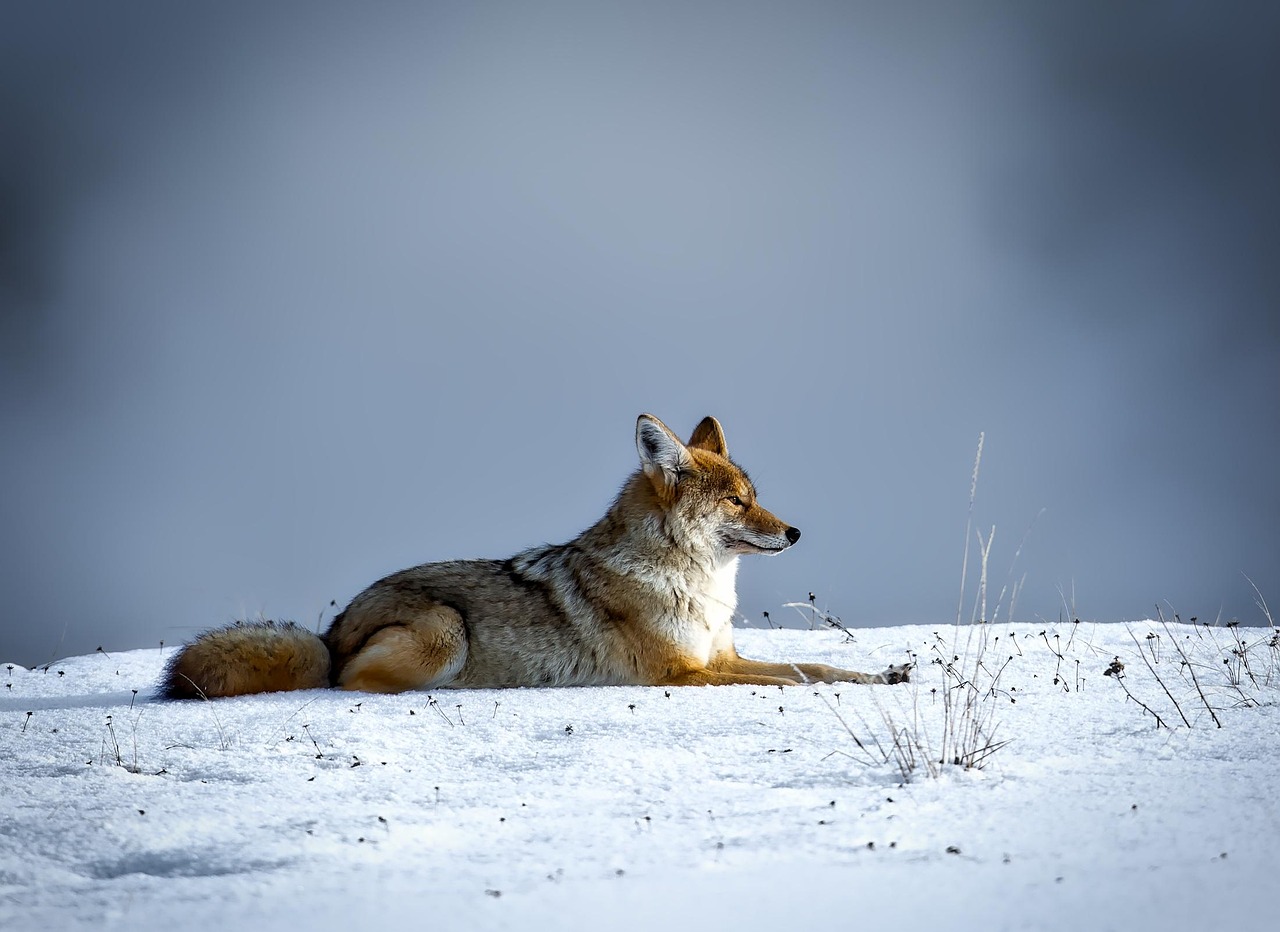
Coyote is the tutelary spirit of Coyoteway, a healing ceremony. Coyoteway aims to restore harmony with an offended Holy person or persons, in this case Coyote People (including foxes and wolves). This reveals a deeper spiritual dimension – Coyote isn’t just entertainment but an active force in healing and restoration.
Navajo religion and cosmology rests on a conception of order, necessary for survival and health. Coyote challenges and thereby authenticates and legitimizes the order established in the Navajo universe. By testing boundaries, Coyote paradoxically strengthens them, proving their necessity through his transgressions.
The Eternal Survivor and Modern Relevance
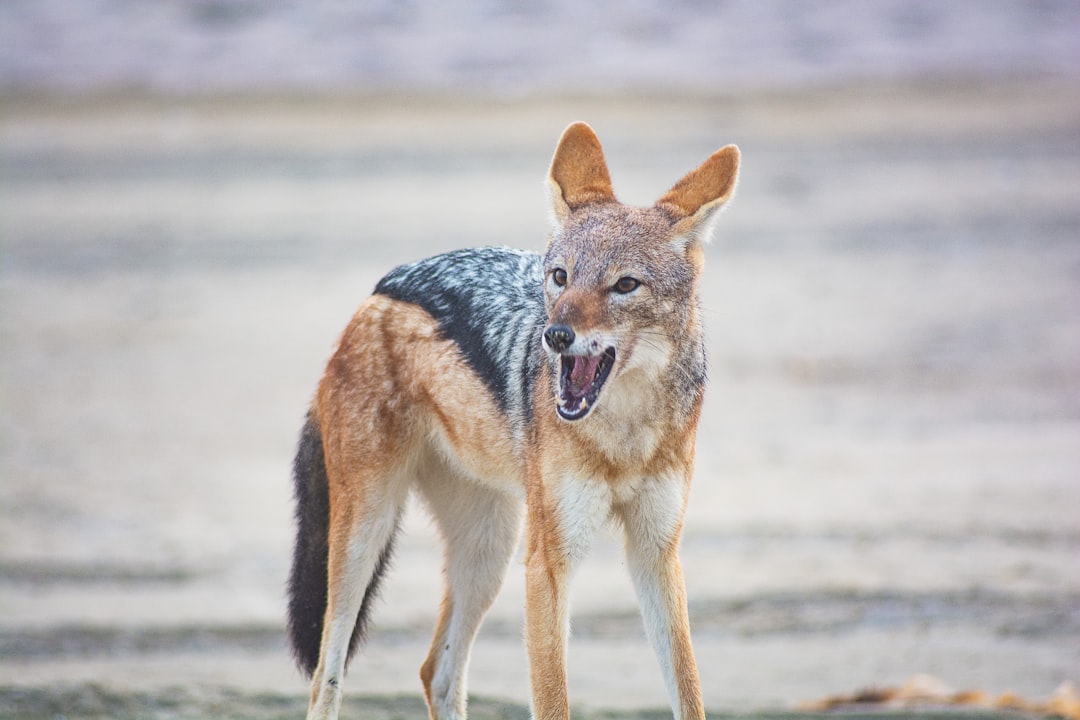
In his comic and mythic modes, as in the well known Nez Perce “Orpheus” story, “Coyote and the Shadow People,” he projects the fullest, most compelling image of human nature to be found in the traditional Native story-repertories. Coyote embodies our contradictions – our nobility and our foolishness, our wisdom and our ignorance, our capacity for both creation and destruction.
Coyote stories are still popular in Oregon’s Indian communities today, both traditional tales and Coyote adventures set in the modern world. This adaptability ensures Coyote’s continued relevance. Like the animal he represents, the mythical Coyote survives by adapting, finding new ways to teach old truths in changing times.
Conclusion: The Enduring Legacy of the Wise Fool
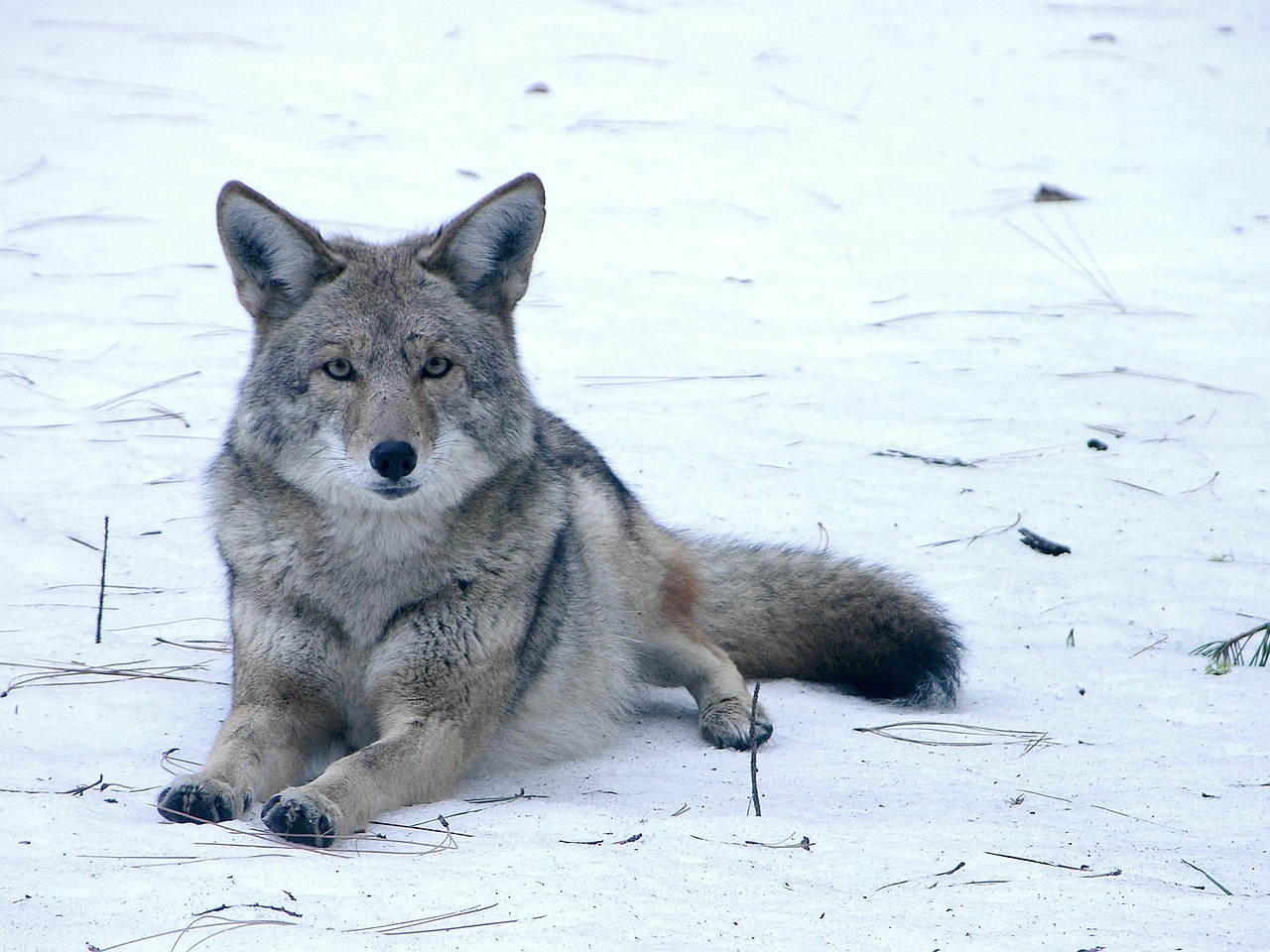
Coyote represents something profound in the human experience – the understanding that wisdom often comes through folly, that creation requires destruction, and that the most important lessons are learned through making mistakes. Coyote is a unique being, one who, in Toelken’s words “experiences everything: he is, in brief, the exponent of all possibilities”. In our modern world of rigid categories and binary thinking, Coyote offers a refreshing reminder that truth often lies in contradiction and paradox.
His stories continue to resonate because they speak to universal human experiences – the struggle between impulse and wisdom, the price of curiosity, the necessity of change. Whether stealing fire from the gods or teaching children about the consequences of greed, Coyote remains what he has always been: a mirror reflecting our own complex nature back to us. What aspects of yourself do you recognize in the wise trickster’s endless adventures?

- Game of Thrones Houses as U.S. Animals – From Bison to Alligators? - August 12, 2026
- Which Creature Matches Your Zodiac Sign’s Reaction to Chaos - August 12, 2026
- 10 Fascinating Facts About Fireflies That Make Summer Nights Feel Magical - August 12, 2026