

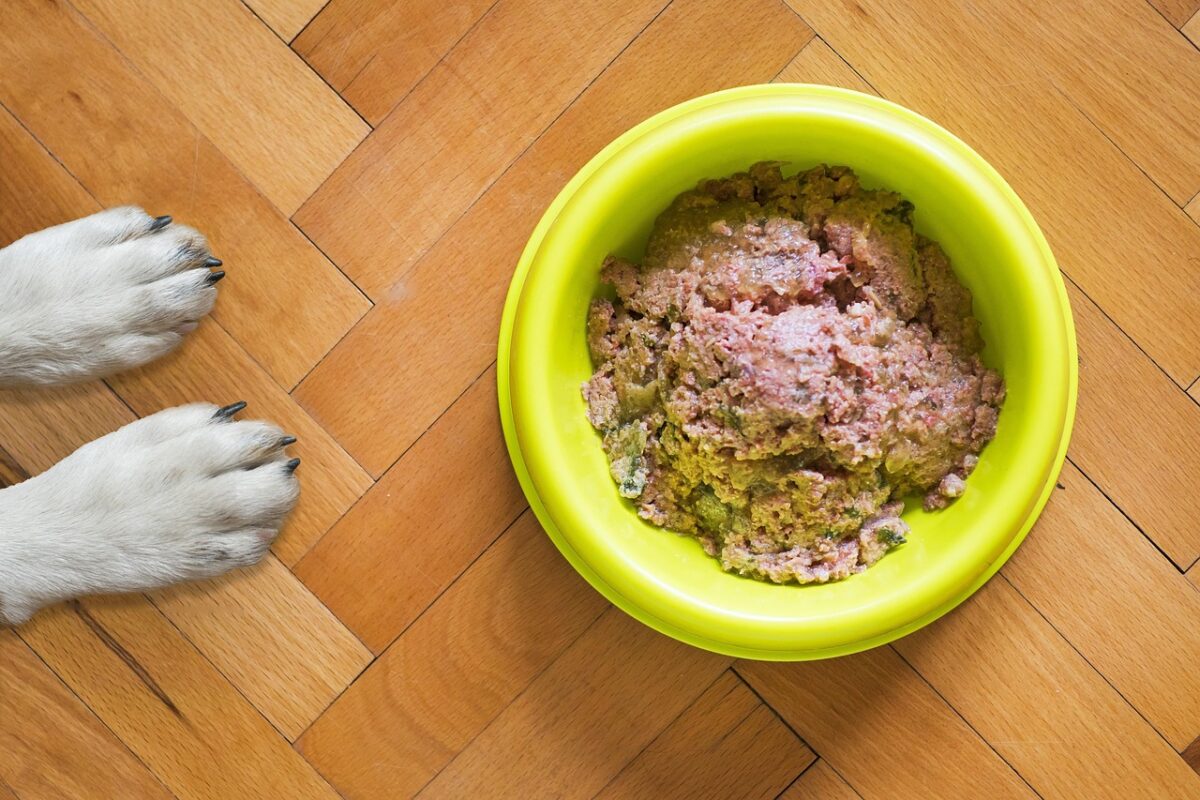
Life Stages Dictate Unique Nutritional Demands (Image Credits: Pixabay)
Pet owners seeking to optimize their dogs’ and cats’ well-being turn to wet food for its hydration benefits and palatability.
Life Stages Dictate Unique Nutritional Demands
Puppies and kittens require substantially higher levels of calories, protein, fats, calcium, and phosphorus to support explosive growth phases.[1]
Foods formulated specifically for these young animals ensure proper development. Adult pets, typically past one year for cats and smaller dogs or up to two years for larger breeds, thrive on balanced diets with moderate protein and fat levels for daily maintenance. Seniors face different challenges, including slower metabolisms and joint issues, so their wet foods often feature reduced calories, added glucosamine and chondroitin for mobility, and controlled phosphorus to protect kidney function.[1]
Activity levels influence needs further – highly active pets demand more energy – while breed size, specific health conditions, and weight goals require tailored approaches. Veterinarians provide invaluable guidance for these profiles. Consider these age-based priorities:
- Puppies/kittens: Growth-focused with elevated nutrients.
- Adults: Maintenance balance.
- Seniors: Support for aging bodies.
Quality Ingredients Start with Smart Label Scrutiny
Premium wet foods list specific animal proteins like chicken, beef, or salmon as the first ingredient, signaling high-quality protein sources.[1]
Recognizable whole foods such as sweet potatoes, blueberries, or brown rice add essential vitamins, minerals, and fiber. Shoppers should minimize options heavy in fillers like corn, wheat gluten, or vague “meat meals,” along with artificial colors, flavors, and preservatives that might trigger sensitivities. Guaranteed analysis panels reveal protein, fat, and moisture content, while AAFCO statements confirm completeness for life stages. Country of origin often indicates rigorous quality controls.
Transparency empowers better decisions. Prioritize these ingredient hallmarks:
- Named meats at the top.
- Nutrient-rich veggies and fruits.
- No unnamed by-products or excess carbs.
Texture Varieties Cater to Preferences and Health
Wet foods deliver 75-85% moisture, aiding hydration crucial for urinary health in cats and overall wellness.[1]
Different consistencies appeal to varied tastes and needs – pâté offers smoothness ideal for seniors with dental problems or picky eaters, while chunks in gravy provide hearty satisfaction. Shredded or flaked styles mimic natural prey, enticing finicky cats and dogs alike. Mousses suit recovering pets, and stews deliver a chunky, vegetable-packed homestyle feel.
Test small portions to gauge enthusiasm, stool quality, coat shine, and energy levels. Packaging like cans, pouches, or trays affects convenience, with specialized formulas targeting issues like hairballs or digestion. The table below outlines key options:
| Texture | Ideal For |
|---|---|
| Pâté | Seniors, dental issues |
| Chunks in Gravy | Variety seekers |
| Shredded/Flaked | Picky eaters |
| Mousse/Stew | Illness recovery, homestyle fans |
Transition Strategies Ensure Smooth Adoption
Switching wet foods demands gradual introduction over 7-10 days to avert digestive upset.[1]
Begin by mixing tiny amounts of the new food with the familiar one, ramping up slowly. Warm portions slightly to boost aroma, enticing hesitant eaters. Observe for allergies, aversions, or distress signals like vomiting or lethargy.
Store leftovers refrigerated and consume within 2-3 days. Consistency prevents rejection, though patience may involve multiple trials. Follow these steps for success:
- Mix incrementally.
- Monitor closely.
- Warm and store properly.
- Stick to routines.
Key Takeaways
- Match food to life stage for targeted nutrition.
- Seek named proteins and minimal fillers.
- Experiment with textures for acceptance.
Superior wet food fosters vibrant energy, lustrous coats, and enduring companionship through thoughtful selection. What wet food variety works best for your pet? Share in the comments.

- Urban Coyotes Show Remarkable Adaptability, Learning to Thrive in City Environments - July 22, 2026
- Beavers Are Nature’s Engineers, Creating Vital Habitats for Other Wildlife Species - July 21, 2026
- The Recovery of the California Condor Offers Hope for Other Critically Endangered Birds - July 21, 2026