


When the author looked into Morris’s warm, brown eyes and received a gentle lick on the cheek, she felt understood, comforted — certain he was empathizing. But was that comforting gesture truly empathy… or merely curiosity or a taste of mayo?
Understanding from the Start

Dogs and cats have formed a deep companionship with humans over millennia. Scientists like Dr Jon Bowen explain that dogs respond to our emotional cues—our facial expressions, tone, eye contact—and that shared oxytocin release reinforces the bond. Eye-tracking studies show dogs focus on human facial muscles, not just the ears like they do with other dogs.
Empathy—or Emotional Contagion?

Pet owners describe heartfelt reactions—like labradors comforting grieving families or cats snuggling up during stress —suggesting empathy. But scientists highlight key distinctions:
- Emotional contagion: pets subconsciously mirror our emotions.
- Top‑shelf empathy: involves pausing, understanding, and acting to alleviate our distress
Some experiments show dogs comforting strangers—not just owners—hinting at deeper emotional understanding .
Cats: Misunderstood Companions
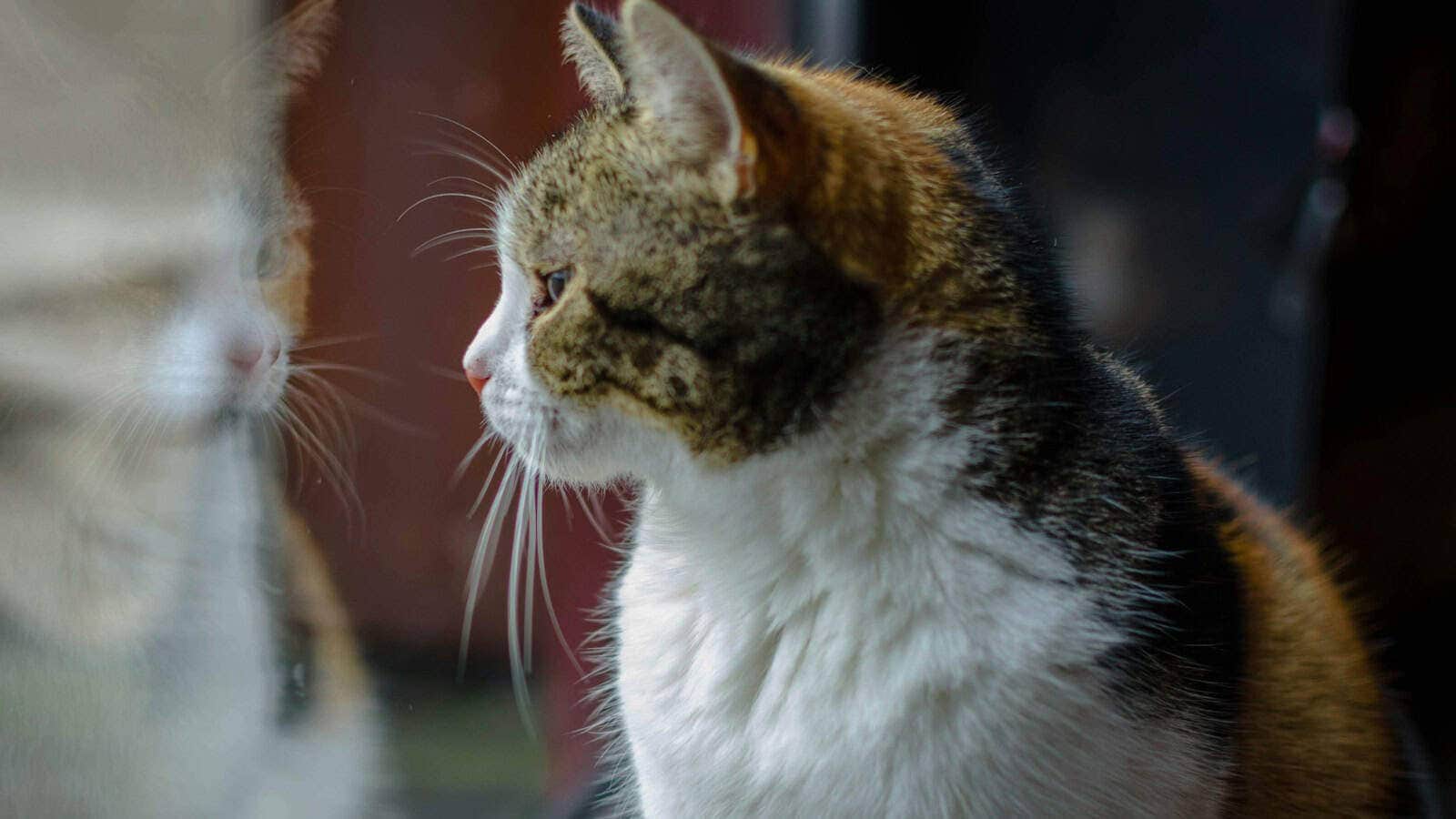
While cats evolved as solitary hunters, pets like Morris and Harry adapt their behaviors around humans. In experiments, cats paused and groomed when their owners feigned distress—an ambiguous but telling response . Cat owners share similar stories: snuggles during meditation or seeking solace after fights.
Human Interpretation vs. Animal Behavior

Research shows humans often misread pet expressions based on context. For instance, “guilty looks” likely stem from fear, not remorse. A major study found people judged dog emotions from setting—not actions. We project our feelings onto them, shaping perceived behavior.
Why the Connection Still Matters

Whether by empathy or behavioral response, the emotional comfort our pets provide is real. Owners report deeper bonds and relief during hardship. Understanding pets individually—respecting their needs and quirks—helps reinforce these bonds.
Watching, Learning, Respecting

Dogs primarily focus on human facial cues, while cats use varied vocalizations and behaviors to communicate. Knowing this, we can respond thoughtfully:
- Let dogs approach us gently; avoid imposing affection.
- Learn specific cat sounds—chatty, demanding, purry.
- Give our pets space to express comfort—not force interaction.
Our pets may not hold human-like empathy, but they forge bonds uniquely shaped by evolution, observation, and emotional resonance. In the nexus of companionship, context, and care, they enrich our lives profoundly—even if we can’t fully decipher their thoughts.

adventuring, photography and videography. I am currently working towards a BSc in Biodiversity and Ecology at Stellenbosch University to go on to specialise in Marine Sciences one day.
Please send any feedback to Feedback@animalsaroundtheglobe.com
- The Science Behind Porcupines and Affection - July 27, 2026
- TOP 21 Animals That Call The Olympic National Park Home - July 27, 2026
- Dog Chases Sea Lions Off Of A Dock - July 27, 2026