

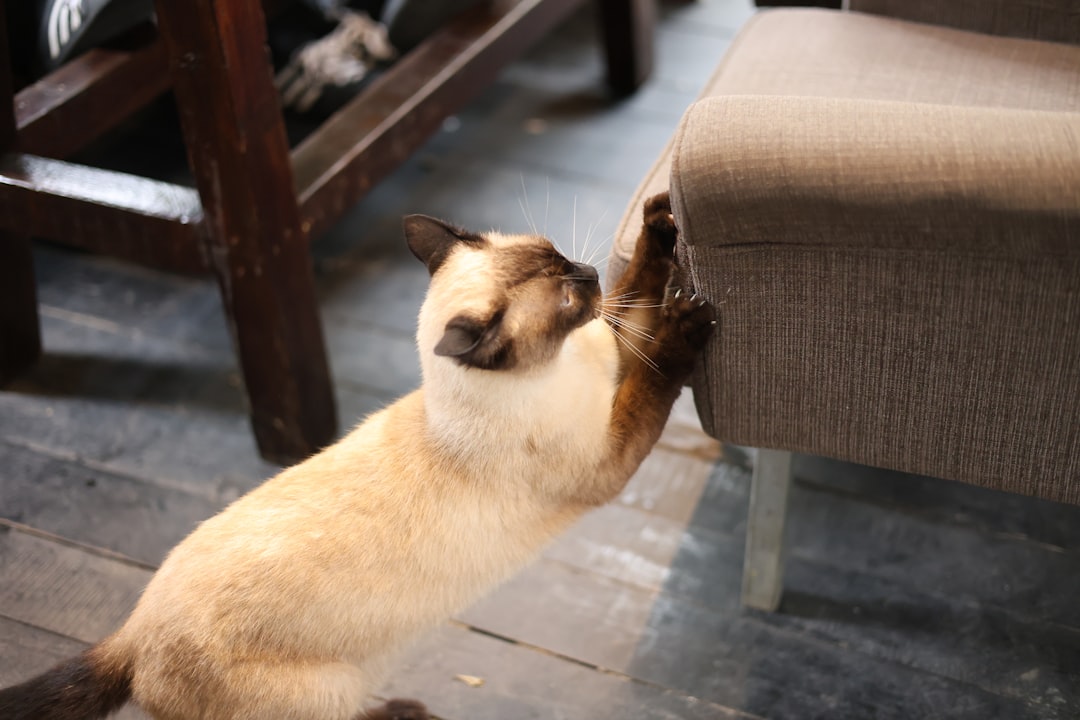

Why Cats Scratch and How It Affects Your Home (Image Credits: Unsplash)
Cats instinctively sharpen their claws on surfaces around the home, turning cherished sofas and chairs into unintended targets.
Why Cats Scratch and How It Affects Your Home
Scratching serves multiple purposes for felines, from maintaining claw health to communicating territory. This natural behavior, rooted in their wild ancestry, helps remove old nail layers and leaves scent marks through glands in their paws. When cats choose furniture over designated posts, owners face shredded upholstery and escalating frustration.
Veterinarians note that stress or boredom often amplifies this habit. A sudden increase in scratching might signal underlying issues like anxiety or even medical discomfort. Addressing the root causes proves more effective than punishment, which can worsen the problem by heightening a cat’s stress levels.
Supply Scratching Posts and Alternatives
One of the most straightforward solutions involves offering appealing substitutes that satisfy a cat’s needs. Place a sturdy scratching post near the affected furniture to redirect the behavior seamlessly. Experts recommend posts covered in sisal rope or cardboard, materials that mimic the texture cats prefer over soft fabrics.
Variety keeps interest alive; some cats favor vertical towers, while others opt for horizontal pads. Secure the post firmly to prevent tipping, which could discourage use. Regular rotation of these items around the home encourages exploration and reduces fixation on one spot. Over time, cats learn to associate these alternatives with positive reinforcement, such as treats or play sessions.
Use Safe Deterrents to Protect Upholstery
Deterrents create an unappealing environment for scratching without harming the cat. Sticky tapes or plastic guards applied to furniture edges make the surface uncomfortable for paws. Citrus-based sprays, leveraging cats’ aversion to strong smells like lemon or orange, provide a non-toxic barrier when reapplied periodically.
Aluminum foil crinkled over cushions offers another tactile deterrent, as the noise and texture often repel felines. Test these on a small area first to ensure no damage to fabrics. Consistency matters; combine deterrents with positive alternatives for lasting results. Pet stores carry commercial products designed specifically for this purpose, backed by veterinary approval for safety.
Incorporate Training and Routine Changes
Training begins with observation: note when and where scratching occurs to intervene early. Gently guide the cat to a scratching post during episodes, rewarding compliance with affection or toys. Consistency in this approach builds habits over weeks, transforming instinctive actions into directed ones.
Environmental adjustments, such as trimming nails every few weeks, reduce damage potential. Use pet-safe clippers and consult a vet for technique if new to the process. Enriching daily routines with playtime curbs excess energy that fuels destructive behaviors. These steps foster a harmonious home without resorting to harsh measures.
Seek Veterinary Guidance for Persistent Issues
When home efforts fall short, a veterinarian can rule out health problems contributing to excessive scratching. Conditions like allergies or arthritis might prompt unusual behaviors, requiring tailored treatment. Vets often suggest pheromone diffusers that mimic calming scents to ease stress-related habits.
Professional trimming services or recommendations for specialized posts come in handy for multi-cat households. Early consultation prevents escalation, ensuring both pet and furniture remain in good condition. Owners report significant improvements after implementing vet-suggested plans.
- Sisal-wrapped posts for vertical scratching.
- Cardboard scratchers for horizontal preferences.
- Wall-mounted options to save floor space.
- Catnip-infused varieties to boost appeal.
- Durable models that withstand vigorous use.
Key Takeaways
- Redirect scratching with appropriate posts to meet natural instincts.
- Combine deterrents like citrus sprays with positive reinforcement for best results.
- Consult a vet if behavior persists, as it may indicate health concerns.
Protecting furniture starts with understanding and accommodating a cat’s needs, leading to a scratch-free home through patience and the right tools. What strategies have worked for your feline friend? Share in the comments below.

- Urban Coyotes Show Remarkable Adaptability, Learning to Thrive in City Environments - July 22, 2026
- Beavers Are Nature’s Engineers, Creating Vital Habitats for Other Wildlife Species - July 21, 2026
- The Recovery of the California Condor Offers Hope for Other Critically Endangered Birds - July 21, 2026