


Getting your first dog should be one of life’s most exciting adventures, but it can quickly turn into a nightmare if you pick the wrong breed. While every dog has unique personality traits, some breeds demand experience levels that most first-time owners simply don’t have. What looks adorable at the pet store might become an overwhelming handful at home, leading to stress, behavioral problems, and sometimes even heartbreak.
Veterinary experts consistently warn against certain breeds for novice owners, pointing to breeds like Border Collies, Dobermans, Belgian Malinois and Rottweilers as particularly challenging. These aren’t necessarily “bad” dogs, but they require specialized knowledge, consistent training, and often more time and energy than first-time owners realize.
Border Collie – The Workaholic Who Never Sleeps
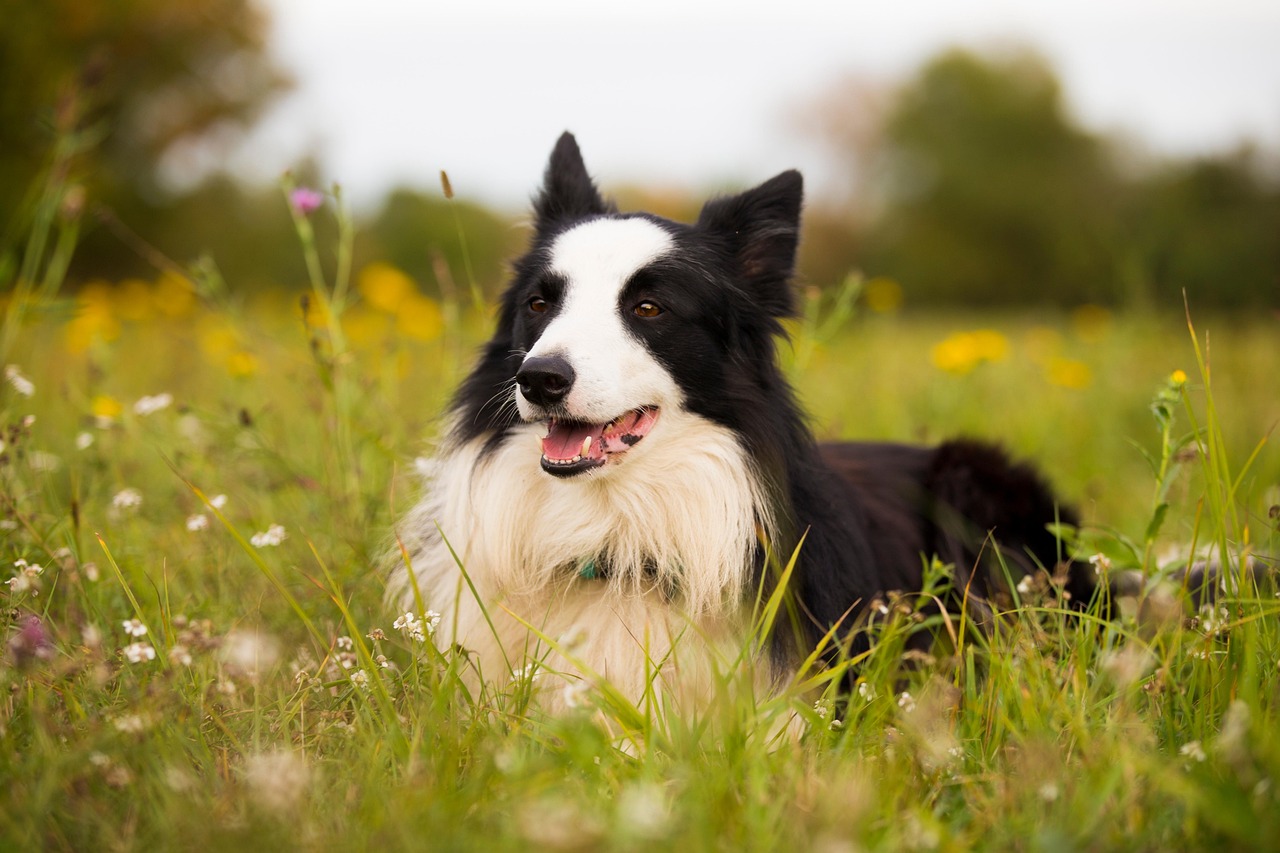
You’ve probably seen Border Collies in movies, gracefully herding sheep with laser focus and intelligence that seems almost human. What you don’t see is what happens when that same intensity gets trapped in your living room with nothing meaningful to do. Without adequate outlets for their energy and smarts, Border Collies “will be prone to nipping and developing destructive and aberrant behaviors”. Think chewed furniture, scratched walls, and a dog who’s basically redesigning your home while you’re at work.
Border Collies are considered the most intelligent dogs since they need less than five repetitions to understand a new command. But here’s the catch – intelligence without direction becomes destruction. Many owners find they need to provide 1½ to 2 hours of exercise daily, and that’s just the physical part. These dogs need mental challenges that would tire out a chess grandmaster.
Rottweiler – The Gentle Giant with Serious Responsibility
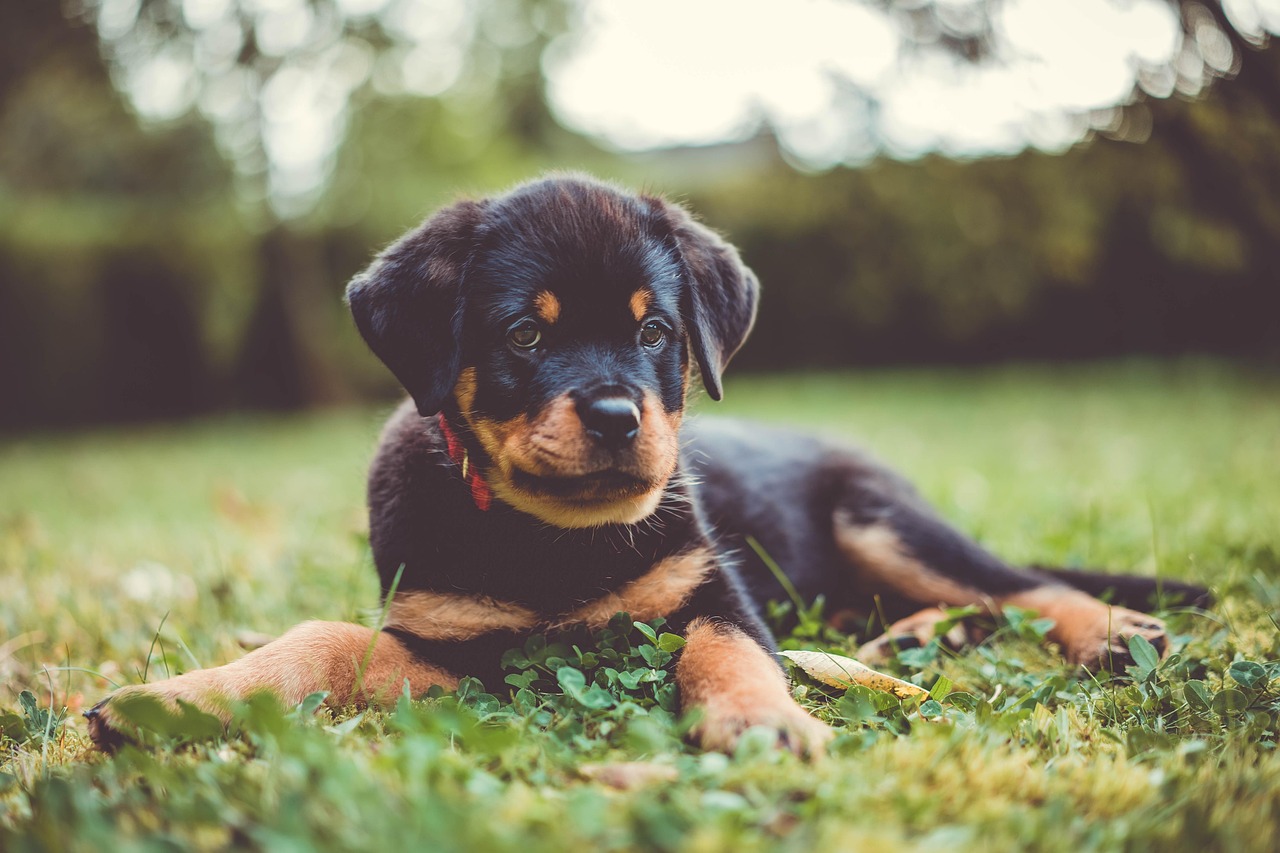
Rottweilers can be absolute sweethearts, but they’re also walking muscle machines that can weigh up to 135 pounds. Weighing 80-135 pounds with deeply ingrained guarding instincts, it might be difficult for first time owners to properly train and handle a Rottweiler, as their strength means adolescent rebellion could escalate without an experienced leader. Imagine trying to control a rebellious teenager who happens to outweigh you and has the strength to back up their attitude.
Although he can be a gentle giant, the wrong Rottweiler with the wrong owner can truly be a scary dog, as a Rottweiler wants someone to be the boss, and if you’re not taking the job, he will. This isn’t about dominance theory – it’s about consistency and confidence that new dog owners often haven’t developed yet.
German Shepherd – The Overachiever Who Demands Excellence
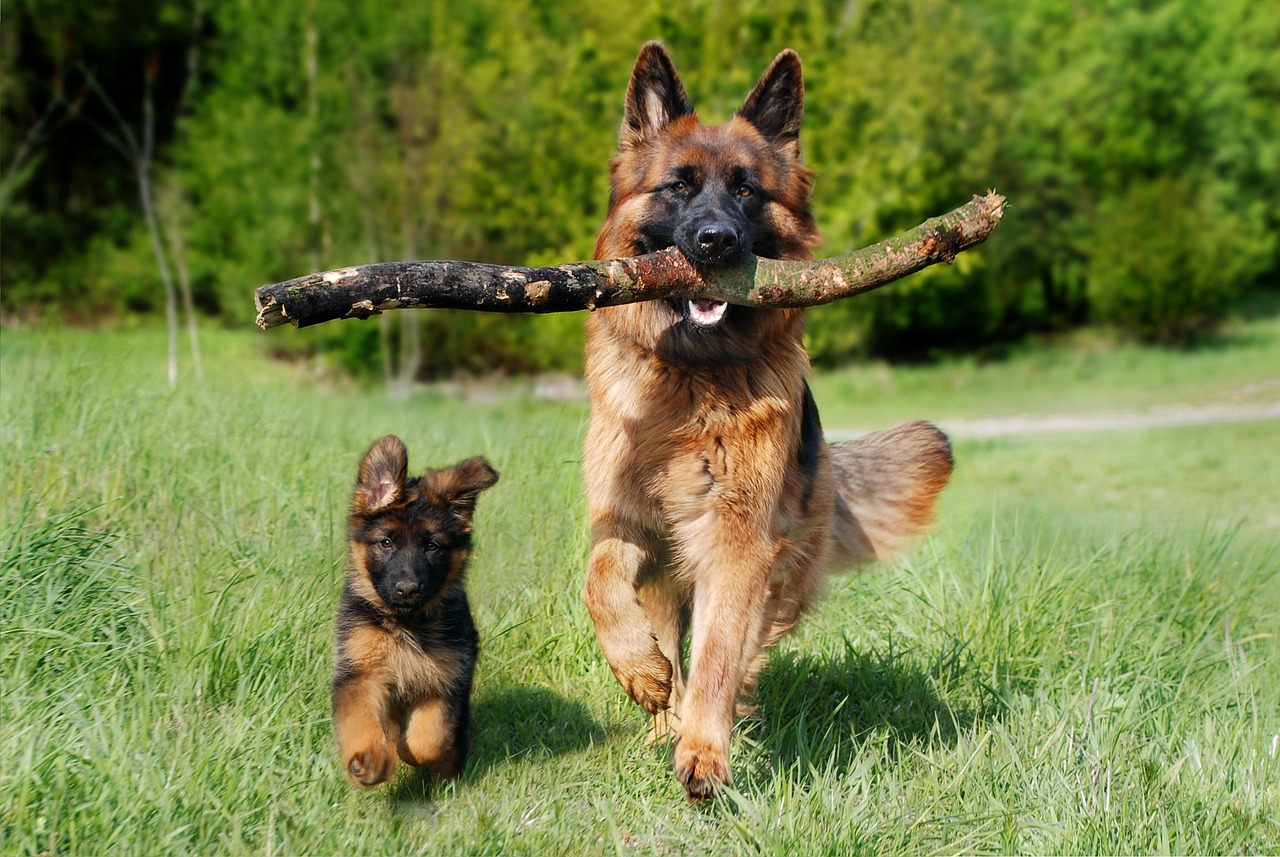
Originally working canines, German Shepherds need focused owners providing rigorous activity and training, and with their large size, protective instincts and likelihood of aggression issues without proper handling, veterinarians caution against this breed for first-timers. These dogs don’t just want a job – they need one. Without proper mental stimulation, they’ll create their own entertainment, and trust me, you won’t like their version of fun.
German Shepherds are like that overachieving student who makes everyone else look lazy. The intelligent breed not only requires serious amounts of exercise, but also needs plenty of mental stimulation, meaning you’ll have to stay sharp. They’re constantly evaluating your leadership skills, and if you fail their test, they’ll take matters into their own paws.
Doberman Pinscher – The Suspicious Bodyguard
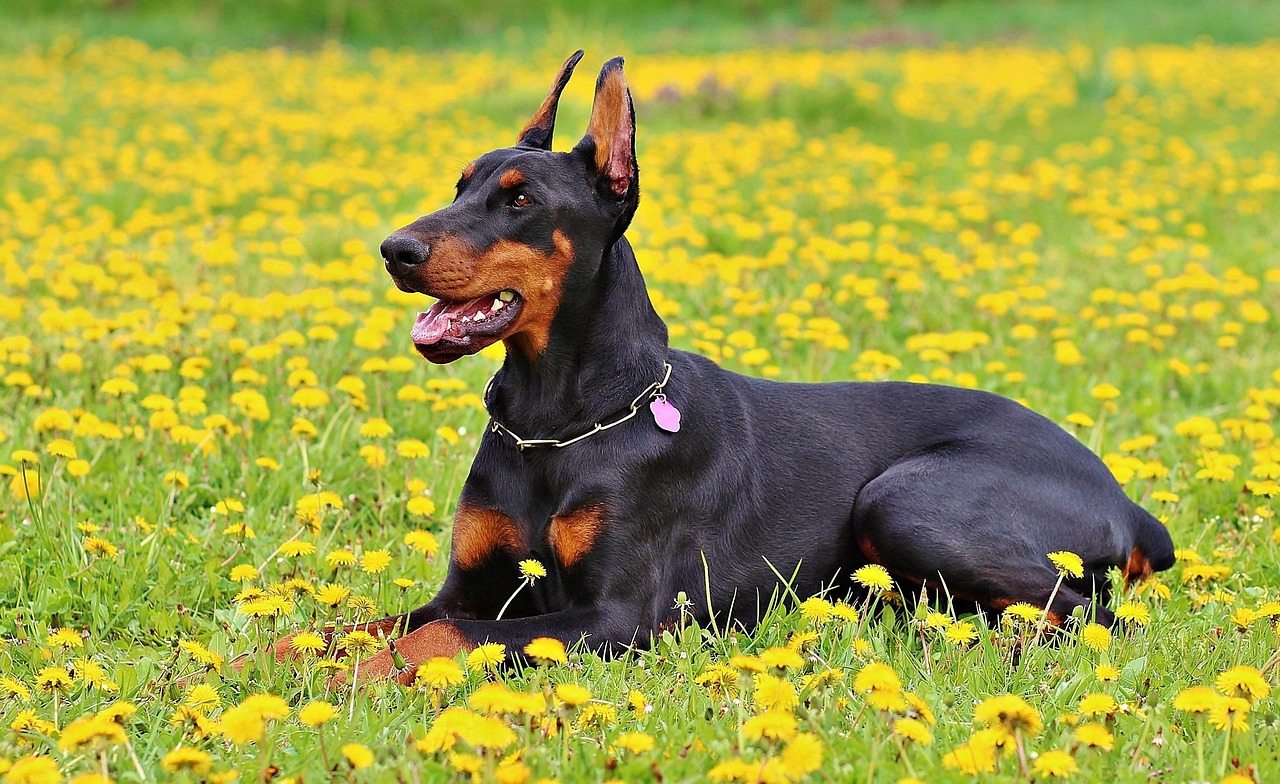
Developed as a guard dog, the Doberman typically has an innate ability not only to protect her family but also to anticipate danger and threats, but if the Doberman isn’t socialized and trained to behave appropriately around strangers, she may show excessive suspicion of guests in your home – suspicion that can turn into aggression. These dogs are basically living security systems that never clock out.
Dobermans need rigorous physical and mental exercise, proper socialization, and firm handling, and if left alone extensively, their protective traits and separation anxiety often create “aggressive incidents”. For first-time owners, managing a dog whose default setting is “potential threat detected” requires skills they simply haven’t developed yet.
Belgian Malinois – The Navy SEAL of Dogs
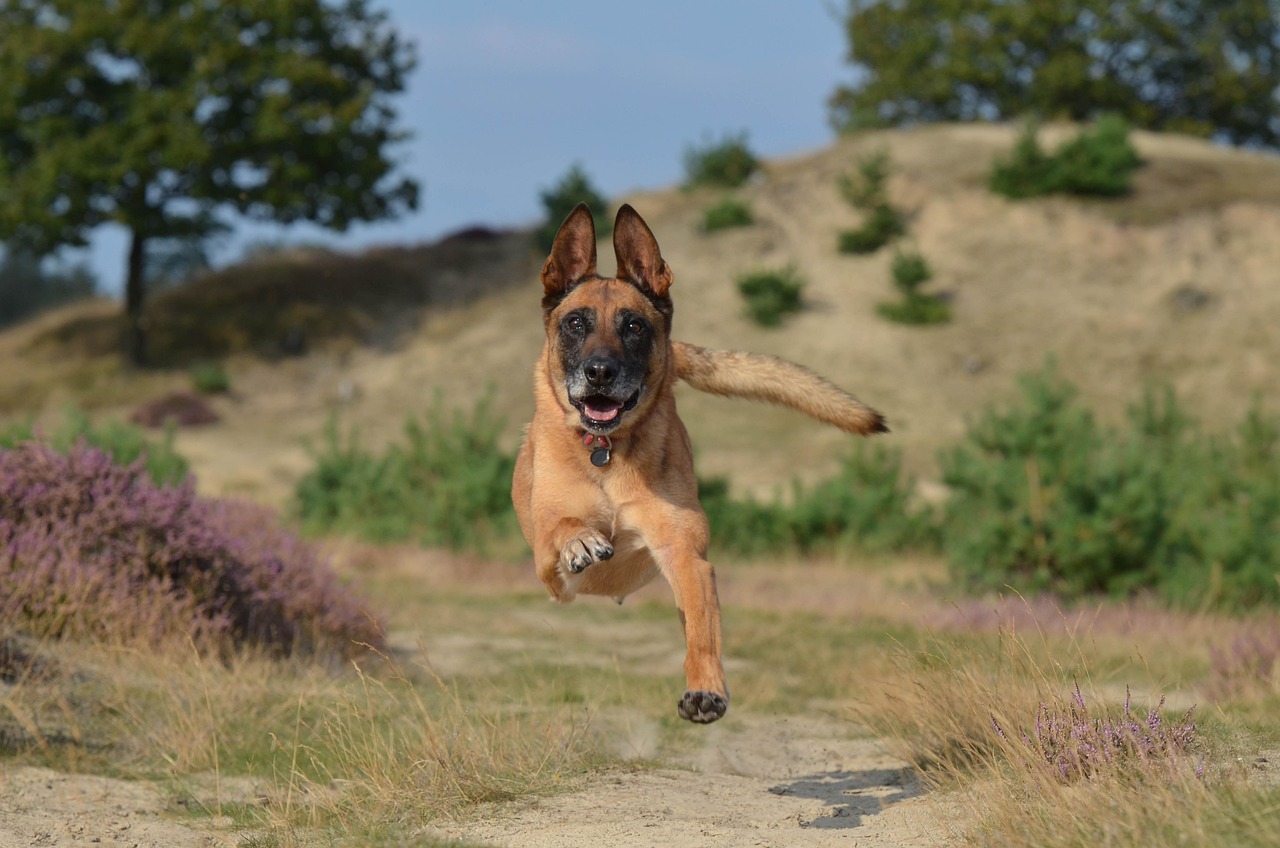
Belgian Malinois are the dogs you see working with police and military units, and there’s a reason for that. Their intelligence makes them fast learners, but also requires experienced handlers, and without consistent professional-level training and socialization, they may develop overprotective or reactive tendencies that can overwhelm new dog owners. These aren’t weekend warriors – they’re full-time athletes who live and breathe intensity.
They require far more than a walk around the block and thrive on long runs, agility training, or advanced obedience activities, as without structured outlets, they may develop destructive behaviors like chewing furniture, digging, or pacing. Think of them as Olympic athletes who need constant training to stay happy and balanced.
Siberian Husky – The Beautiful Escape Artist
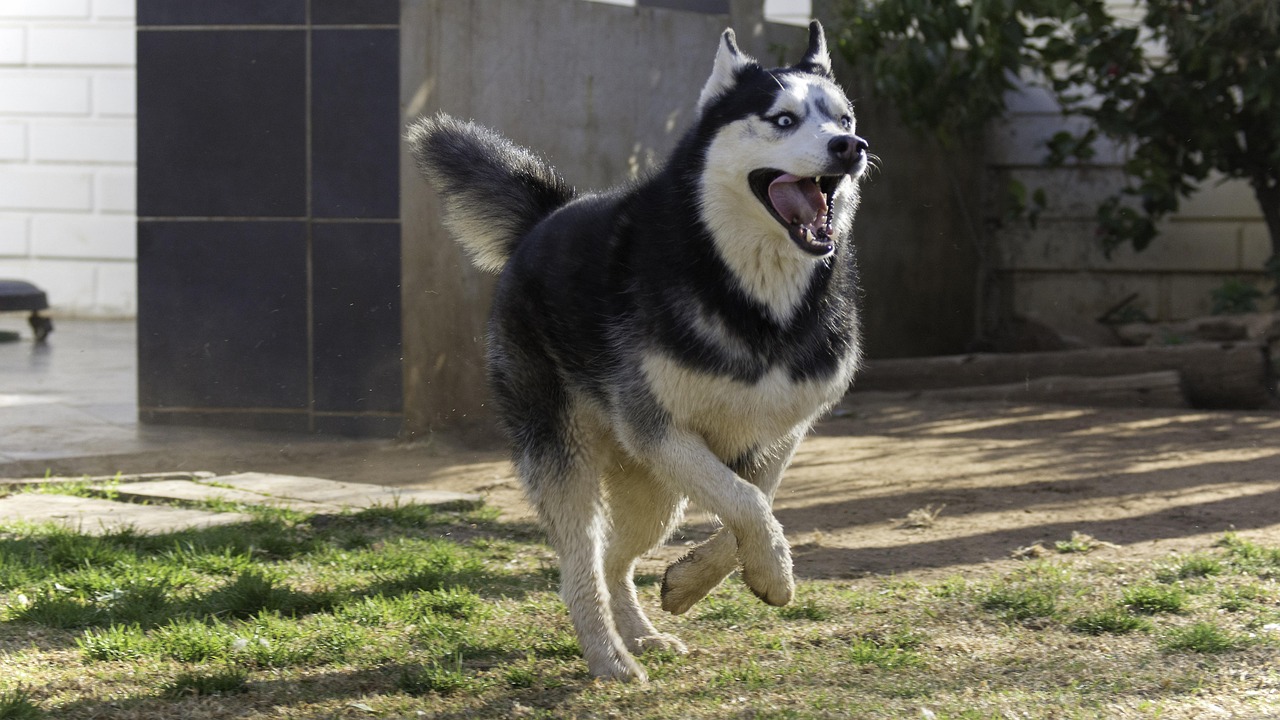
The Siberian Husky is a happy, independent dog that loves cold environments and is energetic, requiring plenty of exercise to maintain their happy mood, and they need plenty of space to run freely and cannot live in an apartment. These stunning dogs were literally bred to run for miles in harsh conditions, and that drive doesn’t just disappear because they’re now living in suburbia.
It’s no secret that the Alaskan Malamute sheds – a lot – but that’s not the only red flag, as she’s often an incredible escape artist, a world-class leash puller, and a challenge with other dogs and even more difficult with cats or other small animals. Imagine having a beautiful, wolf-like roommate who’s constantly plotting their next great escape and leaves enough fur to knit a sweater weekly.
Akita – The Dignified Loner
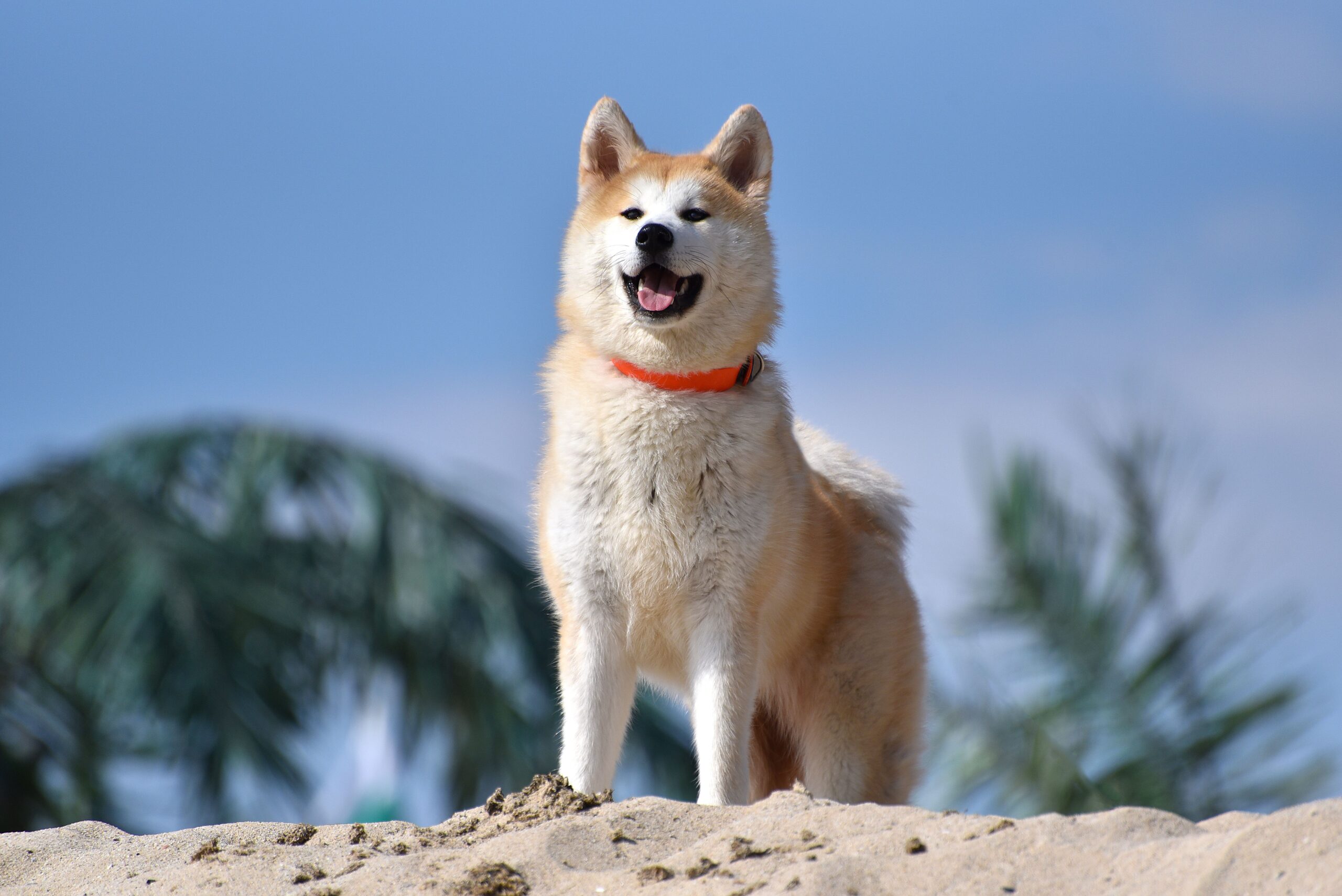
Bred for guarding, they are extremely loyal dogs that resist training for their territorialism, and they may create problems with strangers or service people coming to your home, requiring a first-time pet parent to establish themselves as the “boss”. Akitas are like having a dignified, four-legged bouncer who takes their job very seriously and doesn’t appreciate uninvited guests.
They can be large and dominant, making them hard to train, as Akitas can be tricky to train because they tend to be dominant and tend to think one step ahead of you sometimes, and they are quick to confront and cause conflict with anyone they perceive as a stranger attempting entry into their territory. These are chess masters in dog form – always thinking several moves ahead.
Jack Russell Terrier – The Small Dog with Big Attitude
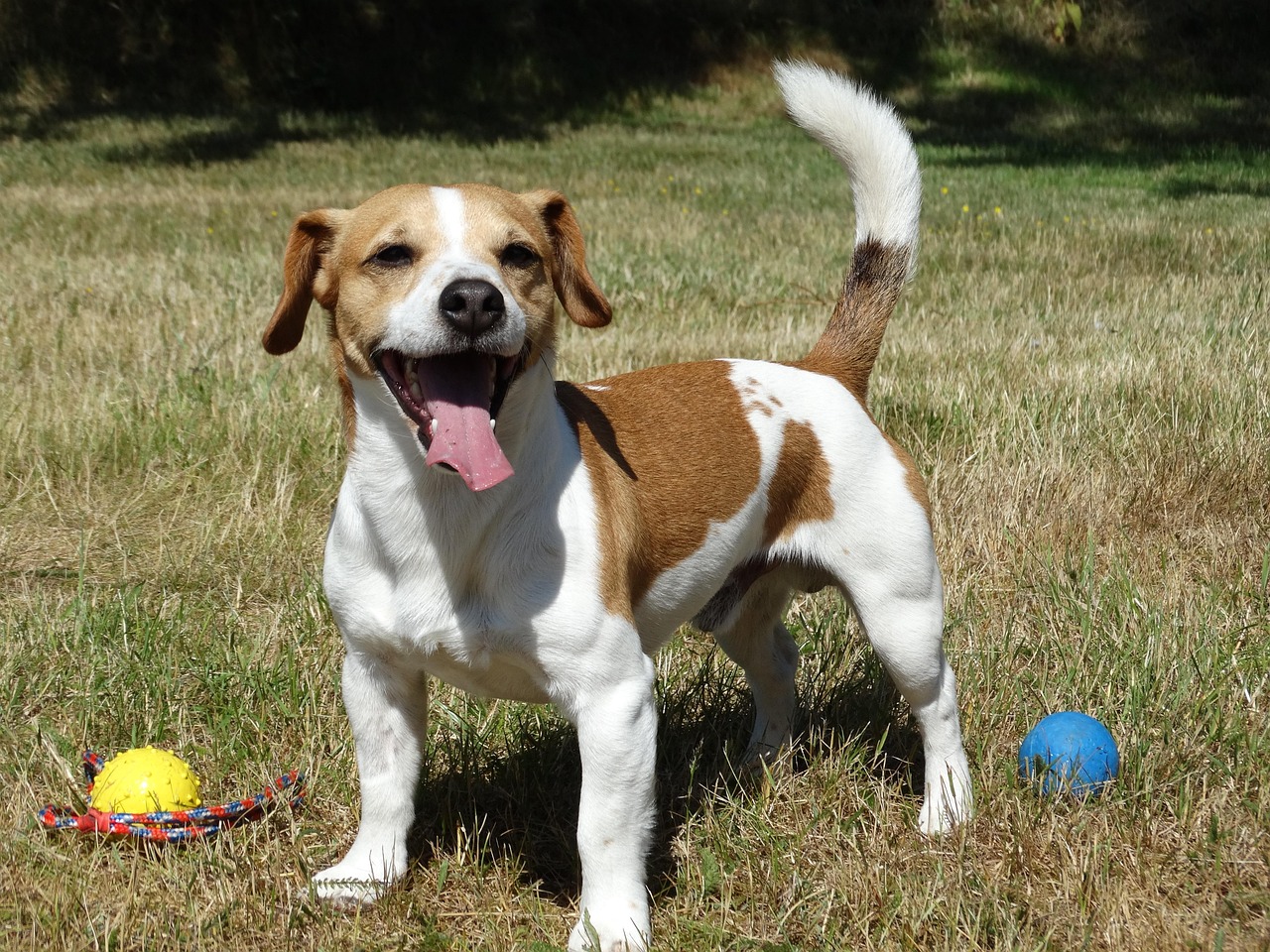
The Jack Russell Terrier is often cited as challenging for first-time dog owners, as the typically super-active and super-smart JRT was born to dig and bark and investigate, requiring an owner ready to celebrate those traits. Don’t let their small size fool you – these are big personalities packed into tiny bodies with energy levels that would make a toddler on sugar look calm.
Jack Russells are like having a furry tornado that never runs out of batteries. They were bred to hunt foxes, which means they have the determination of a detective and the energy of a marathon runner. For first-time owners expecting a lap dog, a Jack Russell will quickly teach them that size doesn’t determine intensity.
Australian Cattle Dog – The Workaholic Perfectionist
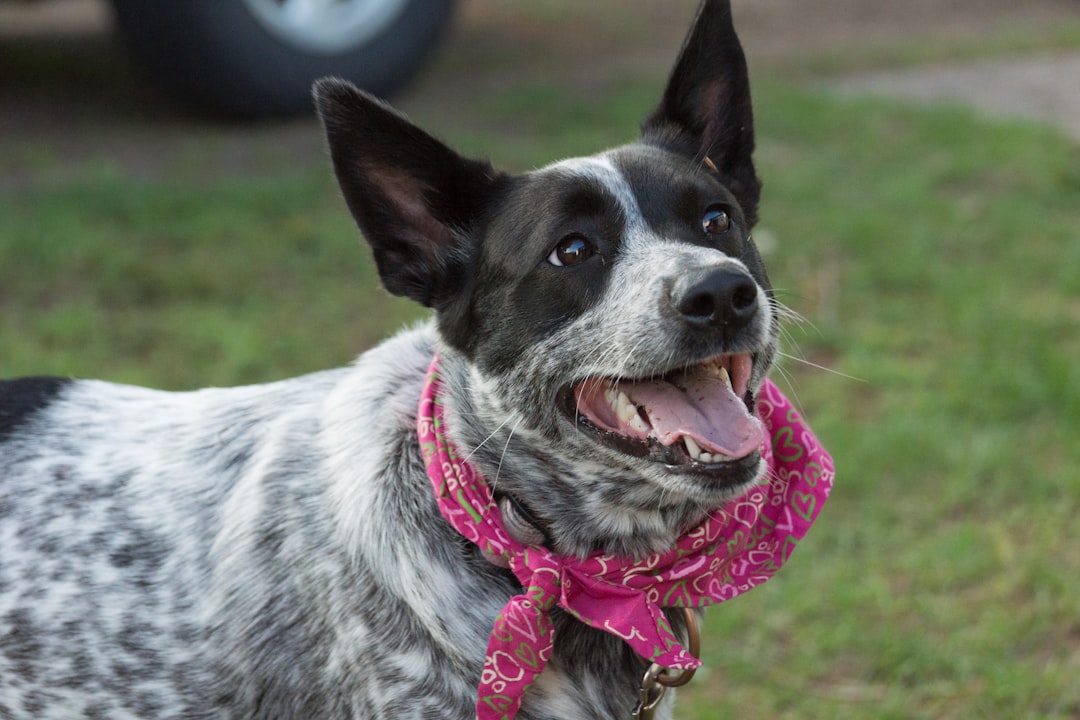
The Australian Cattle Dog, also called the Blue or Red Heeler, was bred to herd livestock across tough terrain, and their stamina, intelligence, and fearless nature make them one of the hardest-working dog breeds that thrive on having a job, whether it’s herding, agility sports, or advanced obedience, as without work, they may grow restless and destructive.
Cattle Dogs bond strongly with their owners and can be protective, and they sometimes try to “herd” children or nip at their heels, which can be overwhelming in family households without proper training. Imagine having an employee who never takes vacation days and thinks your children are wayward livestock that need constant management.
Chow Chow – The Aloof Teddy Bear
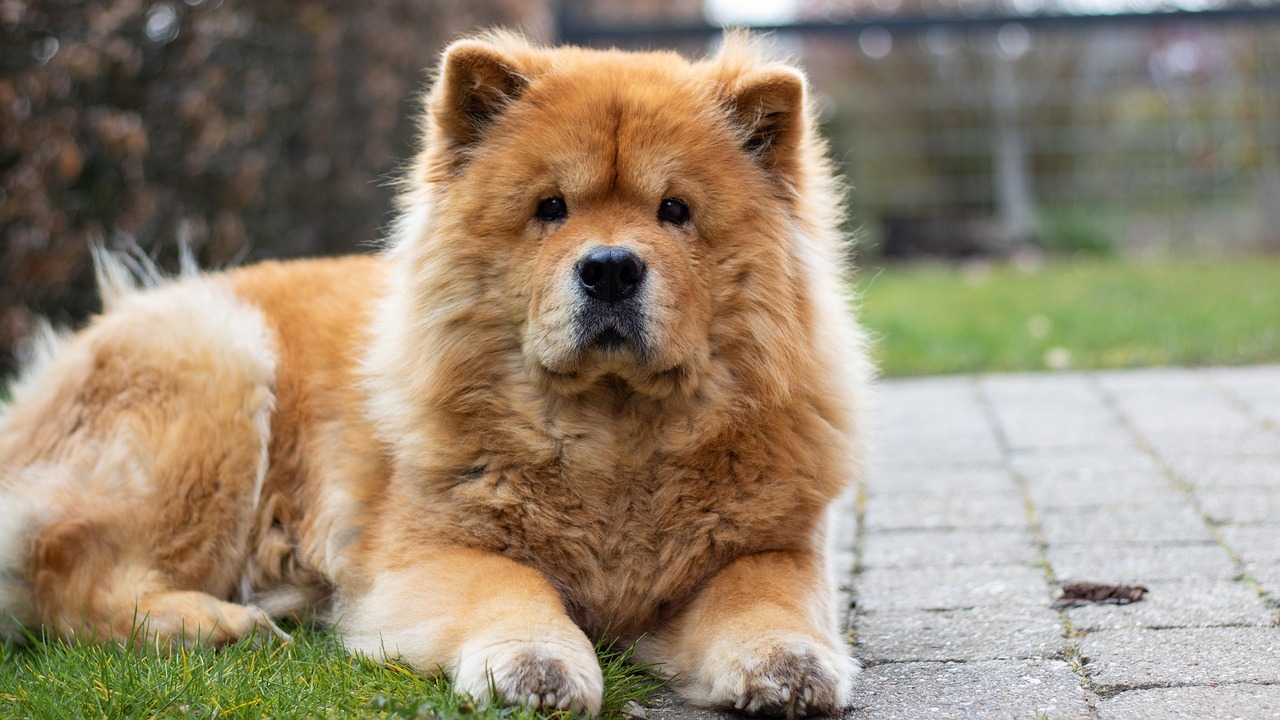
Despite looking like teddy bears, Chow Chows don’t act like them, and a Chow Chow can be challenging to train due to their independent and stubborn nature. These fluffy clouds of stubbornness combine the independence of a cat with the size and strength of a medium dog, creating a unique challenge for inexperienced owners.
The Chow Chow is a cute, soft, cuddly looking pupster, but the reality is they’re not very fur-iendly and they don’t like to be cuddled. They’re like having a gorgeous, living stuffed animal that has made it very clear they’re not interested in your affection unless it’s on their terms.
Dalmatian – The Firehouse Athlete
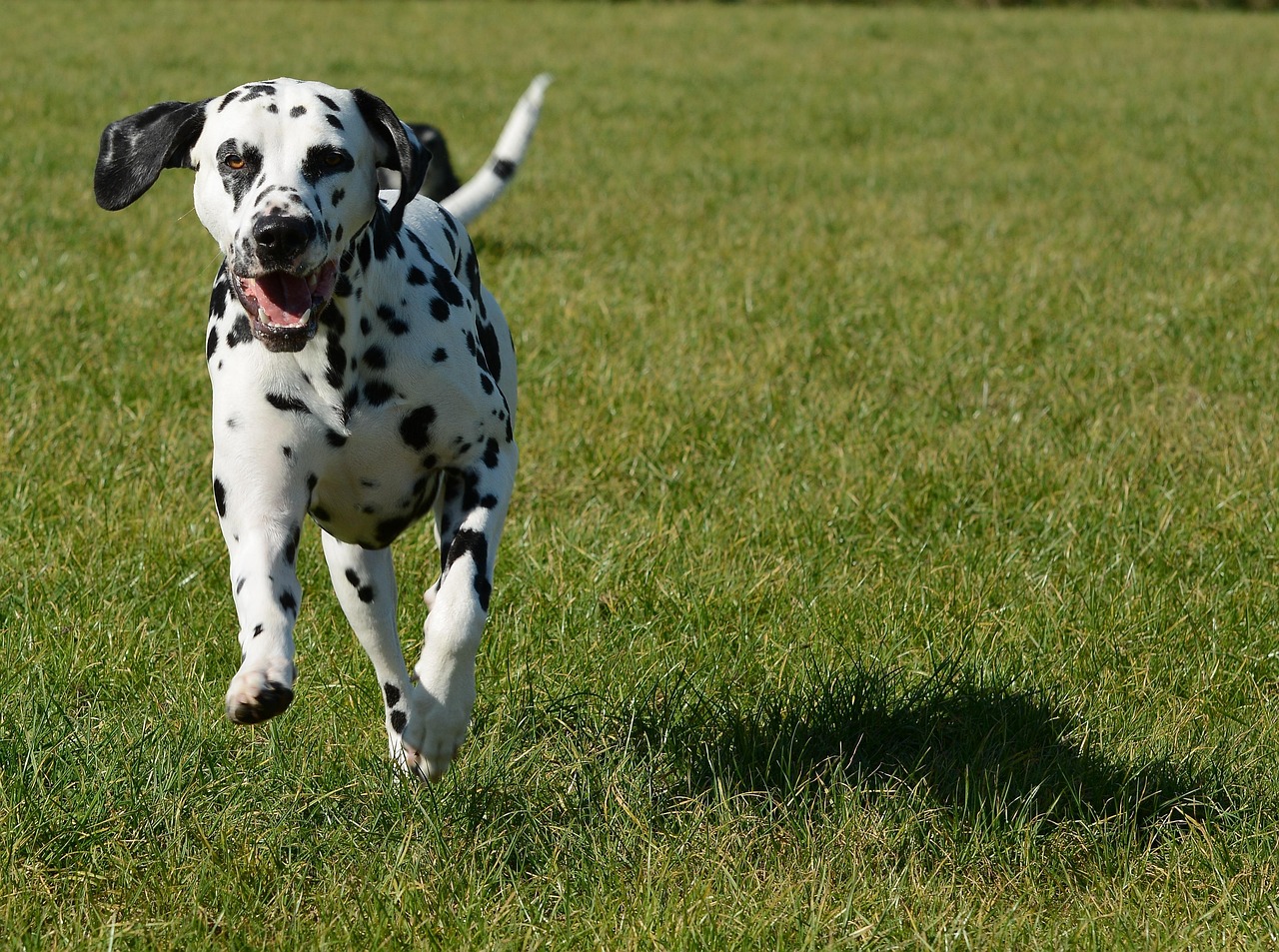
Dalmatians are working dogs packed with loads of energy who were bred to run, making them one of the fastest breeds, and they used to run alongside horses and fire engines. These spotted athletes weren’t meant to be couch potatoes, and they’ll make sure you know it if you try to turn them into one.
Their energy levels make them quite a challenge for dog owners, as Dalmatians can become destructive and bark endlessly when not given the desired stimulation. Picture having a roommate who’s training for a marathon and expects you to be their running partner, whether you’re ready or not.
Chinese Shar-Pei – The Wrinkled Warrior with Health Issues
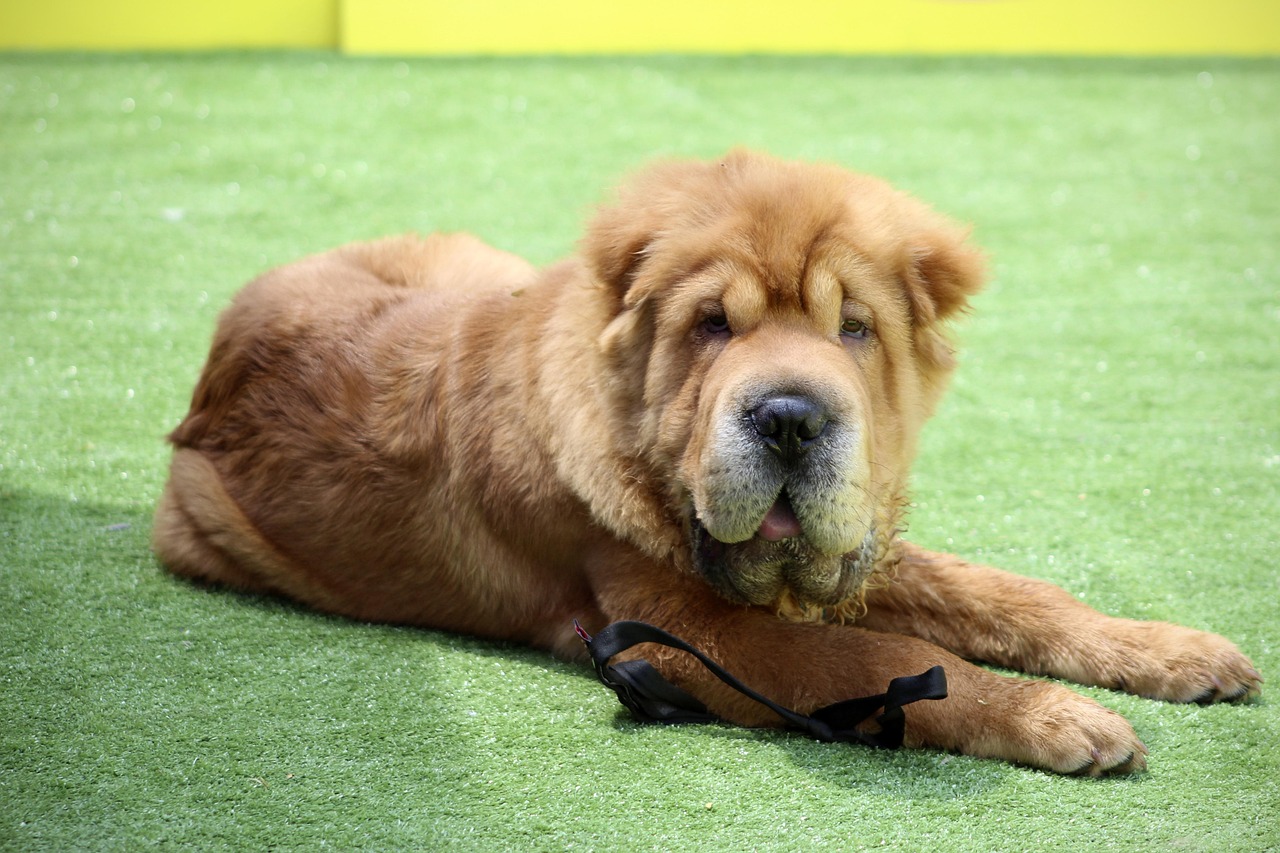
The Chinese-originated breed’s wrinkles contribute to a variety of other issues, including parasite infection, lip-fold pyoderma (a skin infection caused by excessive moisture in the folds of the lower jaw), and painful/odorous skin diseases, with most of the Shar-Peis seen by veterinarians having loads of health issues. Those adorable wrinkles that make them look like living teddy bears are actually maintenance nightmares waiting to happen.
Shar-Peis are smart, sometimes stubborn, but always devoted to their owners, and originally bred as guard dogs, Shar-Peis tend to be reserved and protective. They’re like having a dignified, wrinkled bodyguard who requires constant spa treatments to stay healthy.
Bulldog – The Lovable Health Challenge
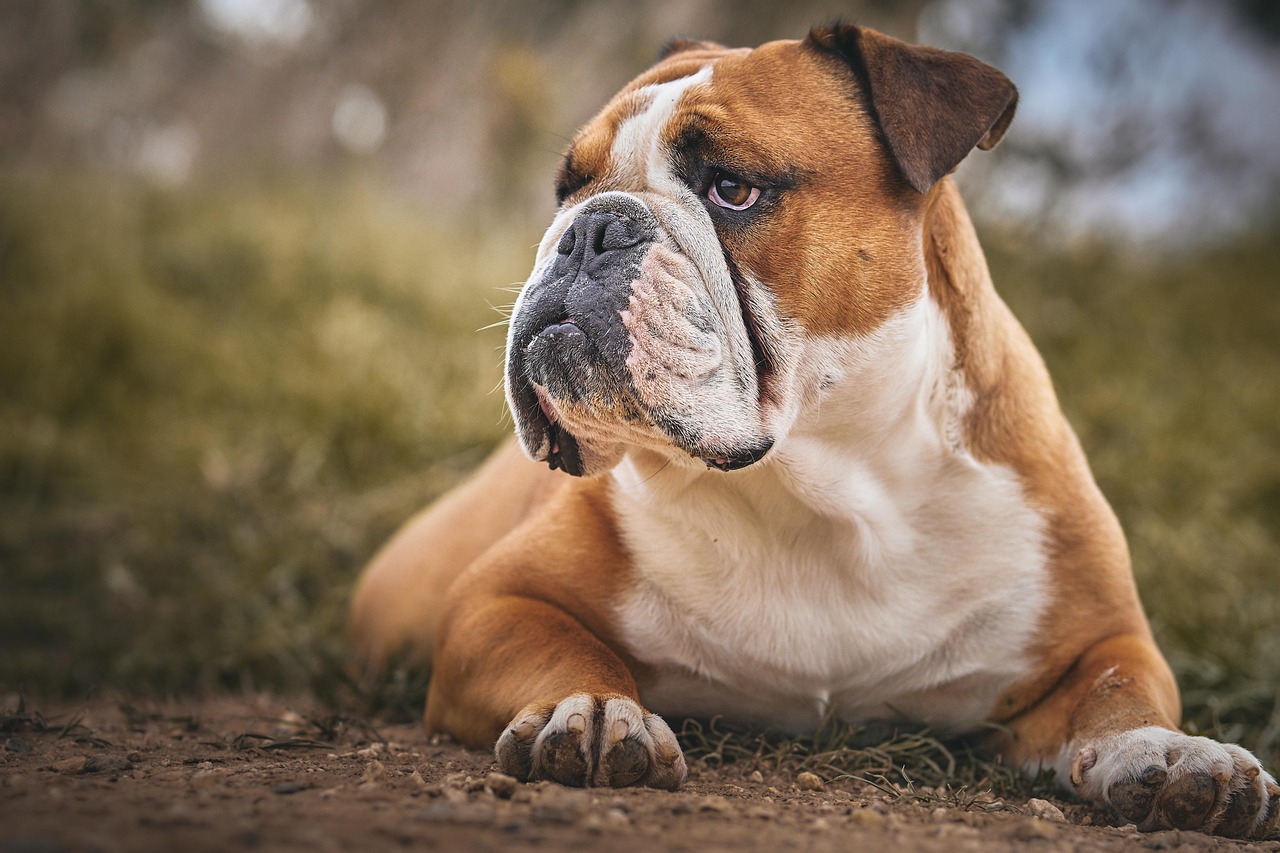
Bulldogs are brachycephalic, meaning they have short, squished faces with small noses, which makes it hard for them to breathe, perform exercises, and swim, and Bulldogs are also sensitive to stress and heat. These charming, wrinkled comedians come with a laundry list of potential health issues that can overwhelm and financially drain first-time owners.
The Bulldog is generally good-natured and his goofy, wrinkled mug certainly makes him lovable, but the breed’s heavy build and flat face make him particularly sensitive to heat, exercise and stress, and he can’t swim. They’re like having a funny, snoring roommate who needs constant climate control and can never join you at the beach.
Saint Bernard – The Gentle Giant with a Short Lifespan
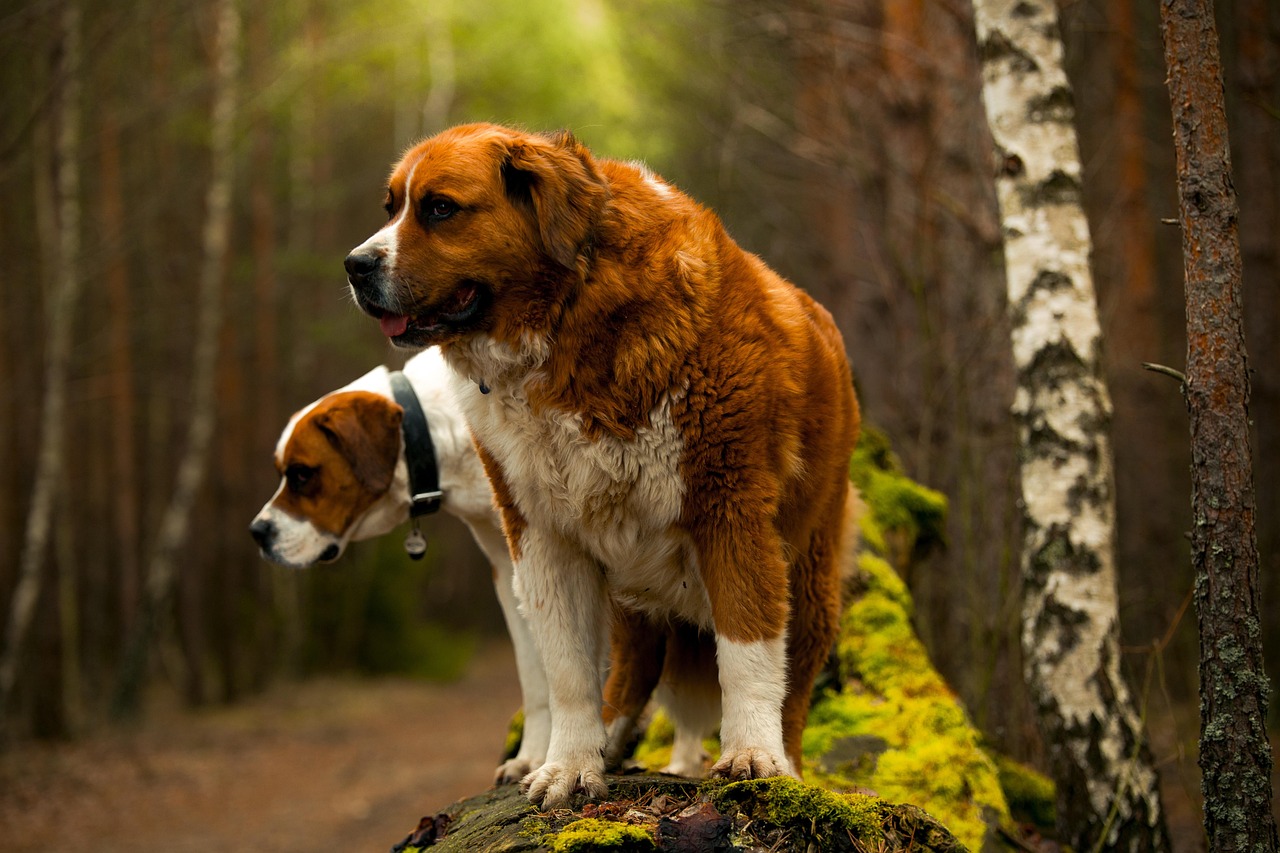
While this lovable giant can be a fantastic addition to a family, he can also be very stubborn, and without proper socialization early on, he can develop temperament issues, and with his massive size (120 to 180 pounds or more), any behavioral issues can get out of hand in a hurry. These gentle giants are like having a furry, drooling pony who thinks they’re a lap dog.
Saint Bernards are fun and loving dogs that like spending time with their family, but due to their size and vulnerability to obesity and other health issues, it’s not easy for first-time owners to manage and take care of them. The heartbreak factor is real – these wonderful dogs typically only live eight to ten years, making every moment precious but brief.
Chihuahua – The Tiny Napoleon Complex
The small and sassy Chihuahua has a personality far bigger than his physical size and is typically determined, feisty and loyal. Don’t be fooled by their purse-dog reputation – these tiny dynamos pack more attitude per pound than almost any other breed, and they’re not afraid to use it against dogs ten times their size.
Small breeds like the Chihuahua can be challenging for homes with small or rough children, and they’re often difficult to house train. While this refers to the Chinese Crested, many small breeds share similar challenges. Small dogs often come with big training difficulties that can frustrate new owners who expected a manageable starter pet.
Conclusion
Choosing your first dog shouldn’t be a decision based solely on looks or a single adorable video you saw online. These 15 breeds represent some of the most challenging options for novice owners, not because they’re bad dogs, but because they require specific skills, time commitments, and often financial resources that first-time owners might not be prepared for.
Remember, every dog deserves an owner who can meet their needs and help them thrive. If you’re drawn to one of these breeds, consider gaining experience with easier dogs first, or be prepared to invest heavily in professional training and commit to a lifestyle that revolves around your dog’s needs. The right match between dog and owner creates a bond that’s truly magical – but the wrong match can be heartbreaking for everyone involved.
What surprised you most about this list?
Read: 17 Dog Breeds With The Longest Life Expectancy

As a little kid, I fell in love with nature, wildlife, and animals. Living in the USA, South Africa, Italy, China and Germany gave me the opportunity to discover the world's Wildlife. My favorite animals are Mountain Gorillas, Siberian Tigers, and Great White Sharks.
I'm a certified PADI Open Water Diver, went to Everest Base Camp and Trekked Gorillas in Uganda. I hold a Master of Science in Economics and Finance.
Please send any feedback to feedback@animalsaroundtheglobe.com
- The 10 Rarest Dog Breeds Making a Comeback in America - July 19, 2026
- 13 Creatures That Survived Mass Extinctions - July 19, 2026
- 12 Pets That Are Perfect for Seniors - July 19, 2026