

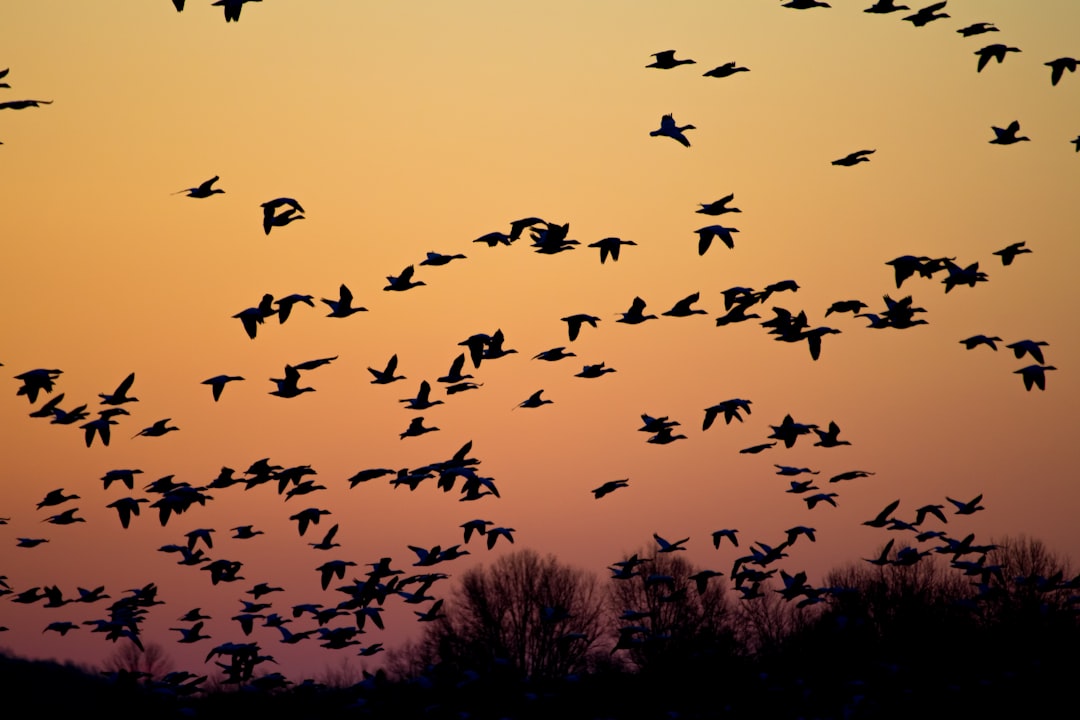
Washington state – Weather radars detected a striking surge in nocturnal bird migration on the night of April 16, when an estimated 845,000 birds passed overhead as part of a nationwide wave surpassing 165 million.[1] This event signaled the ramp-up to the state’s peak spring migration period, which typically spans late April through mid-May. Conservation groups quickly mobilized Lights Out initiatives to safeguard the travelers from urban hazards.
Radars Reveal a Migration Milestone
Researchers tracked the flights using advanced tools that blend radar data, weather patterns, and historical trends. The April 16 movement stood out for its volume, especially in western Washington, where cities like Seattle recorded about 2,900 birds aloft.[1] Spokane saw roughly 278, while Tacoma logged 1,200. No formal alert triggered that night, but the numbers foreshadowed heavier traffic ahead.
Forecasts pointed to escalation. The following night promised 2.9 million birds statewide, climbing to 4.1 million by Saturday, with alert levels shifting from low-medium to high in central and western areas.[1] These projections underscored the intensity of spring journeys along key routes through the Pacific Northwest.
Decoding BirdCast’s Predictive Power
BirdCast, powered by Purdue University’s AeroEco Lab, delivers real-time insights into bird movements. The platform processes U.S. weather radar scans to estimate flock sizes, speeds, and paths, active from March 1 to June 15 during spring.[2] Over 80 percent of North American migratory species travel by night, relying on stars and natural cues.
Such data not only maps current flights but also anticipates peaks, enabling timely interventions. Local dashboards for states like Washington break down county-level activity, helping residents visualize the aerial spectacle unfolding above.[2] This technology has transformed how scientists and communities respond to migration pressures.
| Night | Washington Total | Seattle Estimate | Alert Level |
|---|---|---|---|
| April 16 (Thu) | 845,000 | 2,900 | None |
| April 17 (Fri) | 2.9 million | 8,300 | Low-Medium |
| April 18 (Sat) | 4.1 million | 11,200 | High (West/Central) |
Urban Lights: A Hidden Peril for Night Flyers
Artificial illumination poses severe risks during these flights. Bright city glows disorient birds, drawing them toward structures and causing exhaustion or fatal window strikes. Nationwide, collisions claim hundreds of millions of birds annually, with peaks during migration seasons.[3] In Washington, urban centers amplify the threat as flocks navigate coastal flyways.
Studies highlight the toll: one Chicago building saw bird strikes drop nearly 60 percent after dimming lights. Similar patterns hold in Seattle, where spring migration from April 1 to June 1 heightens vulnerability.[4] Fall peaks add further pressure from mid-September to early October.
Empowering Action Through Lights Out
Lights Out Washington, led by Audubon chapters, rallies residents and building managers to curb light pollution. The campaign stresses using light only when essential, directing it precisely, and opting for warmer tones under 3,000 Kelvin.[3] Core advice targets peak hours: extinguish non-essential outdoor and indoor lights from 11 p.m. to 6 a.m.
Practical steps abound for everyday participation:
- Switch off landscape and facade lighting during migration windows.
- Install motion sensors or timers on fixtures.
- Shield bulbs to minimize upward spill and close curtains to block indoor glow.
- Pledge involvement via local programs like Birds Connect Seattle’s initiative.
- Advocate for bird-safe building codes in communities.
These measures not only aid birds but also cut energy costs and enhance stargazing opportunities.[4]
- Turn off lights 11 p.m.–6 a.m. to prevent disorientation.
- Choose warm LEDs and shielded fixtures for lasting impact.
- Track migrations via BirdCast to time your efforts perfectly.
As Washington’s skies clear of this recent flock, the call to action lingers through migration season. Simple dimming choices can save countless lives and preserve biodiversity for future springs. What steps will you take next time radars light up? Share in the comments.

- Urban Coyotes Show Remarkable Adaptability, Learning to Thrive in City Environments - July 22, 2026
- Beavers Are Nature’s Engineers, Creating Vital Habitats for Other Wildlife Species - July 21, 2026
- The Recovery of the California Condor Offers Hope for Other Critically Endangered Birds - July 21, 2026