
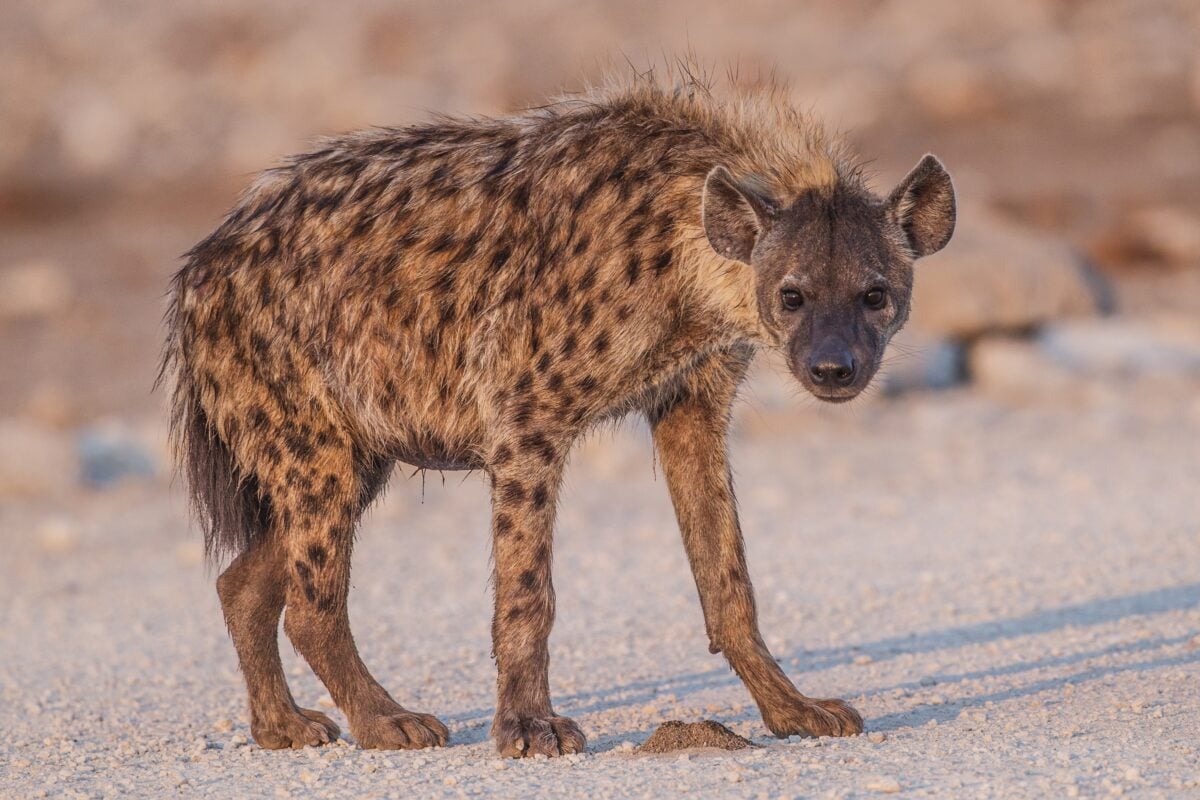
Picture the scene from almost every nature documentary you’ve ever watched: lions feast like royalty while a hunched, snickering hyena skulks at the edges, waiting for scraps and cackling like a cartoon villain. Disney literally built a movie around that image. Except almost none of it is true.
For decades, biologists suspected the hyena was getting a raw deal, but couldn’t fully prove it – until GPS collars, hidden cameras, hormone panels, and years of watching clans in the Serengeti handed them undeniable receipts. What they found didn’t just soften the hyena’s reputation. It demolished it, piece by piece, until almost nothing “everyone knows” about this animal turned out to be true. Here are 18 findings that prove we’ve been rooting for the wrong villain all along.
#1 – They’re Not Dogs, Not Cats, and Not What You Think
🔥 Would you like to save this?
We'll email this post to you, so you can come back to it later!
Start with the identity crisis: hyenas are not “weird dogs.” Spotted hyenas may look dog-ish at a glance, but genetically they sit in their own family, Hyaenidae, and are actually closer to cats than to canines. Their closest living relatives are mongooses and Madagascar’s fossa – not wolves, not jackals.
That single fact should make anyone pause before lumping them into the “scavenger dog” bin. Their sloping back, oversized front paws, and skull shape evolved for a completely different survival strategy than the one we assume. Judging a hyena by wolf standards is like criticizing a dolphin for refusing to walk on land.
#2 – The “Lazy Scavenger” Myth Is a Flat-Out Lie
🔥 Would you like to save this?
We'll email this post to you, so you can come back to it later!
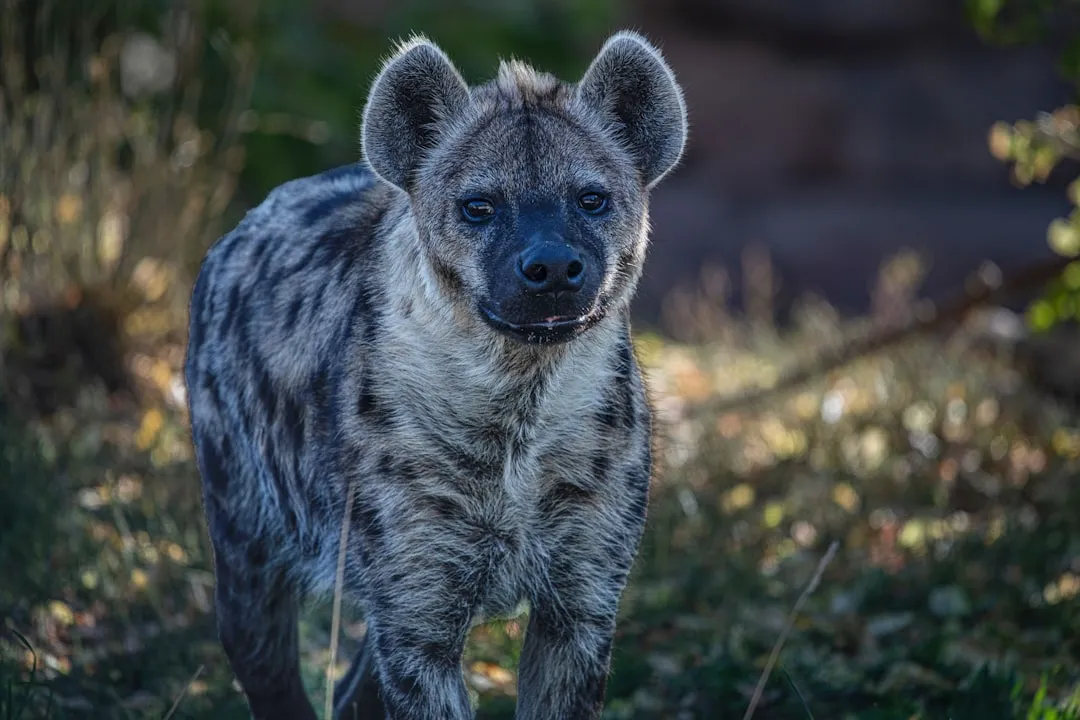
If you only correct one hyena myth in your life, make it this one: they are not primarily scavengers. In large parts of East Africa, spotted hyenas do the majority of their own hunting, regularly taking down gazelles, wildebeest, and even buffalo. In some regions, they log more successful hunts than lions do.
Here’s the twist that should annoy every lion fan: camera traps and kill-site studies repeatedly catch lions muscling hyenas off fresh kills the hyenas made themselves. Hyenas do the dangerous work, and the more “majestic” cats swagger in and take the credit. Somewhere along the way, our stories flipped that reality upside down – and we’ve been villainizing the wrong species in half the wildlife documentaries you’ve ever watched.
Fast Facts
- In several East African study sites, spotted hyenas hunted down the majority of their own food rather than scavenging it.
- Camera-trap and kill-site studies have repeatedly documented lions stealing hyena kills, not the other way around.
- Hyena jaws generate one of the strongest bite forces of any land mammal, strong enough to crush thick bone.
- Extremely acidic stomachs let hyenas digest meat, skin, and bone that most other predators leave behind.
#3 – They Out-Hunt Lions More Than You’d Ever Guess
🔥 Would you like to save this?
We'll email this post to you, so you can come back to it later!
Hyenas don’t just hunt; they excel at it. Spotted hyenas are endurance predators, relying on stamina and teamwork instead of a flashy sprint. They can hold a ground-eating lope for miles, grinding prey down until exhaustion does the rest of the work.
Some field reports put their hunting success rate above that of lions, especially in coordinated groups. That success is backed by hardware: hyenas carry one of the most powerful bites of any mammal, jaws built to crush bone. That crushing power doesn’t just help them finish a meal – it lets them consume almost an entire carcass, turning what other predators leave behind into pure survival math.
#4 – Their Social IQ Puts Some Primates to Shame
🔥 Would you like to save this?
We'll email this post to you, so you can come back to it later!
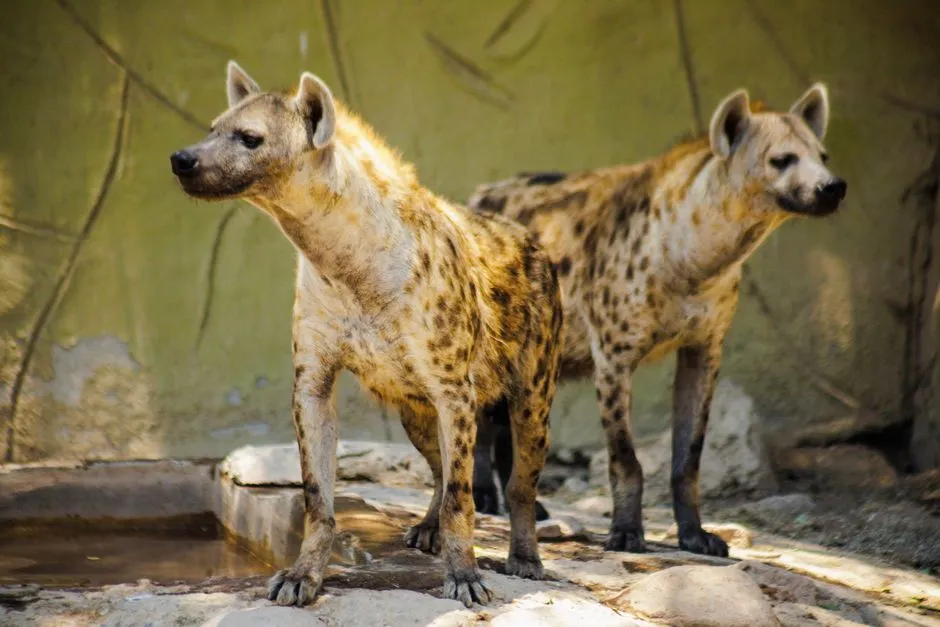
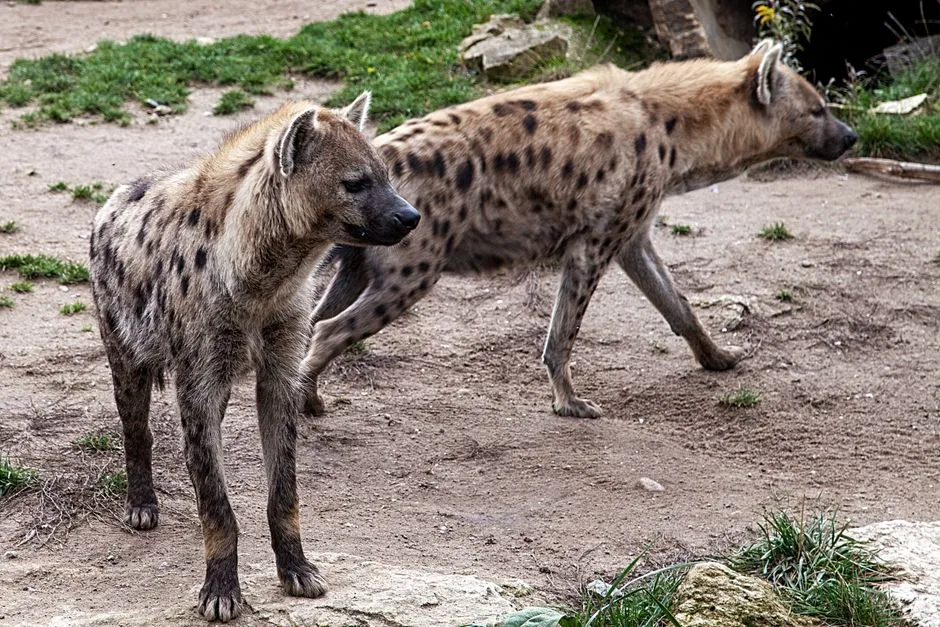
If you still picture hyenas as mindless brutes, this is where that idea falls apart. Spotted hyenas live in massive, intricate societies called clans, sometimes more than 80 animals strong. Inside that clan, every member has a rank, and they track who’s above them, who’s below them, and who owes who a favor.
Long-term studies show hyenas recognize individual voices, remember old betrayals, and build coalitions that look uncomfortably like human office politics. In cooperation experiments – like pulling two ropes at once to unlock food – hyenas learn to watch each other, time their moves, and adjust on the fly. Researchers comparing this kind of problem-solving have found hyenas performing at least as well as certain monkeys, which is not what anyone expects from an animal nicknamed “garbage disposal.”
#5 – Females Run the Clan – No Exceptions, No Apologies
🔥 Would you like to save this?
We'll email this post to you, so you can come back to it later!
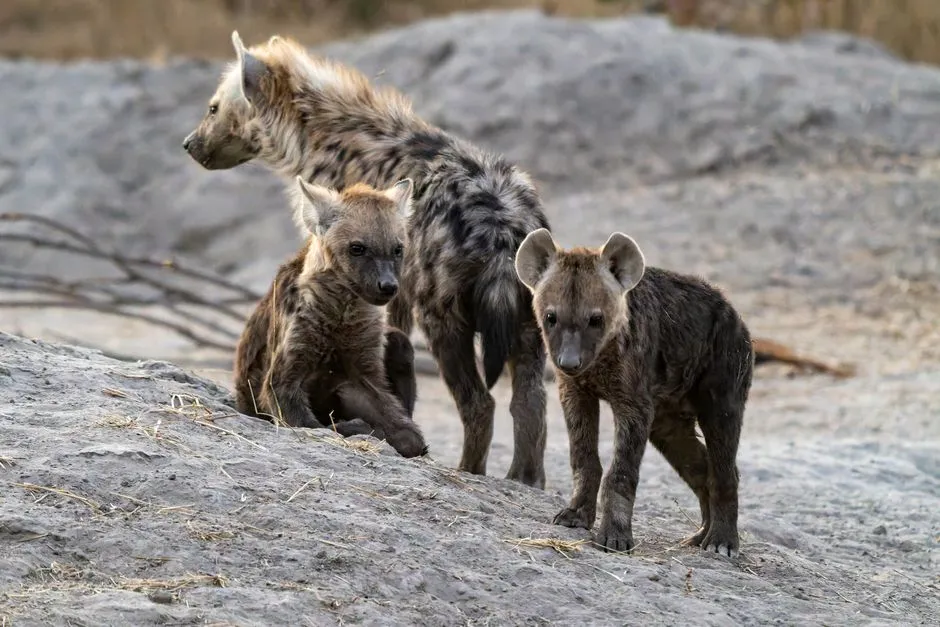
Hyena society doesn’t just flip the scavenger narrative; it flips the gender script too. In spotted hyena clans, females dominate males completely. Even the lowest-ranking adult female outranks the highest-ranking male, claiming first access to food, the best resting spots, and the strongest social alliances.
This isn’t a quirky footnote – it’s the architecture of the whole clan. Females are bigger, more muscular, and more aggressive than males, the near-exact opposite of the lion model everyone assumes applies to all big predators. And the power isn’t just physical: rank passes down through mothers, so a daughter of a high-ranking female is groomed, protected, and enforced into high status herself, generation after generation.
#6 – Their Anatomy Is the Weirdest “Cost of Power” in Nature
🔥 Would you like to save this?
We'll email this post to you, so you can come back to it later!
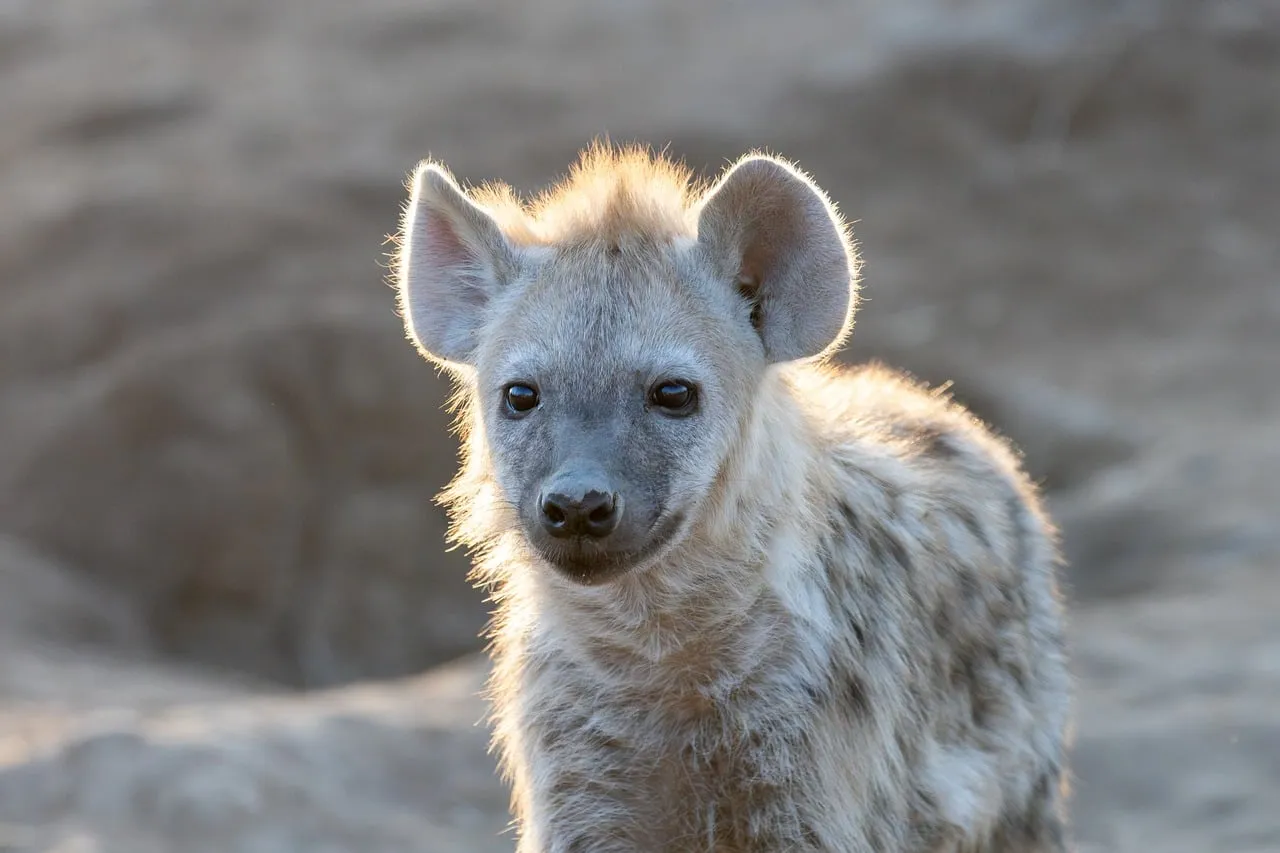
If you’ve ever heard a strange, uncomfortable fact about hyena anatomy, you’ve bumped into one of biology’s oddest realities – and one of its most abused punchlines. Female spotted hyenas have an enlarged clitoris, sometimes called a pseudo-penis, through which they both mate and give birth. Documentaries and internet trivia have milked this for shock value for years, treating it as a grotesque glitch.
In reality, it’s tangled up with the same hormones that likely drive female size, aggression, and dominance. The cost is brutal: birth is dangerous, and many first-time mothers lose their first cub because the birth canal is so narrow. Biologists don’t see a freak accident here – they see a high-stakes evolutionary trade, where anatomy paid the price for generations of female power.
#7 – That “Evil Laugh” Is Actually a Cry for Help
🔥 Would you like to save this?
We'll email this post to you, so you can come back to it later!
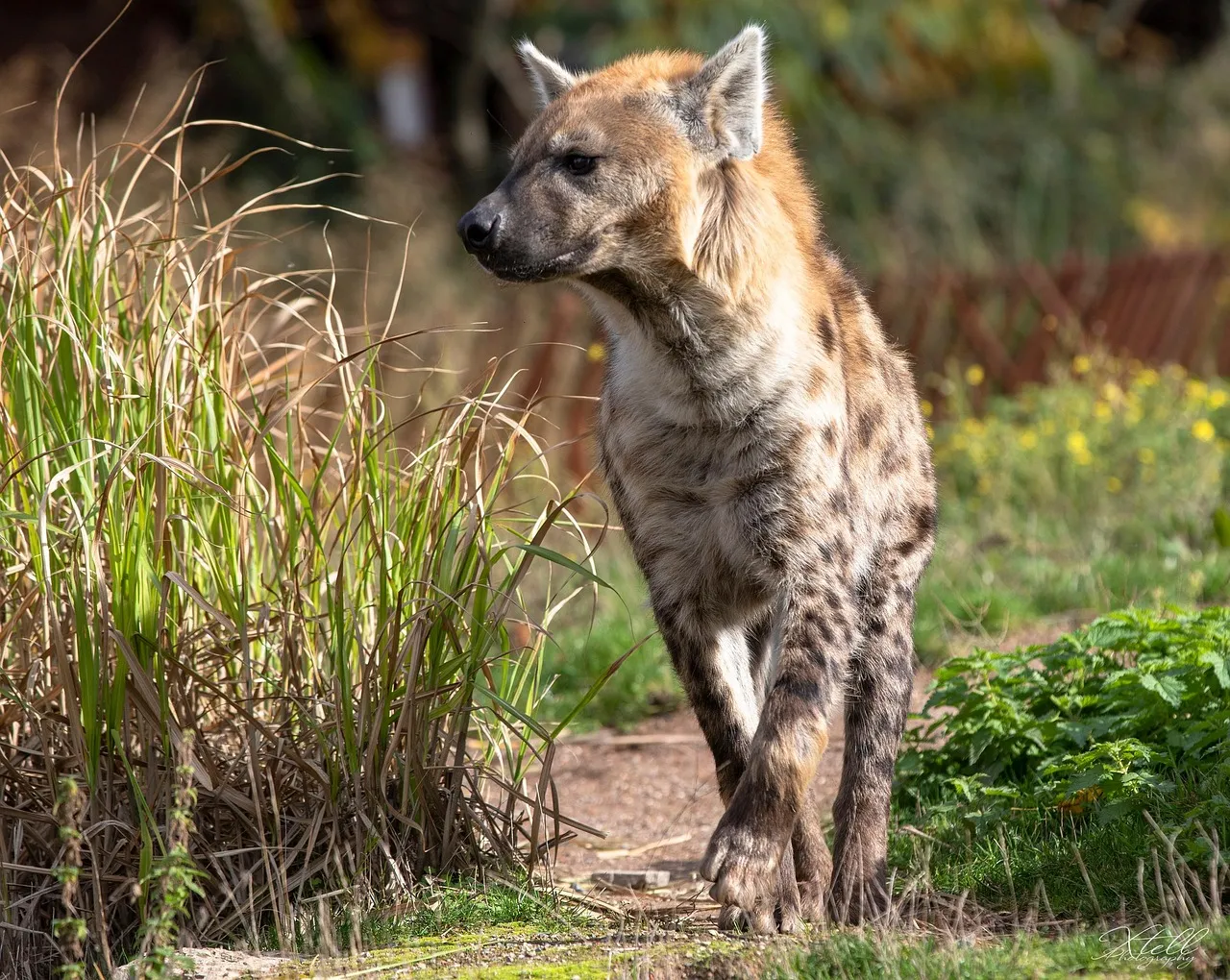
Pop culture turned the hyena’s voice into a creepy villain’s cackle. Reality is far more interesting. Spotted hyenas have a whole vocabulary – whoops, grunts, growls, yells, and that famous high-pitched giggle. But the giggle isn’t amusement; it’s usually a signal of stress, frustration, or submission, especially during food conflicts.
Biologists can often tell an individual’s rank and emotional state just from the pitch and rhythm of that sound. Their long-distance whoops keep scattered clan members connected across huge territories, and mothers and cubs recognize each other by subtle vocal cues alone. Calling that rich a system “cackling” is like calling a symphony “noise.”
Worth Knowing
- Spotted hyenas rely on a wide vocal range, from soft grunts to long-distance whoops.
- The famous “laugh” typically surfaces during tense feeding competition, not amusement.
- Whoop calls can carry across huge stretches of open savanna, helping scattered clan mates regroup.
- Mothers and cubs identify each other through subtle, individual vocal signatures.
#8 – They’re the Cleanest Freaks on the Savanna
🔥 Would you like to save this?
We'll email this post to you, so you can come back to it later!
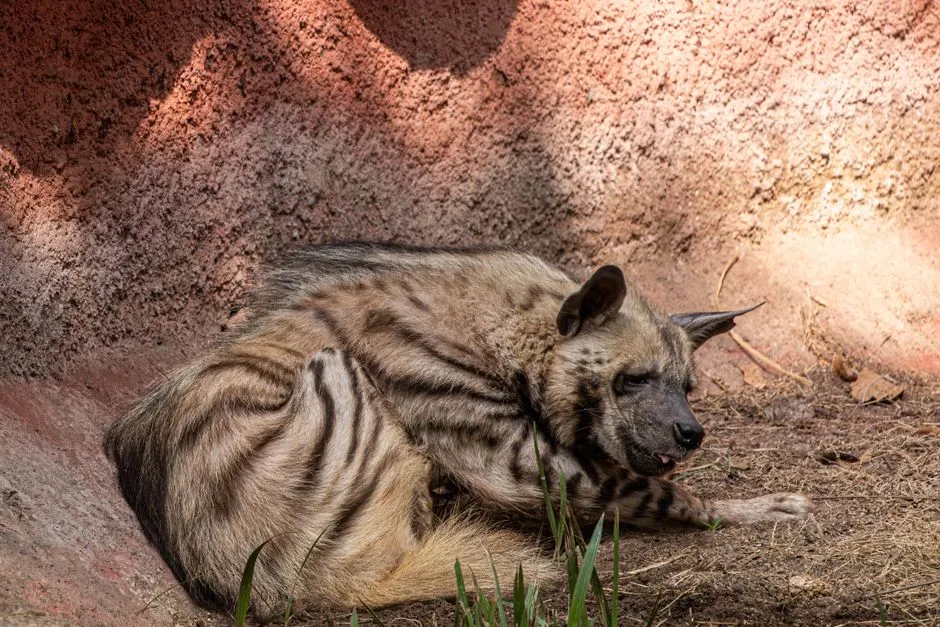
You’ve probably heard hyenas are “dirty” because they eat carcasses. The science flips that insult on its head. Their stomach acid is strong enough to digest bone, skin, and hooves, which means rotting material that would otherwise sit and fester gets removed from the ecosystem fast – along with the parasites and pathogens riding along with it.
The hyenas themselves aren’t the mess people imagine, either. They groom constantly, maintain bonds through licking and nuzzling, and use specialized scent glands for marking territory rather than just smelling foul. Their dens, especially the ones raising cubs, are often shockingly tidy compared to their media reputation. The “dirty hyena” label says a lot more about us than it does about them.
#9 – They’re Secretly Holding Entire Ecosystems Together
🔥 Would you like to save this?
We'll email this post to you, so you can come back to it later!
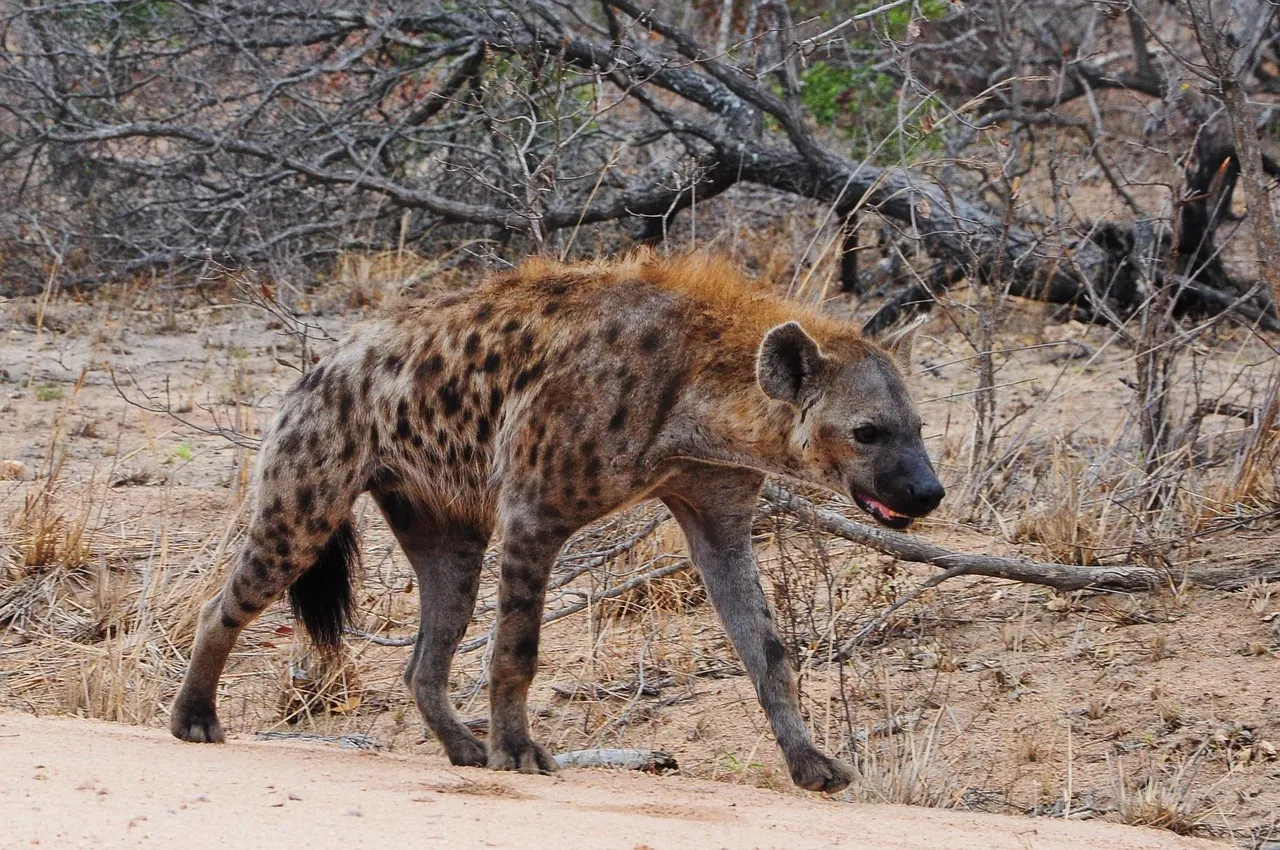
When people picture “keystone species,” they think wolves, sharks, elephants. Hyenas deserve a seat at that table more than most realize. By hunting and scavenging, they shape which herbivores survive, which ones change their behavior, and how grass and seedlings recover – which in turn decides where other predators even bother setting up territory.
In some regions, hyenas rank among the top regulators of medium-to-large herbivore populations, keeping landscapes from tipping into overgrazed wastelands. Their bone-crushing habits also redistribute calcium and phosphorus back into the soil, feeding smaller scavengers down the chain. Over centuries, hyena dens and bone piles have even become accidental archaeological time capsules, preserving clues about ancient ecosystems long after the hyenas themselves are gone.
Why It Stands Out
- Hyenas help regulate herbivore populations, indirectly protecting grasslands from overgrazing.
- Their bone-crushing digestion returns calcium and phosphorus to the soil, feeding smaller scavengers and plants alike.
- Old hyena dens and bone caches have given researchers rare windows into ancient African ecosystems.
- Few animals combine active hunting, scavenging, and nutrient recycling as efficiently in one lifestyle.
#10 – Hyena Parenting Is Equal Parts Tender and Ruthless
🔥 Would you like to save this?
We'll email this post to you, so you can come back to it later!
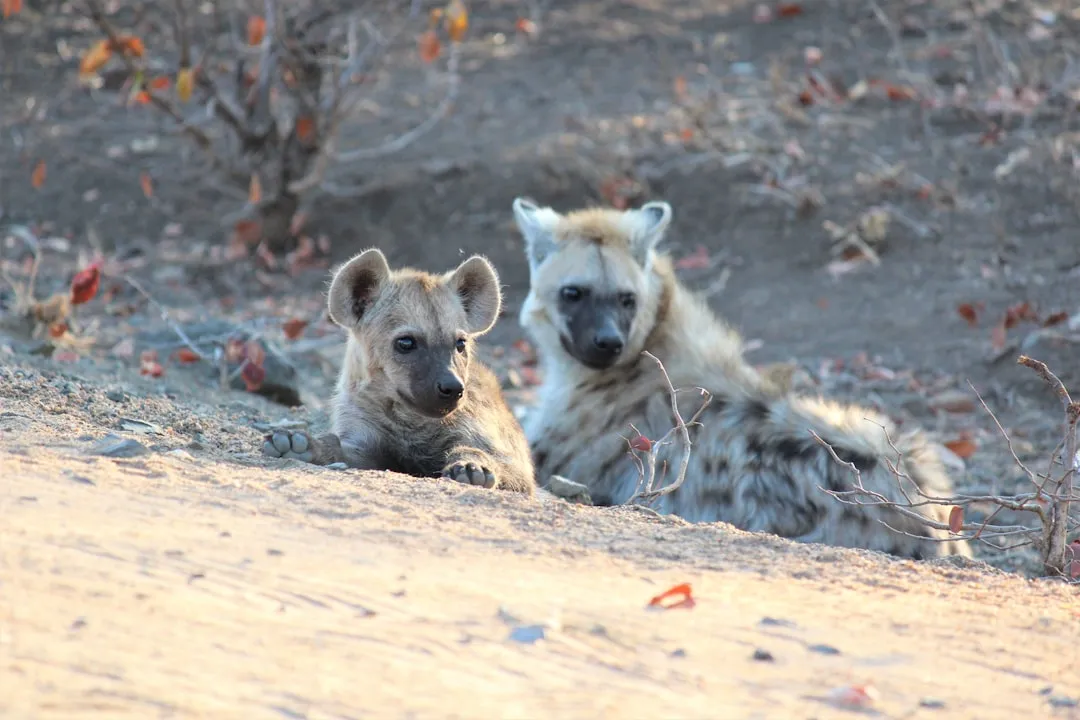
For an animal painted as chaotic and cruel, hyena parenting is startlingly strategic. Cubs are born with their eyes open and tiny teeth already erupted, wrestling and competing from day one. High-ranking mothers invest heavily, giving their cubs first access to milk and food – and studies show those cubs grow faster and survive at higher rates, locking in the clan’s hierarchy for another generation.
Sibling rivalry can turn extreme, especially in litters of two, where the stronger cub sometimes out-competes the weaker one to the point of death. Humans read that as cruelty; biologists read it as a brutal calculation in an environment where raising two cubs can mean losing both. And yet the same dens are full of tender grooming, playful chases, and mothers who will fight to the death to protect a cub from danger.
#11 – They’ve Been Living in Our Shadow Since the Stone Age
🔥 Would you like to save this?
We'll email this post to you, so you can come back to it later!
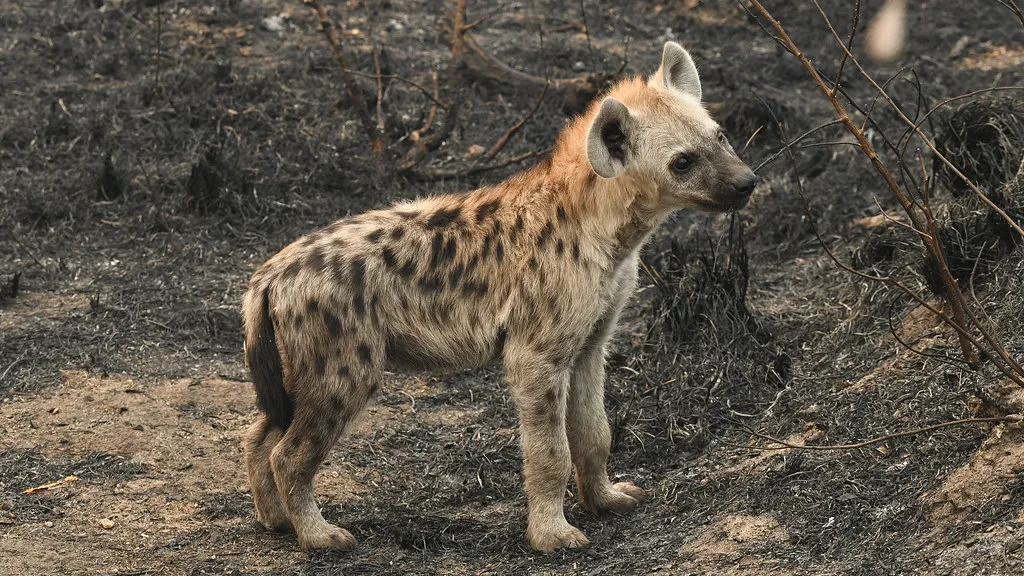
Hyenas haven’t just lived near humans – they’ve haunted our myths and campsites for thousands of years. Archaeological sites across Africa and Eurasia show hyena-chewed bones lying right alongside early human remains and stone tools. In some caves, hyenas were both competitors and cleaners, and the bones they dragged into their dens are now helping scientists reconstruct entire Ice Age ecosystems.
Cultures noticed them long before Hollywood did. In some African folklore, hyenas are tricksters or witches’ companions; in others, they’re respected as cleaners and even guides of the dead. Western media largely cherry-picked the darkest of those stories and ran with them, feeding the modern “evil hyena” trope while ignoring centuries of more nuanced coexistence.
#12 – Nobody’s Protecting Them, and That’s a Problem
🔥 Would you like to save this?
We'll email this post to you, so you can come back to it later!
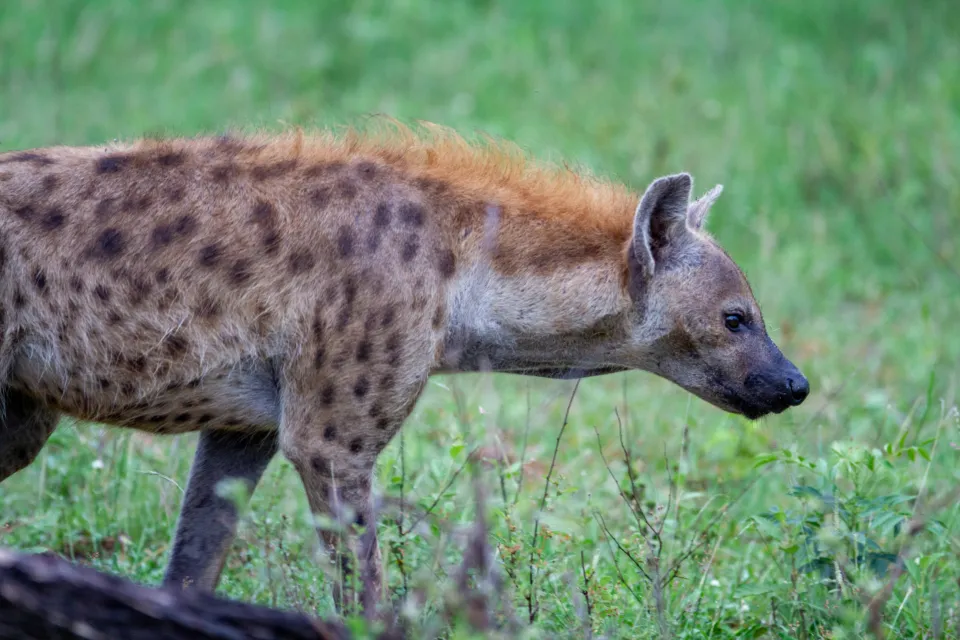
Because hyenas don’t look as “majestic” as lions or as photogenic as wild dogs, they’ve been largely ignored in conservation conversations. That’s starting to look like a costly mistake. Spotted hyenas are still relatively widespread, but numbers are dropping in many regions due to habitat loss, conflict with livestock owners, and outright persecution that rarely makes headlines the way lion poaching does.
Striped and brown hyenas are even more vulnerable in parts of their range, surviving in low densities as human settlements expand into their territory. The real danger is complacency – people assumed wolves and vultures were too common to disappear too, right up until they weren’t. The animal we’ve spent decades mocking as a pest is quietly becoming a conservation test case for whether we can protect something that doesn’t fit our idea of “charismatic.”
#13 – Meet the Hyena You’ve Never Heard Of
🔥 Would you like to save this?
We'll email this post to you, so you can come back to it later!
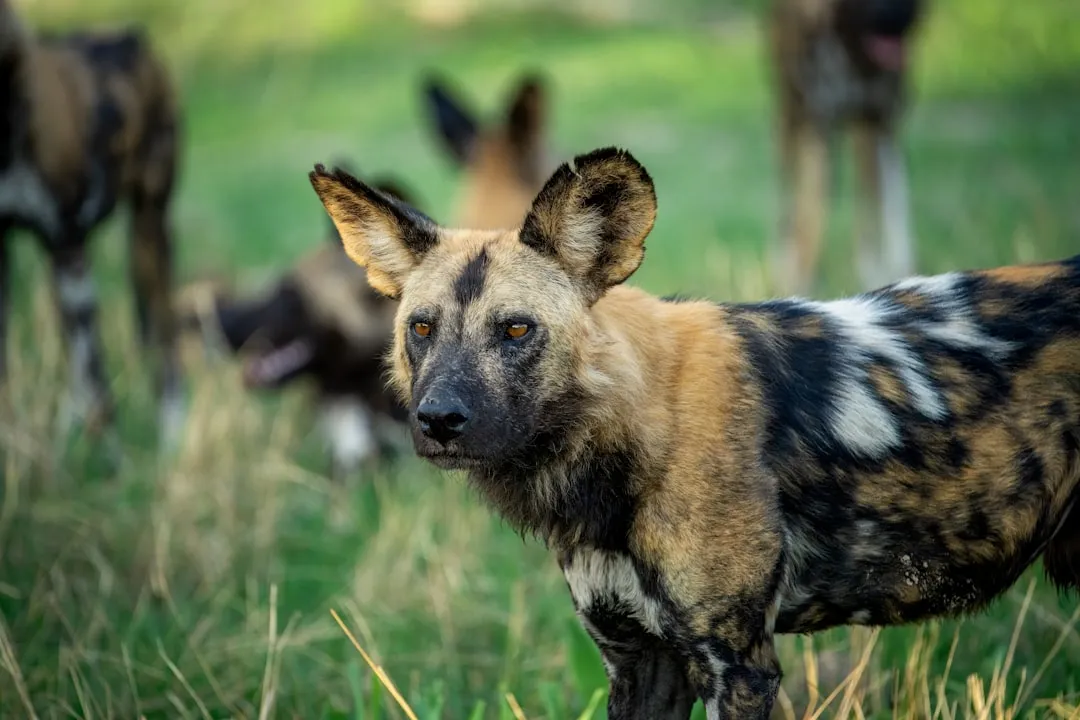
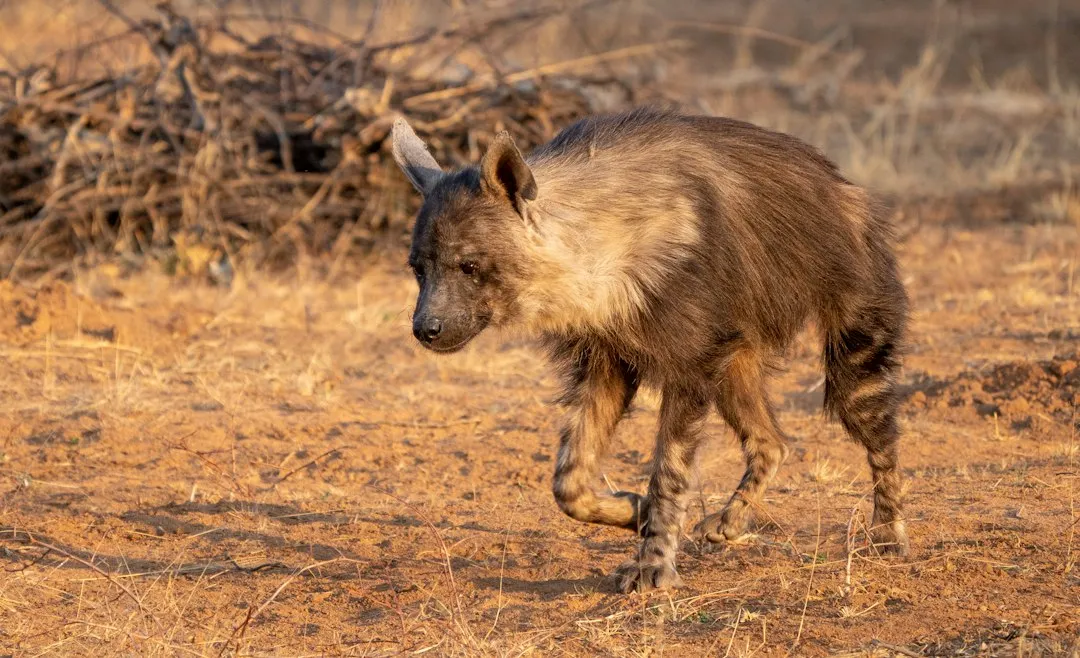
Most people only know the spotted hyena, but there are four living species, and each one rewrites a different part of the story. Striped hyenas, spread across North and East Africa, the Middle East, and into India, are shyer, more solitary, and lean harder on scavenging – quietly cleaning up organic waste around rural villages at night without anyone noticing. Brown hyenas, mostly in southern Africa, walk staggering distances between food sources, acting as long-range recyclers along coastlines and desert fringes.
Then there’s the aardwolf, a hyena that barely eats meat at all. With delicate jaws and a long, sticky tongue, it can consume hundreds of thousands of termites in a single night. Lumping all four species under one “evil scavenger” label is like calling every bird a pigeon and judging the whole group by the one you don’t like.
Quick Compare
- Spotted hyena: Social, hunts in large clans, widespread across sub-Saharan Africa.
- Striped hyena: Shy and mostly solitary, ranging from North Africa to India.
- Brown hyena: Long-distance forager along southern African coastlines and desert fringes.
- Aardwolf: Termite specialist with delicate jaws and almost no interest in meat.
#14 – Their Brains Quietly Rival a Chimp’s
🔥 Would you like to save this?
We'll email this post to you, so you can come back to it later!
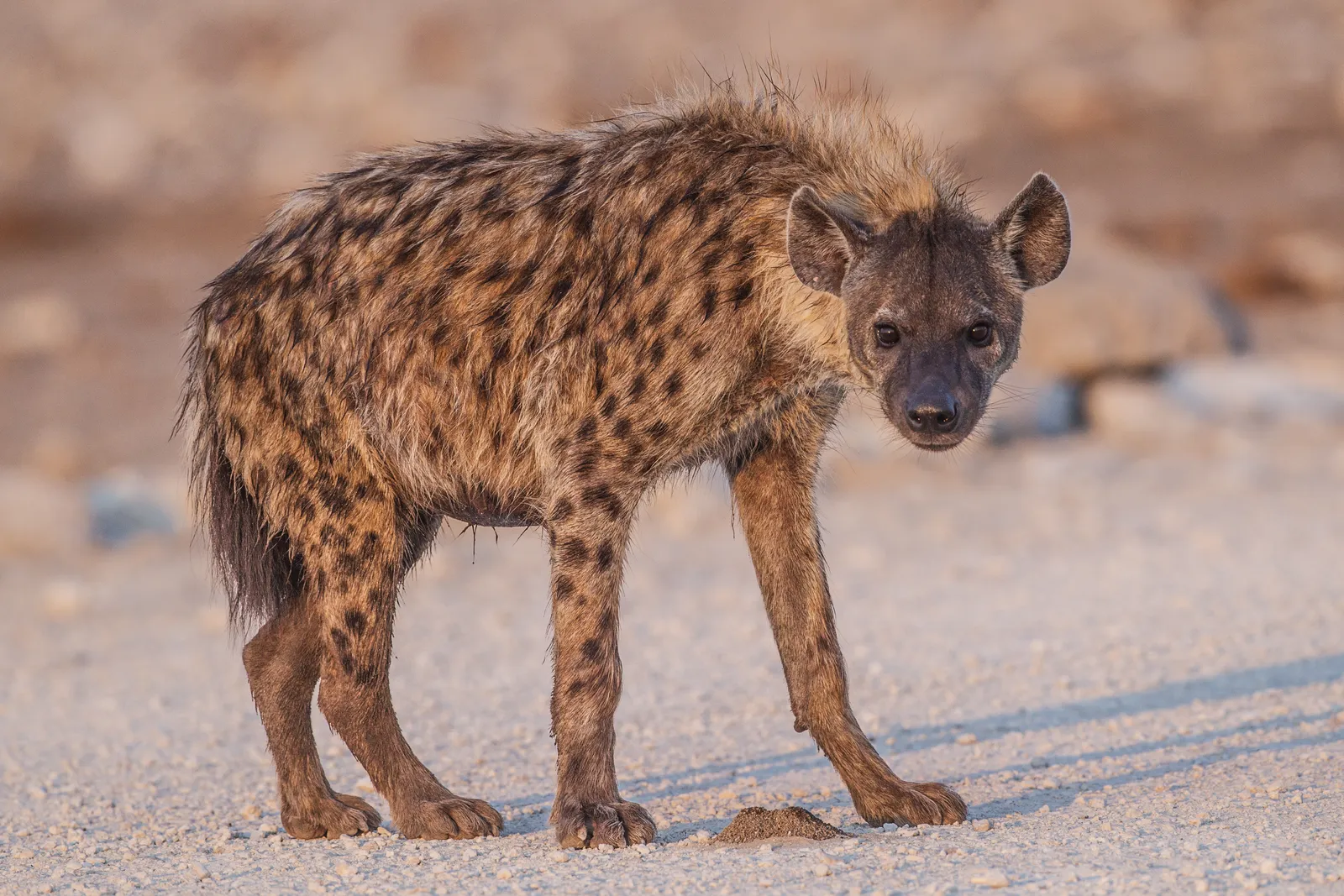
If you assume an “ugly” animal must also be simple-minded, hyenas are the rude awakening. Brain studies show spotted hyenas have enlarged frontal cortex regions tied to decision-making and social behavior, echoing what shows up in primates that live in complicated social groups. That matches what field researchers already knew: hyenas track allies, rivals, and shifting alliances over years, not days.
In controlled cooperation tasks, hyenas have sometimes outperformed chimpanzees when the challenge required flexible thinking and teamwork rather than raw strength. They learn from each other, adapt when the rules change mid-test, and show something that looks a lot like deliberation. We spent decades calling that “cunning” as a backhanded compliment. The more honest word is simply advanced.
#15 – They Take Risks That Make Lions Look Like Cowards
🔥 Would you like to save this?
We'll email this post to you, so you can come back to it later!
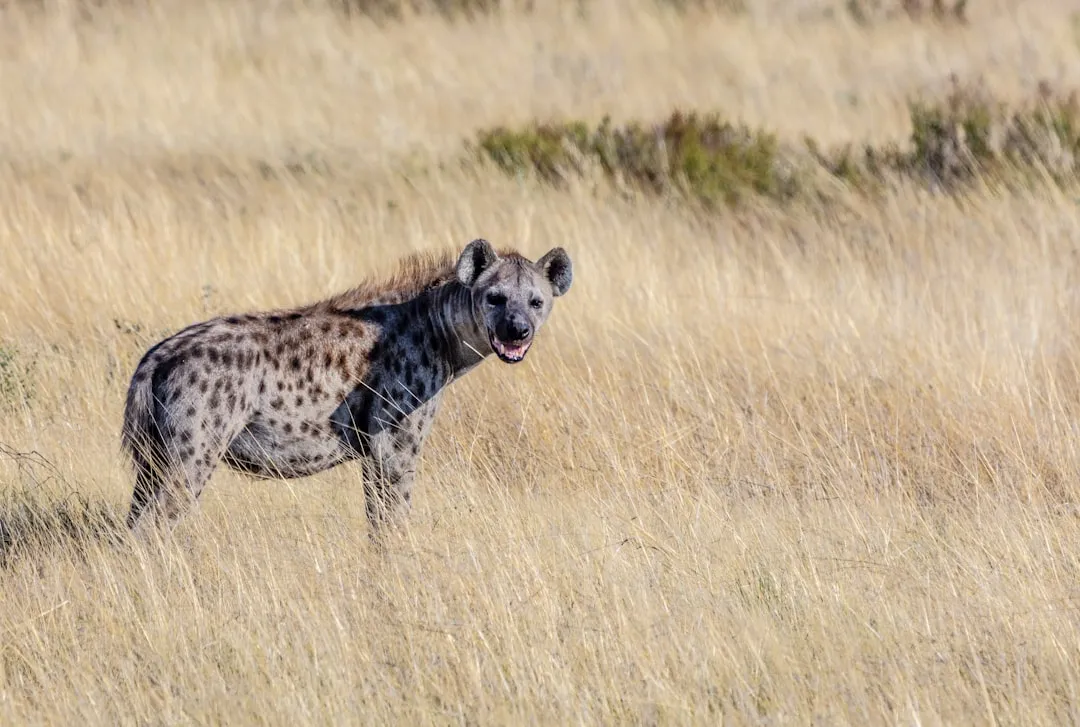
Hyenas aren’t just efficient – they’re bold in ways that make more “noble” predators look overly cautious. They regularly target dangerous prey like zebra, buffalo, and even young hippos, and instead of only picking off the weak or sick, a group will probe, harass, and test healthy animals, waiting for a single misstep to exploit.
That willingness to push the envelope is exactly why lions and leopards get nervous when a large hyena clan shows up – numbers plus persistence can flip a standoff fast. They’re just as opportunistic around humans, which unsettles people, but it’s the same instinct that makes any top-tier survivor successful: investigate new food sources, test boundaries, learn quickly. Other predators hesitate. Hyenas push, adapt, and more often than we’d like to admit, win.
#16 – The “Man-Eater” Label Doesn’t Hold Up
🔥 Would you like to save this?
We'll email this post to you, so you can come back to it later!
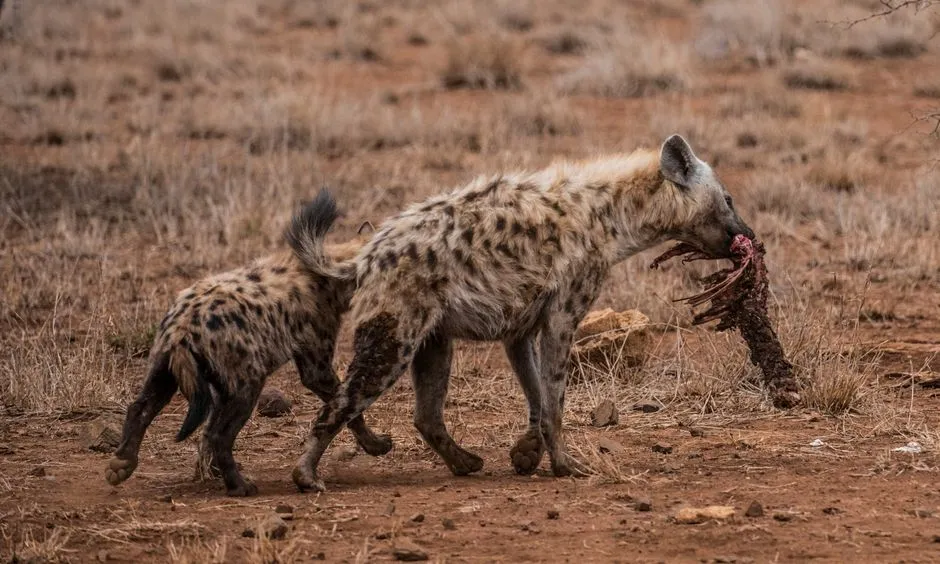
Hyenas have a PR problem: whenever something gruesome happens near livestock or people, they’re the first ones blamed. The reality is messier. Yes, they occasionally injure or, very rarely, kill people – so do lions, leopards, crocodiles, and elephants. But where reliable data exists, hyenas are not automatically the top threat to human life among African wildlife, and many reported “attacks” turn out to be opportunistic scavenging of bodies after death from disease, drowning, or another predator entirely.
Context matters more than the headlines suggest. Where garbage, unprotected livestock, and open dumps are available, hyenas learn fast that it’s easier to feed there than to take on dangerous prey – and poor waste management often creates the exact conditions that spark conflict. Blaming hyenas alone for that is a bit like blaming rats for a landfill; the behavior we fear is often a mirror held up to our own choices.
#17 – Even Hemingway Fell for the Propaganda
🔥 Would you like to save this?
We'll email this post to you, so you can come back to it later!
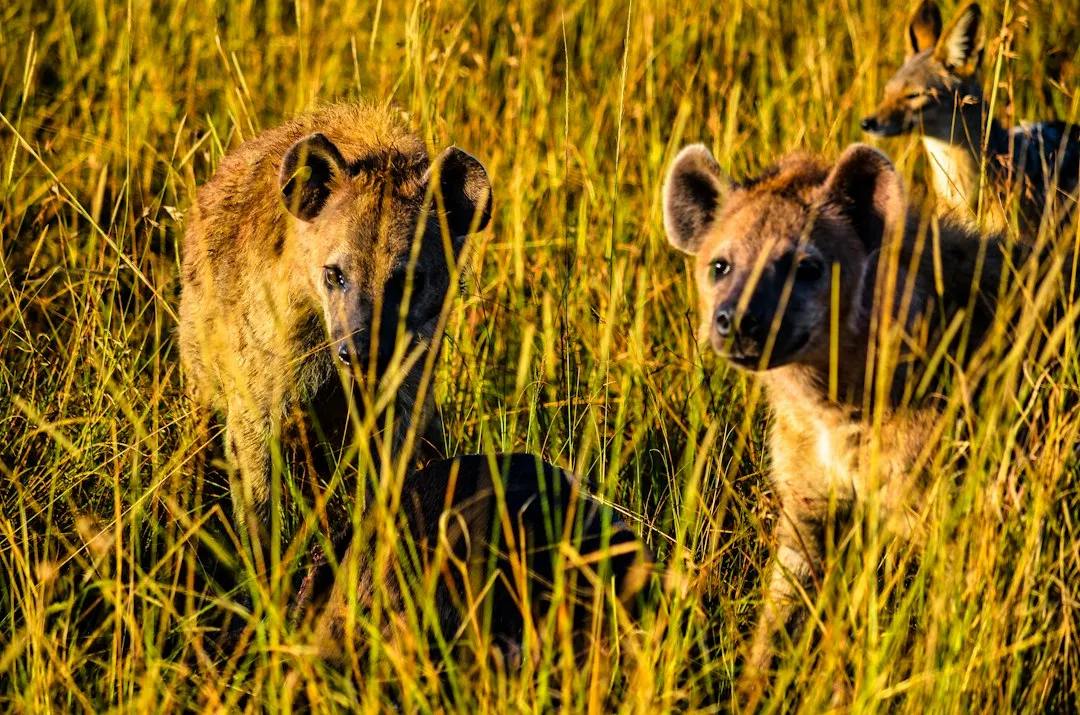
If you think the hyena’s bad reputation is a modern, Disney-era problem, it’s actually much older and far more literary. Ernest Hemingway, in “Green Hills of Africa,” described the hyena as a foul, cowardly camp-follower – proof that even one of the 20th century’s sharpest observers of the natural world got this one badly wrong.
The hyena, hermaphroditic, self-eating devourer of the dead, trailer of calving cows, ham-stringer, potential biter-off of your face at night while you slept… sad yowler, camp-follower, stinking, foul, with jaws that crack the bones the lion leaves.
Ernest Hemingway, Green Hills of Africa
That’s not folklore or a cartoon script – that’s a celebrated author putting a real-time-tested bias into permanent print. If a writer that observant could get the hyena this wrong, it’s no surprise the rest of us inherited the myth without ever questioning it. The bias didn’t start with “The Lion King.” It just got a catchier soundtrack.
#18 – The Real Villain Was Us All Along
🔥 Would you like to save this?
We'll email this post to you, so you can come back to it later!
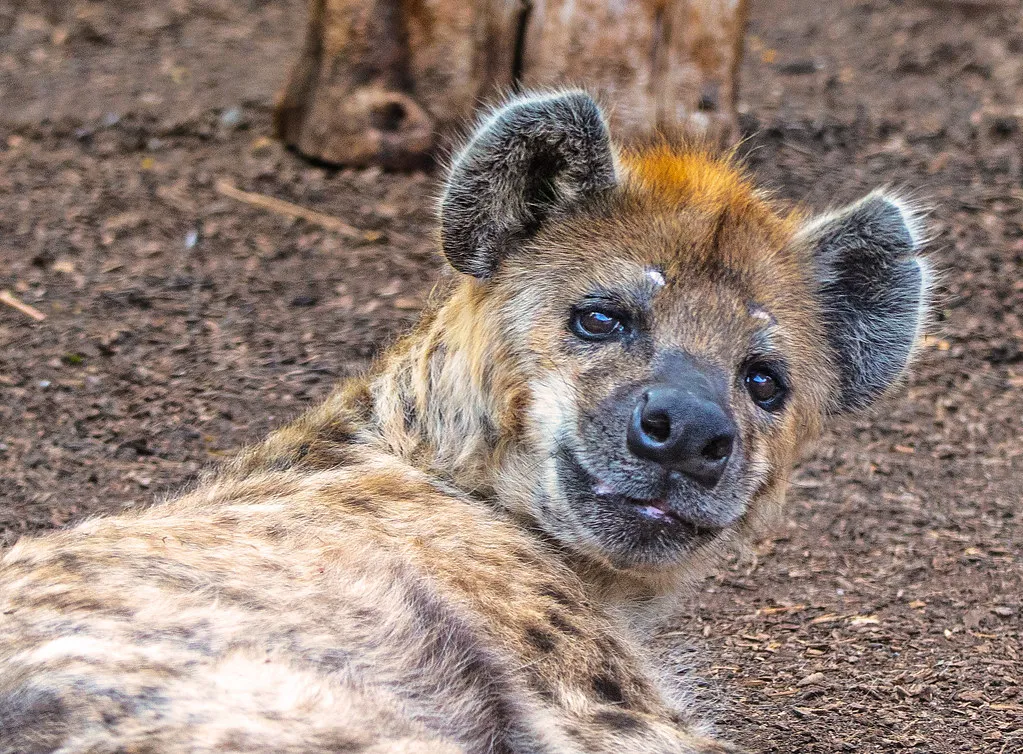
Pull all these findings together and an uncomfortable truth surfaces: the “evil hyena” was mostly built in our heads. We took an animal with matriarchal power, complex societies, bone-deep resilience, and unglamorous but essential ecological work, and turned it into a punchline because it doesn’t fit our beauty standards for wildlife.
It doesn’t stalk like a big cat or glide like an eagle. It cleans up, it “laughs” wrong, females run the show, and it refuses to stay quietly in the background – so we labeled it disgusting, cowardly, and cruel to justify our own discomfort. The science says otherwise: hyenas are intelligent, socially sophisticated, essential predators and recyclers holding entire ecosystems together in ways we’re only starting to fully appreciate.
So here’s where I land after all 18 of these findings: hyenas were never the villain of this story, we were. We wrote them into that role because it was easier than admitting an animal this smart, this social, and this female-led didn’t fit the narrative we wanted for the savanna. They’re not perfect, and no species is, but the gap between the data and the reputation is embarrassingly wide. We owe them the same respect we eventually gave wolves, orcas, and vultures once we bothered to actually look. The next time someone cracks a lazy hyena joke, the ignorance on display isn’t the hyena’s – it’s ours, and it always was.

- 12 Surprising Facts About North American Mountain Lions You Never Knew - November 5, 2026
- Wild Salmon Populations Are Rebounding in the Pacific Northwest, A Sign of Healthier Rivers - November 5, 2026
- 8 Fascinating Facts About Owls You Never Knew - November 5, 2026