
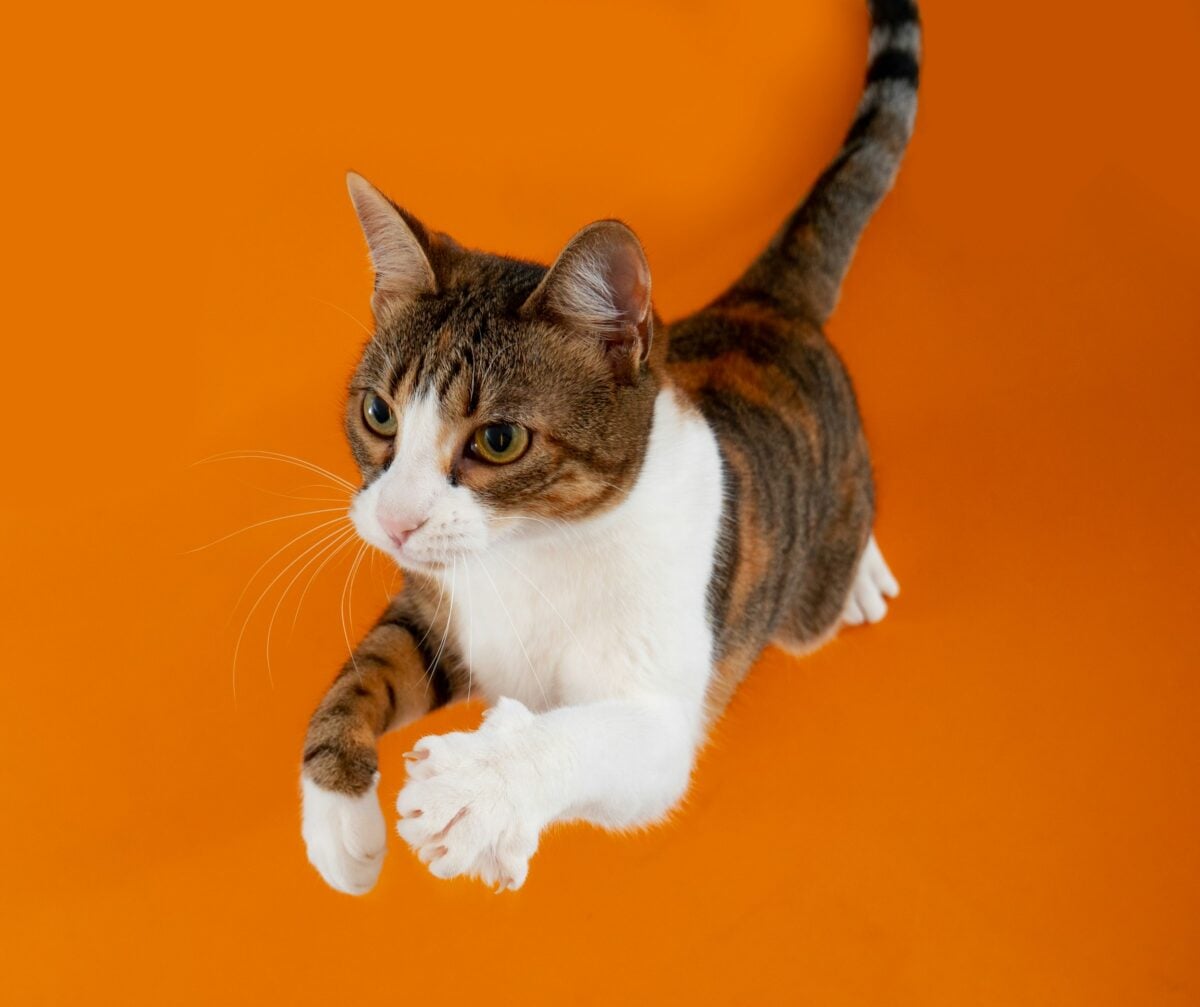
It’s 3:07 a.m. and your cat is airborne, ricocheting off the hallway walls like she’s being chased by something invisible. You groan, roll over, and mutter the line every cat owner eventually mutters: “crazy cat.” She isn’t crazy. She’s running a script written thousands of years before your alarm clock existed, and tonight’s performance follows the same choreography her wild ancestors used just to stay alive.
What actually drives that 3 a.m. chaos isn’t one behavior. It’s seven of them, stacked on top of each other, cycling through your cat’s night like a tiny internal checklist. Some are adorable. Some are unsettling. One explains exactly why yelling at her only makes things worse. Here’s what’s really happening on the other side of your bedroom door.
#1 – The Ancient Body Clock That Refuses to Reset
🔥 Would you like to save this?
We'll email this post to you, so you can come back to it later!
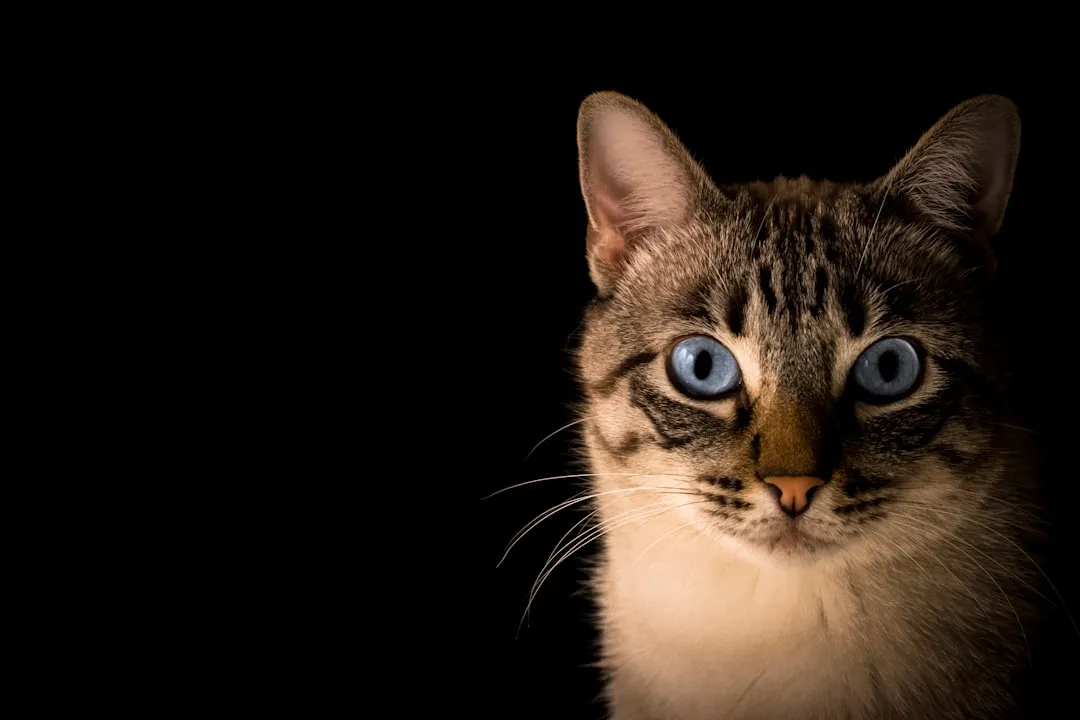
Cats never evolved to be night owls. They evolved as twilight hunters, wired for peak alertness at dawn and dusk, when rodents and birds are easiest to catch. That internal clock never got the memo about central heating and automatic feeders, so it keeps firing on the exact same schedule it always has, even in a cat who has never hunted a single thing in her life.
Here’s the part that actually startles people: cats can go from dead-asleep to fully alert with zero grogginess, no stretching, no slow blinking, just instant launch. That’s why she can be curled in a ball on the couch one second and blasting down the hallway the next while you’re still trying to remember your own name. It isn’t defiance. It’s a switch flipping exactly on time.
Fast Facts
- Cats are crepuscular, meaning they’re naturally built for peak activity at dawn and dusk, not midnight or midday.
- An average adult cat sleeps 12 to 16 hours a day, leaving plenty of stored energy for a 3 a.m. burst.
- Domestication began roughly 10,000 years ago, but that timeline barely registers against instincts shaped over millions of years.
- Unlike humans, cats don’t need a grogginess period to shift from deep sleep to full alertness.
#2 – The Zoomies That Blow Off a Full Day of Bottled-Up Hunting Energy
🔥 Would you like to save this?
We'll email this post to you, so you can come back to it later!
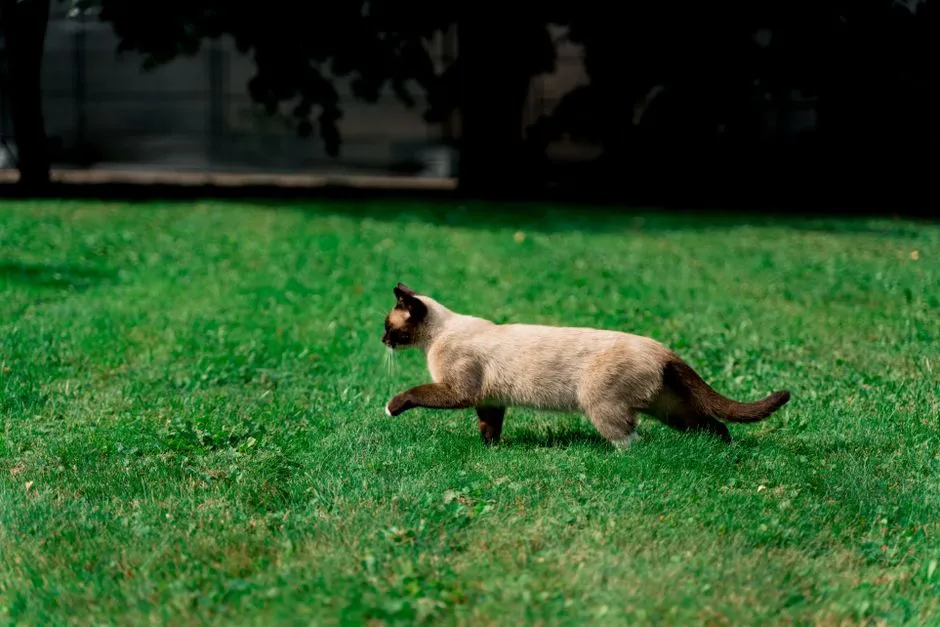
Those frantic 3 a.m. sprints have a name: FRAPs, or Frenetic Random Activity Periods. They hit hardest in cats who spend all day napping out of pure boredom, then suddenly have nowhere to put the hunting energy that never got used. The result is a full-body eruption of sprinting, leaping, and sharp cornering that mimics, almost exactly, the stalk-chase-pounce sequence of a wild hunt.
These outbursts aren’t hyperactivity and they aren’t a problem to fix. They’re a release valve for an instinct modern indoor life simply doesn’t have room for. The uncomfortable twist is that owners often make it worse without realizing it, flipping on a light or tossing a toy at 3 a.m. and unintentionally teaching the cat that this exact hour is when the fun starts.
#3 – The Meow That Won’t Quit Until Someone Gets Up
🔥 Would you like to save this?
We'll email this post to you, so you can come back to it later!
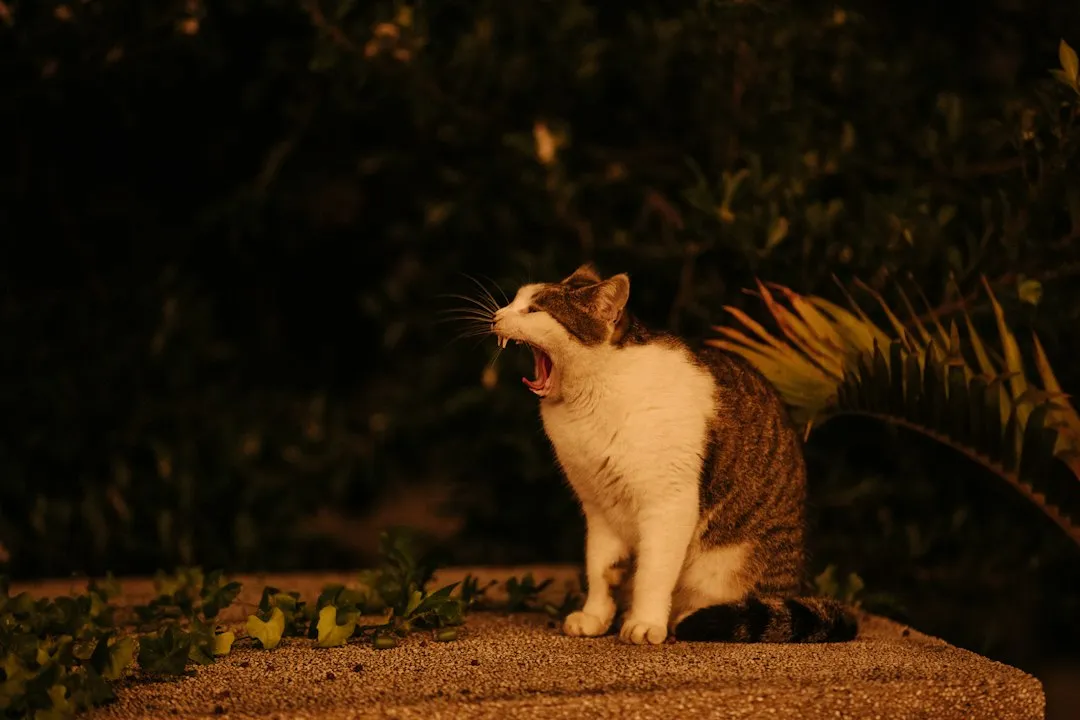
Cats didn’t develop meowing to talk to each other. They developed it to talk to us, and at night that skill gets put to aggressive use. Vocalizing spikes because cats quickly learn it gets results: food, attention, a door opened. Add in a feeding schedule that looks nothing like a cat’s natural pattern of frequent small meals, plus boredom and separation from a sleeping owner, and you get a chorus that starts right when the house goes quiet.
The uncomfortable truth is that responding, even once, teaches the cat exactly which sound gets you out of bed fastest. Ignoring it consistently works better than any other fix. The one exception worth watching for is a senior cat whose nighttime meowing suddenly gets louder or more frequent, since that shift can point to pain or cognitive decline rather than a simple bid for attention.
Worth Knowing
- Adult cats rarely meow at each other; it’s largely a behavior reserved for communicating with people.
- Kittens meow to call their mothers, then mostly drop the habit with other cats once grown.
- Cats are quick learners when it comes to figuring out which specific sound gets a fast response from their owner.
- A sudden jump in nighttime vocalizing in an older cat is worth mentioning at the next vet visit.
#4 – Full Predator Mode, Aimed at a Curtain or a Sock
🔥 Would you like to save this?
We'll email this post to you, so you can come back to it later!
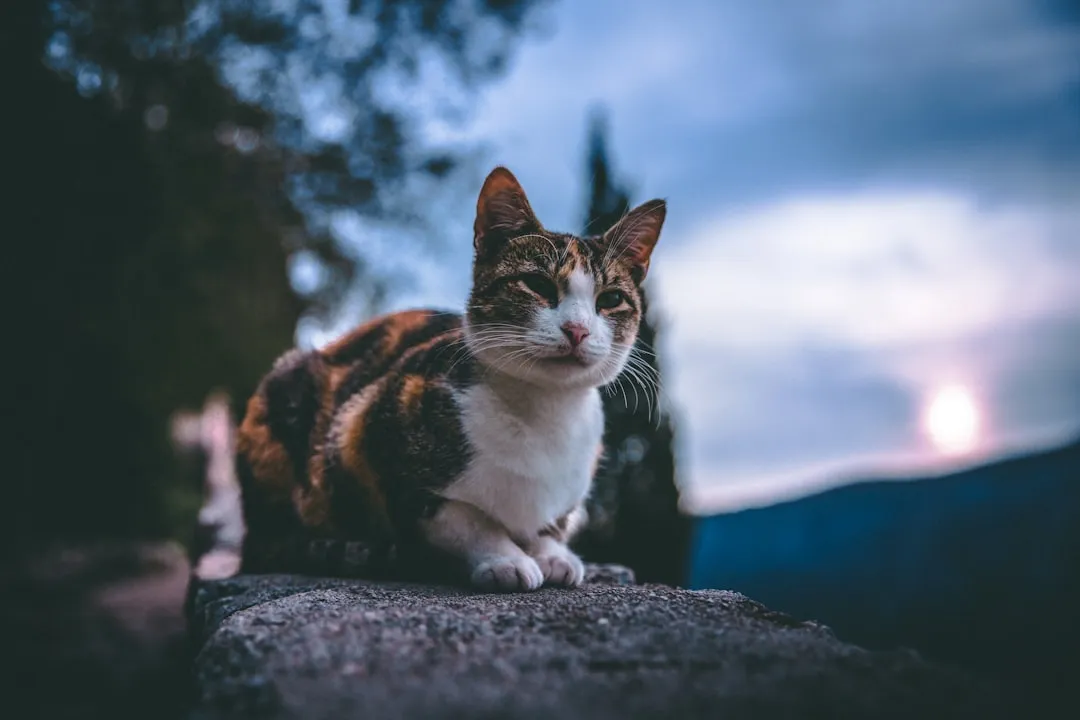
Even a cat who has never seen a mouse in her life still carries the complete hunting sequence, and 3 a.m. plays right into her strengths. Thanks to a reflective layer behind the retina called the tapetum lucidum, cats see roughly six times better than we do in near-darkness. A fluttering curtain or a stray sock on the floor becomes, in that moment, genuinely dangerous prey.
These aren’t cute little games. They’re precise rehearsals of survival skills that thousands of years of domestication never managed to erase. That’s why the stalking looks so deliberate, the freeze so total, and the pounce so sudden, right before she casually grooms herself and walks away like nothing happened.
Why It Stands Out
- The tapetum lucidum bounces light back through the retina a second time, dramatically boosting low-light vision.
- Cats can function in light levels roughly six times dimmer than what a human eye needs to see clearly.
- Their pupils can widen to cover nearly the whole eye, pulling in every available scrap of light.
- That sharp night vision works alongside limited color perception, since detail and motion matter far more to a hunting cat than shade.
#5 – The Litter Box Sprint That Looks Like Panic but Isn’t
🔥 Would you like to save this?
We'll email this post to you, so you can come back to it later!
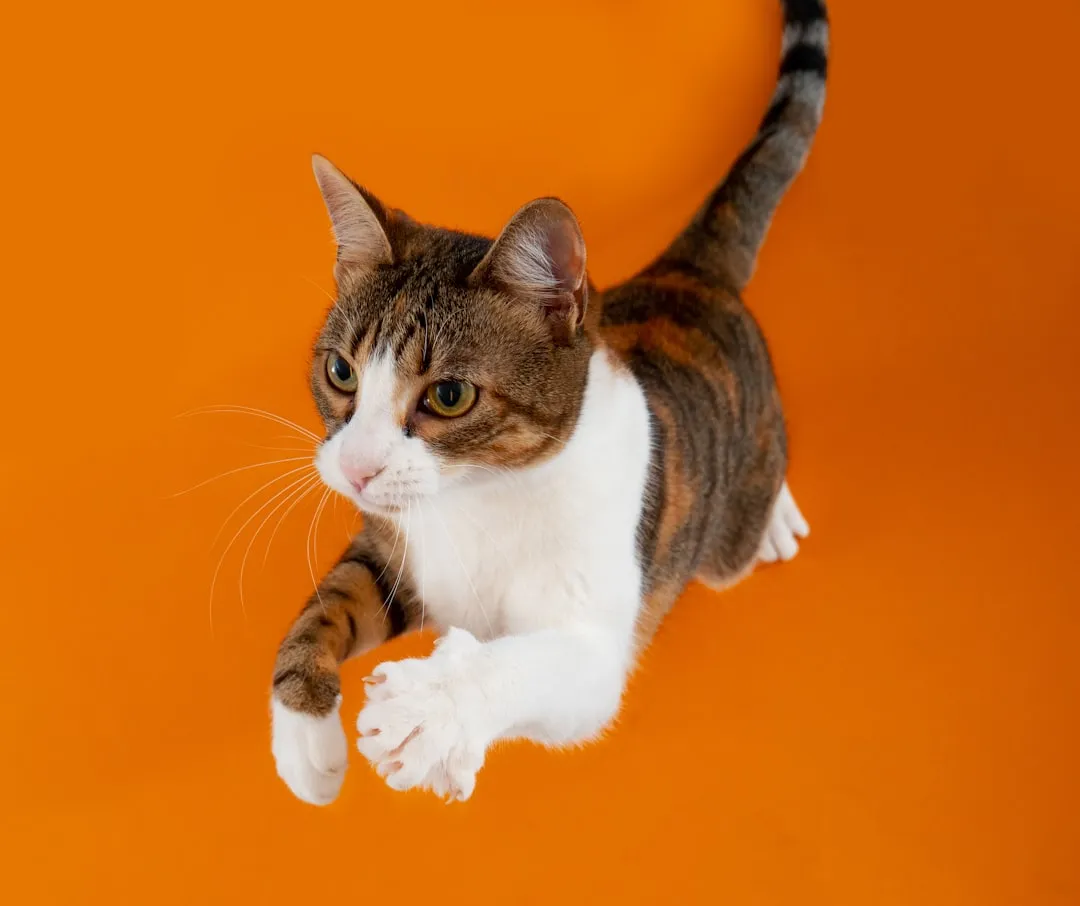
Defecation stimulates the vagus nerve in cats, producing a genuine rush of physical relief, and a lot of cats respond to that rush by bolting straight out of the box and tearing through the house. Layer on the wild instinct to put distance between themselves and their own waste scent, and you get a full-speed sprint that has nothing to do with anything being wrong.
It’s normal, it’s harmless, and honestly it’s a little funny once you know what’s behind it. The only time it deserves a second look is if it comes paired with straining, crying in the box, or a sudden change in litter habits. Otherwise, it’s just one more predictable beat in the 3 a.m. routine.
#6 – Kneading the Blankets Like She’s Claiming Territory
🔥 Would you like to save this?
We'll email this post to you, so you can come back to it later!
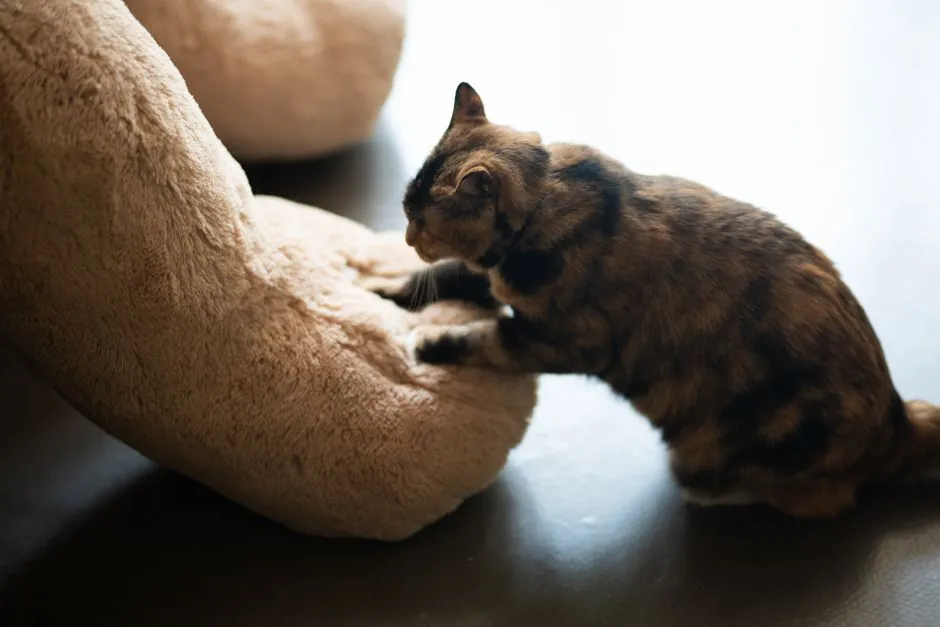
Kneading starts in kittenhood as a nursing reflex, but it never really goes away. In adult cats it becomes a self-soothing ritual and a way of leaving scent from the paw pads on soft surfaces like your bed or the couch. At night, that quiet rhythmic pressing often shows up right before or right after a burst of louder chaos.
In multi-cat households or stressful environments, kneading tends to ramp up even more, functioning almost like a calming exercise a cat gives herself. Watching a cat cycle from kneading to zooming to stalking in the same hour reveals something owners rarely think about: there’s a whole layered schedule running in that small furry body, and it has nothing to do with yours.
#7 – The Midnight Patrol That Rearranges Your Whole House
🔥 Would you like to save this?
We'll email this post to you, so you can come back to it later!
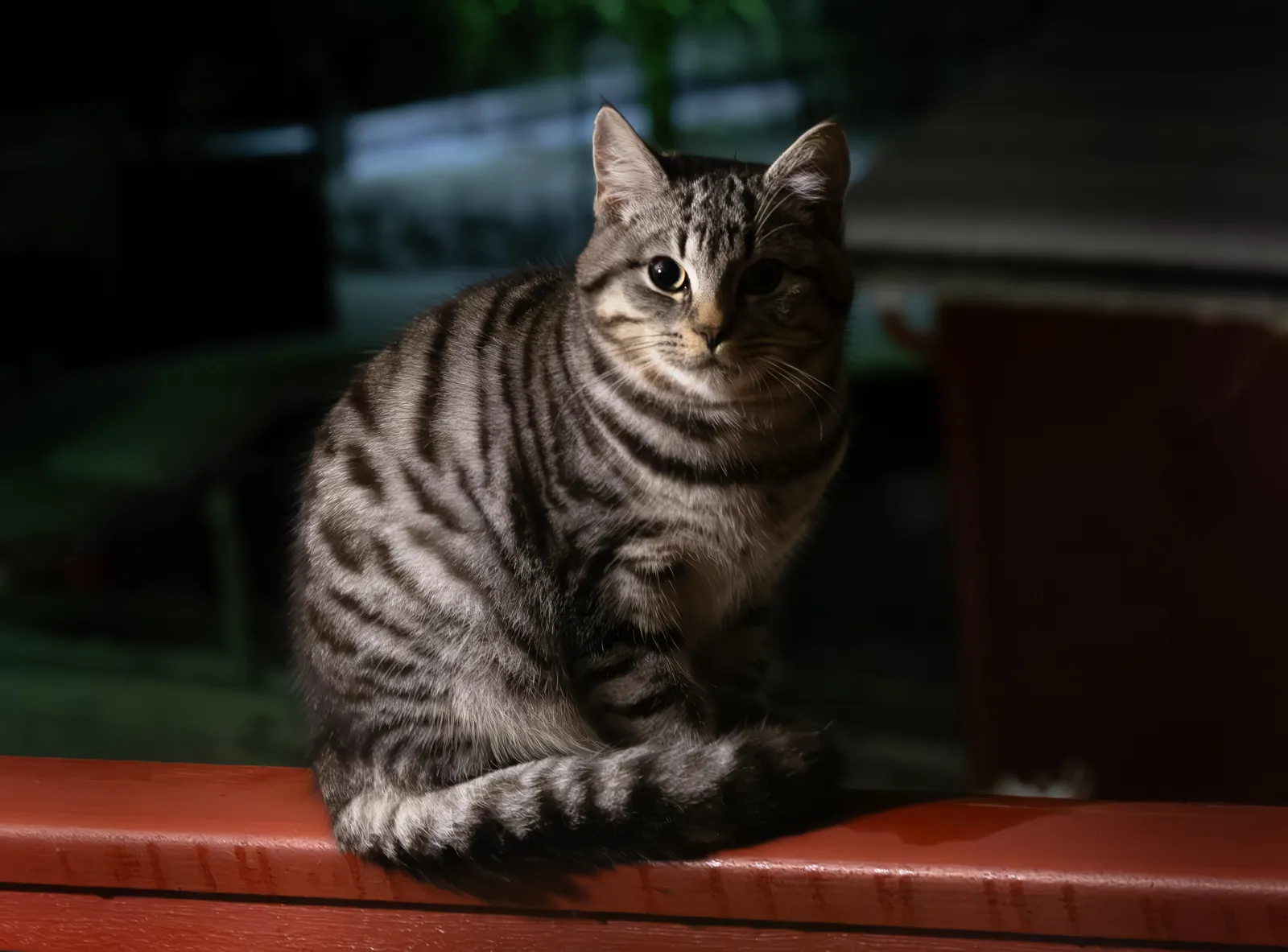
Cats treat their home the way a small predator treats its territory, something that needs regular checking. In the dark, using whiskers finely tuned to detect the slightest shift in air currents, they inspect entry points, nudge objects, and knock things off shelves just to test what moves and what doesn’t.
Most of this goes completely unnoticed until something crashes to the floor at 3 a.m. and jolts you awake. But it isn’t destruction, it’s inspection. Some cats even develop the exact same patrol route night after night, quietly managing a domain you didn’t know you were sharing with a tiny, meticulous night watchman.
At a Glance
- Whiskers can detect the faintest shifts in air currents, acting almost like a radar system in total darkness.
- Cats treat their living space as scent-marked territory that needs regular checking, not just a place to rest.
- Indoor cats often settle into a repeatable nightly patrol route, even in a small apartment.
- Knocking an object off a shelf is usually curiosity or testing, not intentional mischief.
The Verdict: Your Cat Isn’t Broken, Your Schedule Is
🔥 Would you like to save this?
We'll email this post to you, so you can come back to it later!
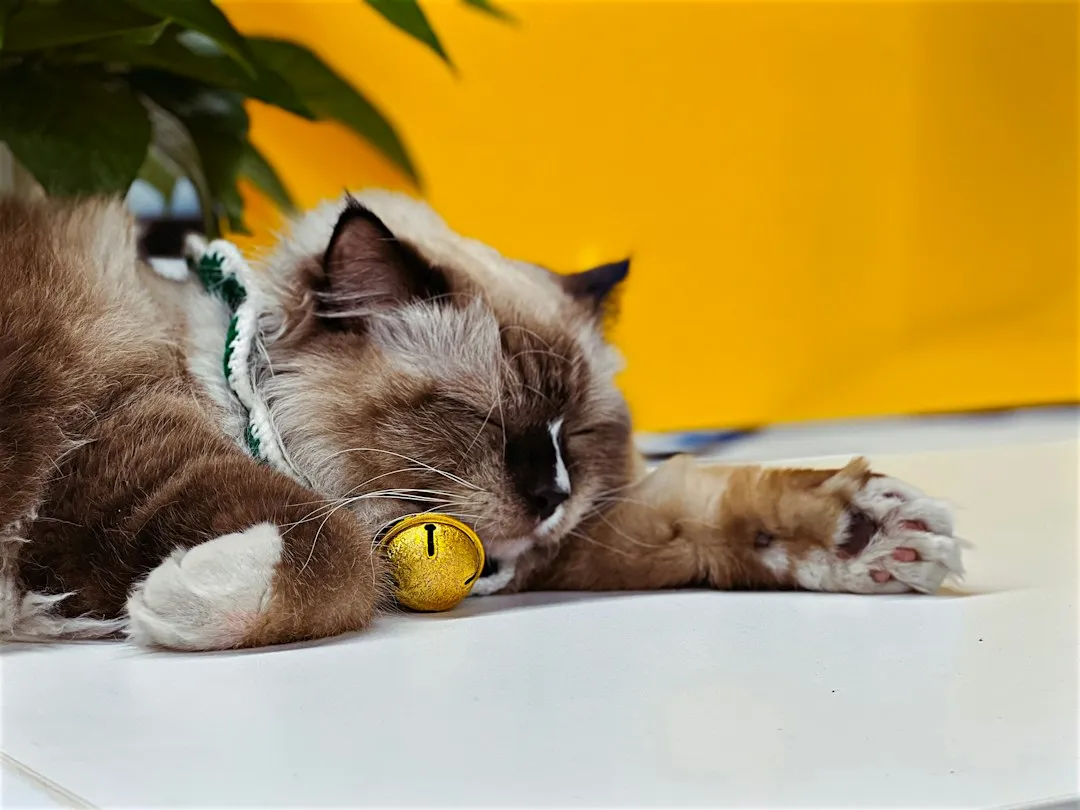
Here’s the opinion part, and it’s not a popular one to hear at 3 a.m.: the problem was never the cat. Every single behavior on this list, the zoomies, the meowing, the pouncing, the patrols, traces back to one root cause, an ancient hunter stuffed into a schedule built for humans, with too much idle sleep and too little to actually chase. Blaming the cat for that mismatch is like blaming a clock for keeping time.
The fix isn’t punishment or frustration, it’s structure. A hard play session before bed that ends in a small meal comes closer to mimicking the natural hunt-eat-groom-sleep cycle than anything else you can do, and consistently ignoring the 3 a.m. bids for attention breaks the loop faster than any amount of yelling ever will. Sudden changes in an older cat’s nighttime behavior still deserve a vet visit, but for a healthy cat, this chaos isn’t a flaw to fix. It’s just what a hunter looks like when the sun goes down and no one’s watching but you.

- 7 Everyday Habits That Can Make Your Senior Dog Happier - November 5, 2026
- 10 Enigmatic Structures That Continue to Puzzle Scientists Today - November 5, 2026
- 10 Strange Ruins in the Americas That Challenge What We Know About Early History - November 5, 2026