
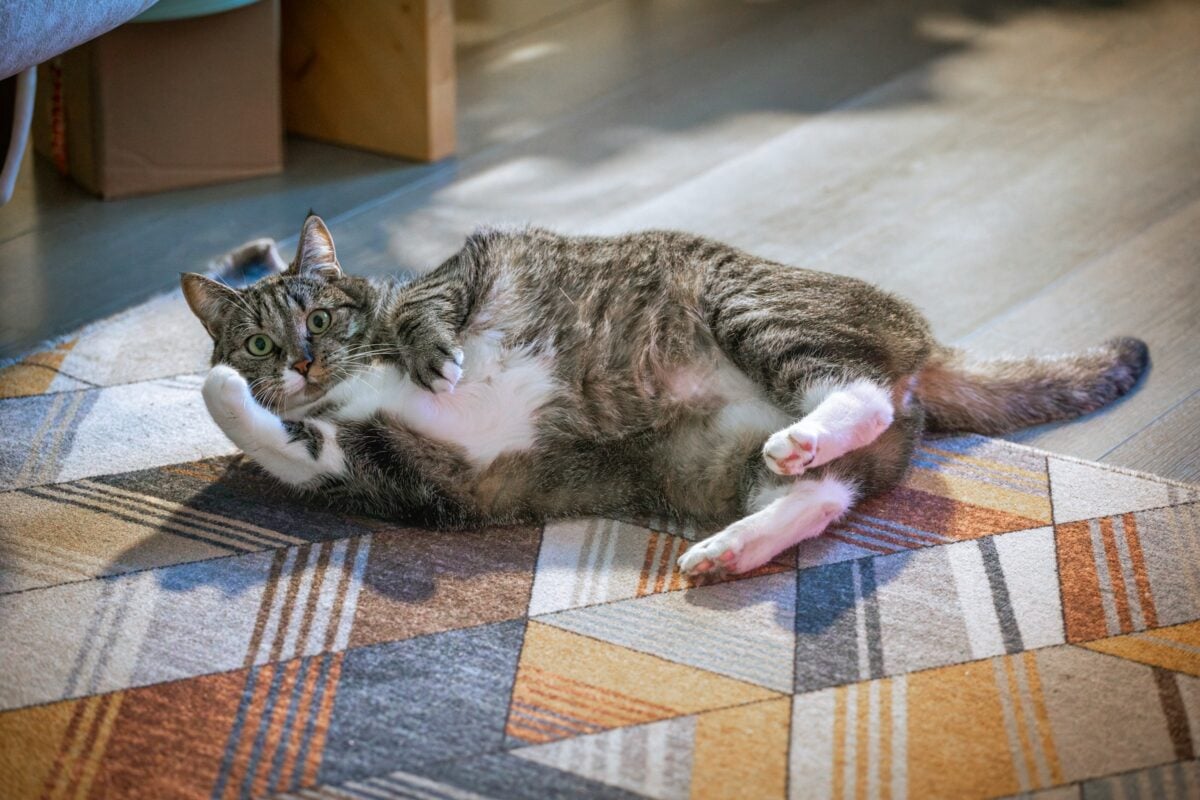
You already know the story cats have been telling us for centuries: feed me, leave me alone, and we’ll get along fine. Independent. Aloof. Practically indifferent to whether you’re home or halfway across town. That story is starting to fall apart.
Behavioral researchers who’ve actually studied what cats do the moment a door closes are finding something far stranger than indifference – quiet rituals, hidden stress signals, and reactions that look almost human. Some of these behaviors are so subtle that owners have lived with them for years without ever realizing what they were watching. Here’s what’s really happening the second you walk out.
#1 – The Freeze-and-Stare at the Door
🔥 Would you like to save this?
We'll email this post to you, so you can come back to it later!
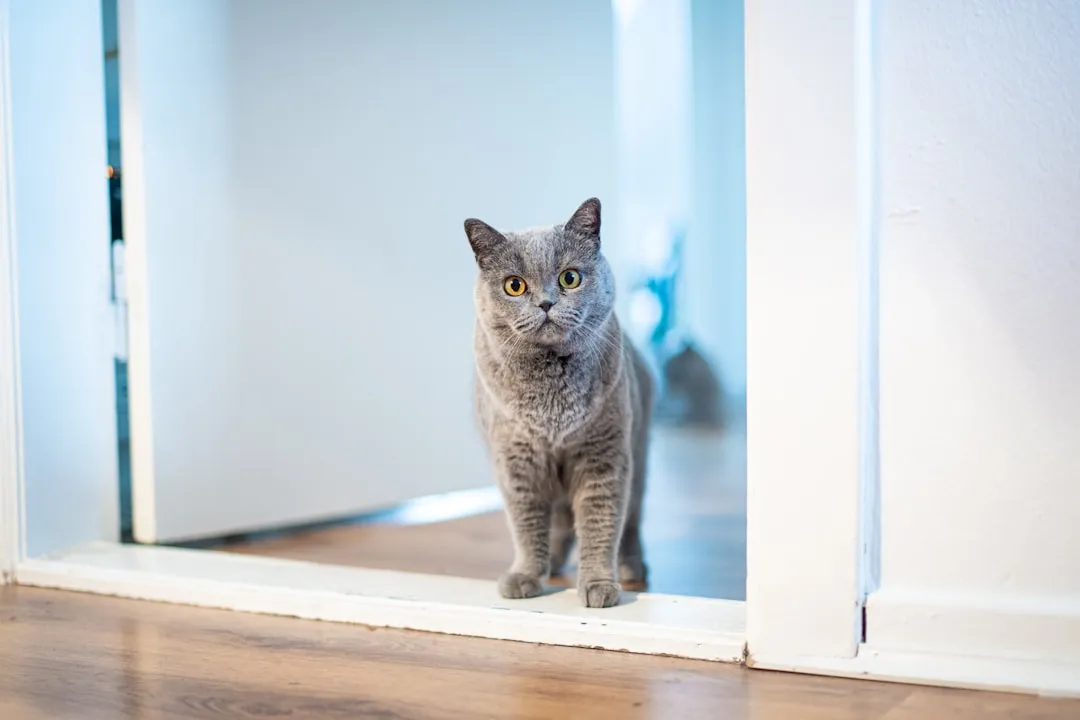
Before you even leave, most cats perform a behavior owners barely register: they stop moving and lock eyes on the exit point.
This isn’t random. Cats are highly attuned to departure cues, and behaviorists note that cats often follow their owner from room to room more intensely than usual and vocalize when they see the owner preparing to leave. The freeze-and-stare is often the first stage of that anticipatory response, happening seconds before the more obvious following begins.
Fast Facts
- The freeze-and-stare often starts before any packing sounds begin.
- Some cats hold the position for up to a full minute without moving.
- Silence, not noise, is usually the first true anxiety cue.
- This early-stage response often goes unnoticed for years.
What makes this behavior easy to miss is its stillness. Owners expect anxiety to look loud – meowing, pacing – but the earliest sign is often silence.
The cat simply watches, tracking the door the way it would track a bird outside a window. Some cats hold this position for a full minute before making any move at all, which is exactly why the behavior goes unnoticed for years in most households.
#2 – Memorizing the Sound of Your Keys
🔥 Would you like to save this?
We'll email this post to you, so you can come back to it later!
Cats don’t just recognize you – they recognize the exact soundtrack of your departure.
Researchers studying anxious cats have found that specific pre-departure sounds trigger a response before the door even opens. Vocalizing when they see you preparing to leave – picking up keys, putting on shoes, getting a bag – is a documented anxious behavior distinct from normal shadowing. In other words, your cat has built an internal checklist, and once enough boxes are ticked, it knows exactly what’s coming next.
This is why some cats seem to “appear from nowhere” the moment you grab your bag, even if they were asleep in another room minutes earlier. It’s not coincidence. It’s pattern recognition built from repetition, the same kind of associative learning that lets a dog react to a leash.
The unsettling part is how selective it is. A cat can ignore a doorbell, a vacuum, or a stranger’s voice, yet snap to full alert the second it hears one specific set of keys.
#3 – The Scent-Rubbing Ritual After You’re Gone
🔥 Would you like to save this?
We'll email this post to you, so you can come back to it later!
The second the door clicks shut, some cats immediately start rubbing on furniture, doorframes, and their own belongings.
This isn’t random affection directed at nothing. Cats communicate heavily through scent, and rubbing behavior spikes when a cat is trying to reinforce a familiar, comforting smell in an environment that suddenly feels less secure. It’s a self-soothing mechanism, not unlike a child clutching a blanket that smells like home.
The scent-marking often concentrates around the exact spot where the owner was last standing or sitting. What’s surprising is how targeted this becomes.
Cats will often bypass neutral objects entirely and go straight for items that carry the strongest trace of their person – a coat left on a chair, a bag by the door, a cushion still warm from where someone sat. The behavior can look almost ceremonial, a slow, deliberate loop around the same three or four spots before the cat finally settles.
#4 – Sleeping on Your Side of the Bed
🔥 Would you like to save this?
We'll email this post to you, so you can come back to it later!
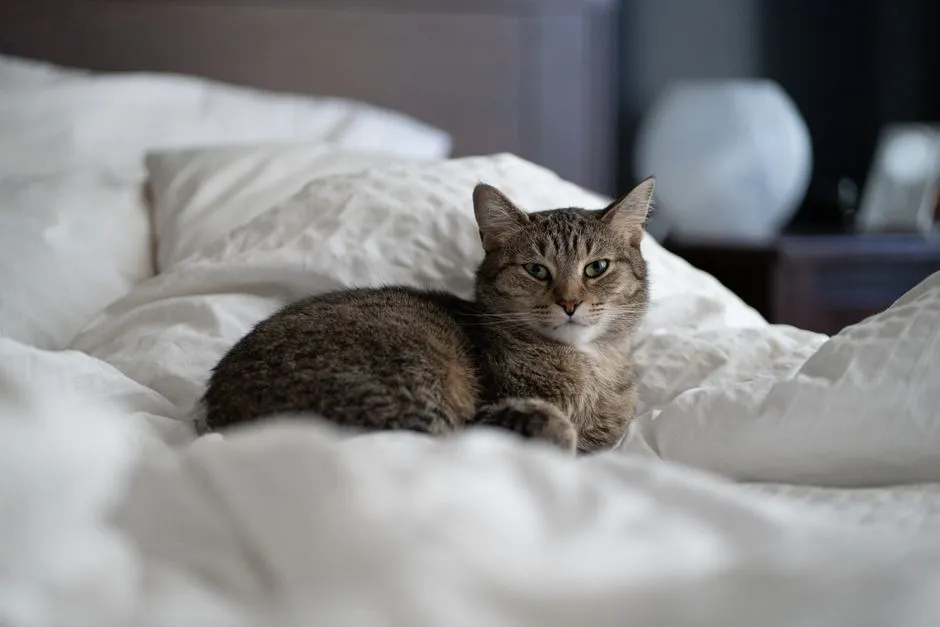
Many owners come home to find their cat curled up in the exact spot they slept in, not their own usual perch.
This shift in sleeping location tends to happen specifically during longer absences rather than short errands, which lines up with behavioral research showing that cats with separation distress tend to react to extended absences like a workday or weekend trip rather than the brief departures that trigger many anxious dogs. The bed becomes a scent reservoir, and the cat gravitates toward the strongest concentration of that familiar smell.
It’s a quiet substitution behavior – the cat can’t have the person, so it claims the next best thing. Some owners report this happening almost exclusively on days with longer work shifts, disappearing entirely on weekends when the household routine stays predictable.
The pattern is consistent enough that some behaviorists now use “location of sleep” as an informal marker when assessing how a cat is coping with a new schedule.
#5 – The Silent Hunger Strike
🔥 Would you like to save this?
We'll email this post to you, so you can come back to it later!
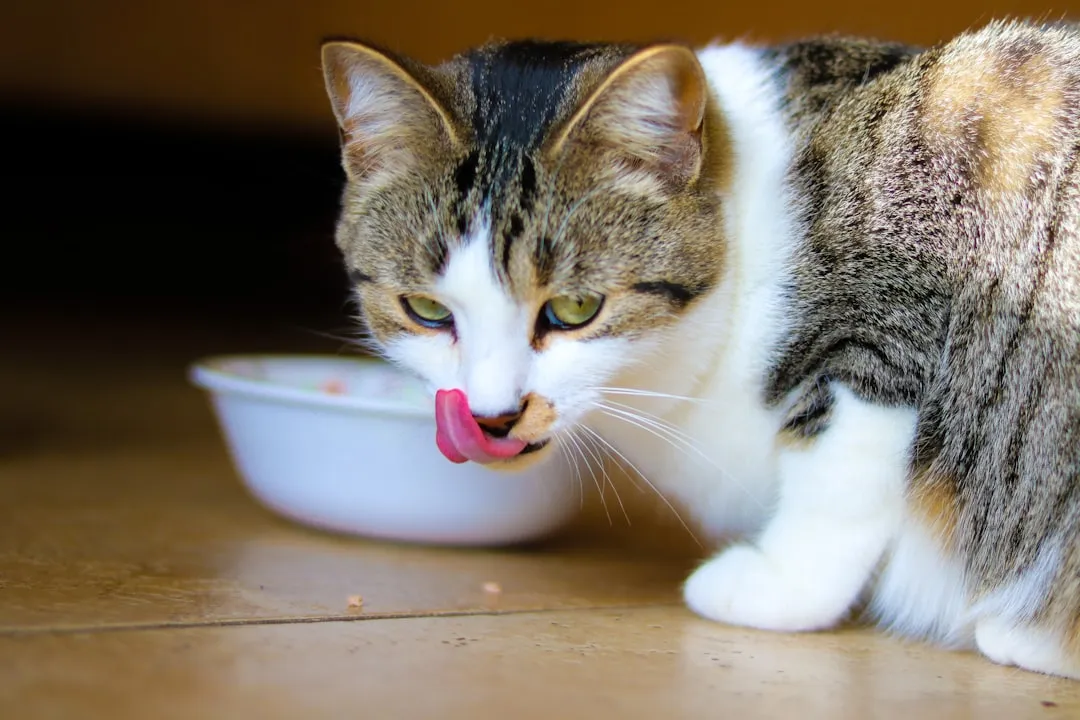
Some cats stop eating almost entirely while their person is out, even when food is left in the bowl.
This is one of the more alarming behaviors on this list because it sits on a spectrum. A mildly anxious cat might pace and meow for the first hour after you leave, then settle, while a severely affected cat may refuse to eat, soil the home repeatedly, or groom a patch of fur down to bare skin. Appetite loss tends to appear early, often before an owner notices any other change at all.
Worth Knowing
- Mild cases: pacing and meowing for about an hour, then settling down.
- Severe cases: skipped meals, repeated accidents, or bald patches from grooming.
- Appetite loss often shows up before any other visible symptom.
- Vets recommend ruling out illness before assuming stress is the cause.
The unsettling part is that many owners never catch this in real time – they simply notice a full bowl at the end of the day and assume the cat wasn’t hungry. In reality, some cats treat mealtime as a shared ritual, and eating alone disrupts that enough to suppress appetite completely.
Veterinarians increasingly recommend ruling out medical causes first, since appetite changes can also signal illness unrelated to absence.
#6 – Vocalizing to an Empty Room
🔥 Would you like to save this?
We'll email this post to you, so you can come back to it later!
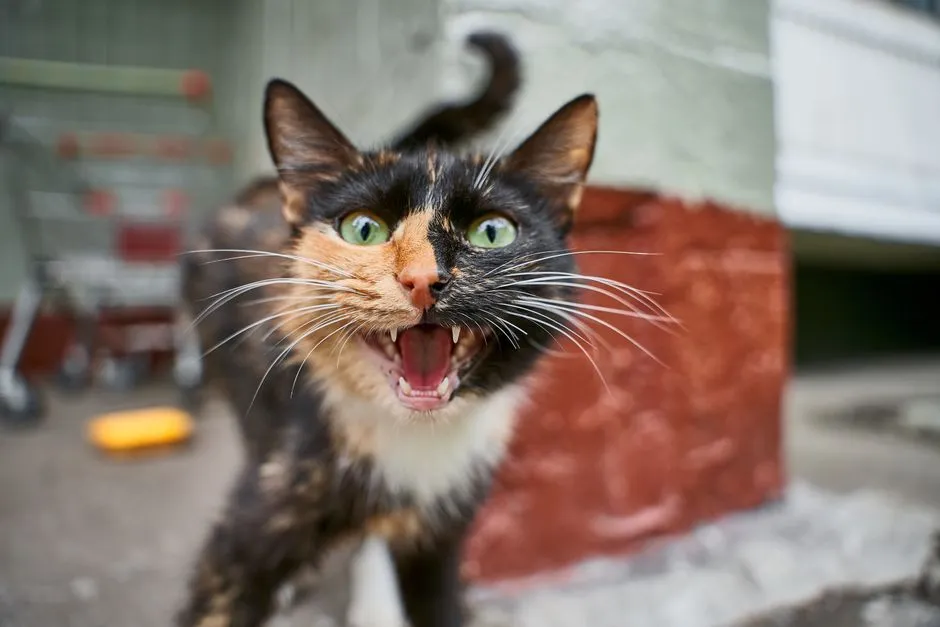
Owners with pet cameras have caught something strange: cats meowing, even yowling, at rooms with no one in them.
This isn’t attention-seeking in the traditional sense, since no one is there to respond. Excessive vocalization is one of the most commonly documented separation-related behaviors, and researchers building on earlier work identified destructive behavior, excessive vocalization, urination in inappropriate places, depression, apathy, aggressiveness, agitation, and defecation in inappropriate places as the core diagnostic criteria used to evaluate distress in cats left alone.
What makes the vocalizing pattern odd is its inconsistency. Some cats cry heavily in the first ten minutes and go completely silent for hours afterward, almost as if the initial protest exhausts itself.
Others save the vocalizing entirely for the moment they hear the owner’s car in the driveway, turning a quiet afternoon into a chorus of meows the instant the key turns in the lock.
#7 – Retreating to One “Safe” Spot
🔥 Would you like to save this?
We'll email this post to you, so you can come back to it later!
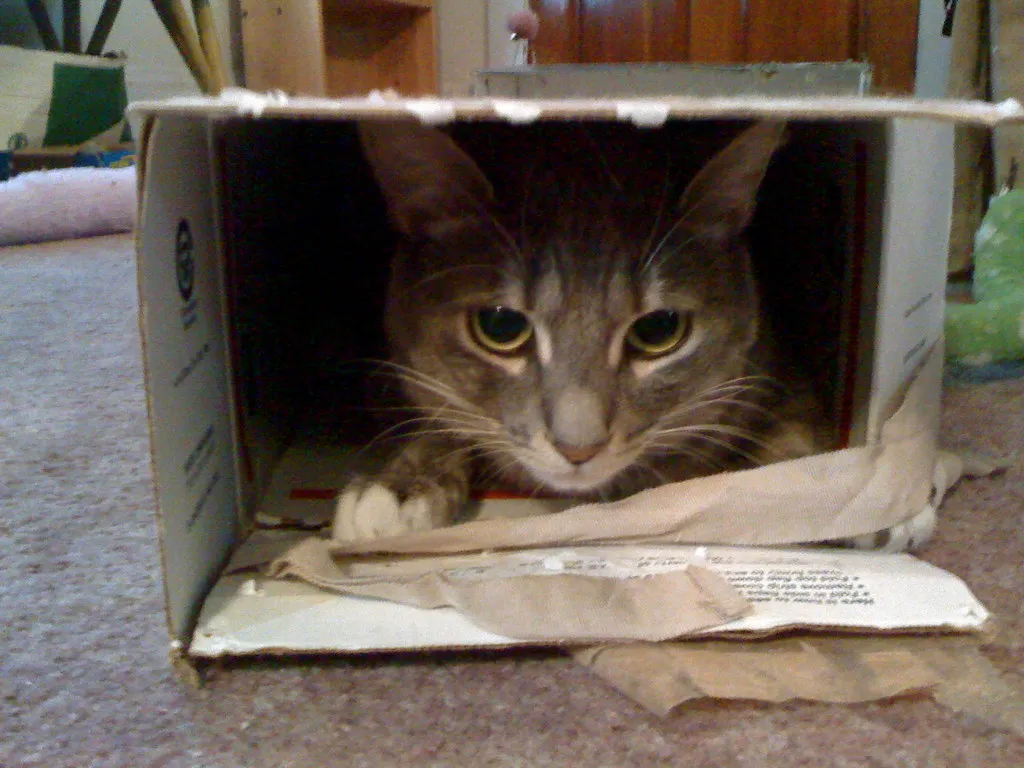
Rather than roaming the house, many cats pick a single hiding spot and stay there for the entire time their person is gone.
This retreat behavior tends to intensify specifically around routine disruption. Experiencing a change in routine often prompts separation anxiety or causes it to worsen, a common scenario being a pet parent who worked from home and then transitions to leaving the house for work each day. The safe spot – often under a bed, inside a closet, or behind a couch – becomes a fixed coping mechanism the cat returns to every single time.
What’s notable is how specific the location becomes. It’s rarely the most comfortable or warmest spot in the house; it’s almost always the spot that offers the most enclosed, den-like feeling.
Some cats abandon favorite sunny windowsills entirely during the owner’s absence, only to return to them the moment the front door opens, as if the sunlit perch is a “together” spot rather than an “alone” one.
#8 – Overgrooming Until Bald Patches Appear
🔥 Would you like to save this?
We'll email this post to you, so you can come back to it later!
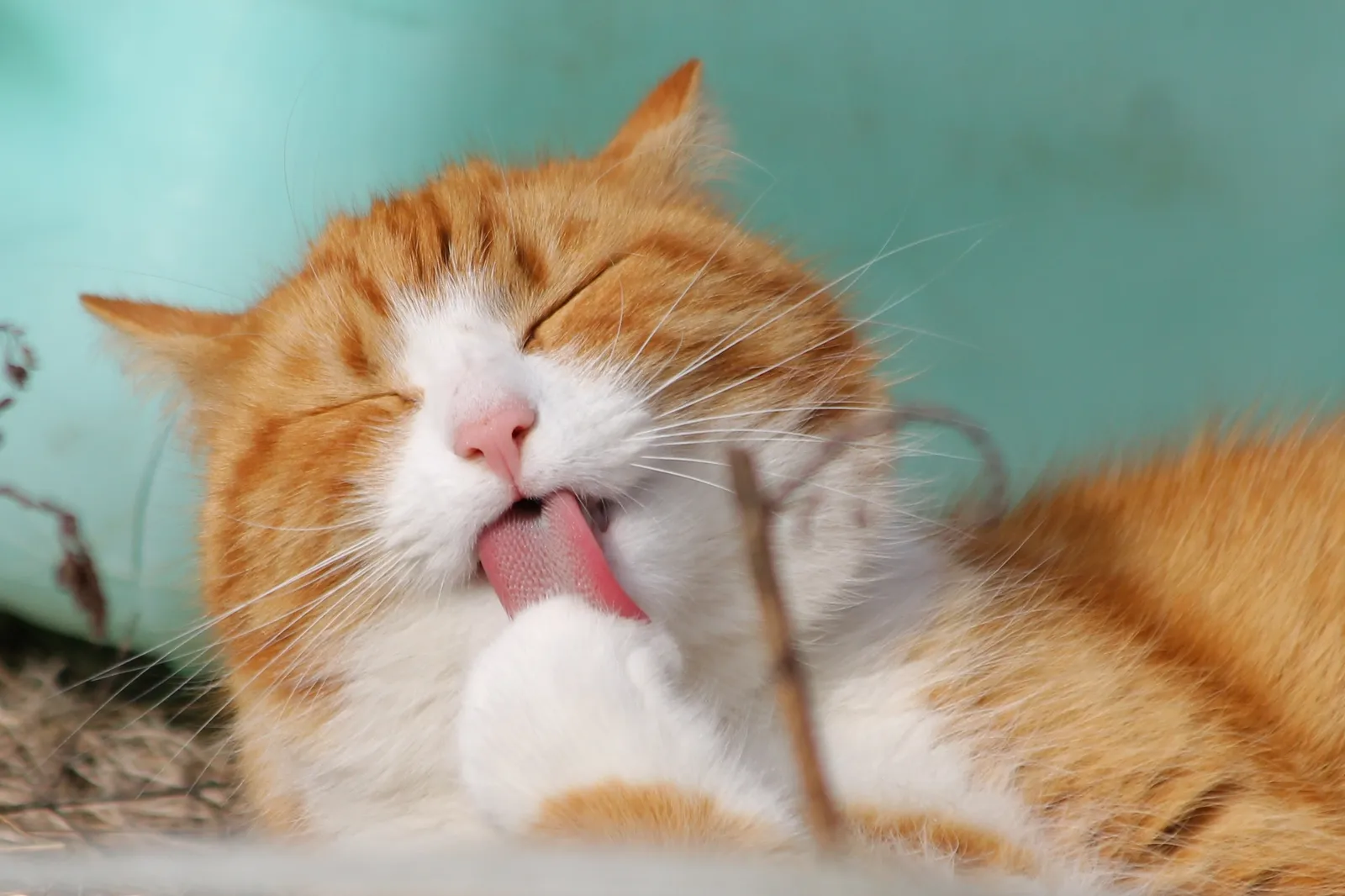
In more severe cases, cats groom themselves so obsessively while alone that patches of fur thin out or disappear entirely.
This is a genuine stress response, not a hygiene habit. A cat does not simply miss its person – it experiences genuine physiological stress, and that stress drives behaviors owners notice, such as house soiling, vocalizing, and overgrooming. Overgrooming is the body’s way of self-regulating anxiety, similar to nail-biting or hair-pulling in humans, and it tends to concentrate on the belly, inner legs, or flank.
The tricky part for owners is that overgrooming looks almost identical to normal cat cleanliness at first glance. It’s only when bald patches or irritated skin appear that the severity becomes obvious.
Because this crosses into a medical concern, many veterinarians now insist that skin and coat changes be documented with photos over time, so a true stress pattern can be distinguished from a flea allergy or dermatological issue.
#9 – The Litter Box “Message” They Leave
🔥 Would you like to save this?
We'll email this post to you, so you can come back to it later!
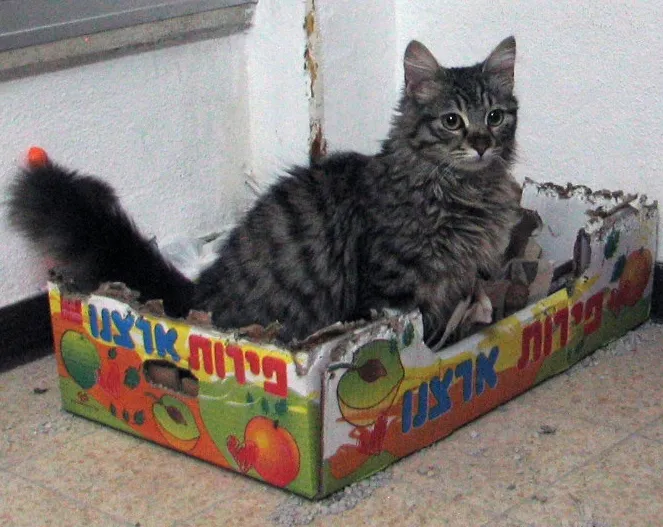
Perhaps the most misunderstood behavior on this list: cats occasionally eliminate outside the litter box, specifically on the owner’s belongings.
Owners often interpret this as spite, but that’s almost never the reality. Many cat owners have found defecation on the bed, in a shoe, or on an item of clothing, and it’s important to remember this isn’t necessarily spiteful – it often means the cat is looking to mix its scent with the owner’s, with instinct suggesting the cat believes it’s helping the person find their way home.
Quick Compare: Myth vs. Reality
- Myth: The cat is getting revenge for being left alone.
- Reality: The cat is mixing scents to feel closer to its person.
- Myth: Punishment will stop the behavior.
- Reality: Punishment tends to escalate the underlying stress.
It’s a scent-based coping mechanism rooted deep in feline instinct, not an act of revenge. This reframing matters because punishment only escalates the underlying stress.
Owners have reported urinating outside the litter box – sometimes on the owner’s clothes, in the bedroom, or on the bed – as among the most common signs of separation-related problems. Veterinarians now treat this almost exclusively as a communication signal worth investigating rather than a behavior worth scolding.
#10 – Knocking Things Off Shelves
🔥 Would you like to save this?
We'll email this post to you, so you can come back to it later!
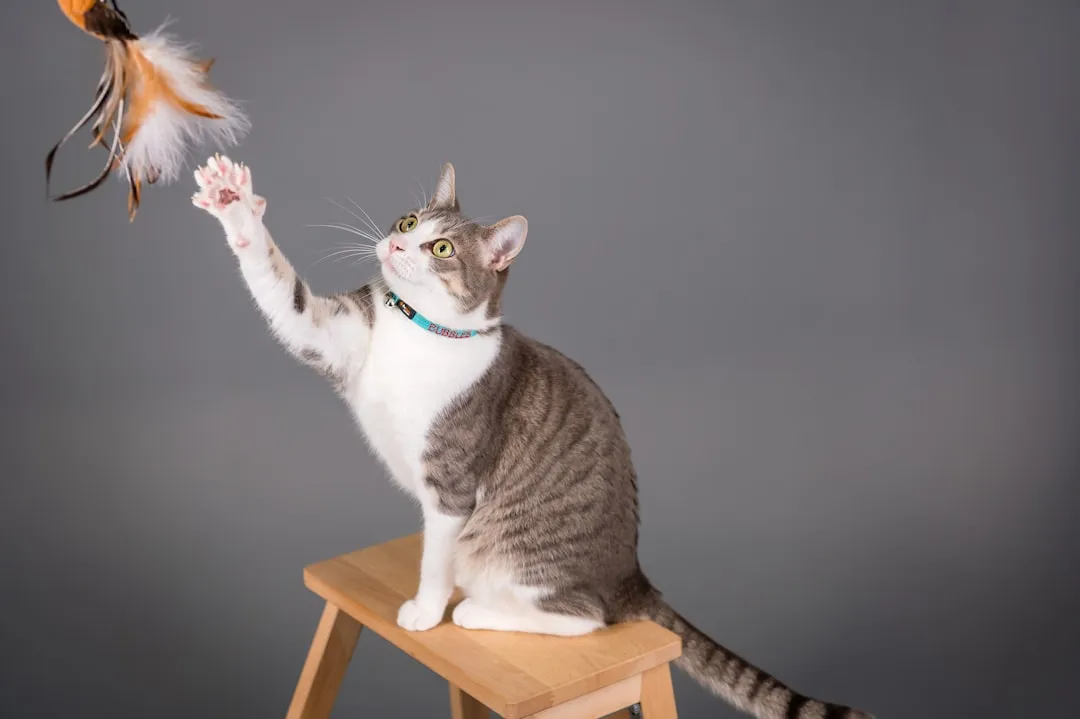
Some cats seem to develop a sudden obsession with pushing objects off counters and shelves the moment they’re left alone.
This destructive streak is well documented as part of the broader separation-related behavior profile. Separation-related behavior in cats usually manifests as inappropriate urination and defecation, excessive vocalization, destructiveness, and over-grooming, and is typically observed only in the absence of the owner. The keyword is “only” – many cats that knock items off shelves never do it when their person is home, which is the clearest sign the behavior is tied to the departure itself, not boredom.
Owners often assume this is clumsiness or curiosity, but the pattern tells a different story: the same three or four objects, the same shelf, the same time window every single day.
Some behaviorists interpret this as displacement activity – a way to burn nervous energy that has nowhere else to go once the household falls quiet.
#11 – Sleeping Far More Than Usual
🔥 Would you like to save this?
We'll email this post to you, so you can come back to it later!
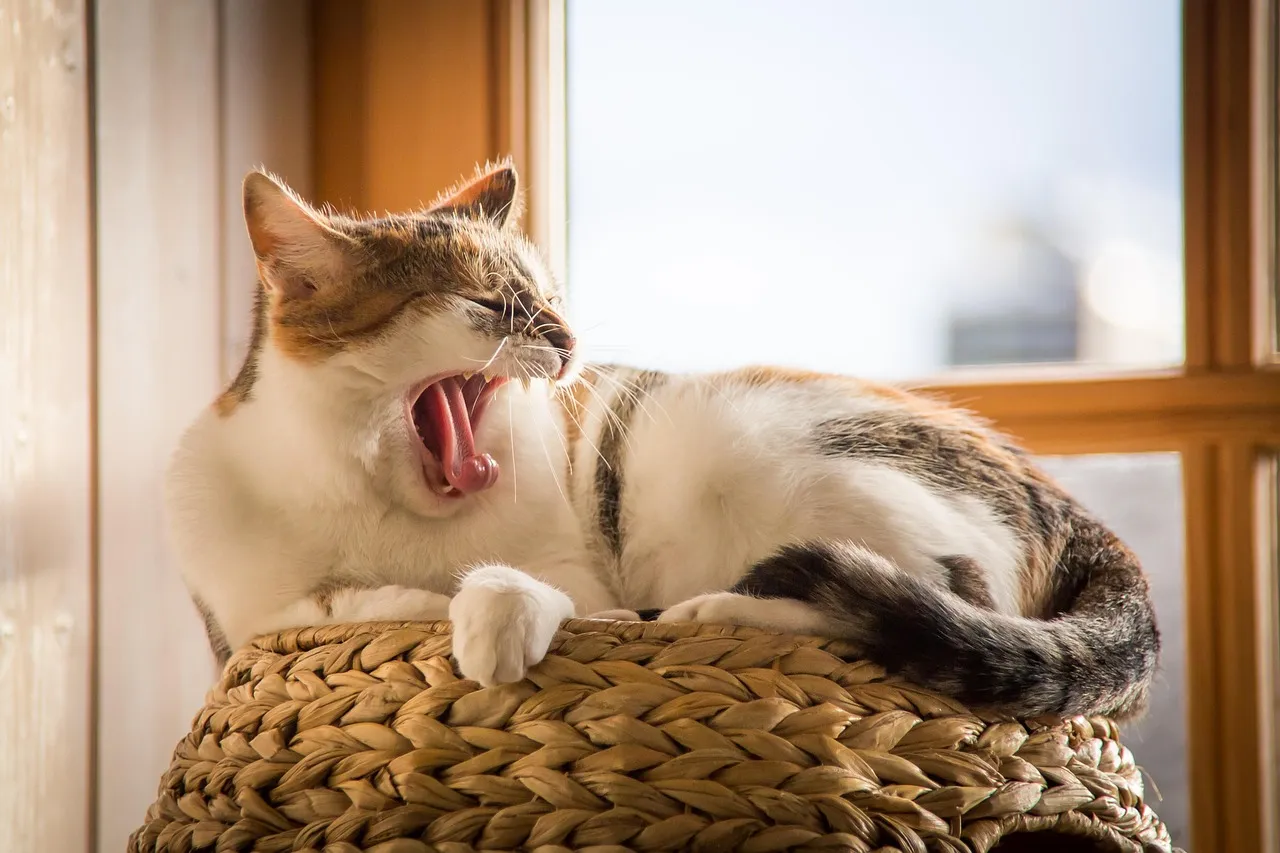
Counterintuitively, some cats respond to absence not with hyperactivity, but with what looks like extreme fatigue.
This ties directly into the depression and apathy criteria researchers use to identify distress. Destructive behavior, excessive vocalization, urination in inappropriate places, depression, apathy, aggressiveness, agitation, and defecation in inappropriate places are the recognized markers, and apathy specifically shows up as a cat that seems to shut down rather than act out. It’s the emotional opposite of overgrooming or destructiveness, but it stems from the same root cause.
This is one of the hardest behaviors for owners to catch because excessive sleep is so easy to mistake for normal cat behavior – after all, cats already sleep most of the day.
The difference lies in the depth and location of the sleep: a stressed cat sleeping through absence often looks harder to wake, less responsive, and noticeably slower to greet the owner upon return compared to its usual eager self.
#12 – Guarding or Hoarding an Item That Smells Like You
🔥 Would you like to save this?
We'll email this post to you, so you can come back to it later!
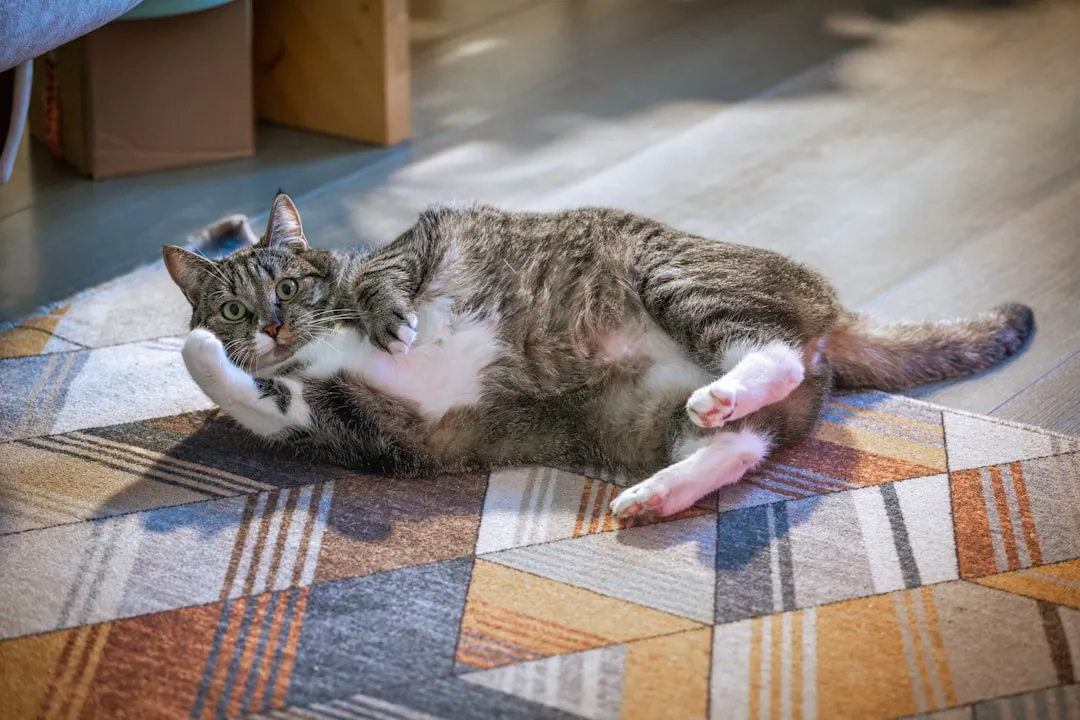
A small but growing number of owners report their cat physically dragging an item of clothing to a favorite spot and refusing to leave it.
This behavior sits at the intersection of scent-comfort and attachment. Cats show what researchers call attachment behaviors such as proximity seeking, affiliative and affection behaviors toward their humans, and reunion behaviors, and when proximity to the actual person isn’t available, some cats substitute proximity to the person’s scent instead. A sock, a slipper, or a worn t-shirt becomes a stand-in.
What makes this behavior stand out is the possessiveness that sometimes accompanies it. Cats that never show resource-guarding tendencies over food or toys will occasionally growl softly or reposition themselves protectively over a piece of clothing, treating it almost like a kitten they’re minding rather than an inanimate object.
It’s rare, but when it happens, it’s one of the clearest signs of how deeply a cat’s sense of security is tied to its person’s presence.
#13 – The Frantic Greeting When You Return
🔥 Would you like to save this?
We'll email this post to you, so you can come back to it later!
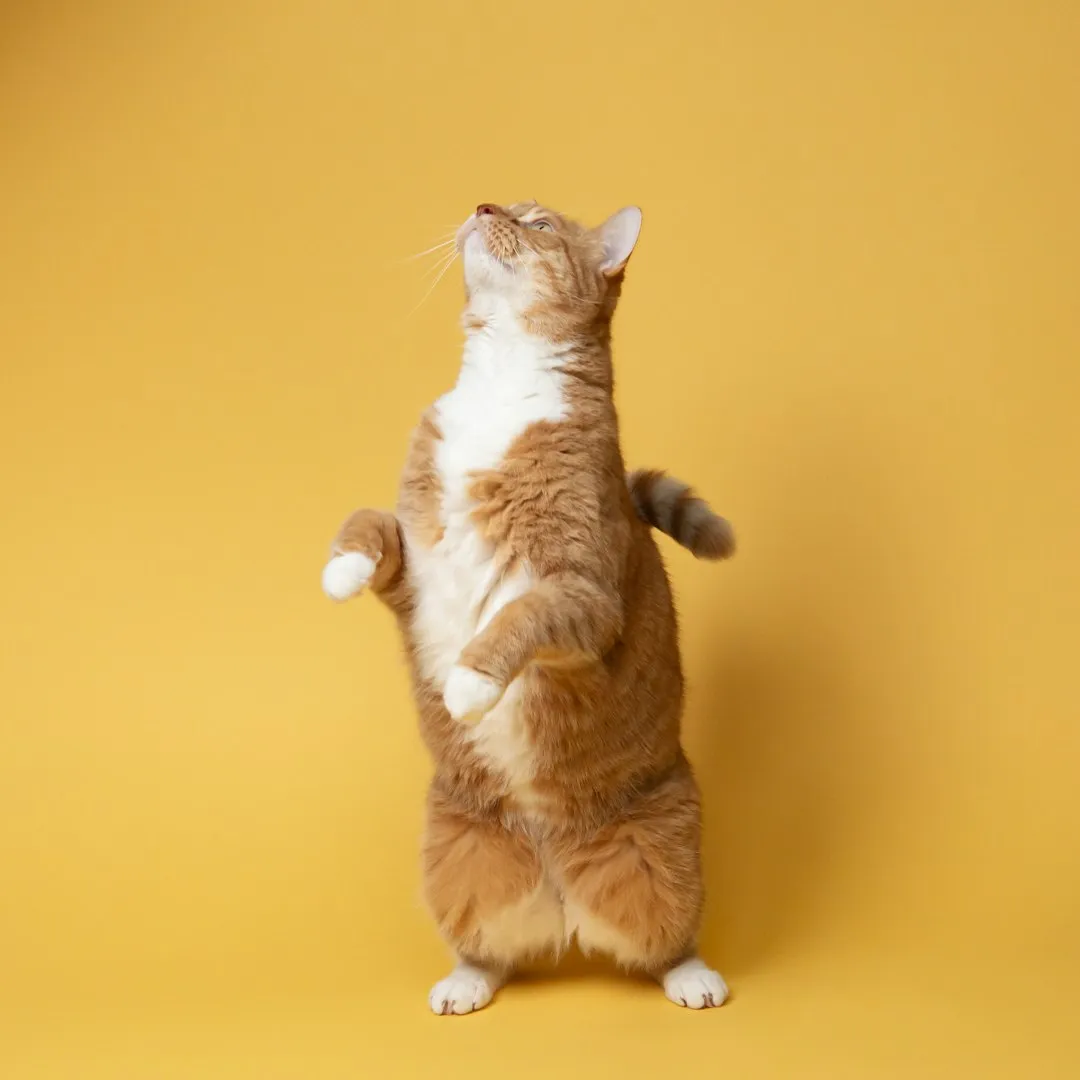
The moment the door opens, some cats transform completely – sprinting to the entrance, meowing loudly, weaving between legs in a way they never do during a normal day.
This isn’t just excitement; it’s measurable. A study on feline behavior found that cats greeted their owner more intensely after longer periods of separation, indicating cats were affected by time spent alone even though it wasn’t expressed until the owner returned. In other words, the reaction you see at the door is delayed evidence of everything that happened while you were gone.
At a Glance
- Longer absences tend to produce more intense homecoming greetings.
- The reaction is delayed evidence of stress felt earlier in the day.
- A calm-looking cat during the day isn’t necessarily an unaffected one.
- Researchers found no evidence cats have a weaker sense of time than dogs.
This finding is genuinely surprising because it means the calm, seemingly unbothered cat sitting on the windowsill all day isn’t necessarily unaffected – it’s simply saving its reaction for reunion.
Researchers hypothesized this pattern because cats, like dogs, are left alone for parts of the day and share long daytime resting periods, and there’s no evidence cats have a poorer concept of time than dogs. The longer the absence, the bigger the welcome-home performance.
#14 – Shadowing You From Room to Room Before You Even Leave

🔥 Would you like to save this?
We'll email this post to you, so you can come back to it later!
The most emotionally telling behavior on this list happens before departure even begins: some cats start following their person constantly, refusing to stay in any room alone.
This goes beyond a cat’s normal tendency to be nearby. Behaviorists specifically distinguish it from casual companionship: following the owner from room to room more intensely than usual isn’t just normal “shadow cat” behavior – it’s classified as anxious following. The intensity is the tell. A relaxed cat wanders in and out of a room on its own schedule; an anxious cat locks onto its person like a shadow that refuses to detach.
This behavior often escalates in the hours before a known departure – a suitcase coming out, work clothes being ironed – suggesting cats build predictive models of their person’s schedule well before any obvious cue like keys or shoes.
It’s one of the clearest windows into just how closely a cat tracks its person’s patterns, and it’s a reminder that the so-called “independent” pet is often paying far closer attention than anyone assumes.
The Bottom Line
🔥 Would you like to save this?
We'll email this post to you, so you can come back to it later!
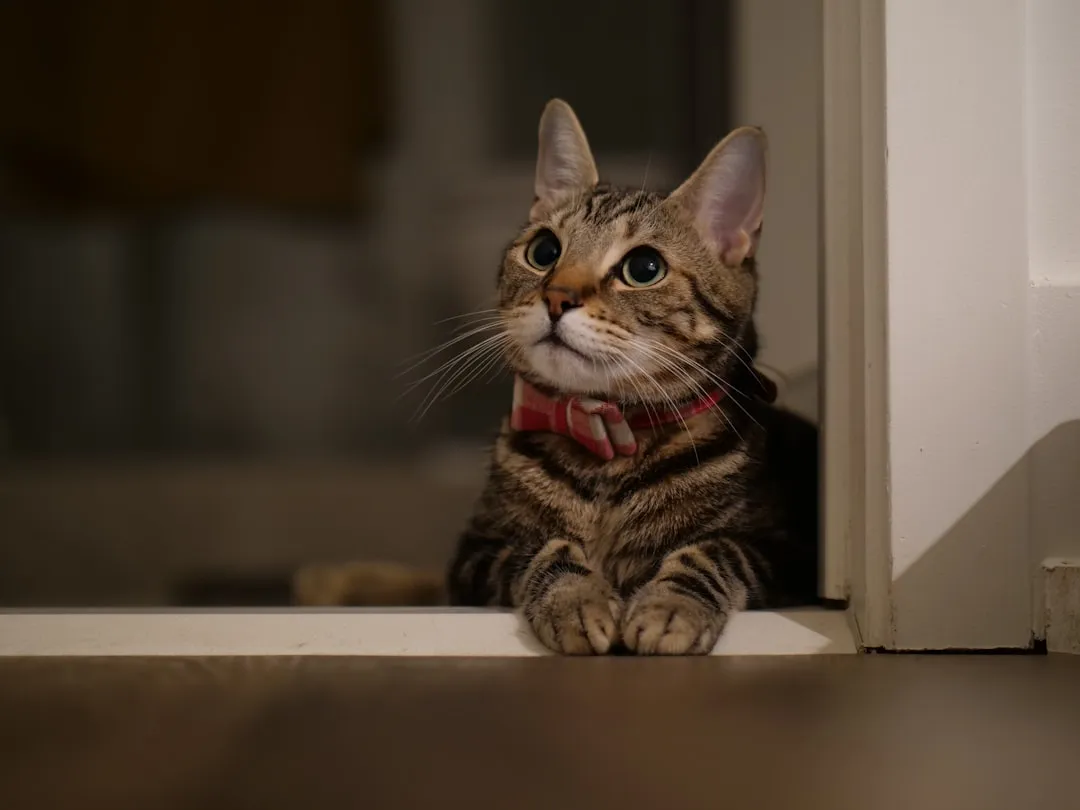
The evidence is clear: cats are not the indifferent, self-sufficient creatures they’re often portrayed as. From scent-rubbing rituals to frantic reunions after long absences, these behaviors reveal genuine attachment, not aloofness.
Anything that we can do to enrich that cat’s life and treat it as an individual is going to be beneficial.
Dr. Mikel Delgado, cat behavior researcher
The most surprising truth is that even the calmest-looking cat may be reacting internally the entire time you’re gone – it just waits until you’re home to show it. Owners who dismiss litter box accidents as spite or excessive grooming as “just cat weirdness” may be missing real signals of stress that deserve attention, not punishment.
If there’s one thing worth taking from all fourteen of these behaviors, it’s this: the quiet cat on the windowsill was never actually unbothered. It was just waiting for you to notice.

- 7 Everyday Habits That Can Make Your Senior Dog Happier - November 5, 2026
- 10 Enigmatic Structures That Continue to Puzzle Scientists Today - November 5, 2026
- 10 Strange Ruins in the Americas That Challenge What We Know About Early History - November 5, 2026