
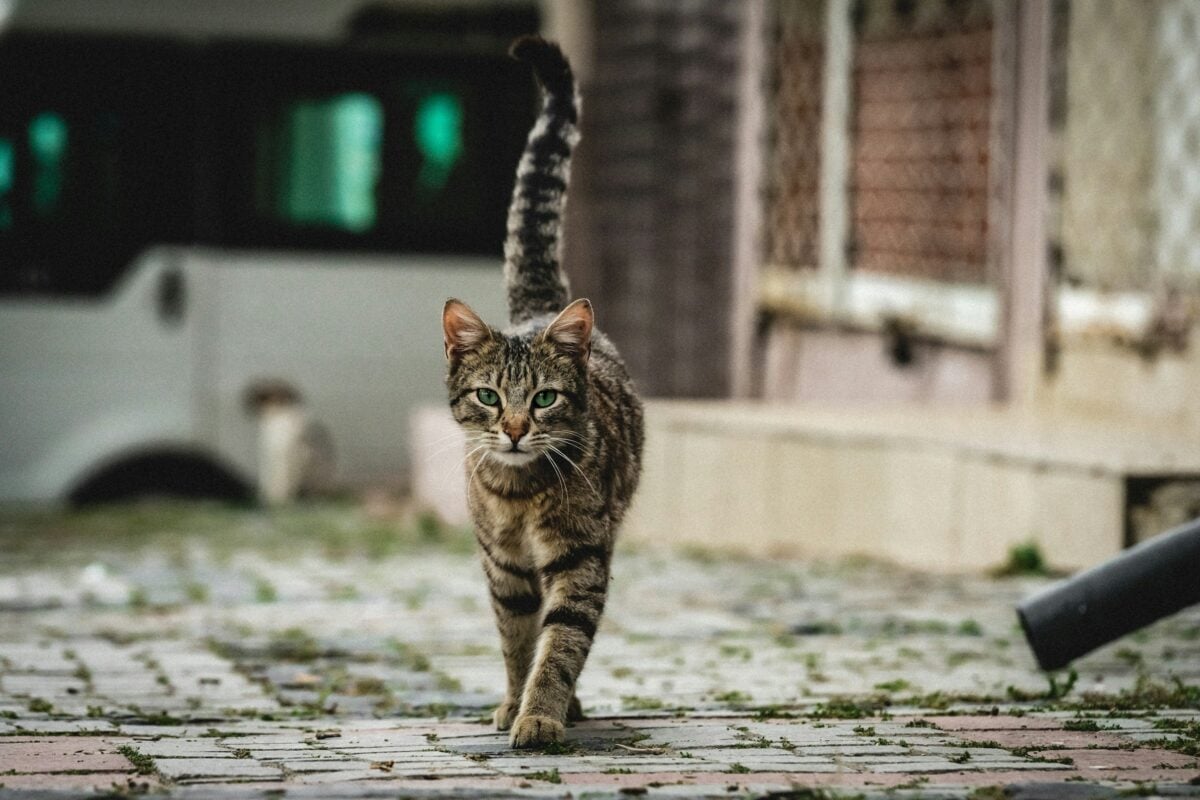
Your cat has mastered the art of looking bored. Half-closed eyes, a slow blink, that “whatever, human” slouch across the back of the couch. But while the face is playing it cool, the tail is running its mouth the entire time – twitching, curling, flicking out messages your cat never meant for you to read.
Behaviorists have spent years decoding that private language, and once you learn even a few words of it, you can’t unsee it. Every twitch turns into a sentence, every curl into a confession. By the time you get to what a completely still tail actually means, you may never trust “calm” again.
#10 – The Tail Is the One Part of Your Cat That Can’t Fake It
🔥 Would you like to save this?
We'll email this post to you, so you can come back to it later!
Your cat can perfect a blank, unbothered stare. Its tail never got that memo. When a cat “pretends not to care,” the face, ears, and posture can go completely neutral on command – but the tail keeps broadcasting live updates straight from the nervous system.
Cats cannot fully fake tail signals the way they can freeze their face. That’s exactly why behaviorists treat tail position as one of the most reliable emotional indicators around, especially in multi-cat households where tension hides in plain sight.
Think about how often you’ve called your cat “chill” on the couch when, if you’d actually looked:
- The tail tip was twitching like a tiny metronome.
- The base of the tail was rigid instead of loose and draped.
Fast Facts
- Most domestic cats have 19 to 23 vertebrae in their tails – close to a third of their entire spine.
- The tail contains dozens of small muscles and tendons wired directly into the autonomic nervous system.
- Tailless breeds like the Manx still communicate emotion fully through ears, posture, and weight shifts.
- A cat’s tail also works as a counterbalance, helping it stick tricky landings from high shelves.
Those aren’t background animations. They’re the feline version of typing out an angry text and never hitting send. Tail muscles and nerves connect deeply to the spine and the autonomic nervous system, so they react to arousal, fear, or excitement automatically – before the “mask” has time to load. If you want to know when your cat is bluffing about being fine, watch the tail, not the eyes. Wait until you see what’s happening in #9.
#9 – The “Lazy” Tail Flick Is Actually a Surveillance System
🔥 Would you like to save this?
We'll email this post to you, so you can come back to it later!
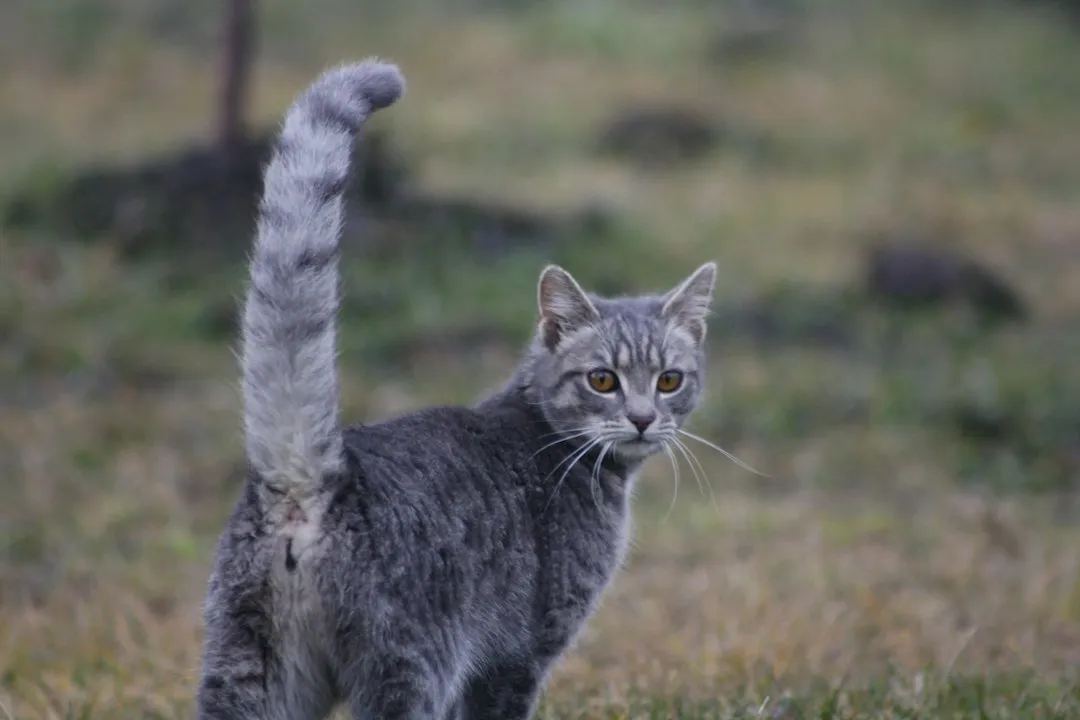
That slow, casual tail flick you see while your cat “ignores” you? It’s not laziness. It’s active data collection. When a cat lies on a windowsill or sofa, tracking something with only the tip of its tail, it’s quietly doing three things at once.
- Maintaining muscle readiness in case it needs to move fast.
- Channeling low-level arousal instead of wasting energy on it.
- Tracking movement in the room without ever turning its head.
A slow, rhythmic tip flick usually signals mild interest or irritation – not true relaxation. Owners tend to read it as a sleepy little habit, but it’s closer to your cat quietly narrating, “I see it. I’m deciding if it’s worth the effort.”
Some cats will even fake-nap with eyes half-shut while the tail tip works like a compass, swiveling toward a bird outside, footsteps in the hallway, or another pet wandering into the room. It’s classic predator economics: conserve energy up front, explode into motion only when the payoff is worth it. Next time you catch that half-bored flick, know your cat is logging everything happening around it in real time.
#8 – The Vertical Tail Isn’t Always “Happy” – Sometimes It’s Politics
🔥 Would you like to save this?
We'll email this post to you, so you can come back to it later!
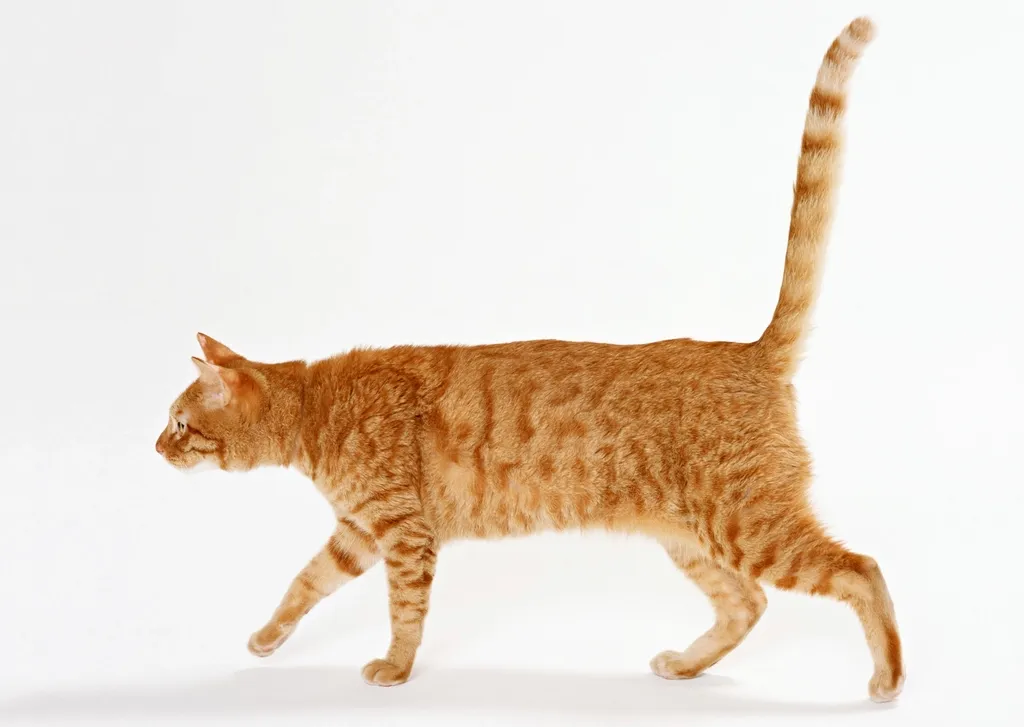
Most people assume a straight-up tail simply means a happy cat, end of story. It’s more complicated than that. A tail held high is closer to a status announcement than a mood ring.
Kittens greet their mother this way, and adult cats reuse the same signal on humans and friendly cats alike. It’s part confidence, part social greeting, part “I trust you enough to expose my back to you.” But context flips the meaning fast.
- High tail, relaxed body, soft eyes = genuine friendliness and security.
- High tail, stiff legs, upright posture = “I’m in charge here,” especially around other cats.
- High tail with a slight quiver near you = usually excitement or anticipation, like food or the door opening.
In multi-cat homes, watch closely and you’ll spot it: one cat marches through the room with a high, slightly rigid tail while the other slinks lower to the ground. That tail isn’t just cheerful – it’s politely flexing social rank. A vertical tail can absolutely mean a good mood. It can also mean your cat is walking around like it owns the lease.
#7 – The S-Curve Tail Is a Loaded Spring, Not a Relaxed Noodle
🔥 Would you like to save this?
We'll email this post to you, so you can come back to it later!
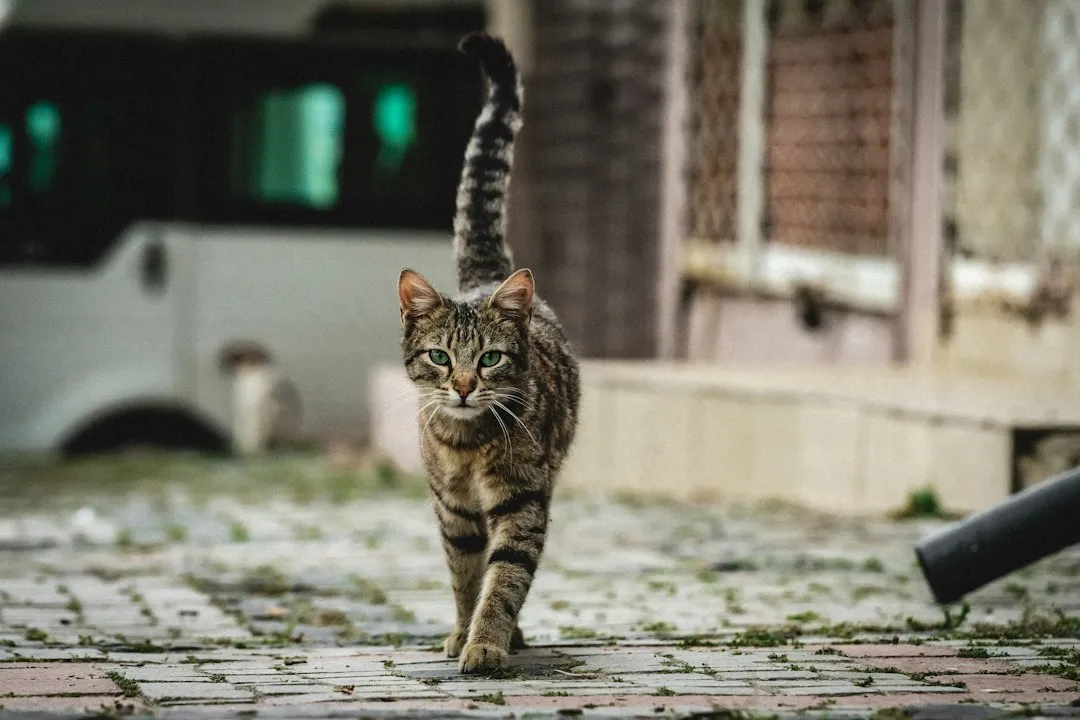
There’s one tail pose that looks graceful but functions as a warning label: the S-curve. When a cat’s tail lifts slightly and forms a smooth S shape – especially while it walks or pauses, pretending it isn’t stalking a toy or another animal – you’re looking at a coiled spring, not a relaxed noodle.
This posture tends to show up right before a pounce or a sudden burst of speed. Here’s what’s actually happening under that casual exterior:
- The muscles along the spine and tail are engaged and primed.
- The brain is calculating distance, trajectory, and timing.
- The tail is fine-tuning balance, acting as a counterweight for the coming leap.
Some cats even show the S-curve right before what looks like random zoomies down the hallway. To you, it’s chaos out of nowhere. To the cat, it’s the final step after several seconds of quiet priming. The “I don’t care” act is part of the predator script: move like nothing’s happening, right up until it very much is.
#6 – The Quick Tip Twitch: Your Cat’s Last Warning Before It Swats
🔥 Would you like to save this?
We'll email this post to you, so you can come back to it later!
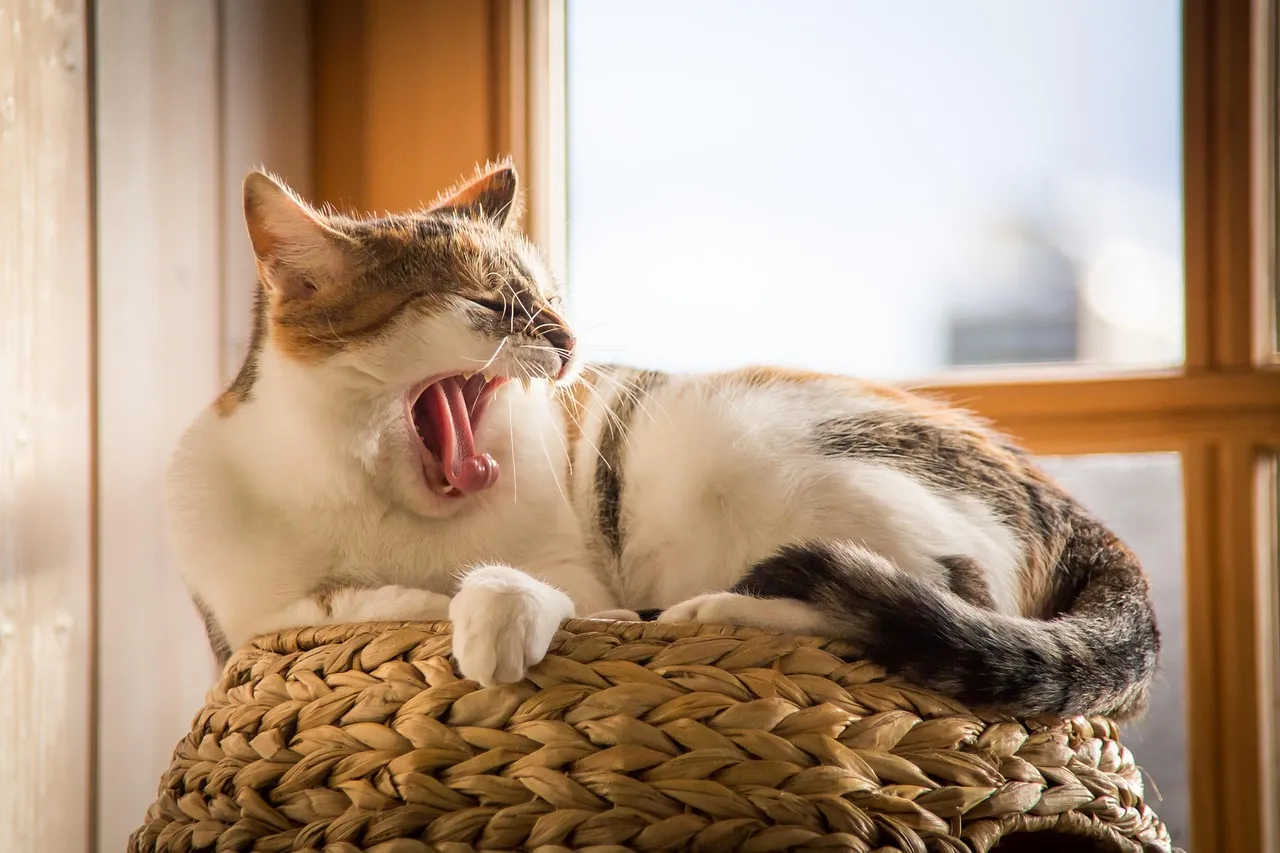
If you want to know when you’re one pet away from getting swatted, watch the very tip of the tail. A common but widely misread signal is a small, sharp twitch right at the end of the tail while the rest of it stays still. This usually means the cat is mentally locked onto something and emotionally conflicted about it.
Often, that “something” is you, mid-pet, when the mood has quietly shifted. You’ll spot this signal when:
- You’re petting a cat that seemed totally relaxed thirty seconds ago.
- Another animal is encroaching on its space.
- There’s a sound the cat can’t fully identify yet.
The difference matters: slow, smooth tip movement reads as mild curiosity, while fast, sharp, repetitive twitches signal irritation building toward a breaking point. Plenty of bites are telegraphed exactly this way. A cat that keeps its body perfectly still while snapping the tip like a whip is politely saying, “Enough.” Ignoring that because the eyes are still half-closed is how people get scratched and then insist there was no warning. There was a warning. It just wasn’t in a language you were reading.
#5 – The Lashing Tail Is a Red Alert, Not Drama
🔥 Would you like to save this?
We'll email this post to you, so you can come back to it later!
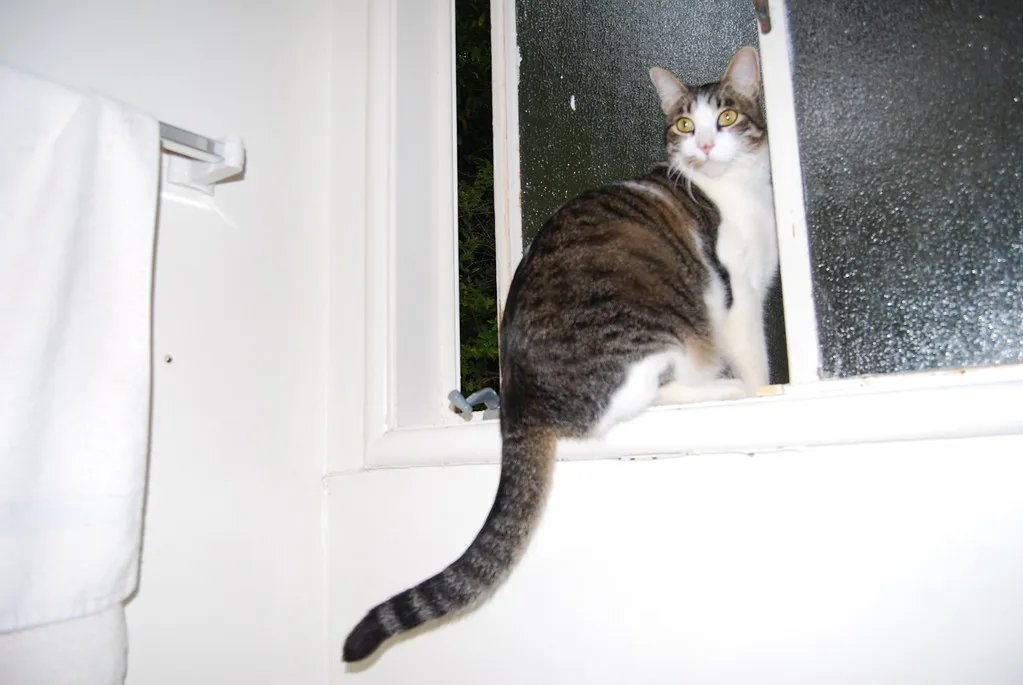
A full tail lash – side to side, fast and forceful – is one of the clearest danger signals in cat language, and yet plenty of people still treat it like comic relief. Behaviorally, a lashing tail signals high arousal, whether that’s anger, fear, or overstimulation tipping over the edge.
At this stage, the cat is genuinely close to taking physical action – swatting, biting, bolting, or attacking. The rest of the body might still look seated and calm, but the tail is telling you plainly that the calm is already over.
You’ll often catch tail lashing in specific, predictable moments:
- At the vet, once handling shifts from tolerable to intolerable.
- During rough play that stopped being fun about ten seconds ago.
- When a cat is cornered and has no way to create distance.
The intensity of the lash tells its own story:
Quick Compare
| Tail Movement | What It Usually Means |
|---|---|
| Gentle sway | Thinking, curiosity, mild interest |
| Medium repeated swish | Annoyance building, patience wearing thin |
| Fast lash or floor slap | High arousal – back off now |
This isn’t your cat being dramatic. It’s the body-language version of several swear words and a slammed door.
#4 – The Bottlebrush Tail Is Pure Survival Mode
🔥 Would you like to save this?
We'll email this post to you, so you can come back to it later!
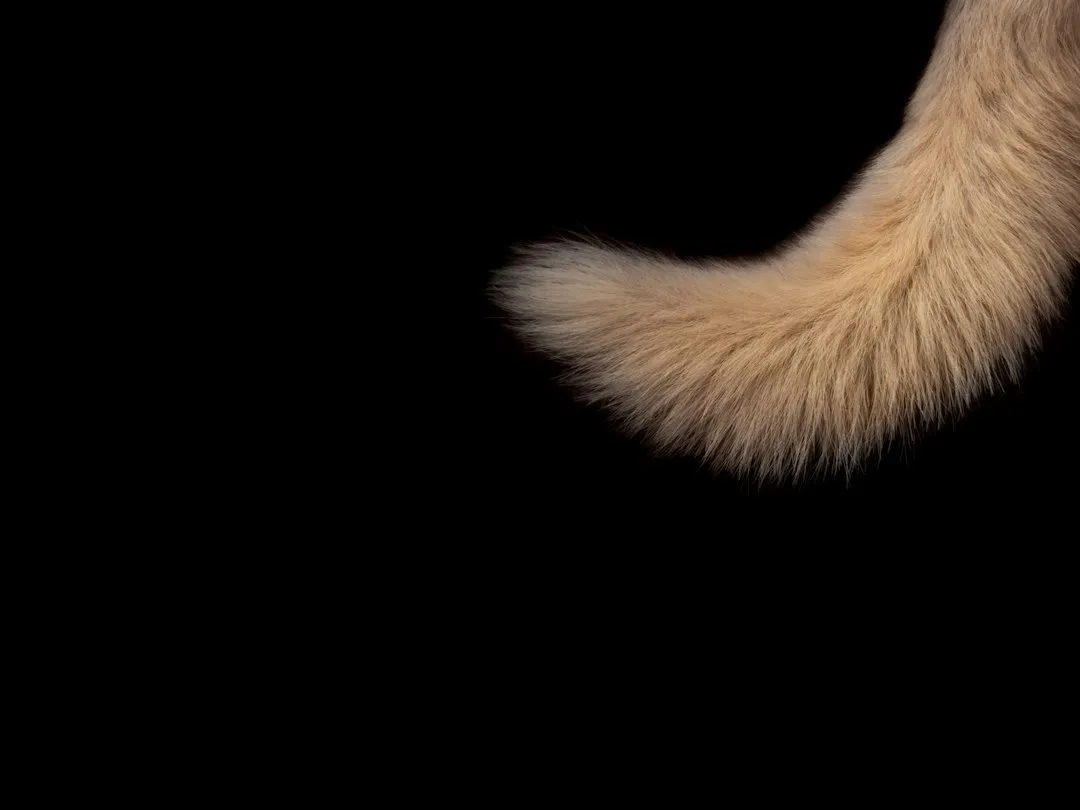
The most dramatic tail signal of all is the puffed-up, bottlebrush tail – fur standing on end, tail often arched or held low and braced for impact. This is a fear-aggression response, hardwired straight into the nervous system, not a choice your cat is consciously making.
When the sympathetic “fight or flight” system fires, tiny muscles attached to each hair shaft contract, causing piloerection – the scientific term for that instant puffing reaction. The goal is simple: make the cat look bigger and more dangerous to whatever it perceives as a threat.
You’ll typically see this triggered by:
- Sudden loud noises, like a dropped pan, shouting, or the vacuum turning on.
- Surprise encounters with unfamiliar animals.
- Intense play that suddenly crosses into “too real” territory.
Worth Knowing
- Piloerection is the same reflex behind human goosebumps – both rely on tiny arrector pili muscles at the base of each hair.
- Other animals, from porcupines to startled dogs, use the same size-boosting trick when threatened.
- A cat’s fear response can fade in under a minute once the perceived threat is removed.
- Approaching a bottlebrush cat too soon is one of the most common causes of defensive scratches at home.
The tail rarely acts alone here – the back may arch, ears flatten, and pupils dilate dramatically all at once. Despite the internet jokes about “Halloween cat mode,” this is a nervous system screaming that it feels threatened enough to escape or fight viciously if cornered. Reaching in to comfort a cat in this state can get you shredded. Respect the bottlebrush. It’s one of the only moments your cat isn’t performing anything at all.
#3 – The Wrapped-Tail “I Don’t Care” Pose Is Usually Anxiety in Disguise
🔥 Would you like to save this?
We'll email this post to you, so you can come back to it later!
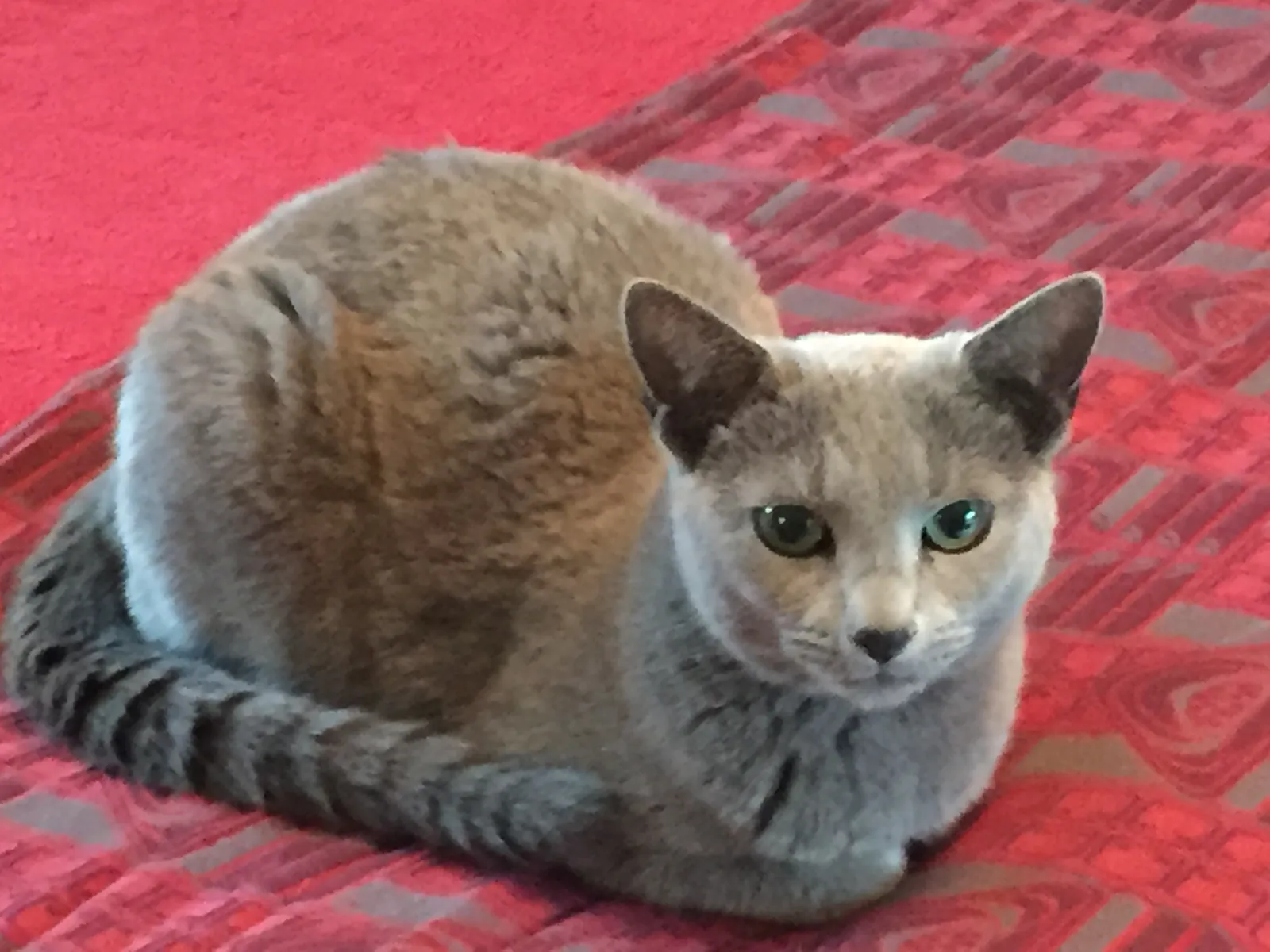
Here’s where a lot of people get it completely backwards: the neatly wrapped tail. When a cat sits upright and curls its tail tightly around its paws, it’s easy to read as refined, relaxed, maybe even a little smug. In reality, a tightly wrapped tail often means the cat is containing itself, not lounging. It’s a self-hug, not a power pose.
Watch for these tells together:
- Tail wrapped very snugly, muscles firm if you touch it.
- Body held just a little too still.
- Ears pointed but not fully relaxed.
This posture shows up most often in new environments – a new home, the vet’s waiting room, a friend’s living room – or around strangers and unfamiliar animals, when something in the environment feels “off” but not yet terrifying.
Compare it to a genuinely relaxed cat: a loose, croissant-shaped body with the tail casually draped is real relaxation. A tight, upright sit with a tucked or wrapped tail is emotional guarding. A cat wrapping its tail while “pretending” to lounge is actually narrowing its profile and protecting its limbs – a quiet compromise between curiosity and caution. Once you notice it, you start realizing how often cats are politely stressed while humans keep calling them chill.
#2 – The Quivering Tail: Pure Affection, or a Warning Shot?
🔥 Would you like to save this?
We'll email this post to you, so you can come back to it later!
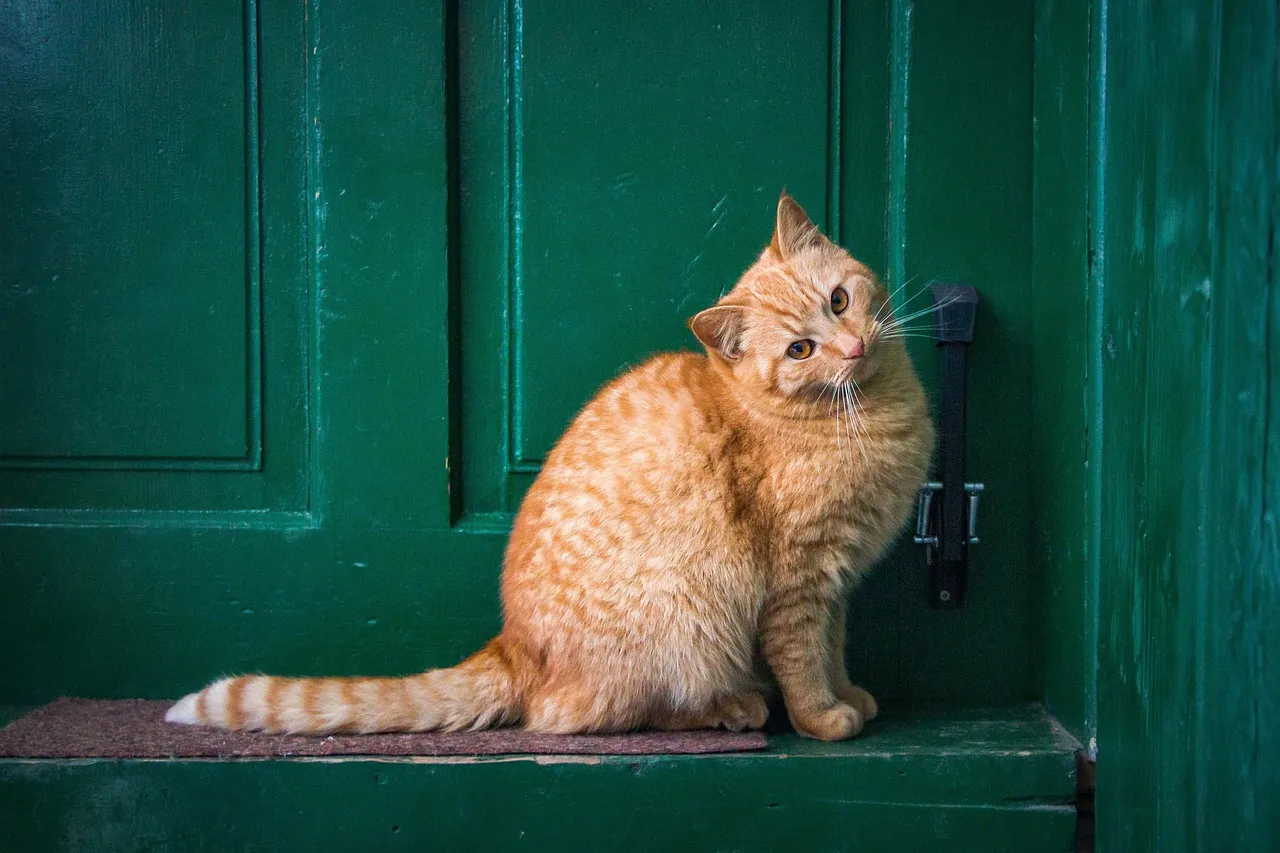
One of the most misunderstood tail actions is the rapid quiver – the tail vibrating in place while held upright, almost like it’s plugged into an outlet. In many neutered or spayed pets, a vertical tail with a rapid quiver near a favorite human is a sign of positive arousal and genuine affection.
You’ll usually see it when you walk in the door, pick up the food bowl, or head toward the treat cabinet – as if the tail is physically unable to contain the excitement building inside it. But in intact cats, or around vertical surfaces, that same quiver can also accompany urine spraying.
- Tail upright, sometimes slightly bent at the tip.
- Hindquarters shivering.
- Small jets of urine hitting a wall, door, or piece of furniture.
The quiver itself is simply a high-arousal signal – whether it’s adorable or a problem depends entirely on context. Near you, paired with rubbing and no marking, it means “I like you, a lot.” Aimed at surfaces, especially corners or doorways, it usually points to territory marking, stress, or unresolved conflict with another animal. A lot of owners mislabel spraying as “spite,” when it’s almost always anxiety or territorial insecurity talking. The tail is just showing you how overloaded the cat actually feels.
#1 – The Totally Still Tail Is the Lie Everyone Falls For
🔥 Would you like to save this?
We'll email this post to you, so you can come back to it later!
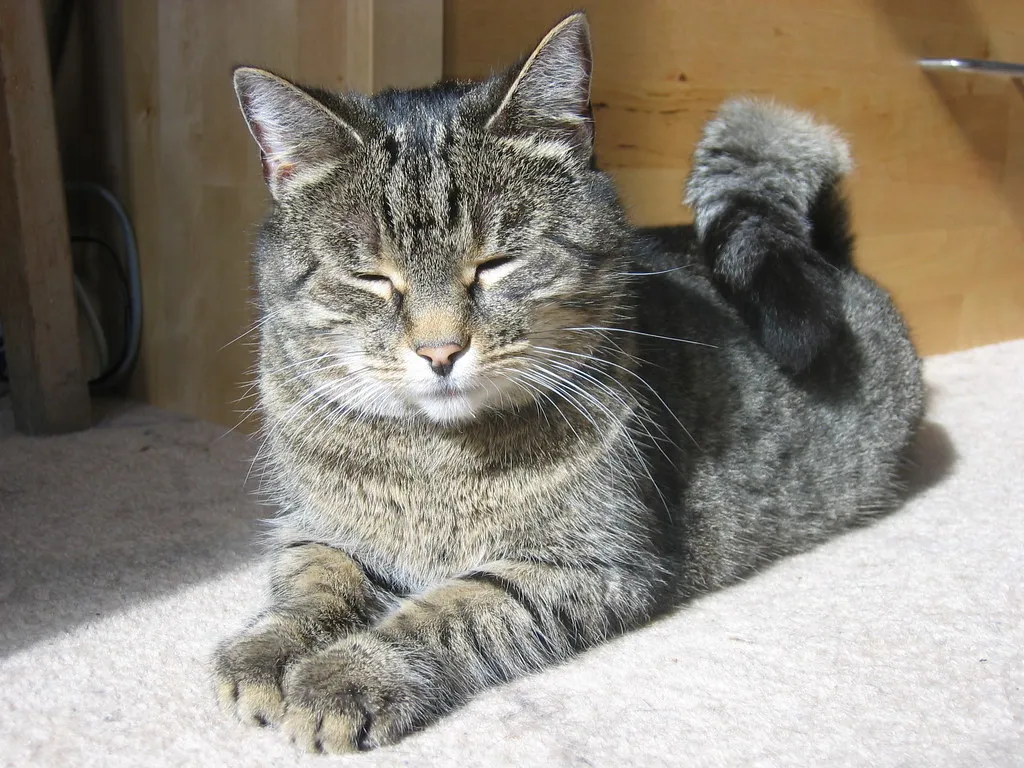
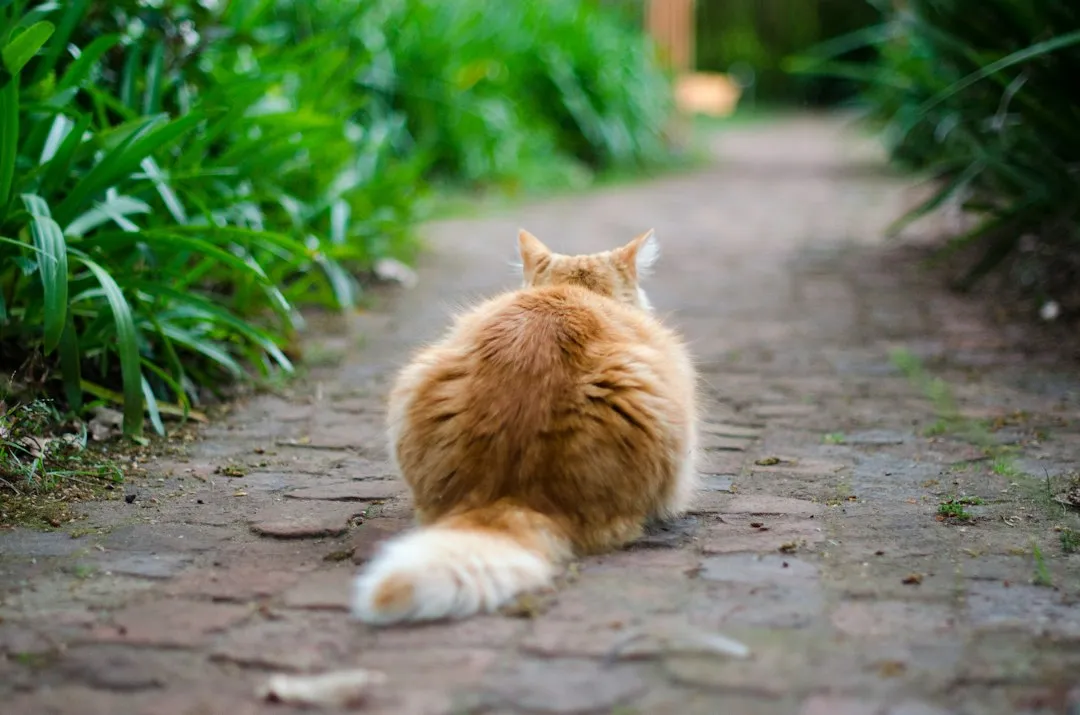
The most dangerous mistake people make with cat body language is assuming stillness always means peace. A cat lying in a sunbeam with a completely motionless tail can, sometimes, be deeply relaxed. But a rigidly still tail – especially paired with a tense body – is often frozen alertness, not comfort.
Predators don’t always wiggle before they move. Sometimes the quiet is the last step before a hard decision gets made. Watch for this specific mix:
- Tail straight or slightly curved, held off the ground, and very still.
- Shoulders tight, muscles along the back hard to the touch.
- Eyes fixed on something, blink rate noticeably low.
Why It Stands Out
- It’s the only major tail signal that can mean two opposite things – total peace or total alert – depending on the body around it.
- It requires reading several signals together, not just the tail on its own.
- It’s the single most commonly misread posture among first-time cat owners.
- It often precedes the fastest, least predictable movements a house cat ever makes.
In that state, your cat is effectively holding its emotional breath. From there, it can go up into fight – a pounce, a swat, a chase – or down into flight, bolting under the nearest bed. Or it can freeze completely in a stillness that humans routinely mistake for indifference.
The irony is hard to miss once you see it: the cat that “doesn’t care at all” is often the one you should be watching the closest. True relaxation has softness and small, random movement. Rigid stillness usually isn’t chill – it’s strategy.
The Bottom Line
🔥 Would you like to save this?
We'll email this post to you, so you can come back to it later!
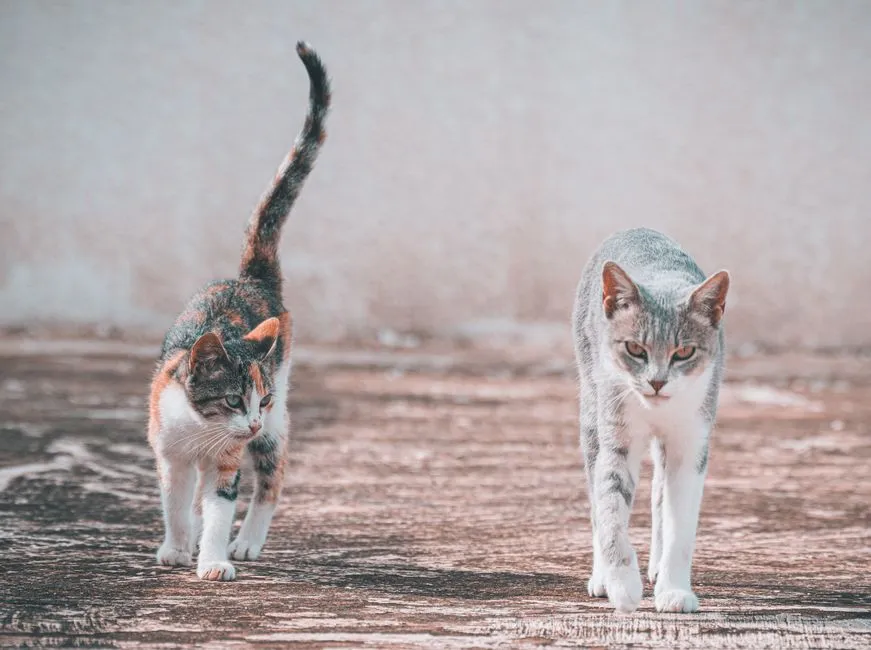
A cat’s tail is not background animation. It’s the most honest line of dialogue in a creature that spends most of its waking life pretending not to care. Vertical tails aren’t just “happy” – they’re social status updates. Wrapped tails aren’t always relaxed – they’re often quiet anxiety with excellent posture.
The lazy flick at the tip is a surveillance system running in the background. The lashing whip is a red alert nobody should laugh off. The bottlebrush is the one honest, undeniable signal your cat ever gives you.
Here’s the uncomfortable opinion: if you’ve ever said “my cat attacked with no warning,” you almost certainly weren’t ignoring your cat – you just never learned to speak tail. That’s not a character flaw, it’s just a language most of us were never taught, even though our cats have been speaking it fluently the entire time. Learning it now doesn’t make you a cat whisperer. It just means you stop being the only one in the room who missed the memo.
Which tail behavior surprised you the most – or do you think we got one wrong? Did we miss a signal your own cat uses every single day? Drop it in the comments.

- 7 Everyday Habits That Can Make Your Senior Dog Happier - November 5, 2026
- 10 Enigmatic Structures That Continue to Puzzle Scientists Today - November 5, 2026
- 10 Strange Ruins in the Americas That Challenge What We Know About Early History - November 5, 2026