
Most people picture a dog’s last winter as one dramatic moment, a collapse or a crisis you couldn’t miss. It almost never happens that way. The dog just stops doing things, one at a time, and most owners only realize it afterward. Here are 22 small things dogs quietly give up, and what veterinary experts actually say about each.
Some of these will make you nod. A few will make your stomach drop. And one of them, the one near the top of the list, fools almost every family who meets it.
#22 – The Jump Onto the Couch
🔥 Would you like to save this?
We'll email this post to you, so you can come back to it later!
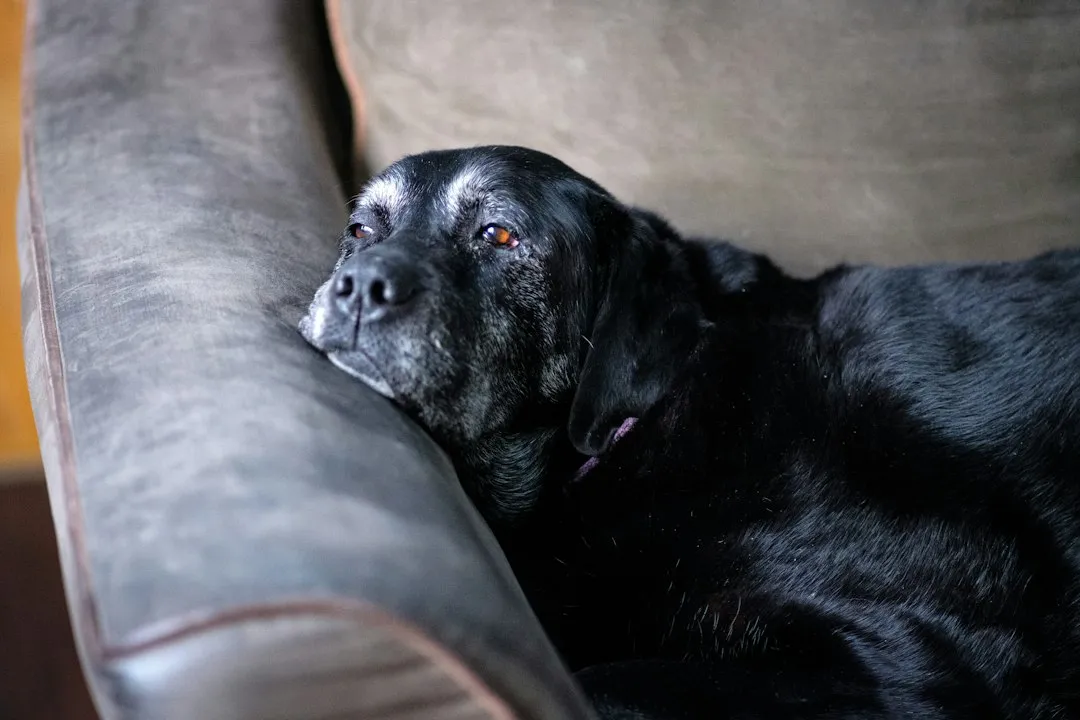
The couch jump is usually the first thing to go, and most owners explain it away.
Your dog stops at the edge, looks at the cushion, then looks at you. It reads as laziness or stubbornness. It is actually a recognised sign of mobility changes in senior dogs.
Joint disease is the usual driver. Osteoarthritis is one of the most common causes of chronic pain in older dogs, and many owners report worse stiffness in cold, damp weather. Evidence that weather directly changes canine pain is limited, so treat that as an observation, not a rule.
The mistake is waiting for a limp. Dogs often compensate for months before anything looks obviously wrong.
But the next change is one you can spot from the sidewalk, and it has nothing to do with furniture…
#21 – The Long Walk
🔥 Would you like to save this?
We'll email this post to you, so you can come back to it later!
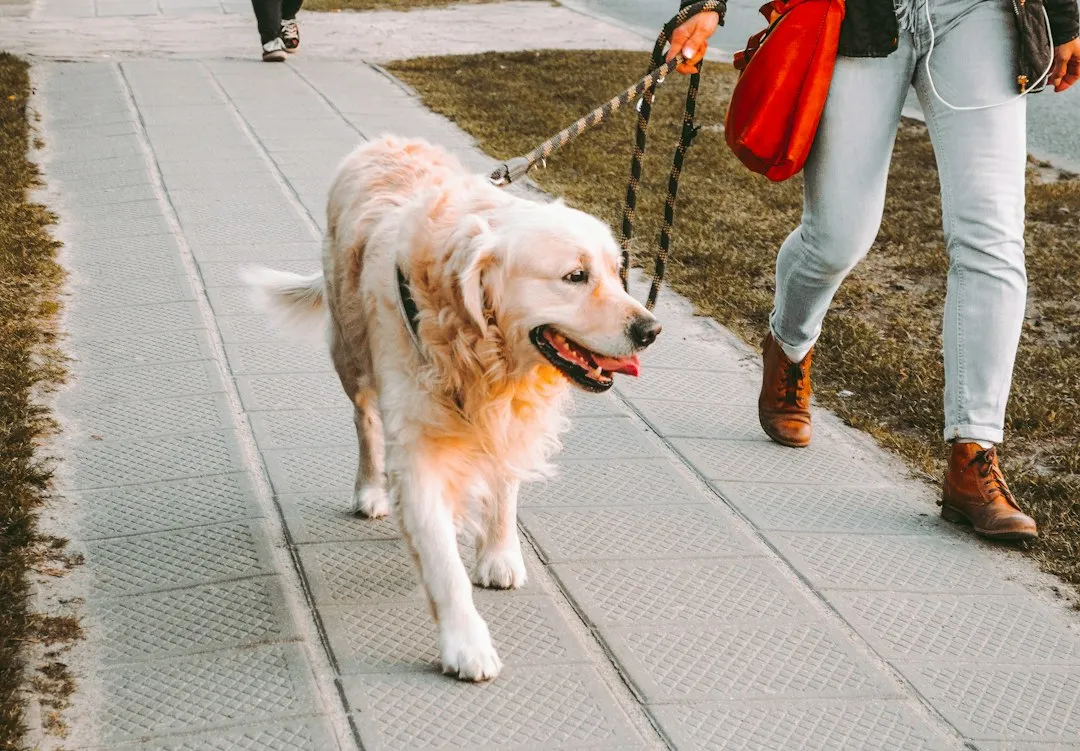
The route shrinks long before the enthusiasm does.
Many dogs still race to the door in winter. Then they turn around at the second corner. That is a quiet renegotiation, not a loss of interest.
Shorter, slower walks and longer recovery time afterward are typical for senior dogs, and some slowing down is a normal part of aging. But a sudden shortening over a few weeks is different from gradual aging. A fast change deserves a vet visit, not a shrug, because heart disease, pain, and anemia can all pass for "just getting old."
- Two short walks often beat one long one
- Let your dog set the pace and the turnaround point
- Note how long recovery takes afterward
But what happens when your dog tries to stand up afterward is even more telling…
#20 – Standing Up Without Effort
🔥 Would you like to save this?
We'll email this post to you, so you can come back to it later!
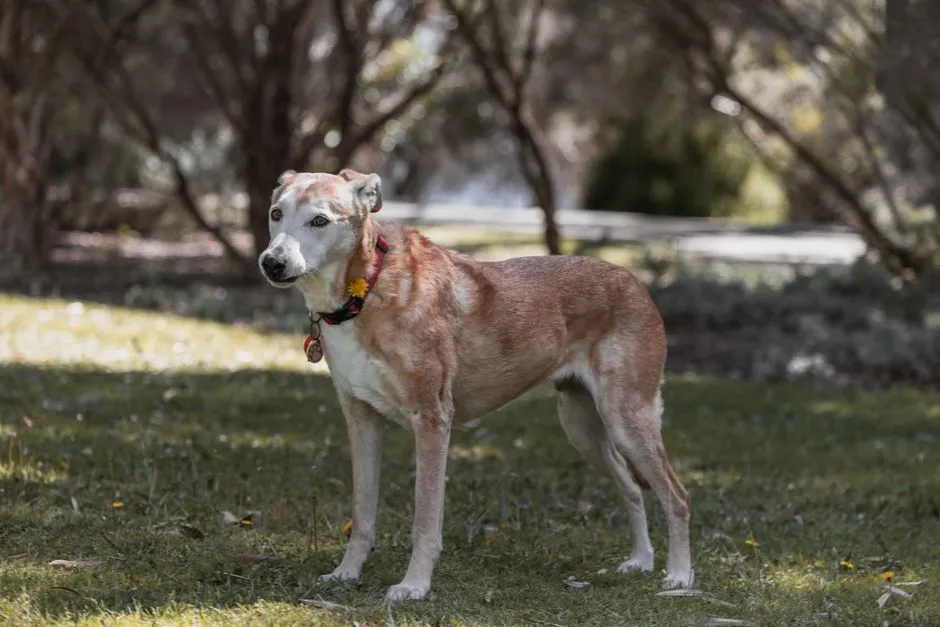
The way a dog gets off the floor can reveal more than any exam-room trot.
Watch for the pause. Many dogs rock forward, scrabble, or lift the front end first and wait for the back legs to catch up. That wait points to weakness or pain in the hind limbs.
Difficulty standing and stiffness after resting are both common signs of mobility trouble. Stiffness that eases after a few steps often points to arthritis.
The lying-down part matters just as much. A dog that circles repeatedly or collapses heavily into a bed is telling you the descent hurts.
But the change that really stings happens at your front door…
#19 – The Greeting at the Door
🔥 Would you like to save this?
We'll email this post to you, so you can come back to it later!
The welcome-home ritual often fades from a celebration to a tail thump.
Your dog may stay in the bed and lift only the head. It feels personal. It is not.
A dog who once met you with wild joy and now barely lifts their chin is telling you something about how they feel physically. Getting up costs energy and sometimes hurts.
Many experts believe dogs still feel the welcome fully and simply can’t afford the effort. That is an interpretation, since we can’t ask them, but it fits how pain shapes behavior.
So go to them. Kneel, speak softly, and let the greeting happen at their level.
But there is a quieter loss than the greeting, and it involves a toy…
#18 – Play
🔥 Would you like to save this?
We'll email this post to you, so you can come back to it later!
Play rarely stops overnight; it gets quieter, shorter, and then rare.
First the zoomies disappear. Then fetch becomes a casual sniff at the ball. Eventually the toy sits untouched.
Losing interest in activities they once loved, like fetch or walks, is among the early behavior changes of senior dogs.
Here’s where opinions split. Some trainers push to keep older dogs "active at all costs." Many vets now argue that gentle, low-impact play beats forced exercise, since pain-driven overexertion can cost days of recovery.
Try swapping fetch for something that engages the nose:
- Scatter a few treats in the grass
- Hide a treat under a cup
- Use a snuffle mat indoors
But what changes at the food bowl is the sign vets watch most closely…
#17 – Enthusiasm for Dinner
🔥 Would you like to save this?
We'll email this post to you, so you can come back to it later!
A dog who stops eating hurts differently than a dog who gets picky.
Food interest tracks closely with comfort. Loss of appetite is one of the most concerning signs of declining quality of life in senior dogs.
Pickiness can have many causes. Dental disease, nausea, kidney problems, and medication side effects are common culprits. Winter adds its own trouble, because cold bowls and slippery floors can make eating itself uncomfortable.
Many "picky" seniors are actually in pain. Chewing hurts, or bending down to the bowl strains a stiff neck or back. Fixing the cause often fixes the appetite.
- Warm the food slightly to boost aroma
- Raise the bowl a few inches
- Report a drop lasting more than a day or two
But a change at night may be even more revealing than the one at dinnertime…
#16 – A Full Night’s Sleep
🔥 Would you like to save this?
We'll email this post to you, so you can come back to it later!
Some dogs sleep more in old age; others lose the night entirely.
Both can signal trouble. Increased daytime sleeping is common, but pacing, restlessness, and night-time vocalisation are clinically relevant behavior changes.
This often points to cognitive dysfunction, similar to dementia in humans. Dogs may pace in the dark, stare at walls, or wake and bark for no clear reason.
At 3 a.m., pain can look identical to confusion. Which one it is matters, because the treatments differ, and a vet visit can separate them.
But the next sign is one nobody wants to talk about…
#15 – Housetraining
🔥 Would you like to save this?
We'll email this post to you, so you can come back to it later!
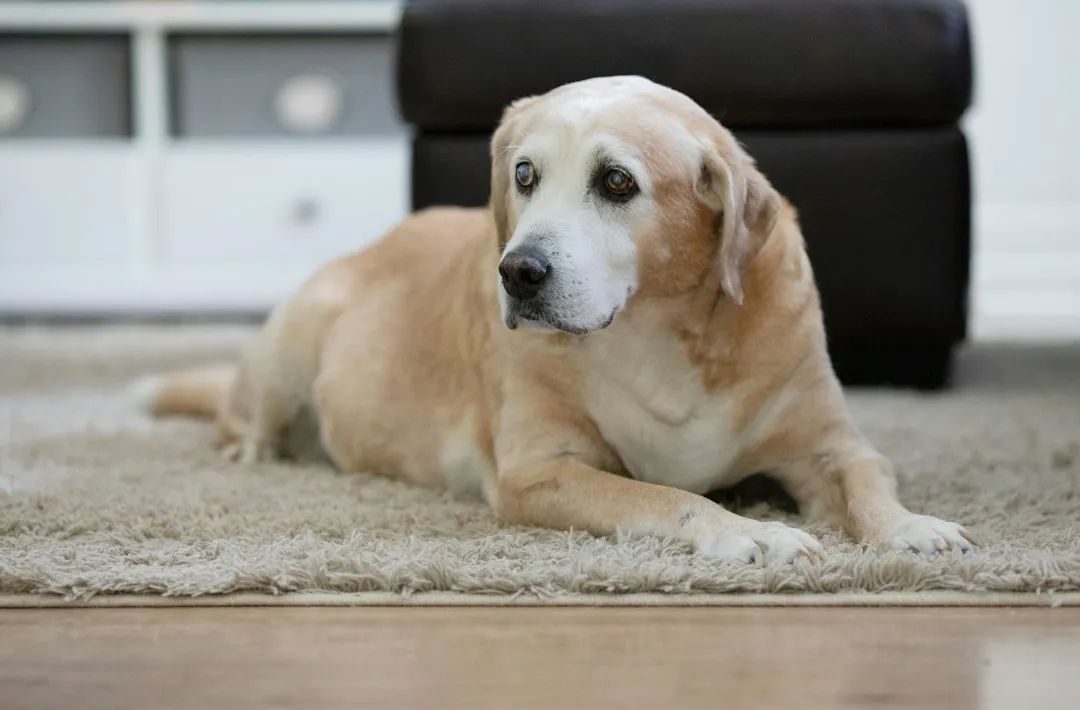
A dog who has been reliable for a decade may suddenly start leaving puddles.
It feels like betrayal. It is almost never defiance. Incontinence is common in elderly dogs.
Causes range from weak bladder muscles to urinary infections to confusion about where the door is. Cold mornings matter too. Many arthritic dogs simply can’t make it outside in time, or avoid wet, icy steps.
The biggest mistake is scolding. It adds anxiety and doesn’t fix a physical cause. Worsening accidents are a reason to call the vet, not to punish.
- Add more frequent outings
- Use washable pads near the dog’s bed
- Check for urinary infections
But the changes in your dog’s body can be hard to see until you look for them…
#14 – Muscle and Weight
🔥 Would you like to save this?
We'll email this post to you, so you can come back to it later!
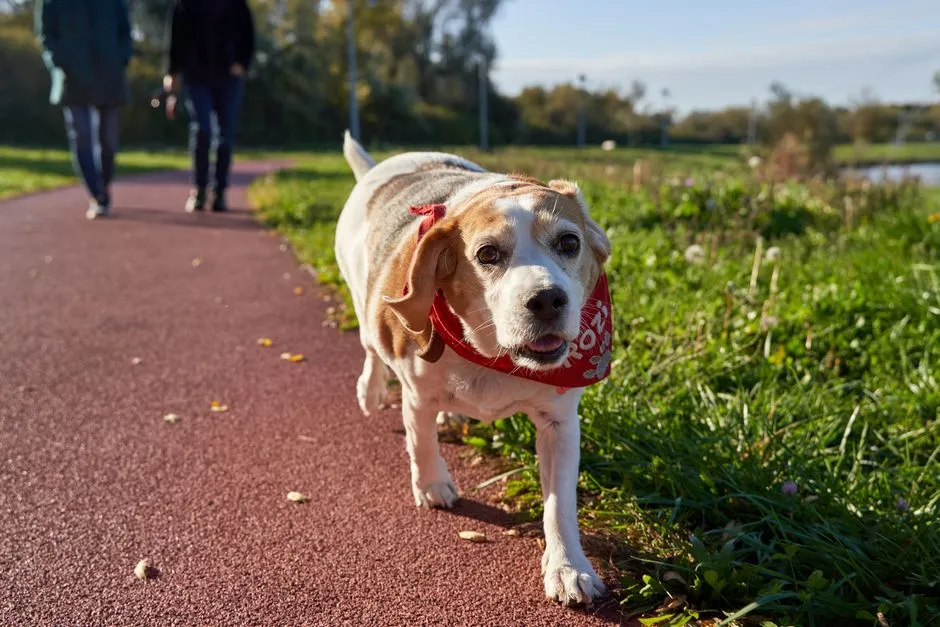
A dog can look the same from the front and be fading from behind.
Run your hands along the spine and over the hips. Muscle loss shows up there first, especially in the thighs. Weight loss or muscle wasting despite a stable appetite is a flag clinicians watch for.
Thick winter fur hides it. Many owners only notice when the dog is shaved or bathed. The change comes from reduced activity, illness, or both.
Unexplained weight loss in a senior is never "just aging." Cancer, kidney disease, heart failure, and dental pain can all be behind it, and it deserves bloodwork.
At a Glance: The 60-Second Hands-On Check
- Spine: Notice whether the bones feel more prominent than they did a few months ago
- Hips and thighs: Compare the left and right sides for thinning or unevenness
- Ribs: You should be able to feel them under a light layer of padding without them standing out sharply
- Photos: Snap one from above and one from the side each month for an honest comparison
A monthly hands-on check beats a glance across the room, especially under a thick winter coat.
But your dog’s choice of bed may be saying something your eyes can’t…
#13 – The Favorite Sleeping Spot
🔥 Would you like to save this?
We'll email this post to you, so you can come back to it later!
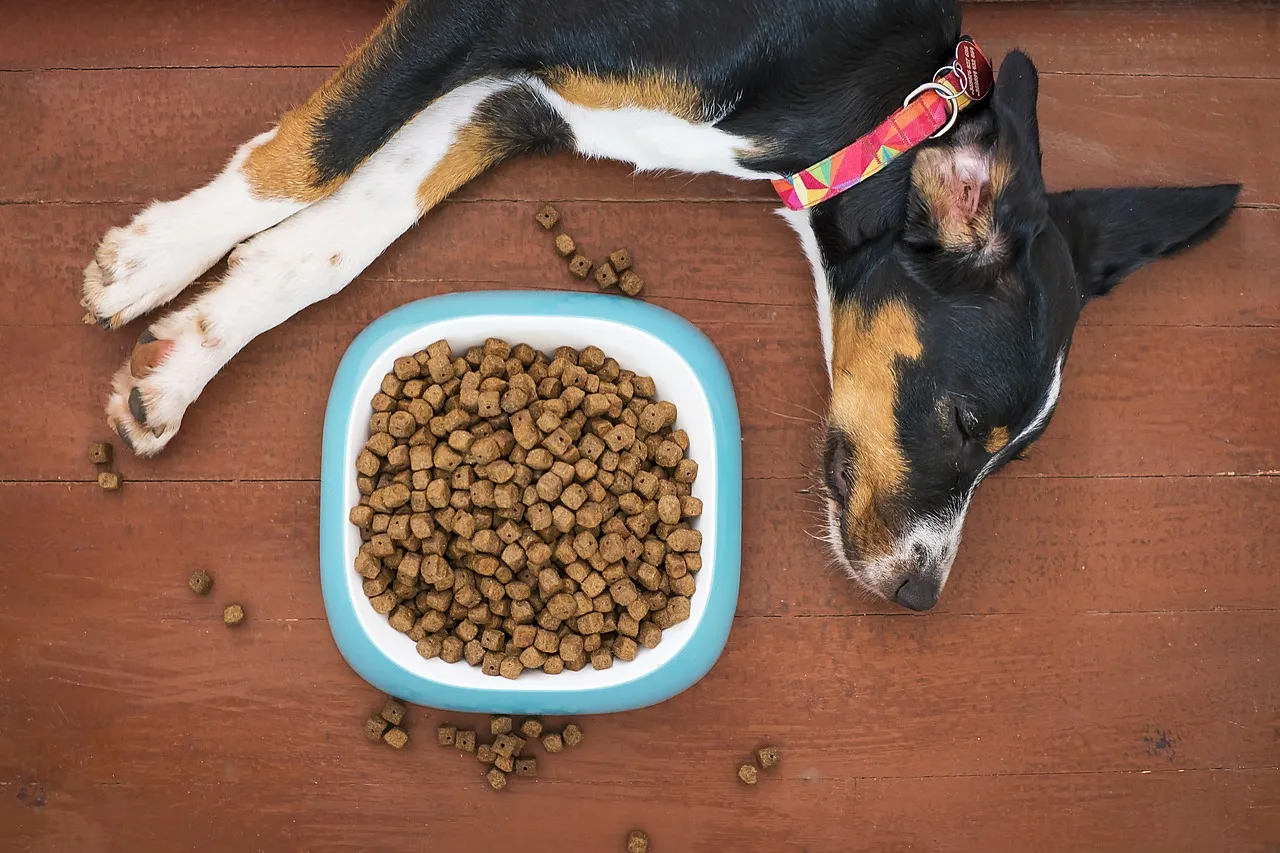
When a dog abandons a favorite bed, it’s usually about comfort, not preference.
Your dog may move to the cool kitchen tile, the bathroom, or a hallway corner. Sleeping in unusual places or avoiding typical rest areas can be a sign of decline.
The reasons vary. Some dogs run warm from pain or fever. Others can’t get comfortable on soft bedding. A few can no longer climb the stairs to the bedroom.
A bed that is too soft can be a problem for stiff joints. Sinking in makes standing harder, which is why many vets suggest firmer orthopedic foam.
But floors themselves become an enemy in the next change…
#12 – Confidence on Smooth Floors
🔥 Would you like to save this?
We'll email this post to you, so you can come back to it later!
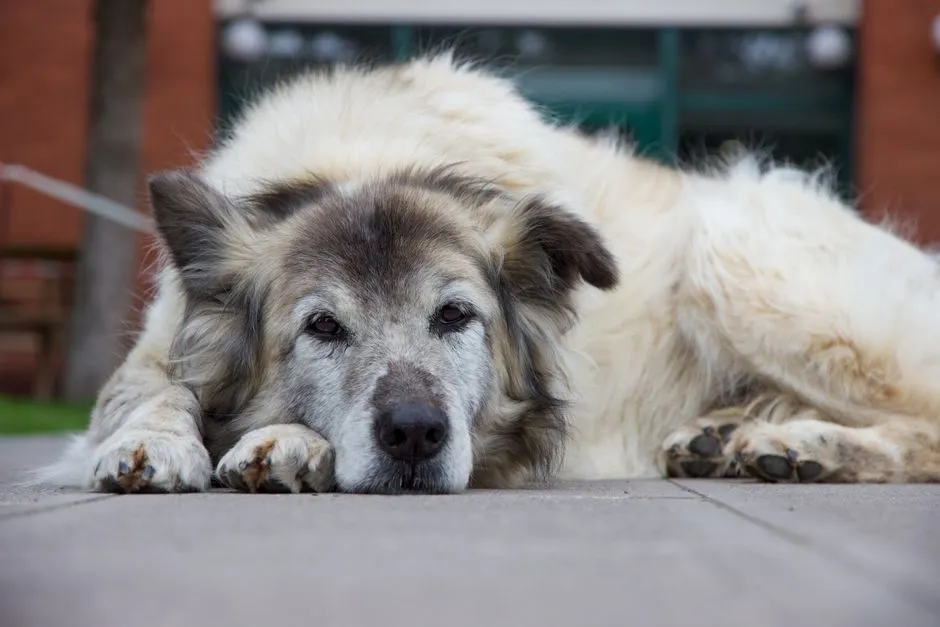
Hardwood and tile can turn into an ice rink for an aging dog.
Splayed legs, slow tiptoeing, and avoiding certain rooms are all signs. Increased slipping on floors is one of the recognised signs of mobility changes.
Fear of slipping becomes its own problem. Dogs may refuse to cross a room, hesitate at doorways, or stop following you from room to room. That can look like clinginess or aloofness. It is neither.
Simple fixes make a visible difference:
- Runners or yoga mats on main routes
- Trimmed paw fur and nails
- Non-slip socks or grip pads, if tolerated
But some withdrawal has nothing to do with mobility at all…
#11 – Wanting to Be Near You
🔥 Would you like to save this?
We'll email this post to you, so you can come back to it later!
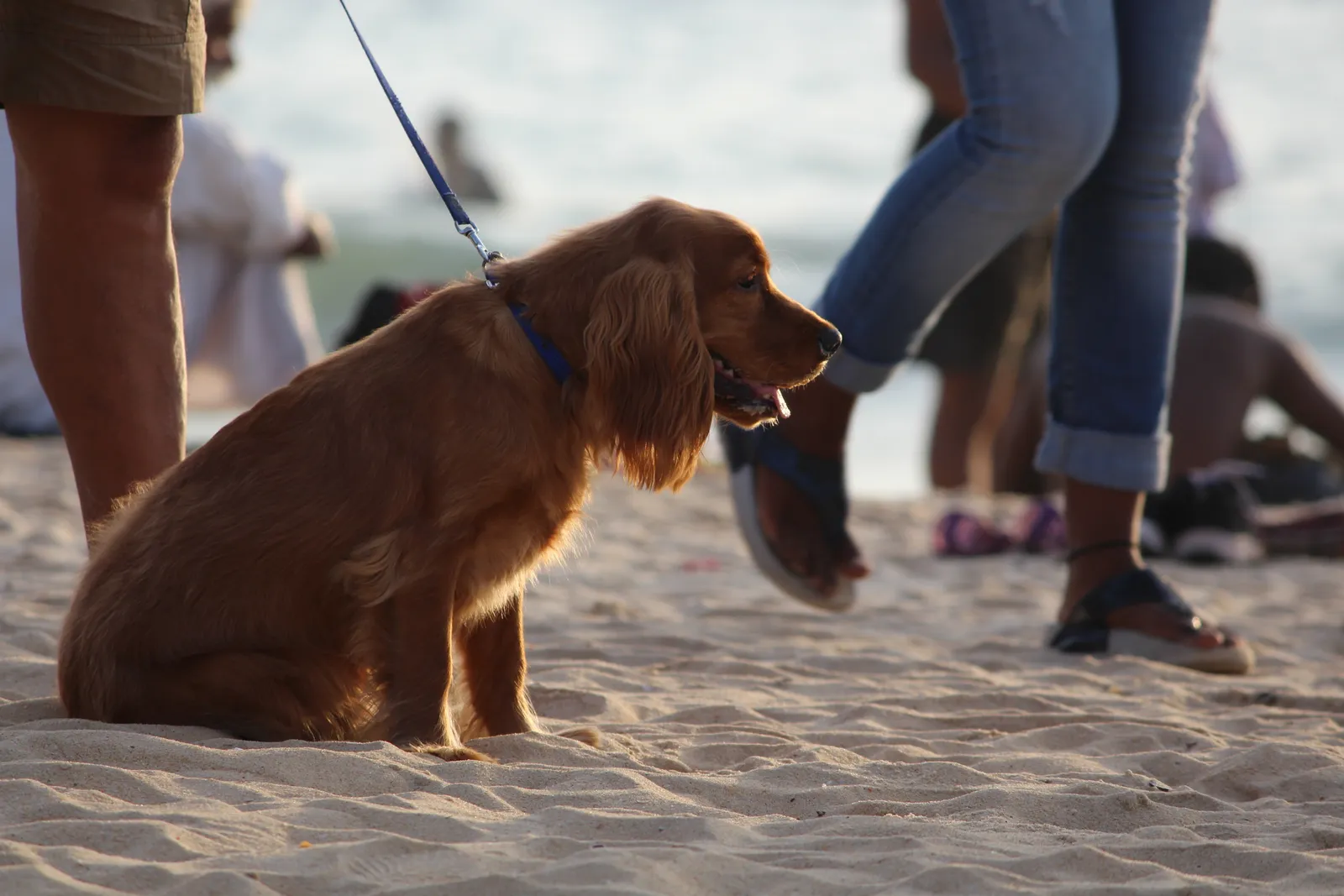
Some dogs get clingier near the end. Others pull away, and that surprises people.
Withdrawal from family members and reduced social interest are signs clinicians flag as potentially significant. A dog who always followed you to the kitchen may now stay in the next room.
Pain, tiredness, and confusion can all drive it. Some dogs seem to seek solitude when unwell, which is common in veterinary behavior, though we can’t know what a dog intends.
But the next change can leave even gentle dogs snapping…
#10 – Tolerance for Being Touched
🔥 Would you like to save this?
We'll email this post to you, so you can come back to it later!
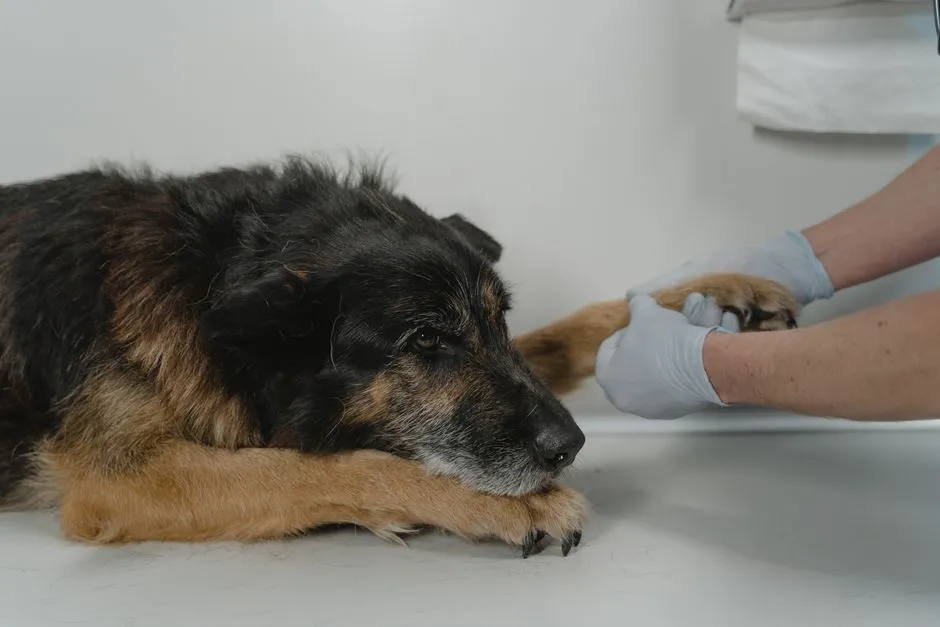
A dog who loved belly rubs may suddenly flinch at a pat.
Irritability during handling and increased fear responses are clinically relevant behavior changes. It is easy to label that "grumpy," and many people do.
In an old dog, irritability is often a pain signal. A touch on a sore hip or spine hurts, so the dog warns you. The warning is communication, not aggression.
- Approach from the front, not from behind
- Avoid lifting under the belly or chest if sore
- Ask your vet about a pain assessment before assuming a personality change
Children and visitors need extra guidance here. A pain-driven snap is still a bite.
But another thing has been shifting quietly, one your dog can’t tell you about…
#9 – Sharp Hearing and Vision
🔥 Would you like to save this?
We'll email this post to you, so you can come back to it later!
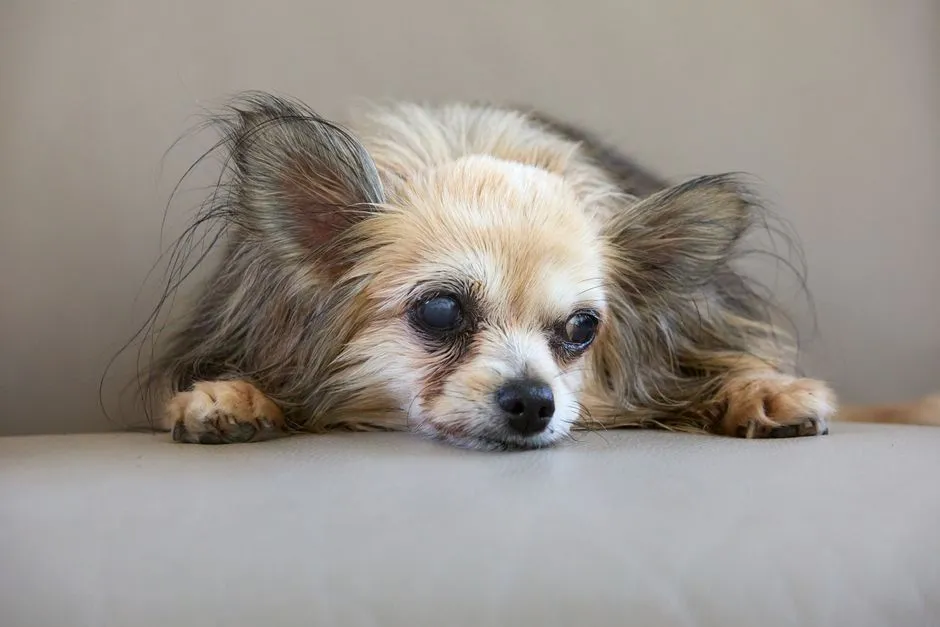
Sensory decline looks like stubbornness until you test it.
Dogs that ignore their name may be hard of hearing. Dogs that bump into furniture in the dark may be losing sight. Both are common in senior dogs and usually progress slowly.
Cloudy eyes aren’t always cataracts. A harmless hazing called nuclear sclerosis is common with age, and it differs from vision-blocking cataracts. A vet can tell which you’re dealing with.
Dogs adapt remarkably well. They map the home by smell and memory, which is why rearranging furniture can suddenly expose a hidden problem.
But when the world feels unfamiliar, something else may be going on…
#8 – Recognising Home
🔥 Would you like to save this?
We'll email this post to you, so you can come back to it later!
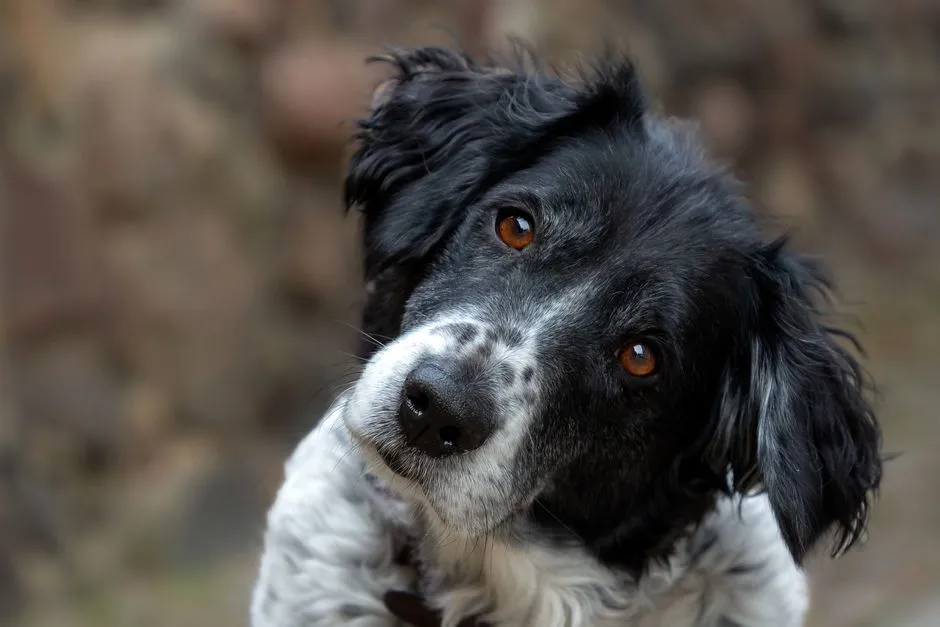
Few things unsettle owners more than a dog who seems lost in their own living room.
Disorientation, pacing, staring, and appearing lost in familiar spaces can all appear as decline progresses. Dogs may stand facing a corner or get stuck behind furniture.
These are classic signs of cognitive dysfunction, though other conditions can mimic them. Vision loss, pain, and metabolic disease are some examples.
A confused dog is not a dog who has stopped loving you. The affection is often intact even when the orientation is not.
Worth Knowing: The DISHAA Checklist
- Vets often use the acronym DISHAA to organize the signs of canine cognitive dysfunction
- Disorientation: getting lost or stuck in familiar spaces
- Interactions: changes in how the dog relates to family
- Sleep-wake cycle: restless nights, sleepy days
- House soiling: accidents from a previously reliable dog
- Activity and Anxiety: aimless pacing, new fears
Keep routines predictable. Older dogs often do best with familiar environments.
But the confusion is rarely the only thing affecting how your dog looks…
#7 – A Healthy Coat
🔥 Would you like to save this?
We'll email this post to you, so you can come back to it later!
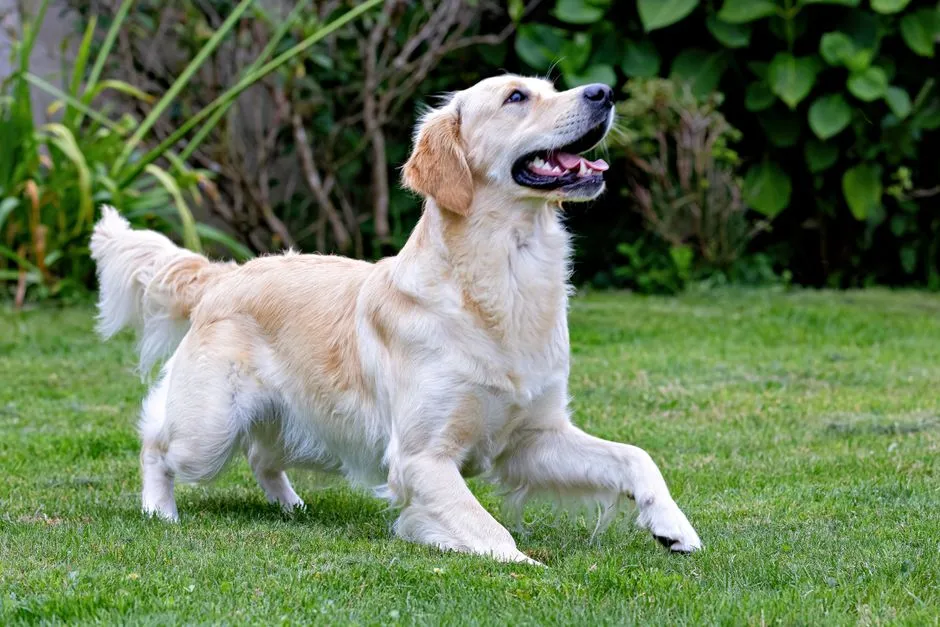
The coat is a surprisingly honest report card.
Dull, thinning, or matted fur can signal that your dog isn’t grooming, can’t reach certain areas, or isn’t well. Changes in coat and skin often reflect the body’s slowing ability to repair itself.
Look at the nails too. Dogs that walk less don’t wear them down, so they grow long and make walking more awkward. That adds to mobility problems.
Winter makes coat care more important, not less. Dry indoor air, damp fur, and ice-melt salt can all irritate older skin.
But warmth itself becomes a bigger deal than most owners expect…
#6 – Staying Warm
🔥 Would you like to save this?
We'll email this post to you, so you can come back to it later!
An older dog’s thermostat doesn’t work like it used to.
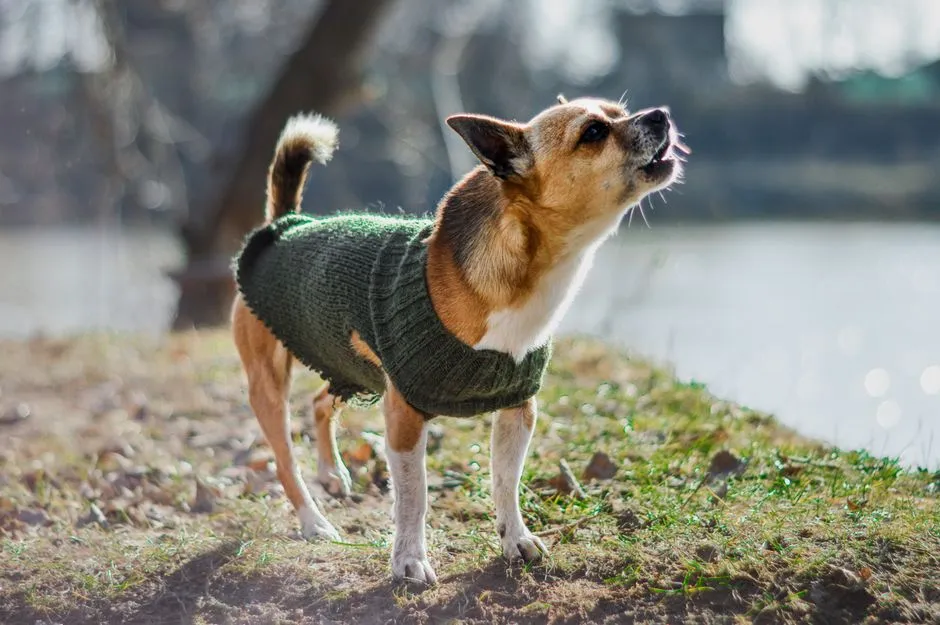
Slower metabolism and weaker temperature regulation are among the typical challenges of senior dogs. A winter morning that never bothered your dog at five can now be a problem.
Short-coated, thin, and small dogs are most vulnerable. Many seniors shiver, hunch, or lift their paws off cold ground. Others seek out heaters or sunny patches.
Warmth helps stiff joints too. Many owners find their dogs move better after a gentle warm-up, so a sweater and a warm bed are hardly a luxury at this stage.
- Offer a coat for short or thin-coated dogs
- Keep winter outings brief
- Avoid direct contact with heating pads unless a vet approves
But there is one change that no coat or bed can fix…
#5 – Easy Breathing
🔥 Would you like to save this?
We'll email this post to you, so you can come back to it later!
Breathing is the change that turns "keep an eye on it" into "call now."
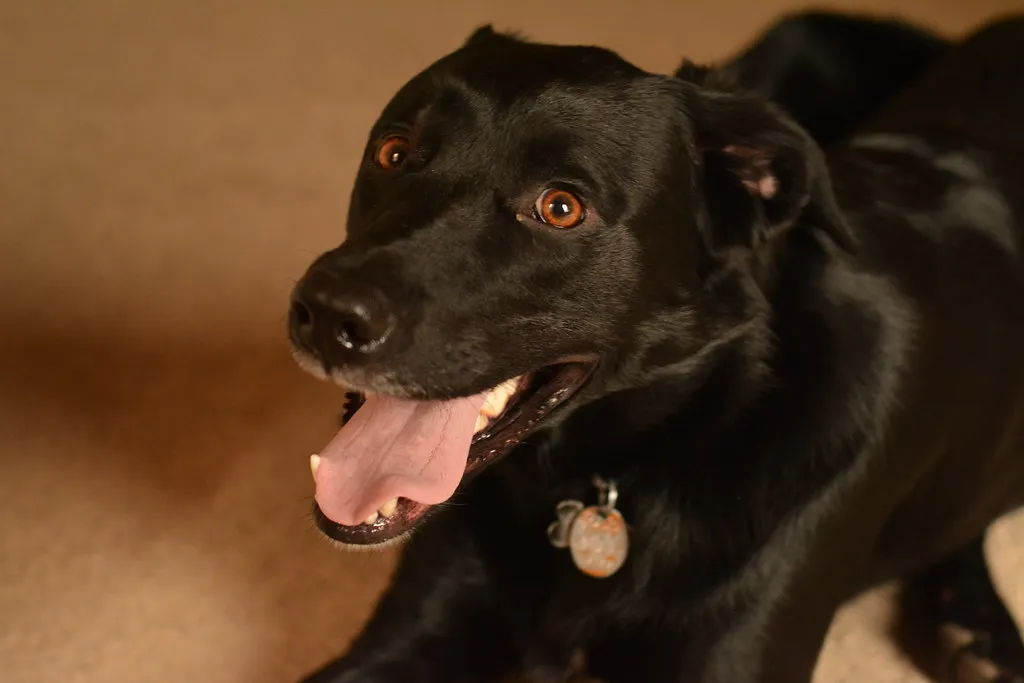
Excessive panting at rest, trembling, and trouble finding a comfortable position are physical signs of suffering. A dog panting in a cold room is worth noting.
Laboured breathing, a fast resting rate, or a new cough may indicate heart or lung disease. Changes in breathing pattern are among the physical flags clinicians look for.
A simple home check helps. Count breaths per minute while your dog sleeps, and track the number. Your vet can tell you what range to watch for.
But the most unsettling change isn’t what your dog does. It is what your dog stops doing…
#4 – Telling You It Hurts
🔥 Would you like to save this?
We'll email this post to you, so you can come back to it later!
Dogs rarely complain, and that silence is the problem.
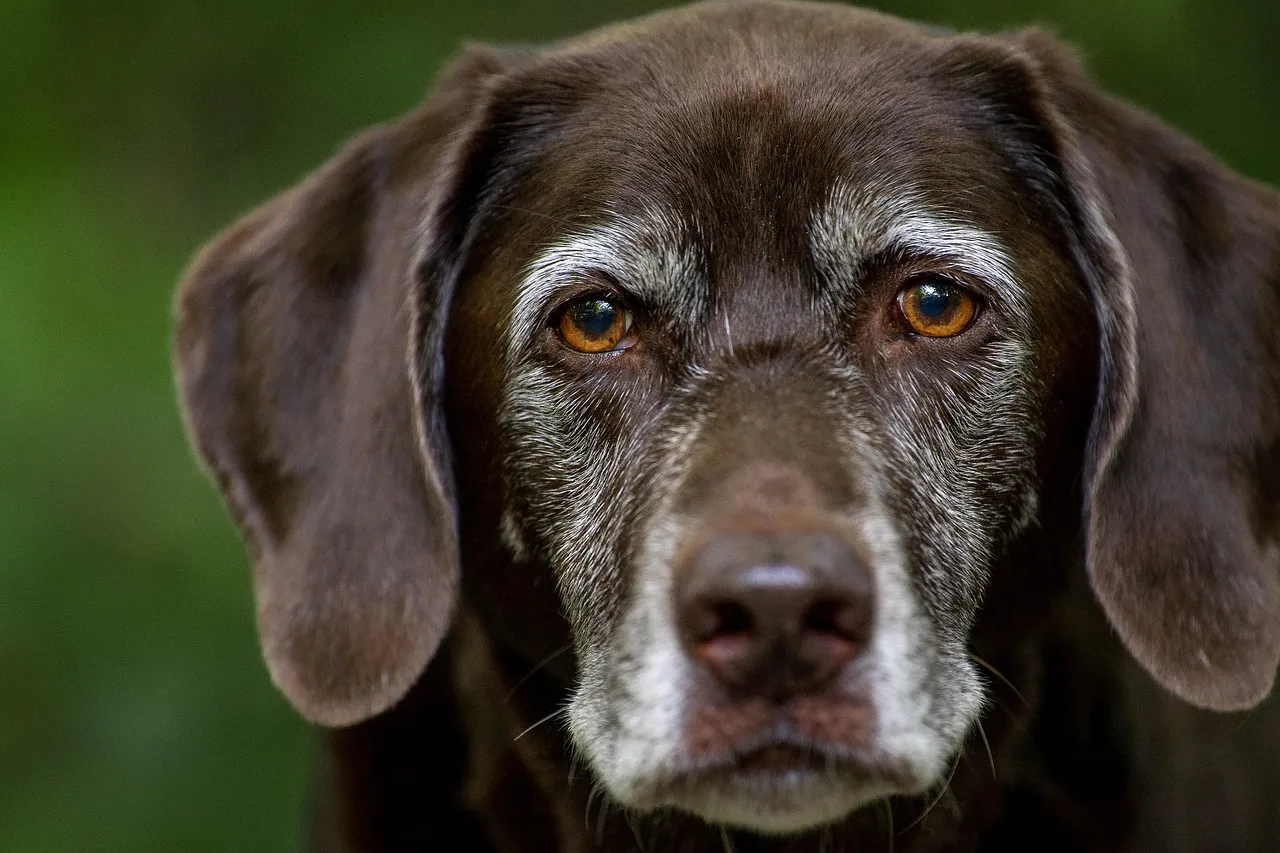
Senior dogs are experts at hiding pain, because instinct pushes them to mask weakness. That is why any combination of the symptoms in this list warrants veterinary evaluation.
So pain shows up sideways: less eating, more panting, a changed posture, restlessness, a lick at one spot. Many owners only see it afterward.
"He’s not crying, so he’s fine" is one of the most dangerous assumptions in senior dog care. Most pain in dogs is silent.
Quick Compare: What We Expect vs. What Shows Up
- We expect: Whimpering or yelping. Often instead: Quiet withdrawal and less interest in food
- We expect: An obvious limp. Often instead: A shifted posture or a skipped jump
- We expect: Crying at night. Often instead: Pacing, panting, or an inability to settle
Ask your vet about a structured pain assessment. Pain medication that works can return a lot of lost behavior.
But when pain control stops working, a subtler pattern appears…
#3 – Getting Comfortable
🔥 Would you like to save this?
We'll email this post to you, so you can come back to it later!
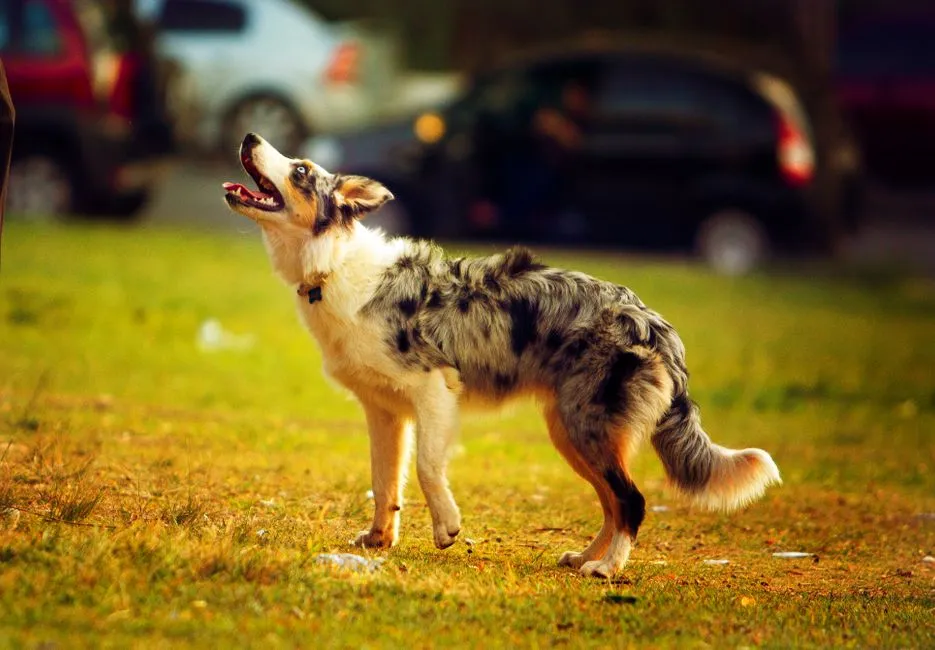
A dog who can’t settle is a dog in distress.
Watch for repeated lying down and getting up, circling without settling, or sleeping in odd positions. Inability to find a comfortable position is one of the physical signs of suffering.
Restlessness at night is especially important. It may be pain, breathlessness, nausea, or cognitive changes, and each needs a different response.
A worsening response to pain medication is another warning sign. If meds that used to work start failing, tell your vet early, not after a bad weekend.
But then comes a change that fools almost every owner…
#2 – The Last Burst of Energy
🔥 Would you like to save this?
We'll email this post to you, so you can come back to it later!
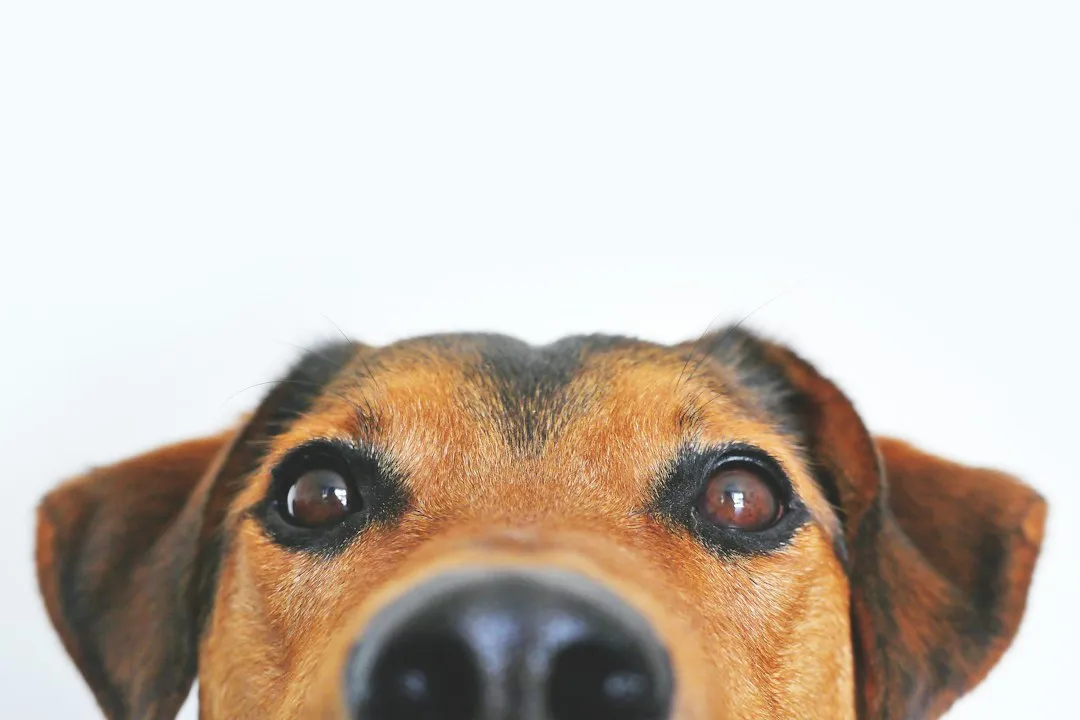
Sometimes a dog gets better right before things get worse.
Some dogs experience a brief period of increased energy or alertness before decline continues. A dog who hasn’t eaten in days may suddenly ask for dinner.
It’s a gift, and it’s also a trap. Families can read it as recovery and delay hard conversations. Experts caution against treating one good day as a change in the overall direction.
Enjoy it fully. Just keep the bigger pattern in view.
But the single most important change of all isn’t physical…
#1 – Interest in the Things That Made Them Them
🔥 Would you like to save this?
We'll email this post to you, so you can come back to it later!
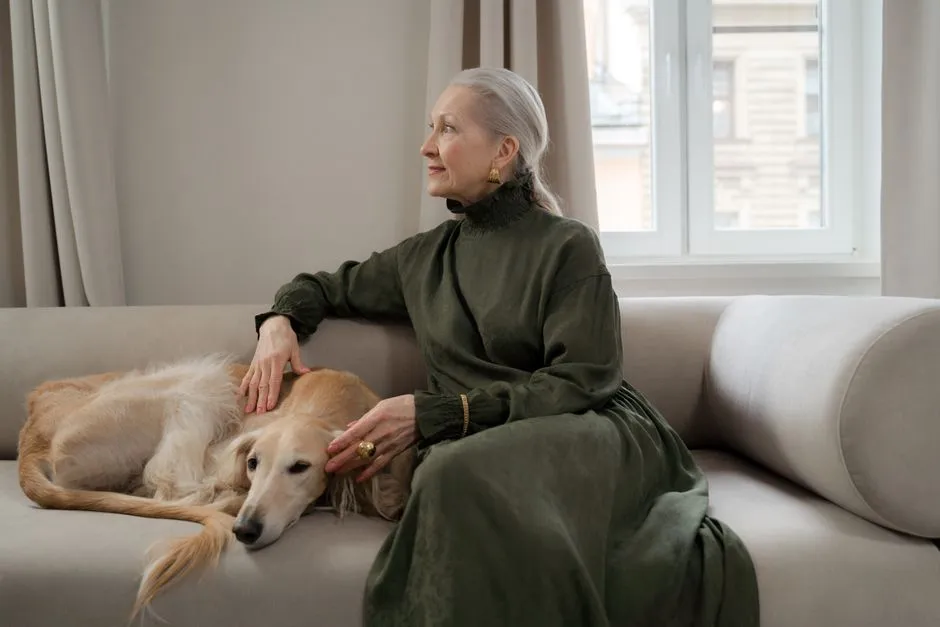
When a dog stops caring about their own favorite things, that is the loudest signal of all.
The squeaky toy, the mail carrier, the sound of the treat bag. Quality of life isn’t just the absence of pain. It’s the ability to enjoy what has always brought happiness.
Vets often frame it as good days versus bad days. Track the ratio over time. When bad days consistently outnumber good days, it may be time to talk with your vet about end-of-life options.
Mark good days on a calendar. Seeing the pattern on paper is more reliable than memory when you’re grieving.
Not one of these 22 changes means the end by itself. Aging isn’t a disease, and many older dogs go on living happy, fulfilling lives. But the losses do add up, and the pattern matters more than any single sign.
Here’s my view: owners wait too long for certainty, and dogs pay for it. A dog doesn’t need to be at the very end of life to deserve a pain plan, a warmer bed, and an honest vet conversation. Comfort should come first, long before a crisis forces the decision.
Which of these quiet losses did you notice last, and what do you wish you’d caught sooner?

- What Egyptian God Are You According to Your Zodiac Sign - November 5, 2026
- Embracing the Quiet Magic of Adopting a Senior Dog - November 5, 2026
- Scientists May Have Miscalculated Our Global Warming Timeline - November 5, 2026