
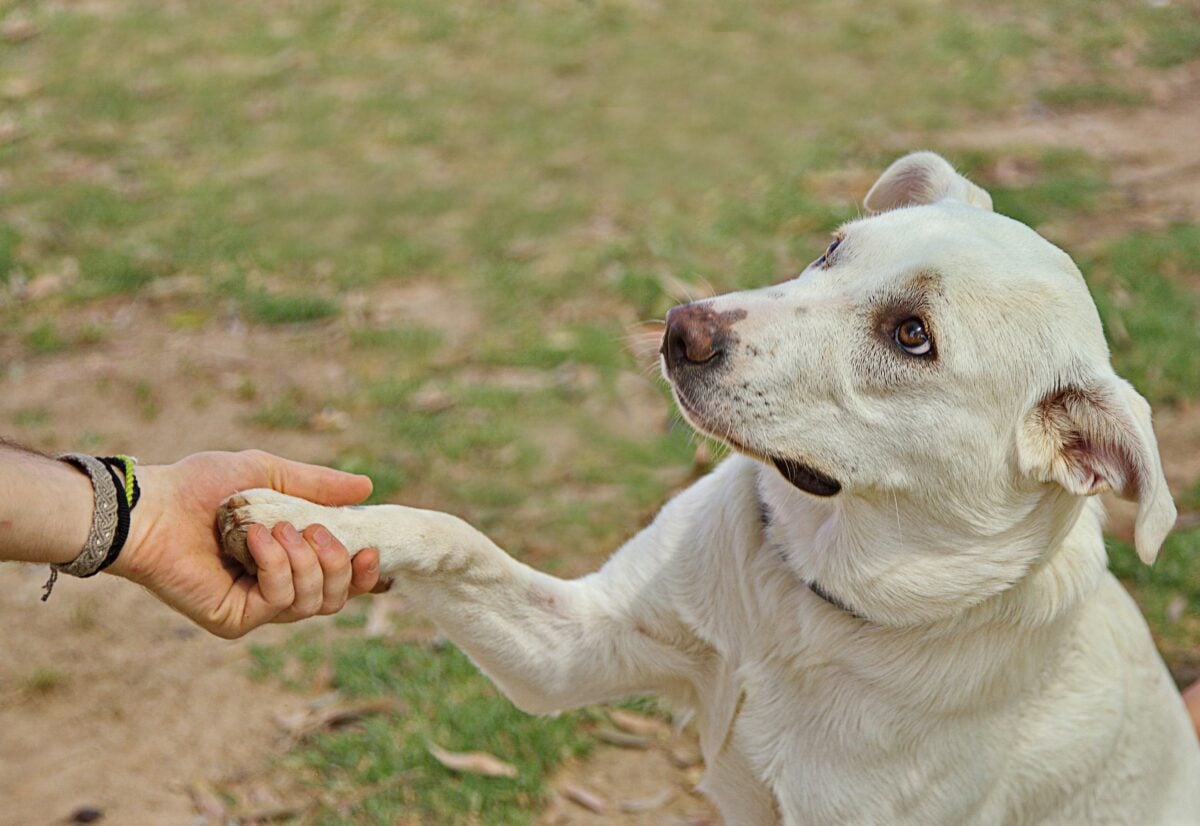
Most people believe a dying dog is hanging on until its person walks through the door. It’s a comforting story, and plenty of owners swear by it: the old dog who slipped away minutes after a daughter got home, the one who rallied just long enough for a last goodbye. But no study has shown that a dog can delay death for someone. Still, what these dogs do in their final days is real, and it tells you far more than the legend does.
Here’s the twist. The clinging, the long stare, and the sudden good day that feel like proof of a promise each have a quieter explanation. A few of them are also signals your dog needs you to catch. Let’s start with the one almost every owner notices first.
#9 – They Suddenly Become Your Shadow
🔥 Would you like to save this?
We'll email this post to you, so you can come back to it later!
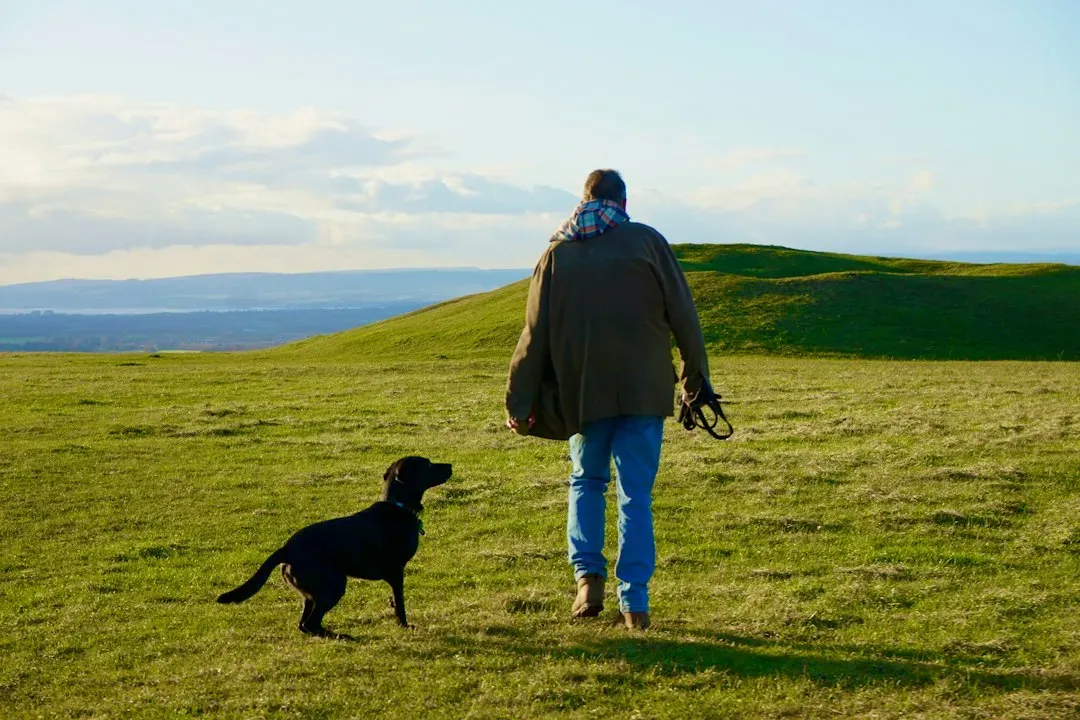
The first change many owners notice is a dog that won’t let them out of sight.
Clinginess is one of the most common end-of-life behaviors. Vets and hospice teams point to loss of appetite and thirst, deep fatigue with much more sleeping, loss of mobility, and social withdrawal or clinginess. It sits right alongside the physical signs.
Behavior expert Haylee Bergeland says many dogs appear more clingy or attached, following you around consistently and staying close. Owners often describe it as the dog “choosing” them. The truth is less romantic, but it may be more tender.
Veterinary writers argue that this clinginess reflects anxiety and a need for comfort, not a conscious farewell. Dogs respond to their own physical sensations, not abstract ideas of mortality. The dog isn’t counting down. It feels unwell, and you are the safest thing it knows.
Think of a child with a fever who wants a parent’s lap. Nobody believes the child is planning anything. They just want the safest spot in the room, and your dog is doing the same.
What shadowing can look like:
- Following you from room to room
- Resting as close to you as possible
- Seeming unsettled when you step away
There is no scientific consensus on whether dogs know they are dying. That uncertainty is worth keeping in mind through the rest of this list.
But the opposite behavior is just as common, and it catches families off guard in #8…
#8 – Or They Pull Away and Want Space

🔥 Would you like to save this?
We'll email this post to you, so you can come back to it later!
Some dying dogs do the exact reverse and retreat.
Not every dog turns clingy. Dying pets may behave differently around people, often becoming more distant or sometimes more clingy. Both patterns count as normal, which is exactly why the “holding on” story can’t be tested. Whatever the dog does, the legend can claim it.
Withdrawal is often a coping mechanism as energy levels diminish. A dog that once met you at the door may now stay on its bed. That isn’t rejection. Another source says the dog’s energy is focused inward because the body is declining.
Quick Compare
- The clingy dog: follows you, rests against you, and looks for comfort and safety.
- The withdrawn dog: stays on its bed, avoids touch, and saves its energy.
- The shared cause: a body that feels unwell, not a change in love.
Daily Paws offers practical advice: if your dog doesn’t want to be touched, go for walks or play, respect that. It’s nothing personal.
Some dying dogs also develop repetitive behaviors, such as pacing, circling, or excessive licking. Veterinary sources list these among the changes seen near the end. They can be hard to watch if you expect a calm, peaceful dog, and they’re worth mentioning to your vet.
Here’s a point that will annoy some readers. If your dog pulls away, that doesn’t mean the bond has faded or that it “gave up” on you. It means the dog feels unwell.
And then there’s the trick that makes owners believe their dog is still fine, covered in #7…
#7 – They Hide How Sick They Really Are

🔥 Would you like to save this?
We'll email this post to you, so you can come back to it later!
The dog that seems fine is sometimes the one in the most trouble.
This is the biggest reason the “holding on” idea feels true. Dogs maintain normal-seeming behavior longer, relative to their disease state, than humans typically do. Veterinary writers call it compensatory masking.
So a dog can look steady until the decline is advanced. Then the drop seems sudden to the family. In hindsight, it looks as if the dog was waiting for something, when really it ran out of ways to cover up.
Some behaviors keep running longer than you’d expect. Tail wagging is social communication and can persist even in severely ill dogs. A wagging tail is not proof that a dog is comfortable.
Pain is easy to miss too. Some pets isolate themselves to hide signs of pain, while others show obvious distress. Signs to watch include:
- Trembling or panting
- Limping or flinching
- Restlessness or vocalizing
These pain signs vary depending on the source of the pain. If something looks even slightly off, describe it to your vet in plain words: when it happens, how long it lasts, and what seems to trigger it.
What happens to the appetite is even more misleading, as #6 shows…
#6 – They Refuse the Bowl but Take Treats From Your Hand
🔥 Would you like to save this?
We'll email this post to you, so you can come back to it later!
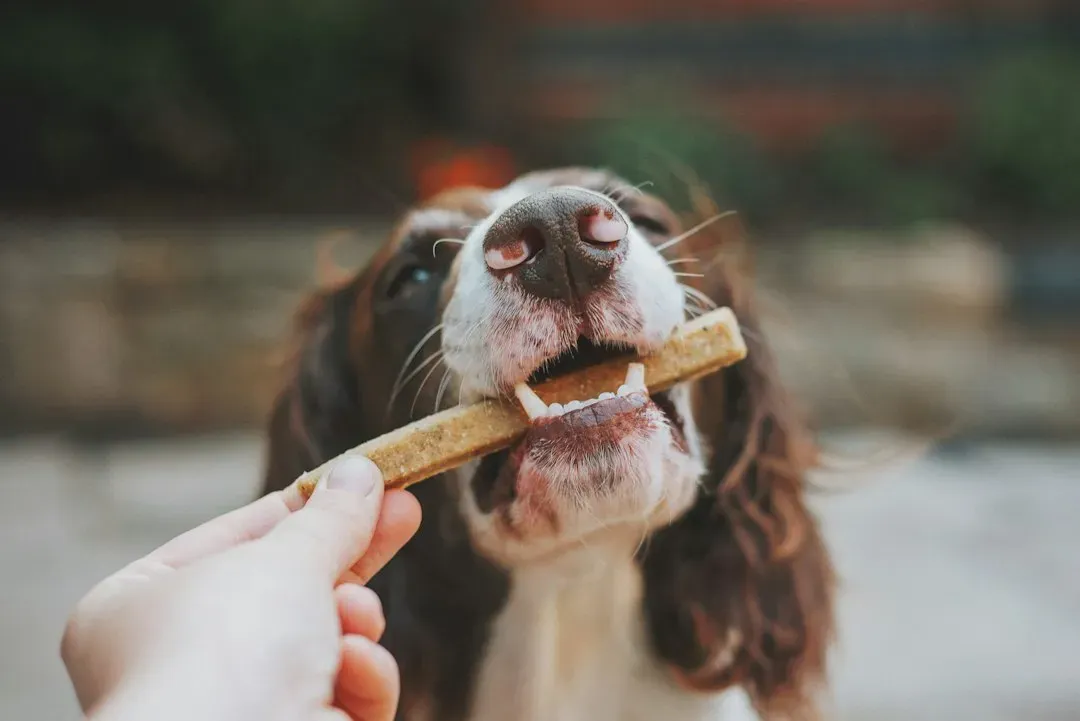
A dying dog may turn down dinner and still accept a bite from you.
Appetite loss is a classic sign. Pets may lose interest in food or water as vital organ functions begin to shut down. Eventually they may stop eating altogether.
The pattern is peculiar. A dog may be reluctant to approach its food bowl but continue to take treats. Owners often read that as the dog “making an effort” for them. It’s more likely a mix of nausea, weakness, and interest in a favorite flavor.
Not every skipped meal means the end. Appetite loss has dozens of causes, including dental disease, medication side effects, anxiety, and minor infections. Treating it as a death sentence could mean missing a fixable problem.
One source advises that a dog who stops eating for 24 to 48 hours needs a vet exam, not a hospice plan. That’s a harder truth than the legend, but a more useful one.
Worth Knowing
- Taking a treat does not mean a dog feels well or is “trying” for you.
- Dental pain and medication side effects are common, fixable reasons for refusing food.
- Around 24 to 48 hours without eating is the point where one source says to book an exam.
- Mention any nausea or pain to your vet before assuming the appetite is gone for good.
Practical ways owners cope include:
- Offering softer or more varied food textures
- Hand-feeding small amounts if the dog accepts it
- Asking the vet about nausea or pain
Confusingly, the next change looks like laziness but isn’t, in #5…

Halloween Cat Costume Cloak Witch Hat Pet Accessories
Check Price on AmazonAs an Amazon Associate, we earn from qualifying purchases.
10/9/2026 2:44 pm GMTi

Orthopedic Extra Large Dog Bed, Waterproof Washable XL Pet Bed 44"
Check Price on AmazonAs an Amazon Associate, we earn from qualifying purchases.
10/7/2026 1:32 pm GMTi

Earth Rated XL Dog & Puppy Pee Pads, Discreet Top, Max Absorbency
Check Price on AmazonAs an Amazon Associate, we earn from qualifying purchases.
10/7/2026 1:28 pm GMTi

Glass Hummingbird Feeder for Outdoors Hanging
Check Price on AmazonAs an Amazon Associate, we earn from qualifying purchases.
10/7/2026 1:21 pm GMTi

Hand Blown Glass Hummingbird Feeders for Outdoors Hanging, 24oz Wild Bird Nectar Feeder
Check Price on AmazonAs an Amazon Associate, we earn from qualifying purchases.
10/7/2026 1:23 pm GMTi
#5 – They Sleep Through Most of the Day

🔥 Would you like to save this?
We'll email this post to you, so you can come back to it later!
Deep, heavy sleep is one of the quietest signals of all.
Older dogs sleep more anyway, which hides the shift. But a significant increase in sleeping or lethargy can be a sign of declining health. A dog may seem tired even after minimal activity.
There’s a biological reason. Sickness behavior is driven by inflammatory cytokines and includes lethargy, appetite loss, and social withdrawal. It’s the body’s way of conserving energy while it fights.
In the final stretch, the picture sharpens. Some veterinary writers list profound lethargy lasting more than 48 hours among the most reliable signs. A dog may also show a drop in body temperature in the very last stage.
Here’s where owners trip up. A sleepy dog who rouses when you come home isn’t “saving strength for you.” It’s responding to a familiar person and a familiar voice, which can wake even a very weak dog.
Signs that sleep has crossed a line:
- Difficulty rousing the dog
- Little interest in anything once awake
- Trouble standing or walking
Then there’s the stare that gets under everyone’s skin, in #4…
#4 – They Lock Eyes With You

🔥 Would you like to save this?
We'll email this post to you, so you can come back to it later!
That long, steady gaze is the moment people remember most.
Many owners describe a dying dog staring at them as if saying goodbye. It’s understandable. It’s also not what the evidence supports.
Veterinary behaviorists generally interpret this as comfort-seeking behavior rather than a deliberate communication about death. The dog is looking at the one source of safety it has.
There’s a lovely wrinkle here. A 2015 study led by Miho Nagasawa in Japan found that mutual gazing between dogs and their owners raised oxytocin, the bonding hormone, in both. So the stare may feel profound because it is a bonding behavior your dog has practiced its whole life.
Here’s the controversial part. Many owners are certain their dog “said goodbye,” while behavior researchers argue the goodbye is something humans add afterward. Dogs cannot verbally communicate a goodbye, but many veterinarians and owners report behaviors that suggest they might be aware of their impending death. Reported is not the same as proven.
What we can say is that dogs read us closely. Studies indicate that dogs’ noses and ears can pick up changes in human emotion. Your own distress at the bedside may be part of what your dog is responding to.
The next change, in #3, is the one that fools nearly everyone…
#3 – They Rally for a Short Time
🔥 Would you like to save this?
We'll email this post to you, so you can come back to it later!
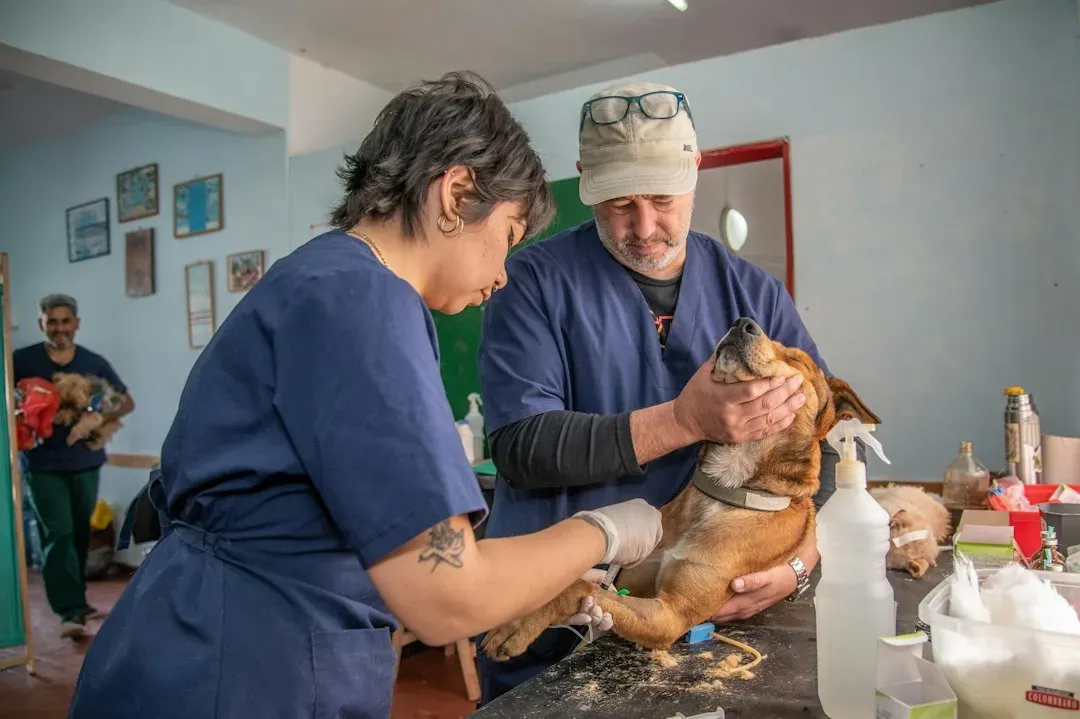
A dog that seems to get better right before the end may be doing the opposite.
Some dogs suddenly seem brighter. They eat, stand, or greet people after days of decline. Families often take it as a miracle, or as proof the dog “waited.”
This phenomenon, sometimes called a terminal rally or last hurrah, is documented in both human and veterinary medicine. Evidence on exactly why it happens is limited, so treat any single explanation with caution.
A sudden good day in a very sick dog is not a reason to cancel the vet appointment. It’s a reason to call the vet and describe what’s changed.
If you’re deciding when to act, the quality-of-life picture matters more than one good day. Confusion, incontinence, labored breathing, or more bad days than good may indicate it’s time to speak with your vet about end-of-life care.
Many vets suggest keeping a simple daily log. One popular tool is the HHHHHMM Quality of Life Scale, created by veterinarian Alice Villalobos. It scores hurt, hunger, hydration, hygiene, happiness, mobility, and whether there are more good days than bad. A log like that protects you from reading hope into a single afternoon.
But the physical signs that follow are the ones no one wants to face, in #2…

Dog Stairs for Bed 18" H, 4-Step Dog Steps for High Bed
Check Price on AmazonAs an Amazon Associate, we earn from qualifying purchases.
10/9/2026 2:42 pm GMTi

Portable Dog Water Bottle Foldable Dog Travel Water Bottle
Check Price on AmazonAs an Amazon Associate, we earn from qualifying purchases.
10/7/2026 1:29 pm GMTi

2 Pcs Halloween Pet Hat Bandana Set, Witch Pumpkin Costumes for Dogs
Check Price on AmazonAs an Amazon Associate, we earn from qualifying purchases.
10/9/2026 2:45 pm GMTi

Air Purifiers for Home Pets Large Room Up to 3000 Ft²,HEPA Air Cleaner with Washable Double-Side Filter, PM2.5 Air Quality Monitor,15dB Sleep Mode for Bedroom Odor Dust Pollen,White
Check Price on AmazonAs an Amazon Associate, we earn from qualifying purchases.
10/8/2026 8:23 am GMTi

Professional 7 in 1 Dog Paw Cleaner for Dogs & Cats - Includes 1 Portable Paw Washer, 1 Bath Brush
Check Price on AmazonAs an Amazon Associate, we earn from qualifying purchases.
10/7/2026 1:26 pm GMTi
#2 – Their Body Starts Shutting Down, Whether or Not You’re There
🔥 Would you like to save this?
We'll email this post to you, so you can come back to it later!
This is where the “holding on” legend runs into hard biology.
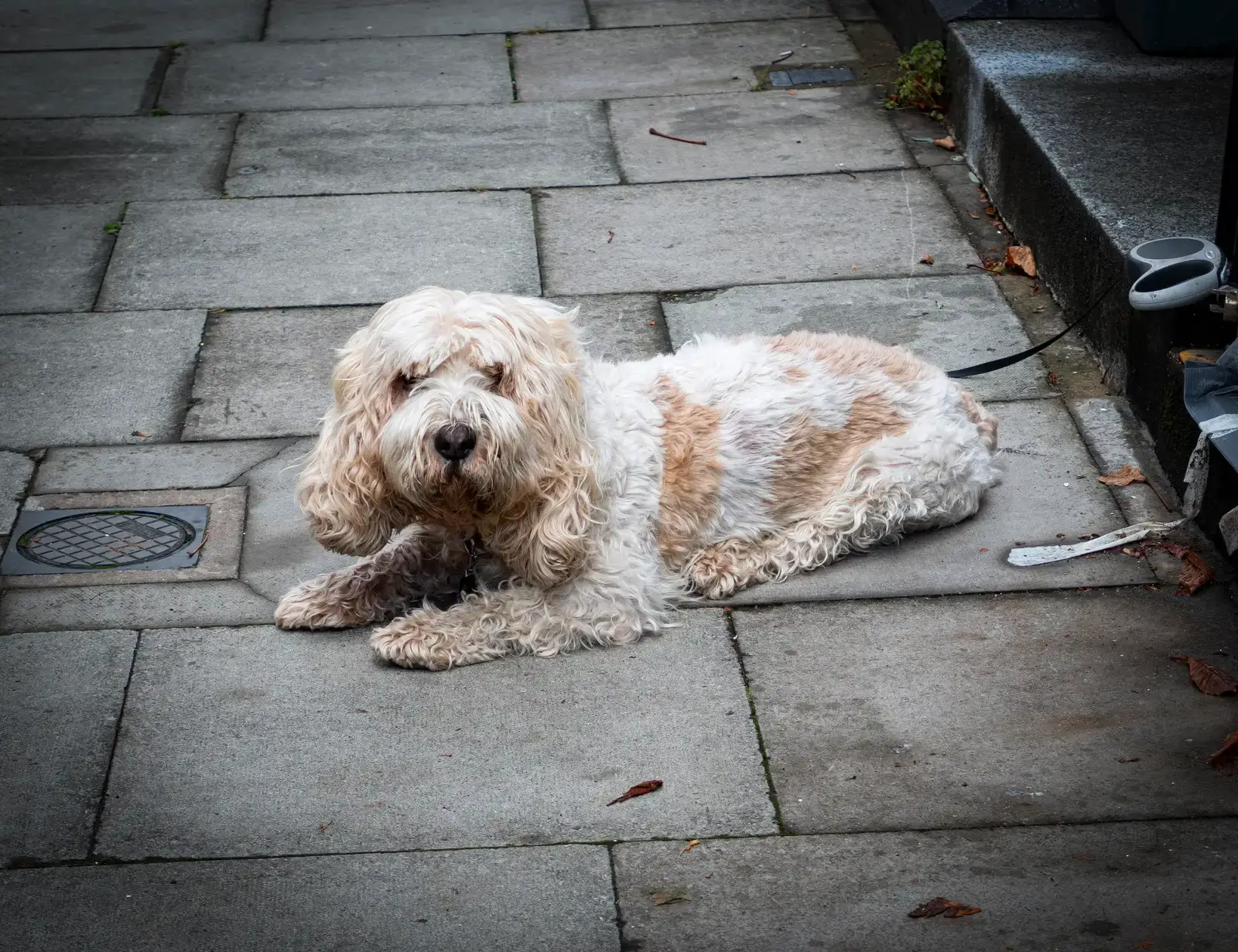
As organs fail, the body follows a pattern. Lap of Love describes irregular, shallow, or gasping breaths; loss of bladder or bowel control; and cold, pale, or bluish gums as signs the end is very near.
Breathing changes are the most important to watch. In a pet’s final hours, a gasping breath pattern called agonal breathing may occur. Because breathing difficulty can be painful and distressing, sources advise seeking timely veterinary care or rapid euthanasia.
At a Glance
- Breathing: irregular, shallow, or gasping
- Control: loss of bladder or bowel function
- Gums: cold, pale, or bluish
- Your move: call your vet right away if breathing looks hard
Here’s the opinion that makes some people uncomfortable. Natural death at home is often presented as the peaceful option, but veterinary sources say it often isn’t. Hospice and euthanasia exist because natural death can involve days of labored breathing, seizures, or distress.
That’s why “waiting for the person to arrive” is a risky reason to prolong things. A dog in distress isn’t choosing to stay for you. A good plan puts comfort first, and presence second.
You may also notice a change in your dog’s odor. Tell your vet about it. Small comforts matter in these hours too: soft, washable bedding, a quiet room, and gentle cleanup if accidents happen.
Which brings us to the one thing a dying dog really does need, and it’s #1…

Halloween Dog Collar with Bow, Orange Cute Ghost Collar,
Check Price on AmazonAs an Amazon Associate, we earn from qualifying purchases.
10/9/2026 2:43 pm GMTi

PetSafe Oasys Pet Fountain, 1/2 Gallon (64 oz), Small Dogs & Cats
Check Price on AmazonAs an Amazon Associate, we earn from qualifying purchases.
10/8/2026 8:14 am GMTi

Smart Bird Feeder with Camera Solar Powered, 2K HD Live Video, 10,000+ Bird Species AI Identification
Check Price on AmazonAs an Amazon Associate, we earn from qualifying purchases.
10/7/2026 1:22 pm GMTi

Glass Hummingbird Feeder for Outdoors Hanging, 16 oz Leak-Proof Nectar Feeder with Bee Guards & Ant Moat
Check Price on AmazonAs an Amazon Associate, we earn from qualifying purchases.
10/7/2026 1:22 pm GMTi
#1 – They Lean On You, and That Is the Point
🔥 Would you like to save this?
We'll email this post to you, so you can come back to it later!
The most honest answer is also the most moving one.
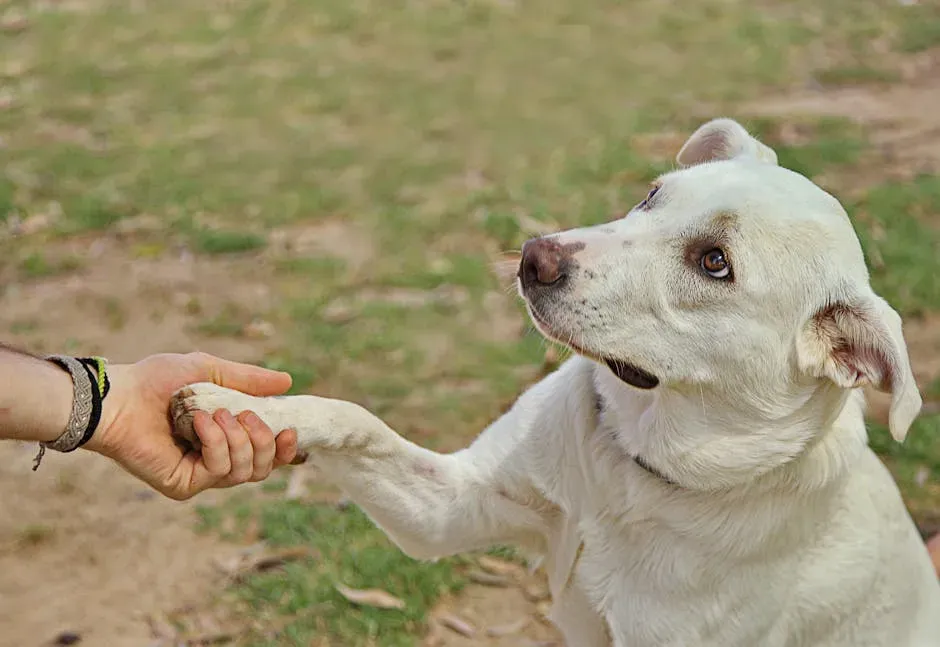
Your dog may not be “holding on” in the way the legend says. But your presence still matters. Staying close lets a dying pet feel your calming presence.
Dogs also form real attachments. Evidence indicates dogs can experience some form of grief. They may show grief-related behavior when owners or other pets die. That’s a strong reason to be gentle with how and where a dog spends its final hours.
So what should you do?
- Stay close, but let the dog set the pace
- Keep the environment quiet and familiar
- Watch for pain and ask your vet to assess it
- Don’t let guilt about “keeping them waiting” drive the timing
Love doesn’t need a legend to be real. The bond is already proven by the way your dog looks for you when it feels worst.
The Bottom Line
🔥 Would you like to save this?
We'll email this post to you, so you can come back to it later!
The idea that a dog hangs on for its person is a story we tell, not something science has confirmed. Clinginess, withdrawal, masked symptoms, strange appetite changes, and the late rally all have physical explanations. They don’t need a legend.
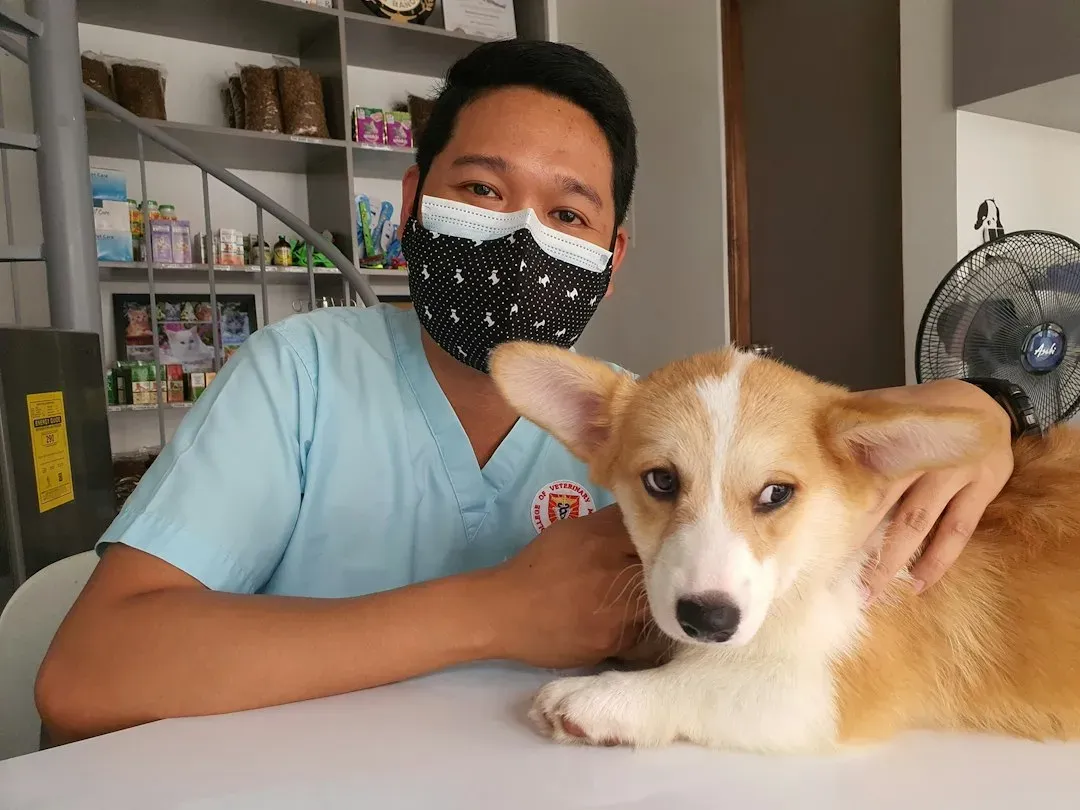
My opinion is that the kindest choice is to stop asking your dog to wait and start asking whether it’s comfortable. Your presence is the gift, but relief from pain is the real act of love.
Would you rather believe the story or know the truth, if the truth lets you spare your dog a harder ending?

- Project Diana: Bouncing Radio Waves Off The Moon - November 6, 2026
- The Hidden World of Nocturnal Animals: Secrets of the US Nighttime Ecosystem - November 6, 2026
- The Kakapo: New Zealand’s Flightless Nocturnal Parrot - November 6, 2026