
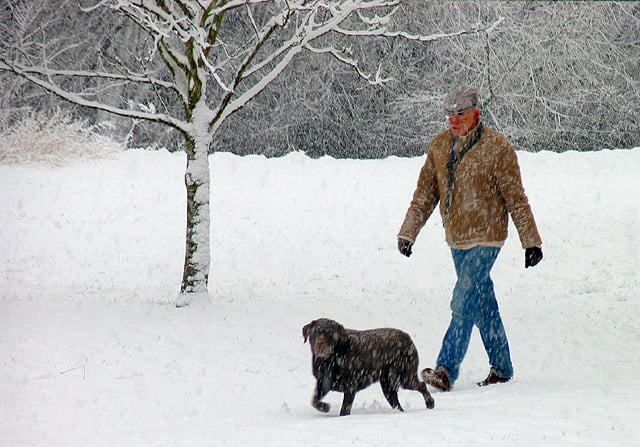
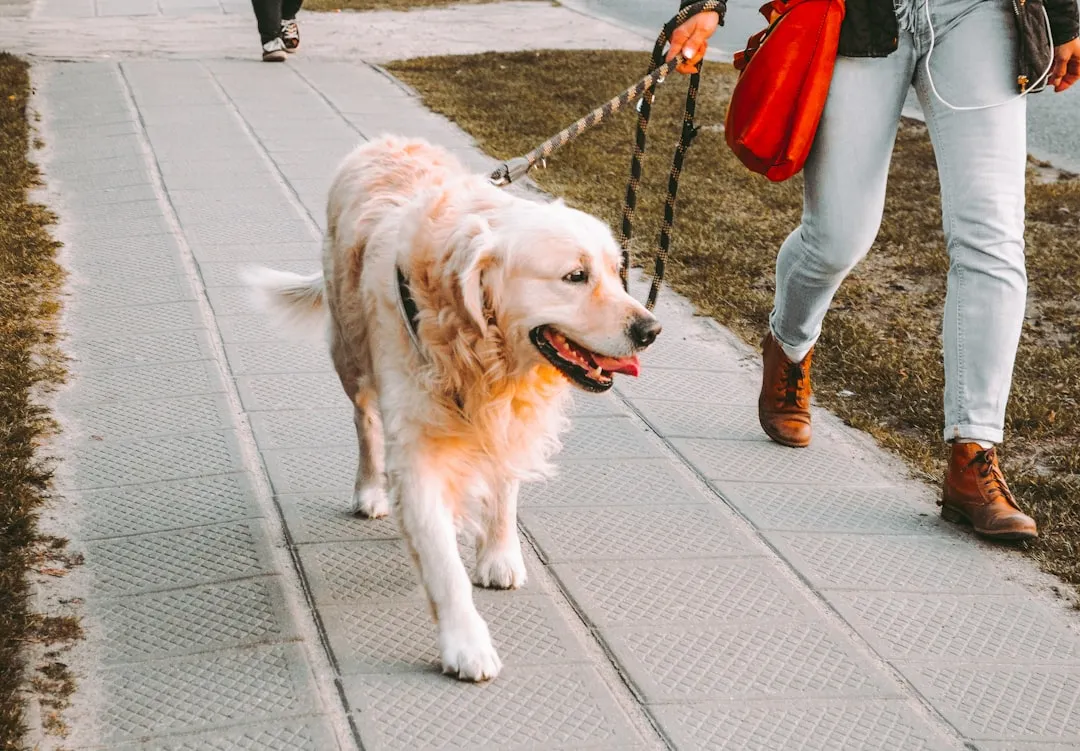
You think you know what’s happening when you clip on the leash. Your dog needs to pee, burn a little energy, maybe sniff a mailbox. Ten minutes, done, back inside.
Here’s the uncomfortable part: that assumption is almost entirely wrong. While you’re glancing at your phone or replaying an email in your head, your dog is running a full-body, full-brain workout so layered that most behaviorists spend entire careers studying it. What follows are 19 things actually happening on that “boring” walk – and most owners never notice a single one.
#19 – Cardio That Actually Hits Their Real Energy System
🔥 Would you like to save this?
We'll email this post to you, so you can come back to it later!
Most people assume a quick ball toss in the yard replaces a walk. It doesn’t. Dogs evolved for steady, moderate movement over distance, not short frantic sprints. A proper walk works their aerobic system – heart, lungs, circulation – in a way five minutes of frenzied fetch never will.
That’s why a dog can chase a ball for ten minutes and still act wired, but settle deeply after a slow, sniff-heavy 40-minute walk. Their heart rate rises just enough to clear stress hormones from the body. Skip that regularly, and the “naughty” barking or pacing at home might just be an under-exercised nervous system with nowhere else to put its energy.
Fast Facts
- Vets generally recommend at least 30 minutes of walking a day for most adult dogs
- Resting heart rate for dogs ranges roughly 60 to 140 beats per minute, depending on size
- Short fetch sessions tap anaerobic energy, while walking builds steady aerobic endurance
- Aerobic movement helps the body clear excess stress hormones like cortisol
#18 – Joint Health You Never Notice Happening
🔥 Would you like to save this?
We'll email this post to you, so you can come back to it later!
You see “just strolling.” What’s actually happening is a constant stream of micro-adjustments in your dog’s joints, tendons, and stabilizer muscles. Uneven sidewalks, tree roots, curbs, and grass patches force the legs and core to stabilize in real time – work that flat kitchen tile and couch cushions never demand.
That’s part of why many vets quietly prefer varied outdoor walks over endless indoor play, even for older dogs. Slow, steady walking pumps synovial fluid through the joints, which can ease stiffness rather than cause it. “He’s old, he should rest more” often gets it backwards – controlled walking is frequently the thing keeping an aging dog mobile at all.
#17 – A Stealth Core Workout Hiding in Every Turn
🔥 Would you like to save this?
We'll email this post to you, so you can come back to it later!
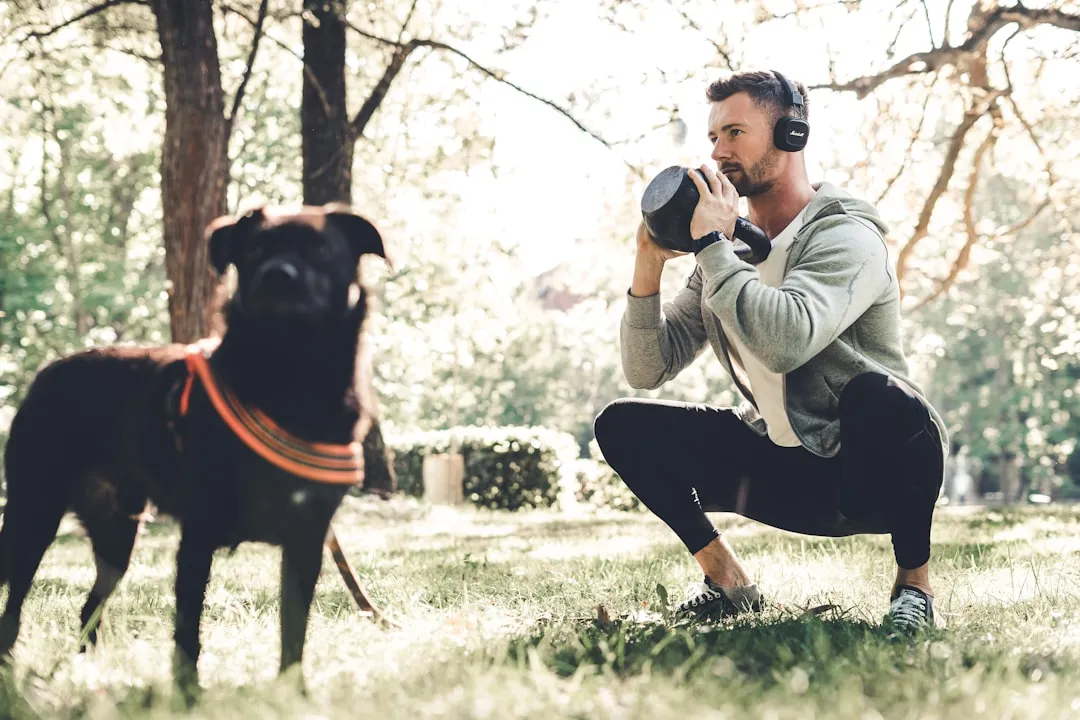
Most owners only picture a dog’s core when they see an agility star mid-jump on Instagram. But your regular pet fires those same muscles constantly on an ordinary walk – stepping off curbs, adjusting to leash pressure, twisting to sniff something behind them.
- Every stop and sidestep activates the abs and back to keep balance
- Even a small leash tug forces a brace-and-shift reaction
- Uneven terrain multiplies the effect far beyond flat yard walking
A strong core doesn’t just look athletic – it protects the spine and lowers injury risk in daily life. Dogs who only free-roam on one flat surface tend to have weaker, less adaptable core engagement than dogs who walk varied routes.
#16 – Paw and Nail Conditioning You Never Think About
🔥 Would you like to save this?
We'll email this post to you, so you can come back to it later!
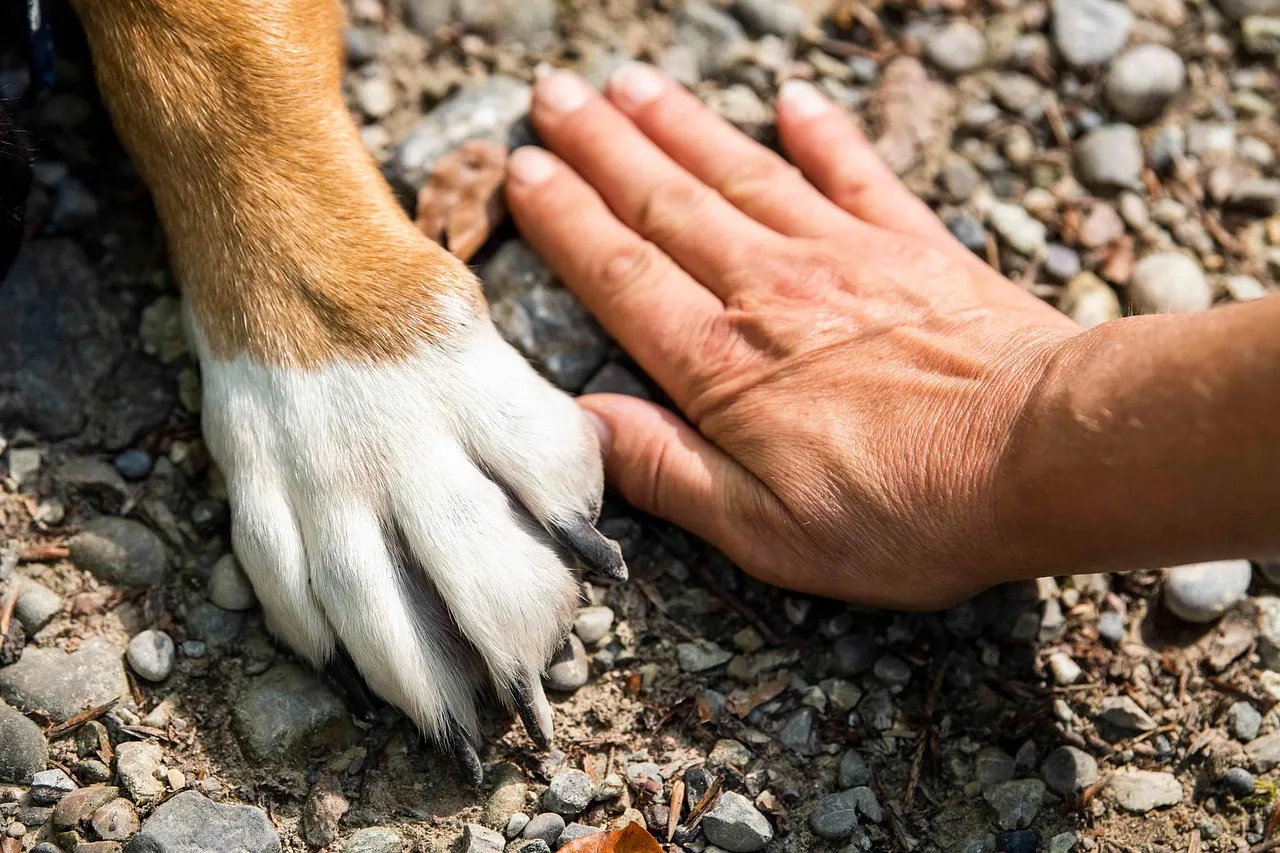
Plenty of owners panic about walking on pavement, worried it’s too hard on the paws. In sensible doses, it’s the opposite – firm surfaces naturally wear down nails and toughen pads. Overly long nails actually change how a dog’s toes and wrists bear weight, quietly creating joint stress over time.
Rotating between pavement, grass, and gravel teaches paws to adapt to different textures and temperatures, building real resilience. Dogs who never leave soft lawns often end up with tender pads and worse nail problems – meaning the owners “protecting” their dog’s joints by skipping walks may be doing the opposite.
#15 – Nose-Driven Brain Work That Burns Real Calories
🔥 Would you like to save this?
We'll email this post to you, so you can come back to it later!
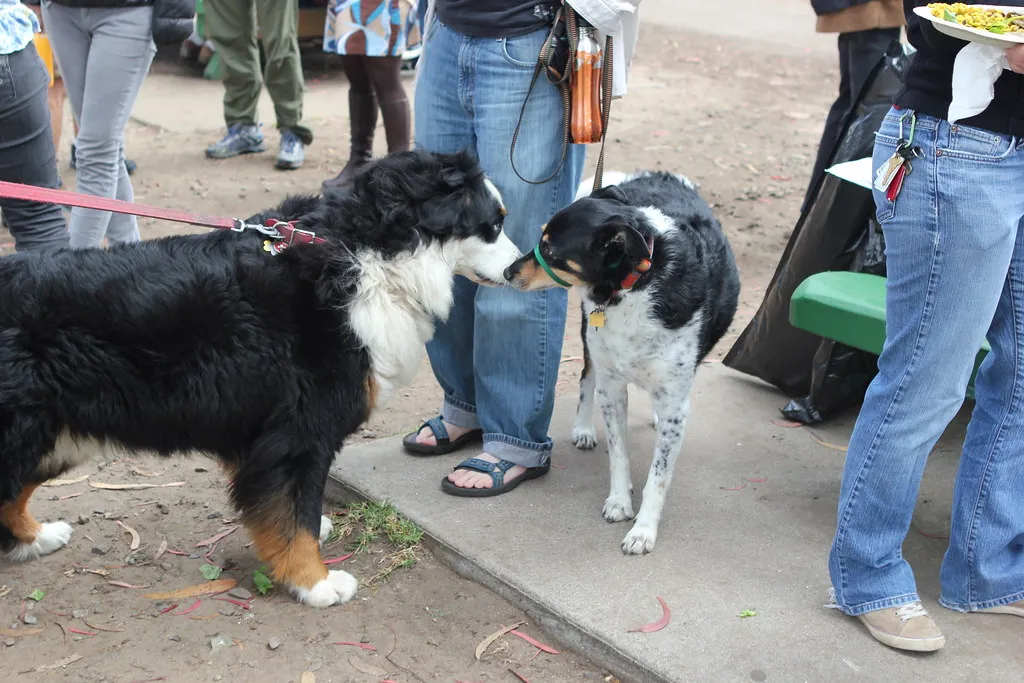
Most people assume running tires a dog out more than sniffing does. In reality, scent work can be just as exhausting as a physical sprint. When your dog’s nose is on, their brain is processing millions of chemical signals – who passed by, how long ago, what mood that dog was in. It’s a neighborhood group chat, read in 4D.
Sniffing lights up brain regions tied to emotion, memory, and prediction, and that cognitive load burns real energy. This is why a slow “sniff walk” can calm a wired dog more effectively than a brisk power-walk ever could. The dog who keeps stopping and “wasting time” isn’t stalling – he’s checking his email, reading the news, and solving a puzzle, all at once.
#14 – The Emotional Decompression You Mistake for Stubbornness
🔥 Would you like to save this?
We'll email this post to you, so you can come back to it later!
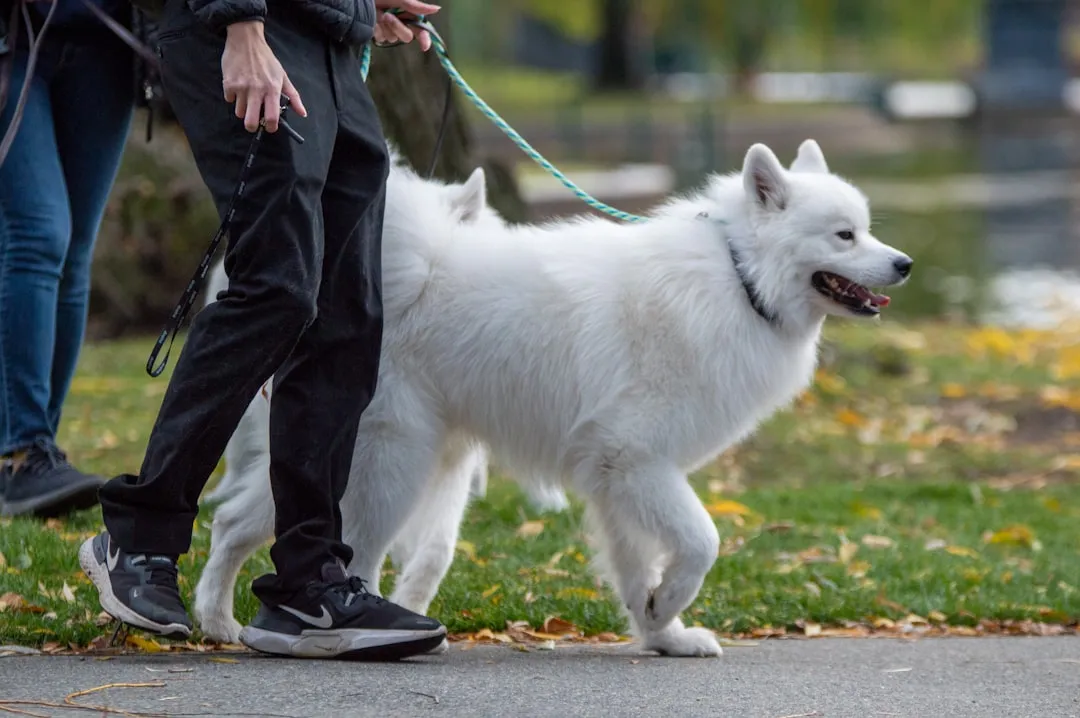
When your dog suddenly slows down, sniffs deeply, or just stands watching the world, it’s tempting to read that as defiance. What’s actually happening is regulation – a walk, done right, lets the day’s accumulated tension drain out of the body. Familiar smells and predictable routines quietly signal: you’re safe, you have a job, life makes sense.
Behaviorists call this decompression walking – slow, low-pressure time with no training agenda and no rush. Dogs who get it regularly show less reactivity at home and fewer obsessive behaviors. That random pause in front of a hedge might literally be your dog lowering their own heart rate. Drag them along, and you interrupt the one thing that was actually calming them down.
#13 – Reading Body Language Before a Single Nose Touches
🔥 Would you like to save this?
We'll email this post to you, so you can come back to it later!
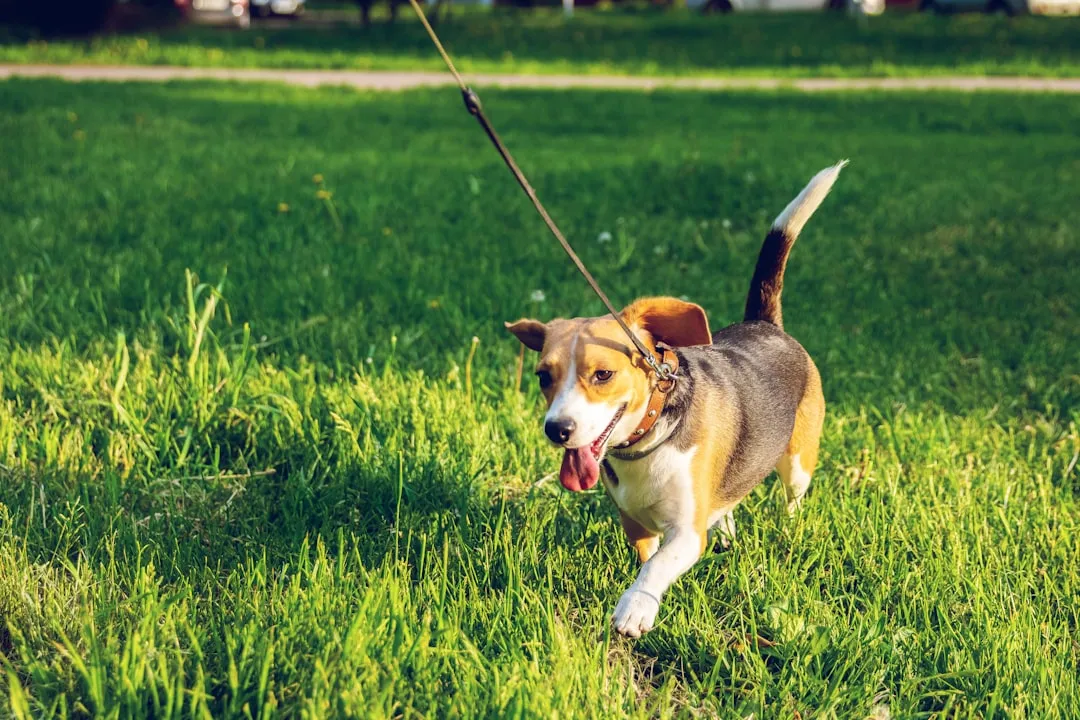
You might think socializing only counts when dogs actually meet. But your dog’s social brain is working long before that, reading tension across the street, judging how tight another leash is, sizing up whether a stranger is relaxed or rushed or something worse.
Even when your dog never says hello to anyone, they’re logging patterns: tight leash and hard stare means stay back, loose body and soft eyes means safe. Many “reactive” dogs aren’t mean – they’re overwhelmed and simply under-practiced at reading this information in safe doses. Standing calmly off to the side, just watching, is genuine social work, even without a single greeting.
#12 – The Impulse Control Rep Your Trainer Wishes You Noticed
🔥 Would you like to save this?
We'll email this post to you, so you can come back to it later!
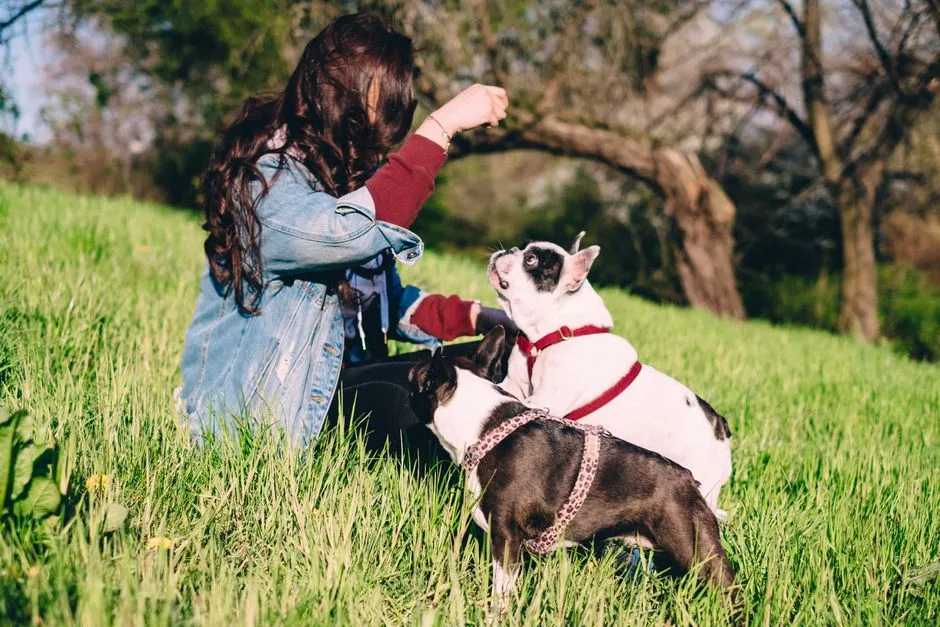
Your dog isn’t only training during the five minutes you ask for “sit.” Every moment they choose not to lunge at a squirrel, not to bark at a stroller, is a rep at the self-control gym. When they glance at a jogger, then look back at you, and keep walking, they’re reinforcing the pathway that says think first, act second.
This is why trainers push for regular structured walks – the environment constantly tempts the dog, and every ignored chicken bone or patient curb-wait strengthens calmer default behavior over time. Owners usually only notice the failures. Meanwhile the dog is quietly racking up hundreds of small wins nobody ever claps for.
#11 – Building Confidence in Nervous Dogs, One Block at a Time
🔥 Would you like to save this?
We'll email this post to you, so you can come back to it later!
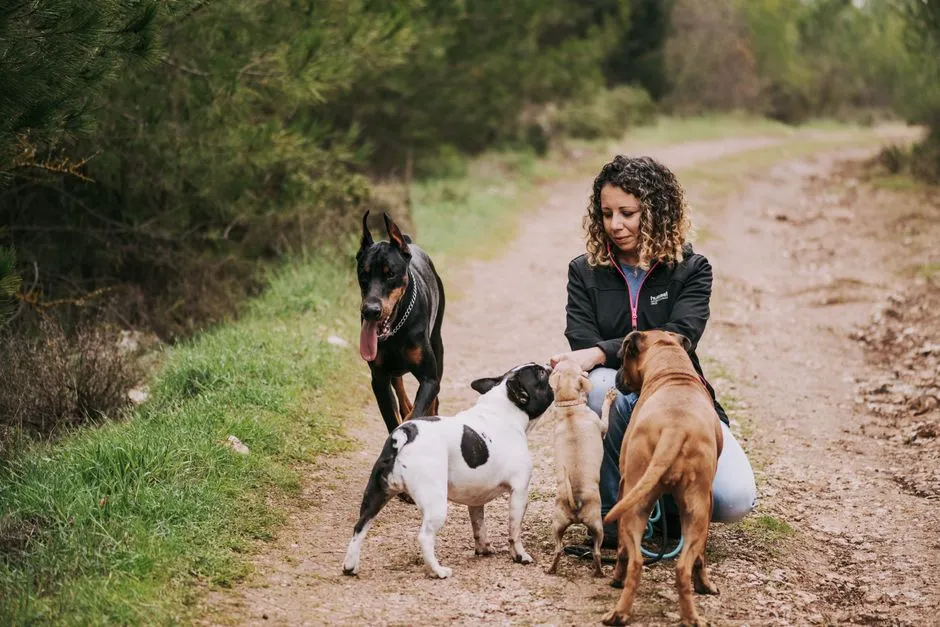
For shy or anxious dogs, the world feels loud and unpredictable. A thoughtfully handled walk becomes controlled exposure therapy – garbage trucks pass and it’s quiet again, kids on scooters scream and disappear, umbrellas open and close and nothing bad happens.
Each uneventful walk where scary things appear but nothing terrible occurs adds a small deposit to your dog’s confidence account. Over months, some dogs go from trembling wrecks to curious observers just from calm, consistent walks. The instinct to avoid walks entirely because a dog is nervous often backfires – it can freeze the fear in place instead of slowly dissolving it.
Worth Knowing
- Fearful dogs often need many calm, low-pressure exposures before a trigger stops feeling scary
- Keeping distance from a scary stimulus, rather than forcing closeness, tends to speed up progress
- Confidence built on walks often carries over into vet visits, car rides, and new places
- Consistency beats intensity – a few calm minutes daily can outperform one long, stressful walk
#10 – The Neighborhood Map Behind “Random” Peeing
🔥 Would you like to save this?
We'll email this post to you, so you can come back to it later!
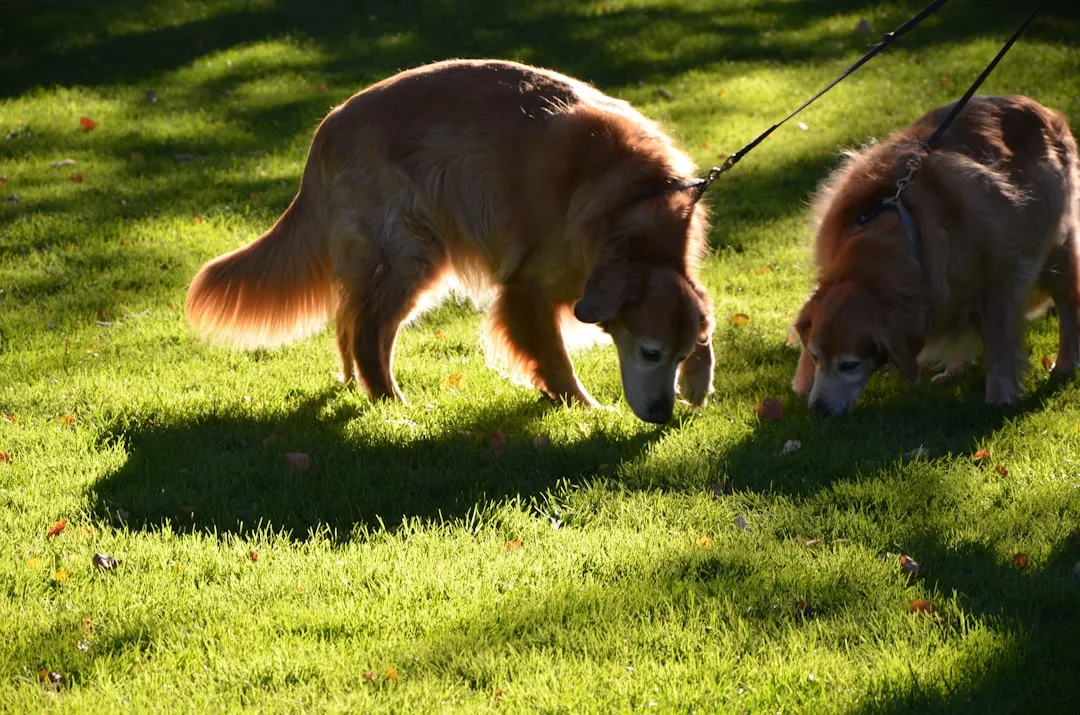
You see repeated peeing and assume it’s just a full bladder. What’s actually happening is your dog updating a mental GPS of the entire neighborhood. Scent marking is a status update – I was here, I’m healthy, I live nearby – and re-sniffing old spots tells them who’s passed through since yesterday.
This ongoing mapping gives dogs a real sense of stability, because they’re hardwired to know their territory: where resources are, where threats show up, where friends live. Dragging a dog past every favorite sniff-spot is a little like forcing a person to drive blindfolded through their own city. Boundaries matter, but some marking is simply how your dog stays oriented.
#9 – The Bonding Happening in Glances You Never Clock
🔥 Would you like to save this?
We'll email this post to you, so you can come back to it later!
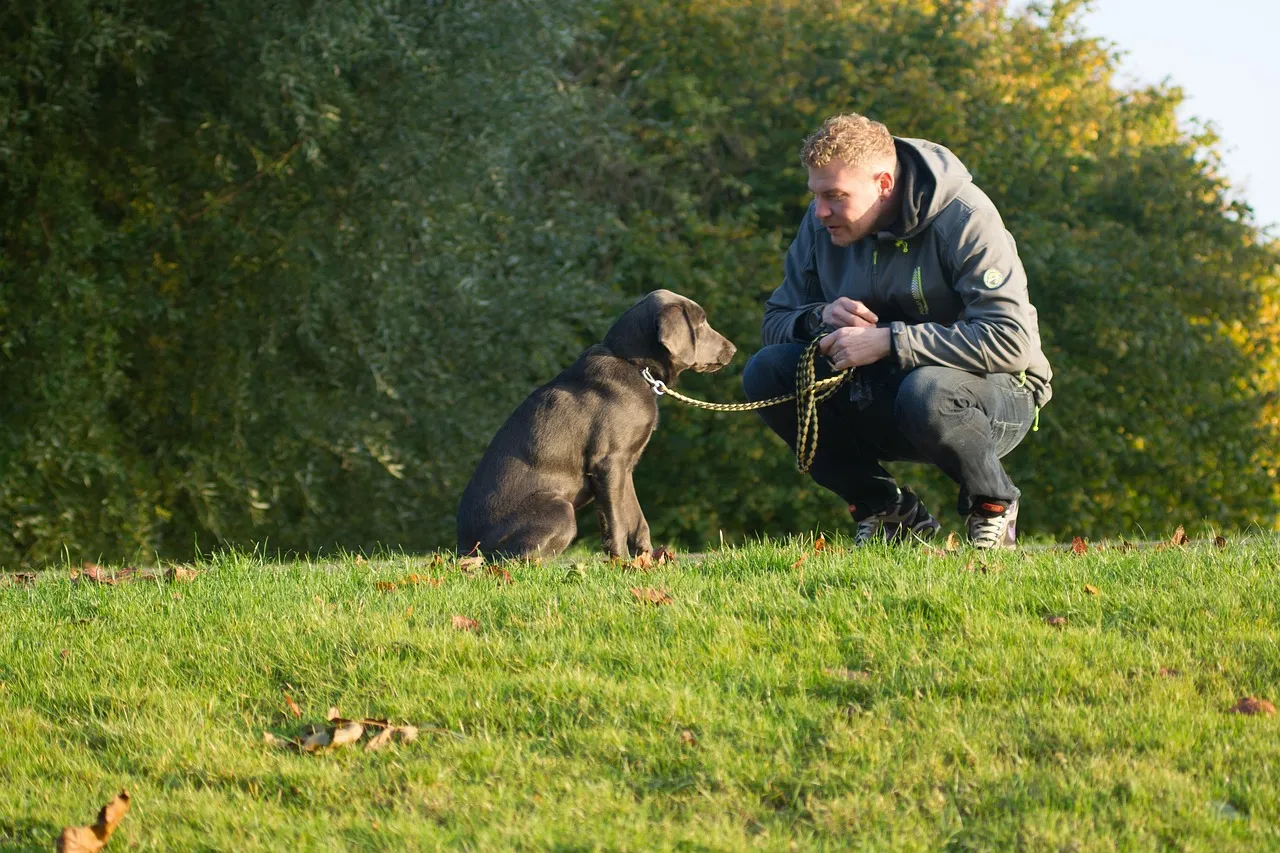
While you’re scrolling, your dog is glancing back at you constantly, checking in – a flick of the eyes, a brief slowdown to match your pace, a small adjustment to avoid tangling the leash around your legs. Those are bonding behaviors, and they’re tracking your position, mood, and speed the entire time.
Say their name and reward a check-in, match their pace for a moment, talk to them like a teammate, and you’re reinforcing a real partnership. To your dog, the walk isn’t just exercise – it’s a shared hunt, patrol, or journey. Many owners treat the dog as an accessory on the walk, when the dog has quietly decided you are the entire point of it.
#8 – Learning to Handle Urban Chaos Without Falling Apart
🔥 Would you like to save this?
We'll email this post to you, so you can come back to it later!
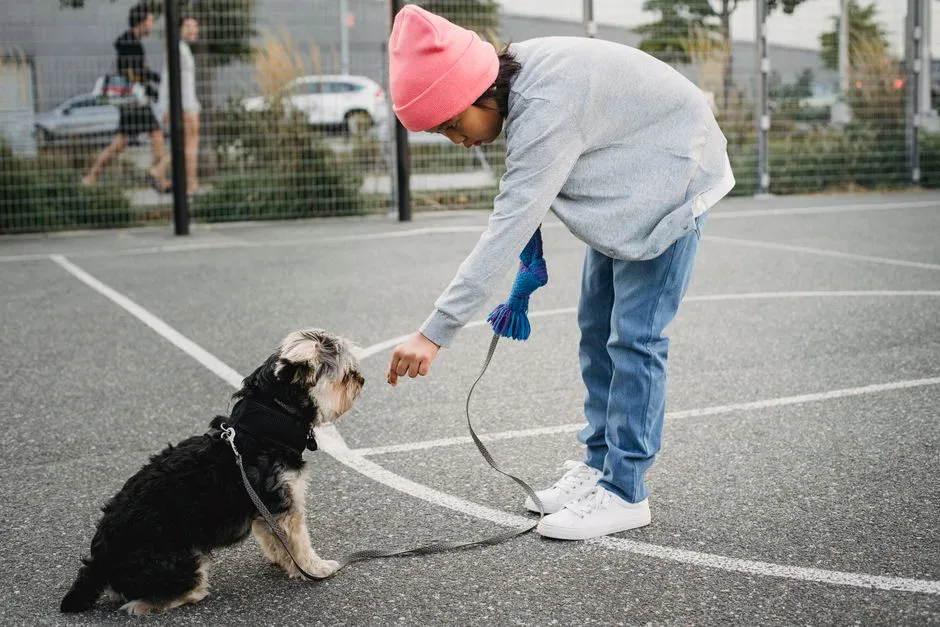
If you walk in a city or busy suburb, your dog is constantly filtering noise – sirens, bikes, skateboards, lawnmowers – each one a split-second decision: ignore or react? With repetition, most dogs learn these strange phenomena are just background noise. That’s sensory filtration training, and it genuinely matters.
Dogs who never leave quiet homes can become hyper-reactive to even mild sounds, while dogs who walk regularly in busier areas learn to treat chaos as just Tuesday. The brain is fine-tuning what counts as a real threat versus white noise. Some owners flood their dogs with too much too fast, then blame the dog for “being dramatic” – when slow exposure and distance were the actual missing ingredients.
#7 – Digestive Health That Starts Long Before the Poop Bag
🔥 Would you like to save this?
We'll email this post to you, so you can come back to it later!
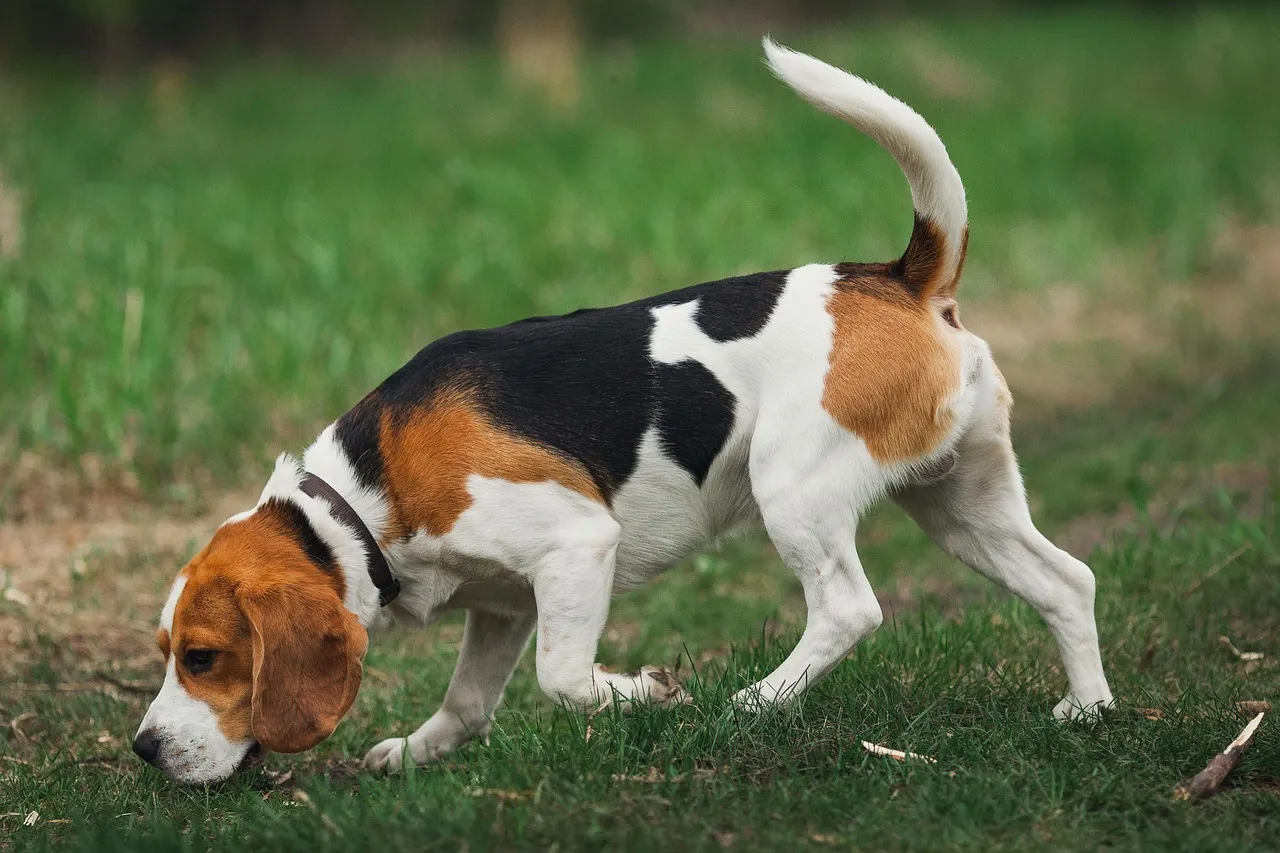
You assume the walk “fixes” digestion because the dog eventually poops. What happens before that matters more. The gentle, rhythmic motion of walking stimulates the gut and promotes healthier motility, especially in dogs prone to constipation or stress-related stomach issues.
There’s a mental side too – relaxed dogs digest better. On walks where your dog has time to sniff and feel safe, stress hormones drop, supporting healthier gut function and appetite later. Dogs cooped up all day, then rushed through a quick potty break, often show more irregular stools and gas. The walk isn’t waste removal – it’s a full-cycle system running from brain to hormones to bowels.
Quick Compare
- Rushed potty break: higher stress hormones, hurried sniffing, less complete motility
- Leisurely sniff walk: lower cortisol, better gut motility, more complete elimination
- Over time: dogs on relaxed walks tend toward more regular, well-formed stools
#6 – Weather Exposure That Trains Their Whole Body
🔥 Would you like to save this?
We'll email this post to you, so you can come back to it later!
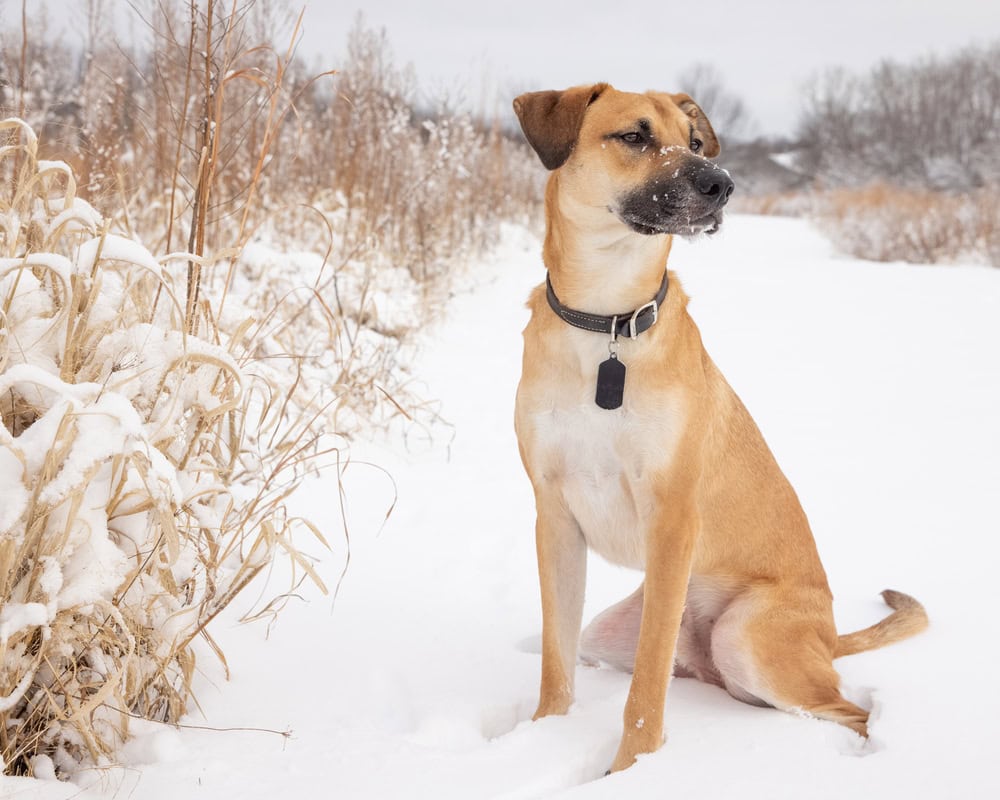
Walks aren’t just movement – they’re your dog’s way of adapting to weather and seasons. Safe doses of heat, cold, wind, or light rain teach the body to regulate temperature better over time, with the coat, skin, and circulatory system all adjusting. Dogs who only go out in perfect conditions can actually become less tolerant when weather shifts.
Seasonal daylight matters too. Natural light on walks helps regulate circadian rhythms, which affects sleep quality, hormone cycles, and overall mood. That short winter walk at lunchtime isn’t just a boredom fix – it’s a literal daylight anchor for the brain during dark months, and it’s one of the most overlooked causes of winter restlessness and bad sleep.
#5 – Practicing Real Communication With You Under Pressure
🔥 Would you like to save this?
We'll email this post to you, so you can come back to it later!
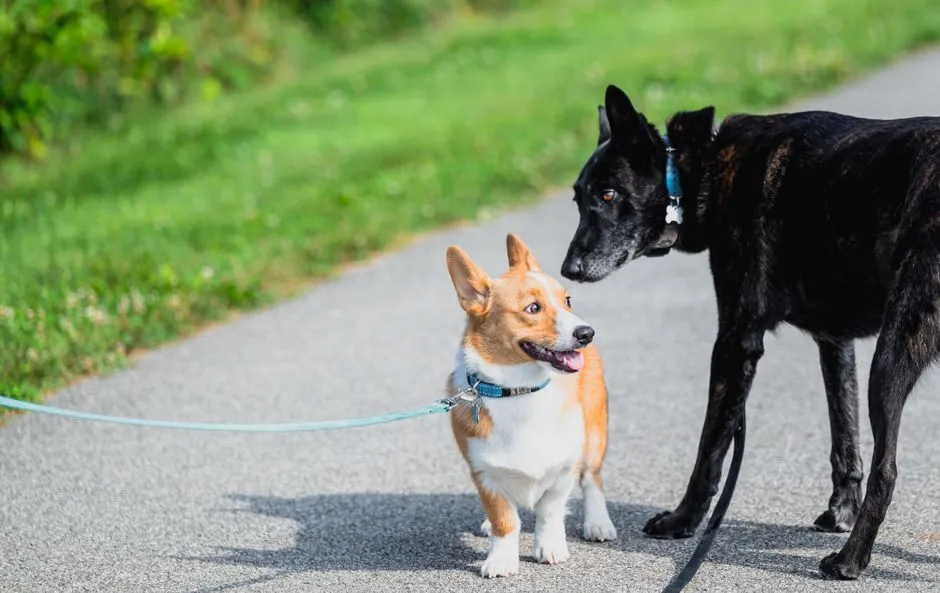
On walks, your dog is constantly “talking” – a sudden freeze, a head turn, a subtle lean away from something. When you notice and respond thoughtfully, you teach your dog that their signals actually matter, which makes them more likely to warn you early and softly instead of exploding out of nowhere.
A dog might slow and lip-lick near a gate where a scary dog lives, or look up at you before passing a loud truck. Give space or reassurance, and they learn they can tell you when they’re uneasy. Ignored enough times, many dogs simply stop giving subtle signals and jump straight to barking or lunging. We call those dogs unpredictable, when really we just missed months of practice reps.
#4 – Working Their Hunting Instincts in a Legal, Safe Way
🔥 Would you like to save this?
We'll email this post to you, so you can come back to it later!
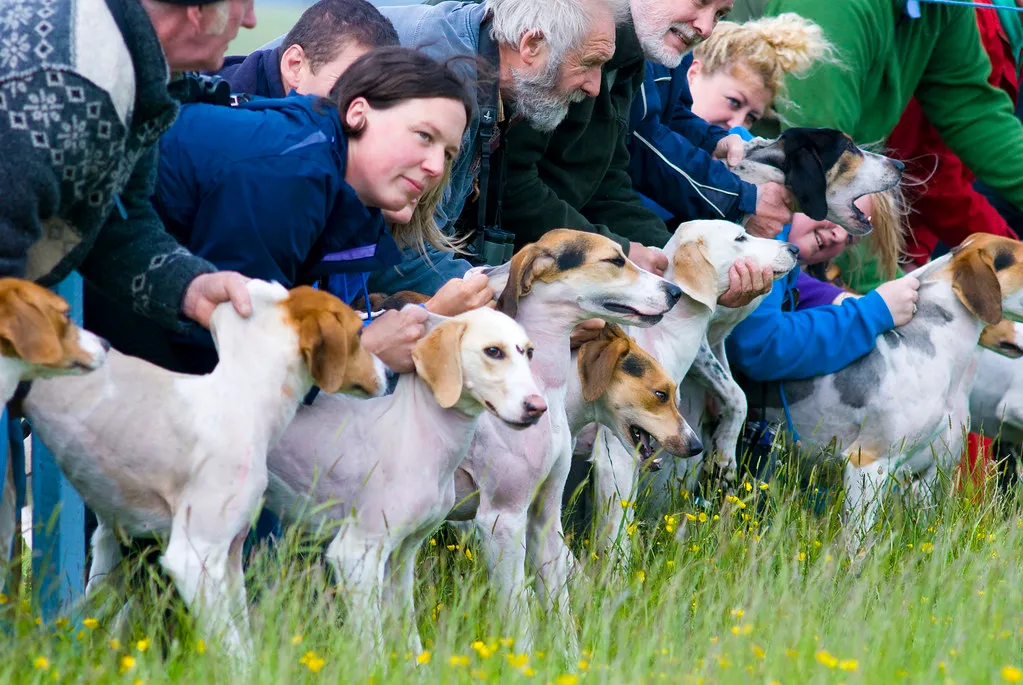
Even a dog who has never hunted anything still carries the wiring for it. On walks, they track birds, follow squirrel trails, and zero in on rustles in the bushes. Letting them engage in this search-and-follow behavior, within reason, gives a safe outlet for a deeply wired predatory sequence.
- Let them follow a scent trail for a stretch, then call them back for a treat
- Hide a toy along the route and let them “find it”
This is genuine problem-solving – where did the scent go, which direction is strongest, what changed since yesterday. Dogs who never get to use this natural hunting brain often invent their own outlets instead: chasing bikes, barking at everything, shredding things at home. Your walk is their legal hunting license.
#3 – The Predictable Routine That Holds Their Whole World Together
🔥 Would you like to save this?
We'll email this post to you, so you can come back to it later!
Dogs thrive on patterns more than we do. For many, the daily walk at roughly the same time is the anchor of their entire emotional world – it tells them that despite all the strange human unpredictability, this part of life is stable. That reliability can lower generalized anxiety and even ease separation distress.
The ritual itself matters: you grab the leash, they spin the same circle, you head down the same first block. On bad days, when everything else feels off, the walk whispers that at least this part is still the same. Skip too many walks in a row, and you’re not just cutting exercise – you’re removing your dog’s main daily proof that the world still makes sense.
#2 – Mirroring Your Own Stress Back at You
🔥 Would you like to save this?
We'll email this post to you, so you can come back to it later!
Here’s the uncomfortable one: on walks, your dog often mirrors the tension you bring to the leash. Tense up at other dogs, yank preemptively, rush constantly, and your dog’s nervous system gets that message loud and clear. They may start associating certain streets or people with your stress, not their own.
When you breathe, loosen your grip, and reward a calm glance at a trigger instead of punishing it, your dog learns that panic isn’t required here. Over months, many “reactive” behaviors soften simply because the human changed their own energy first. Your dog is working out what kind of leader you are every single time you step outside together.
At a Glance
- Dogs pick up on subtle cues like leash tension, breathing pace, and grip pressure
- A tense handler can unintentionally teach a dog that certain streets or dogs mean danger
- Calm, slow breathing from the handler is one of the fastest ways to lower a dog’s arousal
- Reactive behavior often improves when the human’s own stress response changes first
#1 – Rewriting Their Whole Day’s Stress Story in 30 to 40 Minutes
🔥 Would you like to save this?
We'll email this post to you, so you can come back to it later!
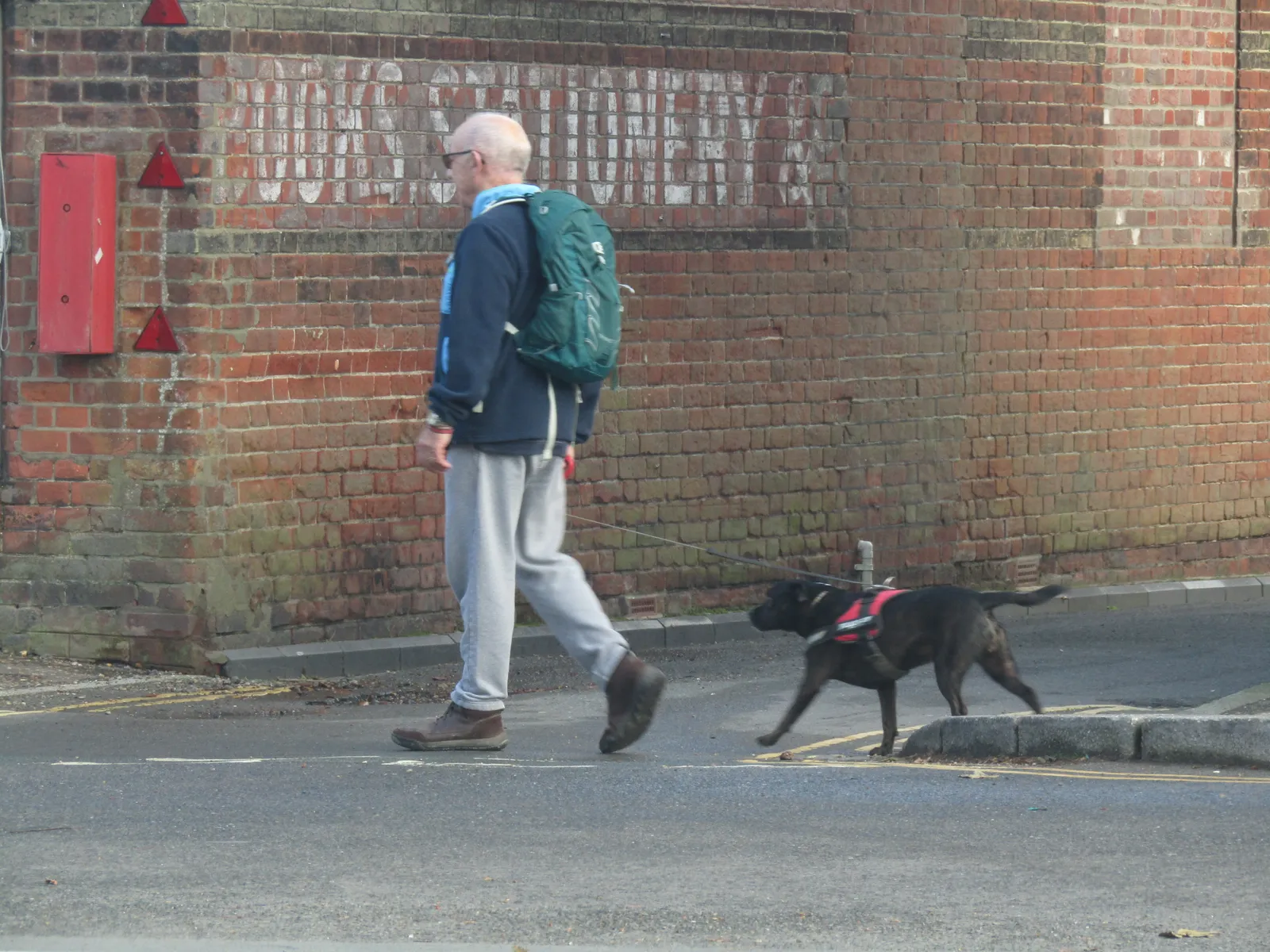
The biggest thing your dog works out on a walk isn’t muscles or even their nose – it’s the entire story of their day. Were they alone for hours? Bored? Startled by noises? Annoyed by visitors? The walk is the reset button, where movement, scent, mild challenges, bonding time, and routine all stack together to say: whatever happened inside, out here we move forward.
When walks are rushed, distracted, or tense, that reset never fully happens – the dog goes to sleep with unresolved stress and wakes up a little more on edge. Over weeks and months, that’s the difference between a grounded dog and one who seems “on edge for no reason.” You’re the reason, and also the solution, every time you clip on that leash.
Most people seriously underestimate what a walk means to a dog. It’s not a bathroom break – it’s cardio, core work, joint care, scent puzzles, social decoding, and emotional therapy, all rolled into one 30-minute loop around the block.
Here’s my honest take: the behaviors we complain about most – the pulling toward every hedge, the endless sniffing, the sudden freeze at a strange sound – are usually the exact evidence that the system is working the way it’s supposed to. The walk isn’t broken. Our patience with it is.
Slow down. Let them sniff longer than feels comfortable. Notice what’s actually being processed under that wagging tail. If your dog could leave you a review after every walk, would you be getting five stars – or a polite request for a new handler?

- 7 Everyday Habits That Can Make Your Senior Dog Happier - November 5, 2026
- 10 Enigmatic Structures That Continue to Puzzle Scientists Today - November 5, 2026
- 10 Strange Ruins in the Americas That Challenge What We Know About Early History - November 5, 2026