
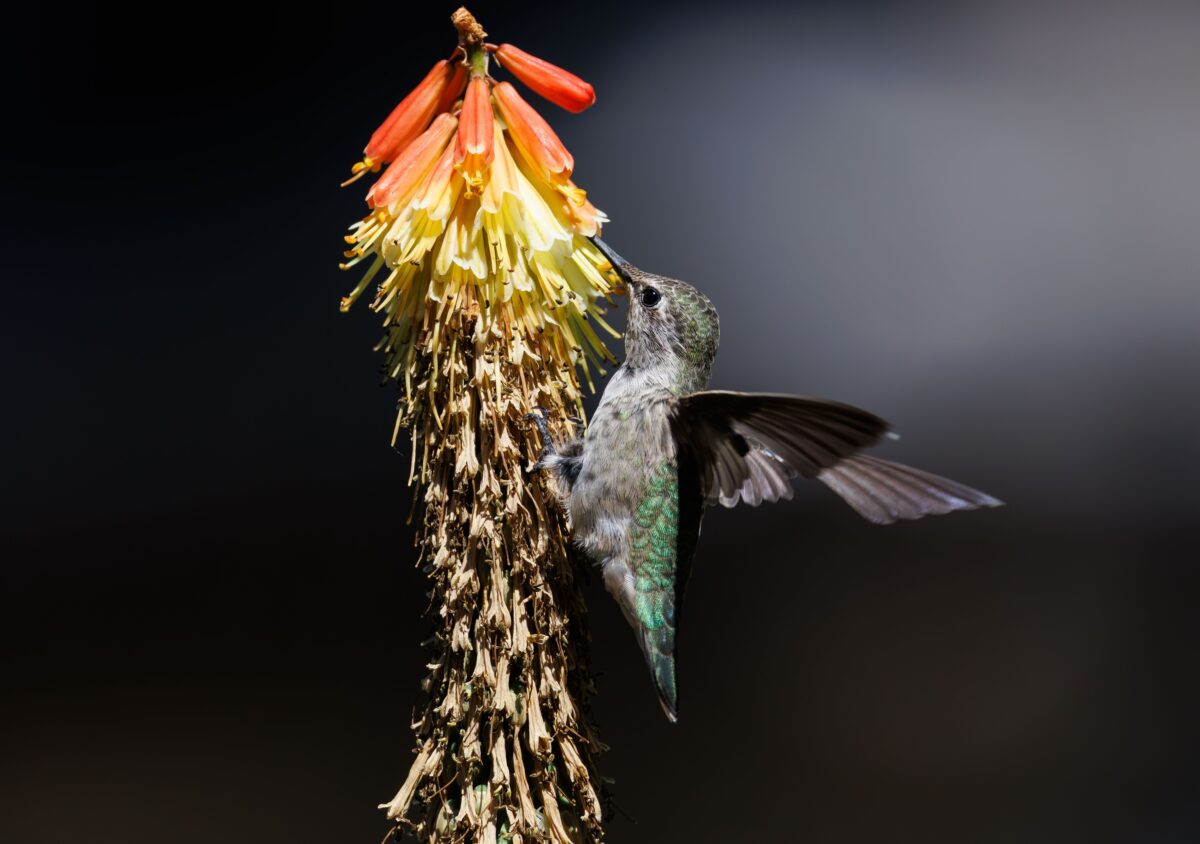
You probably think your backyard shut down weeks ago. The flowers are gone, the hose is coiled up in the garage, and the whole yard looks like it’s holding its breath until spring. So when people insist that hummingbirds are still out there in freezing December air, it sounds like a nice bedtime story – not something actually happening six feet from your kitchen window.
Here’s the part that changes everything: in huge swaths of the country, that story is true, and it’s stranger than most people realize. These birds aren’t lingering by accident. They’re pulling off nightly survival stunts, running secret feeding routes through your neighbors’ yards, and quietly deciding whether your “dead” garden is worth betting their life on. Keep reading, because by the time you hit #1, you’ll never look at a frosty flowerbed the same way again.
#8 – The Tiny Rebel That Refused to Leave
🔥 Would you like to save this?
We'll email this post to you, so you can come back to it later!
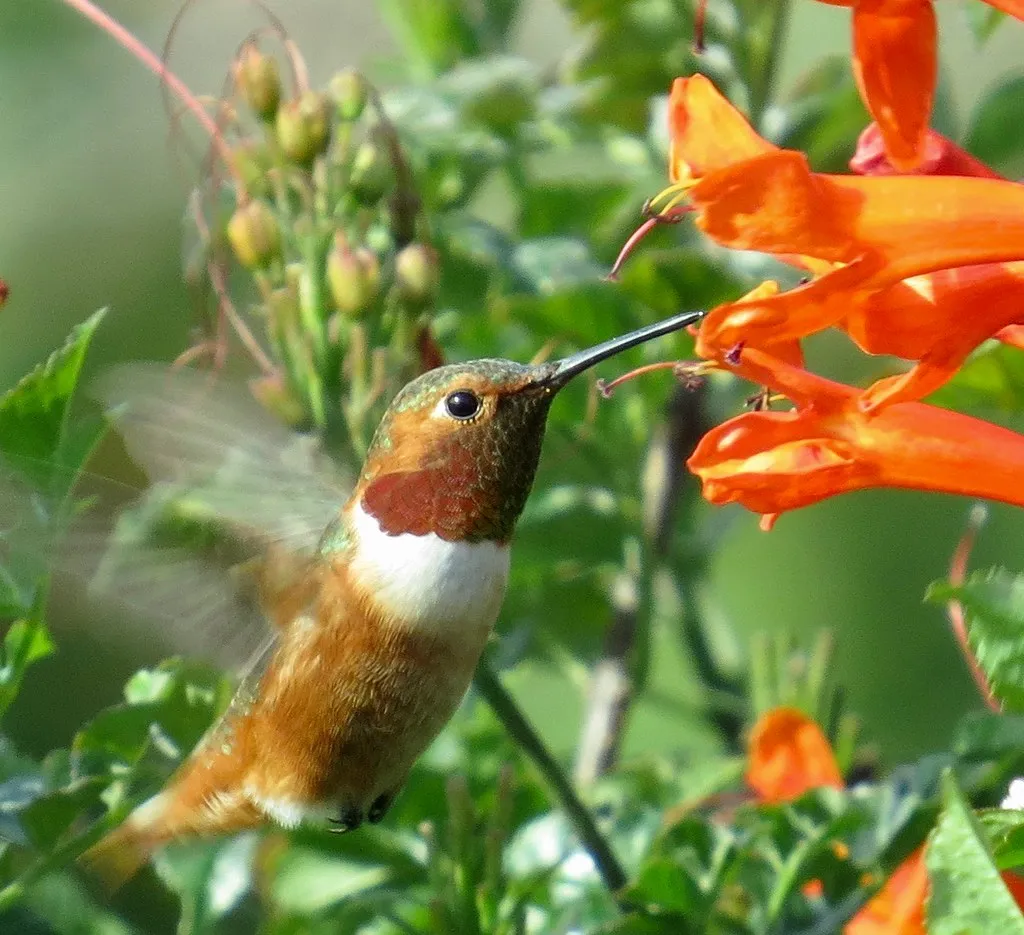
Most people picture hummingbirds as strictly a summer fling – here in June, gone by September, back next year like clockwork. But quietly, in suburban yards across the West Coast, the South, and even patches of the Mid-Atlantic, a growing number of hummingbirds are simply not leaving. They’re tearing up the old migration script and staying put through frost, fog, and freezing rain.
Anna’s Hummingbirds have made the Pacific Coast their year-round home for a while now, but they’re not alone anymore. Wandering Rufous, Black-chinned, and even Ruby-throated hummingbirds sometimes show up hundreds of miles from where they’re “supposed” to be in December. To you, it looks like an empty, sleeping garden. To that one determined bird at your feeder, it’s a high-stakes bet that the food will keep coming.
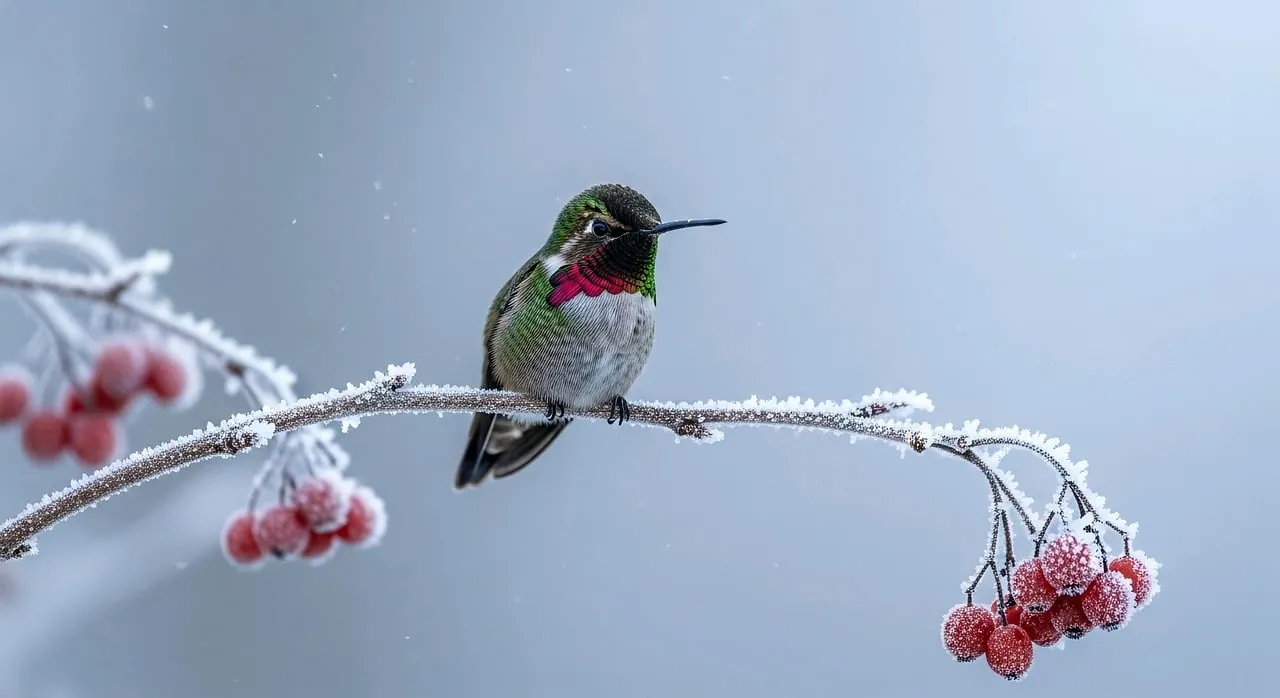
Here’s the part that stirs real debate among bird watchers: some researchers suspect our feeders and exotic winter-blooming plants are quietly training certain hummingbirds to stop migrating as far as they used to. Bird lovers get giddy over these “Christmas hummers.” Others worry we’re setting up birds to gamble their lives against a single hard freeze.
Either way, that lone bird buzzing around your porch light isn’t a fluke. It’s a living experiment in how fast a species can rewrite its own rulebook – and it’s just the opening act. What these birds do at night in December is even harder to believe.
#7 – The Nighttime Trick That Looks Like Death
🔥 Would you like to save this?
We'll email this post to you, so you can come back to it later!
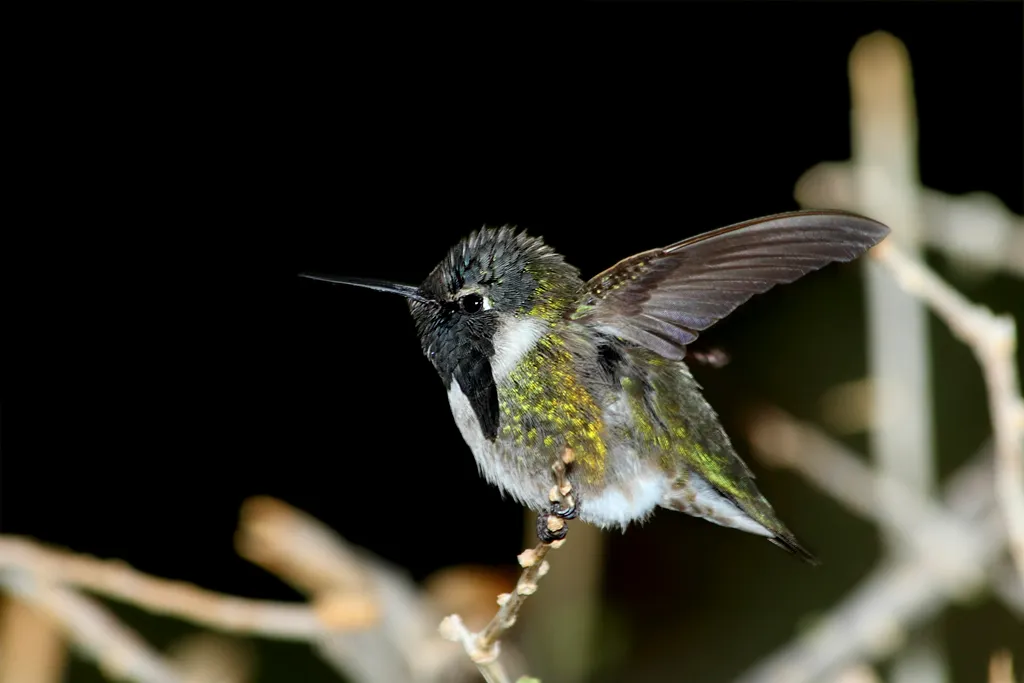
If you stumbled outside at 2 a.m. and shined a flashlight on a hummingbird right now, you might genuinely think you’d found a corpse. Feathers puffed, eyes shut, completely still. It’s not dead. It’s doing something most animals simply can’t.
At night, when the temperature drops and every flower on the property shuts up shop, a wintering hummingbird faces a brutal equation: a body the size of a ping-pong ball, almost no fat reserves, and zero food until sunrise. Its answer is torpor – a controlled, nightly mini-hibernation. A heart that can scream along at over 1,000 beats per minute while feeding slows to a crawl. Body temperature plunges. The bird becomes, for all practical purposes, a tiny frozen statue with a pulse.
Fast Facts
- Normal heart rate: up to roughly 1,200 beats per minute while active
- Torpor heart rate: can drop to as low as 50-180 beats per minute
- Body temperature: falls from around 104°F down to near 48-50°F
- Body weight: roughly 3-4 grams, about the weight of a single penny
- Wake-up time: can take 20-60 minutes to fully rouse from torpor
What’s almost eerie is how fast they flip the switch. A single December day for this bird might look like nonstop, frantic feeding from the first gray light of dawn until dusk, then hours of near-total shutdown to conserve fuel overnight. Some backyard owners have panicked at sunrise, convinced they’d found a dead bird stuck to a branch – only to watch it shudder, blink, and lift off within minutes once the sun warms its body.
If a human being pulled that off every single night, we’d be calling it a medical miracle and putting it on the evening news. For a hummingbird, it’s just Tuesday. And it’s not even the most dramatic thing happening in your yard this month.
#6 – The Frozen Feeder That Becomes a Life-or-Death Object
🔥 Would you like to save this?
We'll email this post to you, so you can come back to it later!
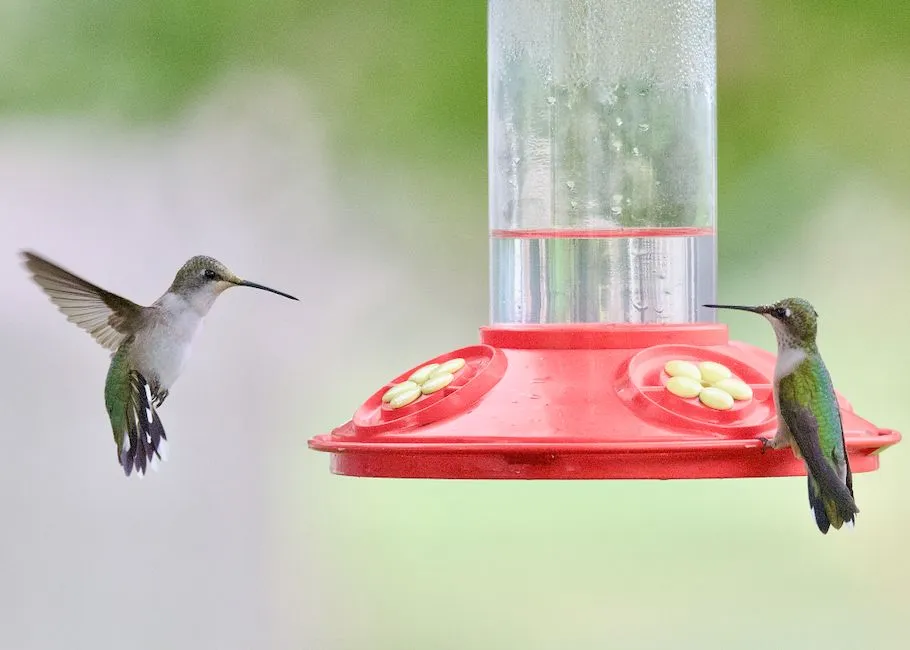
Most people hang a hummingbird feeder in spring, top it off a few times over summer, and mentally forget it exists once the leaves fall. In December, that same forgotten feeder can turn into the difference between a bird making it through the week – or not.
Here’s why it matters so much more in winter: a hummingbird can’t just pivot to a nearby meadow full of flowers if your nectar freezes solid overnight. There is no backup plan waiting in the empty flowerbeds. Nectar is fuel, and these birds burn through it almost as fast as they can drink it, especially with torpor draining their reserves every night.
Serious cold-weather bird keepers treat their feeders like a part-time job during freezing stretches. That means bringing feeders inside overnight, using heated bases or small heat lamps, and swapping out slushy nectar the moment the sun comes up. Skip that routine for even one brutal night, and every feeder on the block can turn into a useless hummingbird popsicle at exactly the wrong moment.
This is where the comment sections get heated. Some experts argue that if you’re not willing to actually maintain a liquid feeder through sub-freezing nights, you shouldn’t be feeding hummingbirds in winter at all – because an unreliable source can convince a bird to stay when it should have kept moving south. Others push back, pointing out that in many mild urban pockets, these birds are already settled residents, and feeders are simply helping them survive a life they’ve already chosen. Either way, if a hummingbird has picked your yard, your frozen feeder isn’t a minor inconvenience. It’s a broken lifeline.
#5 – The “Dead” Garden That’s Secretly a Hidden Buffet
🔥 Would you like to save this?
We'll email this post to you, so you can come back to it later!
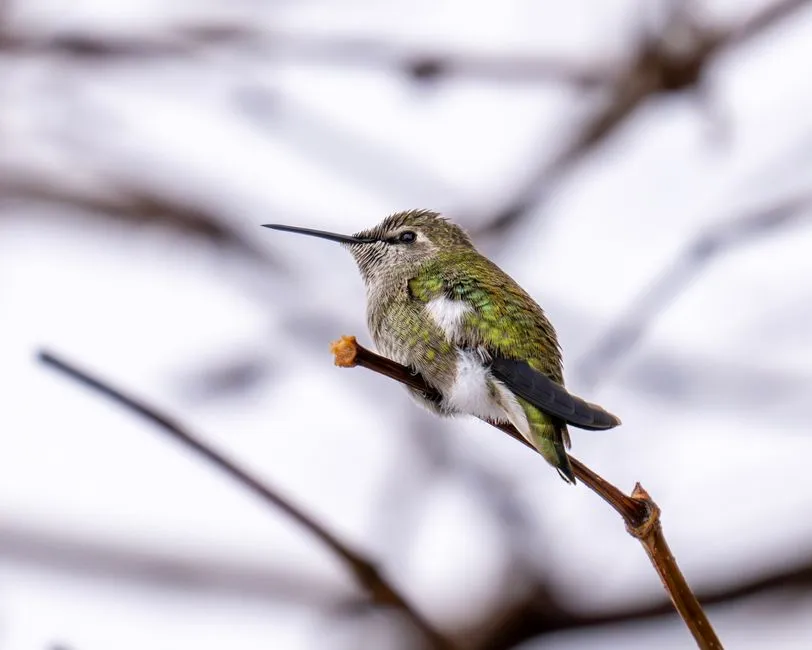
While you’re staring at bare branches and think nothing could possibly be alive out there, a wintering hummingbird is reading your yard like a secret menu most humans can’t even see.
Most of us rip out spent flowers, hack back every stem, and rake until not a single leaf survives, because that’s what a “tidy” yard is supposed to look like. To a hummingbird, that same yard looks like a food desert. The truth is, these birds don’t survive on sugar water alone – they hunt tiny insects and spiders hiding in exactly the kind of mess we’re so eager to clean up.
Those protein-rich snacks matter enormously in cold weather, when a bird needs more than sugar to maintain muscle and feather condition through brutal nights. A so-called “dead” garden can still be quietly loaded with more hidden food than you’d guess.
Worth Knowing
- Overwintering gnats, aphids, and small flies tucked into leaf litter and hollow stems
- Spiders sheltering under bark, eaves, and window frames
- Sap flows on damaged bark that draw in small insects
- Dried seed heads and stalks that shelter insect eggs and larvae until spring
Here’s the controversial truth more hummingbird experts are willing to say out loud now: an obsessively tidy yard can be actively hostile to the wildlife we claim to love. That dry, ugly stalk you’ve been itching to chop down all winter might be the one insect cluster keeping a hummingbird fed on the coldest morning of the year.
#4 – The Secret Commute Your Hummingbird Never Tells You About
🔥 Would you like to save this?
We'll email this post to you, so you can come back to it later!
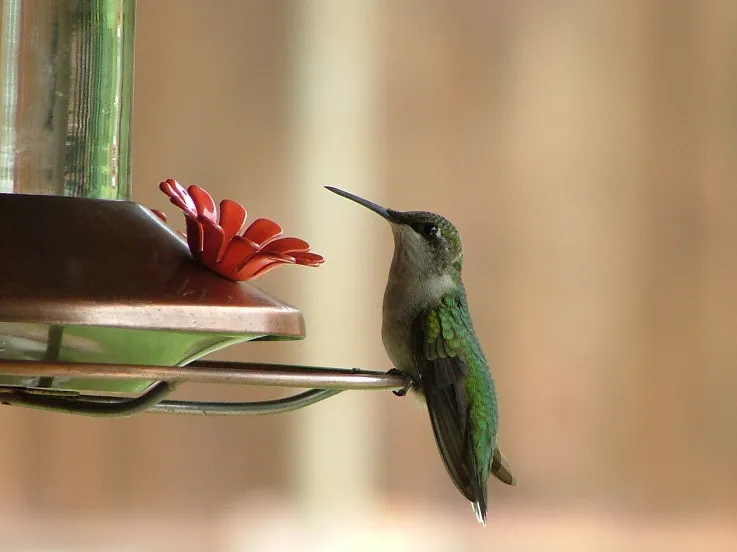
While your garden looks like it’s snoozing, that same little bird may be running a meticulously planned commute across half your neighborhood every single day.
A wintering hummingbird isn’t randomly zipping from yard to yard. It’s working what researchers call a foraging circuit, or trapline – a repeating loop that might include several feeders on different properties, a handful of reliable winter-blooming shrubs, and known insect hotspots like compost piles or dense evergreen hedges. These birds memorize the good spots down to the hour, and they return like clockwork.
A single day on that circuit might look something like this:
Quick Compare
- 8:00 a.m. – Defends and feeds at your backyard feeder
- 9:00 a.m. – Slips over to raid a neighbor’s blooming camellias
- Midday – Works a sheltered insect patch near a hedge or compost pile
- Afternoon – Loops back through the same stops again before dusk
To you, it looks like a cute, casual visitor. In reality, it’s precision logistics, and every stop matters. Here’s the twist most homeowners never see coming: several neighbors might each believe they’re personally “saving” the same hummingbird, when really the bird has strung all of their yards together into one survival web. Pull out your feeder, or cut back that one winter-blooming salvia, and you might be collapsing a critical link in a chain that took the bird weeks to map out. That extra-aggressive dive-bombing you’ve noticed across the street isn’t drama for drama’s sake – it’s rationing, in a season where every drop of nectar counts.
#3 – Riding Out the Storm in a Corner of Your Yard You Never Think About
🔥 Would you like to save this?
We'll email this post to you, so you can come back to it later!
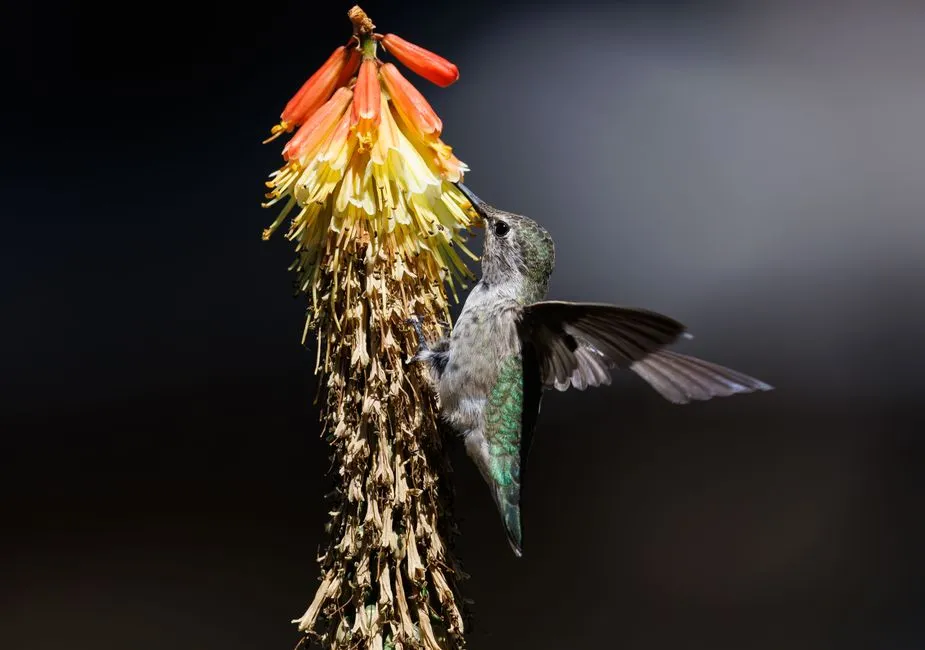
Your garden might look like one uniform block of cold and gray, but a hummingbird experiences it as a patchwork – some spots deadly, others surprisingly survivable.
When a winter storm rolls in, a hummingbird doesn’t have the option of flying hundreds of miles somewhere warmer. It has to outsmart the yard it’s already in, which usually means hunting for microclimates: tiny pockets where conditions are just a little less brutal. A south-facing wall that soaks up and reflects heat. A dense evergreen shrub that blocks the worst of the wind. A covered patio, carport, or eave that stays a few degrees warmer and noticeably drier.
In these small, overlooked corners, a hummingbird can conserve critical calories by dodging windchill and grabbing stray warmth, even on the grayest days. Some homeowners have found “mysterious” hummingbirds tucked motionless under a porch roof during ice storms for hours at a time. That’s not confusion. That’s a calculated survival bet.
Here’s another opinion that tends to ruffle feathers online: gardeners who strip their yards bare every fall – clearing out every dense shrub, every tangled corner – are unknowingly making survival dramatically harder for the birds overwintering nearby. A plain, manicured lawn with one lonely feeder photographs beautifully for Instagram. As an emergency shelter, it’s nearly worthless. That scruffy, unpruned hedge you’ve been meaning to tear out might be the single reason a hummingbird survives a three-day freeze.
#2 – Already Planning Next Spring While You Think It’s the Off-Season
🔥 Would you like to save this?
We'll email this post to you, so you can come back to it later!
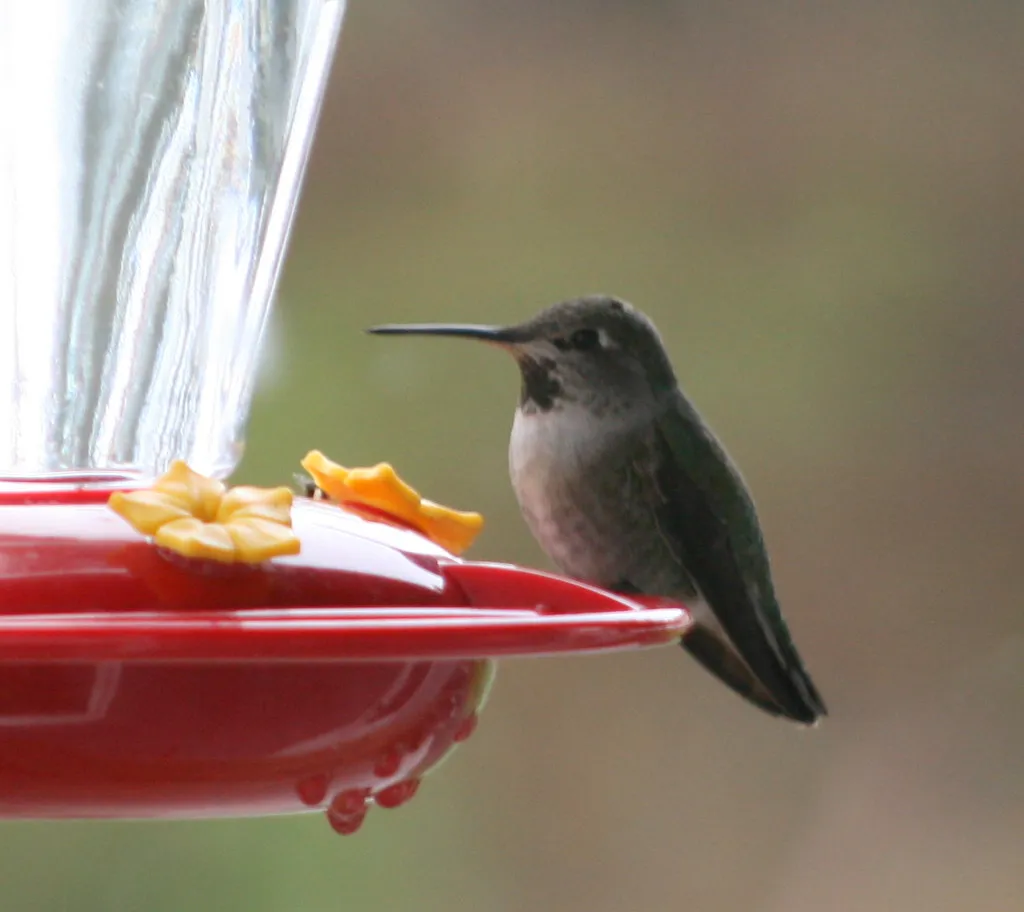
While your brain has fully checked out of garden mode for the year, a hummingbird nearby may already be laying the groundwork for spring.
Most people assume winter is a total pause button for these birds. In reality, especially for species like Anna’s Hummingbird, December can mark the start of the breeding calendar rather than the end of the year. In some regions, Anna’s can begin nesting as early as January, which means by late December, males are already staking out territory and performing sharp, high-speed diving displays – those buzzy little flybys you might chalk up to nothing on a quiet winter afternoon.
Your yard plays a much bigger role in this than you’d guess. A hummingbird sizing up winter habitat is essentially asking three questions: is there consistent food right now, is there decent shelter from storms, and will this spot explode with flowers and insects in a couple of months. If the answer leans yes, your ordinary backyard might get quietly selected as part of a future nesting territory, whether you ever intended to offer that or not.
That scruffy evergreen where you strung your holiday lights could be tomorrow’s nest site. That patch of winter-hardy manzanita or mahonia could become the first nursery snack bar for hatchlings you haven’t even imagined yet. Here’s the part almost nobody talks about: if you only start “gardening for hummingbirds” once spring arrives, you’ve already missed the real decision point. The bird may have ruled your yard in – or out – weeks before you ever bought your first tray of annuals.
#1 – Your December Garden Is Either a Promise or a Warning
🔥 Would you like to save this?
We'll email this post to you, so you can come back to it later!
Here’s the uncomfortable truth underneath everything else on this list: to a hummingbird, your December yard is sending a message, whether you meant to send one or not. It either says “you can survive here,” or it says “don’t even think about it.”
Most homeowners assume their yard isn’t communicating anything at all. They see bare flowerbeds, put the hose away for the season, and maybe hang a feeder if they happen to remember. But hummingbirds read every detail of what’s actually standing in that yard.
At a Glance
- Winter-blooming natives or shrubs still standing
- At least one dense, sheltered pocket out of the wind
- A reliable, unfrozen nectar source waiting at dawn
- Insect life tucked into leaf litter and old stems, not a freshly raked, sterile bed
If the honest answer to all of that is no, your garden is essentially flashing a giant “closed for business” sign. In genuinely harsh climates where hummingbirds truly shouldn’t be overwintering, that’s not a tragedy – it’s appropriate, and the most responsible move is supporting migration while focusing your energy on spring and summer habitat instead. But in milder regions where winter hummers have already become normal, a sterile, over-manicured yard isn’t neutral. It’s quietly hostile, and it says something a little uncomfortable: we like birds when they’re Instagram-cute in July, not when they’re inconvenient in December.
Here’s the flip side that should make every backyard birder sit up: with a handful of smart choices – a few key evergreen or winter-blooming plants, a properly maintained feeder, and the willingness to leave some intentional “mess” standing – you can turn a garden everyone assumes is sleeping into a genuine winter refuge. While the yards around you sit empty and lifeless, yours becomes the one warm, lit gas station on a dark, freezing highway. And that forces a bigger question none of us love answering: are we actually willing to take responsibility for the wild lives now depending on our altered, artificial landscapes, even when it’s cold, inconvenient, and nowhere near as pretty as July?
Your December garden was never really sleeping – it’s been testifying the whole time. Every frozen feeder, every stripped flowerbed, every suspiciously perfect lawn is a message about whether your yard is a place worth gambling a winter life on. These birds aren’t fragile little decorations that disappear the moment summer ends; they’re tough, high-octane survivors making brutal, split-second calculations in the space we casually call “our backyard.”
Torpor at 2 a.m., secret foraging routes stitched across your neighborhood, storm survival in a scruffy corner nobody bothered to prune – none of that fits the postcard image of a hummingbird sipping nectar in the sun. But it’s the real story we created the moment we started scattering feeders and exotic plants into a climate that keeps shifting under our feet. My honest opinion: if we’re going to lure these birds in every July with sugar water and pretty blooms, we owe them more than silence and neglect the second it turns cold. Either commit to supporting them properly where wintering has become normal, or step back cleanly and let migration do the job nature designed. Pretending our choices don’t matter isn’t a neutral option anymore – it’s just a quieter way of choosing.
So take a hard look out the window. Winter refuge, or seasonal prop? And if you’ve watched a hummingbird pull off something on this list with your own eyes, tell us about it in the comments – the strangest sightings usually come from people who almost walked right past them.

- Marine Biology Says When Dolphins Suddenly Go Silent in Open Water It's Not Rest – They've Detected a Predator You Cannot See and Their Survival Strategy Reveals How They Read Danger - November 5, 2026
- Why Veterinarians Say If Your Cat Sleeps With Their Back to You, It's the Highest Form of Trust in Feline Behavior - November 5, 2026
- 10 Common Garden Pests That Are Actually Beneficial To Your Backyard Ecosystem - November 5, 2026