
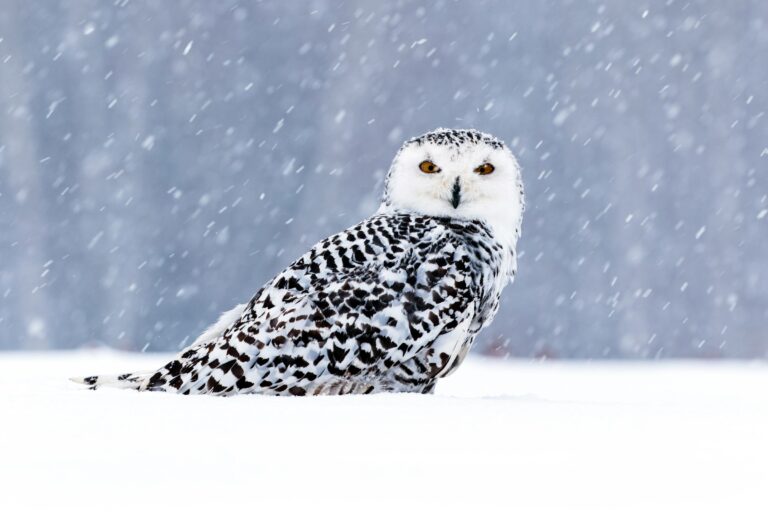
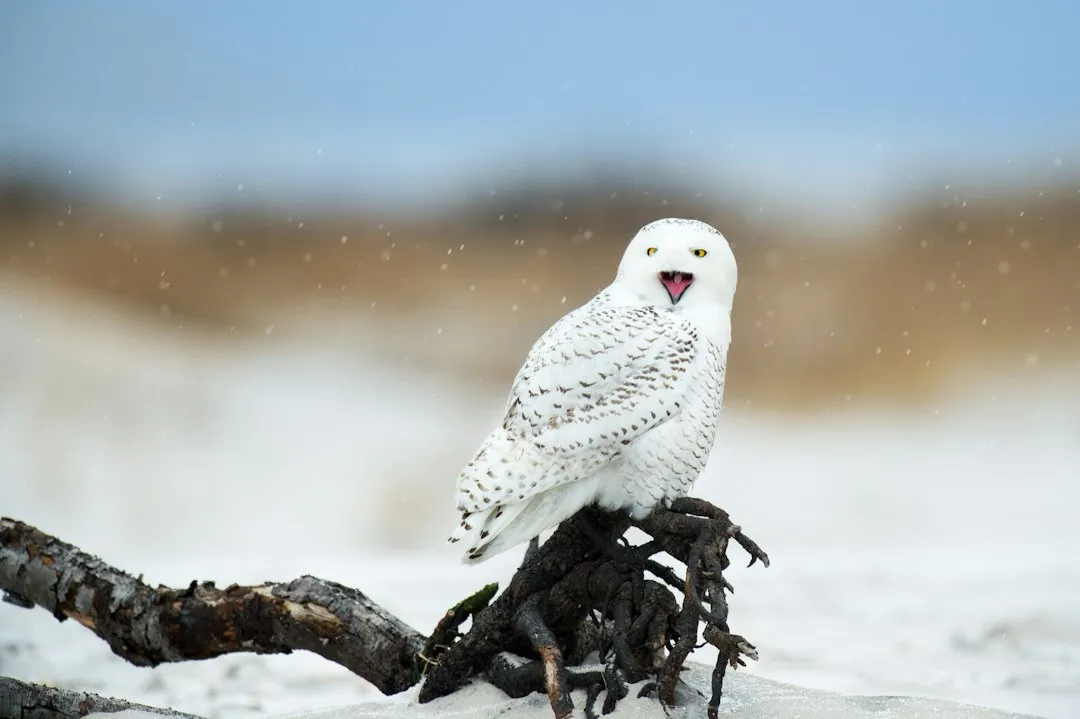
A snowy owl lands on a Walmart sign in Ohio. Another perches calmly on a beach lifeguard chair in New Jersey, blinking at joggers like it owns the place. Everyone whips out their phone, posts the photo, and calls it a miracle sighting. Almost nobody asks the question that actually matters.
Because this isn’t a lost tourist or a lucky accident. When a snowy owl shows up hundreds of miles from the Arctic, it’s running a survival calculation most people never see – and the answer isn’t nearly as cute as the photo suggests. Field biologists, wildlife rehabbers, and owl-trackers read these moments like a distress signal. Here’s what they’re actually seeing.
#8 – It’s Escaping an Arctic Food Crash, Not “Visiting for Fun”
🔥 Would you like to save this?
We'll email this post to you, so you can come back to it later!
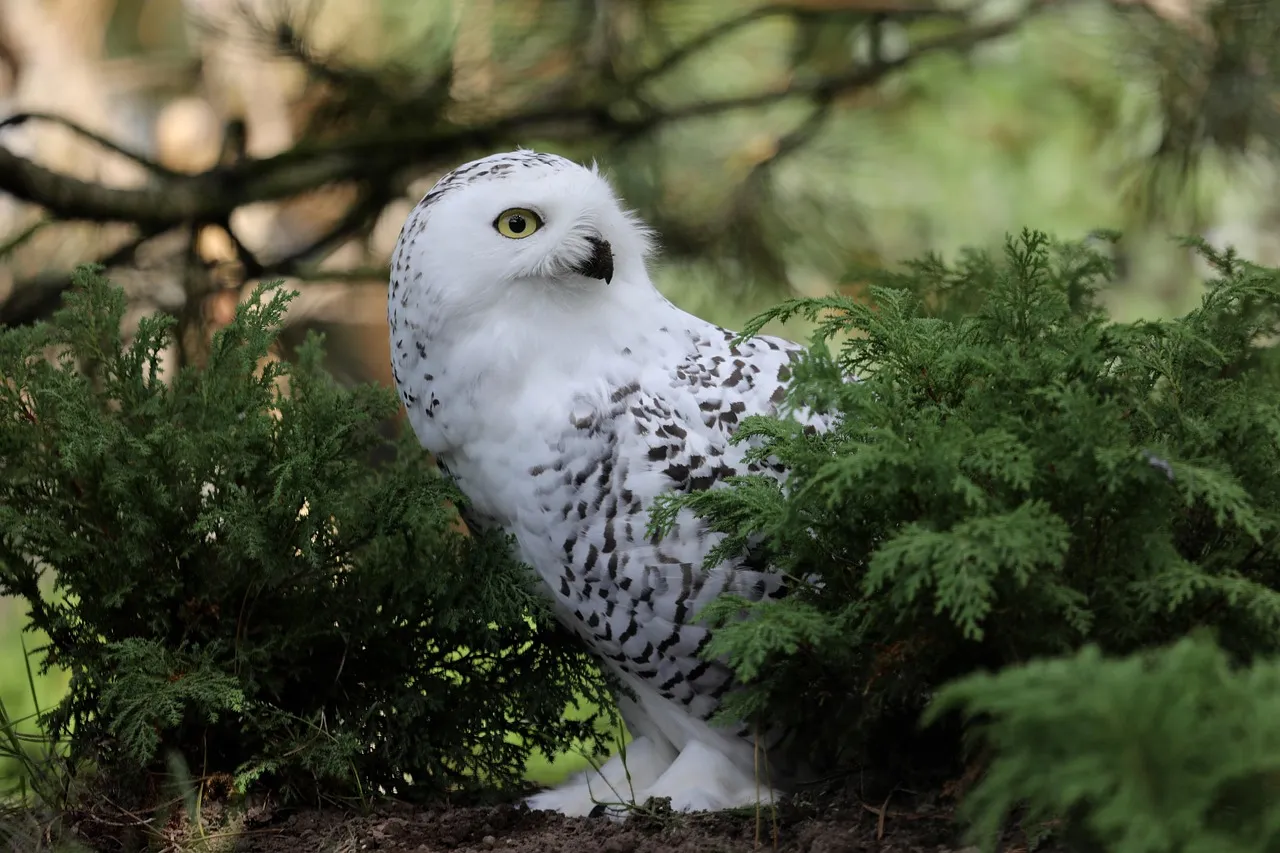
Here’s the part most viral posts skip entirely: that pristine white owl on your local rooftop might be fleeing a disaster zone. In good years, snowy owls stay far north and gorge on lemmings. But lemming populations are famously unstable, crashing hard every few years with almost no warning.
When that crash hits, entire stretches of tundra turn into a food desert in a matter of weeks. Owls are left with two options: leave, or starve where they stand. That’s the exact moment they start showing up on airport runways, cornfields, and coastal dunes thousands of miles from home.
Fast Facts
- Lemming populations swing wildly from year to year, often peaking and crashing in cycles of roughly three to five years.
- During boom years, a single breeding pair can raise unusually large broods compared to lean years.
- Southward irruptions have sent snowy owls as far as the Gulf Coast and the Southern Plains in recent decades.
- A hungry owl will hunt at unusual hours and in unusual places once its normal prey base disappears.
You’re not looking at a tourist. You’re looking at a refugee. Rehabbers quietly admit that many of these “once-in-a-lifetime” sightings involve birds that are already underweight and running on fumes, hunting at strange hours, snatching pigeons off city plazas, or resting in oddly exposed spots because they simply can’t afford to be picky anymore.
So when that owl lands on a grocery store sign, it’s often mid-gamble: risk unfamiliar territory now, or die of hunger back home. That’s a brutal trade for a bird that never asked to make it. But it’s nothing compared to what’s happening in #7.
#7 – It Might Be Riding a Once-in-Years “Irruption” Wave
🔥 Would you like to save this?
We'll email this post to you, so you can come back to it later!
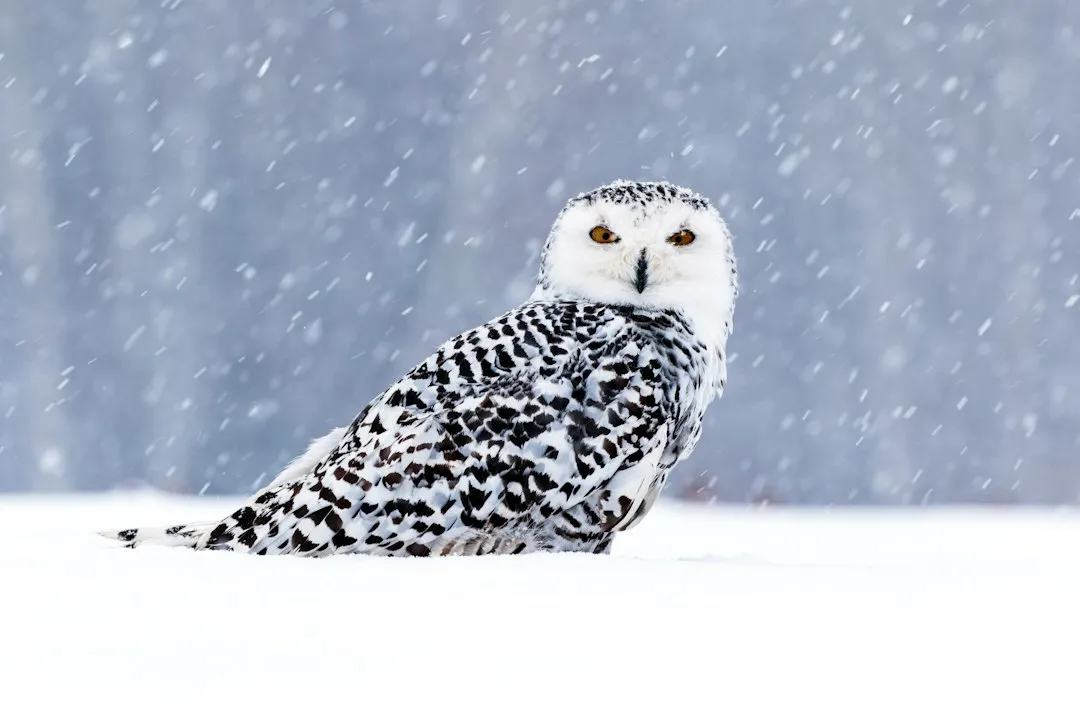
Every so often, an area that “never sees snowy owls” suddenly has them everywhere – Jersey shore parking lots, Midwestern farms, even towns deep in the South. That’s not a fluke or bad navigation. That’s what scientists call an irruption, and the twist behind it will surprise you.
Irruptions usually follow a spectacular breeding season, not a bad one. When lemmings explode in number up north, snowy owls raise massive broods – a single pair can fledge six, eight, or more chicks in one summer. For a season, the Arctic feels like paradise.
Then winter arrives, food levels return to normal, and there are suddenly far too many hungry young owls for the land to support. The “extra” birds fan out across the continent, drawn to coastlines, farmland, and wide-open spaces that mimic the tundra they were raised on.
To a snowy owl, a flat airport runway at night looks eerily like home: open sightlines, easy prey, almost no cover for predators to hide in. This is why birders track irruptions the way meteorologists track storm fronts. You’re not seeing one confused bird – you’re watching the aftershock of a breeding boom colliding with a hard winter. But that’s nothing compared to what’s happening in #6.
#6 – It’s Turning City Skylines Into Fake Tundra
🔥 Would you like to save this?
We'll email this post to you, so you can come back to it later!
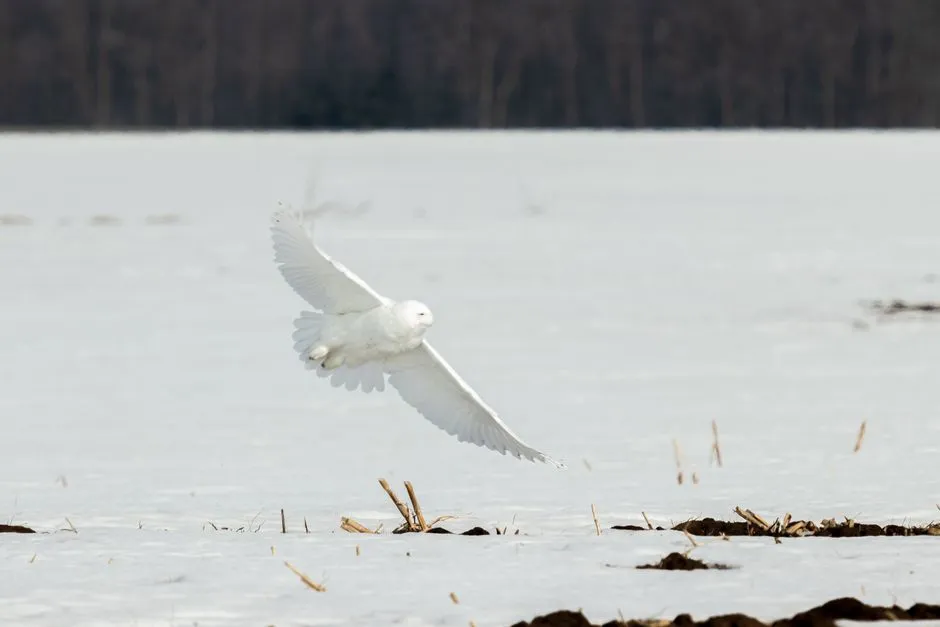
When a snowy owl parks itself on a stadium light, a church steeple, or the corner of a Walmart roof, most people assume it got lost. Biologists disagree, and honestly, they’re a little impressed. This bird isn’t confused – it’s adapting in real time.
Back home, snowy owls hunt from slight rises, ice hummocks, and low rocky outcrops scattered across the flat tundra. In our world, billboards, streetlights, and jet bridges become perfect stand-ins. From up there, an owl can scan for rats, rabbits, or gulls with almost no wasted effort. You see an industrial parking lot; the owl sees a hunting blind with a better view than anything back home.
Why It Stands Out
- Flat rooftops and stadium lights mimic the ice hummocks and rises owls rely on across the tundra.
- Airports offer short grass, open sightlines, and abundant rodents that closely resemble Arctic hunting ground.
- Streetlights and billboards give elevated, stable perches with a clear view of movement below.
- Snowy owls adapt to these substitute perches almost immediately, with little apparent learning curve.
Airports are an especially strong pull. Flat open land, short grass, and abundant rodents make them irresistible, which is exactly why pilots occasionally report large white birds near runways during irruption years. The owl isn’t trying to cause trouble – it’s doing the one thing that’s kept its species alive for thousands of years: find the highest point, sit still, wait for movement.
It’s proof that snowy owls aren’t fragile relics stuck in one habitat – they’re fast, opportunistic learners. But every time one trades a tundra hummock for a runway light, it’s also accepting risks it never evolved to understand: planes, traffic, power lines, people. That trade-off gets a lot more personal in #5.
#5 – It Could Be a Reckless, First-Winter Teenager
🔥 Would you like to save this?
We'll email this post to you, so you can come back to it later!
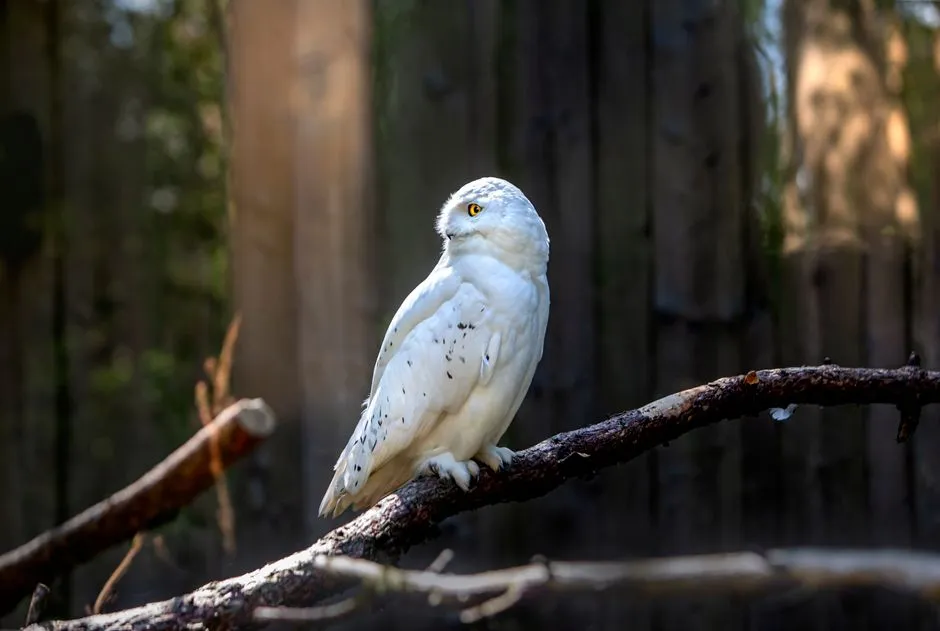
Here’s an underreported truth: a huge share of the snowy owls that end up somewhere strange are basically teenagers. First-winter birds, fresh out of the nest, facing migration for the very first time with zero guidance from mom and dad.
You can usually spot them – juveniles look more barred, mottled, and darker than the clean white adults people picture. And tracking studies show these young birds wander far more widely than settled adults, exploring shipping ports, city waterfronts, and inland lakes that older, wiser owls simply ignore.
Some of it is curiosity. A lot of it is desperation. Either way, inexperience means poor risk judgment, and rehab centers see the same heartbreaking pattern on repeat: an emaciated first-winter owl found beside a highway, tangled in fishing line at a marina, or stunned after slamming into a window it never saw coming.
These aren’t reckless birds by choice – they’re trying to read a human-built map with instincts built for empty ice fields. And here’s the uncomfortable part: well-meaning people make it worse. Walking too close for a selfie, flushing a hunting owl over and over, tossing it food scraps – a healthy adult might shrug that off, but a skinny first-year bird may not have the calories to spare. That vulnerability connects directly to something bigger happening in #4.
#4 – It’s Quietly Telling You Something About a Warming Arctic
🔥 Would you like to save this?
We'll email this post to you, so you can come back to it later!
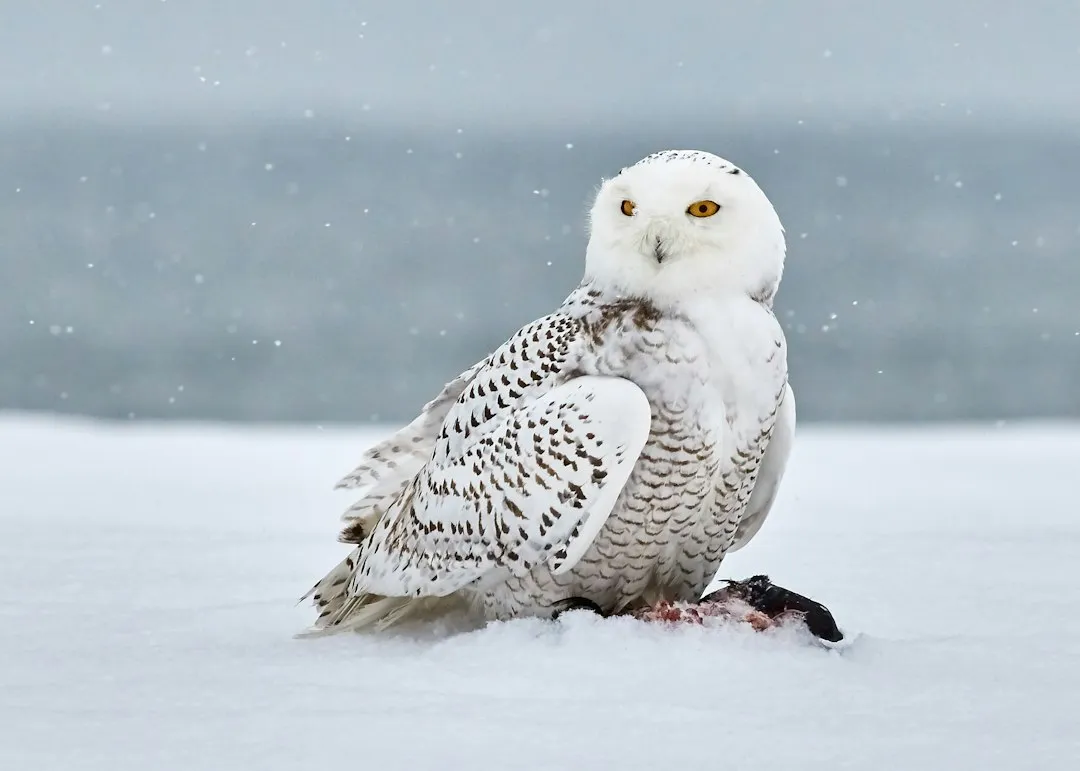
Nobody wants to start this fight in a Facebook comment section, but the pattern is hard to ignore: snowy owls turning up far south are, in a small way, climate messengers. Not every wandering owl is “because of climate change” – but the decades-long trend tells its own story.
Snowy owls are tightly bound to cold, open habitat and the boom-bust rhythm of lemmings and other small mammals. As winters shift, snow cover changes, and the tundra warms, the timing and reliability of those prey cycles are getting scrambled in ways the owls never had to adapt to before.
Worth Knowing
- Snow cover, thaw timing, and lemming abundance are all shifting as Arctic temperatures rise faster than the global average.
- Researchers who track snowy owl irruptions treat the “boom, then southward push” pattern as a rough indicator of ecosystem stress.
- A single severe storm can wipe out local prey or force owls off traditional wintering grounds within days.
- Long-term tracking projects have noted shifts in irruption timing, frequency, and range over recent decades.
That means feast-and-famine years may start behaving unpredictably, landing out of sync with breeding seasons. When that happens, survival rates, breeding success, and migration patterns all get thrown off balance. Long-term monitoring projects have already noticed that irruptions don’t look quite like they used to – sometimes more frequent, sometimes reaching new territory, sometimes with a different mix of ages showing up.
Scientists stay cautious because the data is messy and no single sighting proves anything. But quietly, many will admit that large-scale weather shifts are probably part of the picture. And then there’s the blunt force of extreme weather – one brutal storm at the wrong moment can wipe out local prey or push birds off their traditional wintering grounds entirely. That owl on your city pier may have been displaced storm by storm until your neighborhood became the last option left. What happens next gets even more uncomfortable in #3.
#3 – It’s Raiding an All-You-Can-Eat Urban Buffet
🔥 Would you like to save this?
We'll email this post to you, so you can come back to it later!
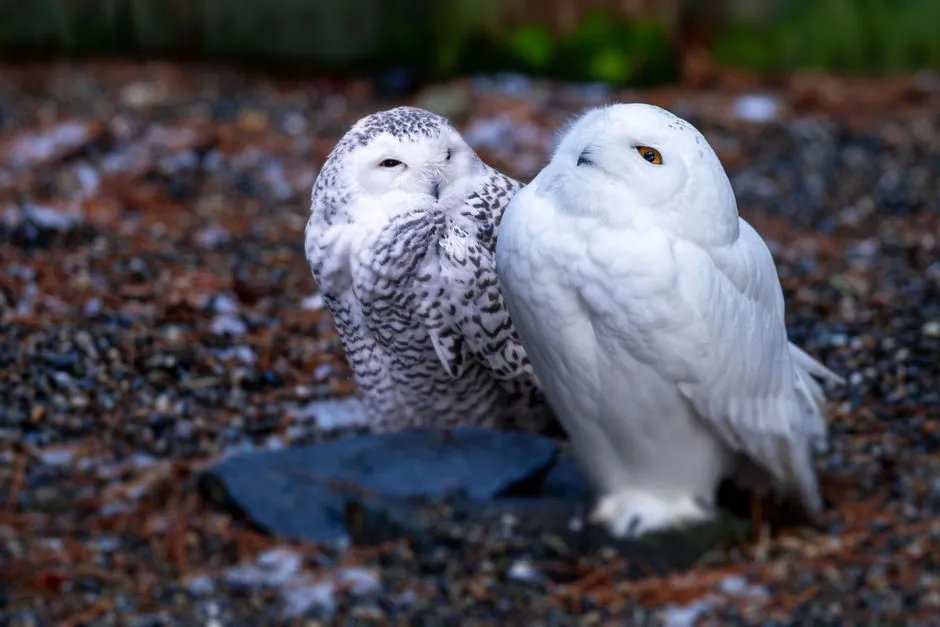
Here’s where it gets uncomfortable: sometimes a snowy owl shows up in the “wrong” place because we accidentally built it a feast. It’s not always a tragedy. Sometimes, it’s an opportunity the bird is aggressively cashing in on.
Cities and suburbs manufacture their own prey supply without even trying – rats behind restaurants and warehouses, feral pigeons and starlings circling landfills, gulls swarming parking lots. To a hungry aerial hunter, none of that reads as trash. It reads as dinner, and a reliable one at that.
Snowy owls have been documented taking rats off docks, pigeons off rooftops, even waterfowl from ornamental park ponds. Your downtown waterfront, to this bird, looks a lot like a rich coastal hunting ground with unusually bright lighting. Some birders quietly resent this, insisting these owls “belong” on pristine dunes, not lurking near dumpsters – but the owl doesn’t share our aesthetic standards. It goes wherever the calories are easiest.
Here’s the sting in the tail: human-made food sources cut both ways. Rodenticides used for pest control can travel straight up the food chain. An owl thriving on a steady diet of city rats may also be quietly loading up on poison with every meal – a slow-motion trap disguised as a smart adaptation. That danger becomes even more direct in #2.
#2 – It’s Running a Gauntlet of Hazards It Was Never Built to Survive
🔥 Would you like to save this?
We'll email this post to you, so you can come back to it later!
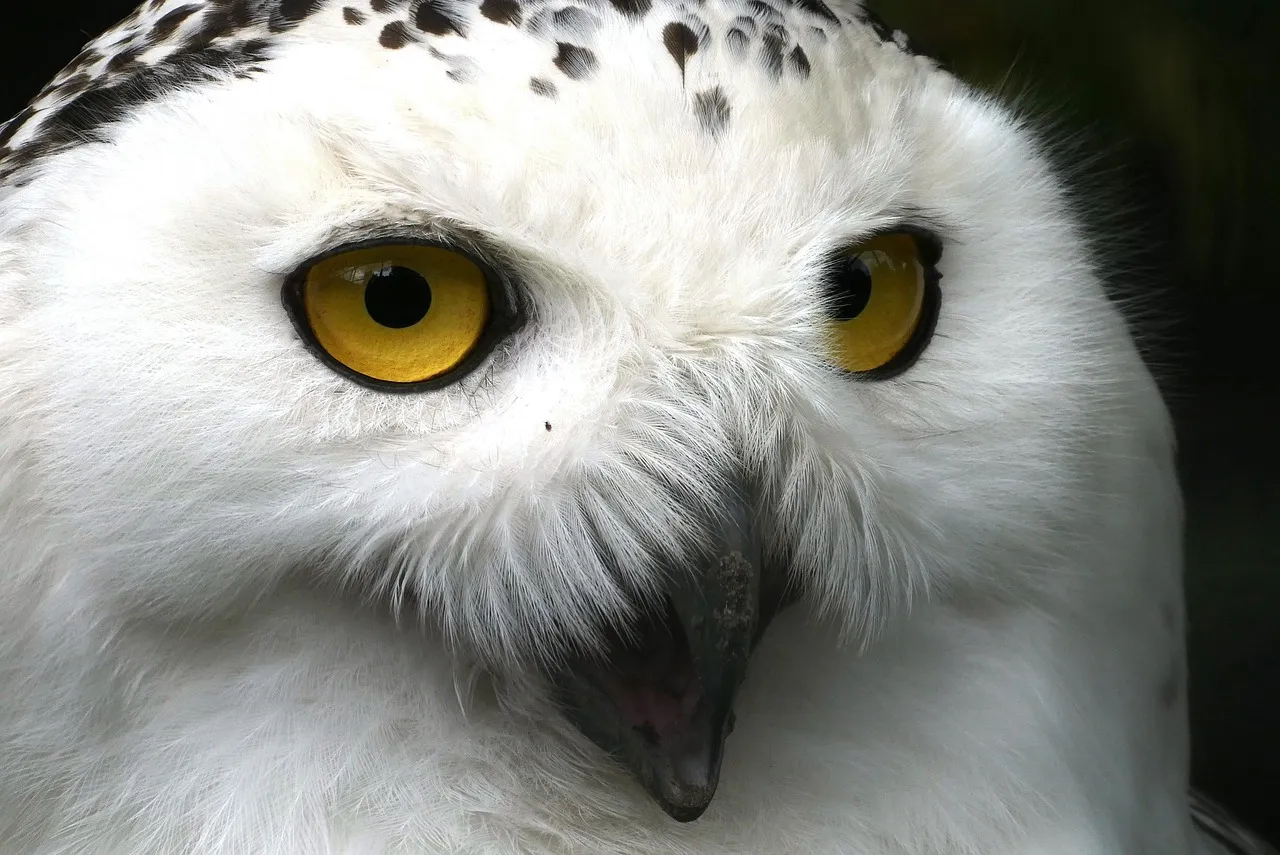
When a snowy owl drops into your town, it isn’t just visiting a scenic new backdrop. It’s flying straight into an obstacle course it has zero evolutionary experience with. On the tundra, the main threats are weather, hunger, and the occasional predator. Here, the list multiplies fast.
At a Glance: Hazards a Wandering Owl Never Evolved to Handle
- Vehicle collisions on highways, roadsides, and near airport runways
- Window and building strikes it can’t detect until the moment of impact
- Power line collisions and electrocution risk
- Secondary poisoning from rodenticides carried up the food chain through city prey
- Chronic stress and lost energy from repeated flushing by curious onlookers
High-speed vehicles it can’t learn to dodge in time. Power lines and glass windows it doesn’t register as solid objects. Rodenticides and pollutants quietly building up inside its prey. Wildlife hospitals report a grim, repeating pattern during irruption years: grounded snowy owls arriving with severe malnutrition, internal injuries, or poisoning.
Some of the same birds that went viral as “majestic visitors” are dead in rehab days later. The public sees one perfect snapshot; the rehab team sees the whole brutal story that photo never mentions.
Even attention itself becomes a hazard. Crowds gathering beneath a daytime roost force the owl to flush again and again, torching energy it desperately needs. Photographers inching closer for the perfect shot may have no idea they’re pushing a bird that’s already running on empty. Many experts now put it bluntly: if the owl is staring at you, shifting its weight, or changing posture, you’re already too close – you’ve become part of the danger it’s trying to survive. And that leads straight into the most uncomfortable truth of all, in #1.
#1 – It’s Testing How We Choose to Respond
🔥 Would you like to save this?
We'll email this post to you, so you can come back to it later!
Here’s the part nobody wants to sit with: what a snowy owl is “doing” in a place it shouldn’t be is only half the story. The other half is what we choose to do the moment it appears.
An owl on a city pier is quietly testing our priorities. Do we treat it as a prop for a viral video, or as a stressed wild animal that needs breathing room? Serious owl experts keep landing on the same conclusion: how people behave around a wayward snowy owl says more about us than it does about the bird.
Will dog owners leash up nearby? Will photographers back off the second the bird looks agitated? Will local authorities dim a floodlight or rope off a small buffer around a favorite perch? Sometimes the most helpful thing a person can do is almost nothing – watch from a respectful distance, don’t feed it, don’t flush it, don’t chase it for a better angle.
In truly dire cases – severely underweight, visibly injured, grounded for days – calling a licensed wildlife rehabilitator can be the difference between life and death. But the line between necessary help and disruptive meddling is thin, and it demands real humility to know which side you’re on. In that sense, the owl becomes a mirror. Its unexpected arrival forces an entire community to decide whether wildness is something we only enjoy in photographs, or something we’re actually willing to make room for in messy, inconvenient real life.
A snowy owl perched somewhere it “shouldn’t” be is never just a quirky accident, and I’ll say it plainly: treating it like one is how we keep getting this wrong. It’s a refugee from a collapsed food cycle, a reckless young explorer, a sharp opportunist working our rooftops like a coastline, or all three tangled together in one exhausted bird. Every strange sighting is a data point in a much bigger story about climate, prey cycles, and how far we’ve pushed the natural world to improvise around us.
What actually matters is what happens after the photo gets taken. We can turn a rare visit into harassment, poisoning, and a slow death in a rehab cage – or we can treat it as a warning light worth listening to: give it space, push back on reckless rodenticide use, support the people tracking these movements year after year. This bird isn’t a mascot or a lucky charm. It’s a top predator that got cornered by a changing world and ended up in our path. The real question was never “what is it doing here?” It’s what we’re going to do now that it is.

- 7 Everyday Habits That Can Make Your Senior Dog Happier - November 5, 2026
- 10 Enigmatic Structures That Continue to Puzzle Scientists Today - November 5, 2026
- 10 Strange Ruins in the Americas That Challenge What We Know About Early History - November 5, 2026