
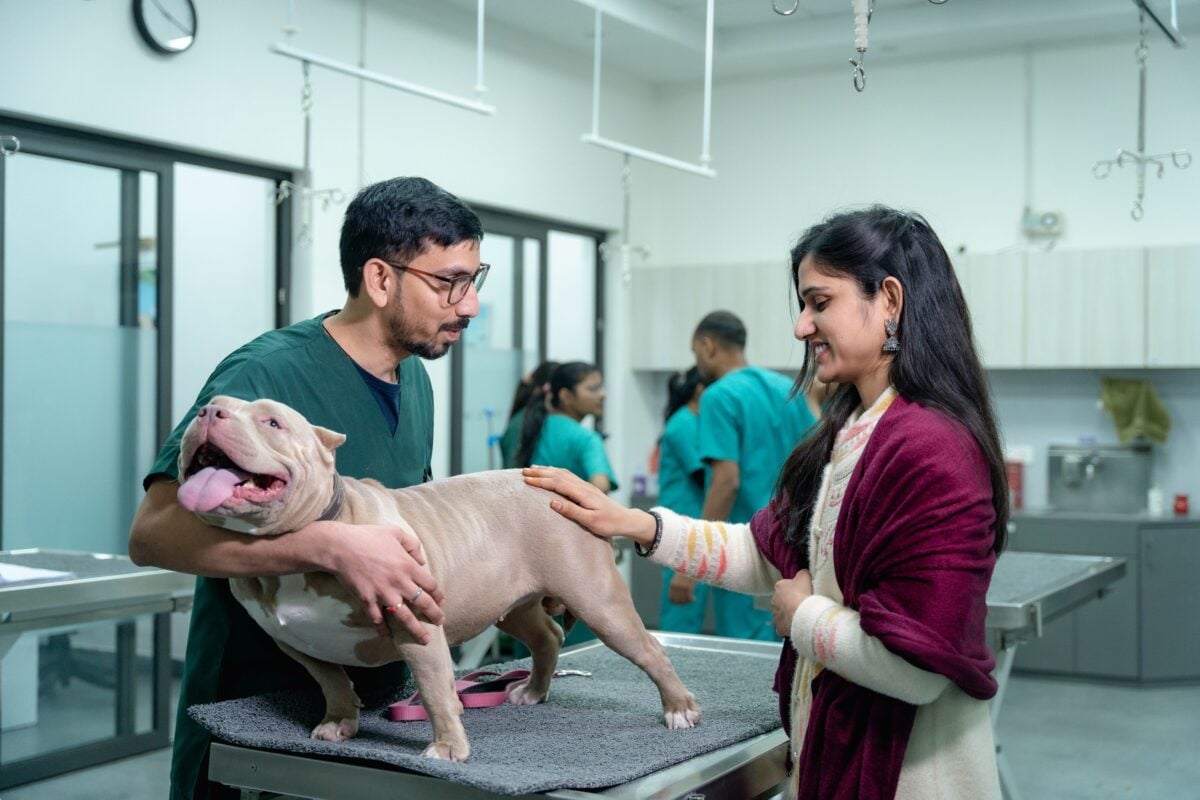
You think the exam room tells your vet everything. It doesn’t. In that sterile little box, your dog is frozen with fear, your cat is plotting an escape, and you’re both performing your best behavior for an audience of one in a white coat.
Walk that same vet through your front door, though, and the performance ends. The real story – the diet, the stress, the quiet bullying between pets, the pain nobody talks about – is suddenly written across your floors, your furniture, and your daily routine. Here’s what actually gets noticed the second the clinic door closes behind us.
#8 – The Real Diet… Not the One You Mention at the Clinic
🔥 Would you like to save this?
We'll email this post to you, so you can come back to it later!
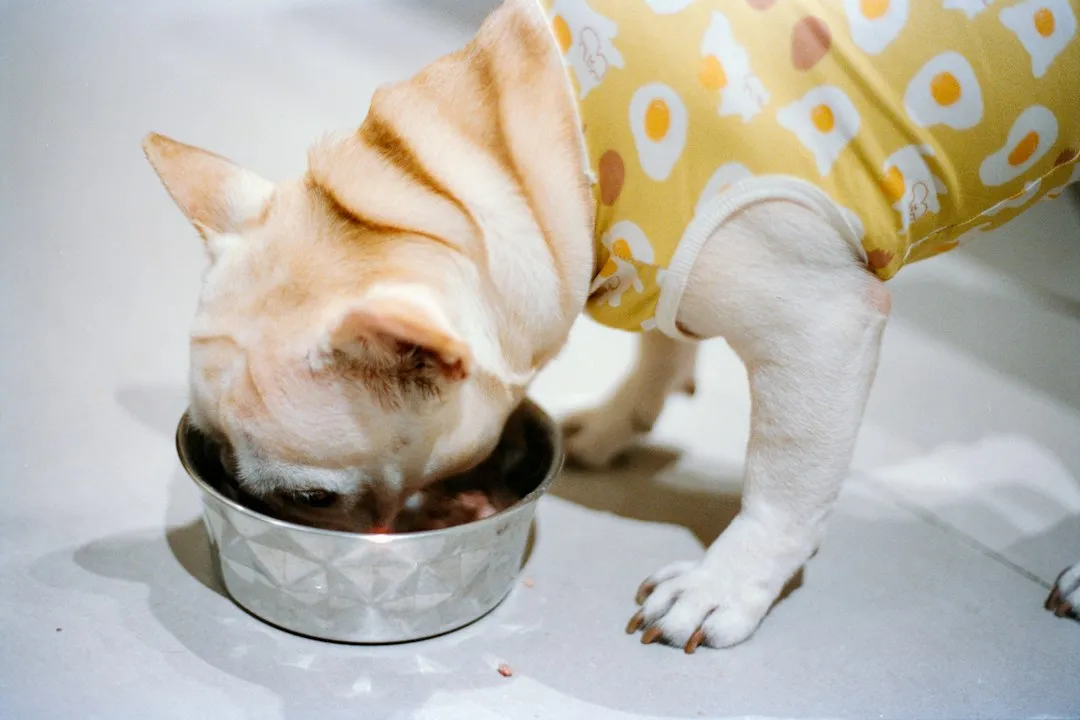
“Oh, he just eats his kibble.” We hear it in almost every appointment. Then we walk into your kitchen and that sentence quietly falls apart.
We see the food bowls. We see the pantry. We see the half-eaten pizza crust on the floor and the toddler slipping fries under the table like it’s a covert operation. Most pets aren’t “just on kibble” – they’re on the Human Leftover Diet, with a side of whatever hits the floor.
This matters more than people think. Chronic vomiting, diarrhea, itching, weight gain, even arthritis pain can all get quietly worse from casual snacking that nobody bothers to mention out loud.
We also notice *how* you feed. Is the bowl always full? Does the cat get one giant meal at night, then scream the house down all day? Cats that “attack” at 3 a.m. are often just starving, having burned through their one meal hours earlier. Dogs that guard the bowl may be living inside a stressful multi-pet scramble twice a day, every day. And the sneaky stuff – open treat bags on the coffee table, rawhides in every room, grandma’s daily bacon offering – adds up to calories and additives owners genuinely never account for. On a home visit, we can finally say, “This is why the diet trial failed,” instead of just guessing.
Fast Facts
- Adult cats generally do better with two to four small meals a day rather than one large evening feeding
- Table scraps and daily “just one” treats can quietly add hundreds of extra calories a week
- Sudden vomiting or diarrhea is one of the most common reasons pets end up seen urgently, often traced back to “harmless” snacking
- Chocolate, grapes, onions, and xylitol remain leading causes of at-home poisoning calls
#7 – Hidden Stress Triggers That Never Show Up at the Clinic
🔥 Would you like to save this?
We'll email this post to you, so you can come back to it later!
In the exam room, your pet looks anxious because we’re strangers in white coats holding needles. At home, we see something far more revealing: the slow-burning stress that’s been shaping their health for years, and that never once makes it into their chart.
We notice the noise first. TV blaring, kids running laps, a vacuum that never seems to stop, the doorbell going off every twenty minutes for a delivery. Many pets are living in a state of nonstop, low-grade stress that owners have simply stopped noticing. You call your dog “high energy.” We’re watching a nervous system that never gets permission to power down.
Then there’s escape. Does your cat have vertical territory – shelves, perches, a way up and out – or are they stuck at ground level with nowhere to hide from kids, dogs, or visitors? Does your anxious dog have a quiet spot people actually respect, or a bed parked directly in the traffic path of the house, where they’re stepped over and grabbed at all day?
We also catch the small, easy-to-miss patterns: a dog flinching every time one particular person moves too fast, a cat vanishing the instant a certain voice starts talking. Owners often shrug it off – “he’s just weird with him” – but we’re watching years of quietly learned fear. In the clinic we only ever see the label: reactive, aggressive, shy. At home, the whole backstory lights up, and it can completely change which medication or behavior plan we recommend.
#6 – The Floors, Stairs, and Furniture That Are Secretly Hurting Your Pet

🔥 Would you like to save this?
We'll email this post to you, so you can come back to it later!
Ask most owners if their senior dog has mobility issues and you’ll get, “He’s just slowing down.” Then we watch that same dog attempt a stretch of tile floor, and everything clicks into place at once.
Clinics have non-slip surfaces and small rooms. Homes have long stretches of hardwood with zero traction, steep stairs, and couches pets leap on and off dozens of times a day. For older animals, this is the actual dividing line between “aging normally” and quietly living in daily pain.
That Lab you’ve written off as “just lazy now” might be genuinely terrified of crossing your slick kitchen floor. That cat who “hates being picked up” might be arthritic, bracing for pain with every single movement. We also clock the jump zones – window sills leapt to twenty times a day, deck stairs navigated solo, cars pets launch into without a ramp in sight.
At a Glance: Home Mobility Risks
- Hardwood and tile floors offer little traction for arthritic or aging joints
- Stairs without runners are a common trigger for slips and falls in senior pets
- Repeated jumping on and off furniture adds up to years of hidden joint stress
- A simple rug runner or ramp can restore a pet’s confidence almost immediately
In the clinic, we can flex a joint and feel crepitus under our fingers. What we can’t see is the iceberg underneath: years of repetitive micro-trauma from daily life. Once we see the home, we can say something useful – “put a runner here, block that jump, add a ramp there” – and it’s genuinely astonishing how often the “old dog” starts moving like he’s five years younger within weeks.
#5 – The Relationship Behind Closed Doors, Once the Politeness Drops

🔥 Would you like to save this?
We'll email this post to you, so you can come back to it later!
In the clinic, everyone is on their best behavior. Owners use their customer-service voice. The dog is “so good at home.” The cat “never bites.” On a home visit, those filters drop completely, and what’s left underneath is sometimes beautiful – and sometimes genuinely hard to watch.
We see who the pet actually runs to, and who they quietly avoid. The person who roughhouses a little too hard. The family member who yells the second the dog barks. The kid who chases the cat “for fun” while everyone laughs. A dog labeled “fearful at the vet” might really just be fearful of one specific person at home – and that single detail reshapes the entire case.
We also notice the smaller, quieter forms of neglect that never look dramatic enough to name. Litter boxes untouched for days. Water bowls filmed over with slime, or empty entirely. Coats so matted the skin underneath is inflamed and raw, even though the owner insists they groom “regularly.”
“The greatness of a nation and its moral progress can be judged by the way its animals are treated.”
Mahatma Gandhi
This isn’t about shaming anyone in the moment – we rarely say it out loud at all. But that “mysterious” urinary issue in the cat often lines up perfectly with a filthy box shoved into a loud, chaotic laundry room. We don’t miss it. We just quietly file it away, matching symptom to cause.
#4 – The Quiet Bullying Between Pets That Owners Never Clock

🔥 Would you like to save this?
We'll email this post to you, so you can come back to it later!
Most multi-pet homes are not the peaceful little pack people picture in their heads. In the clinic, each animal comes in alone, on their best solo behavior. At home, we finally see how they actually live together – and it can be a genuine gut-punch.
The common owner line is, “They get along great, just a little squabbling.” The home reality is often something else entirely: one dog body-blocking the other from the water bowl, a “friendly” cat stalking the nervous one away from the litter box, a “sweet” dog pinning the smaller one with constant, subtle pressure that never quite looks like a fight.
We’re watching low-level bullying that’s probably been running for years, quietly misread as play or dominance. That anxious dog with chronic diarrhea might be living under daily siege in his own house. That cat with repeated urinary blockages might be too scared to use the litter box whenever the bully cat is nearby.
Worth Knowing
- Body-blocking at food or water bowls is a classic, easy-to-miss sign of quiet bullying
- A pet who avoids the litter box only when another animal is nearby may be stressed, not sick
- Chronic “mystery” GI or urinary issues sometimes trace back to social tension at home
- Resource guarding of doorways, beds, or owner attention often goes unnoticed for years
We also track the resource politics – who gets to lie next to the owner, who’s always camped in the doorway blocking traffic, who flinches when another pet so much as shifts position. Sometimes the dog isn’t anxious when he’s left alone. He’s anxious when he’s left alone *with the other dog*, and that nuance never once shows up in clinic notes. Once owners see the pattern, a lot of “mystery” illnesses stop being mysterious at all.
#3 – The Everyday Hazards Hiding in Plain Sight

🔥 Would you like to save this?
We'll email this post to you, so you can come back to it later!
In the clinic, people ask about candles, air fresheners, maybe one plant they saw flagged on social media. At home, we walk in and immediately spot the real dangers – the boring, unglamorous hazards sitting out in plain view, day after day.
Open trash cans with chicken bones and corn cobs. Pill bottles left on low tables. Rat poison tucked behind the washing machine. Essential oil diffusers pumping mist directly over the spot where the cat sleeps every afternoon. Most poisonings we treat aren’t one dramatic mistake – they’re a disaster that’s been sitting there for months, waiting for the wrong afternoon.
The dog with “random” pancreatitis might be regularly raiding the grease pan under the grill. The cat with ongoing respiratory issues might be breathing heavily scented litter or plugged-in air fresheners around the clock. We also clock the structural risks – fence gaps a small dog can squeeze through, balcony railings wide enough for a cat to slip past, pools with no ramp for a panicked pet to climb out.
Owners fixate on things like “can my dog sleep under an electric blanket?” while an unsecured chocolate stash sits in the nightstand drawer three feet away. We’re quietly mapping your house like a crime scene, mentally circling every item that could land your pet in emergency care at 2 a.m. In the clinic, we’re guessing from a partial history. At home, the story is written all over your shelves, your floors, and your yard.
#2 – What “Regular Care” Actually Looks Like Behind Closed Doors

🔥 Would you like to save this?
We'll email this post to you, so you can come back to it later!
If you go by what owners say, most pets get brushed “a few times a week,” litter boxes are “cleaned daily,” and walks happen “regularly.” On a home visit, we find out what regular actually means in practice – and the gap can be startling.
We hear nails clicking loudly on the floor with every single step. We find thick tartar despite owners swearing they brush teeth. We feel a dense undercoat packed with loose fur and early matting hiding just beneath the surface. It’s rarely dishonesty – people genuinely underestimate how fast these things build up. “I just cut his nails” was actually three months ago. “I scoop every day” doesn’t match the smell we catch from the hallway.
We also see what “enrichment” really means in that specific home. Is the daily walk a five-minute potty trip to the same patch of grass? Are the toys chewed down to unsafe fragments, or so boring the dog won’t even look at them anymore? Does the cat have scratching posts, puzzle feeders, and a window view – or just a couch and a television?
Then there’s medication. In the clinic, owners nod along as we explain dosing. At home, we find bottles with far too many pills left over, half-chewed tablets stuck to the blanket, ear drops sitting unopened on the counter for weeks. Non-compliance is rarely about laziness – it’s about instructions clashing head-on with real life. A home visit lets us see exactly where the routine breaks down and fix something the family can actually stick to.
#1 – The Question No One Wants Asked Out Loud: Is This Really a Good Life?

🔥 Would you like to save this?
We'll email this post to you, so you can come back to it later!
This is the part most vets won’t say out loud in the clinic, but every home visit eventually forces the question anyway: is this pet actually living a good life, or are we just medically prolonging something that stopped feeling good a while ago?
In the exam room, quality-of-life conversations stay abstract. “He’s eating fine.” “She still has good days.” “He’s just old.” At home, we see the unedited version – a dog spending 23 hours a day on the same bed, barely rising without help. A cat hiding full-time in a closet, only emerging to eat at 2 a.m. A senior pet stumbling through dark, cluttered hallways, confused and bumping into furniture that used to be familiar.
We also feel the emotional temperature of the house itself. Are people annoyed with the incontinent dog, scolding him for accidents he can’t control? Is the blind cat constantly startled because no one’s adjusted how they move around her? Is the family simply exhausted, resentful, checked out? A pet can be medically “stable” and still be emotionally miserable – and labwork will never once show that.
Why It Stands Out: Signs of a Genuinely Good Life
- Ramps, rugs, and easy access to favorite spots, no matter the pet’s age or ability
- Calm, patient handling instead of frustration over accidents or confusion
- A pet who still seeks out affection, food, or play, even in a limited way
- Routines quietly adjusted around the pet’s needs, not the other way around
On the flip side, we sometimes walk into homes with severely disabled pets living genuinely rich lives – ramps everywhere, fresh bedding constantly rotated, calm routines, soft and patient handling. Those homes convince us to keep pushing treatment forward. Others quietly tell us something harder: this animal is being kept alive because you aren’t ready to let go, not because they’re still enjoying life. That doesn’t make you a villain. It makes you human. But it’s something a vet can only truly understand once they’ve seen your pet where they actually live, not where they’re examined.
Home visits strip away the polite, clinic-version of your pet’s life and hand us the unedited cut. We see the real diet behind the brochure answer. We watch quiet bullying that explains illnesses labwork couldn’t. We map chronic stress hiding in noise, clutter, and a total lack of safe space. We spot the hazards waiting to trigger the next midnight emergency, sitting in plain sight the whole time.
Here’s the part I’ll say plainly, because someone should: most “bad luck” in veterinary medicine isn’t luck at all. It’s environment and routine, repeated quietly for years until the body can’t compensate anymore. That doesn’t make you a bad owner. It makes you normal – and normal, for a species built for a different world than ours, is not always optimal. If anything here hit a nerve, good. That’s exactly the point. So tell me – which part of your pet’s home life do you think a vet would call out first, and would you actually agree, or fight us on it in the comments?

- 7 Everyday Habits That Can Make Your Senior Dog Happier - November 5, 2026
- 10 Enigmatic Structures That Continue to Puzzle Scientists Today - November 5, 2026
- 10 Strange Ruins in the Americas That Challenge What We Know About Early History - November 5, 2026