
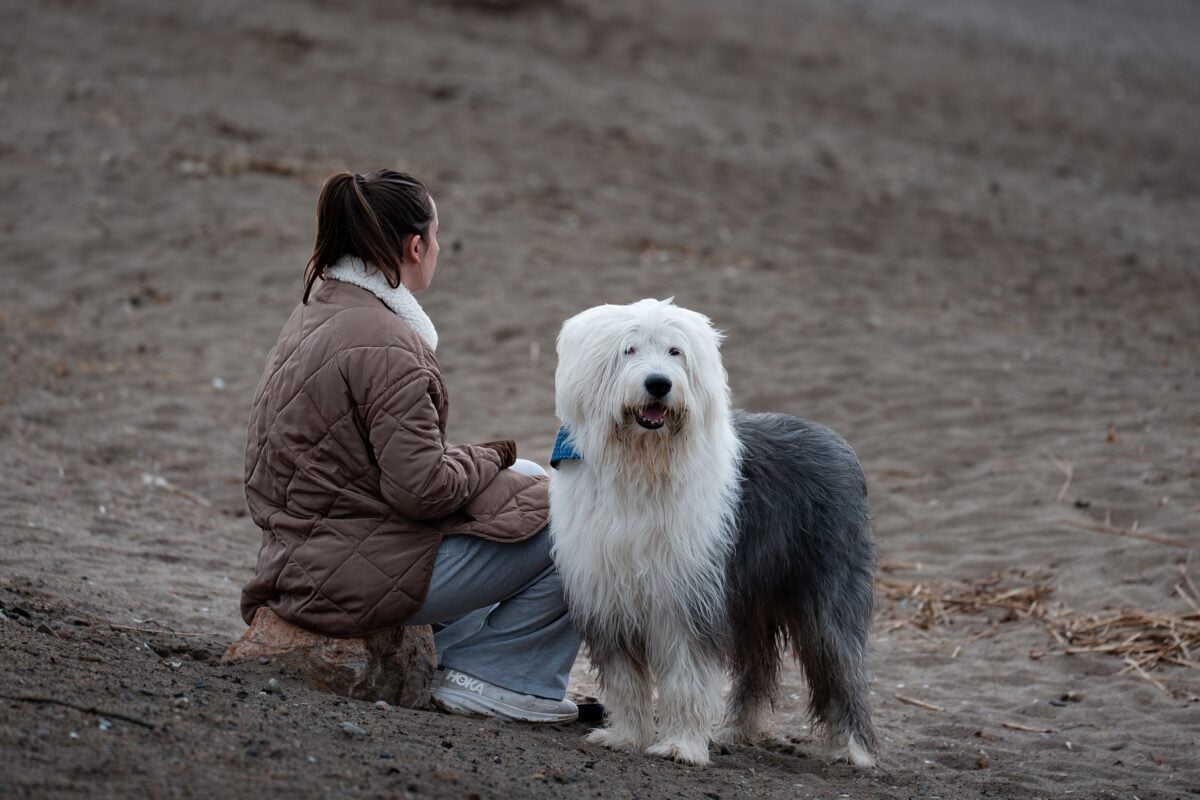
Most people picture a working sheepdog’s retirement like a movie ending: one last good day, a soft bed, endless belly rubs, credits roll. That is not what actually happens. The real ending is quieter, messier, and far more emotional than anyone expects – and most owners miss it completely because it doesn’t look like a big dramatic moment.
It looks like a slower walk back from the field. A longer pause at the water trough. A dog that still glances at the gate the next morning out of pure habit. The first day a working sheepdog truly cannot work anymore rewires almost everything about how it eats, sleeps, watches the flock, and relates to the person it has worked beside for years – and by the end of this list, you’ll understand why that transition is either the kindest thing a shepherd ever does, or the cruelest.
#8 – The Last Walk Back From the Field Feels Different – Even Before Anyone Says a Word
🔥 Would you like to save this?
We'll email this post to you, so you can come back to it later!
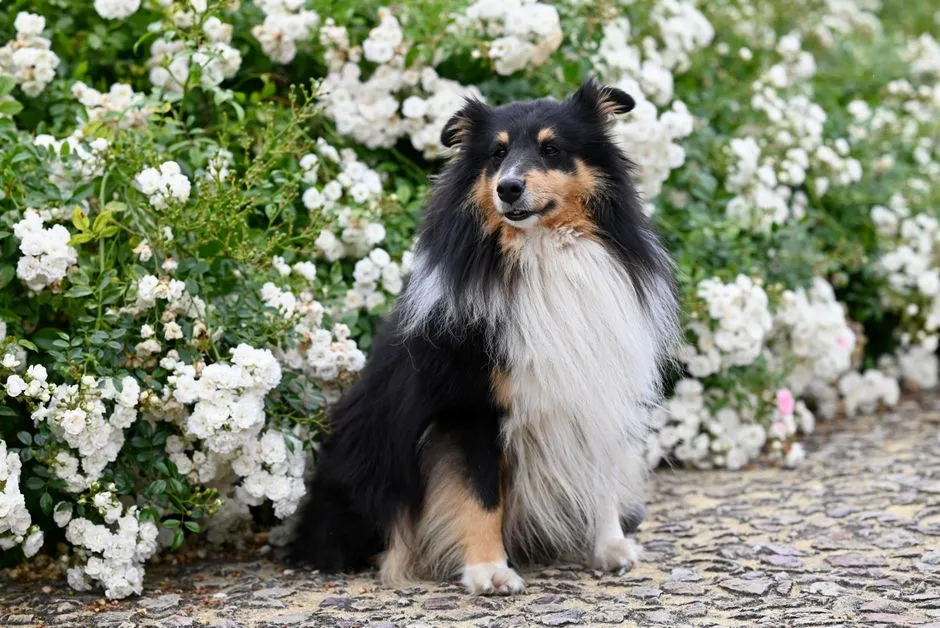
Here’s the quiet truth experienced shepherds know: a working sheepdog doesn’t announce that it’s done. It shows you in the walk back from the field. On that last real working day, the dog often knows before the human does.
Instead of racing ahead or circling wide behind the flock, an older dog will lag a few steps back. Head a little lower. Tail more neutral than proud and high. It’s rarely a dramatic limp or a collapse – more often it’s a heavy, subtle slowness that says, without a sound, that was too much today.
- More frequent pauses to glance back at the field, as if checking it hasn’t missed anything.
- A deeper, longer drink at the trough, followed by an unusually long lie-down.
Fast Facts
- Most working sheepdog breeds – Border Collies, Kelpies, Huntaways – start slowing on the job somewhere between ages 8 and 10.
- A full working day can mean 20-30 miles of sprinting, turning, and sudden stops on rough, uneven ground.
- Average lifespan for these breeds runs 12-15 years, so retirement can end up lasting nearly as long as the working career itself.
Inside, joints that have absorbed thousands of sharp turns and sudden stops are finally screaming. Border Collies and Kelpies are bred to push through pain, which means the first day they truly can’t power through is already far past what a pet dog would ever have tolerated. That’s why owners so often describe it as “sudden” – when really, the damage was building for years in silence.
The hardest part is that most dogs still try. They’ll eye the quad bike the next morning, ready out of pure muscle memory, even when the body simply won’t cooperate anymore. But that’s nothing compared to what happens next.
#7 – The Farm Keeps Moving, But the Dog Secretly Writes Itself a New Job
🔥 Would you like to save this?
We'll email this post to you, so you can come back to it later!
When a sheepdog can’t work anymore, the farm doesn’t pause to grieve with it. Sheep still need moving. Fences still break. Storms still roll in on schedule. The dog watches all of this happening without them – and starts inventing a new job for itself, often that very first night.
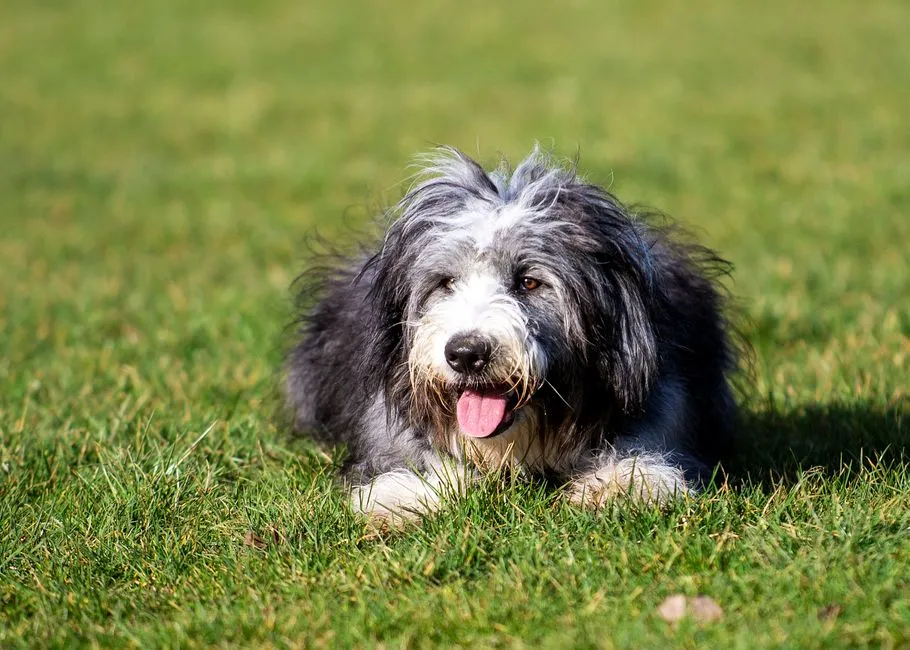
Retired working dogs almost always reposition themselves closer to the house, the yard, or the gate. They’re used to being in the middle of the action, so instead of flanking the flock, you’ll see the dog:
- Stationing itself by the main door, quietly “guarding” the entry.
- Following the farmer at a slower pace, supervising chores instead of leading them.
This is where people who’ve never lived with a working breed get it completely wrong. They assume retirement means becoming a couch potato overnight. But herding dogs are wired for purpose down to the marrow. Take away every job without replacing it, and you don’t get a relaxed dog – you get a confused, restless, sometimes anxious one.
Experienced handlers quietly rewrite the script instead. They let the old dog “walk out” to the gate, then park it there with a calm “that’ll do,” while a younger dog takes over the sprinting and turning. The retired dog still gets the ride in the truck, the smells of the paddock, the sense of belonging. The only thing missing is the sprinting itself. But that’s nothing compared to what we found next.
#6 – That First Evening, Eating, Drinking, and Sleeping All Change Overnight
🔥 Would you like to save this?
We'll email this post to you, so you can come back to it later!
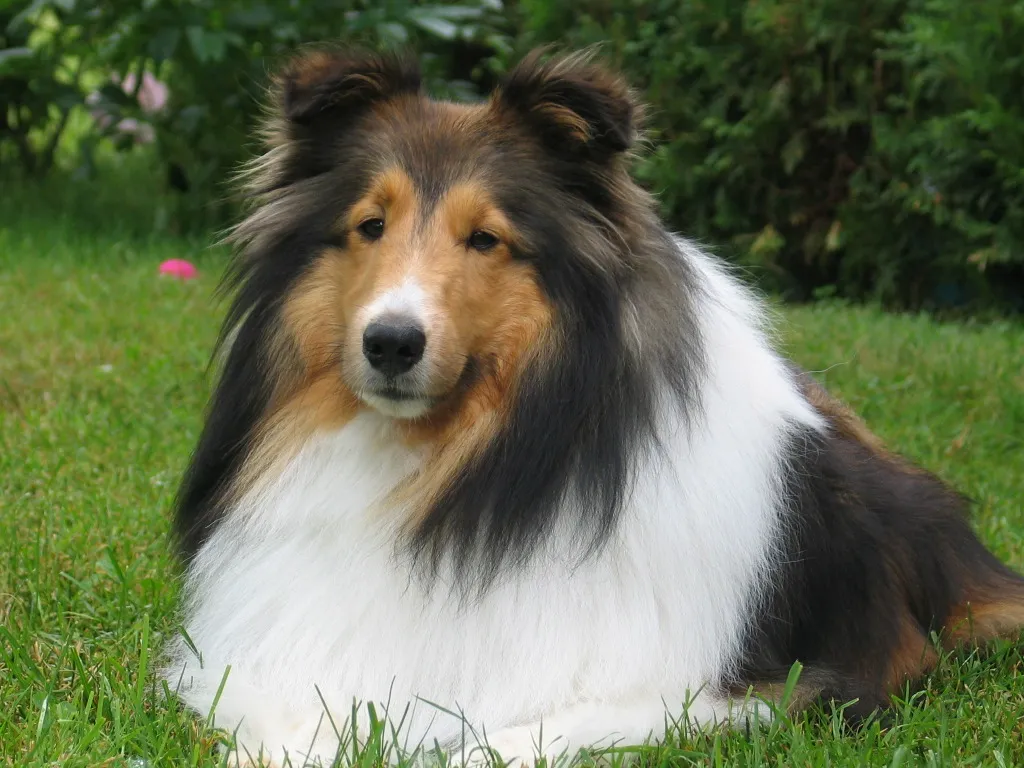
Once a sheepdog hits that first day it truly cannot work, the evening routine looks familiar on the surface – but the details tell a very different story if you know what to watch for.
Food is the first giveaway. A dog that used to inhale a high-calorie working ration may suddenly eat more slowly, leave food behind, or wince slightly lowering its head to the bowl. It’s rarely a loss of appetite. More often, chewing or bending simply hurts now. Smart owners raise the bowl and shrink the portions instead of writing it off as “fussy old age.”
Worth Knowing
- Slower eating or head-lowering hesitation often signals neck or shoulder stiffness, not appetite loss.
- Restless trips to the water bowl can point to joint pain that flares up once the dog finally lies still.
- A sudden preference for soft bedding over bare floors is one of the earliest reliable pain signals in stoic working breeds.
Drinking changes too. A dog that worked sheep all day used to gulp water fast and collapse into sleep. A dog that couldn’t work that day often drinks in small, restless sessions – pacing, lying down, getting back up like it can’t find a comfortable position. Those restless cycles are usually low-grade pain, not just “getting older.”
- More deep sighs and position changes through the night.
- A sudden preference for soft, warm surfaces instead of bare concrete or dirt.
Working dogs are famously stoic. They don’t whine or cry out. They just avoid the hardest jump, hesitate on the steps, or pick a quieter corner instead of the drafty shed they used to love. That first night is often when the truth lands on the owner: the dog that used to crash and snore after a hard day now looks, for the first time, fragile. But that’s nothing compared to what came next.
#5 – The Eyes Never Stop Watching the Flock, Even When the Legs Give Out
🔥 Would you like to save this?
We'll email this post to you, so you can come back to it later!
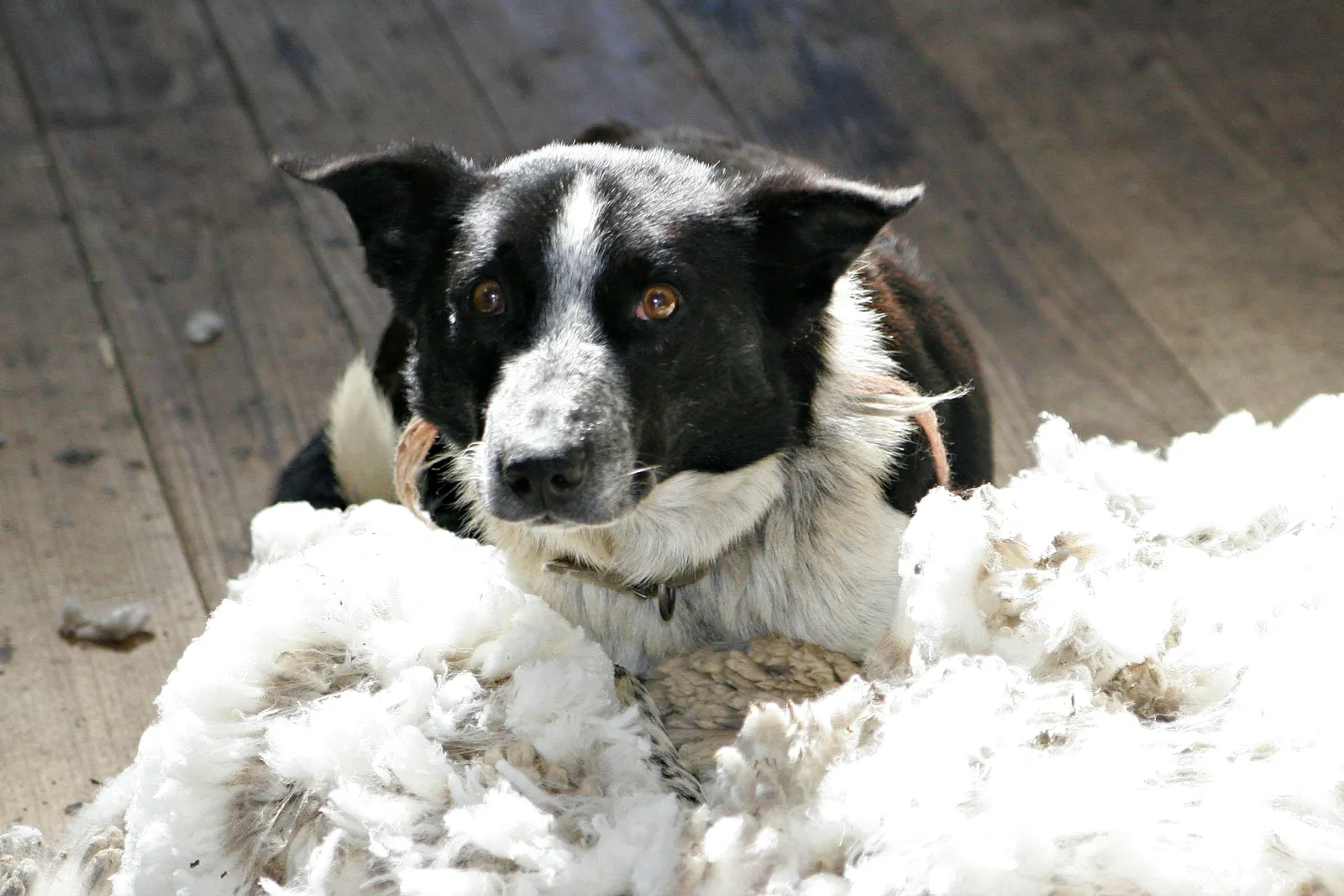
Here’s the part most people completely underestimate: the mental habit of watching stock doesn’t disappear just because the hips have. If anything, it gets sharper the night the body finally says no.
Sit with a retired working dog at dusk and watch where its eyes travel. A pet dog’s focus drifts to the humans in the room. A former sheepdog’s gaze drifts to the hills where the flock usually moves, or the gate it once sprinted through to head off an escaping ewe.
- Snapping to attention at a gate clink or distant bleat most people would never register.
- Sitting up sharply at a tractor engine two fields away.
The body has retired. The brain is still clocked in. Shepherds often say their old dogs “keep count” from a distance – not magic, just years of pattern recognition tied to lambs calling, ewes scattering, thunder building on the horizon.
There’s real tension in this. Some dogs show quiet frustration – pacing near the window when a younger dog leaves without them, or throwing a short, questioning glance at the owner, as if asking why they weren’t called up. Others adjust more gracefully, especially if they were eased out gradually instead of benched all at once. Either way, that internal job of watching never fully switches off. It just moves closer to the house. But that’s nothing compared to what we found about the bond itself.
#4 – The Bond Gets Heavier – And Quiet Guilt Creeps in on Both Sides
🔥 Would you like to save this?
We'll email this post to you, so you can come back to it later!
Here’s the uncomfortable truth almost nobody says out loud: the night a sheepdog can’t work anymore, the person often feels more lost than the dog does – at least at first.
For years, that dog wasn’t just a pet. It was a co-worker, an extra pair of hands, the problem-solver when a gate blew open or the ewes broke for the road. When that disappears in a single day – one limp, one collapse, one vet visit – the whole evening feels wrong in a way that’s hard to name.
A dog is the only thing on earth that loves you more than he loves himself.
Josh Billings
Many farmers describe sitting a little longer on the step that night, hand resting on the dog’s head, saying nothing. That’s not sentimentality – that’s a person quietly recalculating an entire working partnership. And dogs pick up on it instantly. They read human emotional states constantly, and a working dog that has spent thousands of hours shoulder-to-shoulder with one person is even more tuned in than most.
The guilt runs both directions. The human wonders, did I wait too long to retire you? The dog seems to ask, did I do something wrong? How that evening is handled – and the days that follow – matters more than any trophy the dog ever won in the field. The good handlers turn that guilt into gratitude: extra grooming, a gentler voice, more conversation, not less. But that’s nothing compared to what happens the next evening.
#3 – The “Soft Jobs” Begin: Mentor, Guard, Quiet Boss of the Young Dogs
🔥 Would you like to save this?
We'll email this post to you, so you can come back to it later!
Once a sheepdog can no longer do the hard miles, many handlers quietly slide it into what they call “soft jobs.” This shift often starts the very evening of that first failed workday, even if no one ever calls it a promotion out loud.
The most common new role is mentor. If younger dogs are on the farm, the old dog becomes a living template. It won’t sprint anymore, but it will still walk to the yard with the youngsters, showing them the basic paths and boundaries, or hold a calm, steady position while the novice fusses at the gate.
- Modeling patience and confidence simply by lying nearby, calm, while chaos happens around it.
- Stationing itself near poultry pens or feed stores, barking selectively only at genuinely unusual sounds.
At a Glance: Active Duty vs. Soft-Job Retirement
- Active duty: sprints, wide flanking runs, high-adrenaline stock work.
- Soft job: short walks, calm positioning near pens, modeling behavior for younger dogs.
- Active duty: praised for speed and instinct under pressure.
- Soft job: valued for steadiness, patience, and quiet authority.
This isn’t sentimental fantasy. Young herding dogs watch older dogs obsessively – how they face stock, how they respond to a whistle. That body language keeps teaching, even at a fraction of the old speed. A retired dog lying just outside the working pen can reduce chaos simply by being a steady, confident presence.
Some animal-rights purists argue that any post-work role at all is cruel, and that dogs should be fully removed from the farm’s rhythm. Most behaviorists disagree – complete removal from all engagement tends to trigger depression-like symptoms in high-drive breeds. The goal isn’t erasing the work. It’s changing its shape. But that’s nothing compared to what we found about #2.
#2 – The First Real Comfort Arrives – Heat, Cushioning, and a Body Finally Allowed to Rest
🔥 Would you like to save this?
We'll email this post to you, so you can come back to it later!
Here’s something rarely discussed: the night a sheepdog can’t work anymore is often the very first night its body gets treated like a retired athlete’s – instead of a tough farm tool that just needs to keep going.
For a lot of working households, the moment the dog is off the roster, priorities flip almost overnight. Orthopedic beds replace thin blankets on concrete. Heating pads or warm kitchen corners stop being an indulgence and become non-negotiable. Vet-prescribed pain relief moves from occasional fix to daily schedule.
The dog feels this almost immediately. Bodies that used to stretch stiffly on cold floors now curl more easily, sleep deeper, sigh in what looks like visible relief. It’s not that they never deserved this comfort – it’s that owners spent years deliberately keeping them lean and tough for the job. Once the job ends, so does the reason to hold back.
- Sleeping later into the morning instead of springing to the door at the first sound of boots.
- Shorter, more frequent strolls built around sniffing instead of sprinting.
Vet care shifts too – joint supplements, weight management, and regular check-ups replace the old focus on sharpening reflexes. Some people bristle at daily medication for an aging dog, but most modern vets consider ongoing pain management basic welfare, not a luxury. That first soft night isn’t spoiling the dog. It’s finally matching the care to the mileage. And yet even that comfort doesn’t prepare anyone for what comes last.
#1 – The Hardest Job Yet: Learning to Be “Just a Dog” Before the Last Goodbye
🔥 Would you like to save this?
We'll email this post to you, so you can come back to it later!
The most surprising thing a working sheepdog does at the end of a day it cannot work anymore? It takes on the hardest job of its life: figuring out how to exist without the one thing it was bred, trained, and praised for since it was a pup.
That first evening, when the quad starts without it and the whistle never comes, the dog is quietly facing a question it has no language for – who am I, if I’m not working stock? People romanticize retirement, but for a high-drive herding dog, unstructured leisure can feel less like a reward and more like a punishment wearing a kind face.
Why It Stands Out
- Herding breeds rank among the most purpose-driven dogs, often more motivated by “having a job” than by food or toys alone.
- Behaviorists commonly link sudden, total job loss in high-drive breeds to anxiety-like symptoms such as pacing and restlessness.
- Even light structured tasks – fetch, commands, puzzle feeders – can meaningfully offset that sense of loss.
- Shadowing the humans in the house more intensely, because the human is now the only “job” left to do.
- Experimenting, almost awkwardly, with pleasures it never had time for – long cuddles, toy play, slow walks built for sniffing instead of speed.
Owners who handle this well give the dog a bridge instead of a cliff. They keep a few commands alive – “that’ll do,” “lie down,” “come bye” – folded into low-intensity games, so the dog’s vocabulary still means something. They build new nightly rituals – brushing sessions, puzzle feeders, short car rides – that feel like tasks, not pity.
The real tragedy was never an old dog that can’t work anymore. It’s an old working dog left with nothing left to matter for. When people get this transition right, the dog spends its last months or years as a calm, respected elder who still has roles – softer, slower, closer to the house, but real. That first night after the last real workday, the dog starts learning this new identity. Whether that final chapter turns out dignified or quietly heartbreaking depends almost entirely on what the humans decide to do next.
The Bottom Line: A working sheepdog doesn’t clock out and become a pet the moment its body gives up. Its walk back from the field changes. Its eyes stay locked on a flock it can no longer reach. Its whole role on the farm quietly rewrites itself, usually before anyone notices out loud. The dog feels the loss of purpose long before outsiders spot a problem – and how humans respond to that, by building soft jobs instead of erasing every job, decides whether the ending is peaceful or cruel.
Some people insist the kindest move is to stop all work cold and wrap the dog in bubble wrap. I don’t buy it. A working sheepdog deserves more than a soft bed and a pat on the head at the finish line – it deserves a role, right up until its very last good day.

- Marine Biology Says When Dolphins Suddenly Go Silent in Open Water It's Not Rest – They've Detected a Predator You Cannot See and Their Survival Strategy Reveals How They Read Danger - November 5, 2026
- Why Veterinarians Say If Your Cat Sleeps With Their Back to You, It's the Highest Form of Trust in Feline Behavior - November 5, 2026
- 10 Common Garden Pests That Are Actually Beneficial To Your Backyard Ecosystem - November 5, 2026