

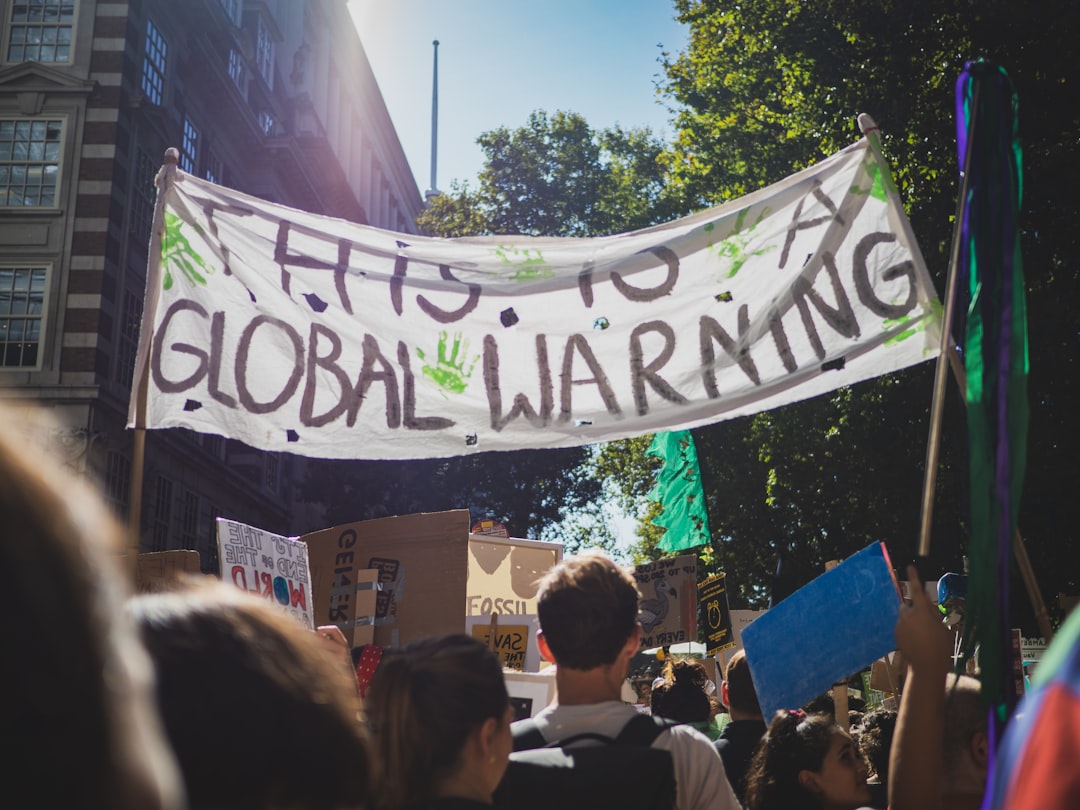

A Sweeping Directive Reshapes U.S. Engagement (Image Credits: Unsplash)
Washington, D.C. – The United States’ decision to withdraw from dozens of international bodies, including pivotal climate frameworks, marks a significant shift in global environmental diplomacy.
A Sweeping Directive Reshapes U.S. Engagement
The White House issued a memorandum directing executive departments to exit 66 international organizations, conventions, and treaties deemed contrary to American interests. This move, announced earlier this month, targets entities under the United Nations umbrella, with a heavy focus on climate-related groups. President Trump’s order explicitly includes the United Nations Framework Convention on Climate Change (UNFCCC) and the Intergovernmental Panel on Climate Change (IPCC), foundational pillars of worldwide environmental policy.
Officials described the withdrawals as a necessary realignment to prioritize domestic priorities over multilateral commitments. The process began immediately, with formal notifications sent to affected bodies. This action echoes previous U.S. retreats from climate accords but extends far broader, encompassing health, trade, and human rights forums as well. Political analysts noted that such a comprehensive pullback could strain alliances built over decades.
Direct Hits to Climate Science and Policy
Leaving the UNFCCC positions the U.S. as the first major nation to abandon this bedrock treaty, which has guided international climate negotiations since 1992. The IPCC, renowned for its rigorous assessments of climate risks, loses a key contributor of funding and expertise. Without American involvement, future reports may face delays or reduced scope, as the U.S. historically provided substantial resources.
Experts highlighted the potential for fragmented global responses to rising temperatures and extreme weather. The withdrawal halts U.S. participation in emissions reduction talks and climate finance pledges. Developing nations, reliant on American technical support, now face heightened vulnerabilities. This disengagement could embolden other countries to scale back their efforts, slowing progress on critical targets like limiting warming to 1.5 degrees Celsius.
International Backlash and Diplomatic Ripples
Reactions poured in swiftly from global leaders and organizations. The Union of Concerned Scientists labeled the move a “new low,” warning of undermined cooperation on pressing environmental threats. Amnesty International called it a “vindictive effort” to dismantle systems for worldwide collaboration. European Union officials expressed dismay, viewing the exits as a threat to shared goals on sustainability.
In Asia and Africa, voices grew louder about the inequities this creates. Countries like China and India, major emitters, may reassess their commitments without U.S. leadership. The Guardian reported experts decrying the UNFCCC departure as “embarrassing,” potentially eroding trust in multilateral institutions. Meanwhile, U.S. allies in NATO and beyond grapple with the broader implications for non-climate issues.
Key Organizations Affected
The list of withdrawals spans diverse fields, but climate bodies bear the brunt. Here’s a breakdown of some prominent climate-linked entities:
- UNFCCC: Oversees global climate treaties like the Paris Agreement.
- IPCC: Produces authoritative scientific reports on climate change.
- United Nations Environment Programme (UNEP): Coordinates environmental activities worldwide.
- Convention on Biological Diversity: Addresses ecosystem protection amid climate pressures.
- International Maritime Organization’s climate committees: Regulates shipping emissions.
These exits, detailed in the White House memorandum, signal a pivot toward unilateral action. While some domestic programs may intensify, the loss of international leverage remains a concern.
Comparisons with past policies reveal patterns. During Trump’s first term, the U.S. left the Paris Agreement, only to rejoin under Biden. This latest round amplifies that isolationism.
| Organization | Primary Focus | U.S. Contribution Pre-Withdrawal |
|---|---|---|
| UNFCCC | Climate negotiations | Funding and diplomatic leadership |
| IPCC | Climate science | Expert input and financial support |
| UNEP | Environmental protection | Technical assistance and grants |
Looking Ahead: Challenges and Opportunities
The long-term fallout could reshape global environmental governance. Without U.S. participation, forums like the upcoming COP meetings may see diminished ambition. Yet, some observers suggest this vacuum could spur innovation in regional alliances, such as the EU’s Green Deal or emerging pacts in the Global South. Domestically, the administration promises to bolster national resilience through independent initiatives.
Key Takeaways:
- U.S. withdrawal from UNFCCC and IPCC disrupts global climate data and funding flows.
- International outrage highlights risks to cooperative efforts on emissions and adaptation.
- Potential for other nations to follow suit, complicating unified action against warming.
As the world confronts escalating climate crises, America’s retreat underscores the fragility of international unity. This decision challenges the international community to adapt and innovate. What steps should global leaders take next to safeguard the planet? Share your thoughts in the comments below.

- Urban Coyotes Show Remarkable Adaptability, Learning to Thrive in City Environments - July 22, 2026
- Beavers Are Nature’s Engineers, Creating Vital Habitats for Other Wildlife Species - July 21, 2026
- The Recovery of the California Condor Offers Hope for Other Critically Endangered Birds - July 21, 2026