
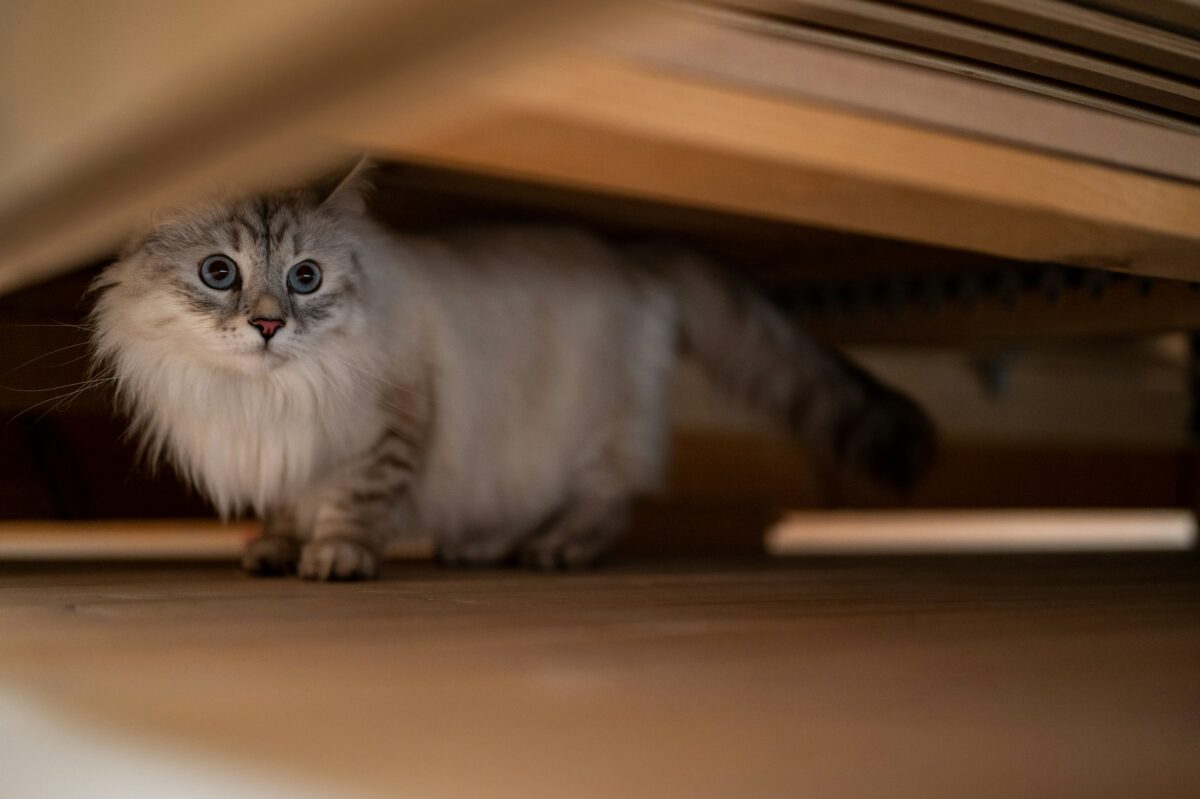
Most people assume that when a cat gets old, it just gets slower, sleepier, and a little grumpier – until one day, it’s simply gone. That’s the story almost everyone expects, and it’s almost completely wrong.
Veterinarians who work in feline hospice care see something quieter and far stranger: in the last weeks of a cat’s life, the same small, deliberate-looking behaviors show up again and again, in cat after cat, almost like a pattern written into their biology. None of it looks like a deathbed scene from a movie. It looks like a nap spot that suddenly changes, a meow that sounds different, or a cat who won’t stop following you into the bathroom – and by the end of this list, you’ll probably recognize at least one from a cat you’ve loved.
#1 – The Sudden “Shadowing” Phase: Your Cat Follows You Everywhere
🔥 Would you like to save this?
We'll email this post to you, so you can come back to it later!
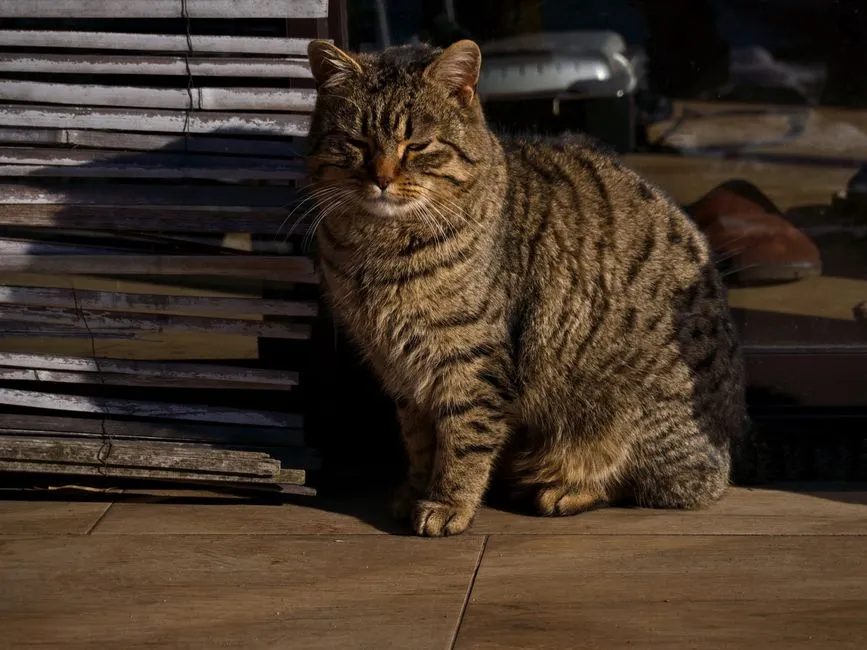
One of the earliest and most surprising signals is how a fiercely independent cat suddenly becomes your shadow. You might notice your old cat trailing you from room to room, even if all they do is lie quietly in the doorway and watch.
This isn’t random clinginess. As cognitive function shifts and senses like hearing and vision fade, many cats seek out their “safe person” for orientation and reassurance. You become the fixed point in a world that’s turned fuzzy and unpredictable.
Often this shadowing shows up in body language, too. Instead of loosely napping nearby, your cat may curl tighter against your leg or rest a paw on you and simply leave it there.
Fast Facts
- Vision and hearing are often the first senses to fade in aging cats, making familiar humans a reliable anchor point.
- Shadowing behavior tends to intensify in dim light, when a senior cat’s weakened sight makes navigation harder.
- A paw resting on you during rest is widely recognized as a comfort-seeking, not just affectionate, posture.
Owners sometimes read this as neediness, but behaviorists see it differently – as a cat consciously choosing their person as a final comfort zone. Some guardians swear their cat “knew” the end was near; others chalk it up to anxiety and disorientation. Either way, it’s usually the first gentle signal to appear.
#2 – Changing Sleep Patterns: The “Always Sleeping” (or Oddly Awake) Cat
🔥 Would you like to save this?
We'll email this post to you, so you can come back to it later!
Most people shrug when an old cat sleeps more – “that’s just age.” But a sharp shift in sleep patterns is actually one of the clearest late-life signals there is.
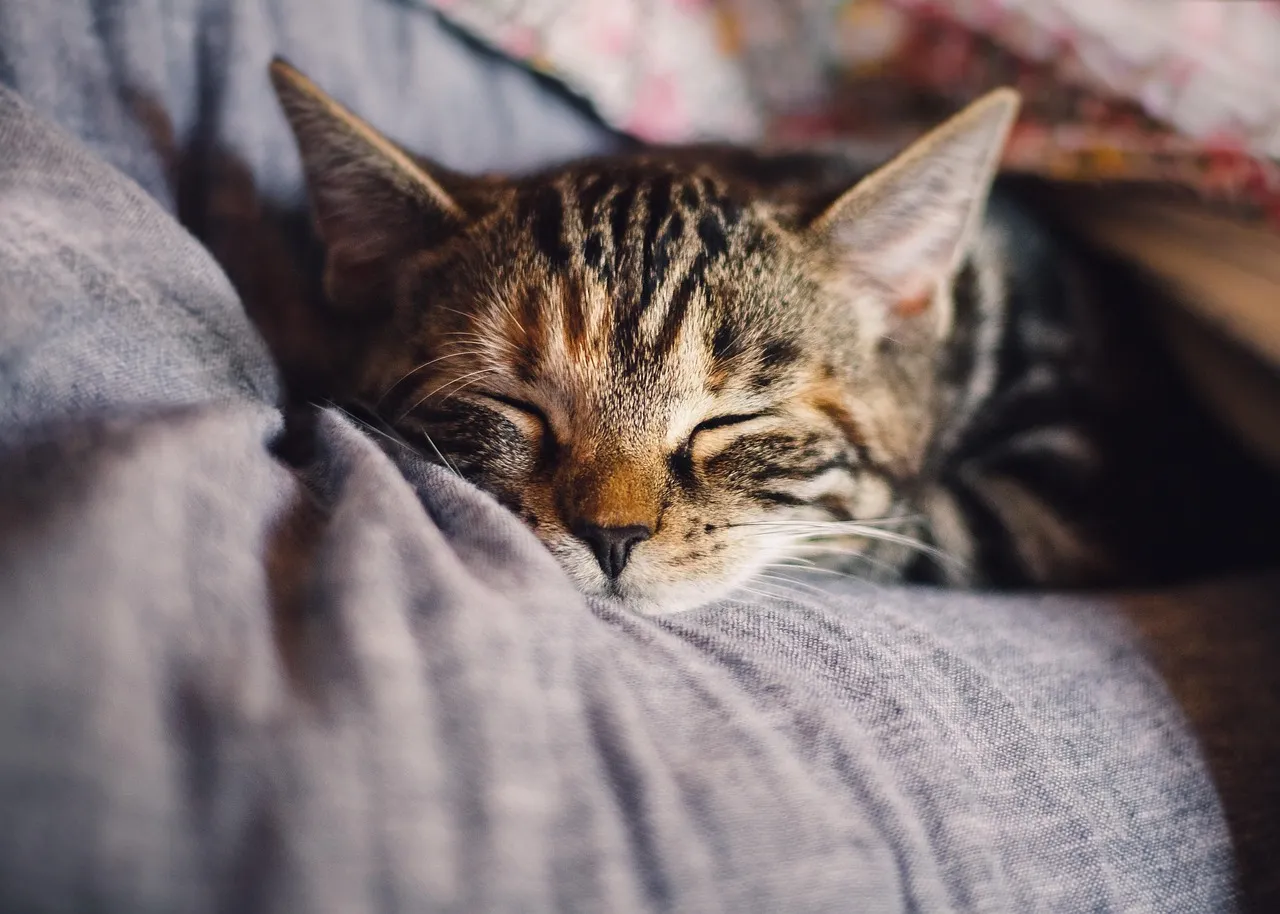
Some cats slide into what looks like permanent drowsiness. A cat that once woke you at 4 a.m. for breakfast now sleeps through it, only rousing with real effort. Veterinary hospice teams often note that terminally ill cats may sleep 20-plus hours a day in the final stretch, with wakeful windows shrinking by the week.
Oddly, the opposite can happen too. A cat might pace at night, vocalizing or wandering restlessly, unable to settle. This is often linked to feline cognitive dysfunction – something close to dementia in cats – or discomfort that feels worse once the house goes quiet and dark.
The real clue isn’t that your cat sleeps a lot. It’s that the pattern itself has changed, either dramatically more sleep or strange nighttime unrest. Paired with other signs on this list, vets stop calling it “old age” and start calling it a quality-of-life conversation.
#3 – The Grooming Shift: From Meticulous to Messy (Or Strangely Over-Groomed)
🔥 Would you like to save this?
We'll email this post to you, so you can come back to it later!
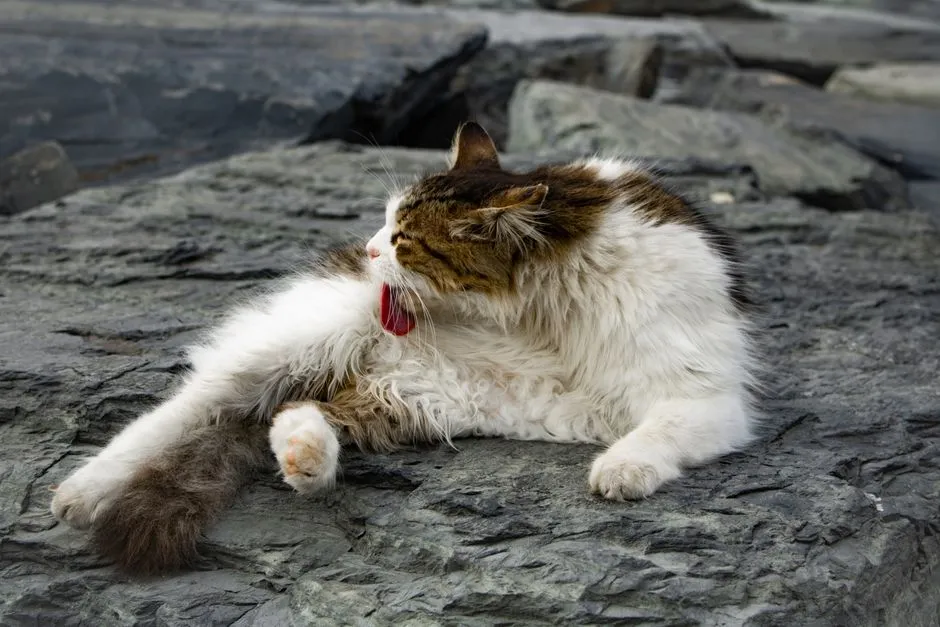
Cats are famously fastidious, which is exactly why grooming changes are so revealing. As a cat’s body weakens, it may stop grooming thoroughly, especially hard-to-reach spots like the lower back, tail base, and hindquarters.
You might notice dull, oily fur or small mats appearing almost overnight. It’s not laziness – arthritis, muscle loss, and fatigue make the twisting motions of self-grooming genuinely painful.
A smaller group of cats does the opposite: they over-groom, often on the belly or legs, licking themselves raw. This isn’t strange behavior for no reason – it’s often the only coping tool they’ve ever trusted, deployed against chronic internal discomfort or anxiety.
Here’s the quietly heartbreaking part. Guardians often assume their cat “stopped caring” about its appearance. In reality, the cat is usually still trying – short bursts of grooming followed by quick exhaustion. Vets treat a previously pristine cat looking disheveled as a real red flag, not a cosmetic issue.
#4 – Subtle Shifts in Eating and Drinking: Not Just “Picky” Anymore
🔥 Would you like to save this?
We'll email this post to you, so you can come back to it later!
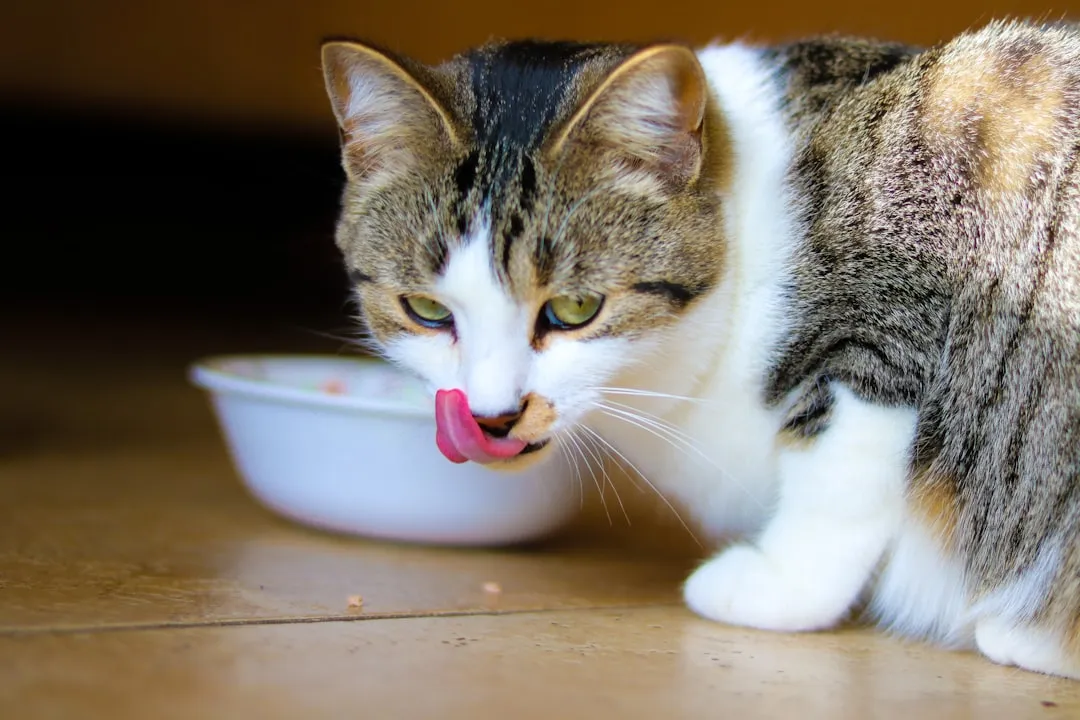
Most people assume senior cats just get fussier with food. The truth is more serious. In the final weeks, many cats eat less in ways that are easy to miss – sniffing the bowl, licking it once, then walking away.
They may still beg out of pure habit while barely consuming enough to hold their weight. This often reflects nausea, mouth pain, kidney disease, or systemic decline, even when bloodwork still looks fine on paper.
Water intake tells its own story. Cats with late-stage kidney or thyroid disease may suddenly drink and urinate far more than usual, flooding the litter box. As the very end nears, the pattern can flip entirely – they stop seeking water altogether, leading to sunken eyes and dehydration.
Quick Compare
- Eating less, drinking normal: often tied to nausea, dental pain, or mild organ stress.
- Eating little, drinking more: a classic pattern in kidney disease or an overactive thyroid.
- Eating and drinking both drop: usually signals advanced decline nearing the final days.
Some owners insist “as long as they’re eating a little, they’re fine.” Hospice vets quietly disagree. They track consistent, measurable intake alongside weight and energy – not the occasional hopeful nibble.
#5 – The “Favorite Spot” Switch: Choosing One Last Safe Place
🔥 Would you like to save this?
We'll email this post to you, so you can come back to it later!
One of the most emotionally charged signals is where your cat decides to spend its time. In the closing weeks, many cats abandon their old favorite spots – the sunny windowsill, the top of the couch – and migrate to one new place entirely.
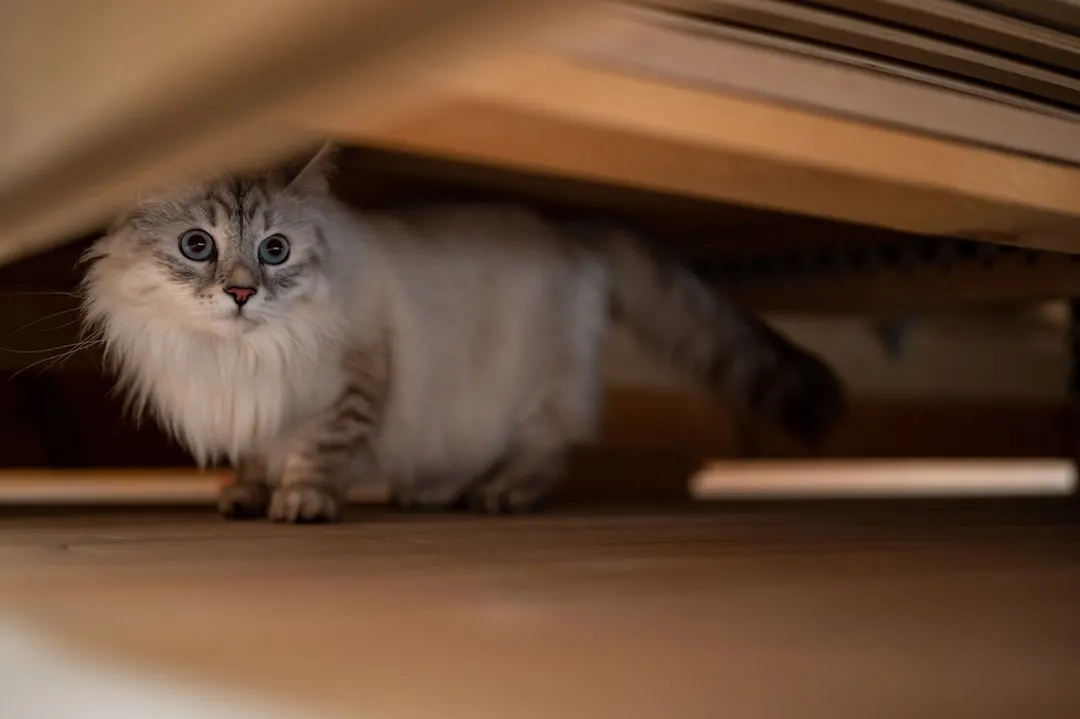
It might be under the bed, behind a chair, or tucked into a quiet closet. They’ll often stay there most of the day, leaving only for food, water, or the litter box, if at all. This isn’t random hiding; it’s instinctive. Weakened animals in nature gravitate toward sheltered, low-exposure spaces.
Curiously, not every cat chooses solitude. Some do the exact opposite, picking a spot right against your pillow or on your chest and refusing to move – even cats who never slept that close to a human before.
Whether this is comfort-seeking or something harder to explain is still debated among owners online. What’s clear is that a new, unshakable “default spot” – especially one that’s dark, padded, and quiet – is often a poignant late signal worth noticing.
#6 – Litter Box Changes: Silent Messages in the Sand
🔥 Would you like to save this?
We'll email this post to you, so you can come back to it later!
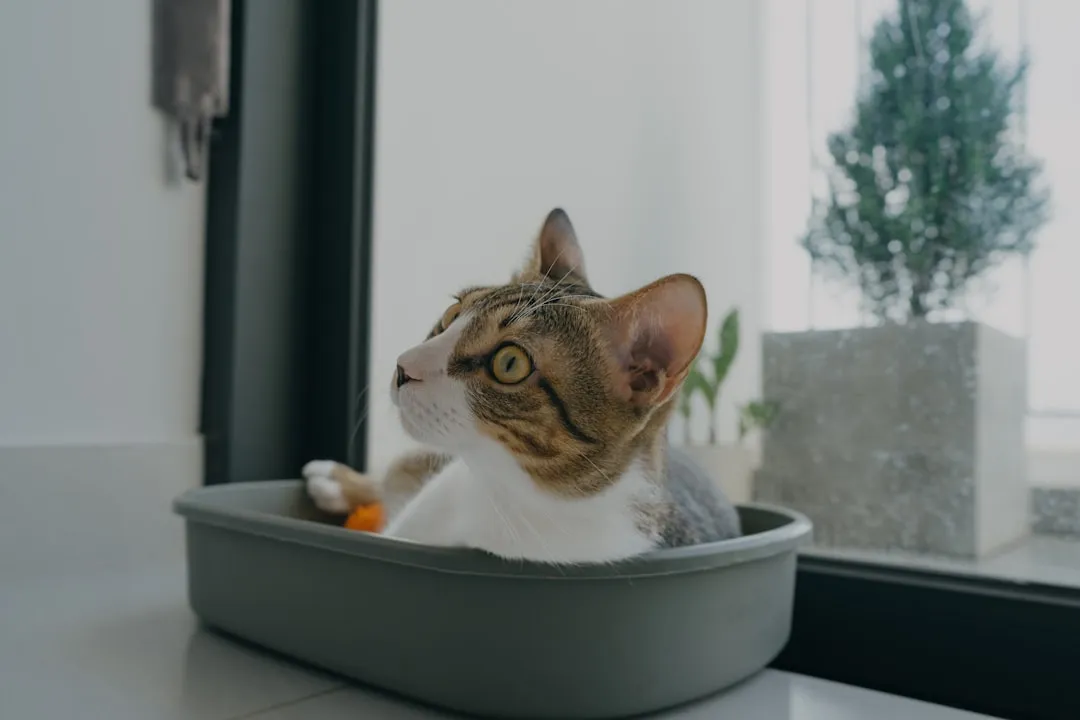
Most people treat litter box accidents as a behavior problem. In a geriatric cat, that assumption is often wrong. In the closing weeks, even previously flawless cats may start missing the box or avoiding it altogether.
This is rarely spite. Arthritis makes stepping over high box walls painful. Weak back legs make squatting difficult, causing accidents right at the edge. For cats with kidney or bladder disease, urgency can simply outrun mobility.
The waste itself changes too – smaller, drier stools from reduced intake, or unusually large urine clumps in cats with failing kidneys. Strong ammonia smells or blood tinges aren’t minor annoyances; they’re data points about what’s happening inside.
Here’s what many people get wrong: scolding an old cat for accidents at this stage isn’t just ineffective, it’s cruel. Experts recommend a few simple fixes instead:
- Lower-entry or cut-down litter boxes.
- Extra boxes placed closer to the cat’s preferred resting spot.
- Soft, low-dust litter for sore paws and compromised lungs.
When a once-fastidious cat stops using the box comfortably, it usually reflects decline, not defiance.
#7 – Voice Changes and New Vocalizations: The Strange Late-Life “Talk”
🔥 Would you like to save this?
We'll email this post to you, so you can come back to it later!
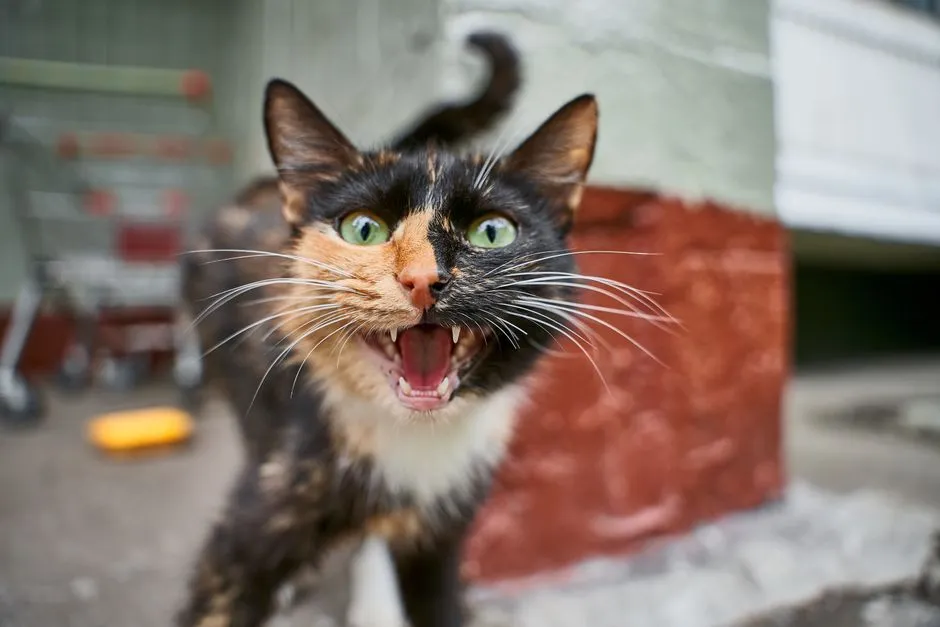
If your old cat suddenly becomes more talkative – or oddly silent – don’t chalk it up to personality. In the final weeks, some cats vocalize at new times or in new ways: nighttime yowling, confused calling from another room, or short, plaintive meows whenever they’re touched or moved.
Pain, cognitive decline, sensory loss, and anxiety can all drive this. It isn’t attention-seeking; it’s communication from a body under real stress.
At a Glance
- New nighttime yowling often ties to cognitive confusion or disorientation once the house goes dark.
- Meowing when touched or lifted is frequently a direct pain response, not a complaint for attention.
- Sudden silence in a once-chatty cat can reflect fatigue or growing breathing difficulty.
- Recording the sounds on your phone can help your vet pinpoint exactly what’s changed.
Others go the opposite direction. A chatty cat who always greeted you at the door may grow eerily quiet, watching instead of calling out. This muted behavior can mirror declining energy or respiratory strain, where even meowing costs more than it’s worth.
Some owners insist their cat is “just being dramatic” or “getting senile.” Behaviorists urge a more compassionate read: treat new vocal patterns as a pain flag until proven otherwise.
#8 – Mobility and Posture: The Quiet Collapse of the “Silent Athlete”
🔥 Would you like to save this?
We'll email this post to you, so you can come back to it later!
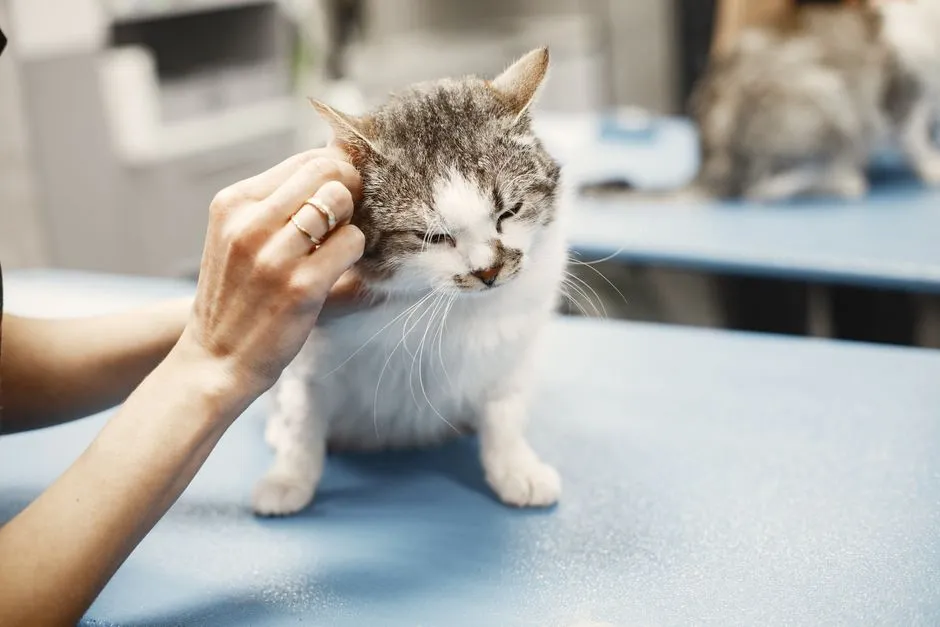
Cats hide pain better than almost any other pet, which is why late-stage mobility changes seem to appear out of nowhere. In the closing weeks, many cats show a sudden drop in jumping and climbing – avoiding stairs, skipping high perches, hesitating before even small leaps.
It’s easy to mistake this for laziness. It’s usually arthritis, muscle wasting, or nerve issues, and senior cats tend to push through discomfort right up until they simply can’t – which is why the decline often looks sudden instead of gradual.
Worth Knowing
- Cats can mask joint pain for months before any visible limp ever appears.
- Hesitating before a jump they once took instantly is one of the earliest arthritis clues to watch for.
- Soft, low-sided beds placed near the floor can remove the need for painful jumping altogether.
- A hunched, tucked-in posture held for long stretches is a stronger pain signal than limping alone.
Watch the posture, too. A hunched back, tucked abdomen, or a cat sitting with front legs stiff and head low for long stretches can all signal pain. Some start “perching” on the very edge of furniture, as if unsure they can safely land.
Many guardians assume that as long as a cat can still walk, it’s okay. Palliative-care vets strongly disagree. What matters more is how much effort and pain it takes to move between food, water, litter, and rest – not whether the cat can technically stand.
#9 – Subtle Personality Flips: From Aloof to Affectionate (Or Vice Versa)
🔥 Would you like to save this?
We'll email this post to you, so you can come back to it later!
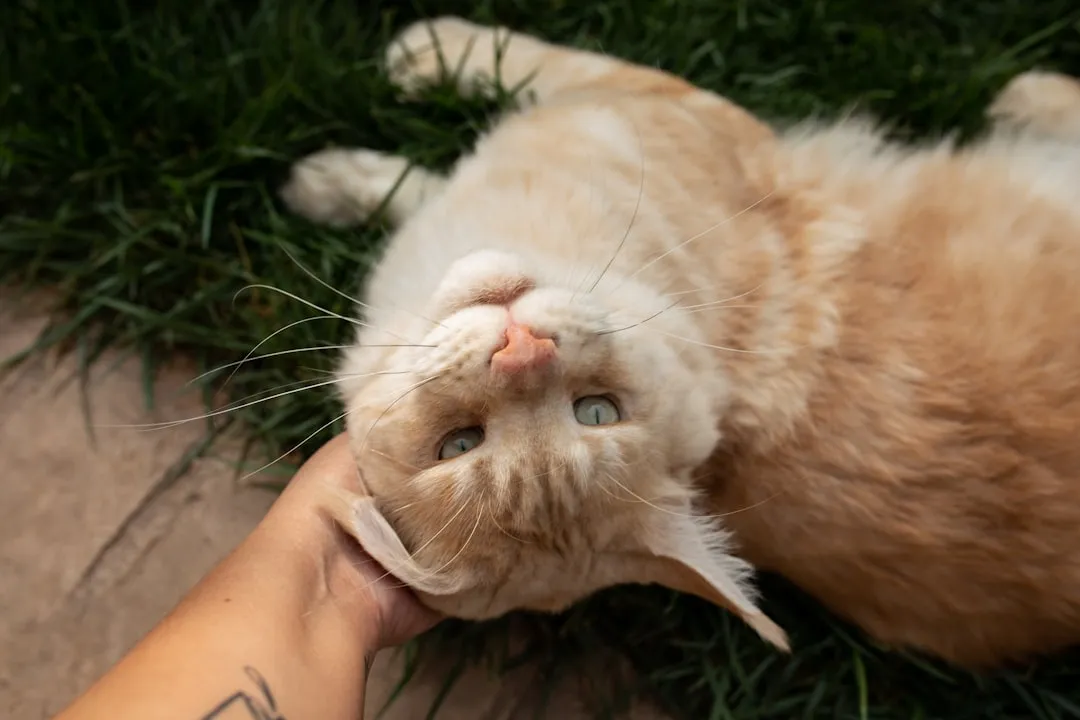
We like to believe personality is stable. In aging cats, it often isn’t. One of the most emotionally striking late-stage changes is a full flip in social style – the famously “don’t touch me” cat suddenly seeking constant petting, kneading, or lap time.
Guardians sometimes call this their cat’s “soft era.” It can come from disorientation, anxiety, the pain relief of warmth and contact – or possibly a genuine, last-ditch reach for comfort from their trusted person.
The reverse happens too. A previously cuddly cat may start avoiding touch entirely, even hiding when approached. This isn’t a sign they’ve stopped loving you – it’s often pain or sensory overload. Achy joints and tender bellies can make even gentle handling feel unbearable, even as the cat still wants to stay near you.
Grief is the price we pay for love.
Queen Elizabeth II
Whether a cat truly “knows” it’s saying goodbye is impossible to prove scientifically. What’s certain is that any sudden shift in how your cat wants to be loved is worth listening to – and respecting, rather than forcing back to the old normal.
#10 – “Good Days” and “Bad Days”: The Rollercoaster That Isn’t Random
🔥 Would you like to save this?
We'll email this post to you, so you can come back to it later!
Most people assume that if their old cat rallies for a day – eating well, purring, seeming brighter – it means they’re getting better. Unfortunately, that’s rarely what’s happening.
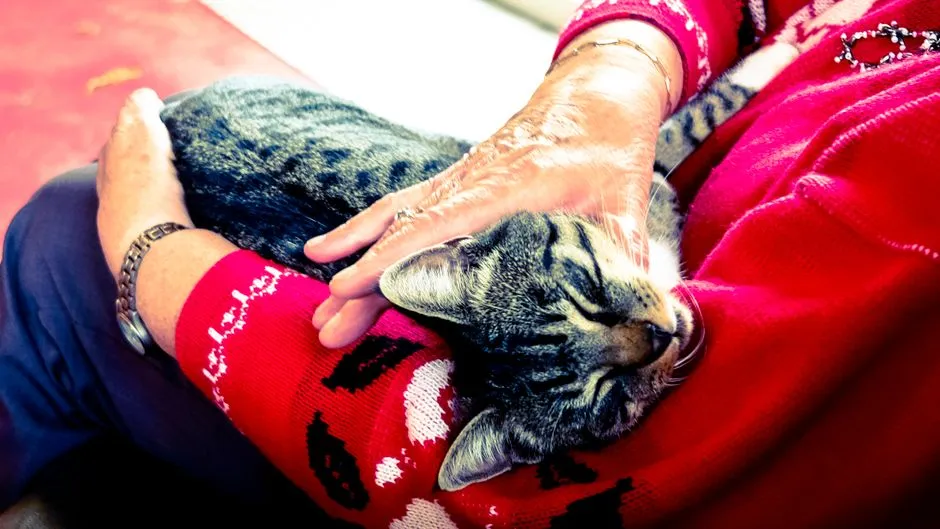
In the closing weeks, many cats settle into a good-day/bad-day pattern. One day they seem almost like their younger selves; the next, they barely move and ignore food entirely. Guardians cling to the good days as proof it isn’t time yet, while hospice teams see this rollercoaster as a hallmark of advanced decline.
Physiologically, it makes sense. As organs fail, the body can’t hold steady function – energy, appetite, and pain fluctuate with hydration, inflammation, and small internal shifts guardians never see. Medication can tip the scale toward comfort just long enough to feel like recovery, even when it isn’t.
A few bright hours don’t erase weeks of struggle. Experts recommend simply tracking two things:
- How many “good” days versus “bad” days show up in a week.
- Whether the good days are truly good – or just less bad.
When bad days start outnumbering good ones, that pattern itself becomes the signal worth acting on.
#11 – The Quiet Letting Go: Subtle Signs Your Cat Is Ready to Rest
🔥 Would you like to save this?
We'll email this post to you, so you can come back to it later!
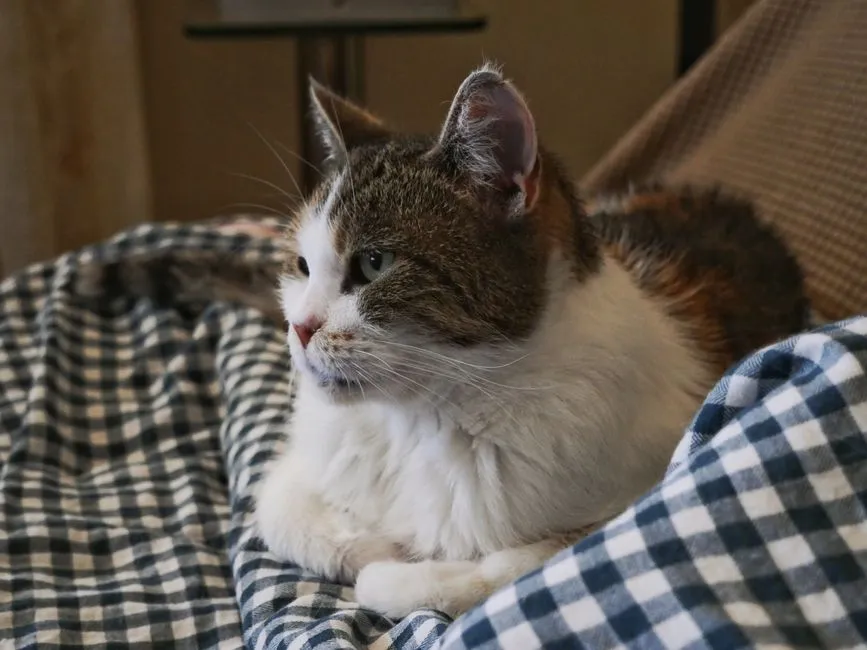
The most powerful – and most debated – signal isn’t one behavior at all. It’s a cluster that feels like your cat is quietly letting go. In these final days, some cats simply stop investing in the world, even while still breathing steadily and moving a little.
- They no longer greet you or respond to favorite cues.
- Food, toys, and routines that once mattered draw little to no reaction.
- Their eyes may look distant, half-closed, or “not fully here,” even while awake.
This isn’t the same as sleep. It’s a kind of emotional and physical disengagement that palliative vets see again and again. The cat isn’t fighting anymore – posture loosens, resistance to handling drops, and they may stay in one position for long stretches without protest.
There’s an uncomfortable truth here: waiting for one unmistakable sign before considering euthanasia can sometimes mean waiting too long. Many hospice vets argue that a good death often happens slightly earlier than a guardian emotionally wants – while the cat still has some comfort and dignity left. When a cat stops finding joy in anything it once loved and simply endures, that’s usually their final, gentle signal. They’re not giving up on you. They’re asking you not to make them keep going.
Old cats don’t send one big, dramatic message at the end. They whisper it in eleven small ways – following you everywhere, sleeping differently, letting grooming slide, eating less, choosing a new safe spot, struggling with the litter box, changing their voice, losing mobility, flipping their personality, riding the good-day/bad-day rollercoaster, and finally, quietly disengaging.
No single sign proves it’s time. Together, though, they draw a pattern that’s hard to honestly ignore. Too many guardians wait for an unmistakable crisis instead of trusting these quieter clues – and I’d argue that’s backwards. The harder, more compassionate move is noticing early, talking straight with a vet, and choosing an ending that matches the love you actually gave. Did your own senior cat show you a sign that isn’t on this list? Share it in the comments – someone else may need to see it before it’s too late.

- 7 Everyday Habits That Can Make Your Senior Dog Happier - November 5, 2026
- 10 Enigmatic Structures That Continue to Puzzle Scientists Today - November 5, 2026
- 10 Strange Ruins in the Americas That Challenge What We Know About Early History - November 5, 2026