
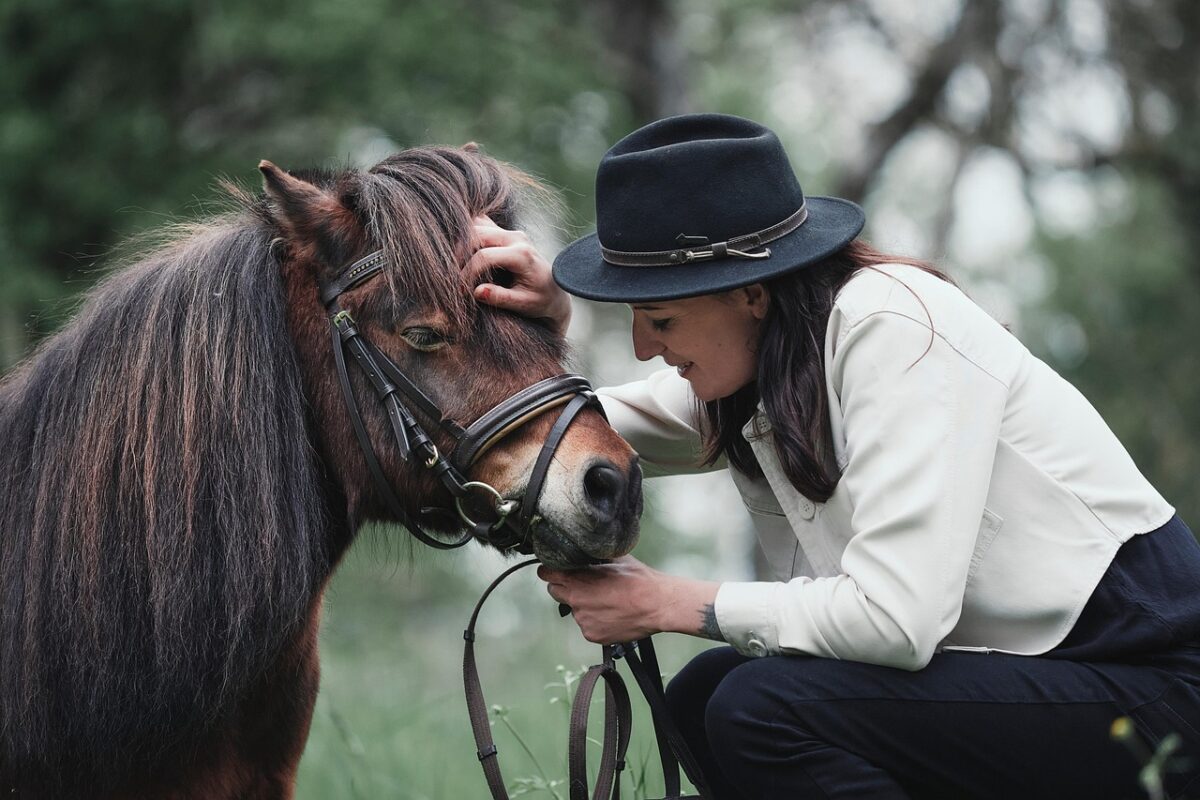
Walk into almost any barn and you’ll hear the same quiet assumption about senior horses: they’re finished. Retired, comfortable, just waiting out the clock. The truth is almost the opposite. Old horses stay emotionally vivid, deeply social, and quietly hopeful long after their bodies slow down.
If you’ve ever caught your old gelding staring down the driveway, or your retired mare lifting her head the second she hears your voice, that was no random quirk. The problem is that these signals are small. No dramatic whinnies, no victory laps. Just a softer eye, a step closer to the fence, an ear that swings your way. Owners miss them, and old horses fill the gap with silent boredom. Keep reading, because a few of these will change how you walk into the barn tomorrow, and the last one is the hardest to read without feeling something.
#18 – The Sound of Your Footsteps Before You Even Appear
🔥 Would you like to save this?
We'll email this post to you, so you can come back to it later!
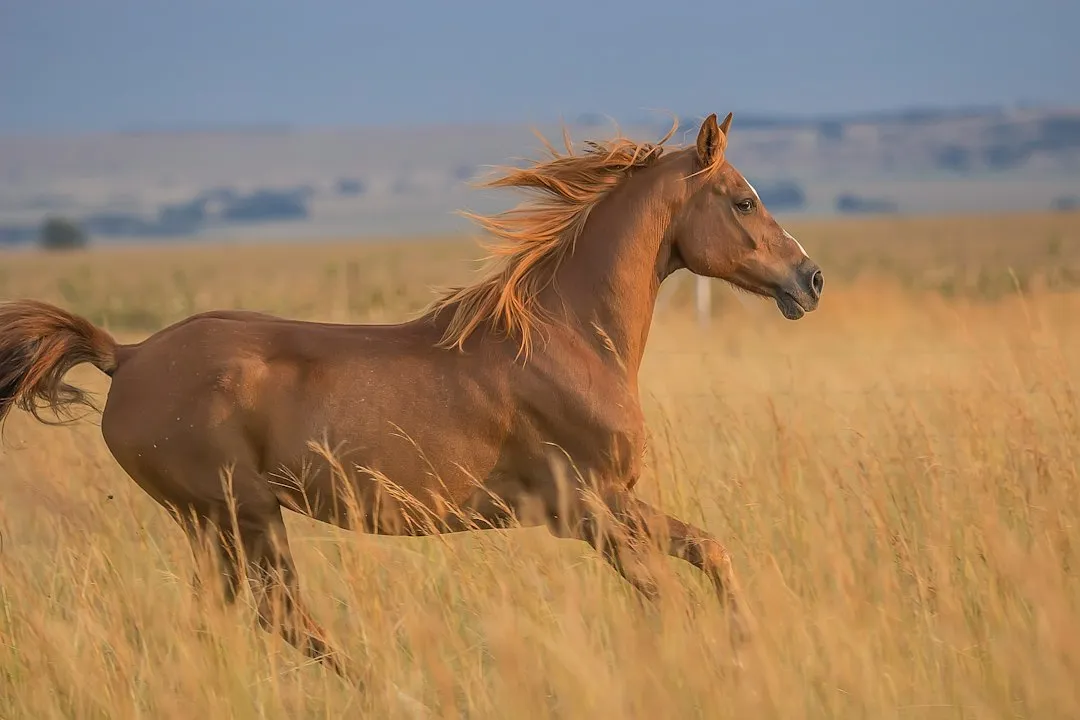
Your old horse isn’t just tolerating your arrival. Very often, they’re waiting for it. Long after hard work fades, the sounds of your routine stay sharp: boots on gravel, the rattle of the gate latch, halters jingling on their hooks.
Many owners wave this off as “just wanting food.” But research has shown that horses can tell individual people apart by voice, and they react differently to familiar humans than to strangers. For a senior, predictability is comfort, and your particular rhythm is part of that comfort.
Here is what that anticipation tends to look like:
- A head that lifts faster for you than for anyone else
- A shuffle toward the spot closest to where you’ll appear
- Soft eyes and a loose lower lip instead of a tight, pushy stare
Quick Compare: Hunger vs. Happy Anticipation
- Hunger: sharp stare, pinned or flicking ears, pawing, crowding the gate
- Anticipation: soft eye, loose lip, ears tipped toward you, calm approach
- Fast test: is your horse watching your face, or watching your hands?
Once you learn to spot that difference, you’ll notice it every time you walk in.
That one is sweet. The next one is something most barns quietly stopped doing.
#17 – A Slow, Unrushed Grooming Session With No Agenda
🔥 Would you like to save this?
We'll email this post to you, so you can come back to it later!
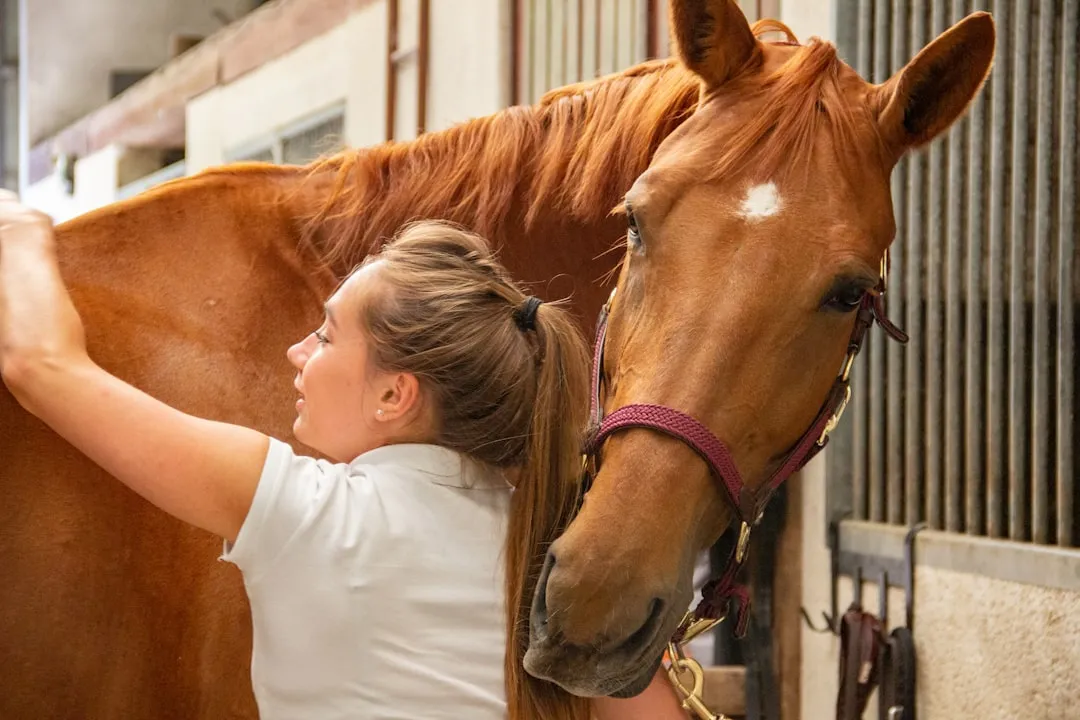
Most people assume old horses just want to be left alone. Plenty of seniors would disagree. When riding stops, touch often disappears with it. The quick once-over before a ride is gone, and so are the deep curry sessions that once did so much for circulation, skin, and bonding.
That loss lands hardest right when stiffness makes self-grooming harder. Many older horses crave a long, attentive brushing more than they ever did in their working years. It’s one of the few things that feels good, asks nothing, and breaks up a long, dull day.
A real grooming session can:
- Lower visible stress behaviors and settle the heart rate
- Loosen tight, arthritic muscles
- Give the senses something new to chew on
Watch what happens when you finally slow down. Many half-close their eyes, swing their hindquarters toward you to “offer” an itchy spot, or stretch their neck out like a cat in a sunbeam.
Next, a need that has nothing to do with brushes, and everything to do with pride.
#16 – Short “Jobs” That Make Them Feel Useful
🔥 Would you like to save this?
We'll email this post to you, so you can come back to it later!
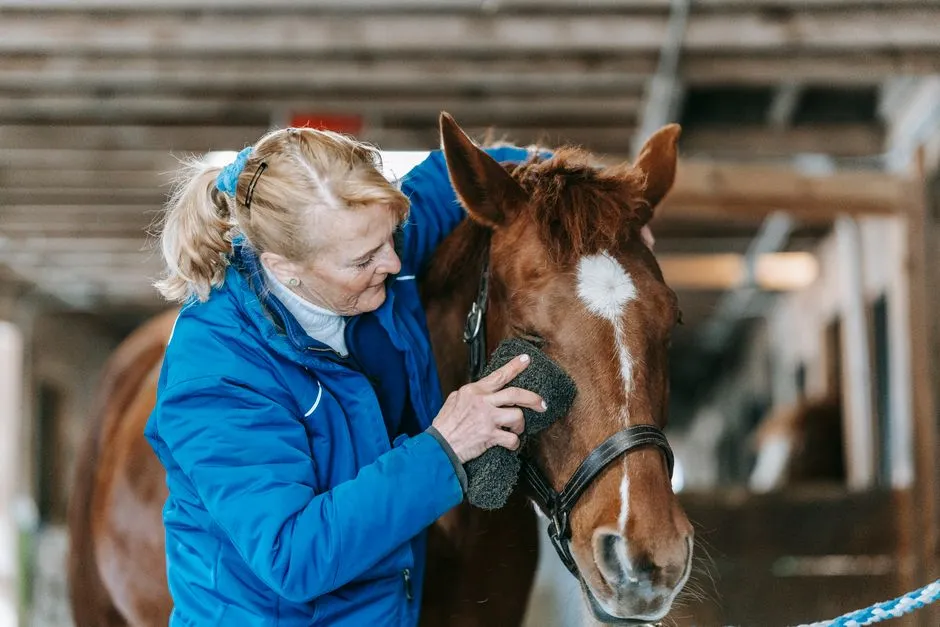
Retirement often steals more than work. It steals purpose. Horses are creatures of routine, and when you suddenly stop asking anything of them, some seniors seem to mentally clock out. The light goes a little dimmer, and people chalk it up to age.
Of course, chronic pain or serious illness can justify full rest, and your vet gets the final say. But many older horses are still physically capable of small, meaningful tasks that make them feel included instead of shelved.
Jobs many seniors quietly love:
- Walking beginner riders at the walk on soft footing
- Leading gentle hand-walk “explorations” around the property
- Standing patiently as a grooming or braiding “teacher” for kids
These tasks are low-impact but high-connection. The horse gets structure, contact, and praise without strain. A horse who once carried you through a show ring may find a ten-minute job more satisfying than a full month of nothing.
Now for a heartbreak that happens in pastures every year without anyone noticing.
#15 – A Real Friend in the Field, Not Just “Whoever Fits”
🔥 Would you like to save this?
We'll email this post to you, so you can come back to it later!
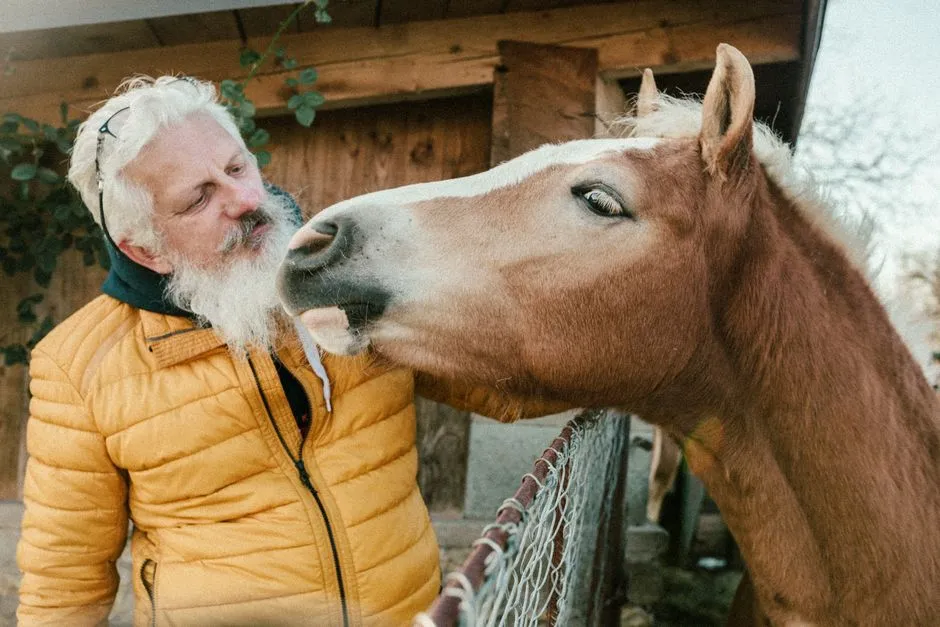
Owners often assume any turnout is good turnout. For a senior horse, who they share the field with can matter far more than how big the field is. Older horses frequently lose their best buddies to sales, barn moves, or death, and the replacement is usually chosen for safety, not chemistry.
But horses form genuine preferred friendships, even late in life. They graze closer to certain individuals, rest beside them, and sync their daily rhythms. Swap that partner for a stranger who merely “gets along,” and the old horse may go quiet in a way that looks like calm but feels like grief.
Signs your senior still cares who’s out there with them:
- They call or pace when one specific buddy leaves the field
- They share shade, hay, or water access with one horse in particular
- They graze more peacefully, with fewer pinned ears, beside their pick
Loneliness is a welfare issue, even for seniors. A horse stabled alone or stuck with incompatible companions may look “quiet” while quietly being miserable.
Even the best buddy can’t fix what happens next, because this one hides in plain sight.
#14 – The Freedom to Wander at Their Own Pace, Every Day
🔥 Would you like to save this?
We'll email this post to you, so you can come back to it later!
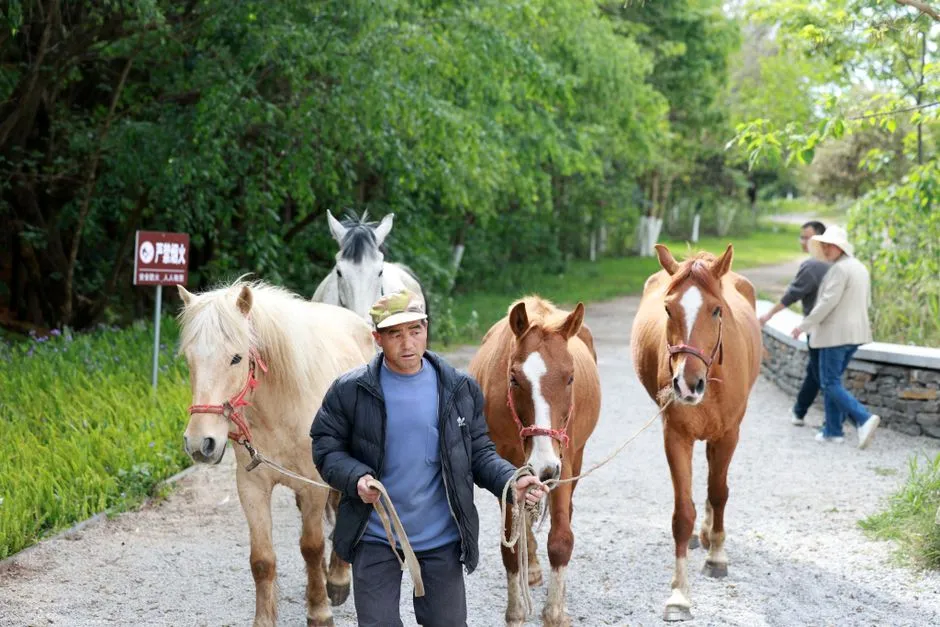
“He’s outside, so he’s fine.” It’s one of the most common sentences in horse keeping, and one of the most misleading. A bare paddock isn’t automatically exercise, especially for an old horse with sore feet or stiff joints. Without a reason to move, many simply plant themselves and stay there.
Seniors still look forward to self-directed movement: wandering, choosing where to stand, exploring the fence line at their own speed. When arthritis, hoof pain, or poor pasture design take that away, they lose muscle, flexibility, and mental spark while looking perfectly content.
Steady daily movement can:
- Ease stiffness by keeping joints moving
- Support gut motility and help lower colic risk
- Maintain the muscle that protects weak joints
In practice, that might mean a track-style paddock, hay piles scattered to encourage walking, or short, frequent hand-walks on good footing. Small design choices can change a horse’s whole day.
Movement feeds the body. The next sign is about feeding something else entirely.
#13 – New Smells, Textures, and “Boring” Enrichment Toys
🔥 Would you like to save this?
We'll email this post to you, so you can come back to it later!
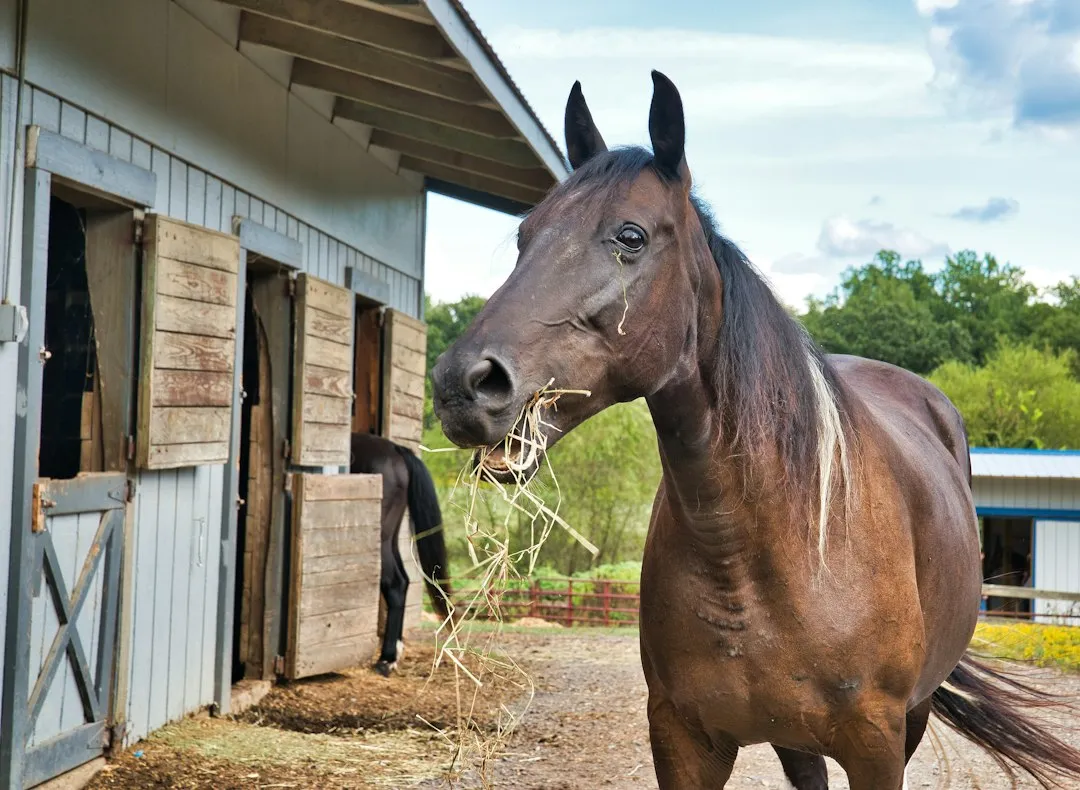
Most barns enrich their young performance horses and forget the seniors completely. Yet a curious mind doesn’t retire. Horses use their lips, whiskers, and noses almost like hands, and age doesn’t switch that off.
When an old horse never gets anything new to investigate, boredom can look like lethargy, not misbehavior. They seem “shut down” or “so calm,” when really there’s nothing left in the day to wake them up.
Many seniors still light up for:
- Hay nets hung at different (safe) heights
- Slow-feeder toys with low-sugar pellets
- Different types of hay or safe browse, like low-sugar branches
Introduce changes gradually, especially with diet. A senior’s gut and metabolism are less forgiving, so check any new forage or treat with your vet first.
Speaking of food, the way it arrives matters more than most owners realize.
#12 – A Predictable, Peaceful Feeding Ritual
🔥 Would you like to save this?
We'll email this post to you, so you can come back to it later!
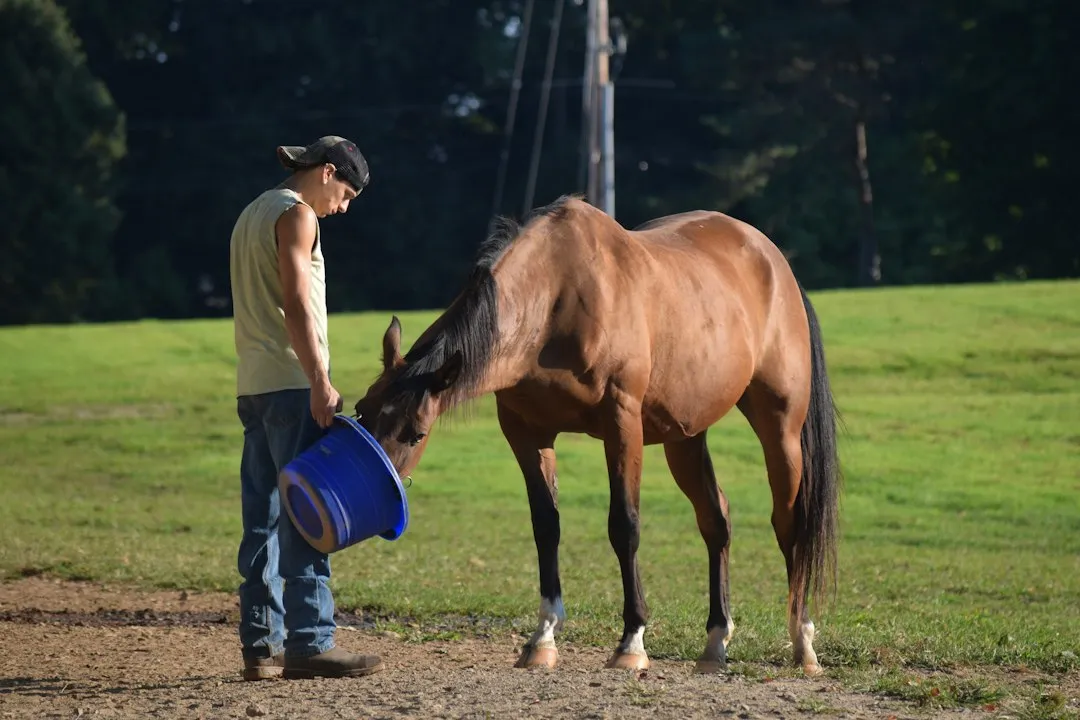
Owners obsess over what to feed a senior horse and overlook how it’s delivered. Older horses lean on routine to feel safe: the same order of feeding, the same bucket in the same spot, the same soft voice before the hay lands.
Sudden changes can show up as fussiness, pacing, or a dip in appetite. And for horses with worn teeth, mealtime can be a race they were never built to win. Slower chewing means many old horses get rushed, pushed off the pile, or stuck competing through a fence with younger, faster eaters.
What a senior quietly looks forward to at mealtime:
- Recognizable buckets in familiar locations
- A spot where nobody can bully them away
- Calm, unhurried meals they can actually finish
Fast Facts: Senior Mealtime Basics
- Most horses need roughly 1.5–2% of their body weight in forage daily, about 15–20 pounds for a 1,000-pound horse.
- Horses evolved as near-constant grazers, so long gaps without forage are hard on the gut.
- Worn or missing teeth can make long-stem hay a slow, frustrating chew.
- Soaked cubes or pellets can help, but ask your vet which fits your horse.
If your old horse is dropping weight despite good feed, watch who’s standing next to them at dinner before you change the recipe.
Routine soothes the body. This next sign soothes something harder to name.
#11 – Being Talked To Like They Still Matter
🔥 Would you like to save this?
We'll email this post to you, so you can come back to it later!
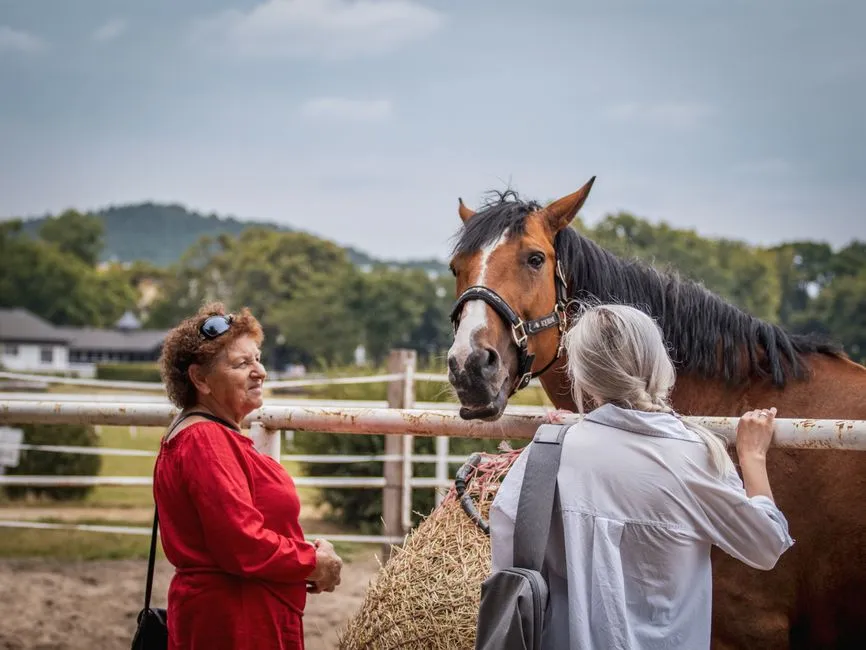
It sounds sentimental, but tone of voice genuinely changes how horses respond. Research has found that horses react to human emotional expression, and they can tell friendly vocal tones from harsh ones. Your voice isn’t background noise to them.
Yet many owners stop chatting with their old horses the way they did at the height of training. The baby talk fades. The proud “good boy!” moments vanish. What’s left is silence, rushed instructions, or strictly functional cues.
An old horse still looks forward to:
- Soft, predictable verbal cues
- Real praise paired with a good scratch
- Hearing their own name in a friendly voice
Next time you walk in, notice who you greet first. If the younger horses get the bright hello and the senior gets a mumble on your way past, they notice.
Your voice is one way to reach them. The next place to reach them is outside the arena fence.
#10 – Gentle, Low-Pressure Walks Outside the Arena
🔥 Would you like to save this?
We'll email this post to you, so you can come back to it later!
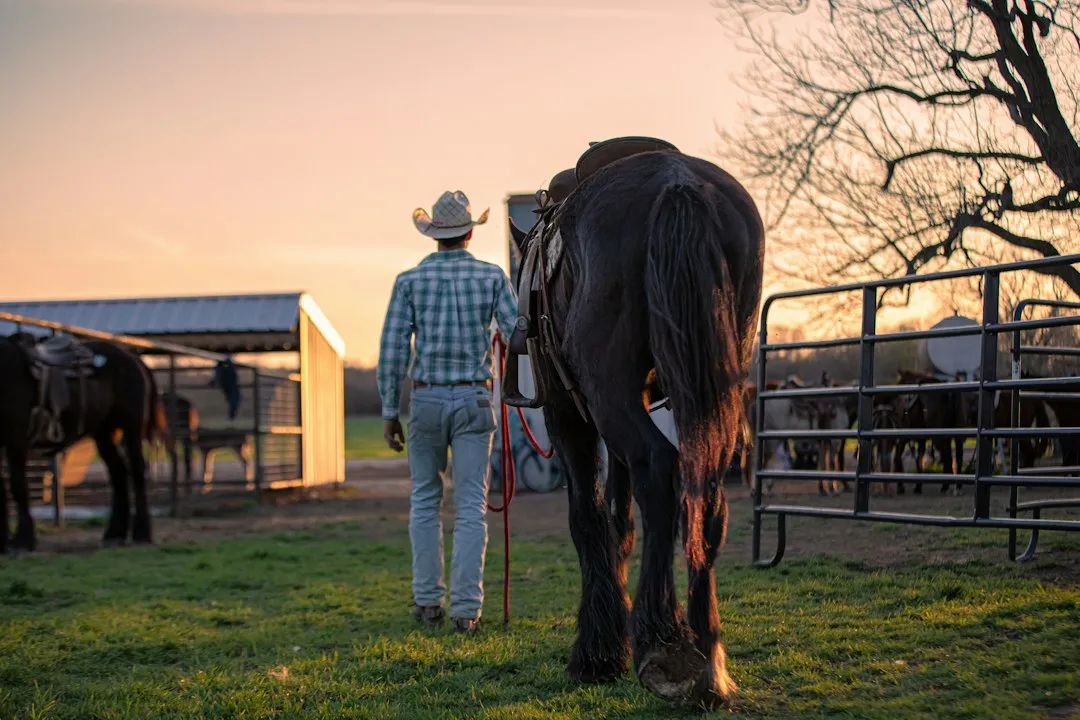
Old horses may no longer canter perfect circles, but that doesn’t mean they’re done exploring. A slow hand-walk or light ride on a level trail can light them up in ways a sand arena never will. Wind in the trees, distant animal smells, a new view over a ridge: these are the stimuli that shaped them as prey animals.
Removing all of it “for safety” can leave a horse under-stimulated and quietly anxious. A short walk on forgiving ground is often both safer and kinder than a lifetime of the same four fence lines.
Done wisely and with your vet’s blessing, regular slow walks can:
- Keep joints moving without repetitive arena strain
- Offer cognitive stimulation through novel but manageable sights
- Strengthen the horse–human bond in a neutral, pleasant setting
Quick safety recap: choose flat, forgiving footing, end before obvious fatigue, and watch breathing and stride length for subtle discomfort.
Not every old horse can enjoy a walk, though, and the reason is often invisible.
#9 – Relief From Chronic, Low-Grade Discomfort
🔥 Would you like to save this?
We'll email this post to you, so you can come back to it later!
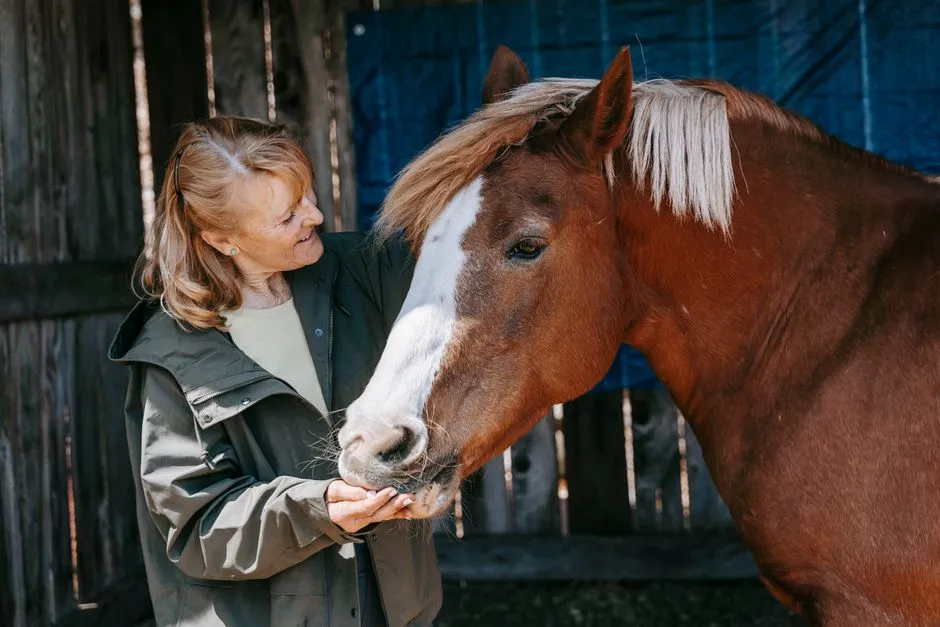
Senior horses don’t look forward to pain relief because they’re spoiled. They look forward to it because it can be the difference between coping and giving up. Owners tend to manage obvious lameness but overlook the constant, low-level ache that never quite makes a horse limp.
That can be all-over stiffness, sore teeth, or a poorly fitting “retirement saddle” pulled out for the occasional ride. Prey animals are experts at hiding discomfort, so it often leaks out as attitude instead of a limp.
Watch for these quiet clues:
- Shorter strides and reluctance to turn sharply
- Pinned ears when brushed over certain areas
- Resistance to lifting feet or standing on hard ground
When pain is finally addressed, through vet-guided medication, joint support, dentistry, or better footing, many old horses suddenly act years younger. The “grumpy senior” turns out to have been a hurting one, and the horse who nickers again was there all along.
Comfort helps, but there’s a social pressure many seniors face that no medication can fix.
#8 – A Stable Spot in the Herd Pecking Order
🔥 Would you like to save this?
We'll email this post to you, so you can come back to it later!
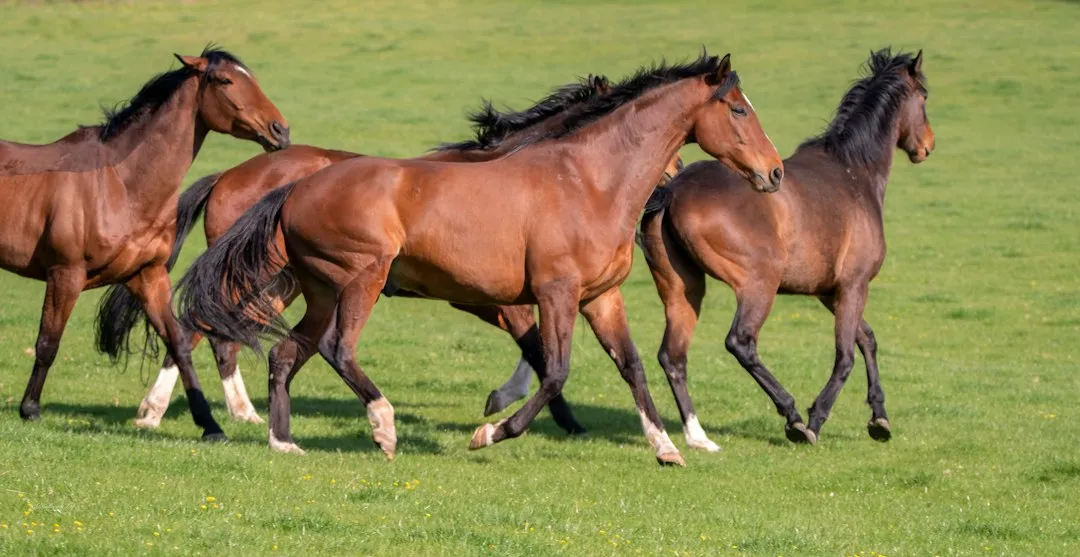
Many people think an old horse is happiest at the bottom of the totem pole. Not always. As younger, stronger animals arrive, aging horses often slide down the herd hierarchy, and the cost can be steep: being chased off hay, blocked from water, or hassled every time they try to rest.
Constant harassment can quietly wreck a senior’s daily quality of life. Yet some older horses keep real social authority and visibly relax when turned out with respectful companions who treat them like the elder they are.
What a senior looks forward to in a herd:
- Not being harassed at every hay pile
- Space to lie down safely
- At least one corner of the paddock they can “claim”
Chronic harassment means chronic stress, which can worsen weight loss and weaken resilience in seniors. Sometimes simply reshuffling turnout groups does more than any expensive supplement.
The herd can be rough on an old horse. So can the weather, and this next one is often dismissed as “toughening them up.”
#7 – Weather Protection That Actually Matches Their Age
🔥 Would you like to save this?
We'll email this post to you, so you can come back to it later!
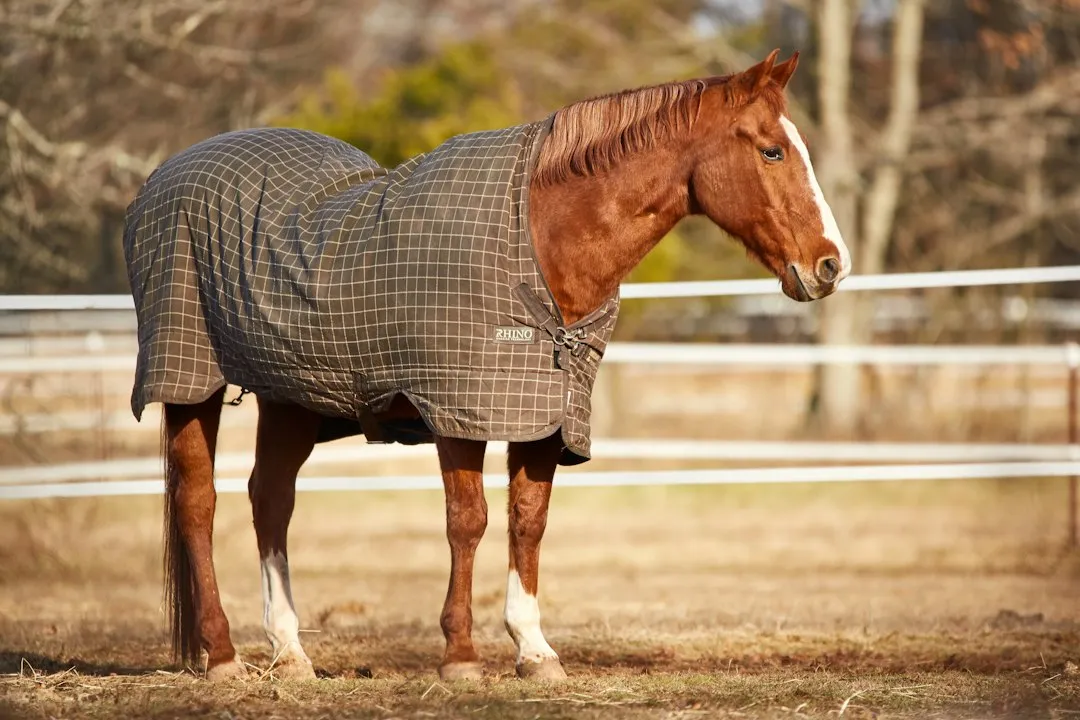
“Let them live naturally” is a popular phrase that often ignores senior physiology. Older horses have a harder time regulating body temperature. Some don’t grow as thick a coat, many lose weight faster in the cold, and heat can hit them harder than it did in their prime.
Still, some owners refuse blankets or shade because “he’s always been fine.” That may have been true at ten. At twenty-eight, the same storm demands far more from a body with fewer reserves.
Seniors genuinely look forward to:
- Dry shelter during cold rain or wind
- Thoughtfully fitted blankets in wet, chilly conditions
- Shade and plenty of water in hot, humid weather
Worth Knowing: Weather Checks That Take Minutes
- Cold rain and wind are usually harder on a thin senior than dry cold alone.
- A typical 1,000-pound horse drinks roughly 5–10 gallons of water a day, and more in heat.
- Run your hands under the blanket weekly, because weight loss hides beneath fabric and fur.
- Check that water isn’t frozen, since seniors may drink less when it’s icy.
For an old horse, shivering through a storm isn’t character building. It’s exhausting, and every calorie burned on staying warm is one that isn’t building muscle or fighting illness.
Shelter protects the body. The next sign is about who gets to touch it.
#6 – Handlers Who Actually Pay Attention
🔥 Would you like to save this?
We'll email this post to you, so you can come back to it later!
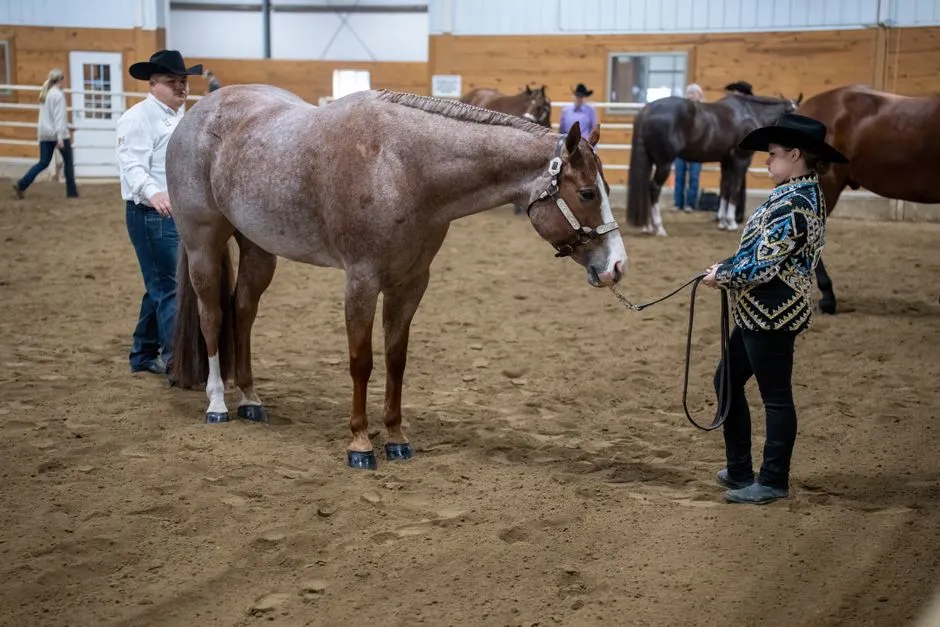
“Bombproof” seniors often get passed to anyone: kids, beginners, rushed staff. From the horse’s side, that can mean a lot of clumsy, inconsistent handling that they tolerate but never enjoy. Their patience gets mistaken for approval.
An arthritic horse doesn’t want a leg yanked forward. A horse with fading vision doesn’t want to be hustled through a dark doorway. They stay quiet, so people assume everything’s fine, and the horse learns that speaking up is pointless.
Many seniors still look forward to handlers who:
- Move at their pace, not the barn’s schedule
- Notice subtle flinches and adjust pressure
- Give them time to process before asking for more
In short: consistent cues, patience with slower responses, and respect for physical limits. It doesn’t take expertise, just attention.
The best handler of all might be the one who does nothing at all, which brings us to the next sign.
#5 – Time to Simply Stand Next to You and Do Nothing
🔥 Would you like to save this?
We'll email this post to you, so you can come back to it later!
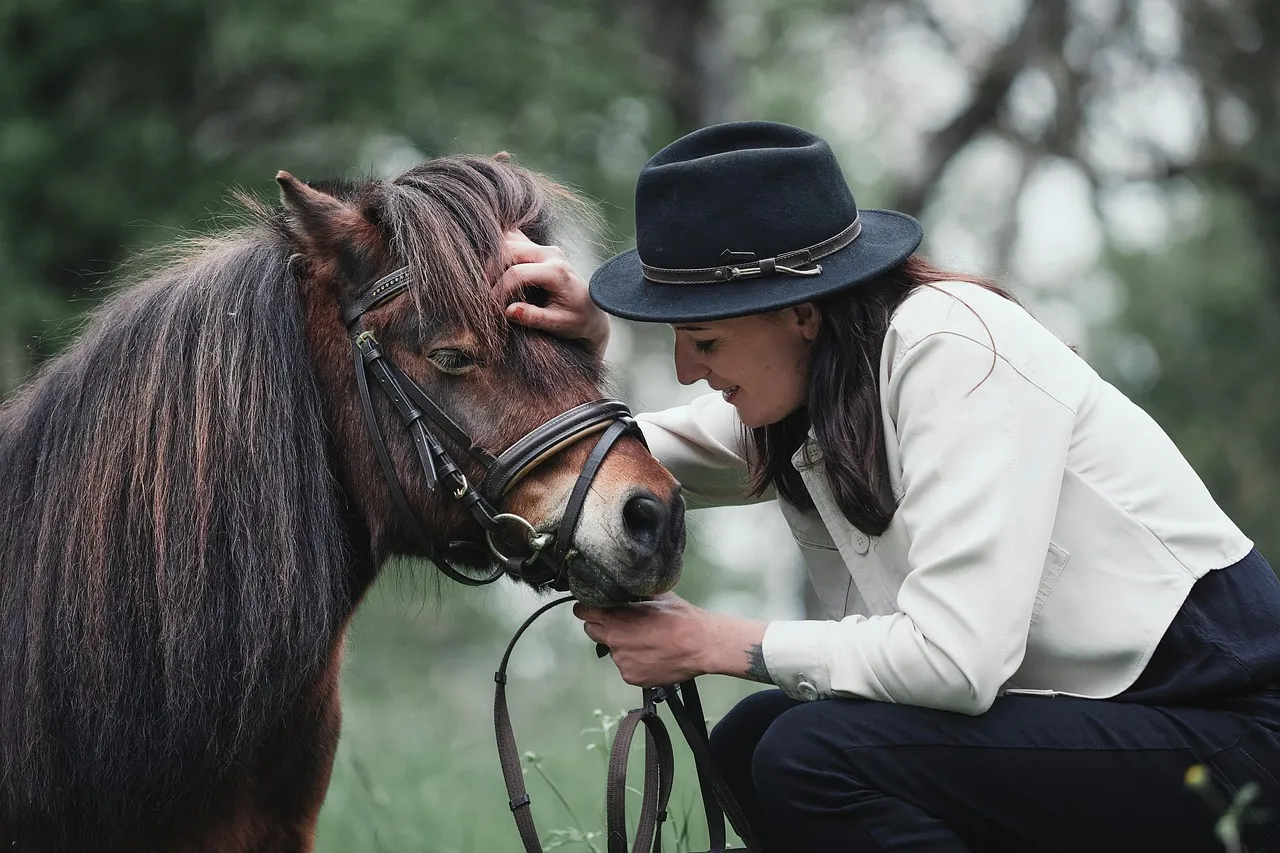
Modern horse culture is obsessed with productivity: lessons, clinics, measurable goals. For a senior horse, one of the biggest overlooked pleasures is companionable stillness. No grooming, no riding, no training. Just you, there, expecting nothing.
Many will sigh, lower their head, and drift into that soft, half-asleep state they rarely reach when alone. It isn’t mystical. It’s basic herd behavior: horses rest most easily beside a trusted companion.
Why It Stands Out
- It costs nothing and needs no equipment, only your time.
- Horses doze standing up, but they need to lie down for deep REM sleep, and they tend to do that only when they feel safe.
- A calm person nearby can lower the alert level for a horse who feels vulnerable.
- It’s one of the few things stiff, sore, or slower seniors can enjoy without effort.
When you lean on the fence and scroll your phone, you may think you’re doing nothing. They may experience it as shared lookout duty, with you on watch so they can finally let go.
Moments old horses quietly treasure:
- You sitting in their paddock or stall, reading
- Leaning on their neck while they nap in the sun
- Quiet evenings at the barn after everyone’s gone home
Stillness is the gentle one. The next sign is the one that stings.
#4 – Being Included When the “Real” Horses Are Doing Things
🔥 Would you like to save this?
We'll email this post to you, so you can come back to it later!
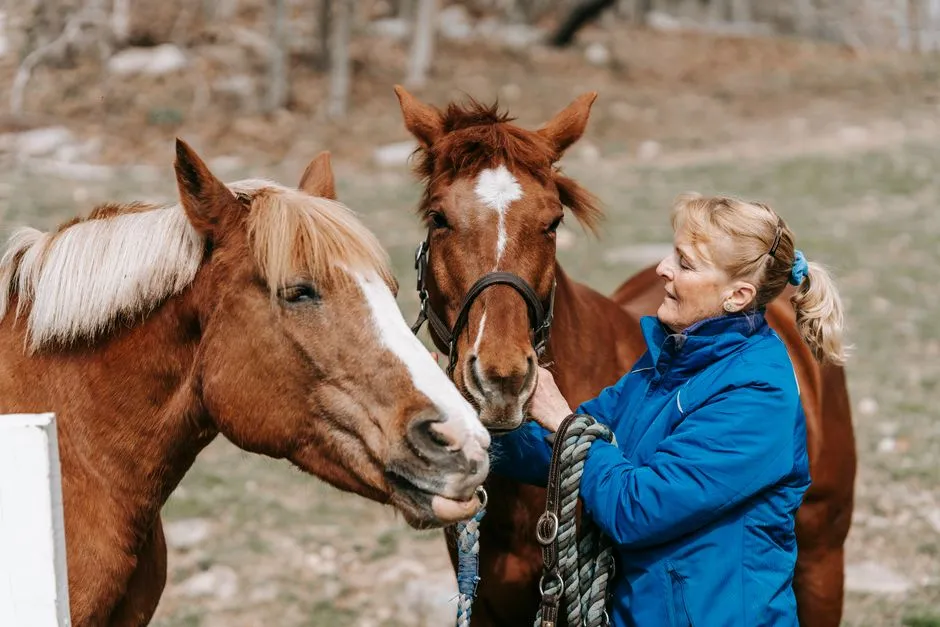
One of the quietest forms of abandonment is social, not physical. Old horses get left behind when the trailer loads, the group heads to a show, or the barn friends set off on a long trail ride. Logically, it makes sense. Physically, they may not keep up.
But emotionally, many seniors watch the driveway, calling or pacing as their herd disappears. What they’re longing for may not be the work at all. It’s the belonging, the feeling of being part of the group that’s going somewhere.
You can honor that without overtaxing them:
- Bring them along just for the ride to low-key events
- Hand-graze them beside the arena while others ride
- Let them walk the first or last five minutes of a group trail
Being the horse who’s always left at home can be genuinely stressful, especially for a former show or trail partner who once led the line.
Belonging is powerful, and so is memory. This next sign proves just how long it lasts.
#3 – The Rituals You Used to Share in Their Prime
🔥 Would you like to save this?
We'll email this post to you, so you can come back to it later!
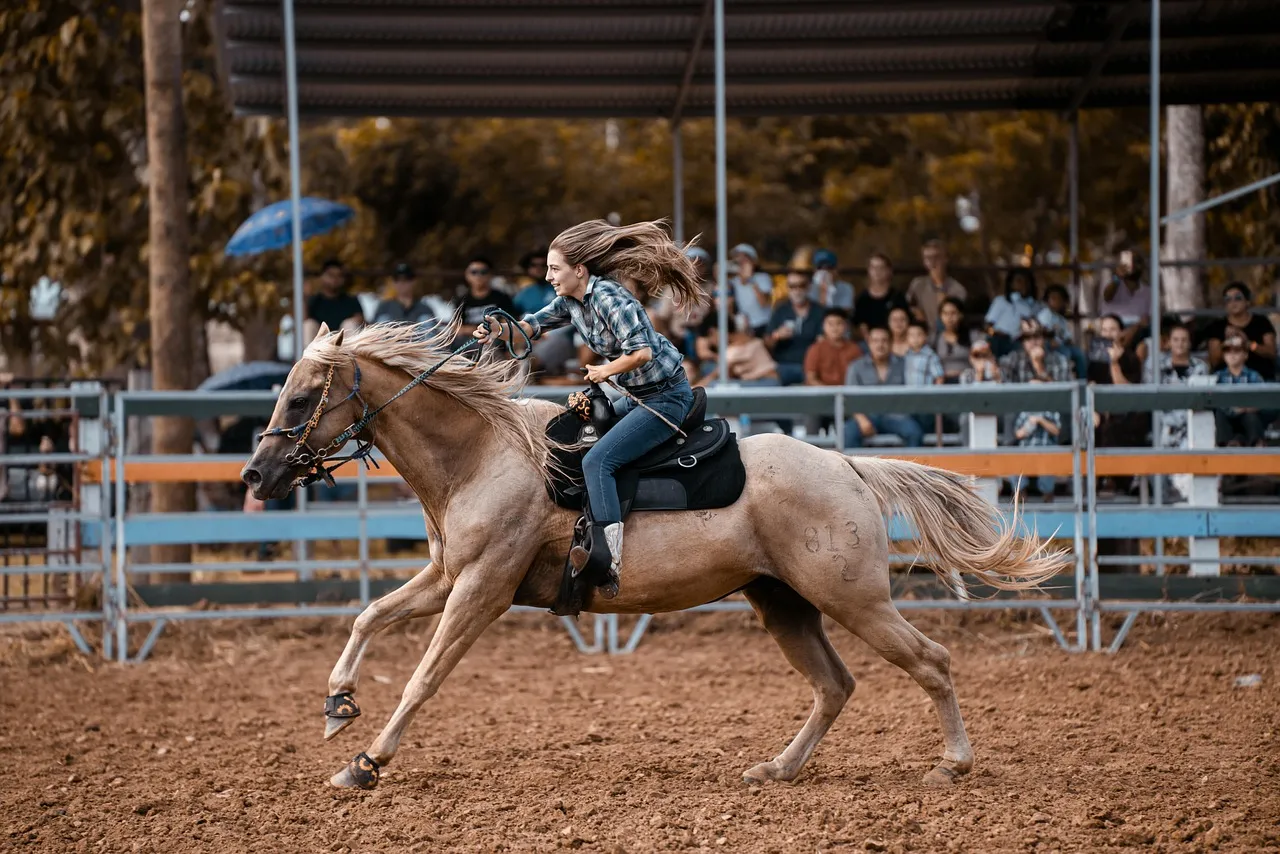
Memory doesn’t switch off at a certain birthday. Many long-time owners are stunned when a retired show or lesson horse perks up at the clink of an old bit, or walks with fresh energy toward an arena gate nobody has opened in years.
These are associative memories: links between cues, places, and experiences that shaped a horse’s whole working life. Your senior may still look forward to the echoes of those old rituals.
Echoes that can still land:
- A light, nostalgic walk through their favorite field
- Standing at the in-gate during a show, just watching
- Going through the same pre-ride grooming pattern, even if you never ride
It’s not about reliving past athleticism. It’s about continuity. Wiping out every past ritual can make retirement feel like total identity erasure for a horse who once had a very defined job.
Two left, and both are about how you see them.
#2 – A Human Who Still Sees Them as More Than a Medical Project
🔥 Would you like to save this?
We'll email this post to you, so you can come back to it later!
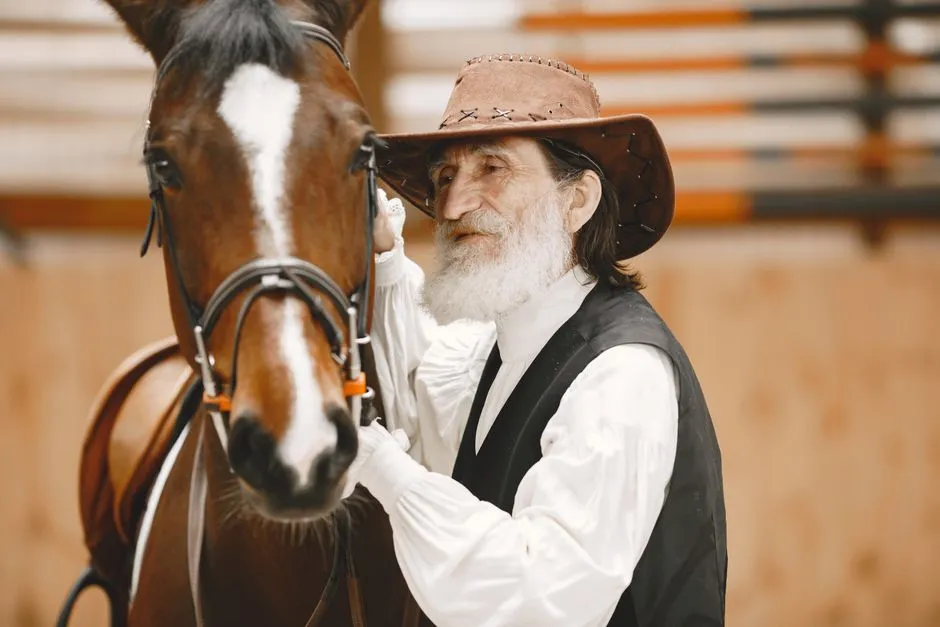
As horses age, vet visits, supplements, and management plans can quietly take over the relationship. Your horse becomes “the Cushing’s case,” “the arthritic gelding,” or “the laminitis risk.” Barn conversations revolve around lab values and medication schedules.
From the horse’s point of view, you may now show up mostly for injections, farrier visits, blanket changes, and body checks. Every interaction comes with a task attached, and a smart animal learns to brace when you walk in.
An old horse still looks forward to moments when they’re not a problem to be solved:
- A visit where you don’t poke, prod, or medicate, you just say hi
- Treats offered for no reason except joy (within dietary limits)
- Playful scratches and silly noises, like you’d make for a younger horse
When some interactions are purely positive, the whole relationship shifts. They relax when they see you coming instead of bracing for what you’re carrying.
And now the one every other sign has been pointing toward.
#1 – One More Day Where You Show Up Like They Still Matter
🔥 Would you like to save this?
We'll email this post to you, so you can come back to it later!
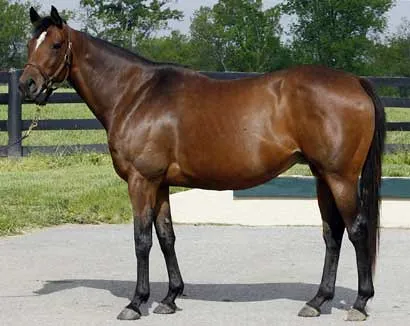
Here’s the uncomfortable truth: many old horses aren’t waiting for more years. They’re waiting for one more good day, and then another, and another. What they look forward to isn’t a specific treat, blanket, or trail. It’s evidence, repeated daily, that their life still matters to someone.
They notice which stall you stop at first. They feel whether you rush past or pause. They sense when their name has quietly become “the old one at the end.”
A senior horse’s world keeps shrinking:
- Fewer rides
- Fewer new places
- Fewer people
That makes every remaining interaction bigger. Your attention is the currency that tells them they haven’t slipped into invisibility. A minute at the stall front, a deliberate choice to groom them before you scroll, a conscious decision to include them in barn life: these are the things that make “one more day” feel like a gift instead of a delay.
Old horses don’t just stand in fields waiting for the end. They wait for you: for routines that feel safe, tiny jobs that feel meaningful, touches that feel kind, and moments that prove they’re still part of something instead of parked on the sidelines.
Here’s my honest opinion: we have the “senior care” part figured out and the “senior life” part badly wrong. Good feed, good vets, and good blankets are the baseline, not the finish line. A horse who is fed perfectly and visited rarely hasn’t been retired. They’ve been shelved.
The most tender signs of anticipation are quiet: a lifted head at your voice, a step closer at the gate, a softer eye when you slow down. Learn to see them and you’ll never mistake stillness for contentment again. So here’s the question worth carrying to the barn tomorrow: is your senior horse retired, or forgotten?

- 7 Everyday Habits That Can Make Your Senior Dog Happier - November 5, 2026
- 10 Enigmatic Structures That Continue to Puzzle Scientists Today - November 5, 2026
- 10 Strange Ruins in the Americas That Challenge What We Know About Early History - November 5, 2026