
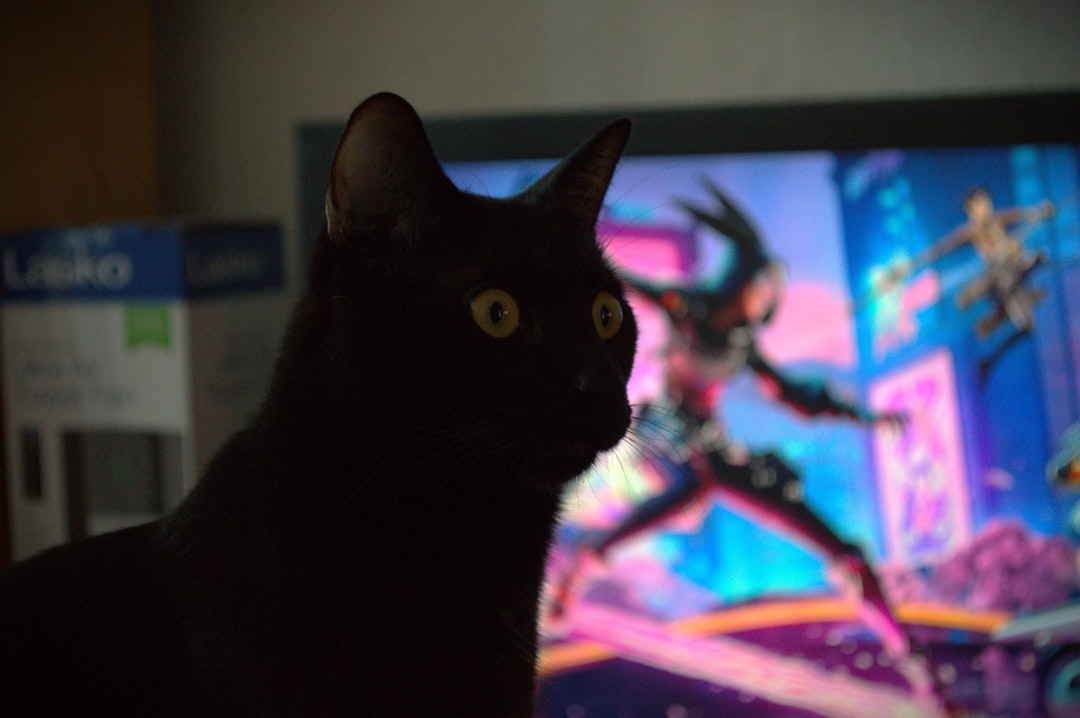
Picture this: neon lights flickering across grimy streets while towering megacorporations cast long shadows over a world where humanity has blurred the line between flesh and chrome. In such a dystopian future, where technology rules supreme and nature has been pushed to the brink, which animals would actually make it through the chaos? It’s a question that becomes increasingly relevant as we witness our own planet’s rapid technological advancement and environmental challenges. The cyberpunk genre, with its dark vision of hyper-urbanized landscapes and technological dominance, offers a fascinating lens through which to examine animal survival. Animal life is a rare sight in Night City, but this wasn’t always the case.
Once upon a time, one could hear the squawks of seagulls in the marina, swat at flies over food stalls and step in dog shit in the park. However, in the second half of the 21st century, all of that changed when the city was hit with waves of zoonotic epidemics. This dystopian scenario isn’t just science fiction anymore – it’s becoming a blueprint for understanding how our animal companions might adapt to an increasingly technological world. Let’s dive into the fascinating world of urban survival and discover which creatures might actually thrive in our neon-soaked future.
Rats: The Ultimate Urban Survivors
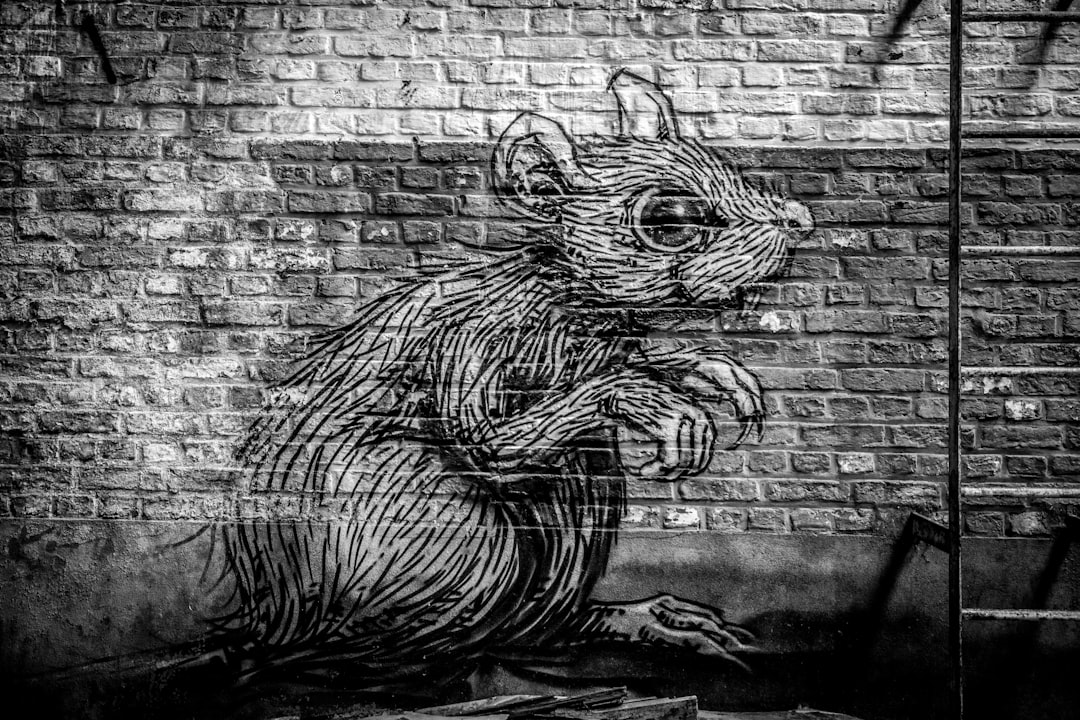
When it comes to survival in hostile urban environments, rats are absolute champions. These remarkable rodents have already proven their adaptability in cities worldwide, and a cyberpunk future would likely be no different for them. Most species tended to have smaller body sizes, allowing them to better navigate the urban landscape. Rats perfectly embody this principle with their compact frames that can squeeze through impossibly small spaces.
What makes rats particularly suited for a high-tech future is their incredible reproductive capacity and behavioral flexibility. All urban mammals produce larger litters; whereas other traits such as body size, behavioural plasticity and diet diversity were important for some but not all taxonomic groups. Rats excel in all these areas, making them prime candidates for survival in even the most technologically saturated environments.
Cockroaches: The Indestructible Scavengers
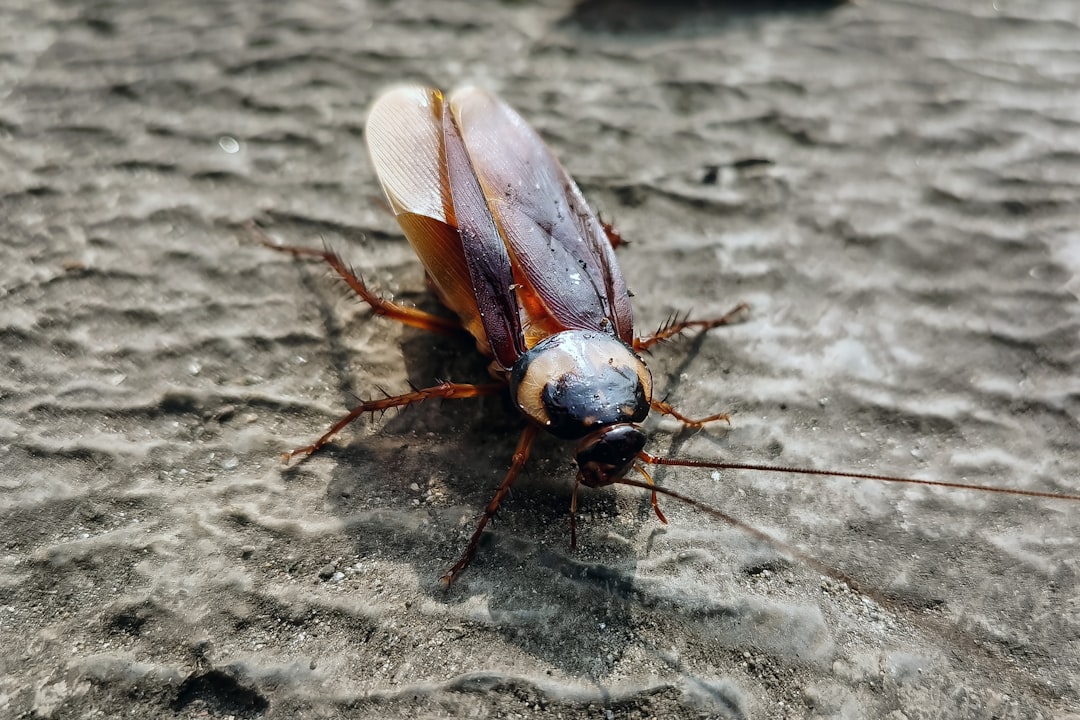
If there’s one creature that screams cyberpunk survival, it’s the cockroach. These hardy insects have survived multiple mass extinction events and show no signs of slowing down. Their ability to eat literally anything makes them perfect for a world where traditional food sources might be scarce or heavily processed. Many animals adapt by diversifying their diets to include human-related food items. This dietary flexibility can be crucial for survival in cities where natural food sources may be scarce or difficult to access.
Cockroaches also possess an incredible resistance to radiation, which could prove invaluable in a future filled with electronic emissions and potential technological disasters. Their flat bodies allow them to hide in the smallest crevices of our increasingly cramped urban environments. Plus, they reproduce rapidly and can survive for weeks without food – talk about built-in survival insurance.
Pigeons: The Feathered City Dwellers
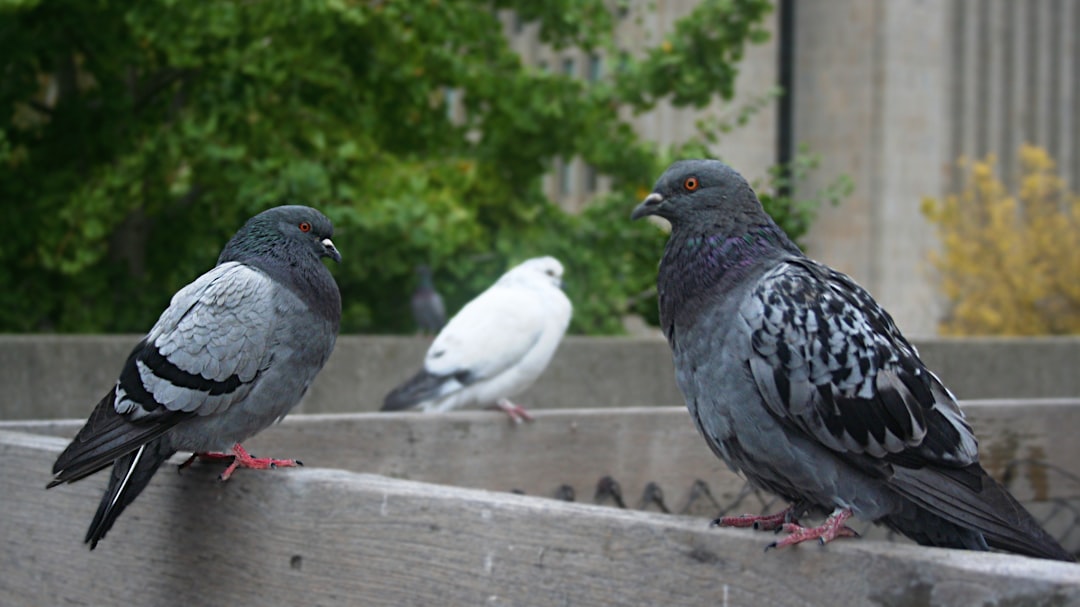
Pigeons have earned their reputation as “rats with wings” for good reason. These birds have mastered the art of urban living and would likely continue thriving in a cyberpunk future. One general feature of bird species that adapt well to urban environments is they tend to be the species with bigger brains, perhaps allowing them to be more behaviorally adaptable to the more volatile urban environment. Pigeons demonstrate remarkable intelligence and problem-solving abilities. Their success comes from incredible adaptability to human-made structures and food sources.
For example, raccoons have become adept at scavenging human waste, while pigeons have learned to find food in public spaces like parks and plazas. In a cyberpunk world, these skills would translate perfectly to navigating the complexities of a technology-dominated landscape where traditional nesting sites might be replaced by digital infrastructure.
House Cats: The Resilient Predators
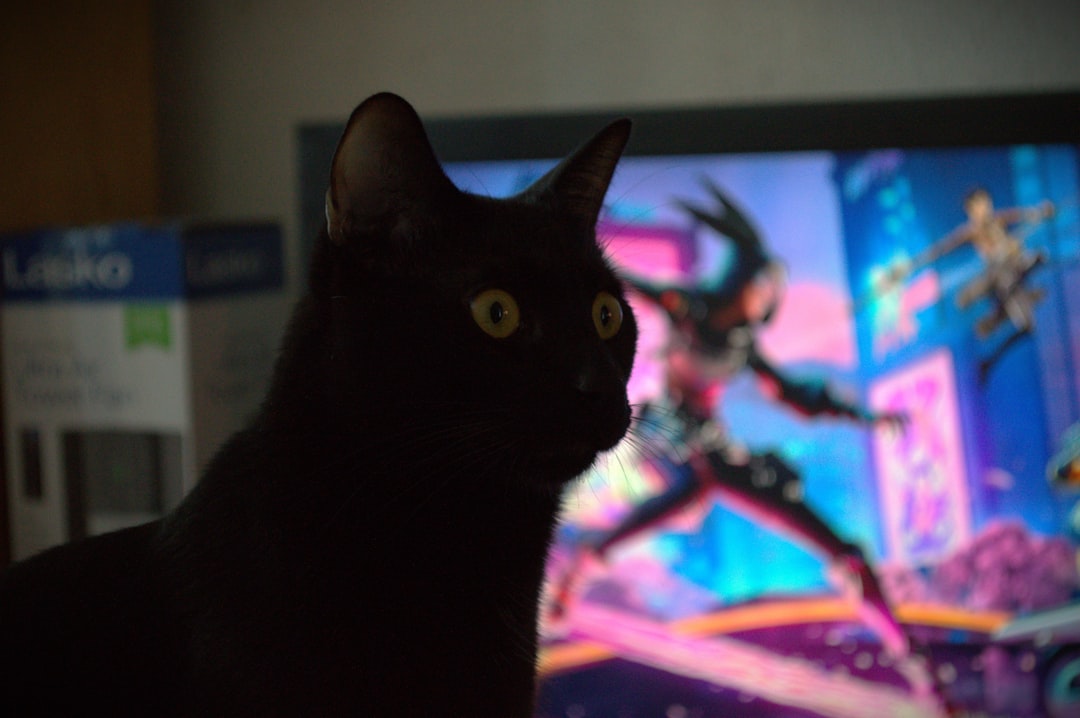
Cats have shown remarkable resilience in urban environments, and this trend would likely continue in a cyberpunk future. V comments at one point that cats have proven more resilient than the other animals which once inhabited Night City, outlasting dogs, pigeons, and rats. In that way, one could see these cats as a direct metaphor for the parts of the city’s history that refuse to die. Their independent nature and hunting instincts make them well-suited for survival.
What’s particularly interesting about cats in urban settings is their ability to form complex social networks while maintaining individual survival skills. They’re small enough to navigate tight spaces, intelligent enough to adapt their behavior, and fierce enough to defend territory when necessary. Their nocturnal nature would also serve them well in a world where darkness might provide safety from technological surveillance.
Raccoons: The Tech-Savvy Bandits
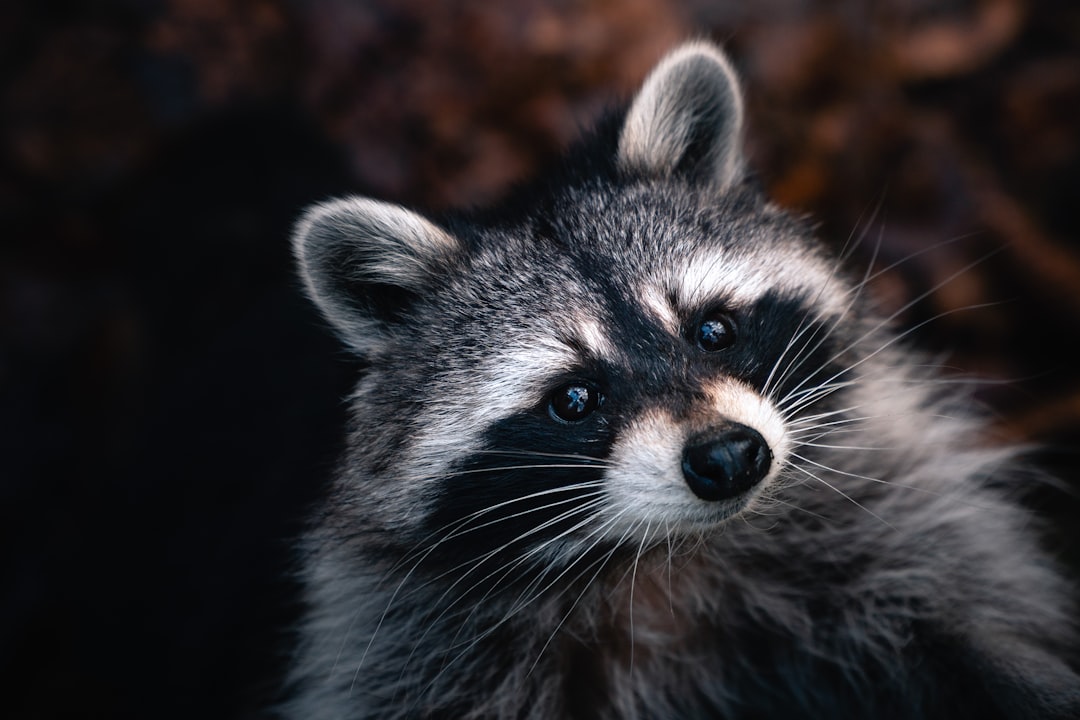
Raccoons are already notorious for their problem-solving abilities and adaptability to urban environments. Many animals modify their behaviors to navigate urban challenges. For example, raccoons have become adept at scavenging human waste, while pigeons have learned to find food in public spaces like parks and plazas. In a cyberpunk future, their dexterous paws and curiosity might even help them interact with abandoned technology.
Their intelligence rivals that of primates, and they’ve already demonstrated an ability to learn and remember complex tasks. Raccoons are also omnivorous, giving them a significant advantage in finding food sources in a world where traditional ecosystems have been disrupted. Their nocturnal lifestyle would provide additional protection in a surveillance-heavy future.
Crows and Ravens: The Intelligent Observers
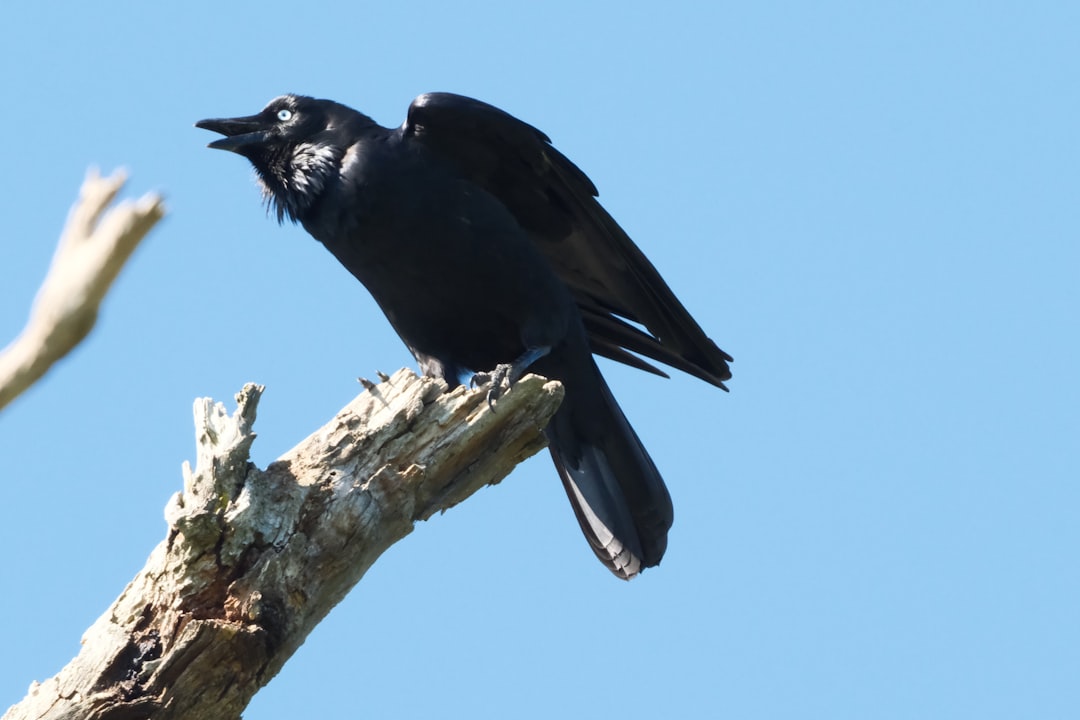
Corvids represent some of the most intelligent birds on Earth, and their problem-solving abilities would serve them well in a high-tech future. This adaptability has also been observed in other birds like crows and magpies, which have learned to forage from dumpsters or steal food directly from unsuspecting humans.
Their intelligence allows them to adapt quickly to new situations and even use tools. These birds have already shown remarkable adaptability to urban environments, learning to crack nuts by dropping them in front of cars and using traffic patterns to their advantage. In a cyberpunk world, their intelligence might allow them to understand and even exploit technological systems. Their social nature also means they can share survival strategies throughout their communities.
Ants: The Organized Survivors
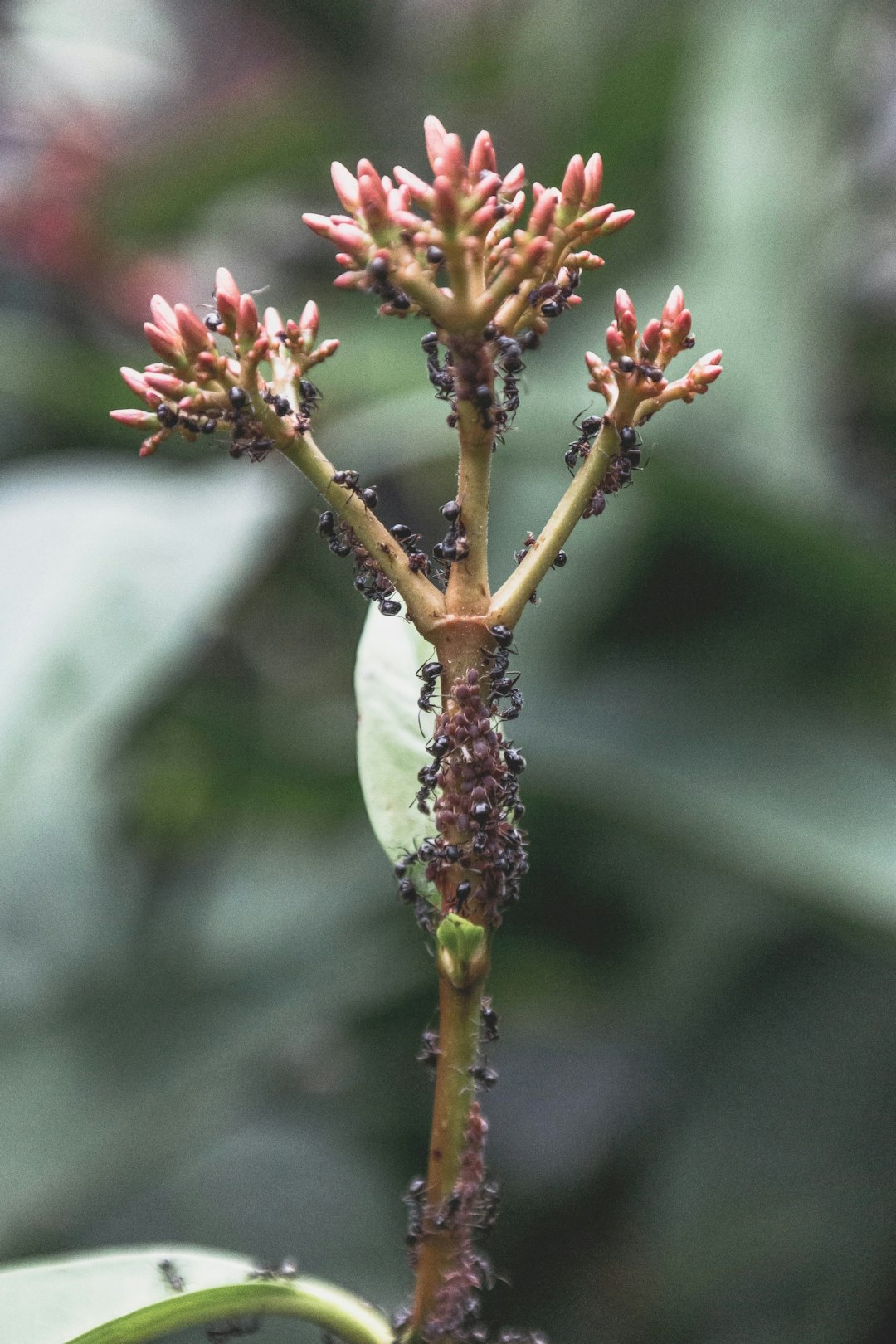
While individually small and seemingly insignificant, ants represent one of the most successful survival strategies on Earth: collective intelligence and organization. Arthropods (insects, spiders and millipedes), gastropods (land snails and slugs), various worms and some reptiles (e.g. house geckos) can also thrive well in the niches of human settlements. Ants excel at finding and exploiting every available niche in urban environments.
Their ability to work as a collective unit makes them incredibly resilient to environmental changes. Even if individual colonies are disrupted, ants can quickly reestablish themselves and adapt to new conditions. Their small size allows them to go unnoticed, while their organized society ensures survival even in harsh conditions.
Urban Foxes: The Adaptable Predators
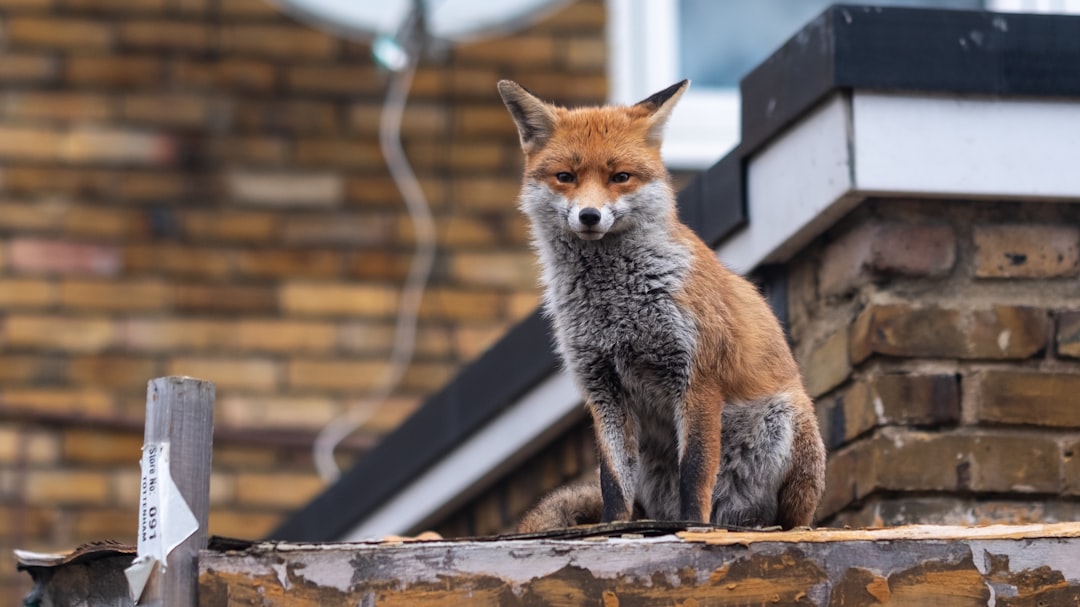
Foxes have shown surprising adaptability to urban environments in recent decades, and this trend would likely continue in a cyberpunk future. Urban coyotes avoid humans (and particularly their cars) by being more active at night in Edmonton. Like coyotes, foxes have learned to avoid human activity by adjusting their schedules and behaviors. Their intelligence and adaptability make them excellent candidates for survival in technologically complex environments.
Foxes are also highly opportunistic feeders, capable of switching between hunting and scavenging based on available resources. Their relatively small size compared to other predators allows them to remain unnoticed while still maintaining their position in the urban food chain.
Bats: The Night Shift Workers
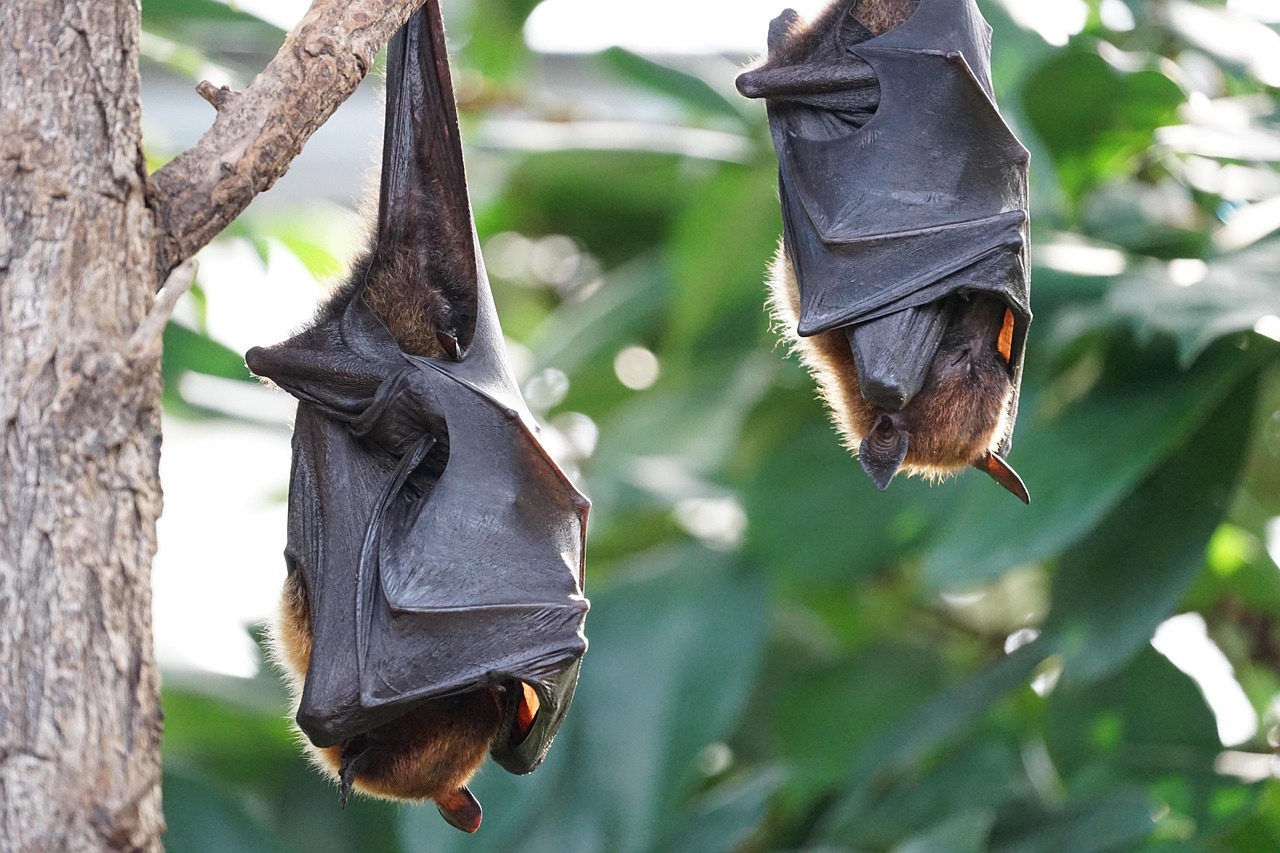
Bats would be particularly well-suited to a cyberpunk future due to their nocturnal nature and ability to navigate in complete darkness. Similarly, bats might roost in old buildings or under bridges, finding safety away from natural predators. Their echolocation abilities would give them a significant advantage in a world filled with electronic interference.
Additionally, bats serve as important pest controllers, feeding on insects that might otherwise become problematic in urban environments. Their ability to fly gives them access to vertical spaces that ground-dwelling animals cannot reach, opening up entirely new ecological niches in a world dominated by tall buildings and technological infrastructure.
Conclusion: Nature’s Rebellion Against Technology
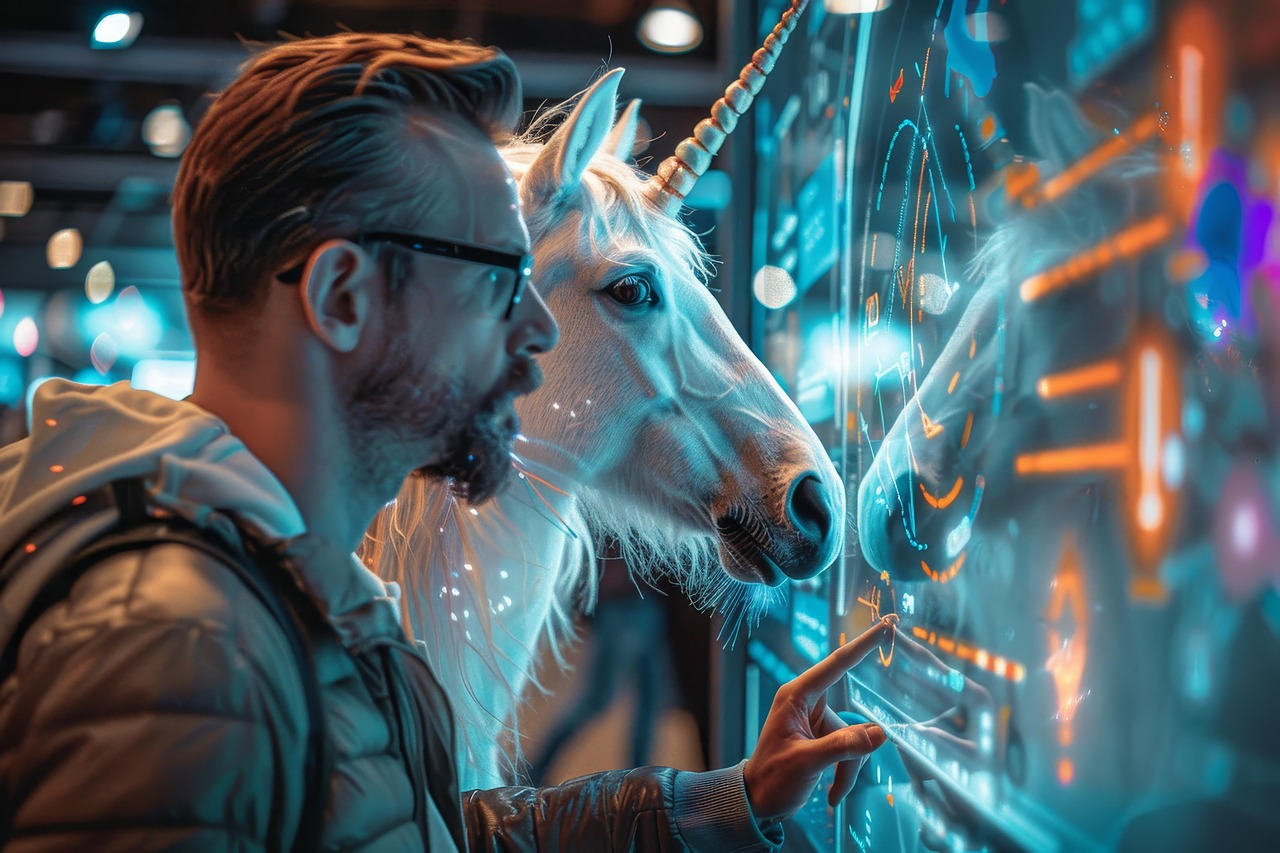
The animals that share several key characteristics: adaptability, intelligence, small size, opportunistic feeding habits, and behavioral flexibility. Amidst the threats posed by technology and societal decay, animals become vessels of hope and resilience. They symbolize the potential for redemption and a return to our roots, prompting players to reflect on their relationship with nature, companionship, and ethical stewardship.
What’s truly fascinating is that these survivors wouldn’t just be passive victims of technological advancement – they’d be active participants in shaping the new urban ecosystem. From rats learning to navigate smart buildings to crows potentially figuring out how to use discarded tech, these animals represent nature’s incredible ability to adapt and persist. As we hurtle toward our own high-tech future, perhaps we should pay more attention to these urban survivors – they might just teach us a thing or two about resilience. What do you think about it? Which animal surprised you the most as a potential cyberpunk survivor? Tell us in the comments.

- 11 Summer Garden Mistakes Experts Finally Stop Making - July 26, 2026
- The US States With the Most Sharks - July 26, 2026
- 7 Hidden Signs Your Cat Is Actually Showing You Affection - July 26, 2026