
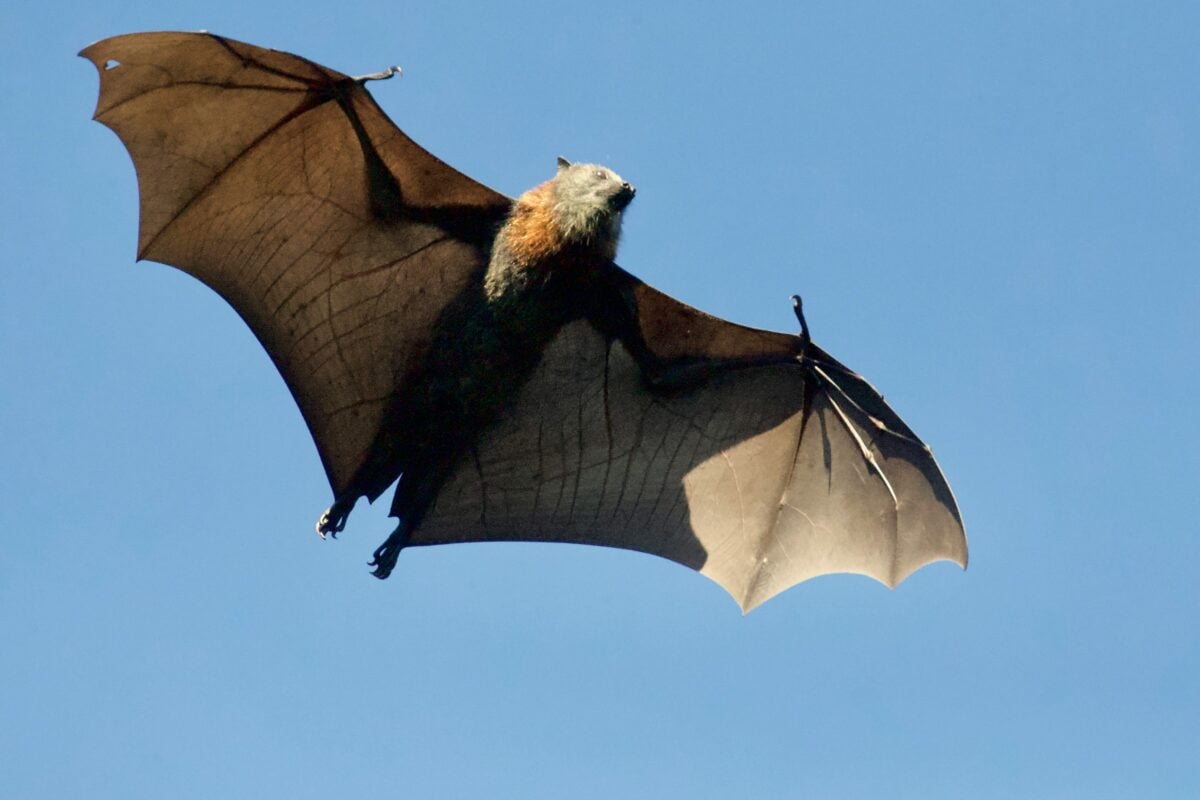
Most people assume bats just vanish the moment the air turns cold, like someone flipped a switch and the whole colony teleported into a cave. That image is comforting, tidy, and almost completely wrong.
The truth is messier and honestly a lot more impressive: those final weeks before winter are absolute chaos for a bat colony, just chaos with a strict schedule. They’re bingeing calories, rearranging social hierarchies, sneaking in last-minute romance, and fighting over the best underground real estate, all while we’re standing in our backyards thinking, “huh, feels like fall.” Here’s what’s actually happening over our heads in those final pre-winter weeks, and why it matters far more than the word “hibernate” lets on.
#1 – The All-Out Feeding Frenzy You Never Notice
🔥 Would you like to save this?
We'll email this post to you, so you can come back to it later!
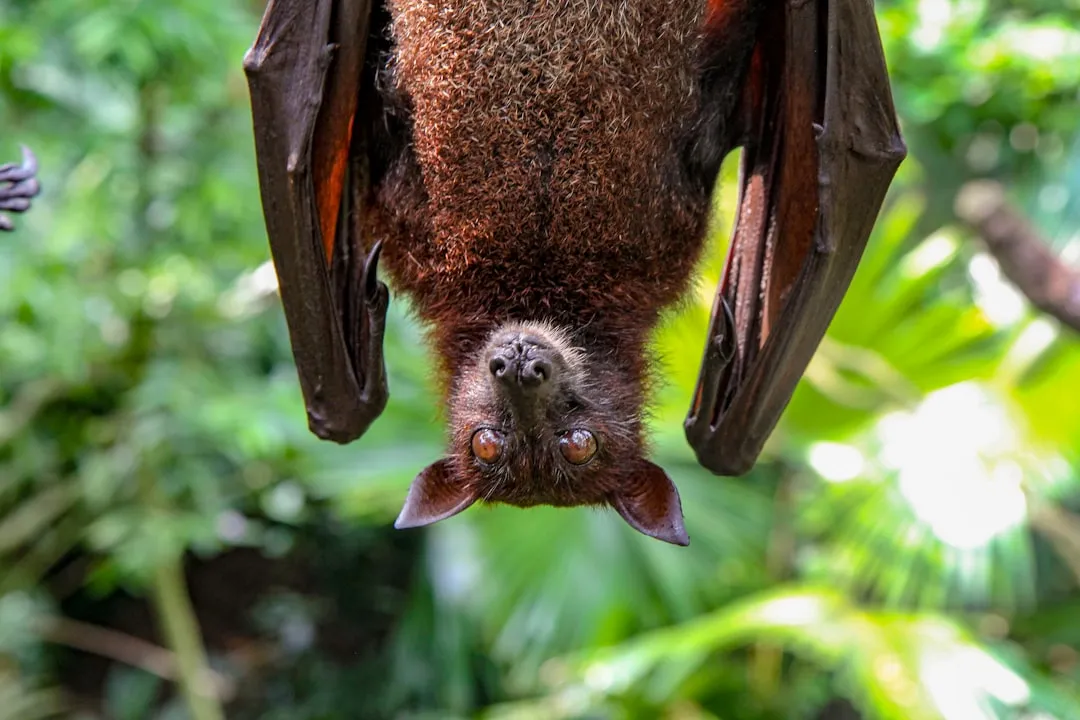
In the weeks before they disappear, bats quietly turn into flying stomachs with wings. As nights get cooler and insects start dying off, many species slide into a full-blown calorie panic, doubling their nightly feeding runs. A little brown bat can already eat close to its own body weight in insects in a single night, and late in the season that number climbs even higher, because every extra gram of fat might be the difference between surviving one more brutal cold spell or not.
What most people miss is how surgical this feeding becomes. Bats start targeting the fattest, slowest-moving prey they can find, trading tiny midges for fat beetles and moths that pack a bigger caloric punch. They head out earlier in the evening and linger later toward dawn, squeezing every last minute out of shrinking daylight. If you’ve noticed more bats swooping around streetlights, ponds, and open fields lately, that’s not random. Those spots are the season’s last great bug buffets, and the bats know it.
Fast Facts
- A resting bat’s heart runs at roughly 250–450 beats per minute, but a bat’s heart rate shoots up even more while flying, and can reach 1000 bpm
- Every night while bats are out hunting, their metabolic rate increases to 15 times higher than the resting rate
- Body temperatures rise from 100˚F to 106˚F during a single night of feeding, roughly the equivalent of running a fever every single night
- A little brown bat can already eat close to its own body weight in insects in one sitting
#2 – Strategic Fat Hoarding and “Winter-Body” Engineering
🔥 Would you like to save this?
We'll email this post to you, so you can come back to it later!
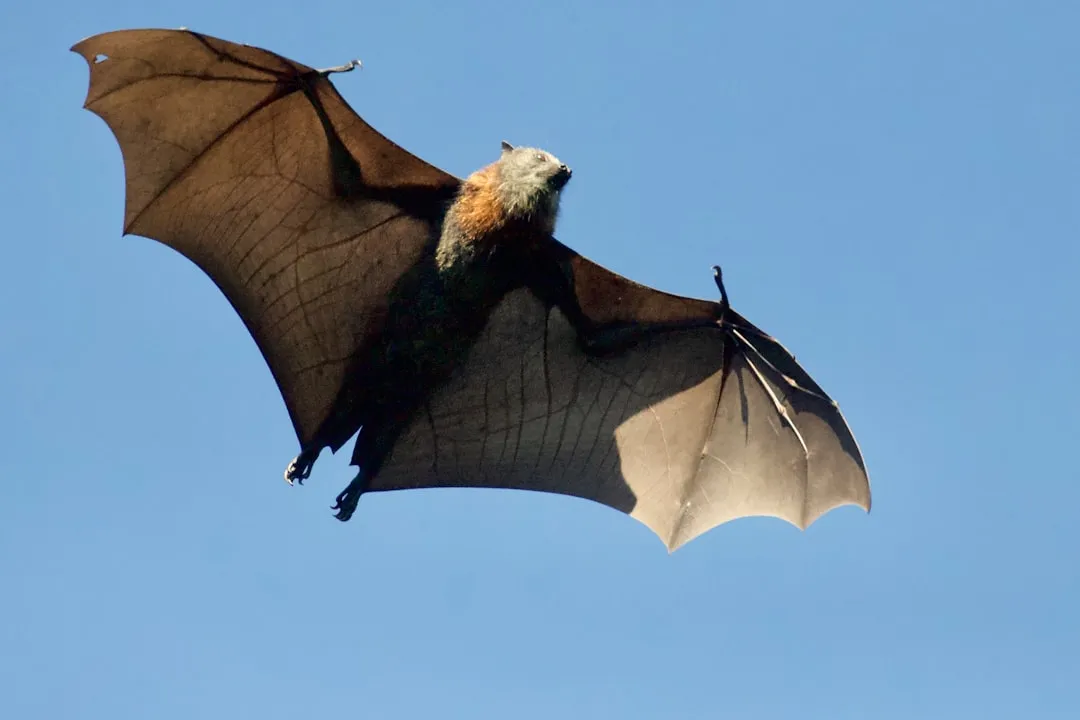
If you think bulking season is a gym-bro invention, bats were doing it first, and doing it better. In the weeks before winter, they don’t just gain weight, they re-engineer their entire metabolism. Fat builds up around their shoulders, backs, and flanks, creating a reserve tank that will drip-feed their bodies through months of torpor.
This isn’t cosmetic. In some species, pre-hibernation bats can weigh 30 to 50 percent more than they did in midsummer, and the fat isn’t stored randomly. Different deposits are quietly “assigned” to different phases of winter: some get burned early during migration or the last rounds of mating, others are held back for the deep mid-winter stretch when waking up briefly from hibernation burns through calories like a blowtorch. Most people picture hibernation as a long, sleepy nap. It’s actually a high-risk math problem, and getting the numbers wrong means dying quietly in February with fat reserves gone weeks too soon.
#3 – Swarming Parties That Are Secretly High-Stakes Mating Events
🔥 Would you like to save this?
We'll email this post to you, so you can come back to it later!
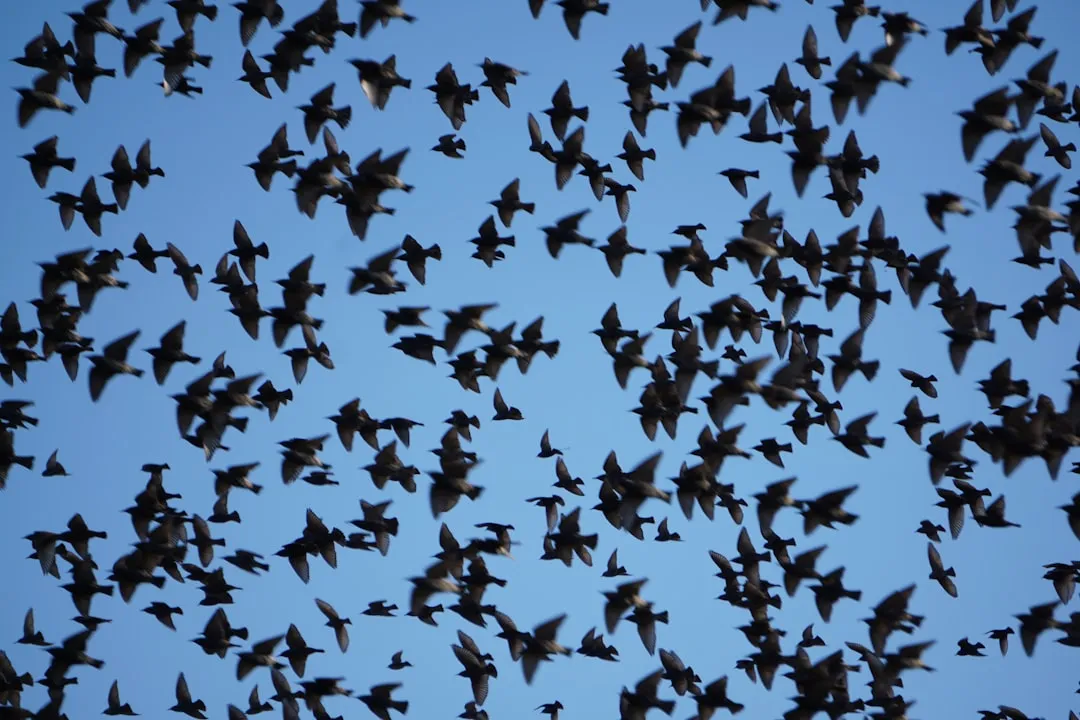
Those strange late-summer and early-fall nights when hundreds, sometimes thousands, of bats circle a cave entrance in a frantic loop? That’s not random noise. Scientists call it autumn swarming, and it’s part rave, part speed-dating event, part reconnaissance mission, all happening at once in the dark.
To a hiker with a flashlight, it looks like pure disorder. In reality, most mating in many temperate bat species happens during exactly this window, not in spring like you’d probably assume. Males jockey for position near the cave mouth, using calls and scent signals to advertise themselves, while females cruise between multiple sites in a single season, sampling different males and different roosts before committing to anything. What looks like bats “acting weird” at dusk is actually a colony quietly deciding its genetic future for the next generation.
#4 – Females Mate Now, But Delay Pregnancy for Months
🔥 Would you like to save this?
We'll email this post to you, so you can come back to it later!
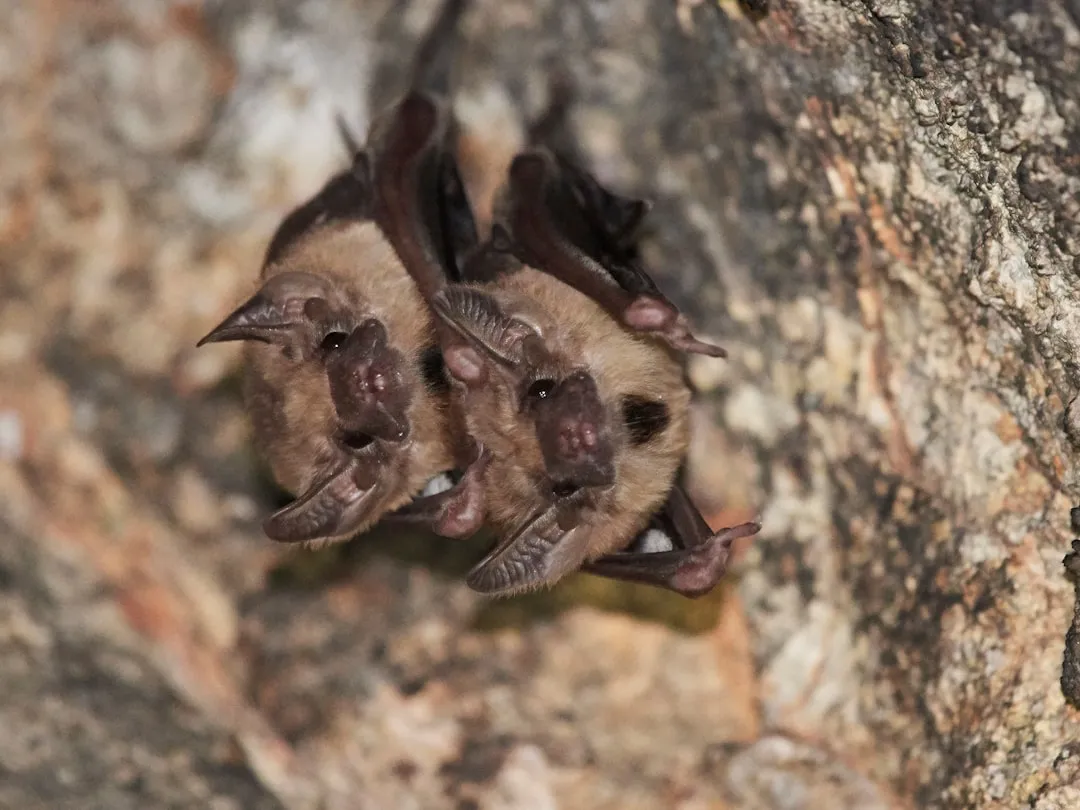
Here’s the detail that breaks most people’s mental model of how reproduction works: in many bat species, females mate in late summer or fall but don’t actually get pregnant until the following spring. After autumn swarming wraps up, they store sperm in their reproductive tract all winter long, and only ovulate once they emerge from hibernation and conditions start improving.
It’s such a counterintuitive strategy that most casual nature-lovers don’t believe it the first time they hear it. But the logic is airtight: autumn mating isn’t about instant babies, it’s about locking in genetics now and timing birth to land right when insect season peaks the following year. That delay gives pups a real shot at fattening up before their very first winter. Females often mate with more than one male too, which spreads genetic diversity across the colony and builds resilience against disease. While we assume nothing is happening on those quiet late-autumn nights, female bats are already banking reproductive decisions months in advance.
Worth Knowing
- In species like the hoary bat, copulation is followed by delayed fertilization, with sperm stored in the female’s reproductive tract all winter until ovulation in spring
- Researchers are still uncertain about whether copulation occurs before, during, or after the southward migration in some species
- Courtship behavior in some bats is believed to proceed during day flights, not only after dark
#5 – Ruthless Roost Shopping and “Real Estate Wars”
🔥 Would you like to save this?
We'll email this post to you, so you can come back to it later!
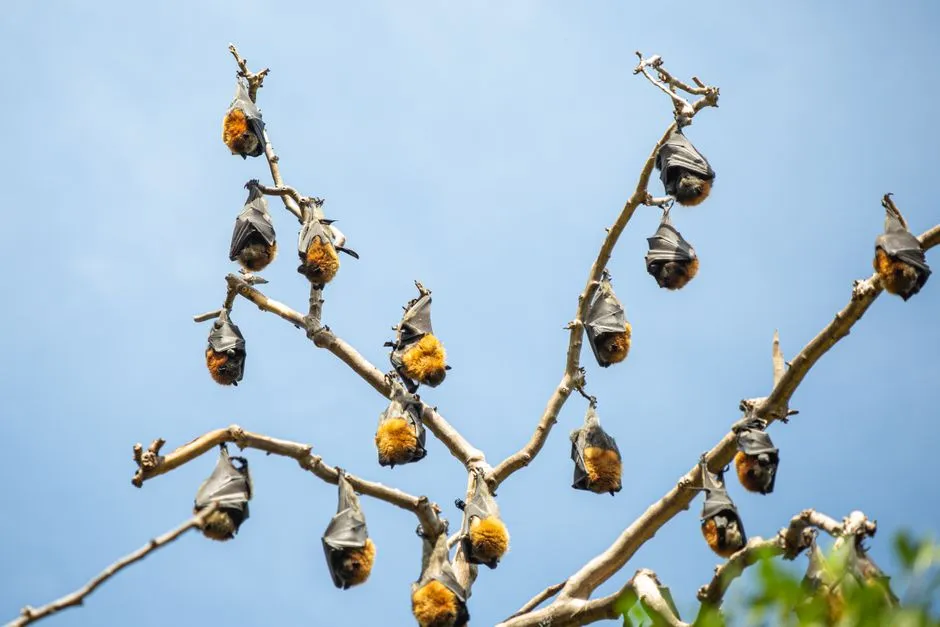
In the weeks before they vanish from our evening skies, bats get obsessed with something humans can actually relate to: real estate. Finding the right hibernation roost, called a hibernaculum, is a life-or-death decision, and not every cave, mine, attic, or tunnel makes the cut. Temperature, humidity, airflow, and disturbance risk all have to line up almost perfectly.
A spot needs to be cool enough to slow the bat’s metabolism, but not so cold it risks freezing; humid enough to prevent dehydration, but not so damp it invites disease. A difference of just a few degrees can decide whether a bat survives the winter or burns through its fat reserves too fast and starves before spring. That’s why you’ll sometimes see “test flights” into potential roosts weeks before the real move happens, with small scouting groups checking microclimates most humans would never even notice, like which wall of a cave holds a steadier temperature. Homeowners who spot a few bats in the attic have no idea they might be watching a comparative risk analysis more careful than most of our own winter prep.
#6 – Training Their Bodies for the Big Energy Shutdown
🔥 Would you like to save this?
We'll email this post to you, so you can come back to it later!
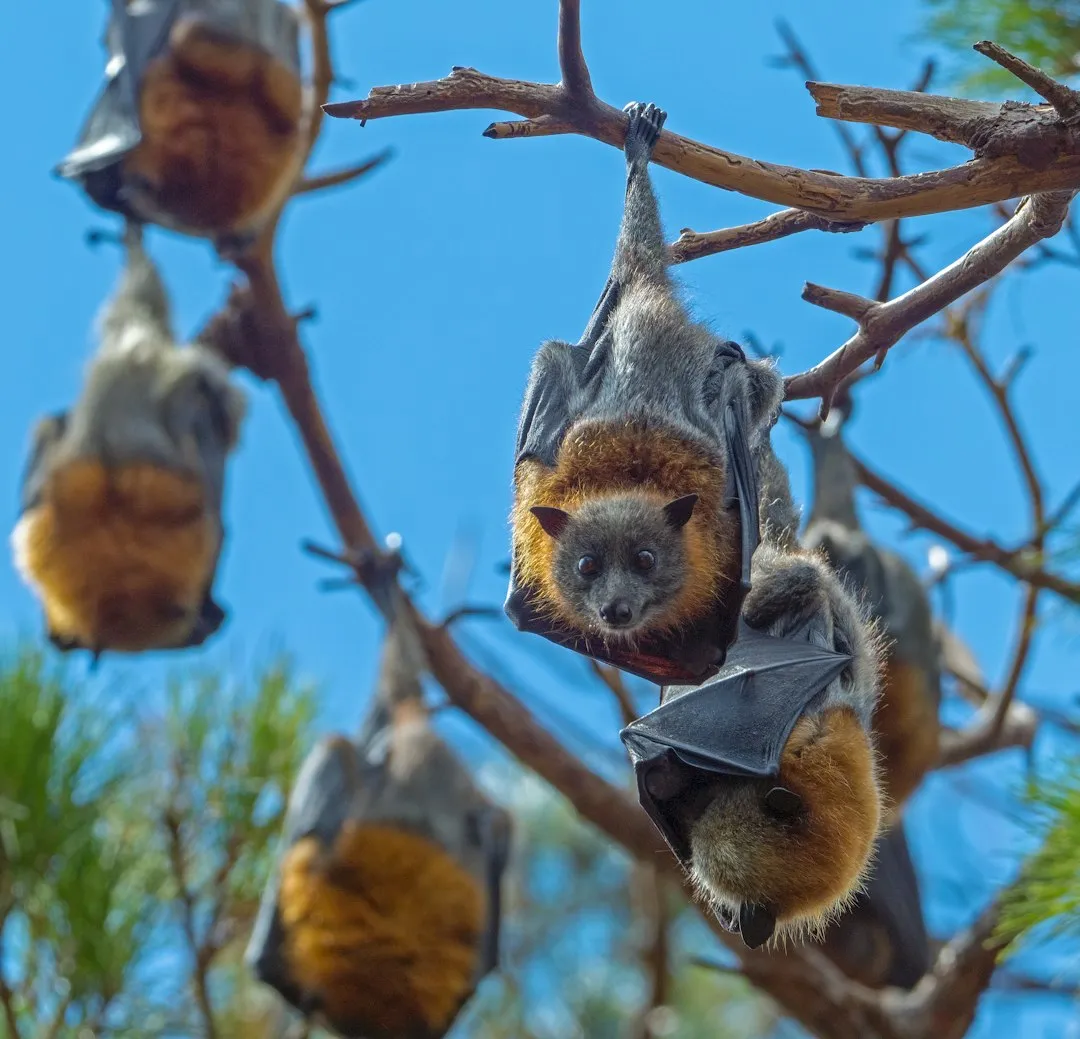
Bats don’t flip from summer hyperactivity straight into deep hibernation overnight. In the weeks leading up to winter, they practice. Short, controlled bouts of torpor, brief hibernation-like states where body temperature drops and the heart rate crashes, act like dress rehearsals for the real thing.
Body temperatures can plunge close to the surrounding cave temperature, and heart rates can fall from hundreds of beats per minute down to just a handful. This “torpor training” fine-tunes circulation, immune response, and fat-burning efficiency before it actually matters. Some bats cluster tightly to share warmth on certain nights, then spread out on others to test how their bodies handle colder exposure alone, and not every individual handles the stress equally well. That gap in resilience is part of why threats like white-nose syndrome hit some bats so much harder than others, since the disease exploits exactly these winter vulnerabilities and forces bats to wake more often, burning through fat they can’t afford to lose.
At a Glance
- Heart rate can plummet from 200–300 beats per minute down to just 10–25 beats per minute during hibernation
- A hibernating bat’s metabolic rate can be reduced by as much as 97 percent compared to when it’s awake and active
- Waking too early from hibernation causes bats to expend too much energy and burn up fat stores before spring, which can lead to starvation and dehydration
#7 – Deciding: Stay Local, Vanish Underground, or Leave the Country
🔥 Would you like to save this?
We'll email this post to you, so you can come back to it later!
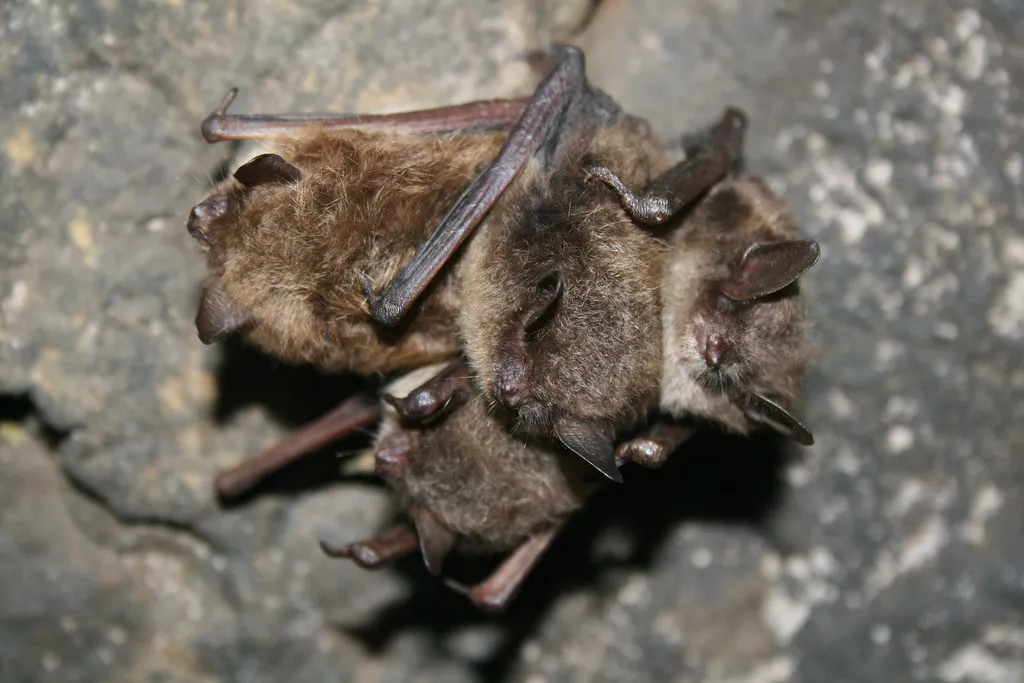
Not every bat handles winter the same way, and this is where most people’s picture completely falls apart. Some species are true hibernators, disappearing into underground sites for months at a time. Others are long-distance migrants, flying hundreds or even thousands of miles toward milder climates and better food supplies, and a few species split the difference with a messy hybrid strategy.
Temperate insect-eating bats across North America and Europe often funnel quietly into caves, mines, or deep rock crevices, returning to the exact same hibernacula year after year like clockwork. Meanwhile, some tree-roosting species choose migration instead, following insect fronts along coastlines and river valleys. What looks like bats simply disappearing from a neighborhood is actually a complicated split between local hibernators and continental travelers, and acoustic tracking plus banding studies show these routes are anything but random. The uncomfortable part is that climate change and habitat loss are already scrambling this playbook, and nobody fully knows yet what that rewrite is going to cost them.
Quick Compare
- Little brown bat (hibernator): may migrate as little as a few miles or up to roughly 300 miles to reach a winter hibernaculum
- Hoary bat (migrant): can fly as fast as 13 miles per hour and as high as 8,000 feet on seasonal journeys covering hundreds to thousands of miles
- Hybrid strategy: GPS tracking has documented a male hoary bat completing a round-trip journey of more than 1,000 kilometers in a single October, then settling into weeks-long hibernation bouts
In the weeks before bats disappear for winter, nothing about their lives is calm or simple, no matter how still the evening sky looks from your porch. They’re binging on insects, engineering fat reserves down to the gram, throwing high-stakes swarming parties, banking sperm for a pregnancy that won’t start for months, fighting over microclimate-perfect roosts, and stress-testing their own metabolism before betting their lives on the results.
Most people flatten all of that into one lazy phrase: “they hibernate.” That’s roughly as accurate as saying humans just “sleep more” in winter. Here’s the blunt opinion: if we keep treating bats as seasonal background noise instead of the highly specialized, precision survival machines they actually are, we’re going to keep losing them, and we’ll absolutely earn the explosion of crop pests and mosquitoes that follows. So the next time you catch that flicker of wings at dusk, ask yourself honestly, does that still look like nothing to you?

- 7 Everyday Habits That Can Make Your Senior Dog Happier - November 5, 2026
- 10 Enigmatic Structures That Continue to Puzzle Scientists Today - November 5, 2026
- 10 Strange Ruins in the Americas That Challenge What We Know About Early History - November 5, 2026