
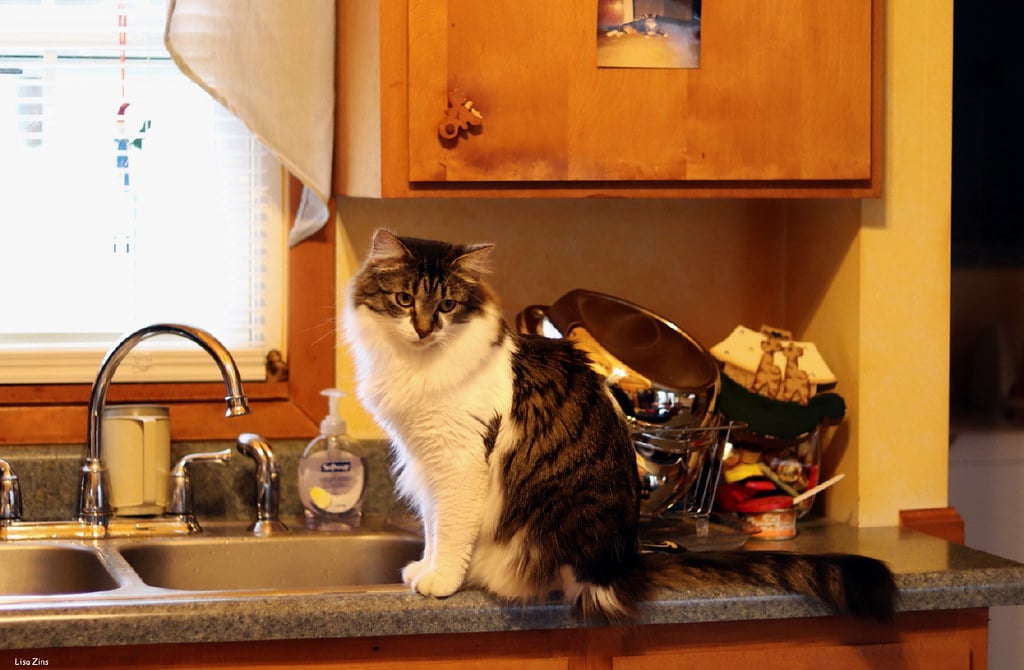
You leave for work, glance back at your cat curled on the couch, and assume that’s basically how they’ll stay until you’re home. Peaceful. Boring. Asleep. Pet cams, shelter behaviorists, and thousands of hours of quiet footage say that image is almost a total lie.
The second that door clicks shut, something switches on. Patrols happen. Rules get tested. Some cats spiral into quiet panic, others turn into tiny household detectives, and a few stage full theatrical performances for an audience of absolutely nobody. Here are 19 things cats actually do the moment your back is turned – and a few of them will change how you look at your “chill” cat forever.
#1 – The Frozen at the Door Panic Pause
🔥 Would you like to save this?
We'll email this post to you, so you can come back to it later!
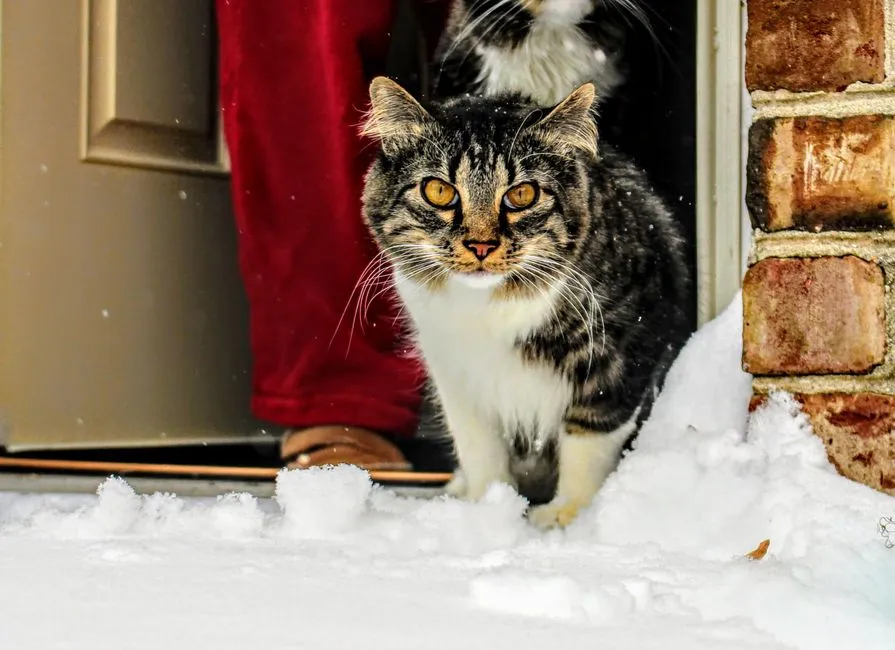
The first thing many cats do isn’t explore – it’s freeze. As soon as the latch clicks, some cats stand perfectly still, staring at the door for long, silent seconds. This isn’t them being chill. It’s them frantically recalculating their entire world: smells have shifted, sounds have changed, and their main safety figure just vanished.
Watch enough footage and a pattern appears – ears rotated forward, tail still, pupils blown wide. They’re listening hard for any sign you might come back. Only once they’re sure you’re truly gone do they switch modes and start moving again. It looks subtle on camera, but for an anxious cat, that frozen moment can be a genuine mini panic attack.
#2 – The Immediate Security Sweep of Their Territory
🔥 Would you like to save this?
We'll email this post to you, so you can come back to it later!
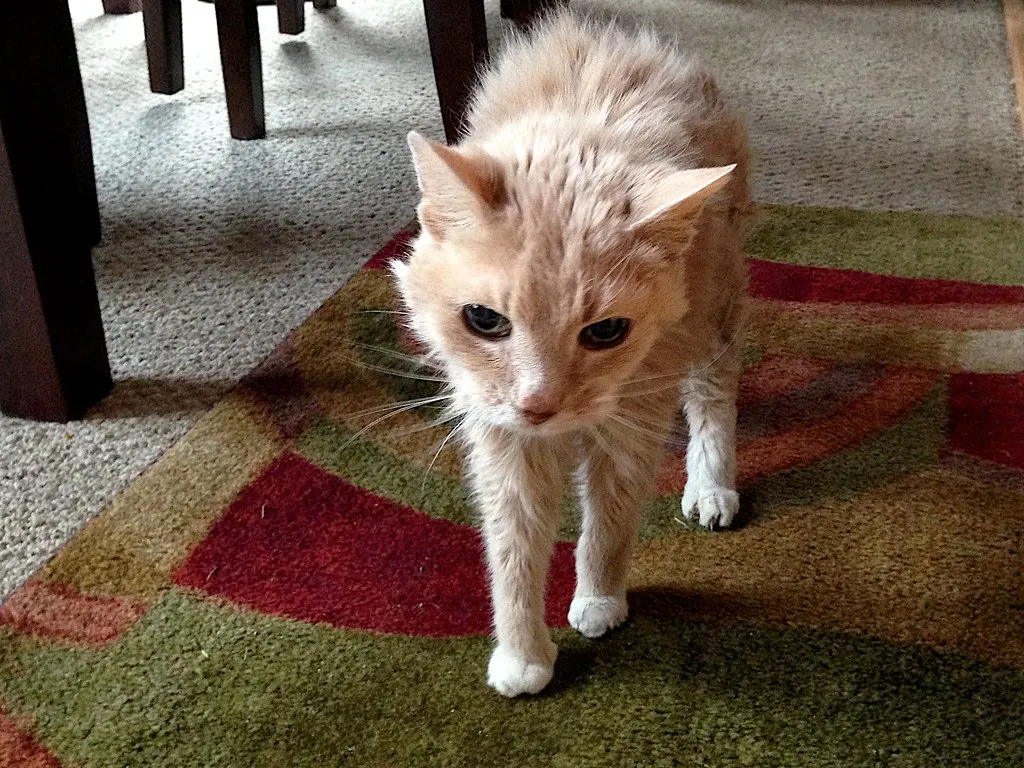
Once the door-stare breaks, many cats go straight into guard mode. They trot through the main rooms sniffing door frames, chair legs, and windowsills like tiny security officers clocking in for a shift. Most owners assume their cat couldn’t care less about the house, but left alone, plenty act like they’re personally responsible for guarding it.
You’ll often catch the same routine on camera: a quick circuit past favorite windows, then a deliberate nose-check of bags, shoes, or anything that smells like outside. This isn’t aimless wandering – it’s them resetting their mental map and making sure their scent still owns the place. Confident cats finish the sweep fast; nervous ones repeat it several times, especially after a loud noise outside.
Fast Facts
- Cats carry scent glands on their cheeks, chin, and paw pads, not just their nose
- Rubbing against furniture and doorframes deposits pheromones that mark a space as “safe”
- Confident cats often finish their patrol in under two minutes
- Anxious cats may re-sweep the same rooms multiple times a day
#3 – The Forbidden Furniture Takeover
🔥 Would you like to save this?
We'll email this post to you, so you can come back to it later!
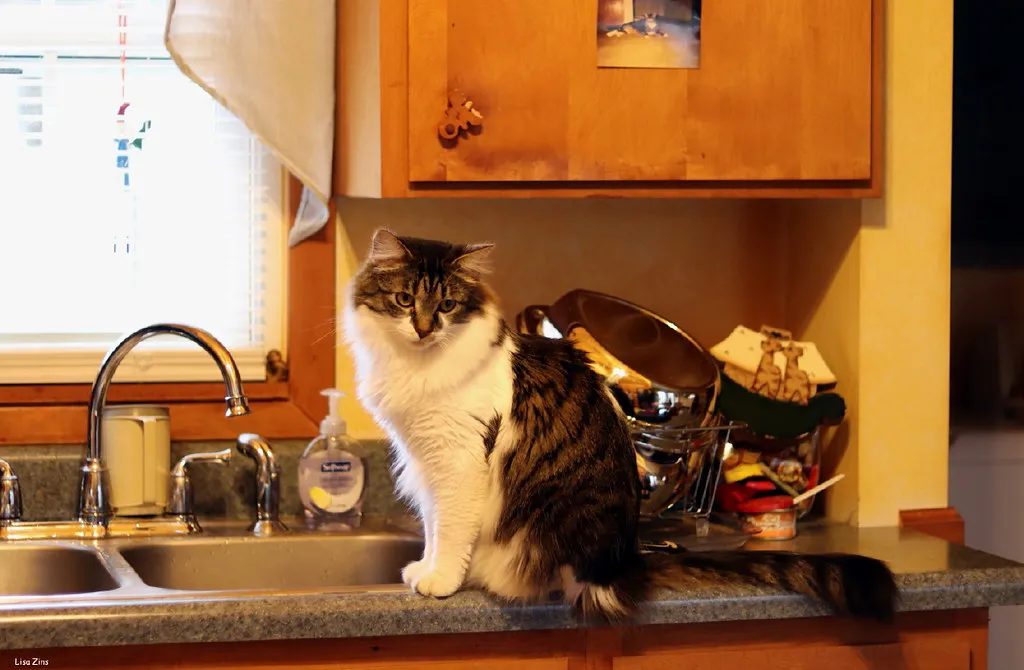
Plenty of people swear their cat “never” goes on the counters. Reality check: the second you leave, a shocking number of cats head straight for the exact surfaces they’re banned from. Kitchen counters, dining tables, the back of the sofa – suddenly everything is fair game.
Part of it is scent. Your smell lingers strongest on chairs, beds, and couches, and cats gravitate toward that comfort when you’re gone. Part of it is simpler than that – you’re just not there to say no. Camera footage often shows the same tell: hesitation on the floor, a glance at the door, then a bold hop up and a slow, investigative stroll along forbidden territory.
#4 – Standing Guard at the Window Like Furry Neighborhood Watch
🔥 Would you like to save this?
We'll email this post to you, so you can come back to it later!
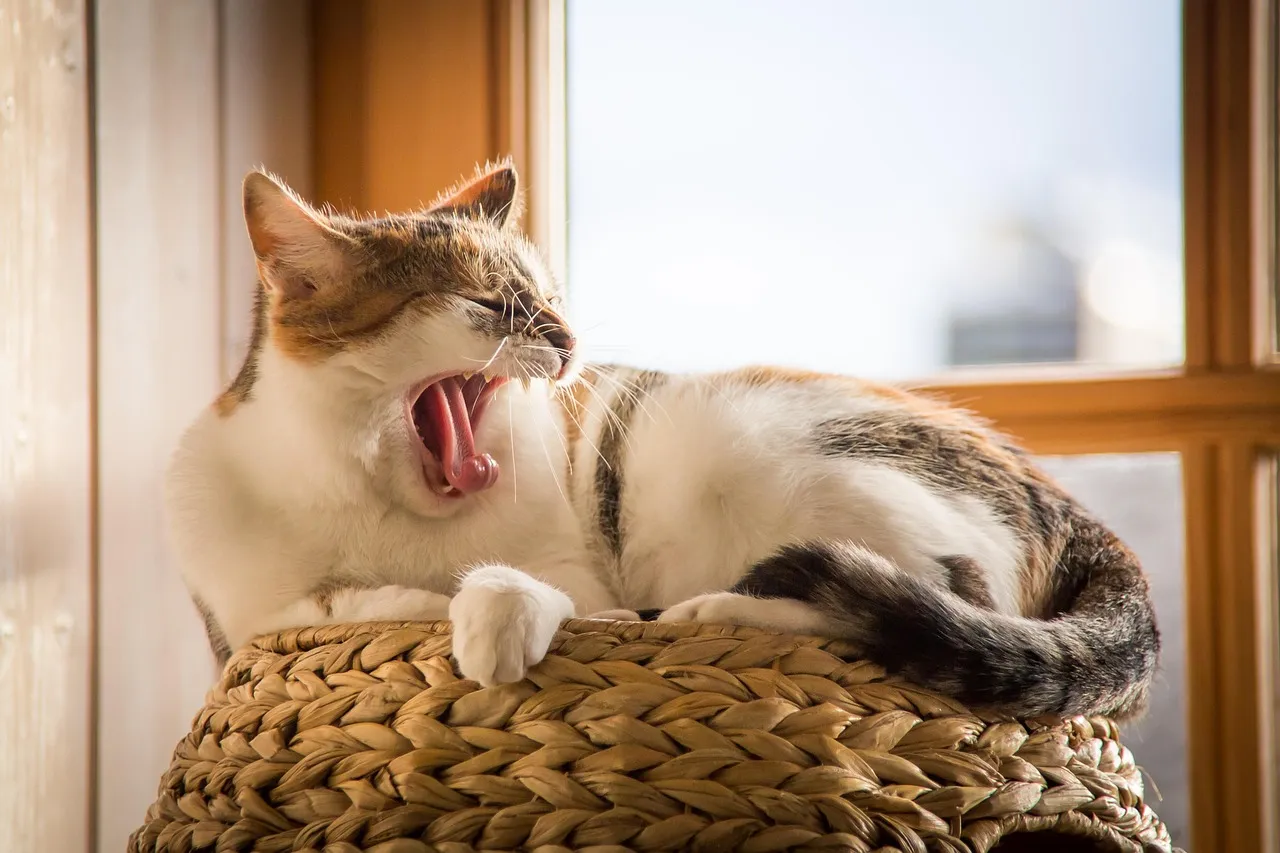
Once the boundary-testing is done, many cats settle into their favorite role: window guard. They park themselves on the sill, the back of the couch, or a cat tree and monitor the outside world with laser focus. To them, every passerby, bird, dog, and delivery truck is data about whether the territory is still safe.
Some cats simply watch. Others chatter at birds with that odd clicking sound, thump their tail hard when a strange cat crosses the yard, or flatten their ears and growl at a loud truck. What looks like relaxing bird-watching is often low-grade tension. The irony is that owners assume window time is pure chill, when for some cats it’s basically a shift on the front line.
#5 – Soft, Lonely Meows Aimed at Empty Rooms
🔥 Would you like to save this?
We'll email this post to you, so you can come back to it later!
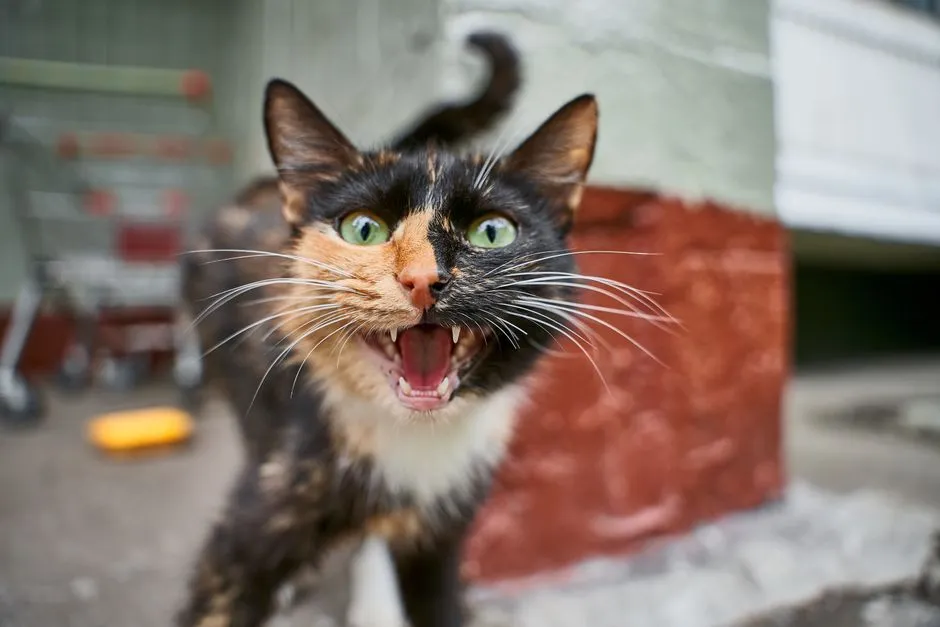
Everyone knows cats meow at humans. What most people never see is how often they do it when no human is around to hear it. Pet cams keep picking up soft, questioning meows directed at empty rooms, especially in the first five to fifteen minutes after you leave.
These aren’t the dramatic yowls of a hungry cat. They’re gentle, almost hopeful sounds – pacing and calling, then pausing to listen, or wandering to the rooms you usually sit in just to vocalize there. Critics love to say cats don’t actually miss anyone. The footage keeps saying otherwise, and it’s a little heartbreaking once you notice how tuned-in some cats really are to you specifically.
#6 – Hunting Down Your Scent Like an Emotional Security Blanket
🔥 Would you like to save this?
We'll email this post to you, so you can come back to it later!
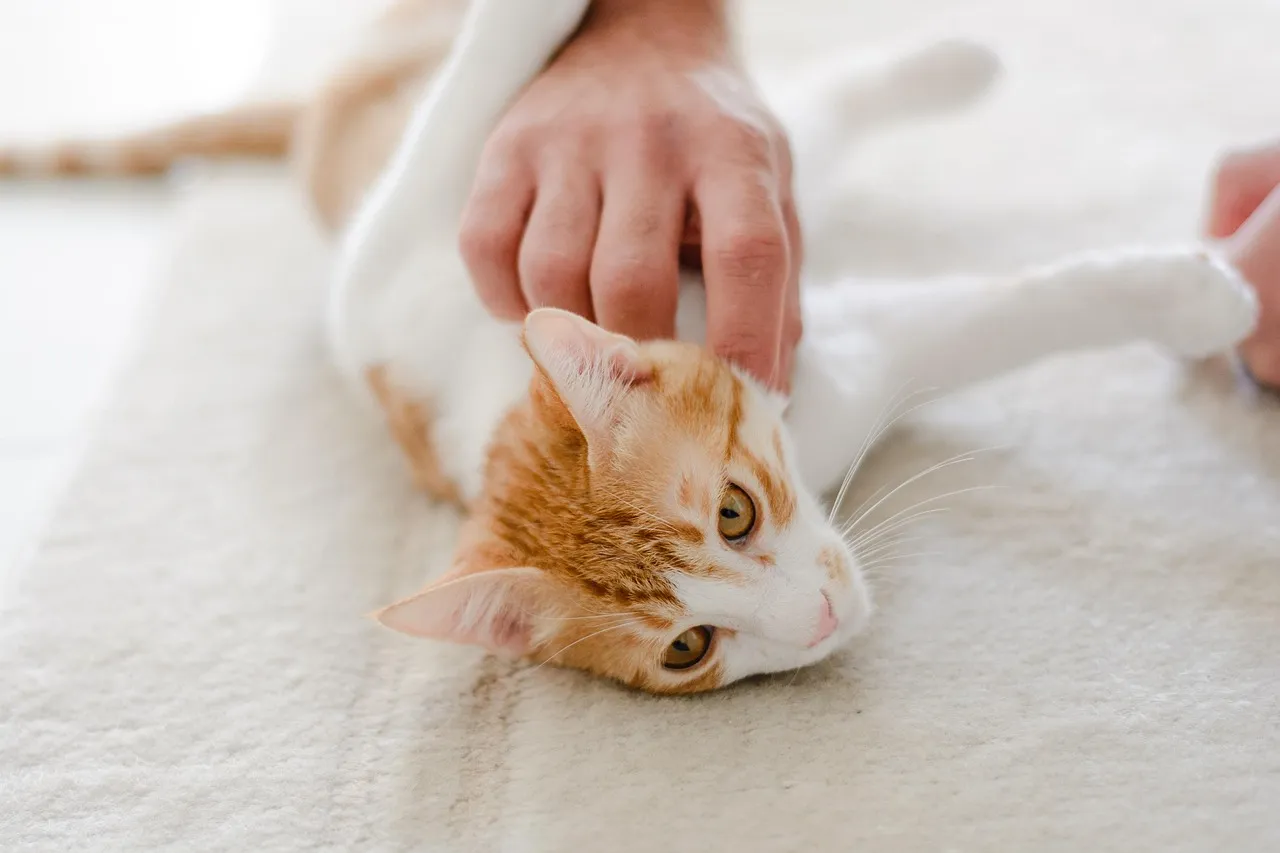
After the calling stops, many cats go on a scent hunt. They head straight for whatever smells most like you – your pillow, your favorite chair, the laundry pile you swore you’d fold. Scent is a cat’s version of security, and your smell functions almost like a weighted blanket for their nervous system.
You’ll see them bury their face in your pillow and inhale deeply, knead a hoodie you left on the couch, or curl up on your shoes like they’re prized cushions. Sometimes this is sweet, ordinary bonding. Other times it’s a sign of real separation anxiety – excessive licking of your clothes, agitation when your scent fades, or restless pacing between your favorite spots.
#7 – Full-Speed Ambush Games Against Nobody
🔥 Would you like to save this?
We'll email this post to you, so you can come back to it later!
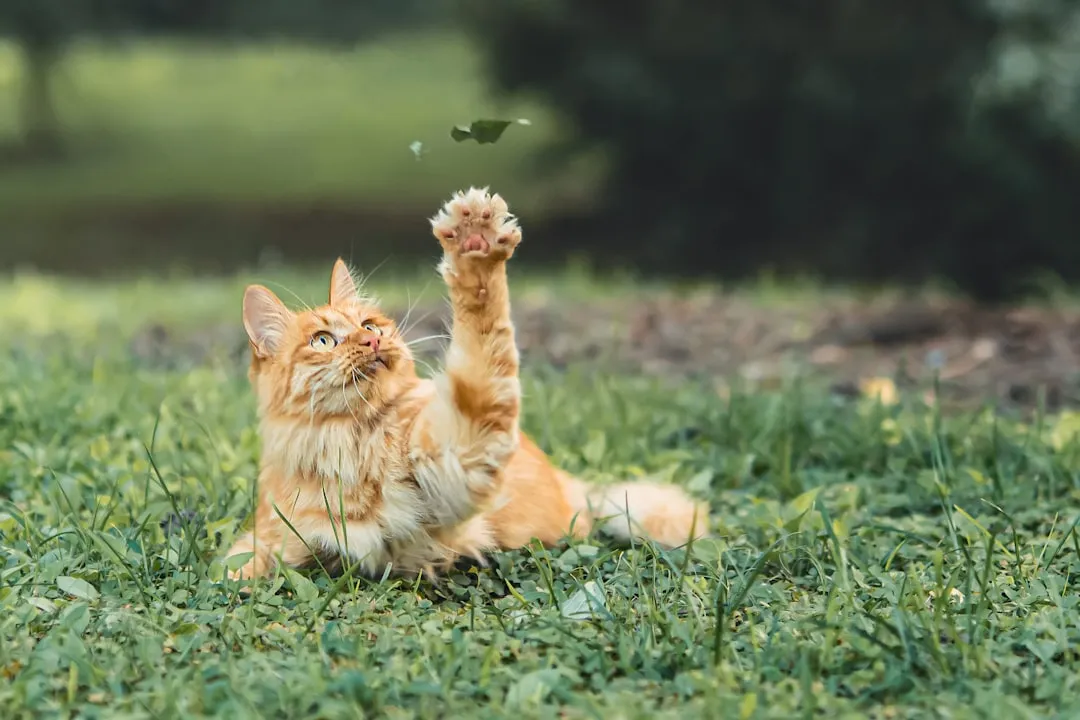
Once the anxiety dip passes, the hunting instinct takes over. Cats are predators whether or not anyone’s watching, and being home alone doesn’t switch that off. You’ll catch them darting behind furniture, stalking down the hallway, then pouncing on absolutely nothing visible.
In their head, they’re rehearsing ambushes on invisible prey – hiding behind a doorway with a twitching tail before launching out, sprinting room to room at full zoom, or batting at shadows and drifting hair ties like they’re live mice. Owners usually only catch the tail end when they walk in on a wound-up cat. The real chase scenes happen mid-day, when the house is silent and the inner predator has room to run wild.
#8 – Raiding Trash, Bags, and Anything That Smells Forbidden
🔥 Would you like to save this?
We'll email this post to you, so you can come back to it later!
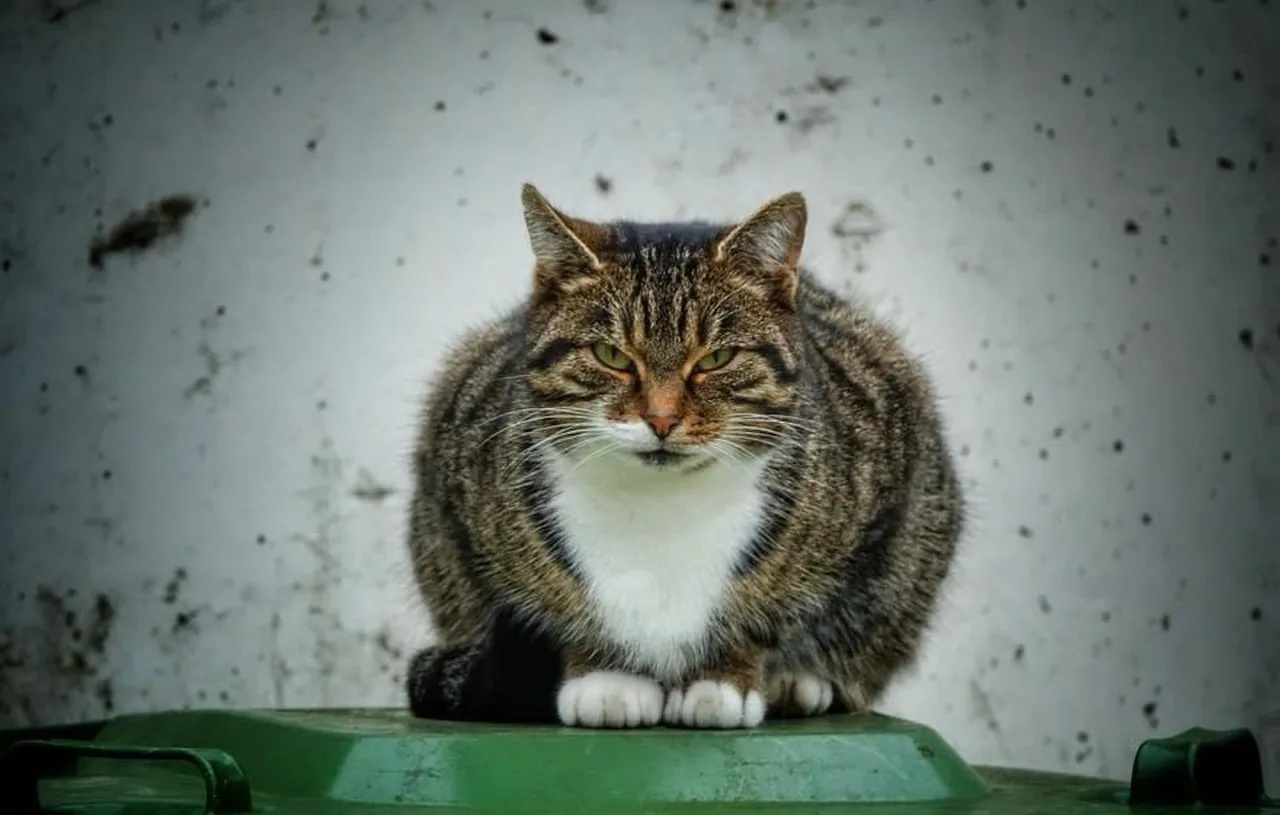
If you think your cat has zero interest in the trash can or your grocery bags, you’re probably just not home to see it. Left alone, plenty of cats turn into full-time investigators of anything smelly and crinkly. Food-scented trash, shopping bags, backpacks, and purses instantly become top-tier targets.
The mischief looks specific: tipping the bathroom bin to inspect used tissues, climbing into reusable bags and chewing the handles, pawing through grocery bags hunting for meat or fish smells. It isn’t always hunger – it’s curiosity mixed with the thrill of exploring your off-limits stuff. The real danger is strings, plastic, and small bones, which is exactly why this cute-looking habit deserves more attention than most owners give it.
#9 – Anxious Pacing Loops That Look Nothing Like Relaxation
🔥 Would you like to save this?
We'll email this post to you, so you can come back to it later!
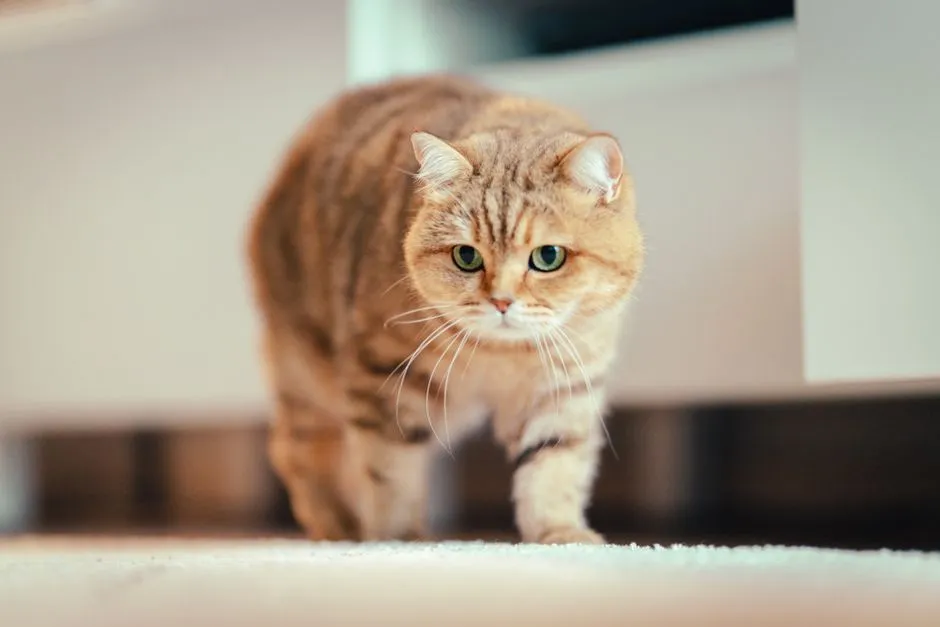
Not every alone-time behavior is charming. Some cats fall into repetitive pacing – walking the exact same route over and over, pausing at doors or windows, then repeating the loop. When it goes on for long stretches, especially paired with tail flicking or a stiff posture, it’s a real stress signal, not a quirky habit.
You’ll see hallway laps from bedroom to front door, the same jump on and off a piece of furniture again and again, or a pause to sniff the gap under a closed door before circling back. Behaviorists compare this to mild stereotypic behavior, the kind of repeated motion that helps an anxious animal cope. Most owners never catch it because the cat settles down before they get home, so all they ever see is the nap – never the stress that built up before it.
Worth Knowing
- Pacing paired with a flicking tail or stiff posture is a stress cue, not idle wandering
- Vets sometimes label this repeated-loop behavior “stereotypic,” a coping motion seen in anxious animals
- Puzzle feeders, window perches, and short play sessions before you leave can lower the odds of it
- Because cats settle before you walk in, most owners never witness the loop at all
#10 – Staring at Nothing While Tracking Everything
🔥 Would you like to save this?
We'll email this post to you, so you can come back to it later!
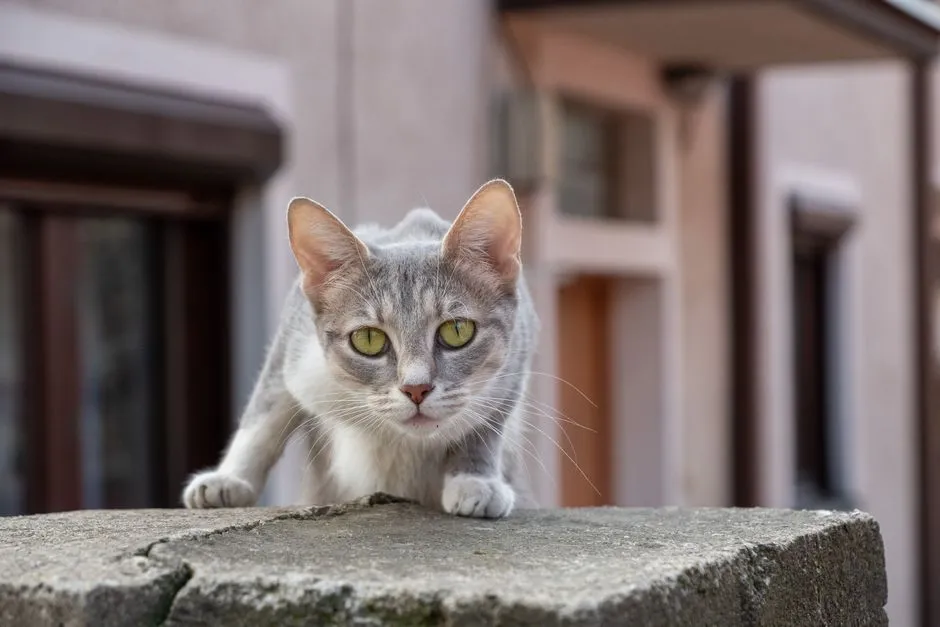
One of the strangest solo behaviors is the blank stare. Your cat sits in a hallway or on the bed and gazes at a patch of wall for minutes at a time. To us, it looks unsettling. To your cat, it’s sensory processing – listening to vibrations, distant sounds, or tiny movements humans can’t detect at all.
Turn up the volume on pet-cam audio during one of these moments and you’ll often catch pipes humming, footsteps in another part of the building, or birds and insects outside. Cats’ hearing and motion detection are sharp enough that staring at nothing is usually them monitoring a surprising amount of subtle activity. It’s the exact behavior that fuels every “my cat sees ghosts” theory online – ghosts or plumbing, they are never as checked-out as they look.
#11 – Napping With Military-Grade Timing
🔥 Would you like to save this?
We'll email this post to you, so you can come back to it later!
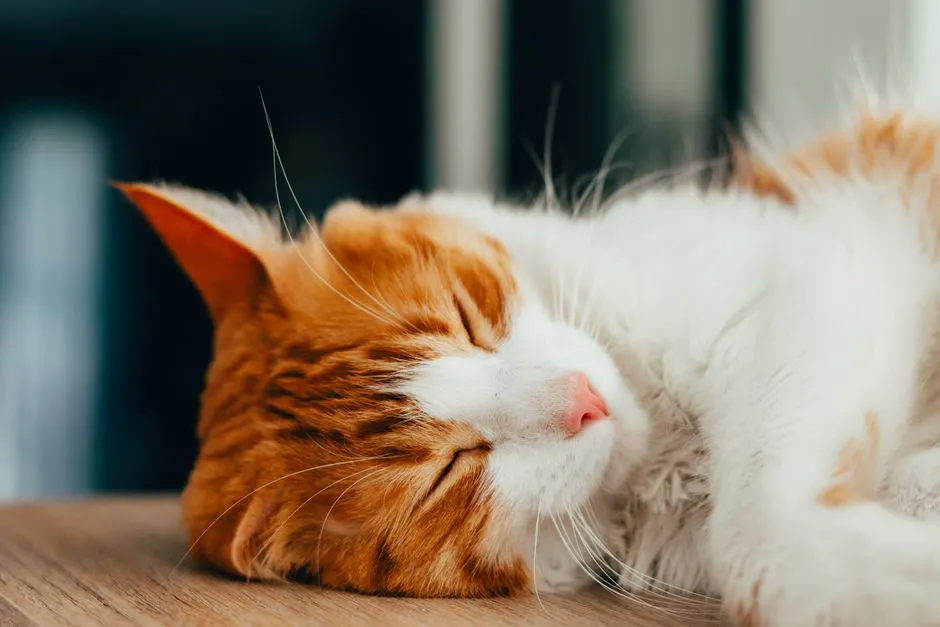
People love repeating the fact that cats sleep sixteen hours a day and assume it means they’re relaxed the whole time. The hidden truth is stranger: many cats place their naps with real precision, timing deep sleep for the dead middle of your absence and lighter dozing closer to when you usually walk back in.
Cameras reveal the pattern clearly – floppy, deep sleep in a secluded spot right after the neighborhood’s busy window, a switch to lighter, ears-twitching loafing near your typical arrival time, and sleep spots specifically chosen so they can see or hear the front door. It’s not just rest, it’s strategy. That’s exactly why some cats seem to magically appear at the door five seconds before you walk in – they’ve been half-listening from a chosen post for a while.
#12 – Quiet Power Struggles With the Other Pets
🔥 Would you like to save this?
We'll email this post to you, so you can come back to it later!
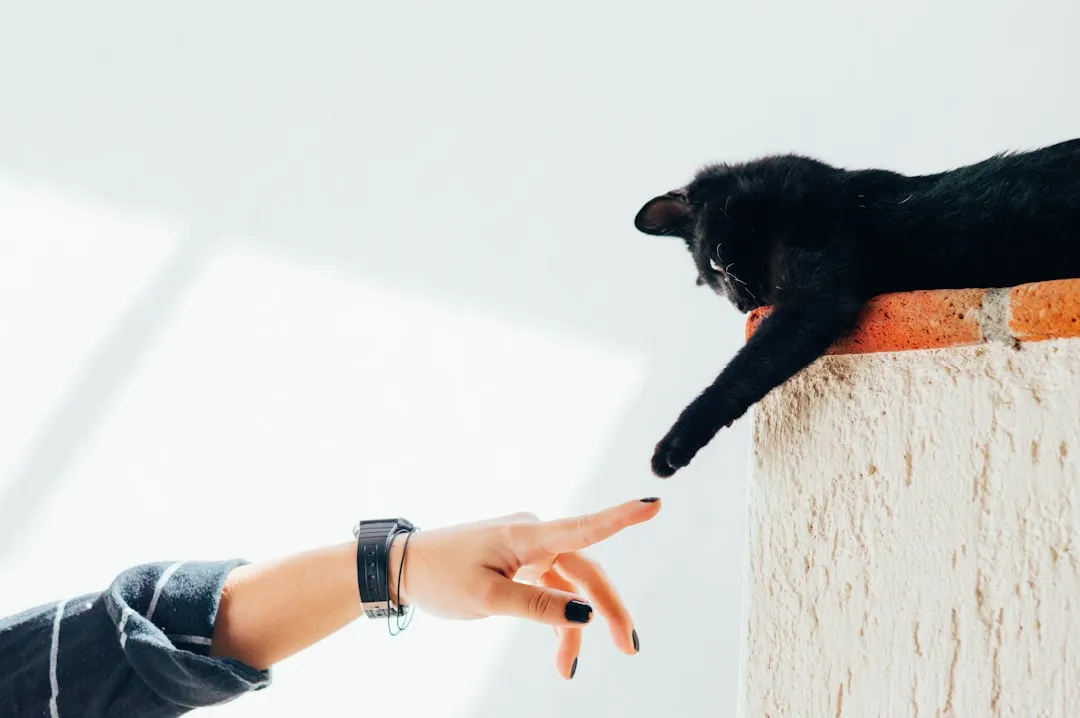
In multi-pet homes, the real drama often unfolds the moment the referee leaves. Once you’re gone, cats frequently renegotiate who owns what. Sofas, window perches, and even water bowls can turn into contested mini territories with their own unspoken rules.
You might catch one cat blocking another from the litter box entrance, a subtle swat over a favorite bed, or quiet bullying near food stations if the bowls aren’t spaced apart. Most of it is silent and slow – no dramatic fights, just constant small power moves. Then you walk in, everyone looks perfectly angelic, and you’re left wondering why one cat always seems to hide more than the other. Your presence suppresses the politics; your absence reveals who’s actually running the house.
#13 – Excessive Grooming as a Private Coping Ritual
🔥 Would you like to save this?
We'll email this post to you, so you can come back to it later!
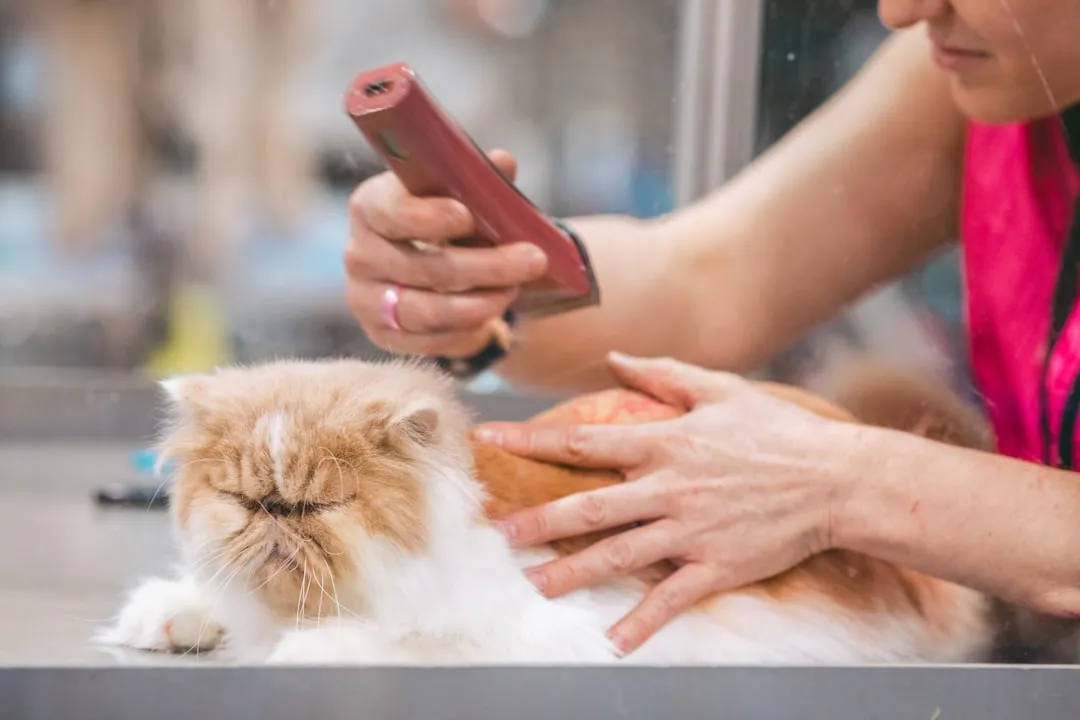
Grooming itself is completely normal, but the pattern during alone time is what matters. Some cats ramp it up hard the second people leave, licking and cleaning in long, intense sessions that go far beyond routine hygiene. In moderation it’s self-soothing. In excess, it’s a textbook anxiety response.
The tells are specific – grooming immediately after a startling noise, fixating on the exact same patch of fur, or interrupting pacing and meowing with sudden long grooming bursts. Over time this can cause bald spots or irritated skin that vets often chalk up to allergies before anyone considers behavior. Camera footage tells the real sequence: you leave, they fret, they groom to cope. It’s a quiet ritual with loud emotional roots.
#14 – Secret Food Bowl Rituals Nobody’s Supposed to See
🔥 Would you like to save this?
We'll email this post to you, so you can come back to it later!
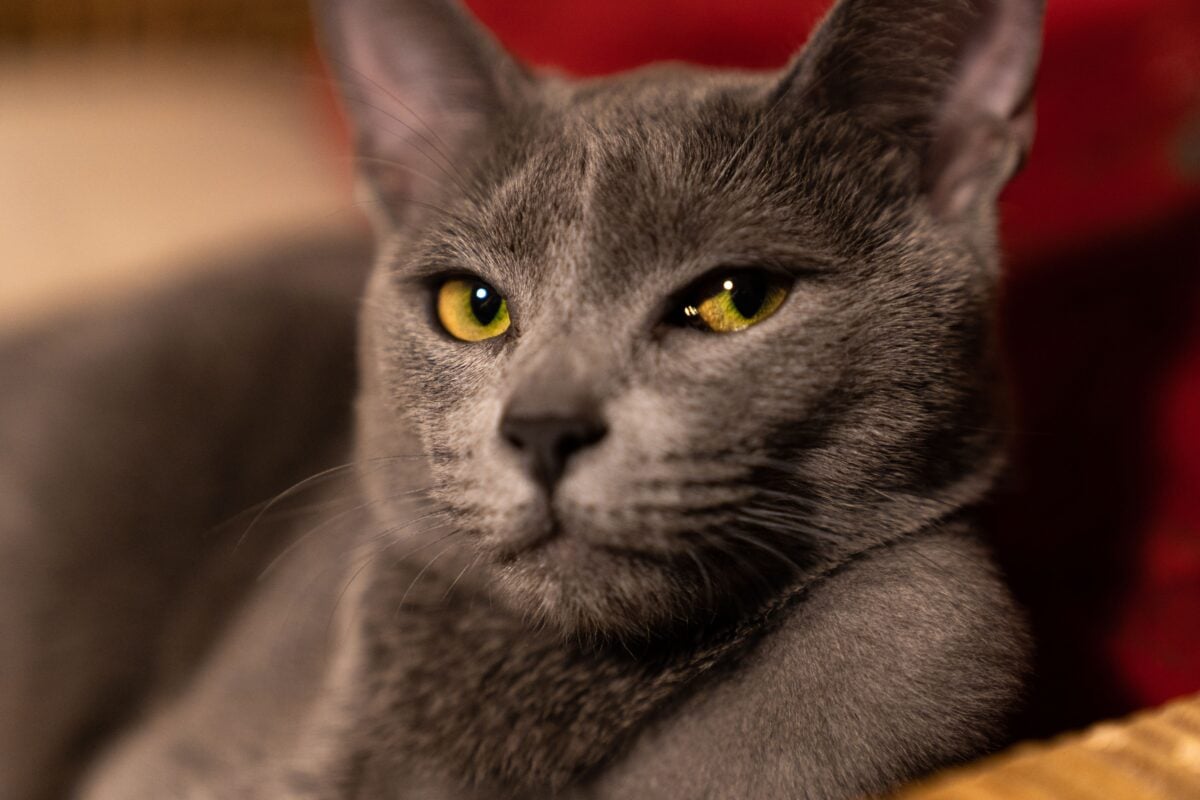
The myth is that cats calmly nibble kibble throughout the day like polite little grazers. The reality is that a lot of them treat mealtime like a private ceremony the moment nobody’s watching. Some barely touch the bowl until you’re gone, then raid it in one intense session; others scatter kibble across the floor, bat pieces around, or “hunt” their food before they’ll eat a bite.
Solo food quirks show up constantly on camera – dragging kibble out of the bowl to eat on a rug, pawing at the food like they’re burying leftovers, or ignoring the bowl for hours before bingeing right before your usual return time. These habits can point to boredom or genuine discomfort with the bowl’s location. Either way, you’ll only ever catch it by watching what happens when your cat thinks nobody’s judging their table manners.
Quick Compare
- Typical grazing: small, calm nibbles spread across the day near the bowl
- Solo ritual eating: one intense binge timed right before you’re due home
- Typical grazing: eats straight from the bowl without fuss
- Solo ritual eating: drags kibble onto a rug, bats it around, or “hunts” it first
#15 – Quietly Testing Every Closed Door in the House
🔥 Would you like to save this?
We'll email this post to you, so you can come back to it later!
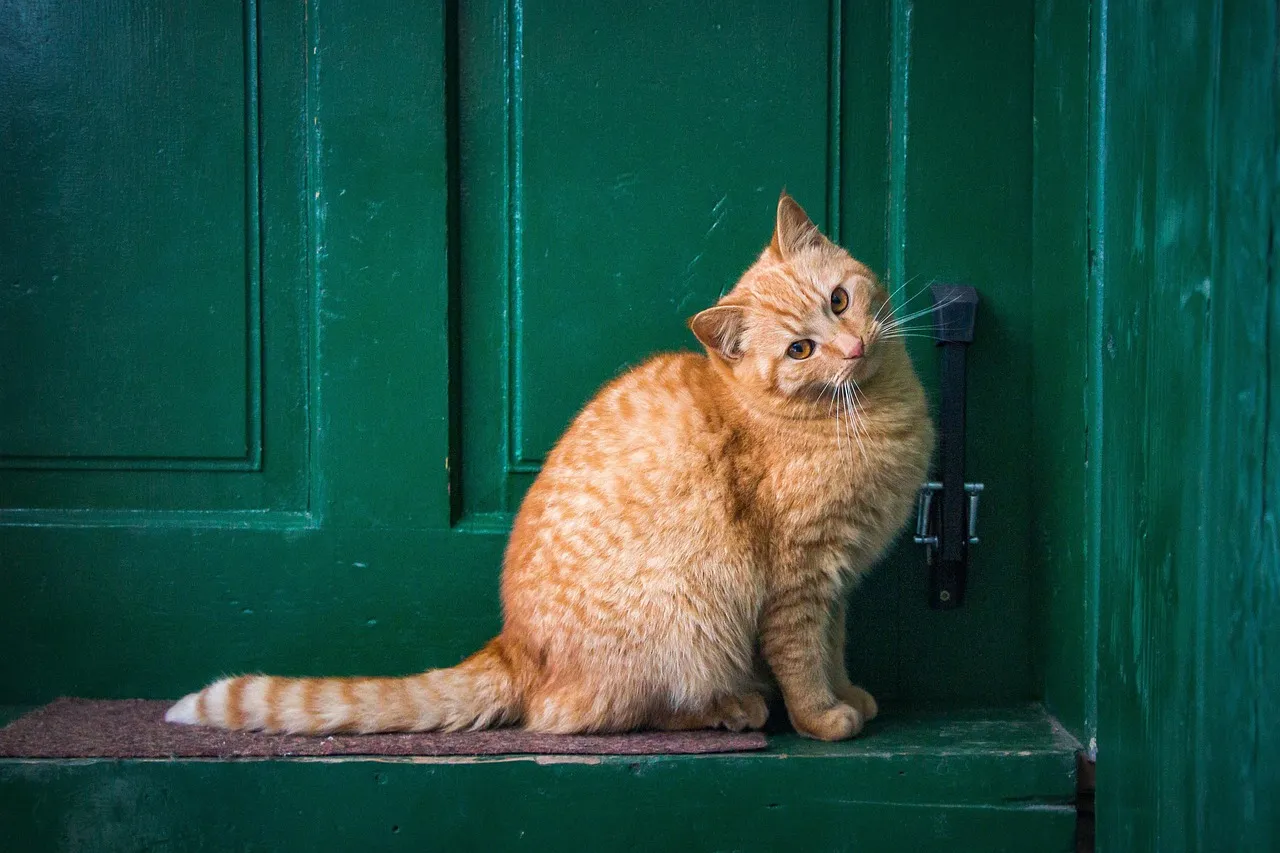
You shut a bedroom or office door and assume that settles it. A lot of cats see a closed door as a challenge instead. The moment you’re gone, they’ll nudge, paw, and sometimes even body-slam the door just to see what gives.
Cameras catch behaviors owners never witness in person – repeated pawing under a closed door followed by lying down to sniff the gap, testing old-house door handles that rattle just enough to be tempting, or circling a shut door multiple times over the course of a day. It’s quiet, persistent, and weirdly methodical. Most people assume their cat simply accepts the rules, but plenty are quietly re-testing them every single time you leave, just in case the rules changed while you were gone.
#16 – Watching a Clock That Doesn’t Exist
🔥 Would you like to save this?
We'll email this post to you, so you can come back to it later!
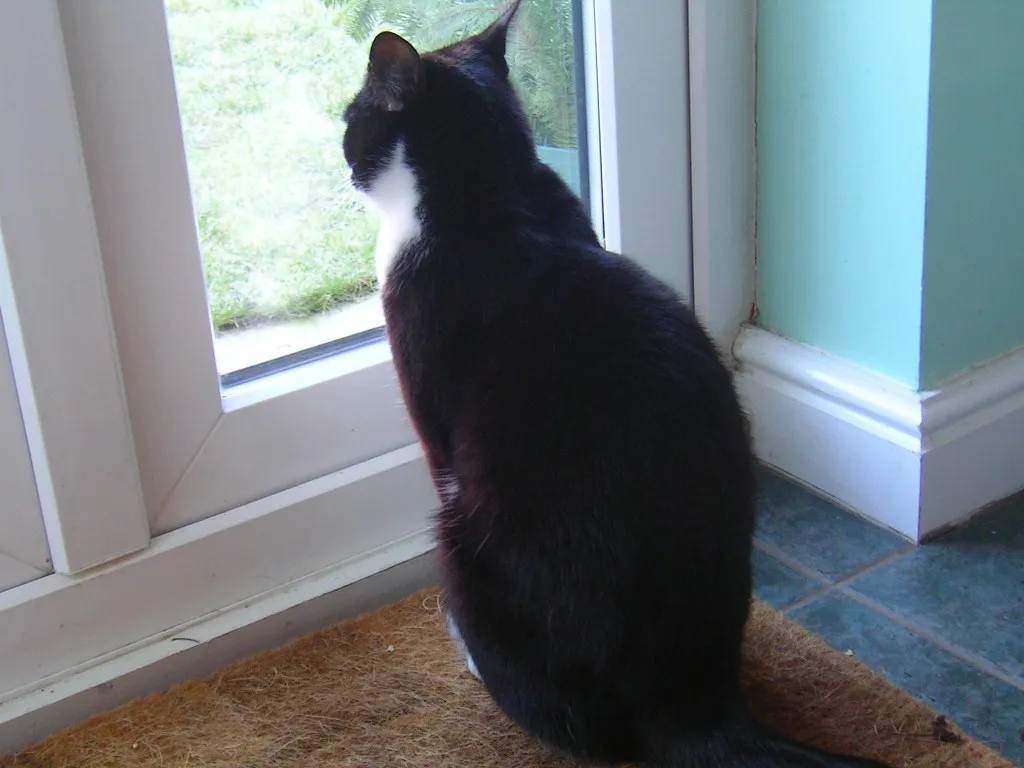
Owners love bragging that their cat “just knows” when they’re about to walk in. That’s not magic – it’s pattern recognition. Cats read light changes, neighborhood noise, and their own internal rhythms to anticipate your return, and what they do in the hour before that moment is oddly specific.
You’ll usually see a shift from deep rest to alert lounging, more frequent trips toward the door or hallway, and short, random meows followed by listening pauses. They’re essentially checking the schedule. The more interesting part is what happens when you’re late – some cats visibly get restless or upset compared to your usual pattern, pacing or calling more during that stretched-out window. You’re not imagining it. Your cat really does notice when you break the routine.
#17 – Solo Zoomies With Zero Audience
🔥 Would you like to save this?
We'll email this post to you, so you can come back to it later!
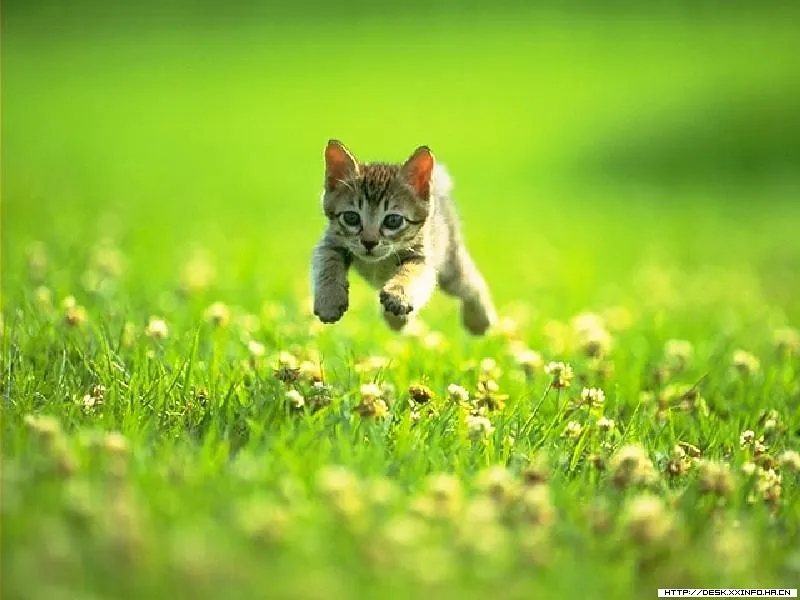
We joke about the 3 a.m. zoomies, but plenty of cats have a full solo chaos session right in the middle of your workday. Out of nowhere they tear through the house at top speed, bounce off furniture, and launch up and down the stairs like something’s chasing them. It isn’t random madness – it’s a pressure release for energy and emotion that has nowhere else to go.
The pattern usually looks the same: long stillness, then an explosive sprint, followed by running a set loop around the house several times before ending on a high perch, breathing fast, eyes wide, then grooming it off. Without any social filter, cats go full feral-athlete mode. It’s funny to watch back on camera, but it also flags something real – a lot of “calm” indoor cats are chronically under-stimulated, and their only real workout happens while nobody’s around to see it.
#18 – Staging the Perfect Welcome-Home Position
🔥 Would you like to save this?
We'll email this post to you, so you can come back to it later!
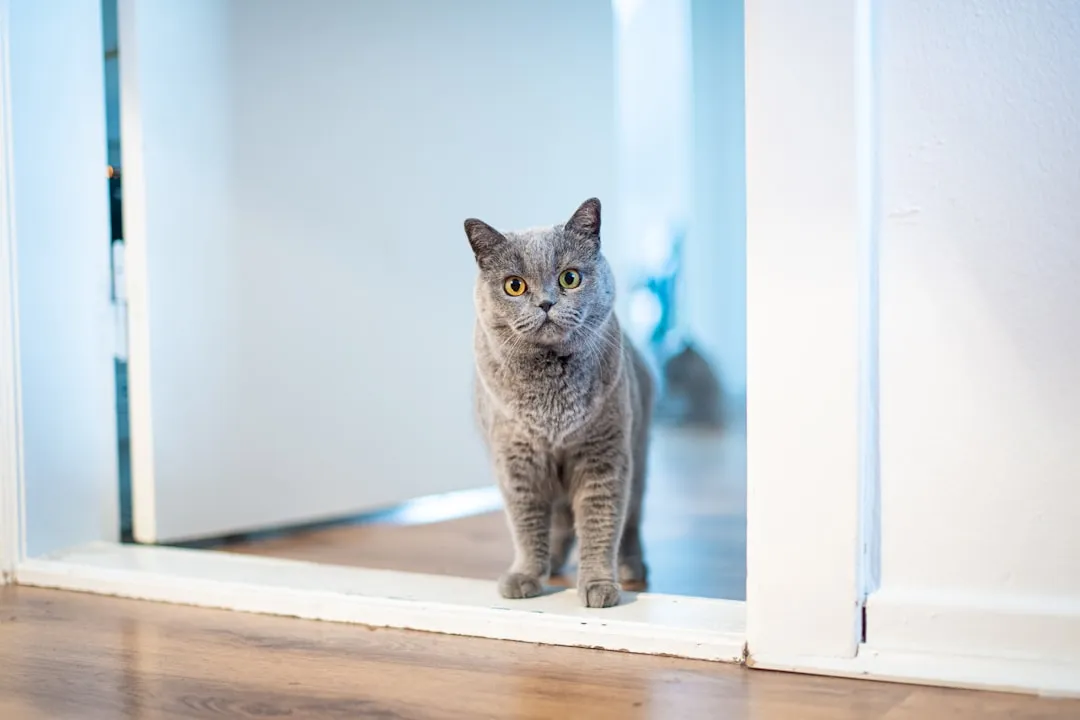
Here’s the part almost nobody talks about – the moment right before you walk in. Many cats intentionally stage exactly where they’ll be positioned when the door opens. Some go for the high-drama greeting right at the entrance, while others pick a deliberately “casual” spot that still gives them a clear line of sight to you.
Hours of footage show the same setup over and over – waiting near the door for several minutes, then stepping back to a favorite mat or chair right before you arrive, or sitting halfway down the hall angled toward the entrance, ready to pretend they “just happened” to be there. Some will even leap off a forbidden counter the instant they hear your keys. That casual “oh hey, didn’t see you there” act is extremely calculated. Your cat is tracking your comings and goings far more closely than most people are comfortable admitting.
At a Glance
- Many cats reposition themselves within sight of the door minutes before your usual arrival
- Some abandon a forbidden counter or bed the instant they hear keys jingling
- A “casual” nearby spot is common in confident, people-oriented cats
- Cats with more anxiety tend to wait directly at the entrance instead
#19 – Rewriting the Entire Story the Second You Walk In
🔥 Would you like to save this?
We'll email this post to you, so you can come back to it later!
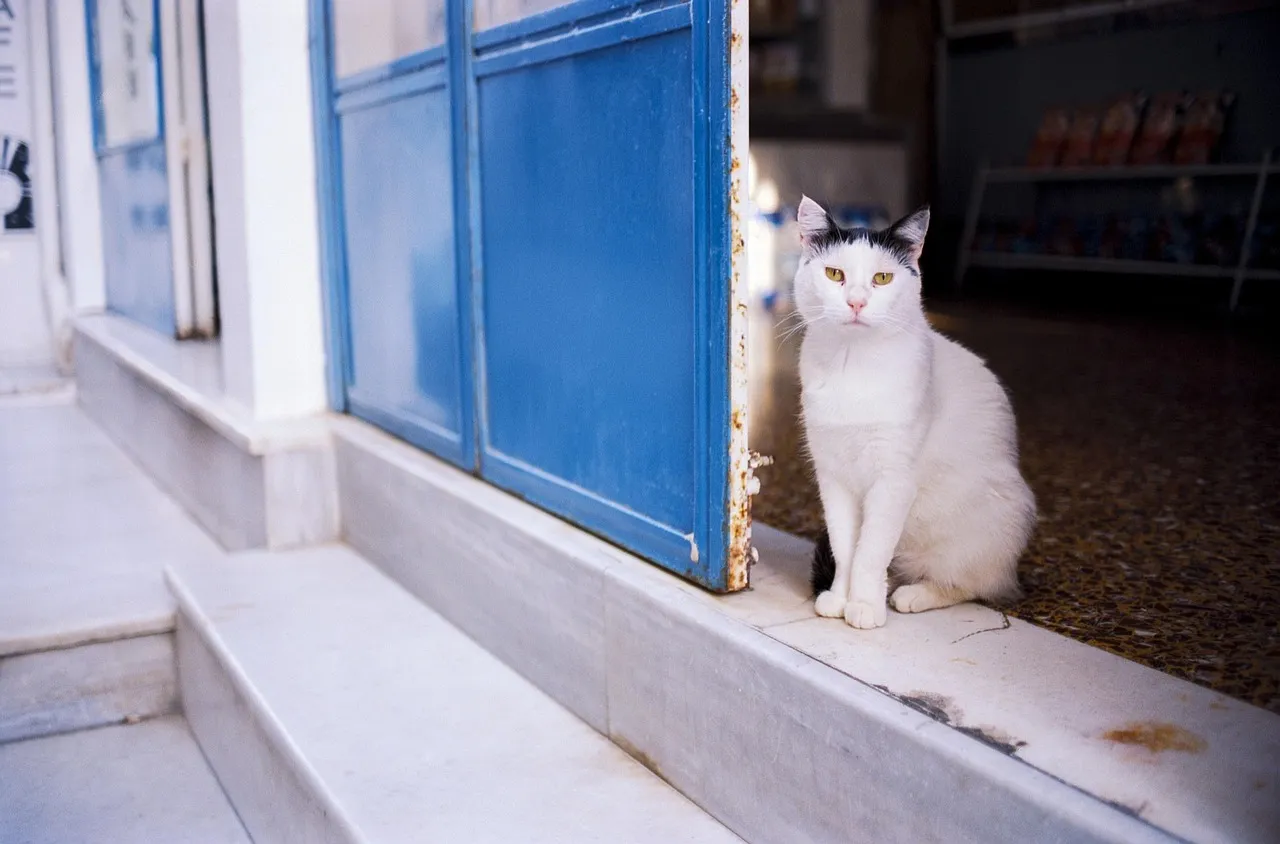
This is the most underrated behavior of all – the instant rewrite. The second they hear your key in the lock, many cats shut down their alone-time personality entirely and slip back into the human-facing version. The pacing stops, the window-guard act softens, and any mischief gets abandoned mid-act.
What you see in the first thirty seconds after you walk in is not who they were all day. They might trot over like they just woke up, after hours of being wide awake. They might lead you to the food bowl, skipping right past the anxiety they were sitting in ten minutes earlier. It’s the calm, curated version of themselves that they’ve learned gets rewarded – which means most owners are judging their cat’s emotional health on the least honest slice of the entire day.
Cats don’t just sleep until you get back. When the door closes, they slip into a private world of patrols, quiet panic, comfort rituals, rule-breaking, and strangely calculated routines. The polite, slightly aloof roommate you think you live with is only one version of your cat – the solo version is more emotional, more territorial, and a lot more invested in you than the stereotypes ever gave them credit for.
Here’s the take I’ll stand behind: if you only judge your cat’s well-being by the calm, curated performance you see at the door, you’re missing the real story entirely. The pacing, the scent-seeking, the staged naps, the silent power struggles – that’s the honest version. Cameras haven’t proven cats don’t care. They’ve proven the opposite. They care hard, they cope quietly, and they rewrite the whole narrative the moment they hear your key. So – did we nail your cat’s secret life, or is yours the rare exception? Say it in the comments, I want to know.

- Marine Biology Says When Dolphins Suddenly Go Silent in Open Water It's Not Rest – They've Detected a Predator You Cannot See and Their Survival Strategy Reveals How They Read Danger - November 5, 2026
- Why Veterinarians Say If Your Cat Sleeps With Their Back to You, It's the Highest Form of Trust in Feline Behavior - November 5, 2026
- 10 Common Garden Pests That Are Actually Beneficial To Your Backyard Ecosystem - November 5, 2026