
Recently, reports have surged about the alarming increase in animal deaths along the Atlantic coast. This mysterious phenomenon has captivated scientists, environmentalists, and the general public, leading to widespread concern and curiosity. This article dives deep into the potential causes of this troubling trend, exploring natural factors, human influences, and the collective efforts to address this crisis.
The Mysterious Surge in Animal Deaths

The sudden spike in animal deaths along the Atlantic shorelines has raised eyebrows and questions. Numerous species, notably marine life such as fish, birds, and mammals, have been found deceased in alarming numbers. This development has ecological, economic, and environmental implications, prompting urgent investigation and action.
Historical Context of Marine Life Mortality
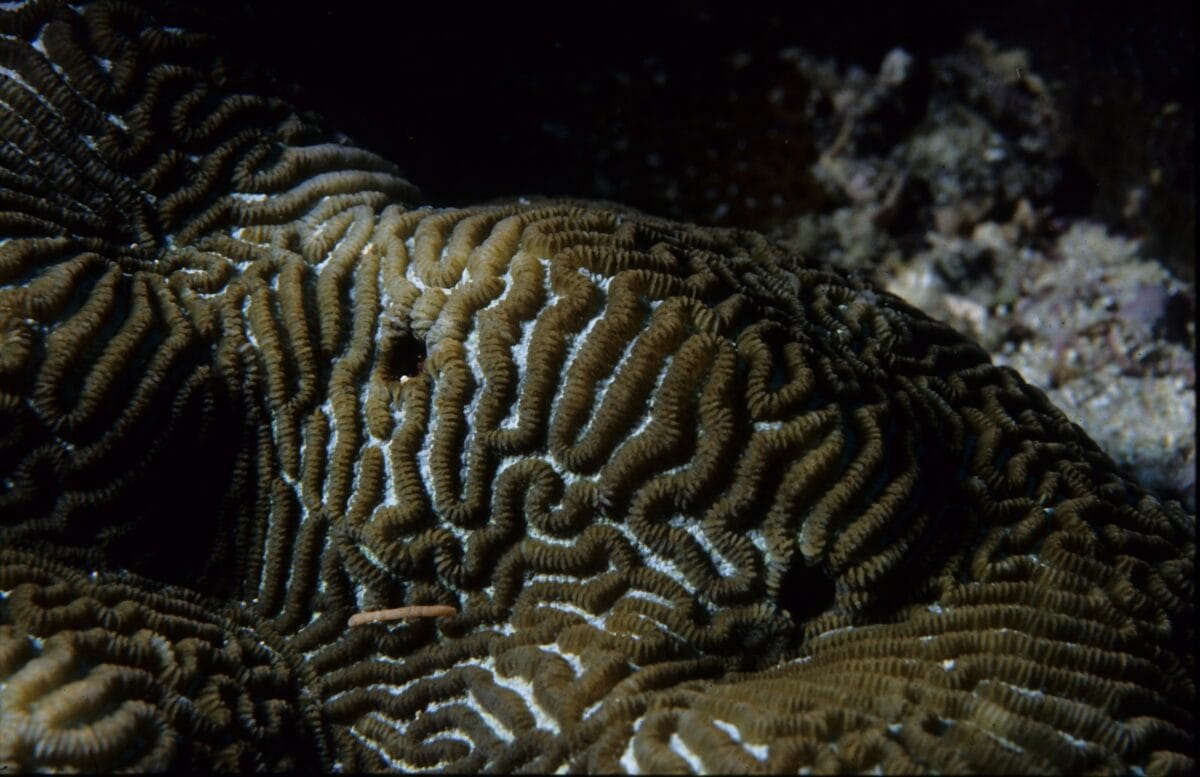
Historically, mass animal deaths in marine environments have been documented but typically associated with specific events like oil spills or natural disasters. However, the current wave of fatalities lacks an immediate and identifiable trigger, puzzling experts and fueling extensive research into possible causes.
Pollution: A Toxic Threat

One of the front-runner explanations for the rise in animal deaths is the escalating levels of pollution in the oceans. Industrial waste, agricultural runoff, and plastic debris are contaminating marine habitats, potentially leading to lethal conditions for aquatic life.
Climate Change: An Underlying Factor

Climate change plays a significant role in altering marine ecosystems. Rising sea temperatures, ocean acidification, and altered weather patterns can disrupt food chains and habitats, making survival untenable for some species. These changes might contribute to the higher death rates observed along the Atlantic.
Overfishing and Its Impact on Ecosystems

Overfishing is another critical factor affecting marine life. The depletion of key species can cascade through the food web, causing imbalances that might contribute to mass mortality events. In some areas, the reduced availability of prey can lead to starvation and increased vulnerability to diseases among predator species.
Pathogens and Diseases

With a warming climate and stressed ecosystems, animals become more susceptible to diseases. Pathogens that previously had limited impact can become invasive, spreading rapidly through stressed populations, leading to extensive die-offs.
Investigating Unusual Climatic Events
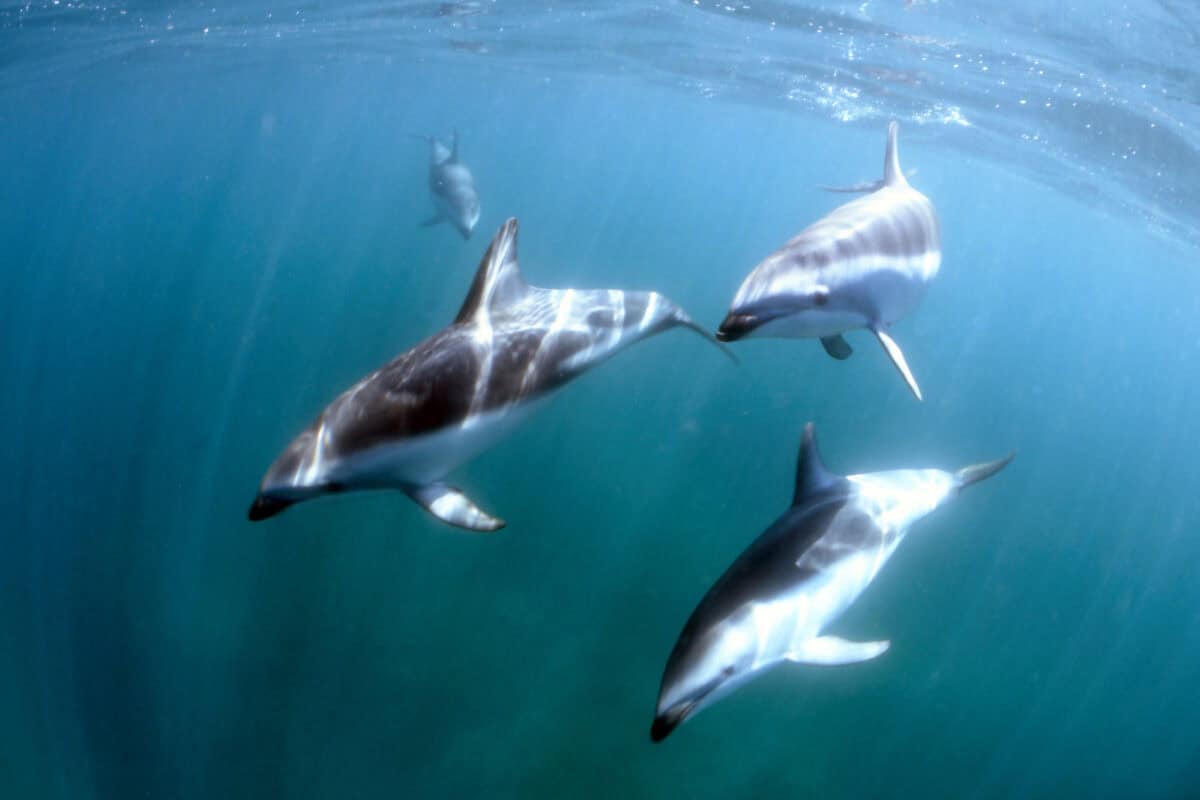
Scientists are also scrutinizing recent unusual climatic events such as significant storm systems or temperature anomalies that may have disrupted marine life. Such events can lead to hypoxic conditions, where the water’s oxygen levels are so low that life cannot be supported.
The Role of Human Activity

Human activities such as coastal development and maritime traffic introduce noise pollution, habitat destruction, and water contamination. These stressors, individually or combined, may directly or indirectly contribute to the unexplained rise in animal deaths.
Monitoring and Data Collection Efforts

To address this issue, scientists are ramping up monitoring efforts. Technologies such as satellite imaging, underwater drones, and genetic analysis are being employed to gather data on ocean health, animal migrations, and mortality incidents.
International Cooperation in Research

Recognizing that this is a global issue, international collaboration has become crucial. Countries along the Atlantic are sharing research, resources, and data to collectively understand and tackle the crisis. These partnerships aim to uncover regional and global trends that may offer solutions.
Educating and Engaging the Public

Public awareness and education campaigns are key components for addressing the issue. By educating communities about the importance of marine conservation and sustainable practices, there is hope to mitigate some human impacts and inspire protective measures for oceanic health.
Moving Towards Solutions

While the exact causes of the sudden rise in animal deaths along the Atlantic remain unclear, ongoing research and collaboration offer hope. By addressing pollution, climate change, and human intervention, significant strides can be made towards preserving marine ecosystems. As understanding deepens, effective interventions can be developed to protect these vital oceanic inhabitants.
The alarming trend of rising animal deaths is a clarion call for immediate and sustained action. By combining scientific investigation, international cooperation, and informed public engagement, there is potential to unravel this mystery and safeguard the marine life that supports our planet’s ecological balance.

- 10 Animals That Cheat Death in the Most Unexpected Ways - July 19, 2026
- The Shrimp That Punches Like a Bullet - July 19, 2026
- This Tiny Mammal Can Slow Its Heartbeat to One Beat Per Minute - July 19, 2026