
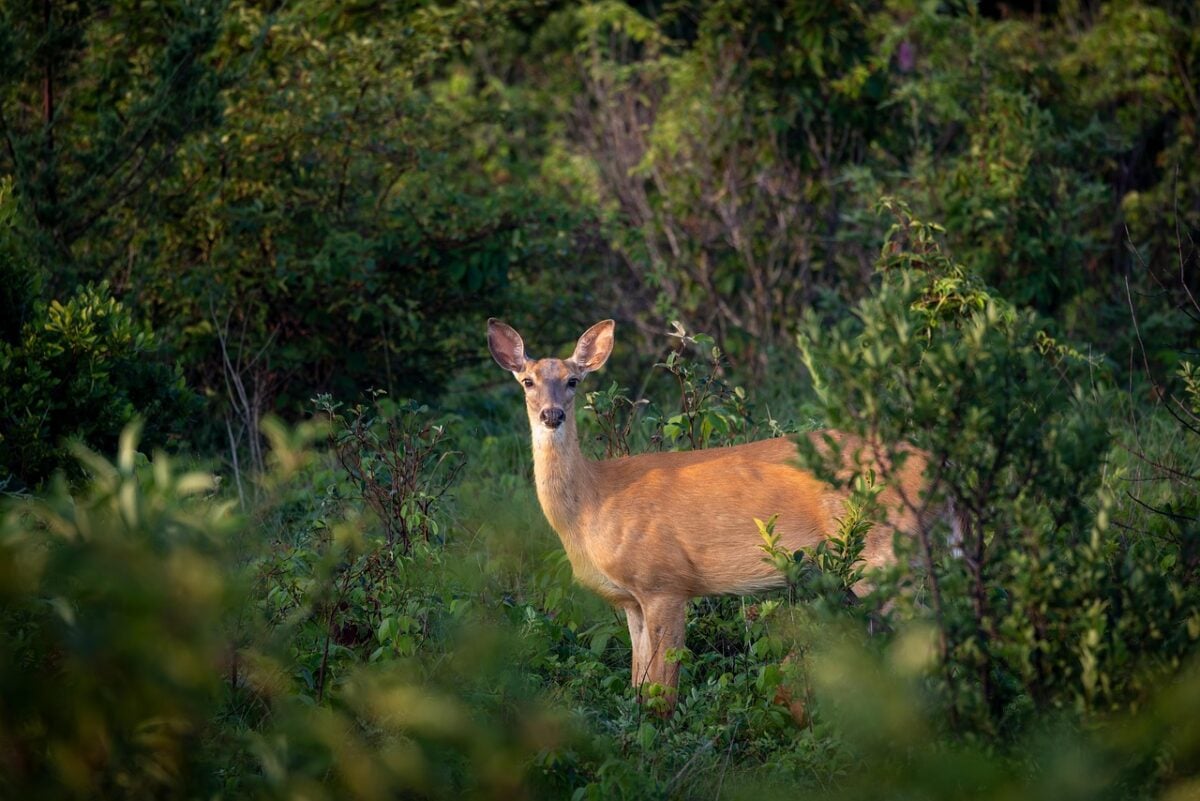
You lock the door, dim the porch light, and assume your yard goes quiet the second you head to bed. It doesn’t. Somewhere between 11 p.m. and sunrise, your lawn turns into something closer to a busy little outpost – feeding grounds, nursery, social battlefield, and disease checkpoint, all rolled into one, and almost none of it happens where you can see it.
Wildlife biologists running motion-activated cameras in ordinary neighborhoods have caught deer doing things that would surprise even lifelong homeowners: memorizing which yards have the softest clover, hiding fawns behind air conditioning units, running silent power struggles over who eats first. The truth is, deer are adapting to suburban life faster than most of us are noticing it happening. Here’s what’s actually going on out there once the lights go off.
#9 – They Turn Your Lawn Into a Midnight Salad Bar (With a Plan)
🔥 Would you like to save this?
We'll email this post to you, so you can come back to it later!
Most people assume deer wander randomly, nibbling whatever they bump into in the dark. In reality, their nightly feeding is shockingly strategic. Deer are naturally “crepuscular,” meaning most active at dawn and dusk, but in busy suburbs they quietly push that window deeper into the night to dodge people, dogs, and headlights.
That shift matters more than it sounds. From roughly 11 p.m. to 4 a.m., your yard can become a primary feeding station, especially during winter or drought when natural food thins out elsewhere. And they’re not sampling at random – deer build mental maps of reliable food sources and return to the exact same spots night after night.
- The softest turf or clover patches
- The tastiest ornamentals (hostas, tulips, roses – sorry)
If your hydrangeas keep vanishing in clean, precise bites, that’s not bad luck. That’s a repeat customer with a route. They’ll usually work the edges first – tree lines, hedges, fence gaps – before stepping into open lawn once they’re sure it’s safe. And that’s the tame part of the story.
#8 – They Hold Silent Family Reunions (Right Under Your Windows)
🔥 Would you like to save this?
We'll email this post to you, so you can come back to it later!
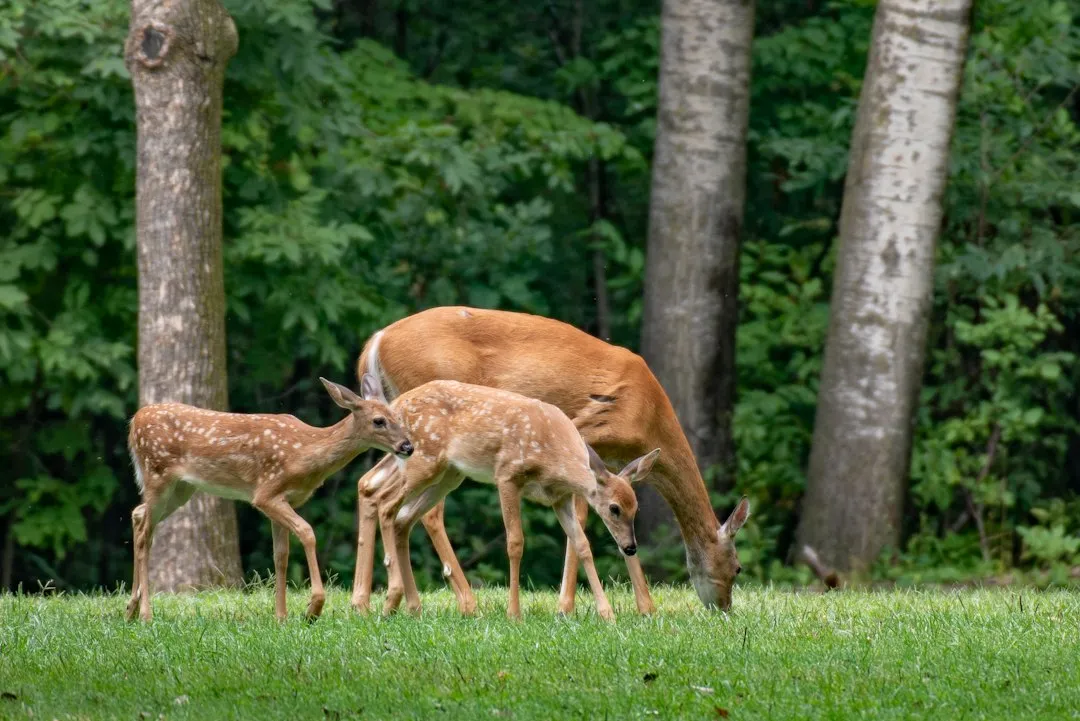
Homeowners picture lone deer drifting through like strangers passing by. What actually shows up on camera is closer to a family reunion – small, tight-knit groups that return to the same yard together, over and over, for years.
These groups are usually a doe and her offspring, sometimes spanning multiple generations. At night, when the neighborhood finally goes quiet, they regroup in “safe” corners: behind sheds, along privacy fences, tucked against foundation plantings. Watch closely and you’ll notice one deer with its head up and ears pivoting while the others feed – that’s not nervous behavior, that’s an assigned job.
- Fawns may keep nursing at night months after their spots fade – long after you’d assume they’re weaned
- Adult daughters often stay near their mothers for years, forming “doe clans” that share the same routes and yards generation after generation
None of this is loud or dramatic, which is exactly why it goes unnoticed. If your doorbell cam ever caught several deer calmly milling around like they own the place, they kind of do – that’s a family that has decided your yard is their safe zone.
#7 – They Use Your Yard as a Nighttime Nursery (and Daycare)
🔥 Would you like to save this?
We'll email this post to you, so you can come back to it later!
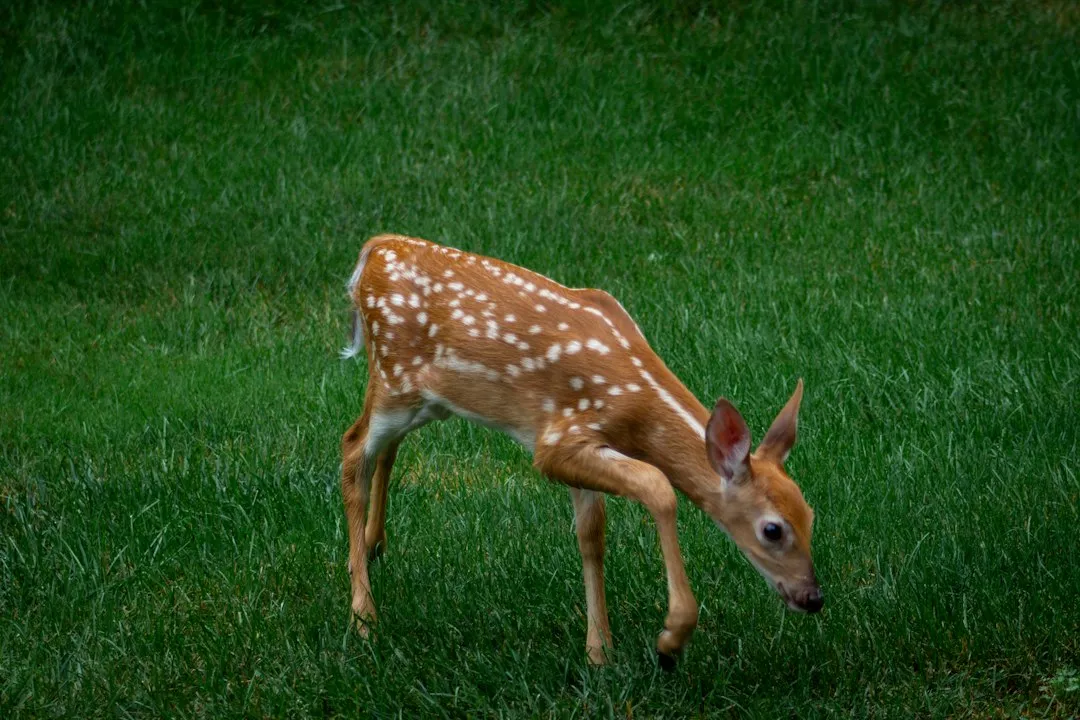
Late spring and early summer bring the most misunderstood behavior of all, and almost nobody catches it happening: your backyard becomes part of a hidden fawn nursery system.
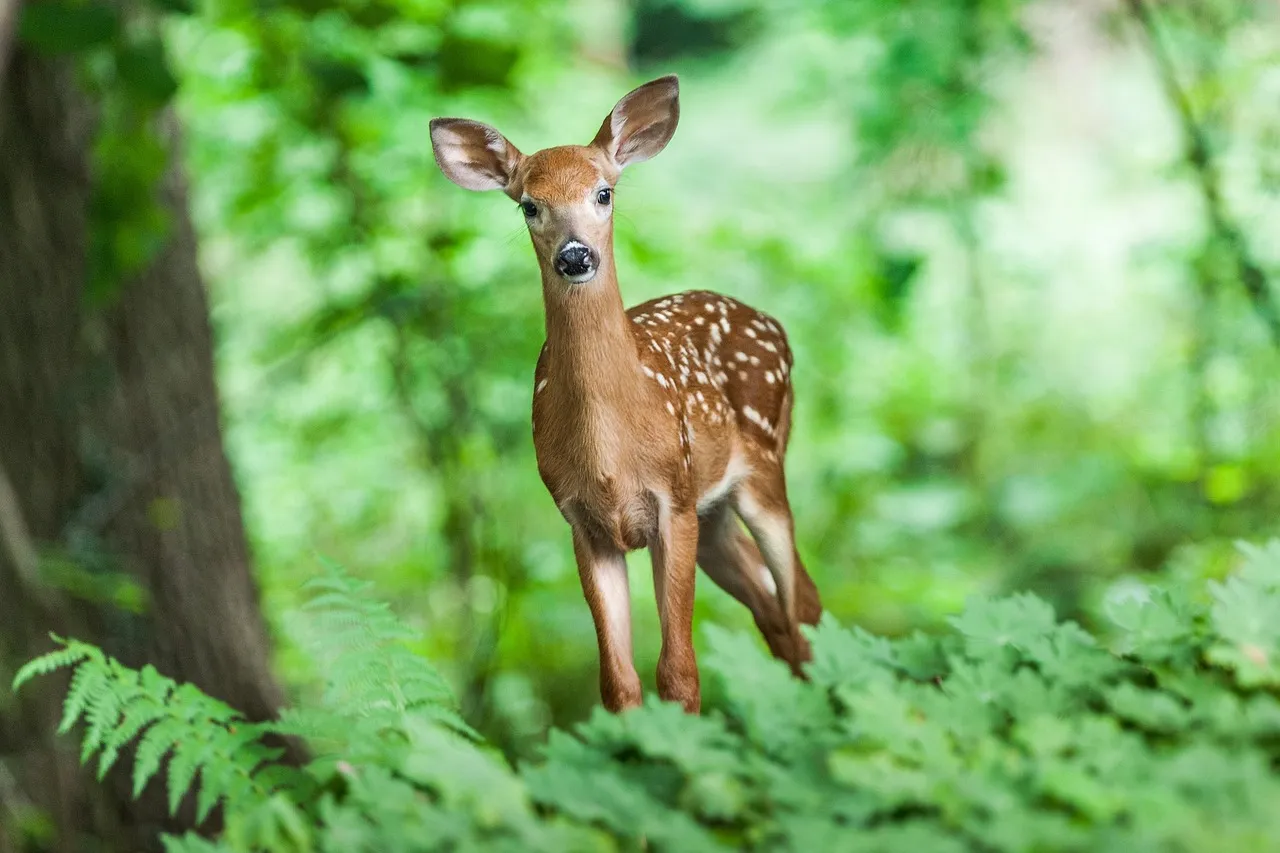
Does often give birth in thick, overlooked cover – an overgrown corner, behind an AC unit, under low evergreen branches. After birth, the doe “parks” the fawn for hours at a time. The baby lies motionless, giving off almost no scent, while mom feeds elsewhere and slips back under cover of darkness to check in.
- Nursing sessions: the doe returns, the fawn stands, nurses for a few minutes, then lies back down
- Grooming and bonding: soft licking that removes scent and stimulates movement
- Stealth training: mom leads the fawn a short distance, then stops and waits, reinforcing the “freeze and hide” instinct
Fast Facts
- Newborn fawns typically weigh just 6 to 8 pounds – roughly the same as a large house cat
- After birth, fawns can stand in their first 20 minutes and start walking in about an hour
- Does nurse their fawns about 4 times a day as newborns and will continue nursing for about 4 months
- Fawns lose those spots at 90-120 days of age
This is why a fawn spotted alone during the day is almost never abandoned – the real parenting happens at night, when coyotes, dogs, and people are least active. Over several nights, the nursery location can quietly shift 10 to 20 yards at a time, sliding through connected backyards like a slow-motion relocation project you’d never catch unless you happened to be up at 2 a.m.
#6 – They Quietly Damage Your Soil and Plants in Ways You Don’t Notice Yet
🔥 Would you like to save this?
We'll email this post to you, so you can come back to it later!
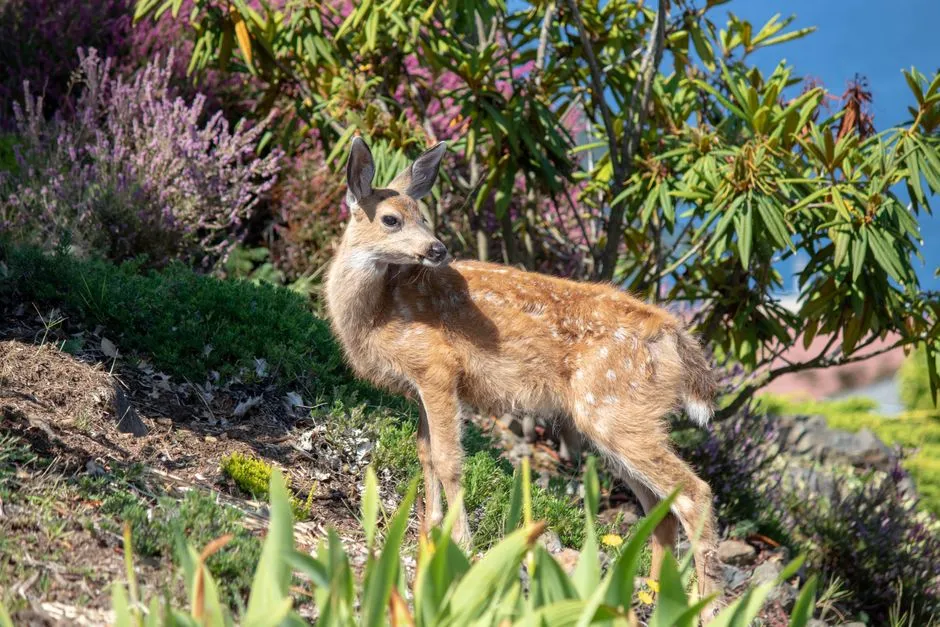
Everyone blames deer for chewed shrubs and flattened flowers. The damage you can actually see is the least of it. The serious harm often doesn’t show up for months, sometimes years, and by then it’s already baked into your yard.
When deer repeatedly use the same route – through the side yard gap, along the back fence, across the garden bed – they compress the soil one hoofprint at a time. That slow compaction leads to real, lasting problems:
- Compacted soil that drains poorly and suffocates plant roots
- Bare “game trails” where grass simply stops growing
- Heavier runoff after storms, stripping nutrients from garden beds
Heavy deer traffic can reshape an entire plant community. Some species can’t survive repeated browsing and trampling, which explains why one neighbor insists “deer don’t really hurt anything” while three houses down, native wildflowers have quietly vanished over a couple of seasons. Even trees take the hit – saplings get nipped into strange, stunted shapes, and in high-density suburbs, biologists have documented young forests failing to regenerate because deer eat nearly every seedling within reach. By the time most homeowners say “I think we have a deer problem,” the soil and plant diversity have usually already shifted underneath them.
#5 – They Run an Invisible Disease Highway Through Your Grass
🔥 Would you like to save this?
We'll email this post to you, so you can come back to it later!
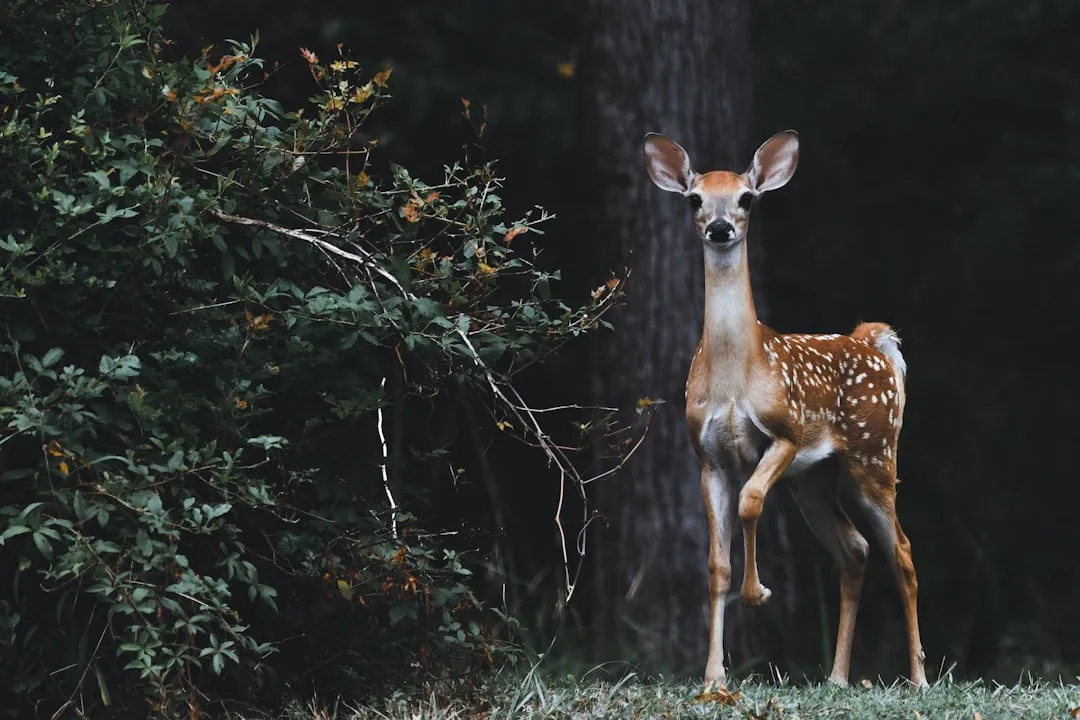
Nobody wants to think about this part, but every deer wandering through your yard at night is also carrying a small piece of a much bigger parasite network. Deer aren’t the only hosts for ticks, but they’re extremely efficient at moving them from property to property.
- Adult blacklegged ticks – the so-called “deer tick” tied to Lyme disease – frequently feed on deer
- As deer travel yard to yard, they carry reproductive adult ticks, which drop off later and lay thousands of eggs
That doesn’t mean deer hand you Lyme disease directly, but they do support the sheer abundance and spread of ticks that eventually land on pets and people. In high-deer suburbs, researchers consistently find higher tick densities right where deer travel most at night – fence lines, woodlot borders, shrub edges.
It doesn’t stop at ticks. Deer droppings can carry other pathogens too, and fresh pellet piles aren’t just an eyesore – they’re small packets that can contaminate soil and, eventually, the garden beds where you grow your own food. Most people treat overnight droppings as a minor cleanup chore. Ecologically, your lawn is functioning as a quiet corridor that helps parasites hitch a ride into new neighborhoods.
#4 – They Hold Silent Social Dramas and Status Fights
🔥 Would you like to save this?
We'll email this post to you, so you can come back to it later!
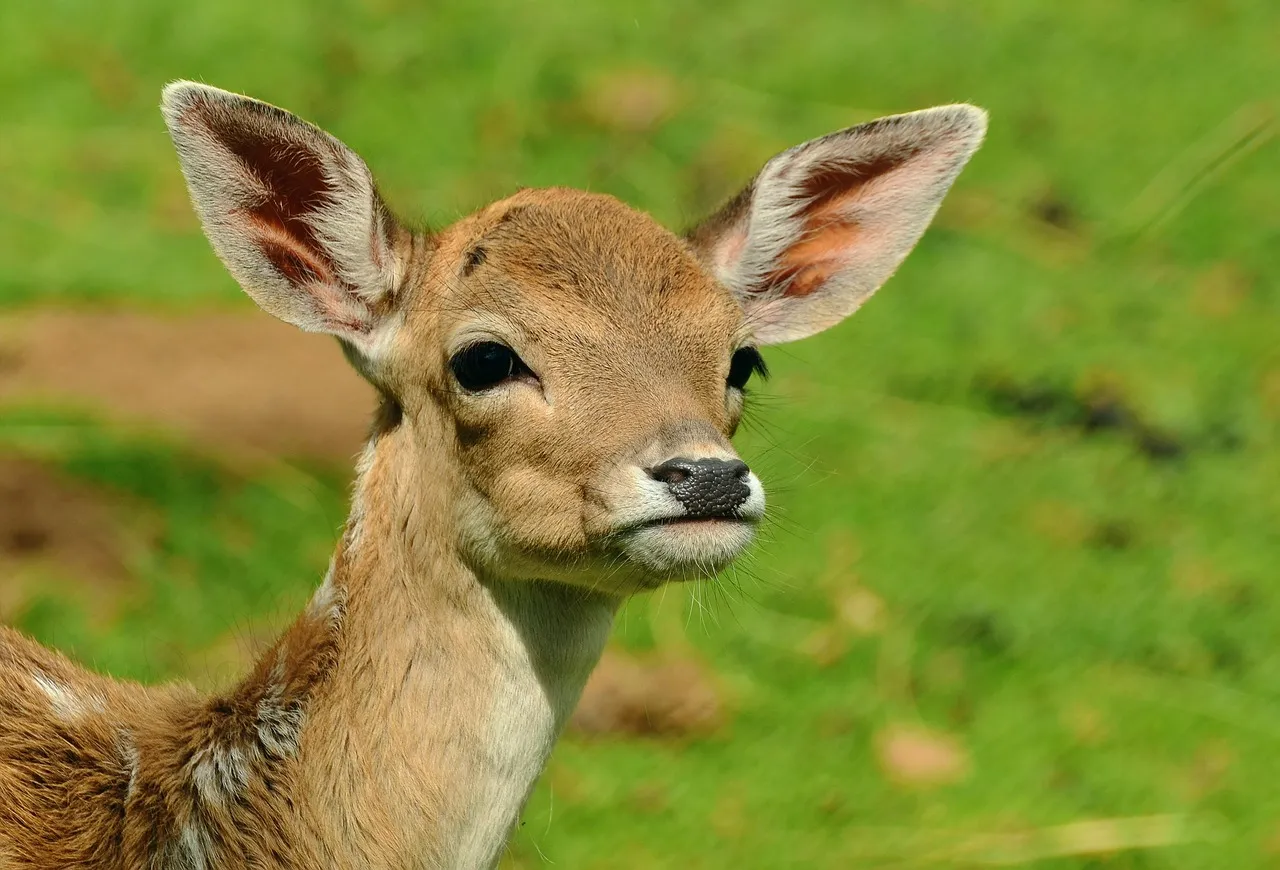
We tend to project a soft, gentle personality onto deer. At night, especially during the fall rut, your yard can host tense, silent social negotiations that look calm on camera but are loaded with meaning.
Bucks move more at night in developed areas specifically to avoid people, and what they do during those hours is anything but relaxed:
- Scent marking: rubbing antlers on shrubs or young trees, scraping the ground, urinating in specific spots
- Posturing: two bucks facing off, ears back, necks arched – often never actually clashing antlers if one backs down first
That innocent-looking rub mark on your young maple is a territorial billboard – a visual and chemical signal advertising dominance to every rival and doe that passes by. Bucks will revisit the same rub night after night, especially if your landscaping happens to sit at the perfect rubbing height.
Does have their own hierarchy, too. In crowded suburban herds, some does will chase others off the best feeding spots or quietly block access with body positioning. What looks like casual milling around is actually a ranking system – behaviorists can tell who’s dominant just by watching who moves first and who gets pushed to the edge. These quiet power plays decide which animals keep coming back to your yard, and which ones get shoved into riskier roads and open spaces.
#3 – They Reprogram Their Entire Schedule Around Your Lights
🔥 Would you like to save this?
We'll email this post to you, so you can come back to it later!
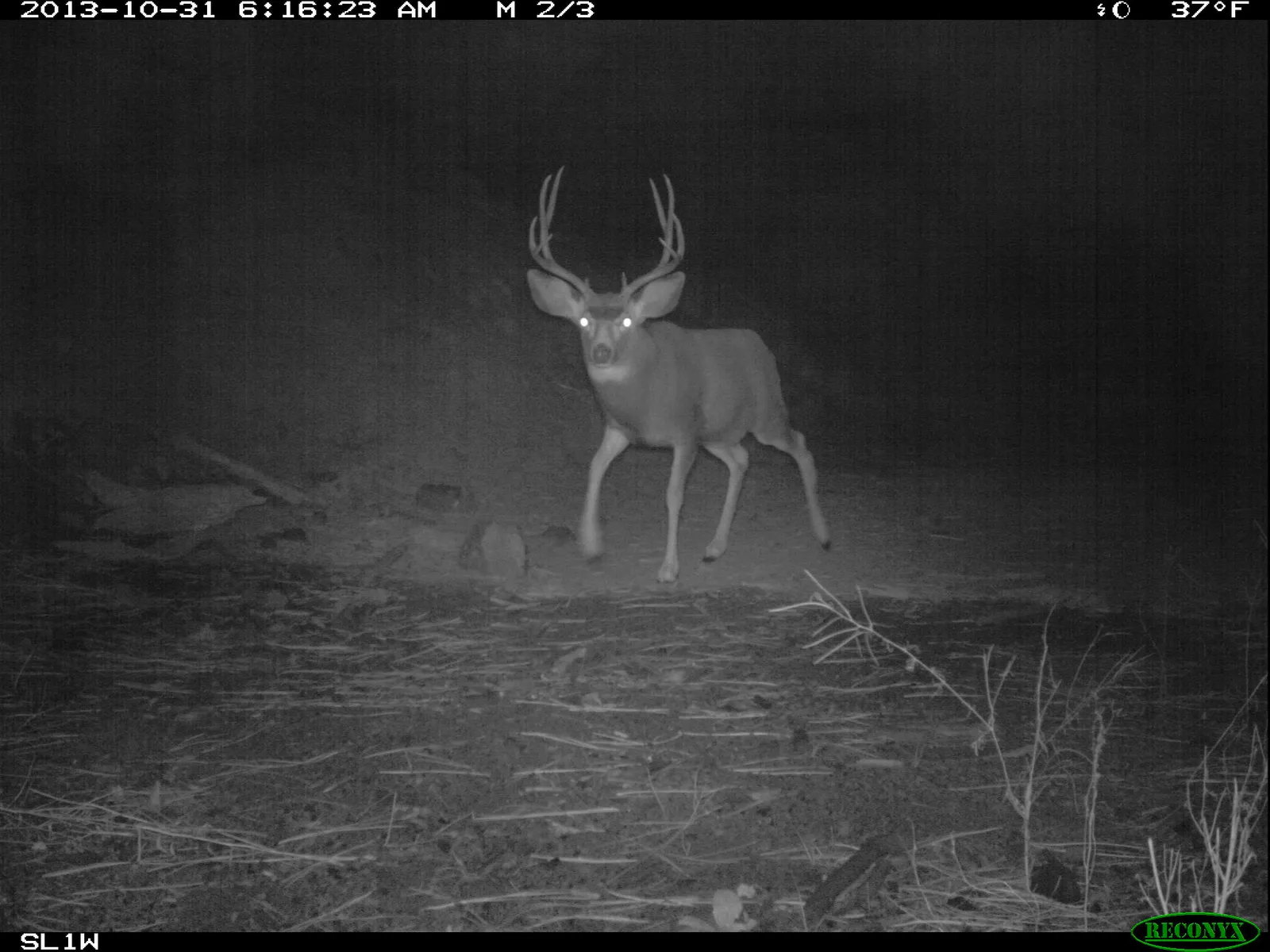
One of the strangest findings in suburban wildlife research: deer don’t just tolerate your porch lights and motion sensors – they actively schedule around them, like clockwork.
Night-vision monitoring shows that motion lights and yard floods don’t reliably scare deer off. Instead, many herds simply adapt around your routine:
- They wait until your evening routine ends, around the same late hour every single night
- They approach from behind structures or shadowed edges your lights and cameras don’t reach
- They freeze and assess when a light triggers, then keep feeding if nothing else changes
Quick Compare
- What homeowners assume: a bright motion light permanently spooks deer off the property
- What the footage shows: deer often wait 10 to 15 minutes, then step right back into the light cone
- What homeowners assume: deer feed earliest when the street is calmest, right after dusk
- What the footage shows: many suburban herds now peak between midnight and 3 a.m., a full flip of their natural clock
In some suburbs, deer are now measurably more active between midnight and 3 a.m. than at dawn – a complete flip of their natural pattern. They’ve learned when the dog goes inside, when cars stop moving, when the street finally goes quiet.
Here’s the part that ruffles feathers: plenty of homeowners insist their bright security lights keep deer away, but long-term footage often shows the opposite. Deer simply feed right at the edge of the light cone, or wait 10 to 15 minutes after it triggers, then step right back in. Your attempts to control them have probably taught them more about your habits than you’ve learned about theirs.
#2 – They Turn Connected Backyards Into Hidden Migration Corridors
🔥 Would you like to save this?
We'll email this post to you, so you can come back to it later!
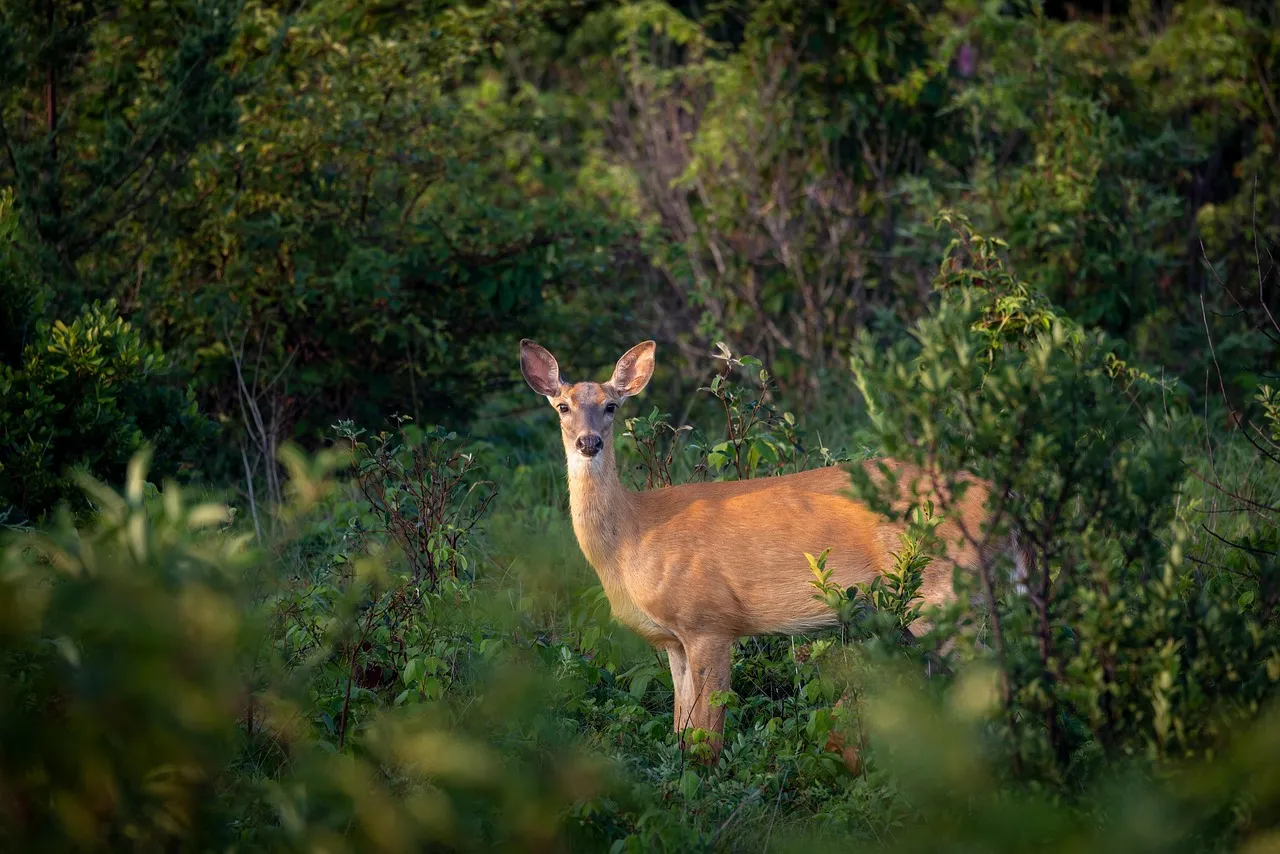
From the ground, your fenced, chopped-up neighborhood looks like a maze. From a deer’s point of view at night, it’s a connected network of green tunnels, and they know every turn.
Deer are masters of edge habitat – the transition zones where woods meet lawn, where shrubs meet fences, where drainage easements cut behind long rows of houses. These edges create ideal travel routes that offer quick cover, scattered food, and a way to move long distances without ever crossing open, exposed ground.
- A brief rest stop on a larger nightly circuit
- A “bridge” between two wooded patches or parks
- A backup route when construction or traffic makes the old path riskier
At a Glance
- Deer home ranges in urban habitats have been shown to be small, often less than 100 acres, compared to more rural landscapes
- Suburban deer home ranges were found to be one-tenth that of deer in rural landscapes
- Traditional lore puts the average white-tailed deer home range at about one square mile in less developed areas, dwarfing the tight loops suburban deer settle for
GPS collar studies have shown suburban deer using the exact same backyard routes for years, threading through narrow side yards and between sheds with almost mechanical repetition. It’s why one neighbor swears “we never see deer” while the cul-de-sac around the corner is a nightly highway. The difference is often something as small as one open side gate or a gap in a hedge that deer discovered years ago and never stopped using.
#1 – They Quietly Adapt Themselves to You Faster Than You Adapt to Them
🔥 Would you like to save this?
We'll email this post to you, so you can come back to it later!
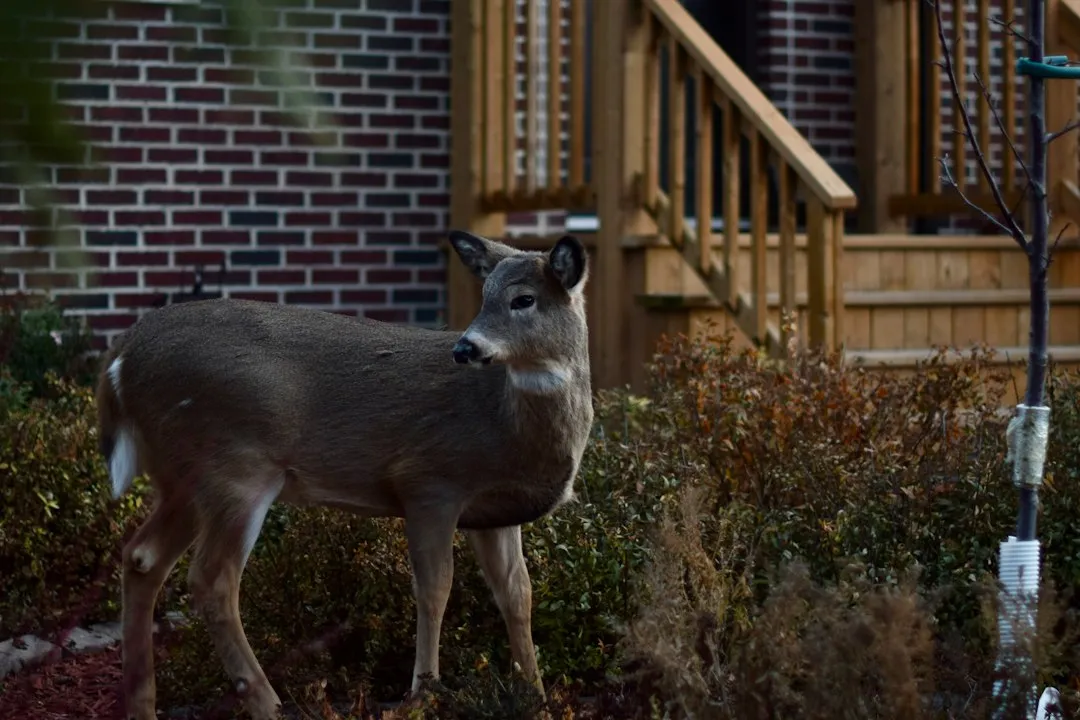
The most surprising thing about deer in suburban yards at night isn’t any single behavior – it’s the overall pace of adaptation, and how far behind homeowners are in understanding it.
Camera studies in developed areas show deer learning individual yard “risk levels” and adjusting their timing accordingly. They normalize constant low-level human scent but react sharply to anything new – fresh dog urine, new fencing, a recent disturbance. They shift their home ranges seasonally to chase down the most reliable decorative plantings and bird feeders.
In plain terms, deer are running constant experiments on us. They’re testing how close they can get before we react, which plants regrow fastest after browsing, which yards always run sprinklers (softer grass, more clover), and which houses leave out pumpkins, salt licks, or spilled birdseed all winter long.
Meanwhile, most homeowners are still operating on outdated myths – “if I clap once they’ll stay away,” or “they only show up in winter.” The data says otherwise. In many suburbs, deer now spend the majority of their lives inside human-dominated spaces, not tucked away in “the woods.” Our neighborhoods are their habitat now, not an occasional detour. That gap – between what deer are actually doing and what we assume they’re doing – is exactly why plant damage, tick problems, and backyard conflicts keep quietly getting worse.
The Bottom Line
🔥 Would you like to save this?
We'll email this post to you, so you can come back to it later!
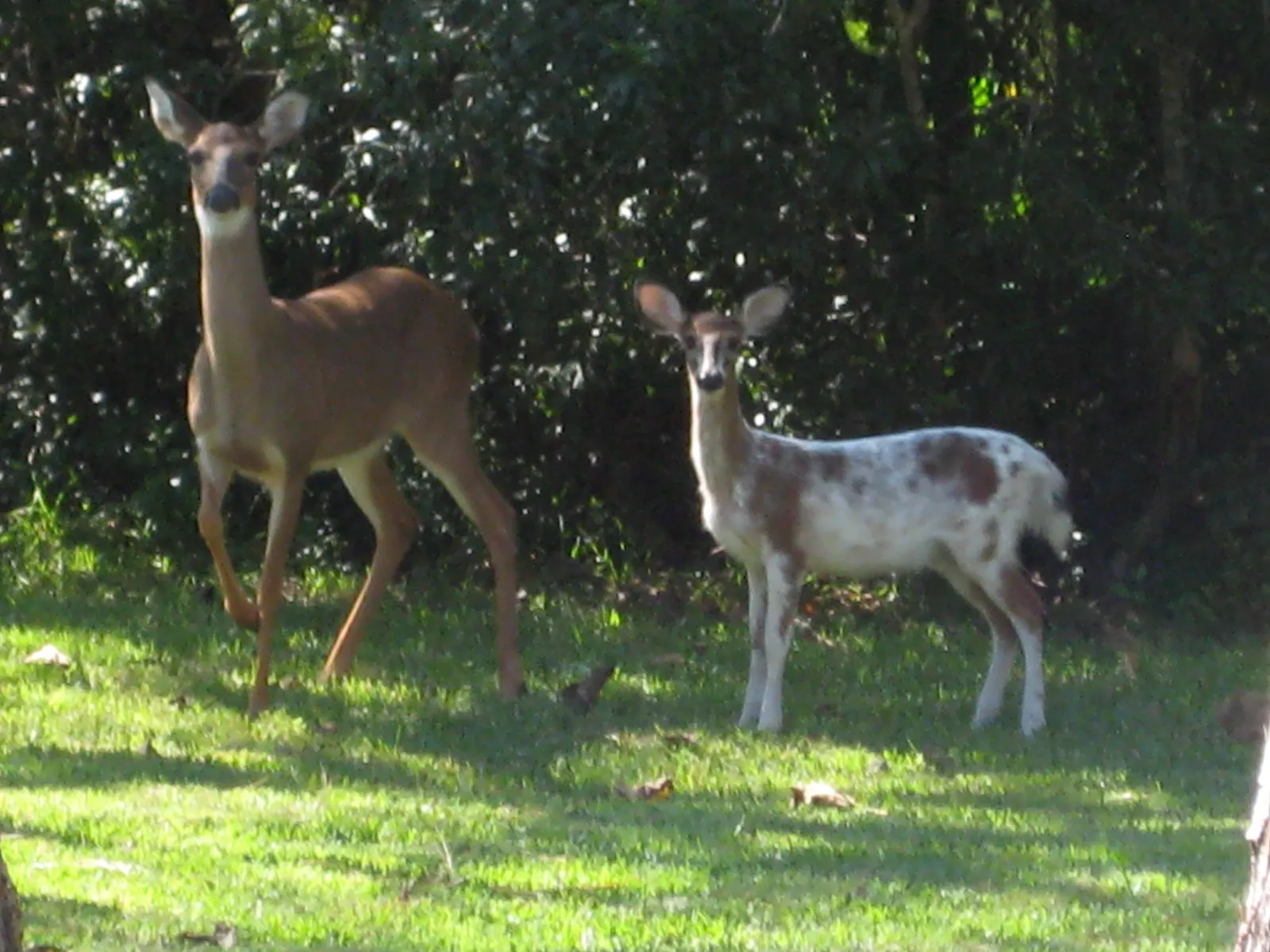
Strip away the Bambi myth and what’s left is a lot more complicated than “cute visitor eats a few tulips.” Deer in suburban yards are systematically feeding, raising young, reshaping entire plant communities, spreading parasites, and testing our defenses – all while we sleep through it.
Your lawn is part salad bar, part nursery, part highway, and part political arena for a social hierarchy you never knew existed. The uncomfortable truth is that in a lot of suburbs, deer have already adapted to us better than we’ve adapted to them.
Whether you see that as a nuisance or as something oddly impressive, pretending they’re rare or harmless overnight guests just isn’t honest anymore. They live here now – in your yard, not just in your idea of “the woods.” Did we miss a strange deer behavior you’ve caught on camera at 2 a.m.? Drop it in the comments.

- 7 Everyday Habits That Can Make Your Senior Dog Happier - November 5, 2026
- 10 Enigmatic Structures That Continue to Puzzle Scientists Today - November 5, 2026
- 10 Strange Ruins in the Americas That Challenge What We Know About Early History - November 5, 2026