
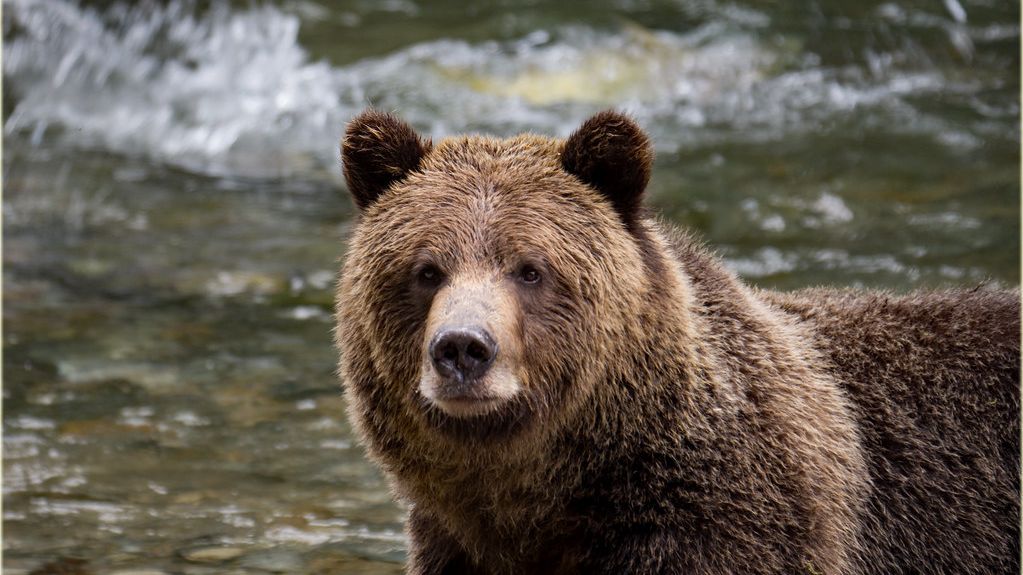
Picture this: you’re hiking through the winter woods when you accidentally stumble near a dark cave. Suddenly, a massive bear emerges, confused and potentially dangerous. This scenario represents one of wildlife’s most perilous encounters, yet many people don’t understand the serious consequences of disturbing a hibernating bear.
Bears don’t truly hibernate like other animals do – they enter a state called torpor that’s lighter but equally critical for survival. When this natural process gets disrupted, both bears and humans face significant risks that go far beyond a simple startling encounter.
The Science Behind Bear “Hibernation” Isn’t What You Think
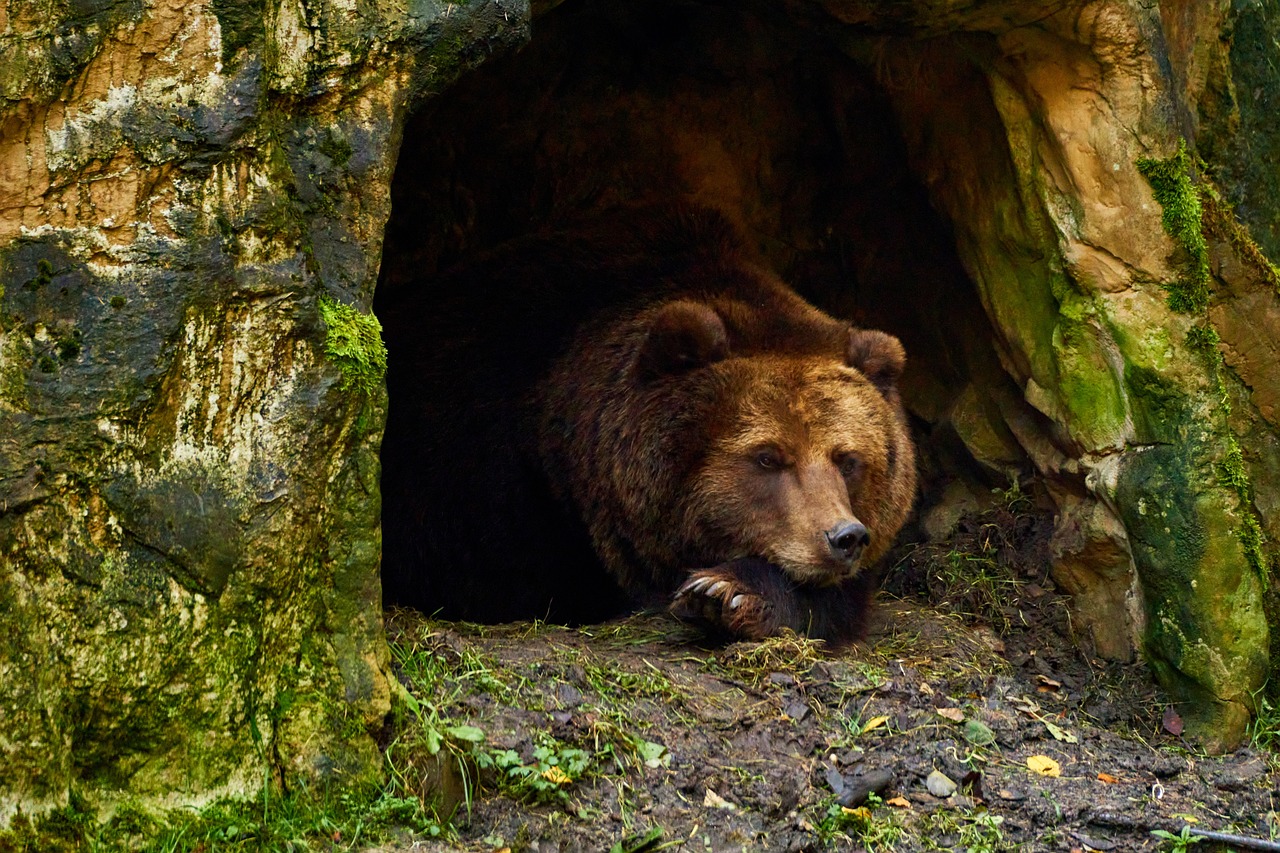
Bears enter a lighter state of sleep called torpor rather than true hibernation. Unlike smaller animals that drop their body temperature dramatically, bears maintain a relatively high body temperature above 88°F during their winter dormancy. Their body temperature only drops by a modest 3 to 5 degrees Celsius, compared to much larger decreases seen in other hibernators.
This distinction matters crucially for understanding danger. Bears can wake relatively easily because of this lighter state of torpor, which allows female bears to give birth during winter denning. This higher internal temperature makes bears more responsive than true hibernators. During torpor, their heart rate plummets from 40-50 beats per minute to as low as 8-19 beats per minute.
The Immediate Physical Dangers to Humans

The immediate danger of waking a hibernating bear lies in its potential defensive aggression, amplified with the instincts of a powerful predator. To wake up a hibernating bear, you would likely be in the entrance to the den, and if the bear comes out, you are in the way – it would be a really bad thing to do.
A disturbed bear is likely to exhibit behavioral changes including agitation, confusion, and aggression, potentially reacting with vocalizations, bluff charges, or even a full-blown attack. A disturbed bear is likely to be unpredictable and aggressive, and bears are powerful animals with sharp claws and teeth where an attack can result in serious injury or even death.
The Metabolic Crisis That Threatens Bear Survival
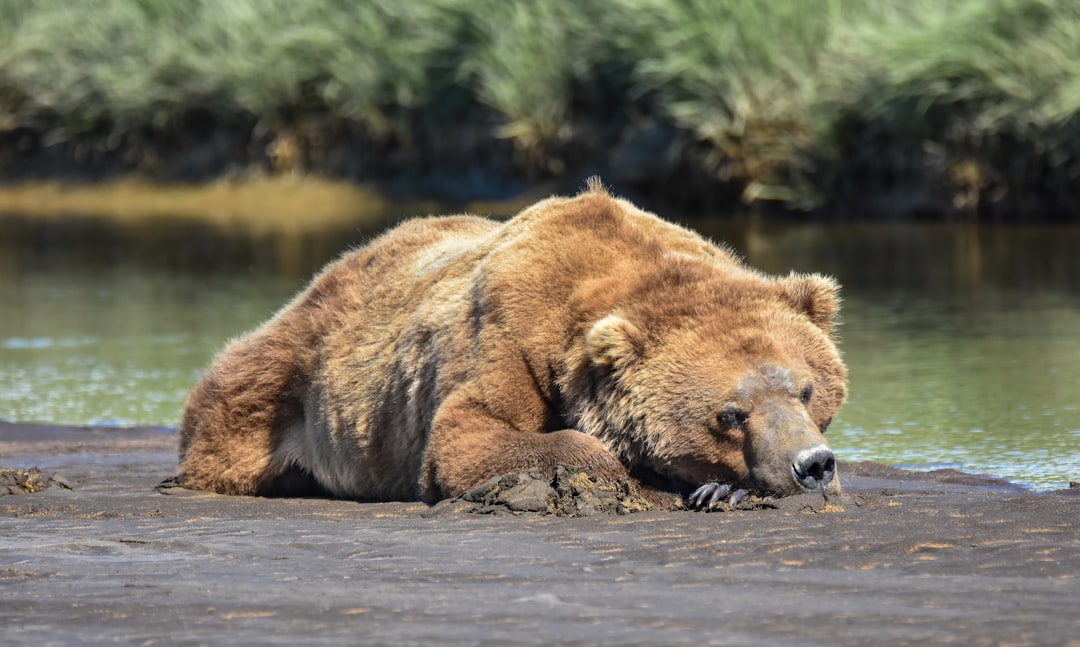
The most immediate impact on the bear is physiological stress, as waking up prematurely forces the bear to rapidly increase its metabolic rate and raise body temperature, consuming fat reserves built for winter. Waking up from hibernation requires a lot of energy, depleting reserves that are key to surviving the winter.
If the bear’s fat stores are depleted too quickly and natural food sources are not yet available outside the den, it faces starvation. Bears typically lose as much as 30 to 40 percent of their body weight during hibernation. This energy expenditure becomes catastrophic when forced rather than natural.
Why Bears Can’t Just Go Back to Sleep
When a bear is woken from hibernation, its body needs time to transition from low metabolic activity to normal active state, requiring a surge of energy that strains already depleted reserves while heart rate and body temperature increase. Research shows bears required 2-3 weeks to return to hibernation levels after winter captures, suggesting high metabolic costs during this period.
The process isn’t like hitting a snooze button. Once awakened, bears face a complex physiological challenge of returning to their dormant state. This explains why even brief disturbances can have lasting consequences for their winter survival.
The Hungry Bear Problem in Human Areas
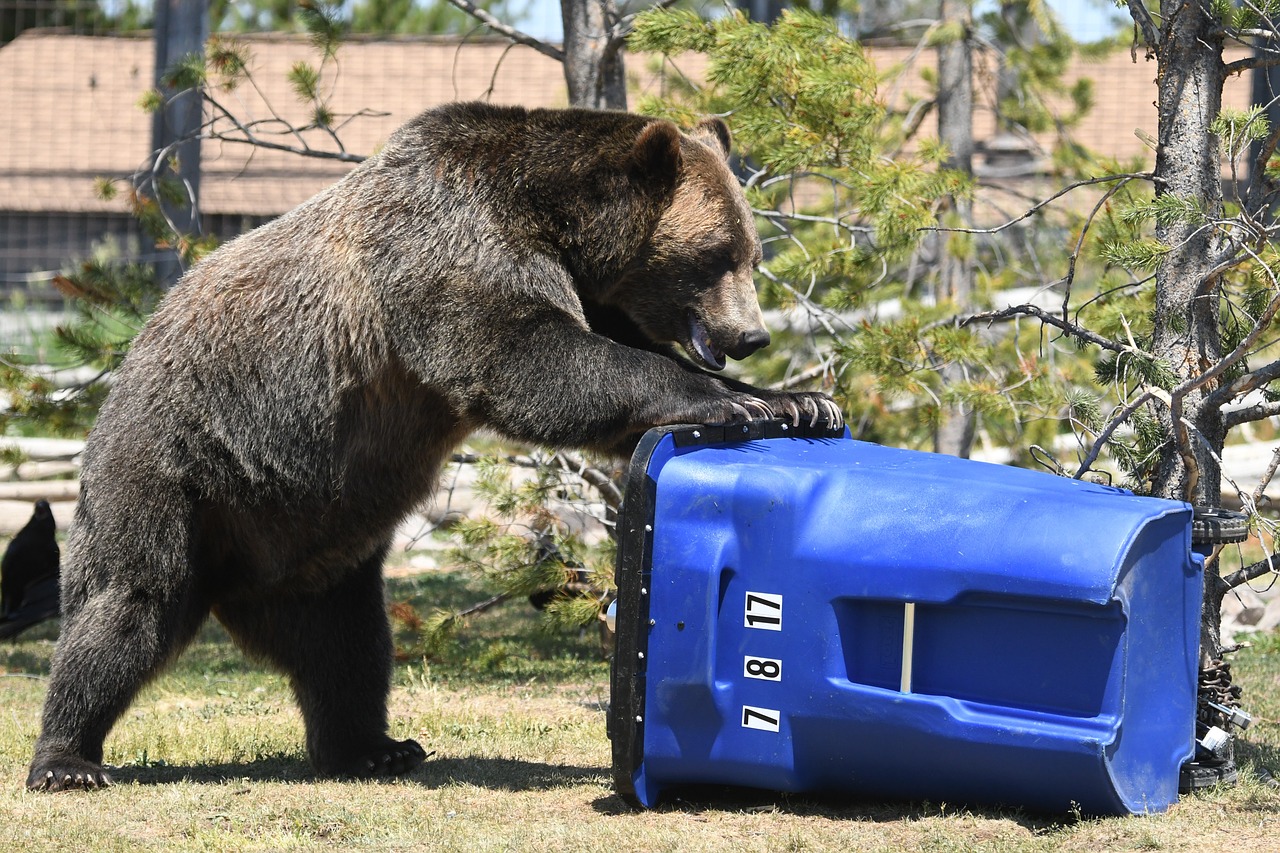
A prematurely awakened bear may emerge from its den in search of food, increasing the likelihood of human-bear conflicts, as without natural forage, the bear might be drawn to human-populated areas. This issue could lead hungry bears into confrontations with humans as they desperately search for something to eat, seeking human food sources like pet food or bird seed.
Bears forced by the need to find food may acclimate to their proximity to human households, and if they keep returning to human habitation for food, they might risk being put down. This creates a tragic cycle where a single disturbance event can ultimately lead to a bear’s death.
Climate Change Makes Everything Worse
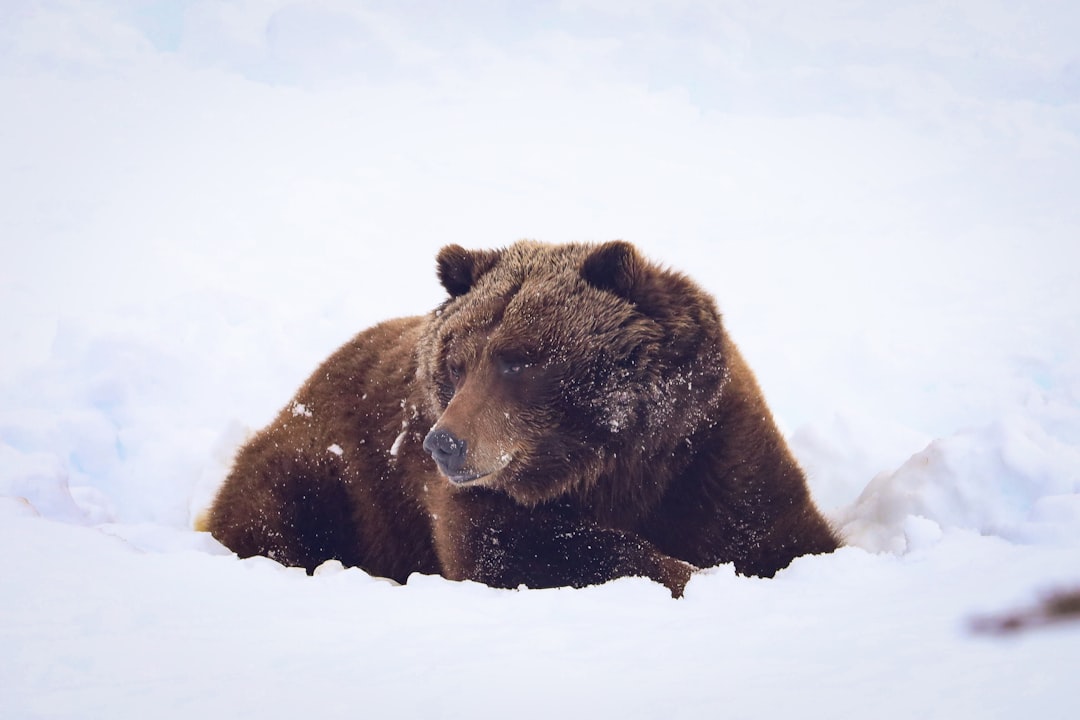
Rising temperatures are affecting ecosystems globally, causing some bears to come out of hibernation early as record warm winters throw off their natural patterns. When bears have unusually warm winters, they’re triggered to come out of hibernation but their food resources have not yet returned, as bears are adjusting to climate change quicker than the plants they depend on.
As winters grow milder, bears will start emerging from their dens earlier, and shorter hibernation periods could give bears more time to get into trouble, with more chances to get hit by cars or end up in dangerous situations. Scientists note bears have a pretty much 100 percent survival rate while hibernating, but otherwise it’s a dangerous world for them.
What Scientists Are Learning From Disturbance Studies
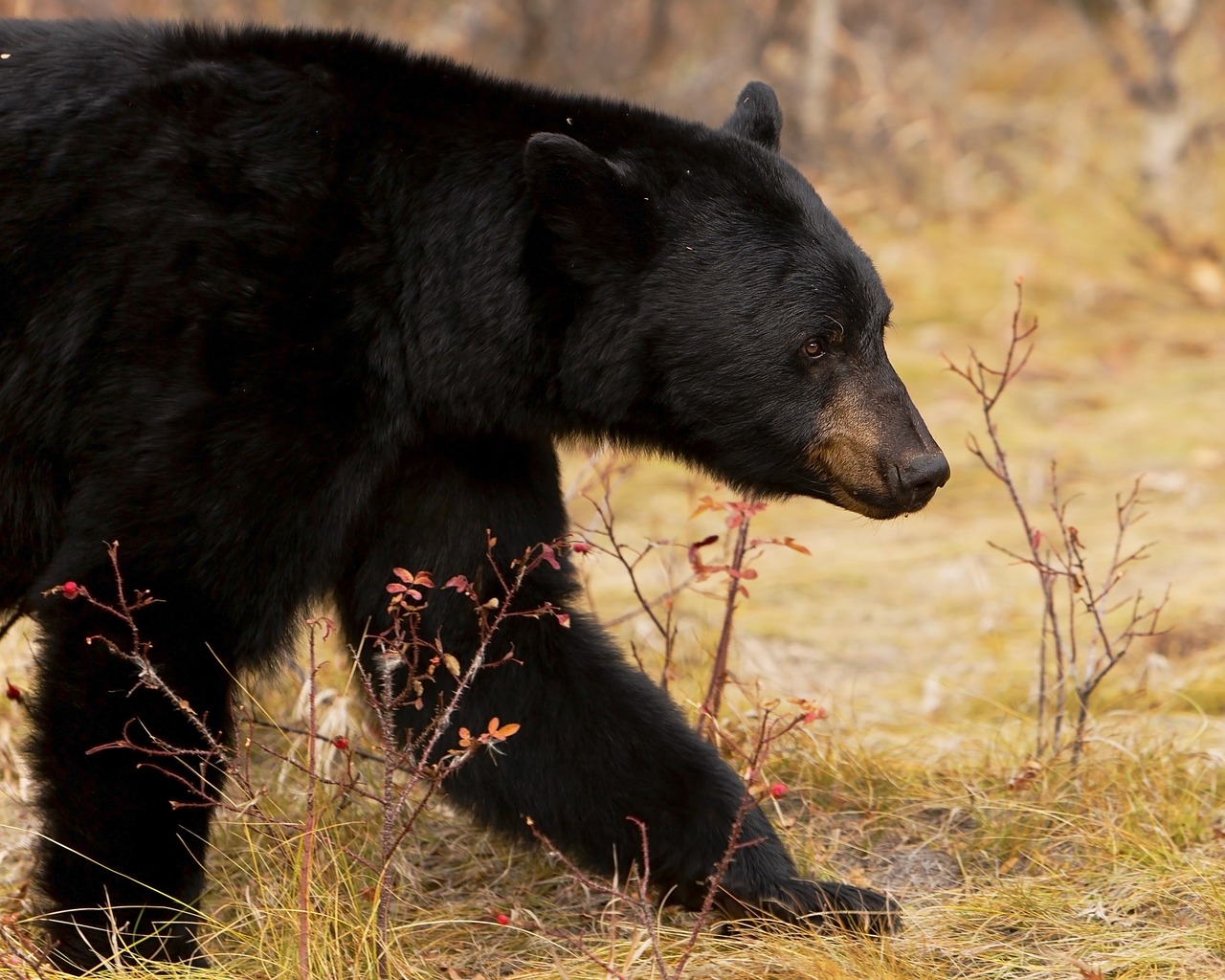
Research shows encounters between bears and humans that result in injuries and fatalities typically coincide with den entry in October and November, commonly occurring near a den. Studies suggest consequences would be shortening of bears’ hibernation period and potentially prolonging the den-entry period, which has been shown to be the highest risk period for bear-caused injuries to humans.
Research raises questions about whether bears in lowered activity states away from their den may respond similarly to meeting a human as would a bear near its den, since animals faced with threats respond in a continuum of defensive behaviors ranging from escape to fight and attack. The science shows that bear encounters during hibernation periods carry uniquely high risks.
How to Avoid Becoming a Statistic
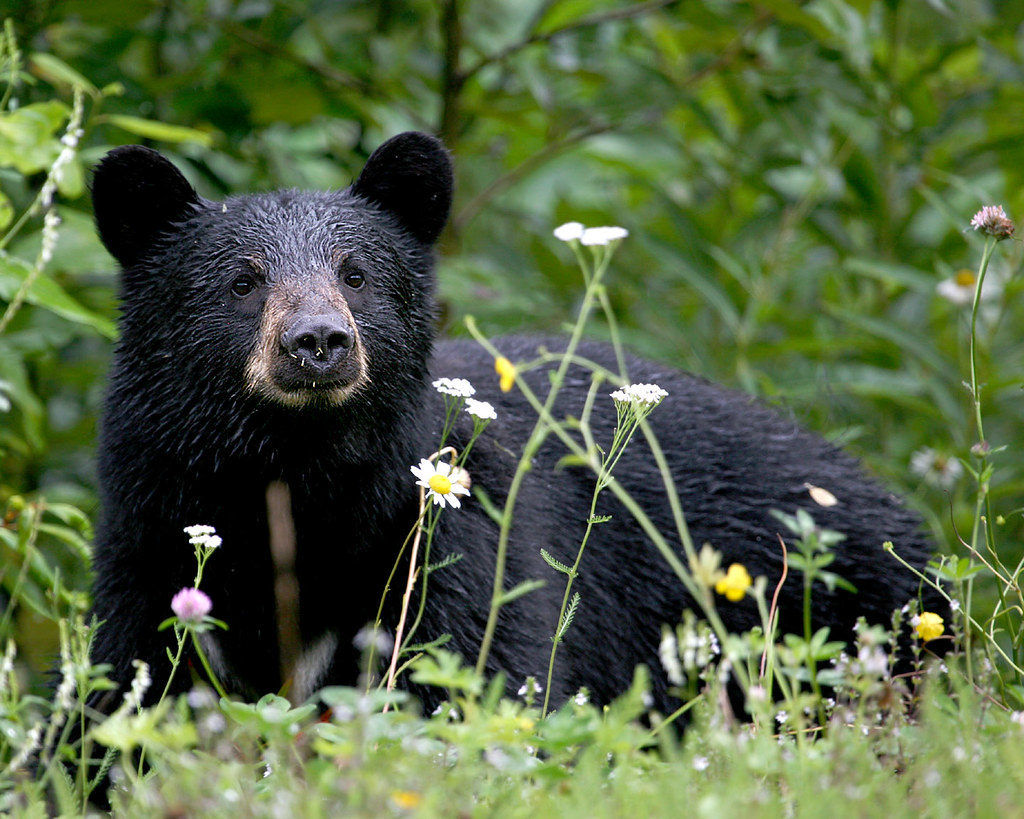
The best way to avoid dangers is preventing encounters in the first place by being aware of bear habitats during winter months, learning about areas where bears are likely to den, including hollow logs, rock crevices, and underground burrows. Prevention requires awareness, caution, and respect for bear habitats when hiking or recreating in bear country, identifying potential denning areas like caves, hollow logs, dense forests, and steep hillsides, especially during winter months.
If you accidentally encounter a hibernating bear, remain calm, back away slowly and quietly, avoid direct eye contact, do not run, and leave the area immediately to report the encounter to local wildlife authorities. Remember that bears in torpor can be woken up relatively easily compared to animals in true hibernation, as their body temperature doesn’t drop drastically, allowing them to rouse more quickly.
The reality of bear hibernation reveals nature’s delicate balance between survival and vulnerability. These massive creatures, capable of such power, depend on months of undisturbed rest to survive winter’s harsh grip. When we interrupt this process, we don’t just startle a sleeping animal – we potentially trigger a cascade of consequences that can prove fatal for both species.
Understanding these dangers helps us appreciate why giving hibernating bears the space they need isn’t just good manners – it’s essential for everyone’s safety. What do you think about these surprising hibernation facts? Have you ever encountered wildlife during winter months?

- Why Certain Birds Keep Crashing Into Skyscrapers at Night - August 7, 2026
- What Marsh Animal Are You According to Your Zodiac Sign - August 7, 2026
- 5 Majestic US Castles You Didn’t Know Existed - August 7, 2026