

Most dog owners think carefully about feeding schedules, vaccines, grooming appointments, and exercise. Dental care, though, tends to get quietly skipped. It’s one of those things that feels optional right up until it clearly isn’t.
The truth is, what’s happening inside your dog’s mouth right now could be far more significant than you realize. Most dogs begin to show signs of dental disease by age three, and up to four in five dogs over that age suffer from it, making dental disease one of the most common ailments in adult canines. That’s a striking number, and most of those dogs’ owners have no idea. What follows is a detailed look at exactly what happens when that toothbrush never comes out.
#1: Plaque and Tartar Take Over Faster Than You’d Expect
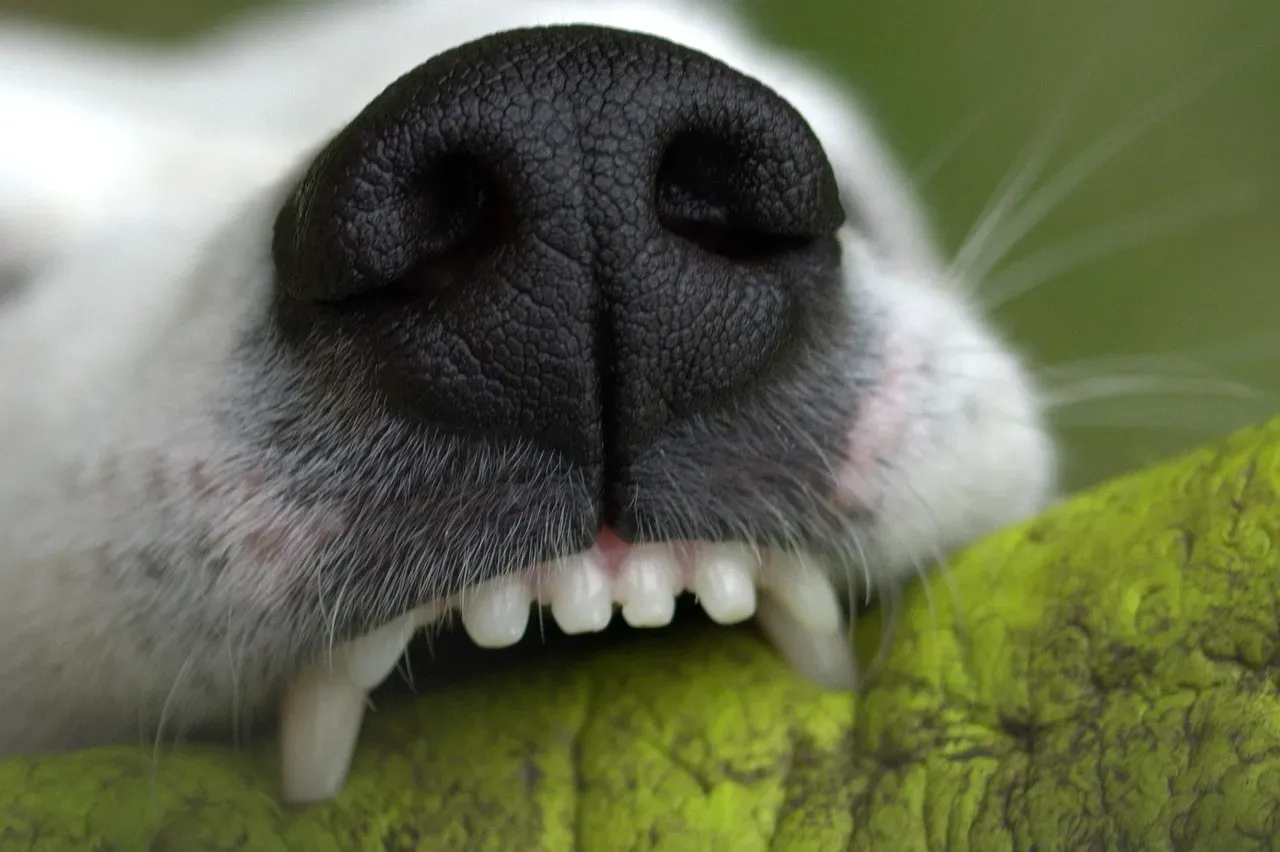
The mouth is a warm, moist, and bacteria-rich environment, which makes it a surprisingly fast-moving system when left unchecked. When dogs eat, food particles mix with bacteria in their mouths, leading to plaque formation. If plaque isn’t removed through brushing, it hardens into tartar, which sticks to the teeth and is much harder to remove. Tartar then creates the perfect breeding ground for bacteria, accelerating oral disease.
The speed of this process surprises most people. The process starts with plaque, a sticky build-up of bacteria on the surface of the teeth. Within as short as 24 hours, minerals in saliva, such as calcium, will begin to harden the plaque into what we call dental tartar. Once tartar has formed, no amount of home brushing can remove it on its own.
Once tartar forms, it becomes much harder to remove and typically requires professional cleaning under anesthesia. While plaque is soft and can be brushed away, tartar is calcified and can trap even more bacteria, worsening oral health. It becomes a cycle that compounds month after month, year after year.
#2: Gum Disease Sets In, and It Progresses Quietly
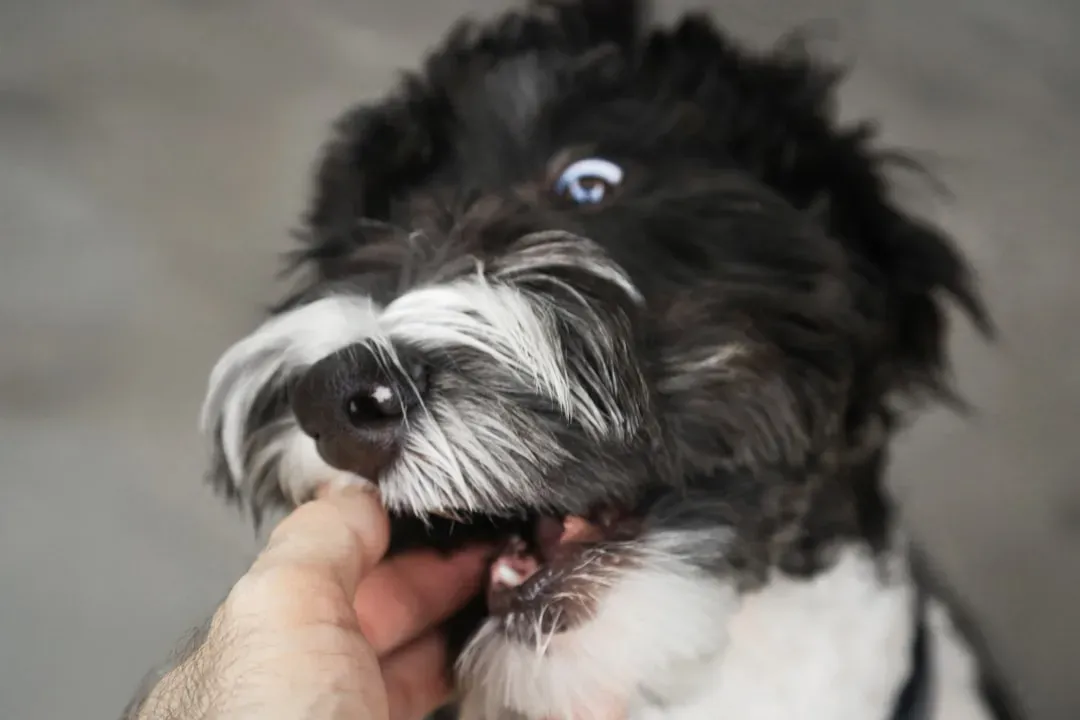
Gum disease doesn’t announce itself. It creeps in gradually, often with no visible warning signs until it has already caused real damage. Without brushing or regular dental cleanings, plaque and tartar continue to accumulate, irritating the gums and causing gingivitis, the first stage of periodontal disease. If addressed, gingivitis can be reversed, but if left untreated, it can progress to advanced periodontal disease.
Few dogs show obvious signs of dental disease, so it is up to the dog’s family and veterinarian to uncover this hidden and often painful condition. This is precisely why so many cases escalate undetected. Dogs are stoic animals, and when it comes to alerting their owners about being in pain, dogs can be their own worst enemies because they will often continue to eat, and therefore mask the severity of the problem.
As periodontal disease progresses, the supporting structures around your pet’s teeth, including the gums, ligaments, and bones, begin to deteriorate. This can result in tooth loss, which may make it difficult for your pet to eat and also cause significant discomfort. Your pet may show signs of pain, such as drooling, pawing at the face, difficulty eating, and a decreased appetite. By the time these signs appear, the disease is usually well advanced.
#3: Internal Organs Can Be Seriously Damaged

This is the part that most dog owners genuinely don’t know about, and it’s arguably the most important. Dental disease in dogs is not cosmetic – it’s inflammatory. Plaque is a biofilm made up of bacteria, saliva, and food particles. If it’s not removed, it hardens into tartar and pushes bacteria below the gum line. From there, bacteria and inflammatory compounds can enter the bloodstream, a process known as bacteremia.
Once bacteria are in the bloodstream, the damage can spread far beyond the mouth. Bacteria that enter the bloodstream from infected gums can lodge in the heart valves and tissues, leading to a condition called endocarditis. This is a serious and sometimes life-threatening disease that causes inflammation in the inner lining of the heart. Pets with periodontal disease have been shown to be at increased risk for heart complications, especially older pets or those with preexisting heart conditions.
The liver plays a key role in filtering toxins from the blood. When bacteria from dental disease circulate in your pet’s system, the liver works overtime to filter out these harmful invaders. Over time, this constant burden can cause inflammation or even permanent liver damage. The kidneys face a similar threat. Bacteria from dental infections can enter the bloodstream and reach the kidneys, causing inflammation and potentially leading to kidney damage or chronic kidney disease. Over time, this can impair the kidneys’ ability to filter toxins from the blood, worsening systemic health.
#4: The Financial and Emotional Cost Adds Up
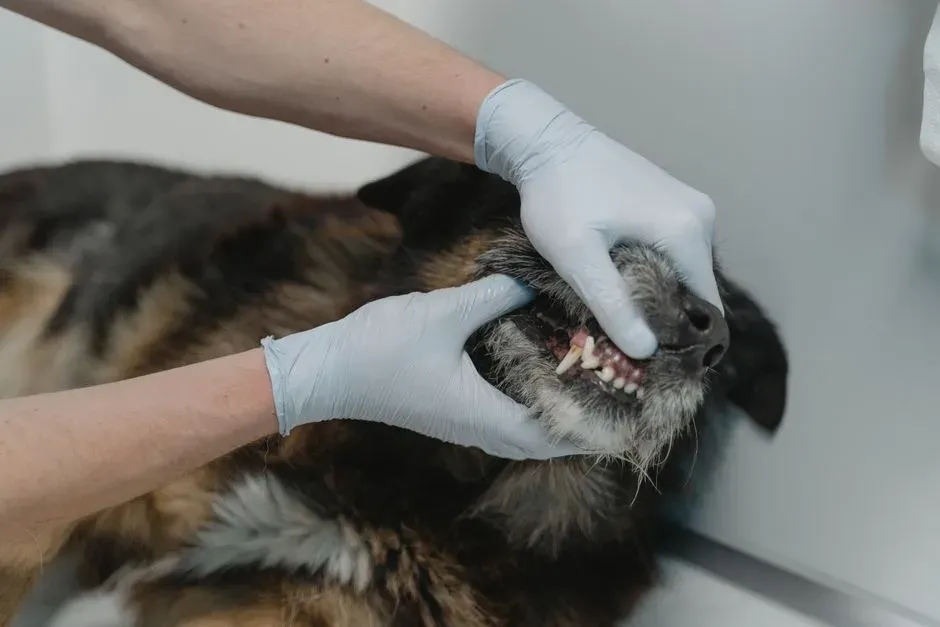
Skipping the toothbrush might feel like it saves time, but it rarely saves money. Daily preventative care can help lessen the likelihood of expensive dental work down the line. A deep dental cleaning in a vet’s office is a moderate procedure with a hefty price tag, requiring preparatory tests, bloodwork, and general anesthesia. For many owners, this comes as a shock the first time they’re faced with the bill.
If you take good care of your dog’s mouth, it can greatly decrease the amount you spend on vet care. If your dog starts developing dental disease, a vet needs to take care of that. This could result in very costly fixes and expensive checkups and dental procedures. Advanced cases sometimes require extractions, which add further expense and recovery time.
Beyond the financial side, there’s an emotional dimension that’s easy to underestimate. Watching a dog refuse food, paw at their face, or lose teeth is genuinely distressing, and it’s made harder knowing it was preventable. Infected teeth or abscesses cause chronic pain that your dog may stoically hide. That quiet suffering, invisible to most owners, is perhaps the most heartbreaking consequence of all.
#5: Some Breeds Face a Much Higher Risk Than Others

Not all dogs are equally vulnerable, and knowing where your dog stands is genuinely useful information. It is estimated that more than two-thirds of dogs over three years old suffer from some degree of periodontal disease, making it the most common disease affecting pet dogs. Small breeds and brachycephalic dogs, meaning short-nosed dogs, are more prone to periodontal disease due to the small size of their jaw and crowding of the teeth.
Certain breeds are particularly prone to dental disease. The worst affected breeds include Toy Poodles, King Charles Spaniels, Greyhounds, and Cavalier King Charles Spaniels. Flat-faced breeds and spaniel breeds overall were at greater risk. Smaller sized breeds had higher risks of dental disease than heavier breeds. If your dog falls into any of these categories, the urgency of regular brushing is even higher.
The research also shows that the risk of dental disease increases rapidly as dogs age. Senior dogs, in particular, can see dental disease affect up to nearly all dogs over twelve years of age. Starting early matters, but it’s genuinely never too late to begin a routine that makes a real difference to your dog’s comfort and longevity.
So, What Can You Actually Do About It?

The good news is that prevention is straightforward and doesn’t require perfection. Veterinarians recommend brushing your dog’s teeth at least two to three times per week, though daily brushing is ideal. Use a dog-safe toothpaste and a soft-bristled brush. Human toothpaste should never be used, as it often contains compounds that are harmful to dogs.
If brushing feels like a battle, there are additional tools worth considering. Dental chews approved by the Veterinary Oral Health Council, water additives that help reduce plaque-forming bacteria, and dental wipes are all useful alternatives. These options should not replace brushing but can support broader dental hygiene when used in tandem.
In addition to home care, scheduling professional dental cleanings at least once a year is highly recommended. These are performed under anesthesia, allowing vets to scale and polish thoroughly, something you can’t achieve at home. Think of it the same way you’d think about your own dental appointments. Even people who brush twice a day still need a professional clean.
Conclusion: A Small Habit With Outsized Consequences

Here’s the honest reality: most dog owners have never brushed their dog’s teeth, and most vets know it. The gap between what we know is right and what we actually do is wide and very human. That’s not a judgment, it’s just true.
What is harder to justify, once you understand the full picture, is continuing to do nothing. Dental neglect in dogs doesn’t stay in the mouth. It moves through the bloodstream, taxes the heart, strains the liver, damages the kidneys, and quietly shortens the years you get with an animal that gives you everything it has.
A toothbrush, a tube of dog-safe toothpaste, and three minutes a few times a week. That’s the cost of the alternative being avoidable. Your dog can’t tell you their teeth hurt. That’s precisely why it’s your job to care before they need to.

- These 7 Historic US Battlefields Are Sacred Grounds Of Remembrance - August 2, 2026
- The JWST Found A Jekyll-and-Hyde Galaxy In The Early Universe - August 2, 2026
- 10 Heartwarming Ways A Chihuahua Shows They’ve Bonded With You - August 2, 2026