
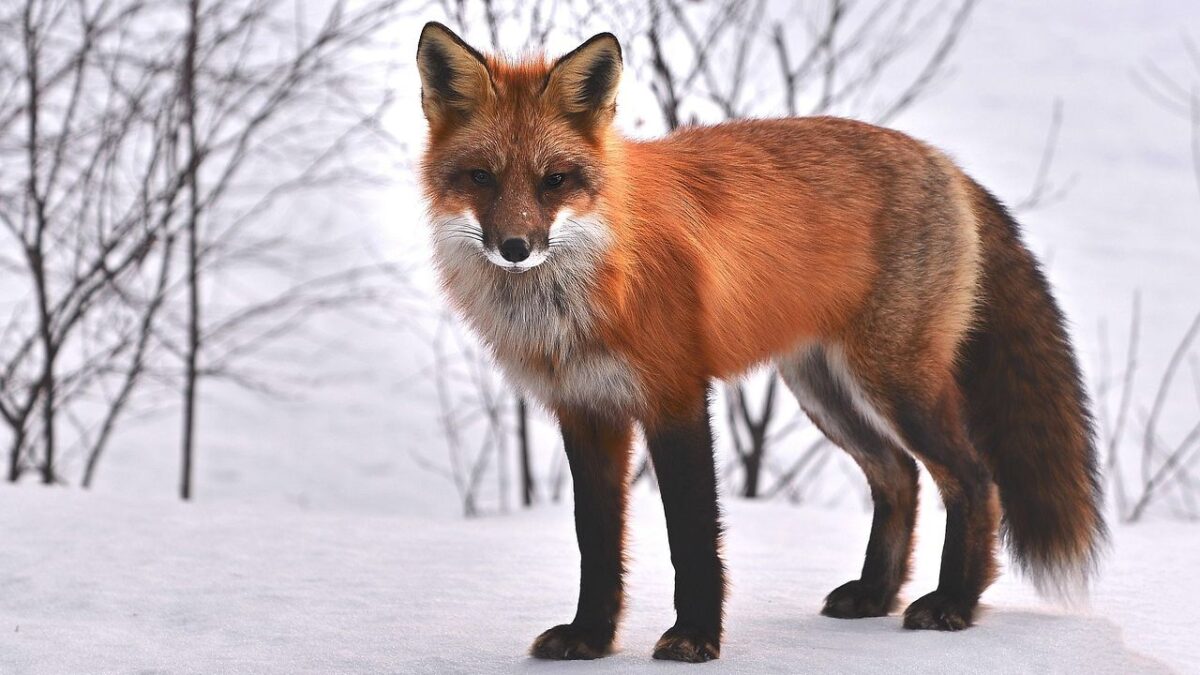
That russet flash in your backyard might seem irresistible to approach with a handful of treats. Picture this: a curious fox tilting its head at you, those amber eyes sparkling with what looks like gentle curiosity. The urge to bridge that wild gap with food feels almost instinctive, like extending friendship across species.
Yet what appears as a heartwarming moment could trigger a cascade of consequences neither you nor the fox bargained for. Wildlife experts across the globe warn that this simple act of kindness often becomes a dangerous trap, disguised as compassion. The reality behind feeding wild foxes reveals a complex web of behavioral changes, health risks, and ecological disruption that most people never see coming.
The Behavioral Transformation You Don’t Expect
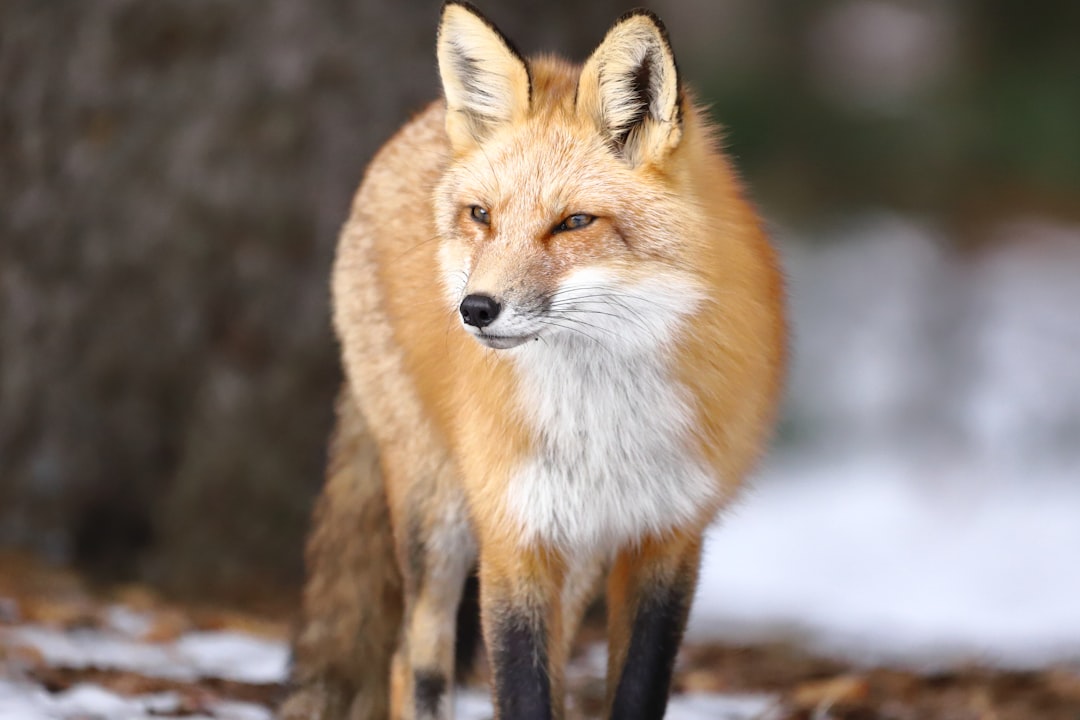
When you feed wildlife, two things happen simultaneously: animals stop hunting, and they lose their fear of humans. While befriending a wild fox may seem like a great idea, it usually ends very badly for the animal. This behavioral shift isn’t gradual or subtle.
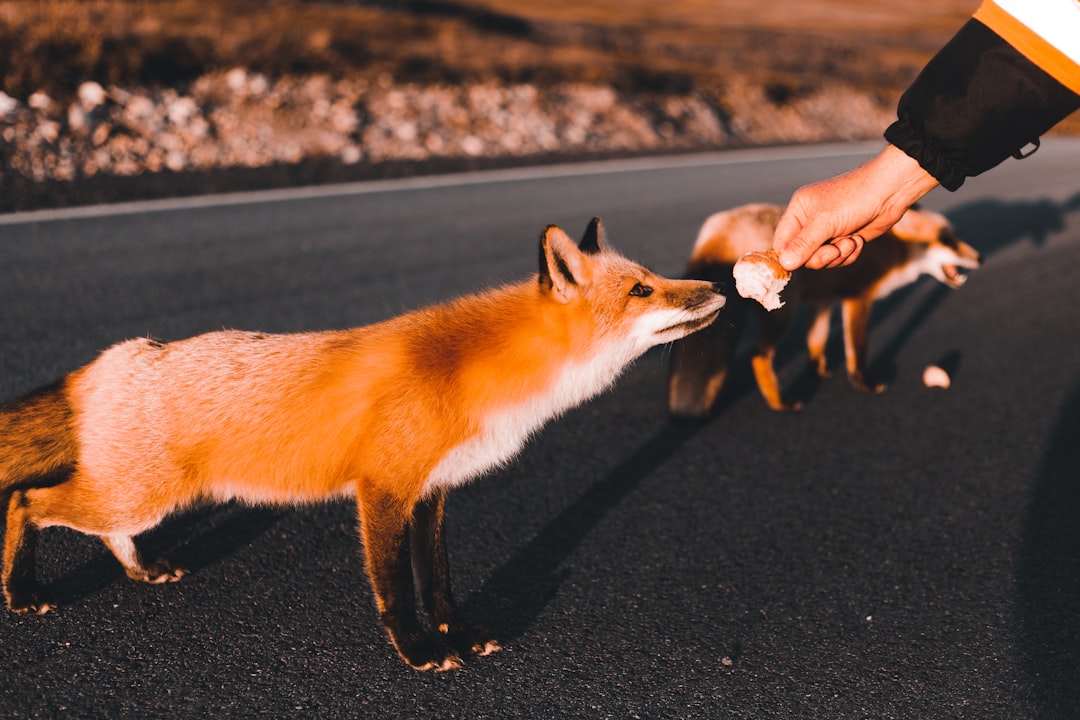
Foxes naturally maintain what experts call a “flight distance” – in the countryside this could be a field, whereas in towns and cities, this distance may only be 4 to 5 feet. This invisible boundary represents their safety zone, allowing them to escape if humans suddenly become hostile. By encouraging a wild fox to eat from your hands, you’ve taken away this flight distance, and this could lead to serious consequences for the fox if it approaches someone else, not so fox friendly.
The transformation becomes even more troubling when foxes begin seeking food during inappropriate times. Foxes are active at dusk and dawn. To minimize risks of road accidents and human-animal conflict, feeding them encourages daytime activity. This unnatural schedule change puts them directly in harm’s way.
When Instincts Get Hijacked by Handouts
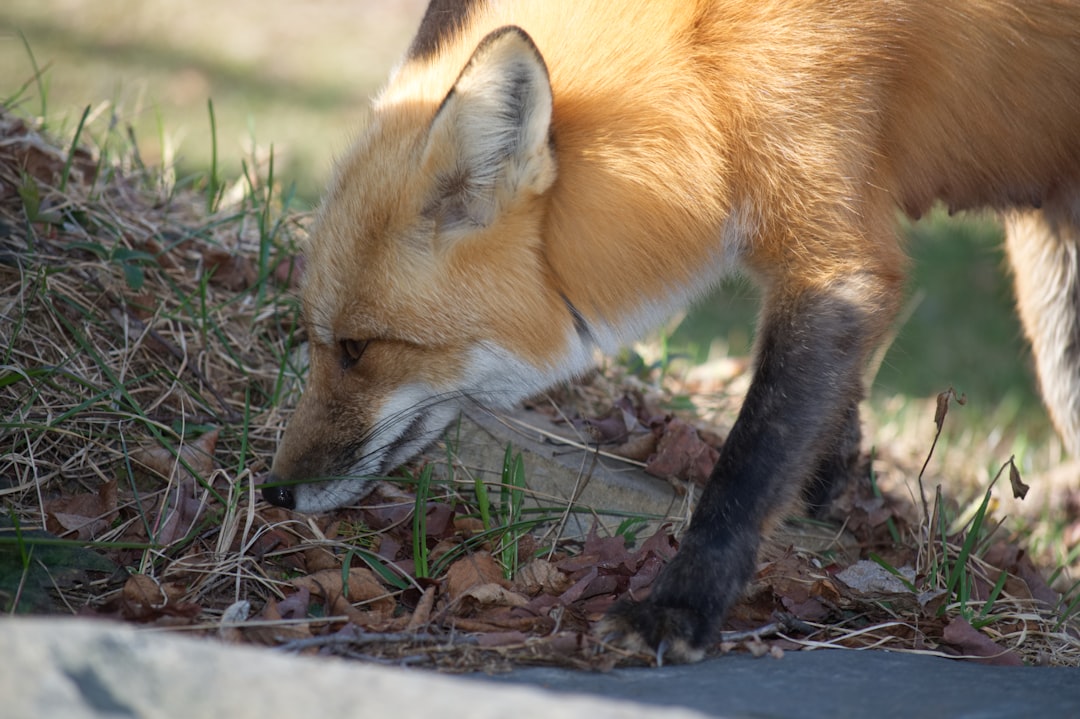
Professor Dawn Scott, the UK’s leading fox expert, explains that “when you hand-feed a fox you train them to associate a human hand with food.” This conditioning creates a dangerous confusion that extends far beyond your backyard encounter.
Wildlife rehabilitators report disturbing scenarios where foxes approach strangers expecting meals. They describe situations where foxes chew food while someone places a finger in their jaw – how are they supposed to know the difference between food and your body while being rewarded for nibbling your finger by feeding them? This confusion isn’t just inconvenient; it’s potentially lethal for the fox.
Many people feed foxes thinking it sounds like a good idea, but because they are wild animals, you may be doing more harm than good. They need to have their instincts sharp for hunting and surviving, since they may not always have humans to depend on. The result is a wild animal caught between two worlds, fully adapted to neither.
The Hidden Health Hazards Nobody Talks About
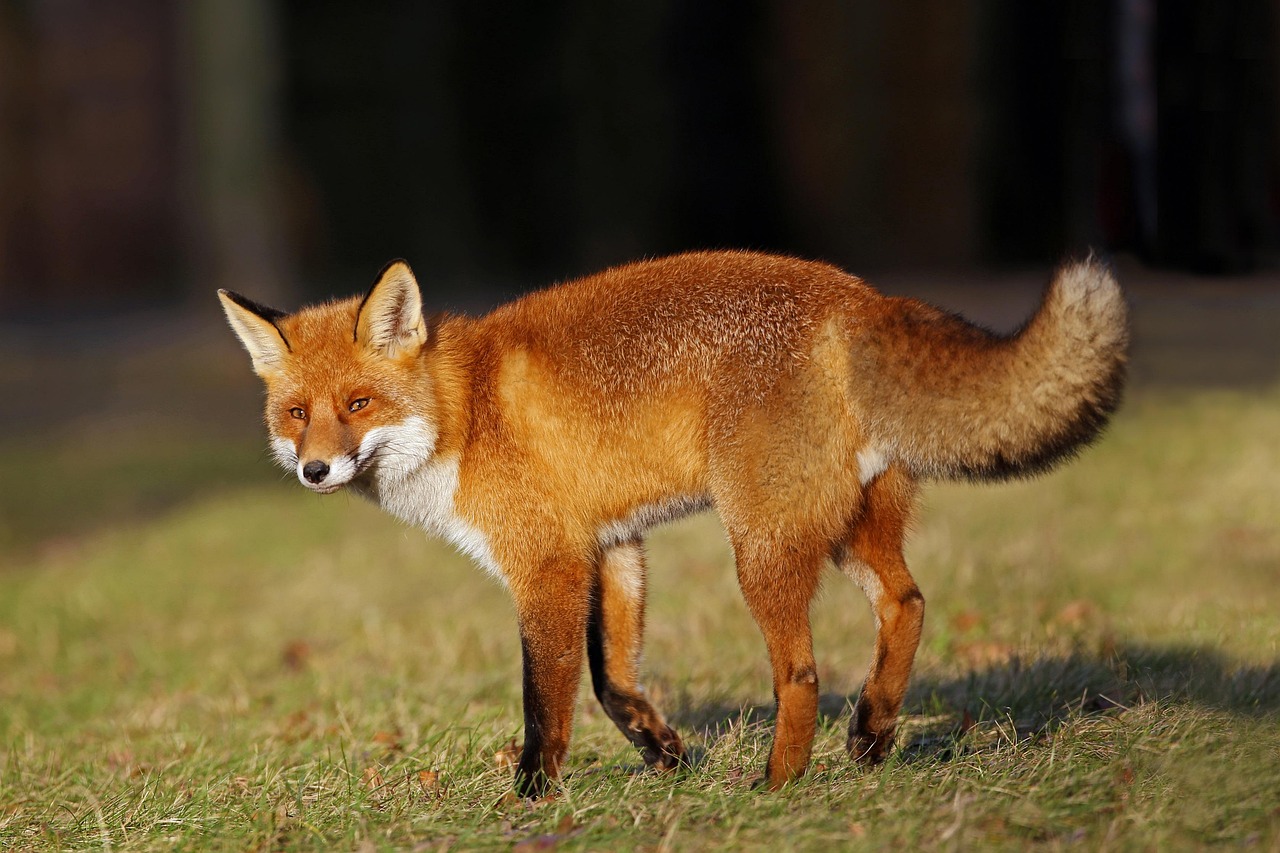
Human foods are highly processed and not designed with wildlife in mind, failing to meet their unique nutritional needs, causing malnutrition, reduced immunity and increased vulnerability to accident or injury. Even well-meaning offerings of meat or vegetables lack the complex nutritional balance foxes need.
Disease transmission becomes inevitable when feeding stations attract multiple animals. Feeding wildlife creates a situation whereby animals that would not come into contact with each other naturally end up spending time eating together in close contact, increasing the spread of zoonotic diseases and attracting pests.
Feeding excess is a surefire way to annoy neighbors and cause tension, putting foxes at risk from pest controllers. Foxes have cat-sized stomachs and toilet more frequently, also using it as a means of communication. This biological reality transforms your kindness into neighborhood conflicts that often end badly for the fox.
The Bite Risk You Never Considered
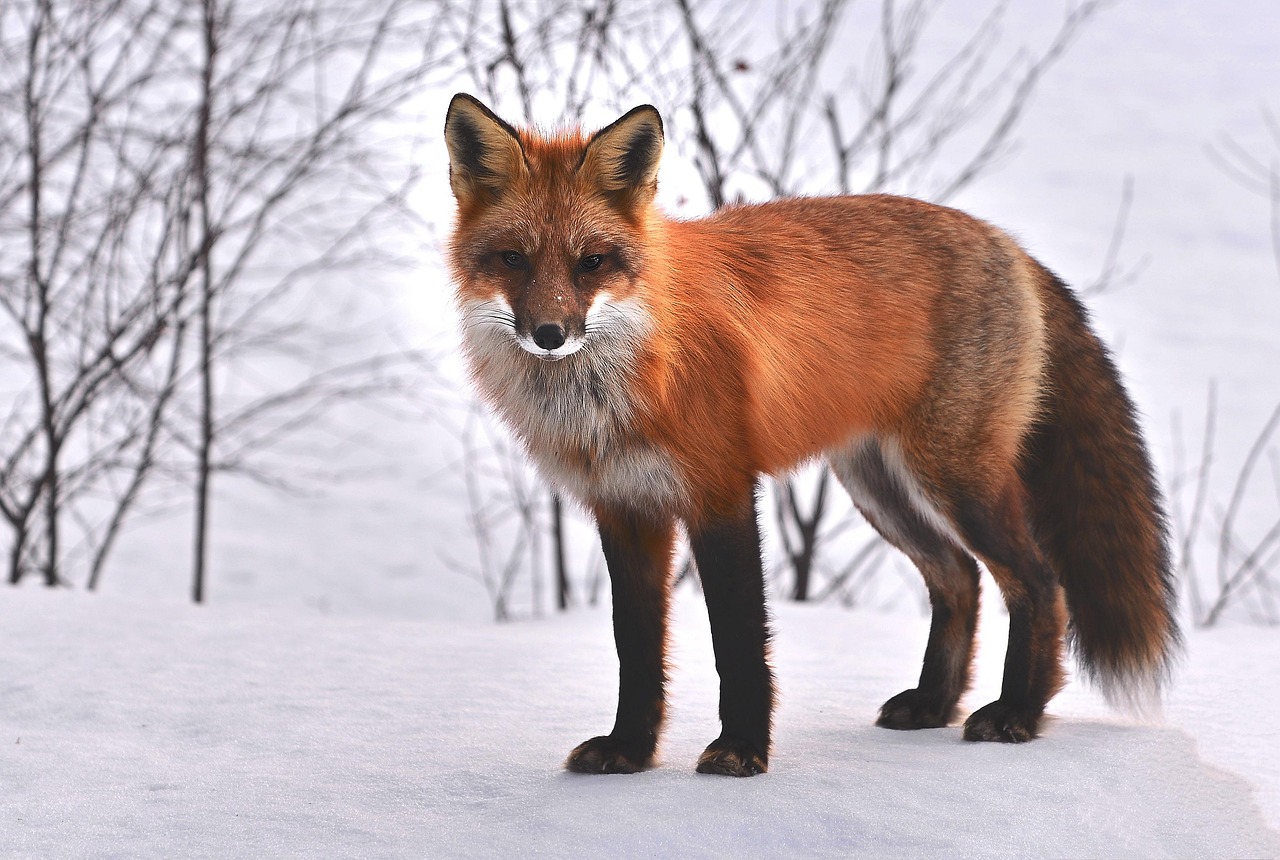
Foxes are predators, meaning they’re prey-driven. Do you really want to hold out “prey” in your bare hand? Animal bites are painful, and wild creatures can carry disease. The physical trauma is just the beginning of your concerns.
Foxes can potentially carry rabies, though cases remain relatively rare in most regions. While rabies cases remain relatively rare, anecdotal evidence has long suggested that rabid foxes are more likely to bite humans than other rabid animals, and research suggests there is some foundation to this rumour.
In the case of a wildlife bite, the animal may need to be destroyed. Taking the perfect photograph isn’t worth risking the fox’s life. Your moment of connection could become the fox’s death sentence, as authorities often require euthanization for rabies testing after any bite incident.
Population Explosions and Ecological Chaos
While a fox is hungry, they will not breed prolifically. If hungry long enough, they will move on to areas where they can find more reliable food sources. If we feed them, nature tells them there is enough food, and they will breed prolifically, increasing the fox population when the habitat cannot support it.
Predators and prey usually balance each other out on a landscape, but the balance is easily disrupted when we feed predators. With extra food from us, their numbers can increase and become artificially high, potentially outstripping their supply of natural foods. This artificial abundance triggers a cascade of ecological disruption.
A single fox might find the majority of turtle nests but leave a reasonable percentage to hatch. But enticing even one more fox to an area might mean that even fewer turtles hatch, hastening potential population declines. Your feeding station becomes ground zero for ecosystem imbalance.
The Social Media Trap Making Things Worse
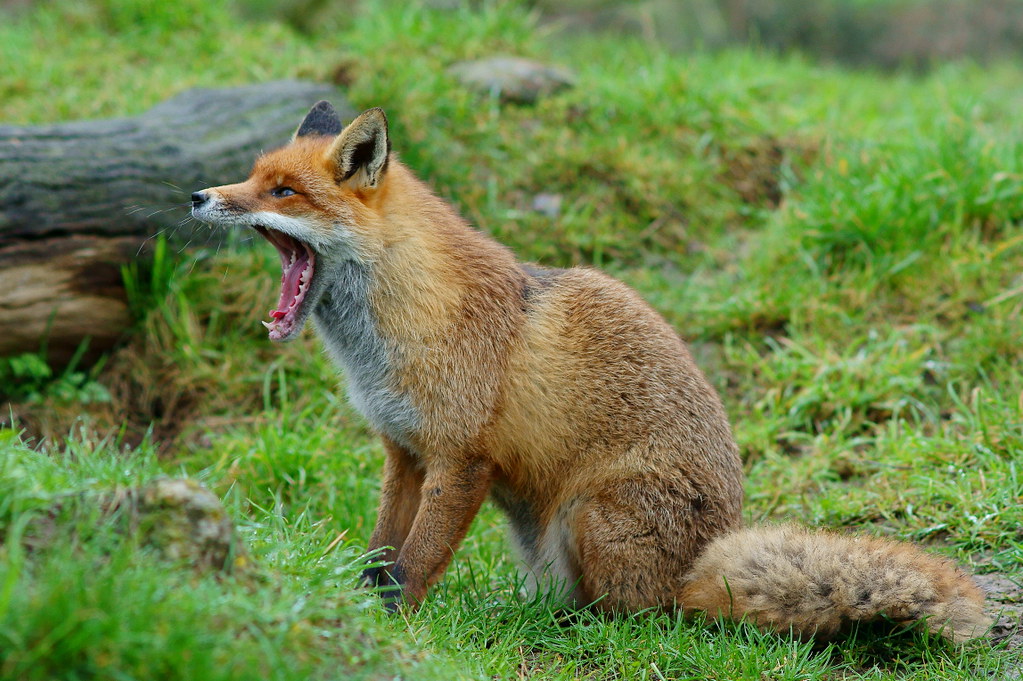
A concerning trend has emerged on social media platforms where individuals are seen feeding wild foxes. Social media often glorifies close encounters with wildlife, including feeding foxes. These posts can mislead viewers into believing that such interactions are safe and beneficial.
The more people post videos of hand-feeding or stroking wild foxes, the more people copy them and post their clips, and it becomes acceptable behavior when it should be anything but. This is not a special achievement but anyone with time and food in their hands can do this with gullible, curious cubs.
Content creators bear tremendous responsibility here. For the sake of likes and gaining more followers, you are trying to tame, claim and “own” an animal whose beauty comes from the very fact that they are wild and free. The viral nature of these posts multiplies the damage exponentially.
The Dependency Myth and Harsh Realities
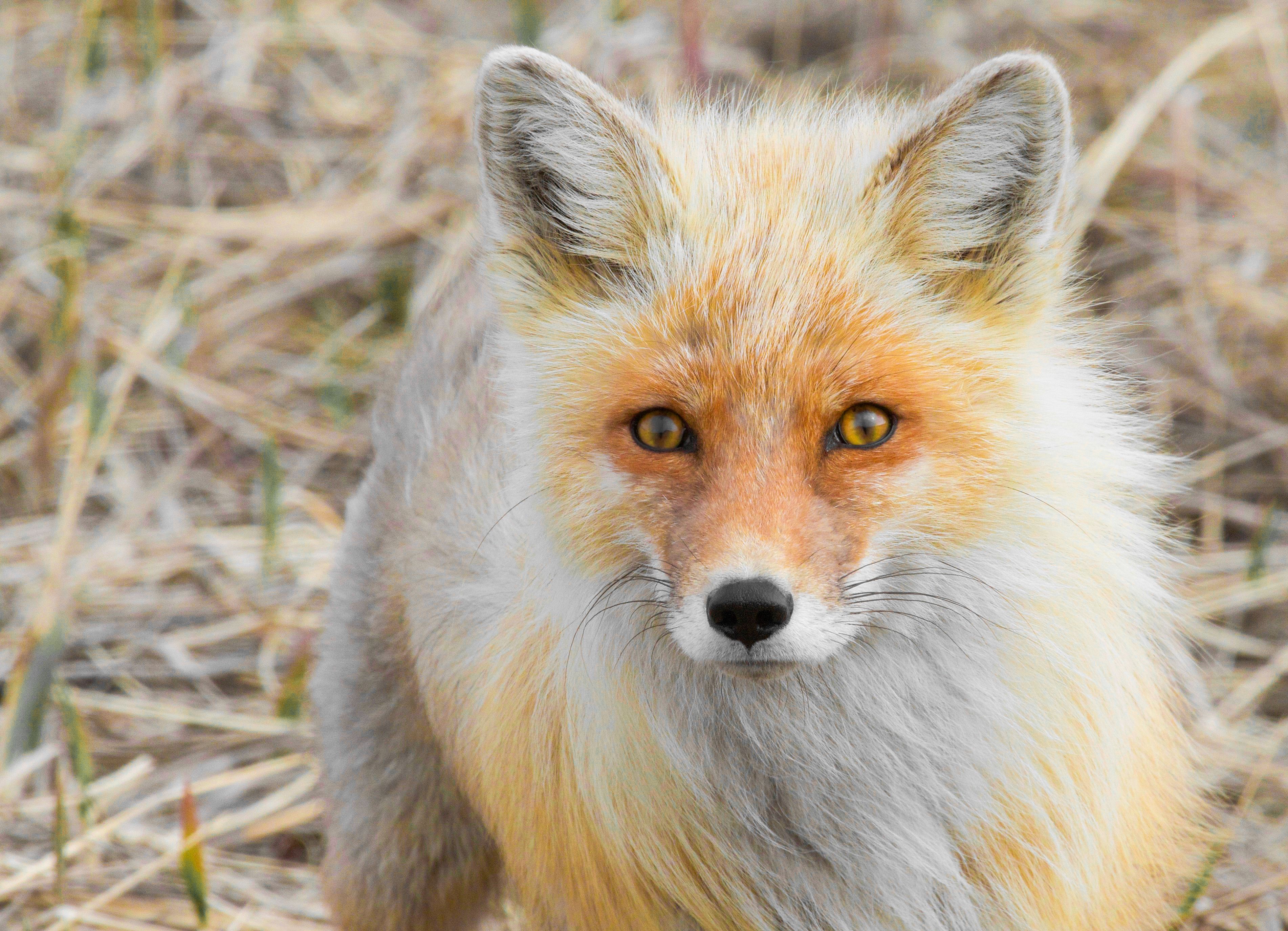
Artificial feeding creates a strong dependence on human-provided food sources. Wild animals may lose their ability to forage naturally and become reliant on artificial feeding sites. This dependency can lead to changes in migration patterns and habitat use.
While some experts argue foxes are too adaptable to become truly dependent, the behavioral evidence suggests otherwise. Bolder individuals obtain significantly more food directly from humans, resulting in early interception of food offerings and preventing other individuals from obtaining supplemental feeding. Those females that beg consistently also produce significantly heavier fawns.
These interactions result in disparity in diet and nutrition across the population, impacting associated physiology and reproduction, and may result in artificial selection of the begging behavioral trait. This is the first time this consistent variation in behavior and its potential link to artificial selection has been identified in a wildlife population.
Legal Consequences and Enforcement Reality
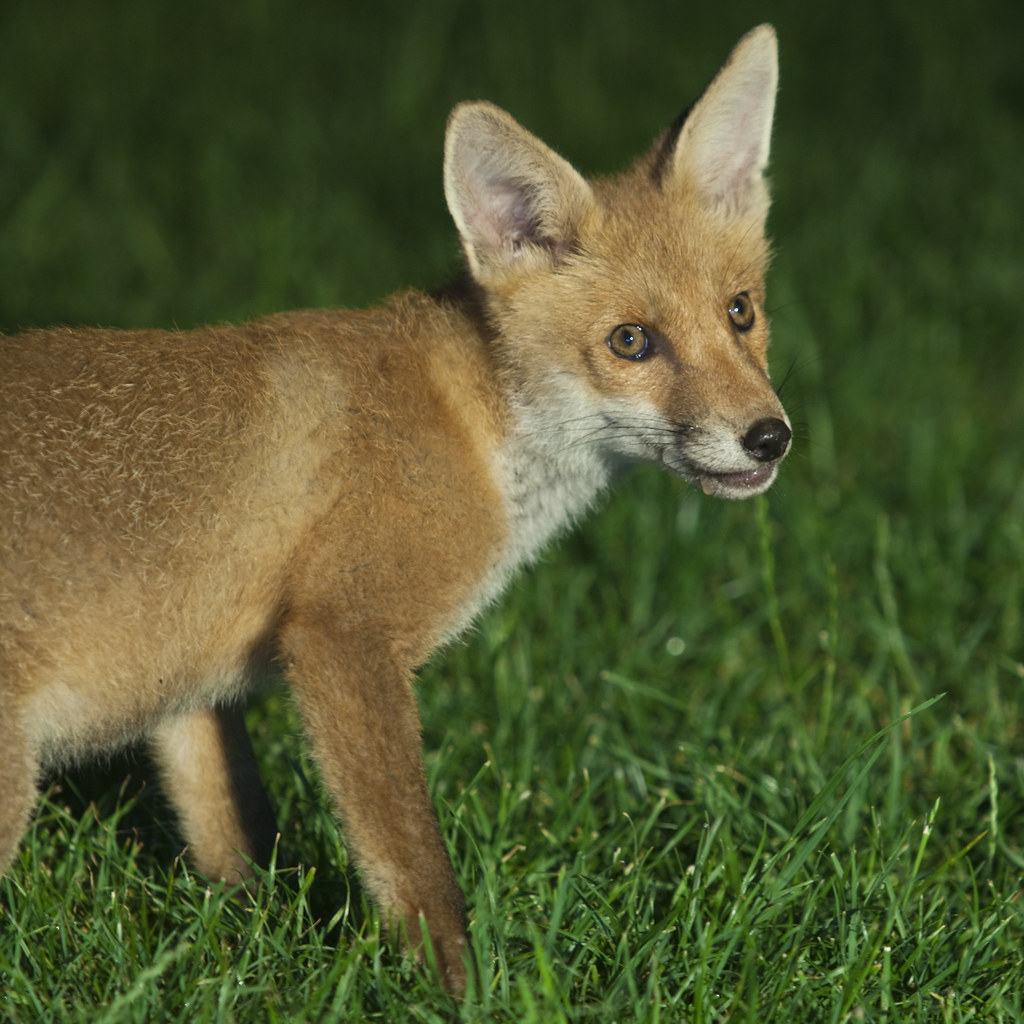
Feeding wildlife like foxes is not just harmful; it’s often illegal. Many regions impose fines and regulations against such practices to protect both the animals and the community. The legal framework exists precisely because the dangers are well-documented and severe.
Feeding wildlife is against the law in Ontario Parks. Similar prohibitions exist across numerous jurisdictions, with enforcement becoming increasingly strict as wildlife-human conflicts escalate. The fines can be substantial, but the real cost comes from the ecological damage already done.
If you see someone engaging in this behavior, it’s important to report it to local wildlife authorities. Community vigilance becomes essential when individual actions threaten entire ecosystems. The responsibility extends beyond personal choice to community welfare.
The romanticized image of feeding wild foxes crumbles under the weight of scientific evidence and expert testimony. What begins as an act of kindness transforms into a web of behavioral disruption, health risks, and ecological chaos that extends far beyond that single moment of connection. The fox padding away from your offered treat carries with it a burden of dependencies, health vulnerabilities, and altered behaviors that could ultimately prove fatal.
Wildlife thrives not through our intervention, but through our respectful distance. The greatest gift we can offer these remarkable creatures isn’t food from our hands, but the preservation of their wildness and the ecosystems that sustain them naturally. What do you think about it? Tell us in the comments.
