
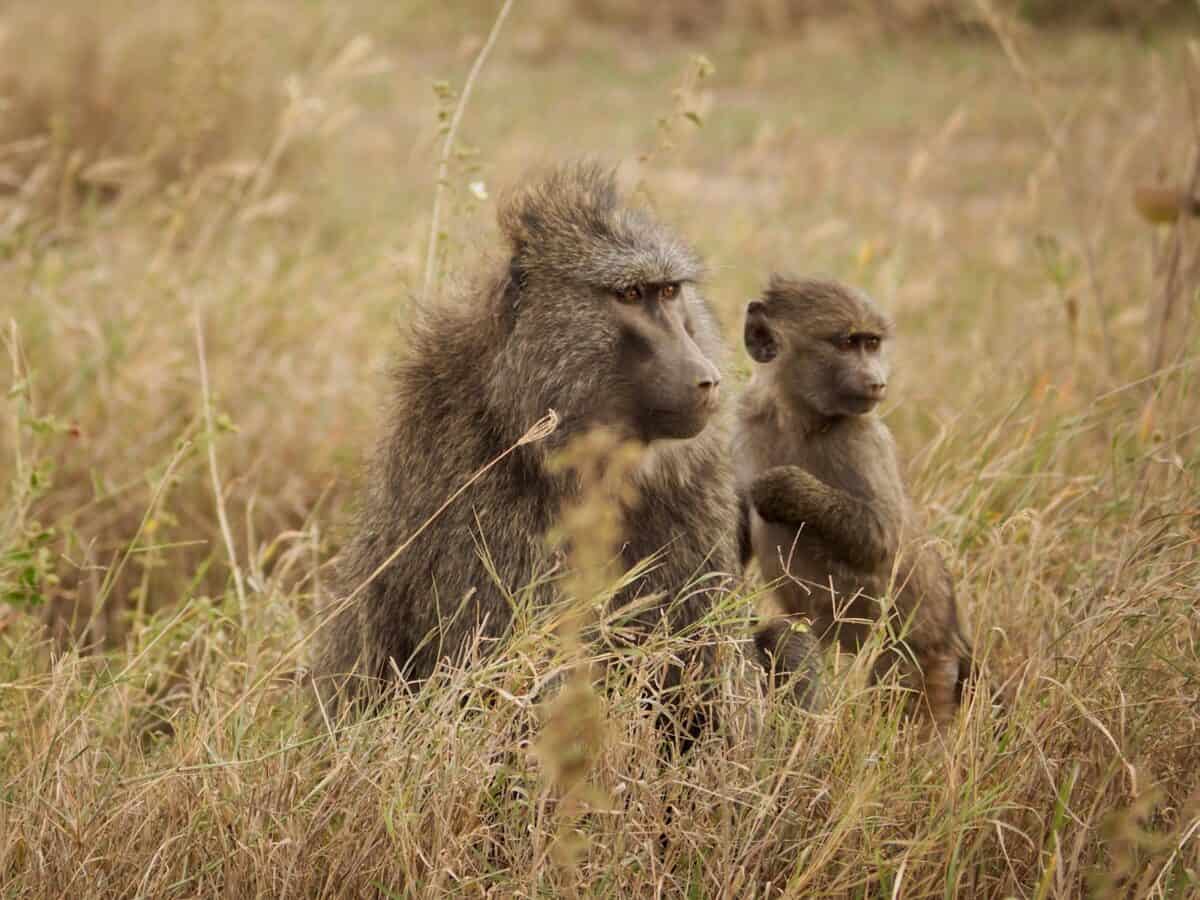
The intricate social dynamics of wild primate families represent some of the most complex and fascinating relationships in the animal kingdom. From the dense rainforests of Central Africa to the mountainous regions of Asia, primates have developed sophisticated family structures that enable them to survive, reproduce, and navigate their environments. These remarkable social systems share surprising similarities with human family dynamics while maintaining distinctive characteristics evolved for specific ecological niches. Understanding what happens within wild primate families not only offers insights into our evolutionary relatives but also provides a mirror through which we can better understand our own social behaviors and their origins.
The Diverse Family Structures Across Primate Species

Wild primate family structures vary dramatically across the more than 500 species that make up the primate order. Some species, like gorillas, live in patriarchal harems where a dominant silverback male leads a group of females and their offspring. Chimpanzees and bonobos operate in multi-male, multi-female communities with complex hierarchies. Gibbons typically form monogamous pairs that defend territories together. Meanwhile, orangutans remain largely solitary, with mothers being the primary social unit, caring for their young for up to eight years. This diversity reflects different evolutionary adaptations to various habitats, food resources, and predation pressures. While humans often think of the nuclear family as the default, primate research shows that successful family structures can take many forms, each optimized for specific environmental conditions.
Daily Life and Routines in Primate Families

The daily rhythm of wild primate families revolves around essential activities that ensure survival. Most primates begin their day at dawn, with family groups coordinating their movements as they forage for food. Species like baboons may travel several kilometers each day in search of fruit, leaves, insects, and other food sources. Midday often brings a period of rest and social grooming, a crucial activity that strengthens family bonds while removing parasites and debris from fur. Afternoon typically involves more feeding before the group settles into sleeping sites as dusk approaches. For tree-dwelling species like gibbons, this means constructing or locating suitable sleeping platforms high in the canopy, while terrestrial species like gorillas build nests on the ground. Throughout these routines, family members maintain constant communication through vocalizations, facial expressions, and body postures, coordinating their movements and alerting each other to potential dangers.
The Role of Dominant Individuals in Primate Families
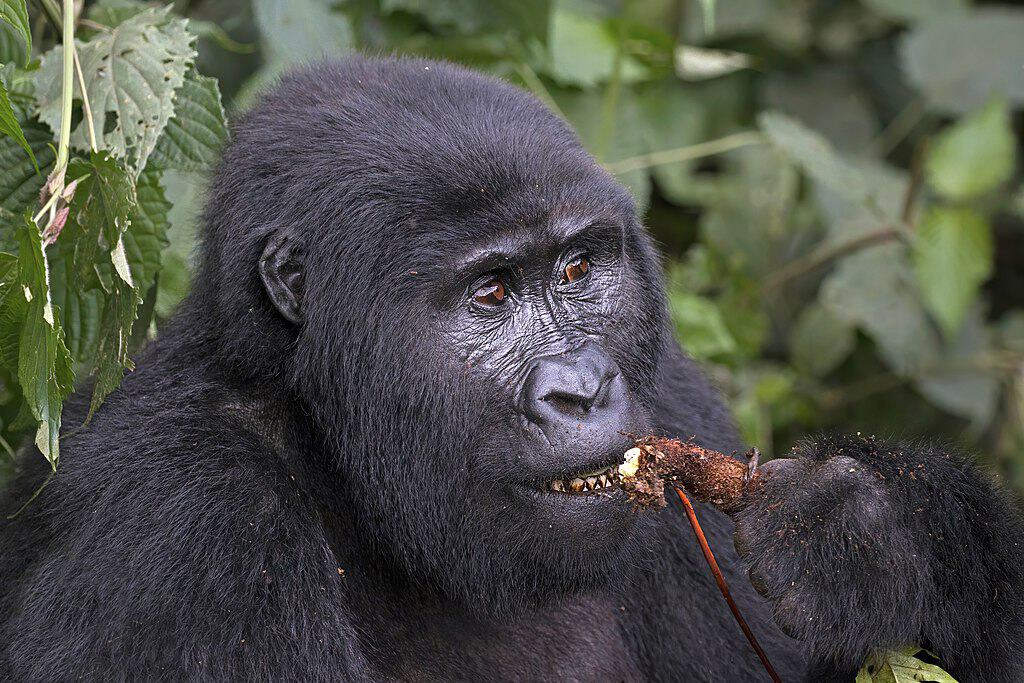
Leadership and dominance play critical roles in primate family dynamics. In many species, a clear dominance hierarchy determines access to resources, mating opportunities, and decision-making power. Among mountain gorillas, the silverback male serves as the undisputed leader, making decisions about when and where the group travels and protecting family members from predators and rival males. In baboon troops, dominance hierarchies exist for both males and females, with high-ranking individuals enjoying priority access to food and preferred resting spots. Interestingly, leadership isn’t always about physical strength. Among bonobos, females often hold dominant positions despite being smaller than males, wielding power through strategic alliances. Research has shown that effective primate leaders balance assertiveness with social intelligence, maintaining group cohesion while navigating environmental challenges. This balance of power ensures that family groups function effectively while minimizing destructive conflict.
Reproduction and Parenting Strategies

Reproduction represents a central focus of primate family life, with species developing diverse strategies to ensure their genetic legacy. Most primates have relatively long gestation periods compared to other mammals of similar size, with pregnancies ranging from about 4 months in small lemurs to 8-9 months in great apes. Unlike many mammals, primates typically give birth to single offspring rather than litters, investing heavily in each individual’s development. Parenting approaches vary significantly across species. Female ring-tailed lemurs allow other females to nurse and carry their infants, creating an “infant pool” that benefits all participants. Marmoset fathers and older siblings carry infants most of the time, returning them to mothers only for nursing. In contrast, orangutan mothers maintain exclusive care of their offspring for years, teaching them complex skills like nest building and fruit processing. These varied parenting systems reflect different ecological pressures and social structures, but all share the goal of maximizing offspring survival in challenging environments.
Communication Within the Family Unit

Communication forms the backbone of primate family function, with individuals using sophisticated systems to coordinate activities and express needs. Vocal communication includes alarm calls that warn family members of specific predators, with some species like vervet monkeys using distinct calls for aerial versus ground-based threats. Chimpanzees employ over 30 different vocalizations, from food grunts that announce the discovery of resources to pant-hoots that help scattered group members locate each other in dense forests. Beyond vocalizations, primates utilize elaborate facial expressions, body postures, and tactile signals. Gentle touches and embraces convey reassurance, while teeth-baring displays signal dominance or submission depending on the context. This multi-modal communication system enables primate families to navigate complex social relationships and respond collectively to environmental challenges. Researchers have found that young primates learn these communication skills through careful observation and practice, highlighting the importance of family in cultural transmission.
Conflict Resolution and Peacemaking Behaviors

Conflict inevitably arises in primate family groups, but sophisticated reconciliation mechanisms help maintain social harmony. After aggressive encounters, many primate species engage in specific reconciliation behaviors like grooming, embracing, or lip-smacking. Among macaques, former opponents often sit in contact and groom each other shortly after conflicts, reducing stress and preventing long-term relationship damage. Bonobos take conflict resolution further, frequently using sexual behaviors to diffuse tensions regardless of sex or reproductive status. Beyond direct reconciliation, third-party mediation also occurs in some species, with high-ranking individuals intervening to stop conflicts between lower-ranking group members. These sophisticated peacemaking strategies reflect the premium placed on group cohesion in primate societies. Long-term studies show that groups with effective conflict resolution mechanisms maintain more stable social networks and typically experience greater reproductive success than those with unresolved tensions.
Play and Social Learning in Young Primates
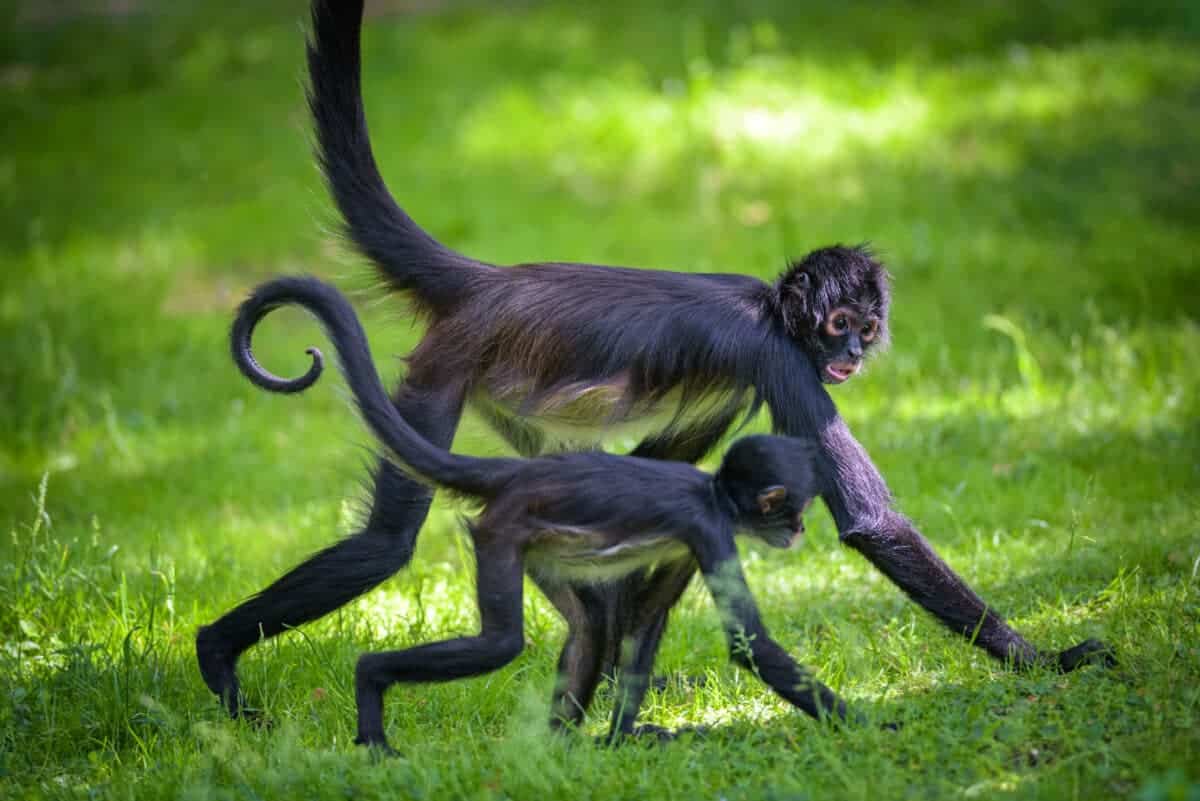
Play serves as a crucial developmental tool in primate families, providing young individuals with opportunities to practice physical, cognitive, and social skills. Juvenile primates engage in a variety of play behaviors, from rough-and-tumble wrestling to sophisticated games involving objects and rules. Young chimpanzees and orangutans engage in complex object manipulation that mirrors adult tool use, climbing activities that develop motor skills needed for arboreal life, and social interactions that teach critical lessons about hierarchy and cooperation. Research indicates that play deprivation in primates leads to social deficits later in life, underscoring its importance. Interestingly, play behaviors differ between species in ways that reflect their adult activities – young gorillas practice chest-beating displays, while young capuchin monkeys rehearse complex food-processing techniques. Adult family members facilitate play by creating safe spaces, intervening when play becomes too rough, and occasionally participating themselves, demonstrating the intentional educational environment within primate families.
Food Sharing and Cooperative Behavior

Cooperation around food resources represents a distinctive feature of primate family life. While competition for food exists, many primate species also exhibit sophisticated food-sharing behaviors. Chimpanzees who successfully hunt may share meat with family members and allies, with research suggesting this sharing follows political and social patterns rather than simple generosity. Mother primates across species allow their offspring access to difficult-to-process foods, effectively teaching young individuals what to eat and how to process it. Some species take cooperation further – tamarins coordinate vigilance while feeding, taking turns watching for predators while family members eat. Among capuchin monkeys, skilled individuals may crack nuts using stone tools and leave the opened nuts accessible to less skilled family members. These cooperative behaviors strengthen family bonds while ensuring that knowledge about food resources passes between generations. Notably, food sharing tends to follow kinship lines, with closer relatives receiving more shared resources than distant relations.
Protection Against Predators and Rival Groups
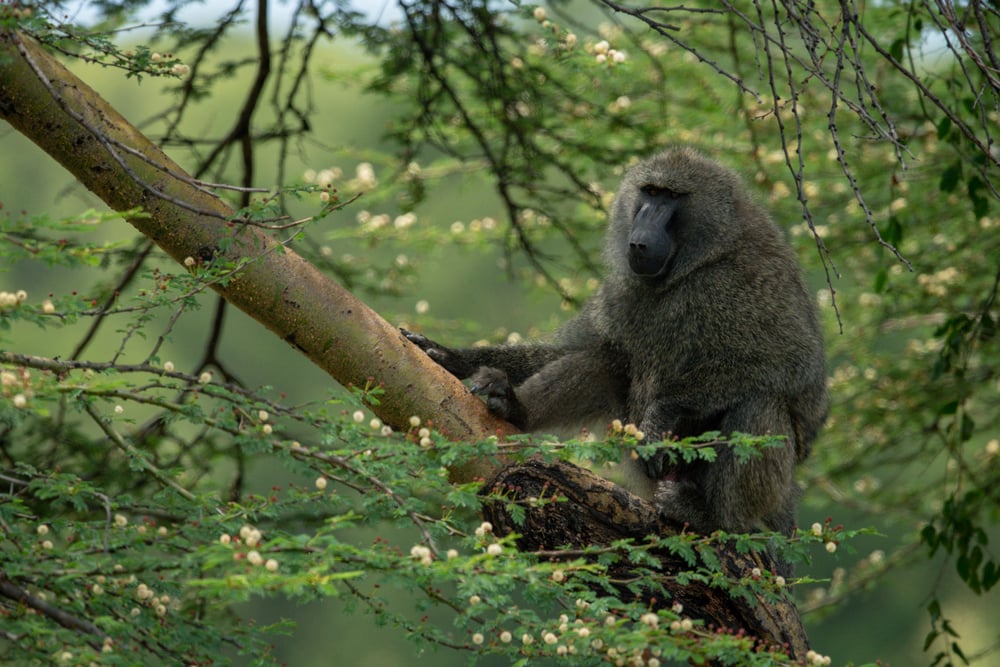
Collective defense represents one of the primary advantages of family living for wild primates. Many species utilize sophisticated anti-predator strategies that leverage their numerical advantage and communication abilities. When faced with threats from leopards, eagles, or snakes, baboon troops respond with coordinated mobbing behaviors and distinctive alarm calls that convey specific information about the threat. Male geladas position themselves at the periphery of family groups while females and young remain protected in the center. Howler monkeys use their powerful vocalizations to establish territorial boundaries, reducing potentially dangerous physical confrontations between groups. Adult males in many species take on particularly prominent defensive roles, with gorilla silverbacks intervening directly to confront predators and rival males. Research with chimpanzees has documented territorial patrols where males collectively monitor and defend boundary areas against neighboring communities. These cooperative defense strategies substantially reduce predation risk for family members while ensuring access to critical resources within their home range.
Aging and Intergenerational Relationships

Wild primate families often span multiple generations, creating complex intergenerational dynamics. Unlike many mammals, older female primates frequently continue living well past reproductive age, providing a reservoir of ecological knowledge and childcare assistance that benefits younger family members. These “grandmother” figures have been observed in species ranging from Japanese macaques to chimpanzees. In macaque societies, maternal grandmothers often form close bonds with their grandchildren, intervening on their behalf during conflicts and sharing food preferentially. Aging males typically experience more variable outcomes, with some species like gorillas maintaining leadership positions into old age, while others like baboons may be displaced and adopt peripheral positions. Research has shown that juvenile primates with living grandmothers often experience higher survival rates and faster development, suggesting evolutionary advantages to these extended family relationships. This phenomenon parallels the “grandmother hypothesis” in human evolution, which proposes that post-reproductive female longevity evolved partly due to the benefits grandmothers provide to their descendants.
How Primate Families Adapt to Environmental Changes

Wild primate families demonstrate remarkable adaptability when facing environmental challenges. During seasonal food shortages, family groups may adjust their movement patterns, travel farther each day, or split temporarily into smaller units to reduce feeding competition. Baboon troops living in regions with pronounced dry seasons shift their diet from preferred fruits to fallback foods like tough roots and bark when necessary. Chimpanzee communities may alter tool use techniques to access previously unexploited resources during lean periods. Some primate families respond to habitat degradation by incorporating novel food sources, with macaques in urbanized areas learning to exploit human refuse and agricultural crops. However, this adaptability has limits. Research indicates that primate families facing severe habitat fragmentation or hunting pressure often experience social disruption, with documented changes in group size, composition, and stability. These findings highlight both the resilience and vulnerability of primate family structures in the face of increasing anthropogenic pressures, with implications for conservation strategies that aim to preserve not just individual animals but functional social systems.
Conclusion: The Evolutionary Significance of Primate Family Life
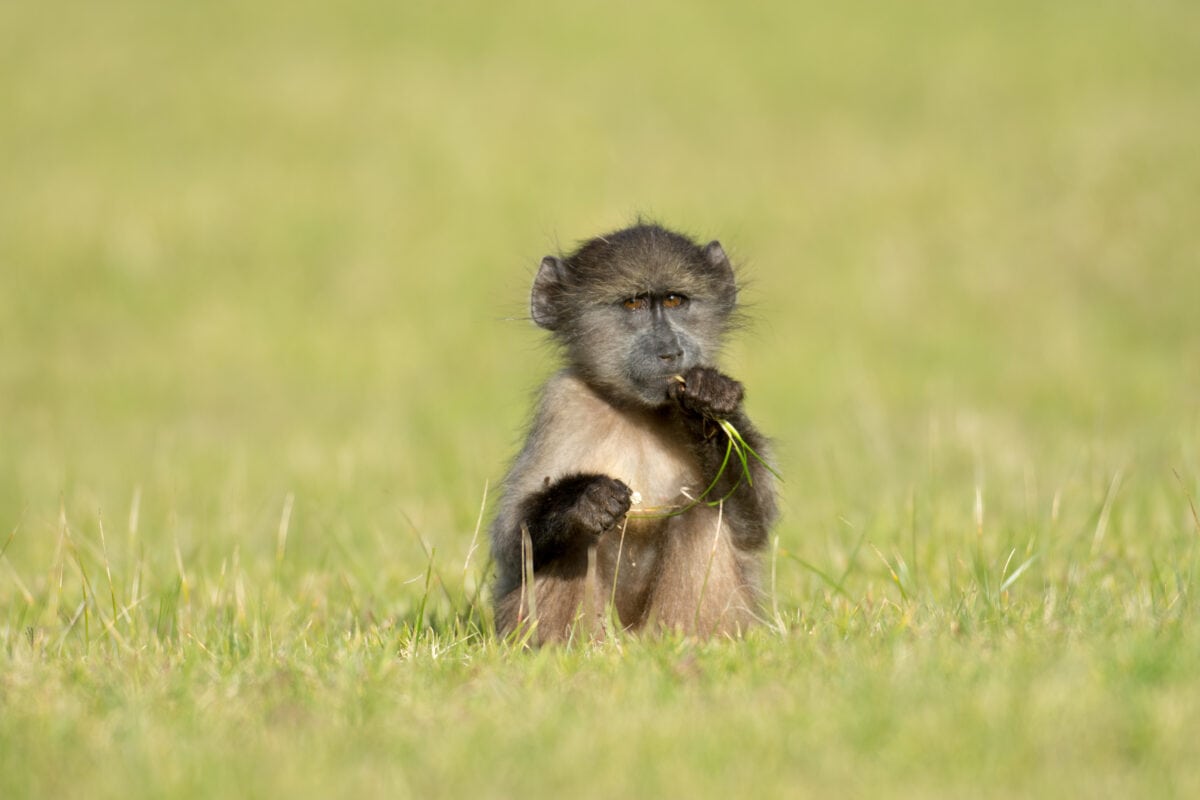
The intricate dynamics of wild primate families offer profound insights into both the evolution of sociality and the origins of human family structures. From the sophisticated conflict resolution mechanisms of bonobos to the multi-generational knowledge transfer in chimpanzee communities, these family systems represent evolutionary solutions to the challenges of survival in complex environments. The parallels between primate and human families – including extended childhoods, cooperative care arrangements, and intergenerational bonds – highlight our shared evolutionary heritage while the differences underscore our unique adaptations. As habitat destruction and climate change increasingly threaten wild primate populations, understanding and preserving these family systems becomes not just a scientific priority but an ethical imperative. By protecting the integrity of primate families in the wild, we preserve living laboratories that continue to illuminate the ancient social foundations upon which human civilization itself was built.

- How Animals React to Sudden Weather Changes - August 6, 2026
- What Makes Raptors the Apex Predators of the Sky - August 6, 2026
- What If the Great Lakes Suddenly Dried Up? - August 6, 2026