
Most of us picture death as a single, definitive moment. The heart stops. The breath goes still. Everything ends. But beneath that stillness, something far more complex is already underway – a cascade of biological events that unfolds at the cellular level, long after the body as a whole has ceased to function.
The science here is genuinely strange. Some cells don’t go quietly. Some actively ramp up their activity. Others enter a kind of suspended state, waiting. Understanding what actually happens inside the body after death offers a window into life itself – how cells work, why they fail, and what they’re still trying to do when no one is left to tell them to stop.
#1: The First Minutes – Oxygen Cuts Out and the Cascade Begins
The moment of death, marked by the cessation of blood circulation and respiration, does not instantly end every cell in the body. Instead, it initiates a complex sequence of events that transforms the body from a living system into degrading tissues. The cells don’t receive a shutdown signal. They simply stop getting what they need.
The primary trigger for cellular failure is the sudden deprivation of oxygen and nutrients. Without continuous oxygenated blood, the cell’s mitochondria can no longer perform aerobic respiration. Mitochondria rely on oxygen to generate ATP, the cell’s energy currency. Without that energy, the cellular machinery that keeps membranes intact, that moves ions in and out, and that maintains structure begins to fail almost immediately.
Deprived of oxygen, a cascade of cellular death commences. It begins with brain cells and finishes with the skin cells. Death is therefore a process, rather than an event. That distinction matters more than most people realize.
#2: Autolysis – The Body Quietly Digests Itself
Immediately after death, the body begins breaking down on a cellular level. When cells lose oxygen, autolysis – self-digestion driven by enzymes – begins. This isn’t something external attacking the body. It’s the body’s own chemistry turning on itself.
When a cell membrane gets breached after death, its enzymes are free to roam around and start breaking down every part of the cell, digesting it from the inside out. This important component of decomposition, known as autolysis, can be particularly swift in organs that are rich in lysosomes, like the pancreas, stomach and liver. The pancreas, unsurprisingly, often shows signs of this process faster than almost any other organ.
Just after death, cell membranes break down and release enzymes that start self-digestion. The first external sign of autolysis is the whitish appearance of the cornea. On autopsy, the doughy appearance of the parenchyma of the pancreas and lungs can appear within hours of death. These changes unfold quietly, invisible from the outside, but entirely predictable from within.
#3: The Microbiome Takes Over – Bacteria Seize Control
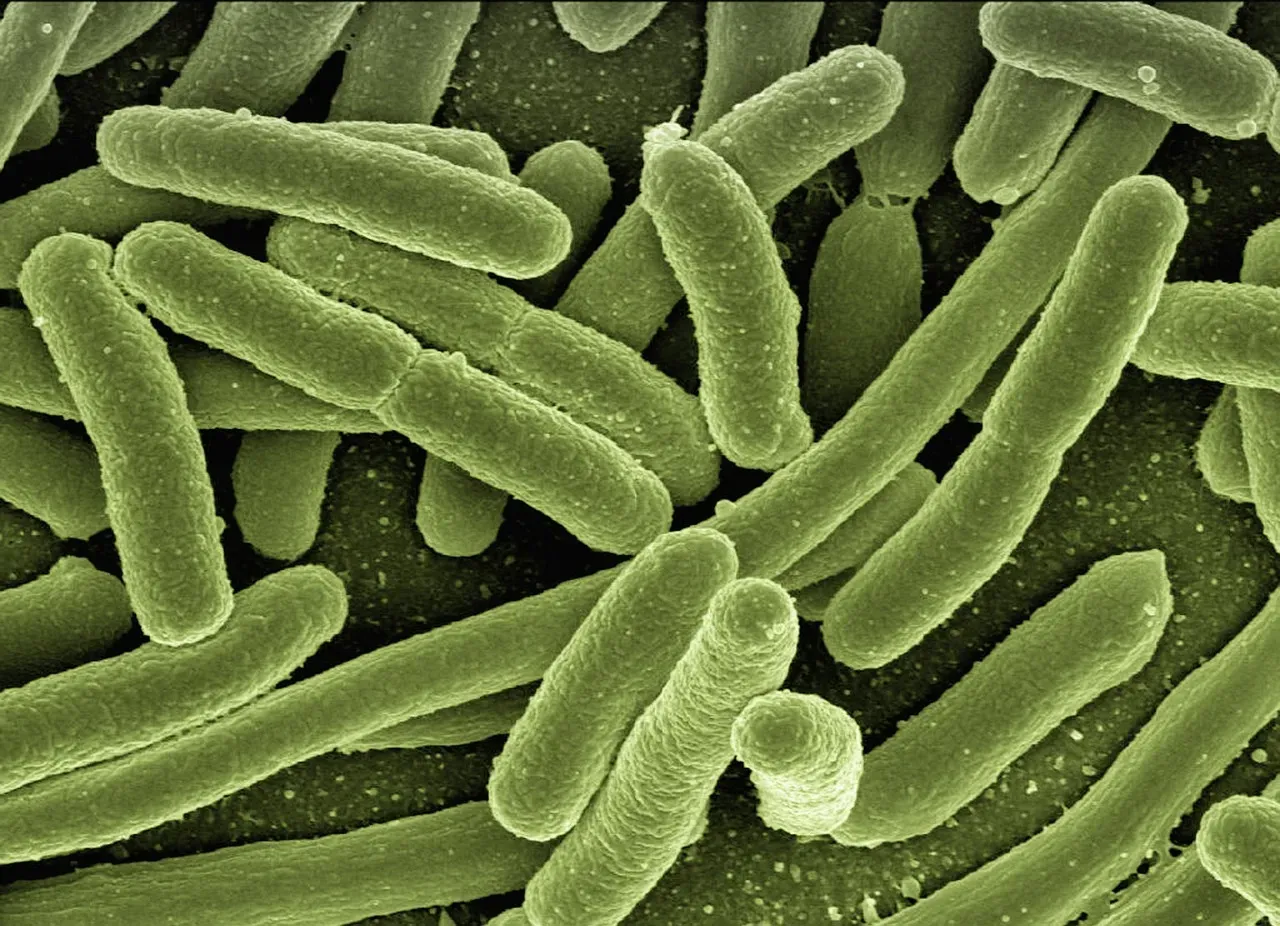
The human body, particularly the gastrointestinal tract, hosts a vast community of bacteria known as the microbiome. While alive, the immune system and structural barriers keep these microbes confined. Death removes those barriers entirely, and the shift that follows is dramatic.
When the immune system stops functioning after death, bacteria begin to feast on the products of autolysis and, unopposed, they start to move around. This is a process known as putrefaction. As they feed on tissues, these bacteria expel gases like methane and ammonia that create the bloating frequently seen in the abdomen after death. What was once a controlled internal ecosystem becomes something else entirely.
Two significant findings from research are that most cells in the human body are microbial, and microbial cell abundance significantly increases after death. The body doesn’t empty out after death – it shifts populations, trading one set of living inhabitants for another in a process that is, in its own way, entirely natural.
#4: Zombie Genes – Some Cells Actually Get More Active After Death
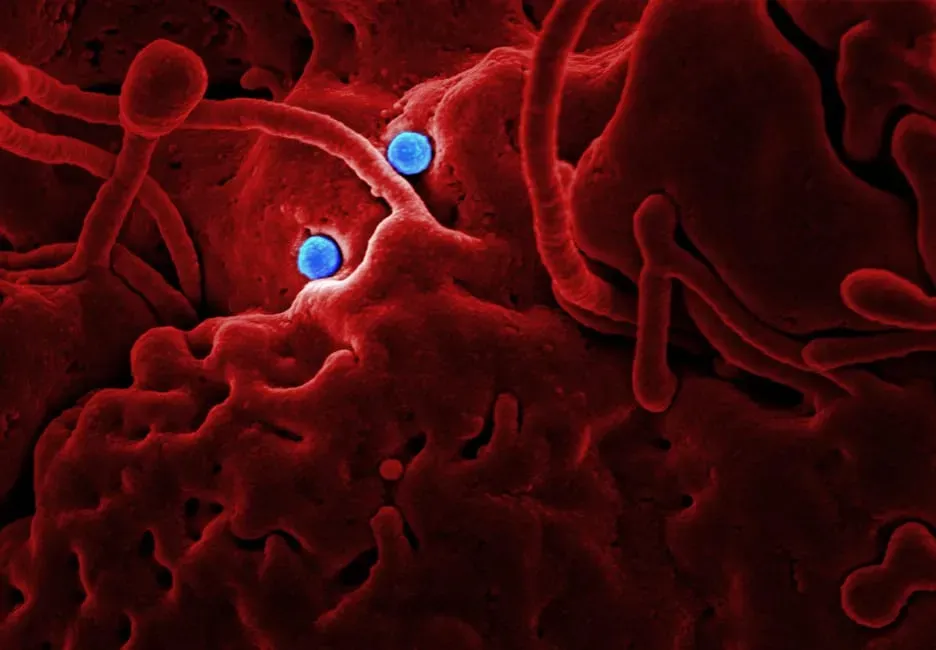
This is where it starts to feel genuinely unsettling. While some cells are shutting down and others are being consumed, a completely different group of cells does the opposite.
In the hours after we die, certain cells in the human brain are still active. Some cells even increase their activity and grow to enormous proportions, according to research from the University of Illinois Chicago. The researchers analyzed gene expression in fresh brain tissue at multiple times after removal to simulate the post-mortem interval. They found that gene expression in some cells actually increased after death. These “zombie genes” were specific to one type of cell: inflammatory cells called glial cells.
The researchers observed that glial cells grow and sprout long arm-like appendages for many hours after death. Scientists found over a thousand genes were significantly active up to four days post mortem. Some not only turned on, they ramped up, including genes involved in stress, immunity, inflammation, embryogenesis, and cancer. The body, at the cellular level, appears to be fighting for survival long after the organism as a whole has already lost.
#5: Surviving Cells and What They Could Mean for Science
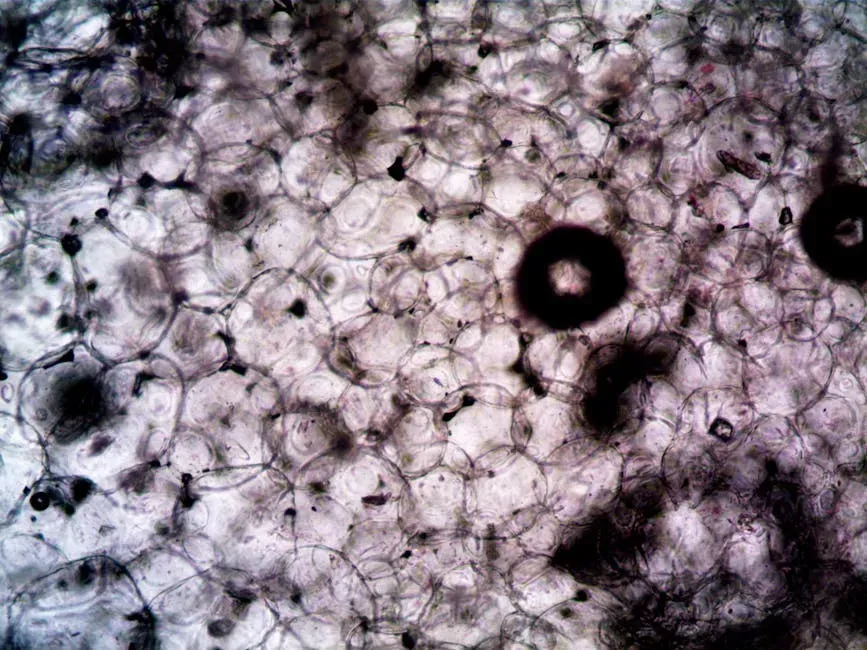
Not all cells simply die or self-destruct. Some go dormant, and they do it remarkably well. Skeletal muscle stem cells can survive in a human body after a person dies, for a good 17 days after the fact. During that time, they’re still viable enough to be revived and then subdivide into workable cells. That is an extraordinary window.
The key to remaining viable is that the skeletal stem cells slow their metabolism until they become dormant, allowing them to conserve vital energy even as the body in which they are housed dies around them. Different cell types have varying survival times; in humans, white blood cells die between 60 and 86 hours after organismal death. The variation from one cell type to the next is striking.
Research suggests that the death of a living organism is a multi-step process that continues long after the final heartbeat, and findings from this research could have implications for everything from cancer research to life extension. It’s why we can take out hearts and livers from a dead person and transplant them into someone else. Cellular survival after death isn’t just a curiosity – it’s the biological basis for organ donation as we know it.
A Final Thought
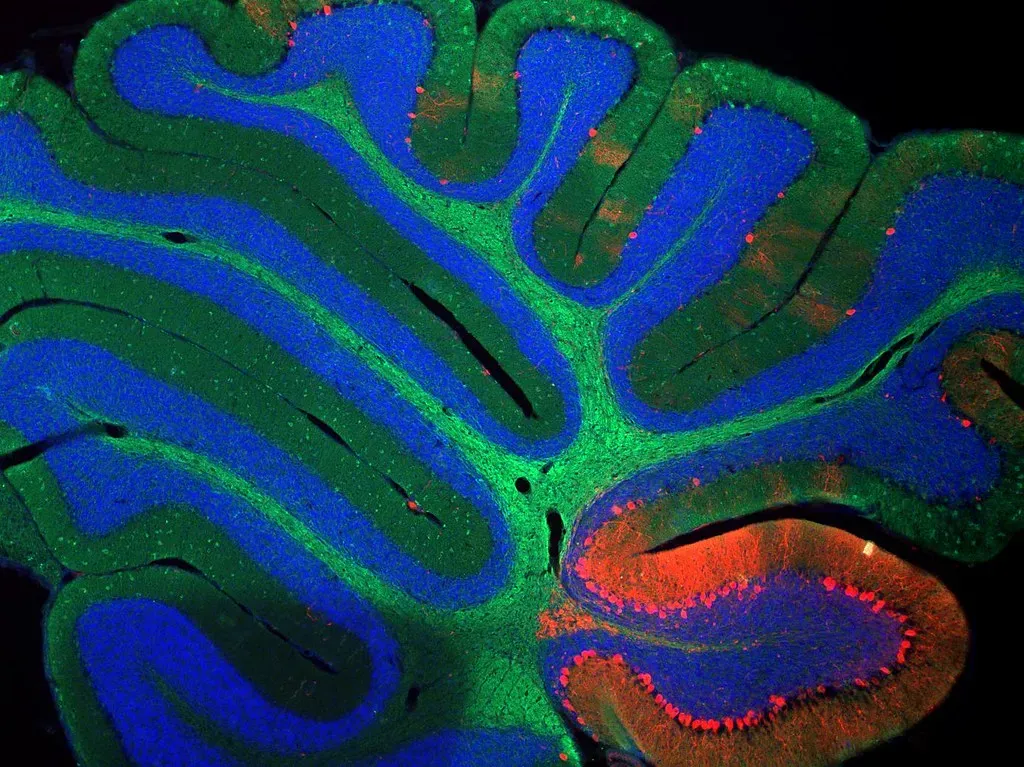
What the science reveals is that death, at the cellular level, is far less like a light switch and far more like a slow tide going out. Different cells on different timelines, some fighting to the last, some adapting in ways that still surprise researchers. Cells, tissues, organs, and organ systems show a range of differential resilience and endurance responses that occur during organismal death.
That complexity doesn’t make death less final, but it does make it more interesting. The story of what happens after that last heartbeat is still being written, and the cells themselves are still writing it, quietly, for hours and days afterward. There’s something worth sitting with in that fact.

- 11 Ways Your Cat Is Secretly Protecting You Every Day - August 14, 2026
- 10 Mistakes People Make When Camping in Wolf Country - August 14, 2026
- 8 Dog Breeds That Form the Strongest Bond With One Person - August 14, 2026