

When the wilderness stages a confrontation between two apex predators—a wolf pack and a grizzly bear—the result is one of nature’s most dramatic and complex interactions. These rare but significant encounters represent the collision of different hunting strategies, social structures, and survival adaptations that have evolved over millennia. While such confrontations might seem straightforward at first glance, with the massive bear holding an obvious advantage, the reality is far more nuanced. The dynamics between these predators reveals much about their respective ecological roles, adaptive behaviors, and the delicate balance of power in North American wilderness areas. This article explores what really happens when these formidable forces of nature come face to face.
The Power Dynamics: David vs. Goliath
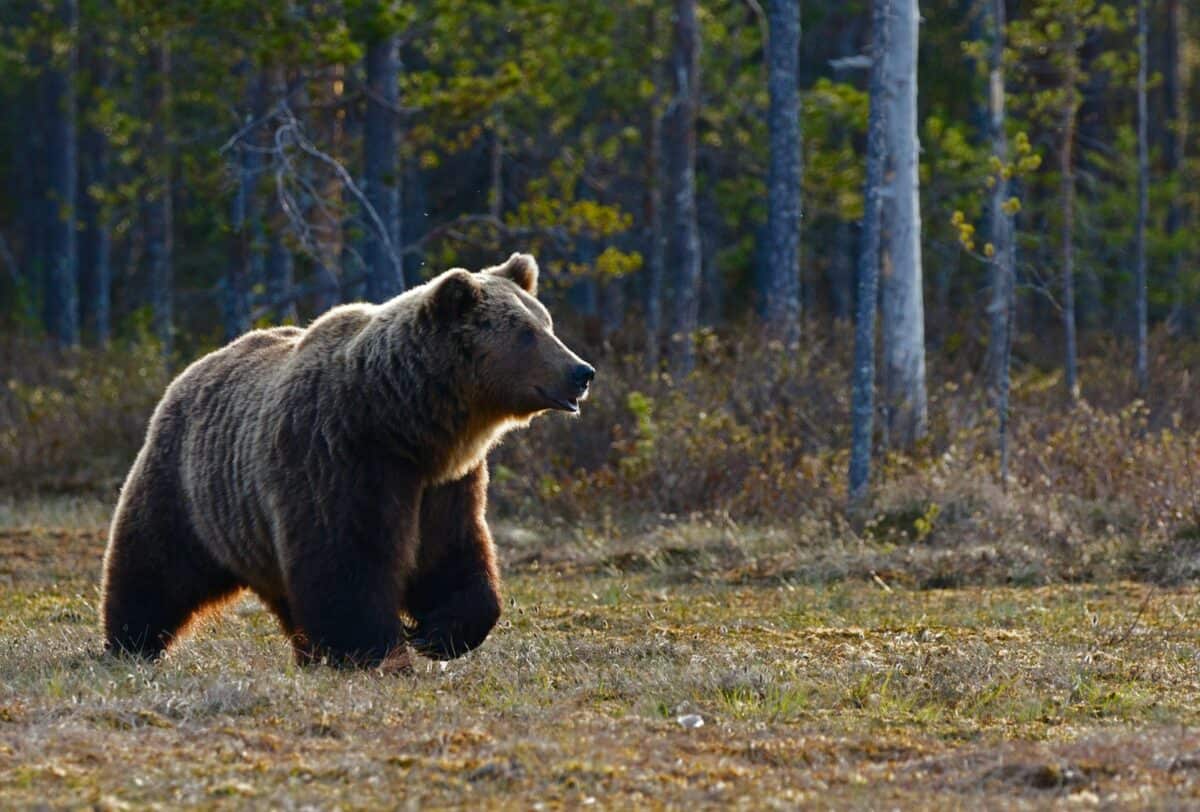
At first glance, the size difference between a grizzly bear and an individual wolf creates an obvious mismatch. Adult grizzlies typically weigh between 400-700 pounds, with some large males exceeding 800 pounds. Standing on their hind legs, they can reach heights of 8 feet. In contrast, gray wolves generally weigh between 70-120 pounds, with the largest rarely exceeding 150 pounds. This disparity means that in a one-on-one confrontation, a grizzly bear possesses overwhelming physical advantages in terms of strength, reach, and durability. The bear’s 4-inch claws and crushing bite force (1,200 psi compared to a wolf’s 400 psi) provide weapons that can instantly incapacitate a wolf. However, wolves rarely operate alone, and their pack structure introduces a critical variable that can sometimes level the playing field.
The Strength of the Pack

The wolf’s greatest advantage lies in its social structure. Wolf packs typically consist of 4-12 individuals, though some packs in prey-rich environments may include up to 20 wolves. This numerical advantage allows wolves to employ coordinated tactics that can potentially overwhelm even the most formidable opponents. When confronting a grizzly, wolves often utilize harassment techniques—darting in from multiple angles, nipping at the bear’s flanks and hindquarters, then retreating before the bear can retaliate. This strategy minimizes risk to individual pack members while collectively wearing down their larger adversary. The pack’s collective intelligence and communication abilities, refined through consistent hunting together, create a formidable opponent that can occasionally challenge the physical superiority of a solitary grizzly.
Territorial Considerations

Most confrontations between wolves and grizzlies stem from territorial disputes or competition over food resources. Both species occupy overlapping ranges across North America’s wilderness areas, particularly in regions like Yellowstone National Park, Alaska, and the northern Rockies. Wolves maintain territories ranging from 50 to over 1,000 square miles depending on prey availability, while grizzlies have home ranges varying from 100 to 600 square miles.
The degree of overlap creates inevitable encounters, especially around shared resources. Research from Yellowstone indicates that these interactions occur most frequently near elk carcasses, during ungulate calving seasons, or when bear cubs are present. The spatial context of these encounters significantly influences the outcome, with wolves showing more aggressive behaviors when defending core territory areas or den sites containing vulnerable pups.
Competition Over Food Resources

Food-centered conflicts represent the most common cause of wolf-grizzly confrontations. Both species are opportunistic feeders with overlapping diets centered on ungulates like elk, deer, and moose. When a wolf pack makes a kill, the scent can attract grizzlies from considerable distances. Observations in Yellowstone National Park have documented grizzlies usurping wolf kills in approximately 50% of observed interactions.
This kleptoparasitism (food theft) creates a significant ecological pressure on wolf packs, which may lose up to 20% of their hard-earned calories to bear interference. The energetic cost of bringing down large prey makes these losses particularly impactful, especially during lean winter months when calories are at a premium. Wolves must therefore make calculated decisions about whether to defend their kills or abandon them when confronted by a determined grizzly.
Defensive Strategies of Wolf Packs

When confronting a grizzly, wolf packs employ sophisticated defensive tactics that maximize their numerical advantage while minimizing individual risk. Research from wildlife biologists in Yellowstone has documented several distinct strategies. The most common involves a coordinated harassment approach where wolves will surround a bear, creating a constantly shifting perimeter. Selected wolves will dart in to deliver quick bites before retreating, targeting the bear’s hindquarters and flanks while avoiding the deadly front paws and jaws.
Another strategy involves diversionary tactics, with some wolves creating distractions while others attempt to maintain access to the contested food source. Pack size plays a crucial role in these interactions—larger packs of 8-12 wolves display significantly more confidence in confronting bears, occasionally forcing them to retreat, while smaller groups typically abandon their kills more readily.
The Grizzly’s Tactical Advantages

Despite facing numerical disadvantages, grizzlies possess several tactical advantages that help them maintain dominance in most encounters. Their formidable physical capabilities include not only overwhelming strength but also surprising speed and agility—grizzlies can reach burst speeds of 35 mph despite their massive size. Their thick hide and layer of fat provide significant protection against wolf bites, which typically cannot penetrate deeply enough to cause serious damage unless they target more vulnerable areas.
A grizzly’s excellent climbing ability also provides an escape option that wolves lack. Perhaps most importantly, grizzly bears demonstrate remarkable situational awareness, often positioning themselves strategically with their backs against trees, cliffs, or other obstacles to prevent wolves from surrounding them completely. This forces wolves to confront them primarily from the front, where the bear’s defensive capabilities are strongest.
Seasonal Variations in Conflict
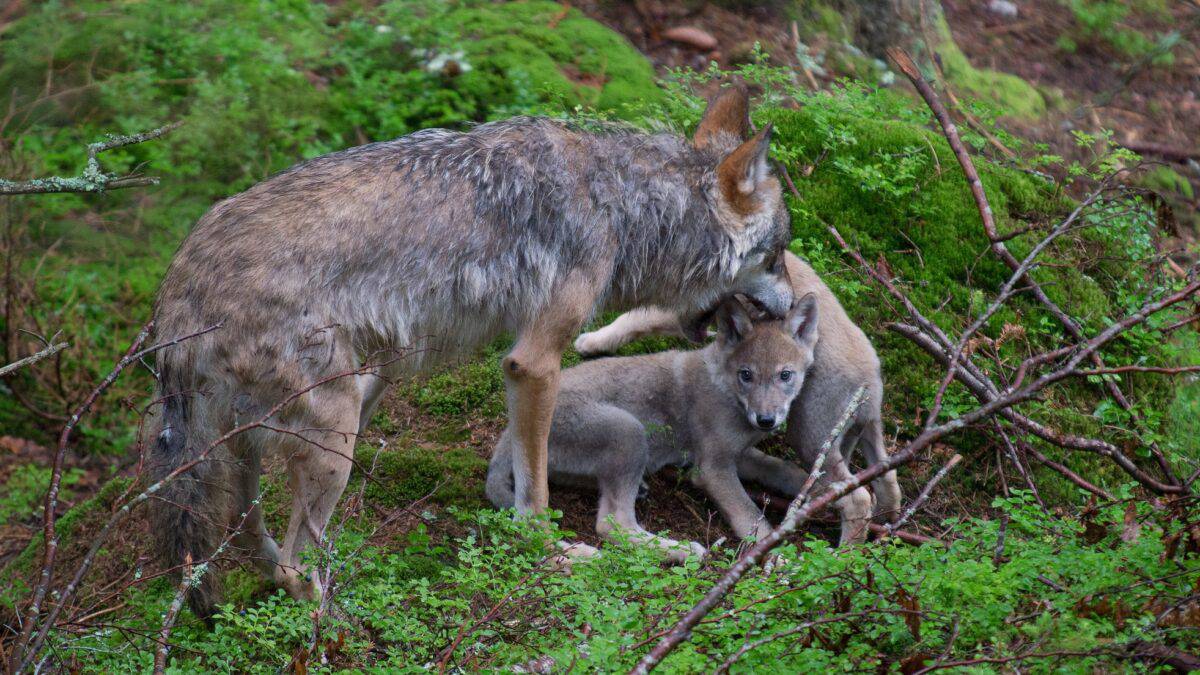
The nature and frequency of wolf-grizzly confrontations follow distinct seasonal patterns. Spring represents a period of heightened tension, as hungry bears emerge from hibernation seeking calories while wolf packs may be defending vulnerable new pups near den sites. Research from the Greater Yellowstone Ecosystem indicates that May through June sees the highest rate of aggressive interactions, coinciding with elk calving season when both predators target the same vulnerable prey.
Summer encounters typically center around contested food sources, while autumn confrontations may increase as bears enter hyperphagia—a period of intense feeding before hibernation. Winter brings relative peace as bears hibernate, though climate change is extending grizzly activity periods in some regions, potentially increasing the annual window for conflicts. These seasonal fluctuations demonstrate how ecological cycles influence the dynamic between these apex predators.
Documented Outcomes of Confrontations
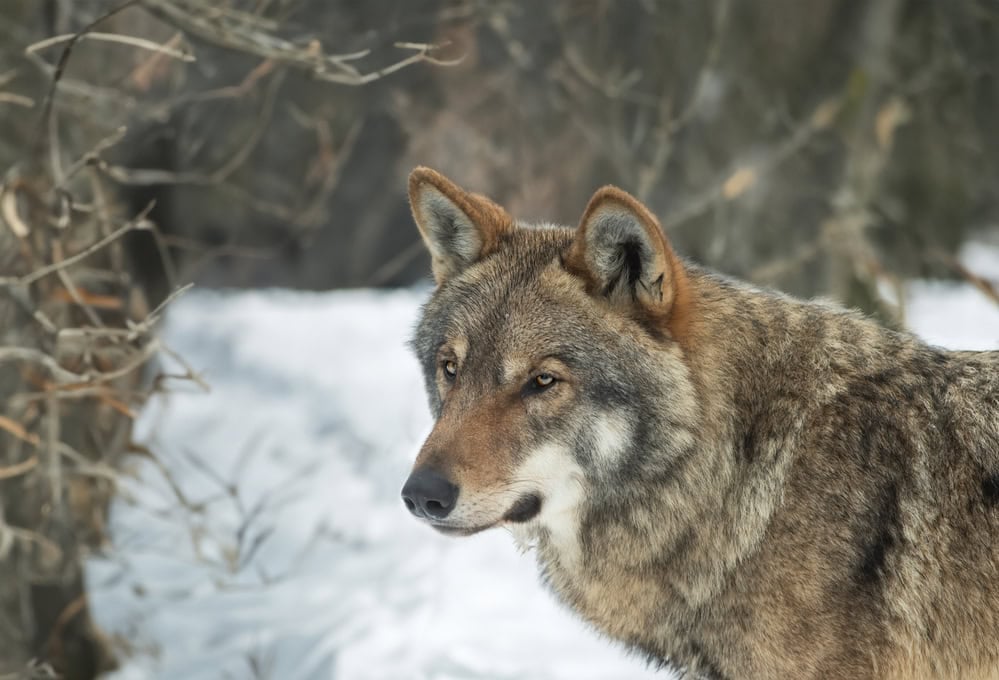
Extensive wildlife monitoring programs have documented hundreds of wolf-grizzly interactions across North America’s wild spaces. The data reveals that outcomes vary considerably based on specific circumstances. When confronting adult grizzlies over carcasses, wolves succeed in defending or reclaiming their kills in approximately 10-20% of encounters, typically when pack size exceeds 10 individuals.
Fatal confrontations remain exceptionally rare—a 20-year study in Yellowstone documented only seven instances where wolves killed grizzly cubs and just two cases where bears killed adult wolves. Most interactions resolve through what biologists term “negotiated avoidance,” where posturing, vocalizations, and limited physical confrontation eventually lead to one party withdrawing. Bears generally prevail in conflicts over food resources, while wolves more successfully defend territorial boundaries, particularly near den sites.
The Role of Experience and Learning

Both wolves and grizzlies demonstrate remarkable adaptability through learning and experience. Long-term observations reveal that specific wolf packs develop customized strategies for dealing with bears in their territory, with these behavioral adaptations passed through generations via observational learning. Alpha wolves with previous bear encounter experience show more strategic approaches, including quicker decisions about when to stand ground versus when to retreat.
Similarly, individual grizzlies develop specialized techniques for locating and appropriating wolf kills, with some bears specifically tracking wolf packs during hunting periods. Research from wildlife biologist Doug Smith suggests that in Yellowstone, certain bears obtain up to 50% of their ungulate meat by following wolf packs rather than hunting independently. This behavioral co-evolution creates complex, location-specific interaction patterns that evolve over time.
The Impact of Human Presence

Human activities significantly influence wolf-grizzly dynamics across their shared range. Conservation efforts have successfully restored both species to portions of their historic ranges, creating new overlap zones where these predators must relearn coexistence patterns. Protected areas like national parks provide crucial observational windows for understanding these interactions in relatively natural settings. However, human infrastructure, hunting practices, and climate change are altering traditional patterns. For instance, studies in Alberta’s Rocky Mountain parks found that human trail networks can inadvertently channel both species into more frequent confrontations. Hunting pressure outside protected areas can disrupt pack structures or remove experienced individual animals, potentially destabilizing the learned behaviors that facilitate coexistence. Understanding these anthropogenic influences is critical for effective conservation management of both species.
Ecological Significance of These Interactions

The competition and occasional cooperation between wolves and grizzlies transcends mere dramatic wildlife encounters—these interactions shape broader ecosystem dynamics. Their relationship creates what ecologists term “landscape of fear” effects that influence prey behavior and distribution. For example, elk in Yellowstone alter their habitat usage patterns when both predators are present versus when facing just one or neither.
The occasional appropriation of wolf kills by grizzlies creates nutrient redistribution across landscapes as bears transport partially consumed carcasses to secure feeding locations. Additionally, these apex predators indirectly regulate each other’s populations through competition, creating natural checks and balances. Research suggests that the restoration of both species to ecosystems provides more comprehensive ecological benefits than either species alone, including more stable ungulate populations and healthier vegetation communities through cascading trophic effects.
Extraordinary Exceptions: When Wolves Win
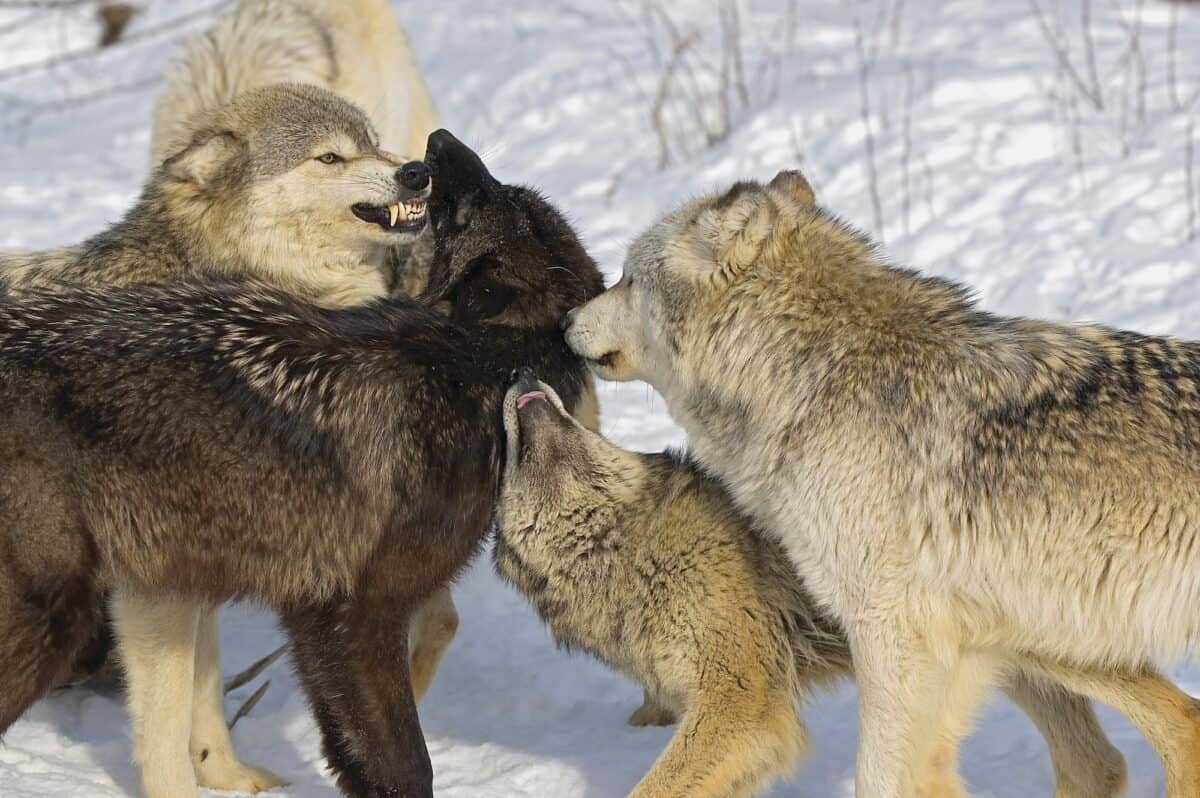
While grizzlies typically maintain dominance in most encounters, well-documented exceptions demonstrate the remarkable capabilities of wolf packs under certain circumstances. The most successful wolf interventions occur when defending den sites with vulnerable pups, where the entire pack demonstrates extraordinary commitment to defense. A notable 2010 observation in Yellowstone’s Lamar Valley documented the Junction Butte pack, numbering 14 wolves, successfully driving off a large male grizzly that approached their den site.
The wolves employed precise coordination—surrounding the bear and attacking in rotating waves while maintaining constant harassment. Similar successful defenses have been observed when exceptionally large packs encounter smaller female grizzlies or subadult bears. These exceptional cases typically involve perfect storm conditions: large, experienced wolf packs, vulnerable or smaller bears, and high-value resources worth defending. While rare, these events demonstrate the potential effectiveness of coordinated group tactics against physically superior opponents.
Conclusion: Nature’s Complex Balance of Power

The confrontation between a wolf pack and a grizzly bear represents one of nature’s most fascinating power dynamics, where different evolutionary strategies—individual strength versus collective coordination—clash in wilderness theatres. These encounters rarely conform to simplistic outcomes, instead revealing nuanced interactions influenced by circumstance, experience, and environmental context. While grizzlies maintain advantage in most direct confrontations, the wolves’ social structure and adaptability ensure they remain competitive across their shared landscape. The ongoing dance between these apex predators contributes to healthy ecosystem functions, with each species influencing the other’s behavior, distribution, and ecological impact. As researchers continue documenting these dramatic wilderness encounters, they provide valuable insights not only into predator relationships but also into the complex interconnections that sustain North America’s most intact natural systems.

- The Perfect Pet for Each Zodiac Sign - July 7, 2026
- The Wild Animal That Embodies Your Zodiac Sign’s Spirit - July 6, 2026
- 7 Steps to Planting Admirably Beautiful Bluebonnets - July 6, 2026