

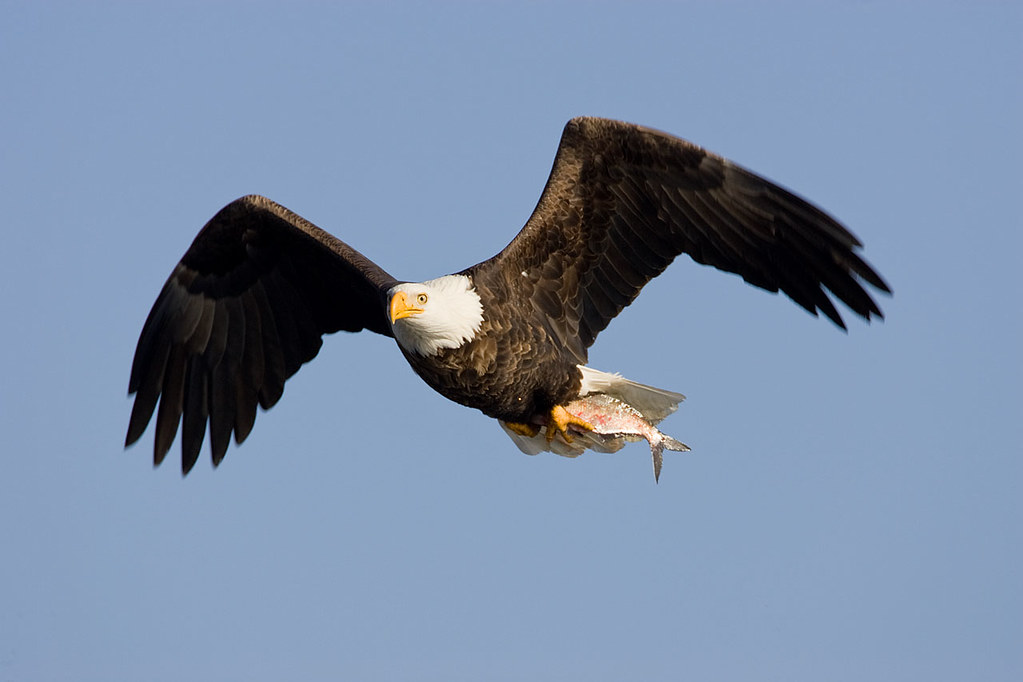
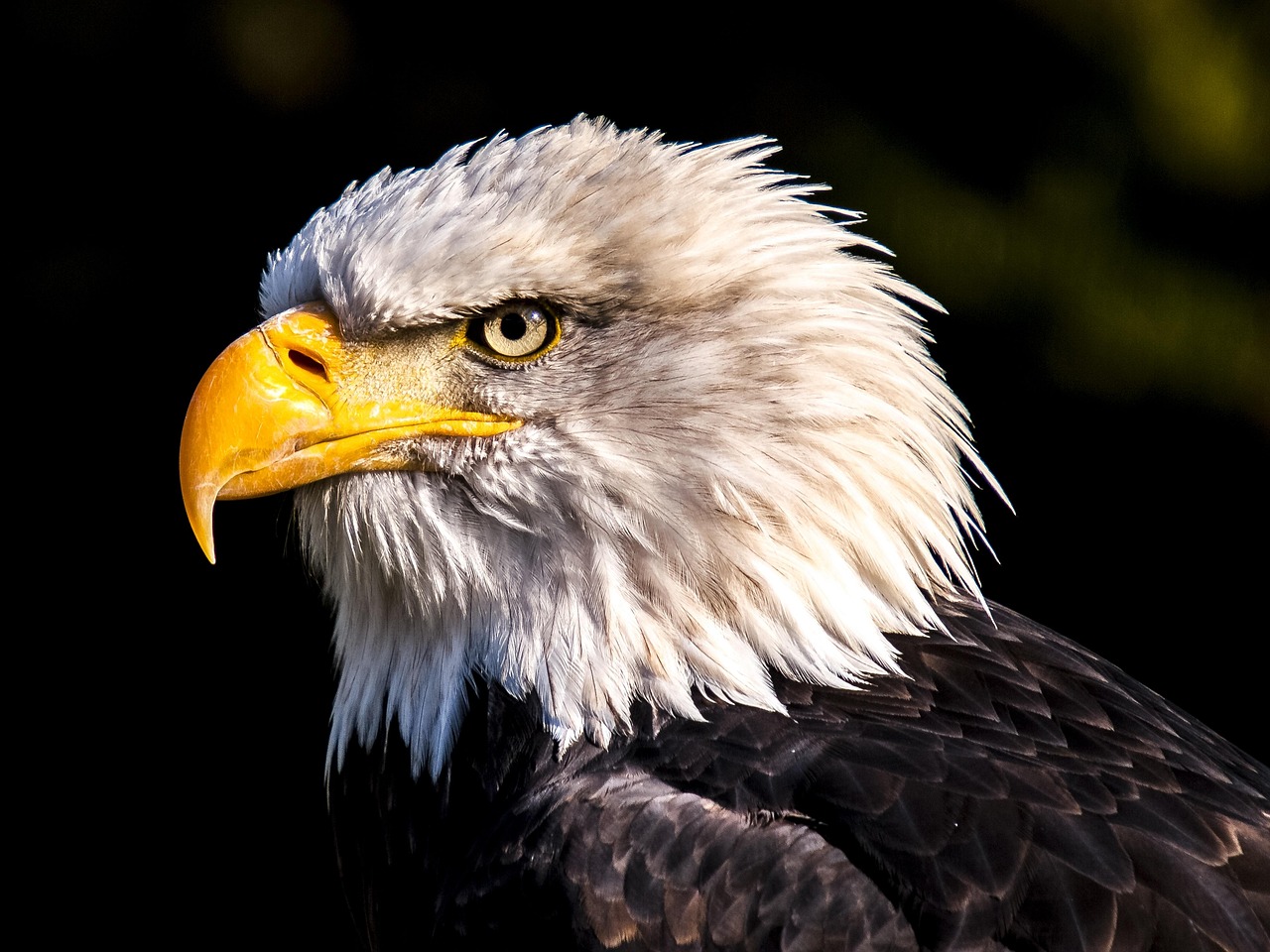
In a striking reminder of wildlife conservation in action, a bald eagle was rescued after flying into power lines and falling to the ground in Mansfield, Connecticut, late in December 2025. The incident — which could have ended tragically — instead became a story of quick action, community care and the ongoing recovery of a species once on the brink of disappearance. The rescue was shared on social media by the Connecticut State Police, sparking admiration from residents and wildlife advocates alike.
Witnesses spotted the majestic bird near Ravine Road and Route 32 and immediately called for help. Concerned motorists stopped to ensure the eagle wouldn’t be struck by a car, and one passerby stayed with the bird until officers and a licensed falconer arrived. Their coordinated efforts led to the safe containment and transport of the eagle for medical evaluation and care.
Witnesses Step In to Help
On a chilly December morning, bystanders along a busy stretch of road became the first line of aid for an injured bald eagle that had just collided with overhead power lines. Their decision to stop and shield the bird from traffic likely prevented further injury or death before official help arrived.
Their actions underscore the importance of public awareness and quick thinking when wildlife is in peril, especially for a large raptor that can easily be harmed by passing vehicles or distressed in the wild after trauma.
State Police and Falconer Join Forces
Responding to the scene, a Mansfield resident state trooper with Troop C in Tolland County assisted in the rescue, working alongside a Connecticut-licensed falconer who happened to be in the area. Together, they carefully contained the injured bird and kept it calm — crucial steps to prevent further stress or injury before transport.
Once secured, the eagle was taken to Horizon Wings Raptor Rehabilitation & Education in Ashford, where it received initial care before being transferred to the Tufts Wildlife Clinic in Massachusetts for comprehensive evaluation and treatment.
A Species on the Rebound
The bald eagle’s presence in Connecticut — once a rare sight — is itself a conservation success story. The species was first listed as endangered under the federal Endangered Species Act in 1973 as populations declined sharply due to pesticide use, habitat loss and other pressures.
Over decades, protections including the ban on DDT, nest protection efforts and reintroduction programs have helped the bald eagle rebound. In 2007, it was removed from the federal endangered list, though it remains protected under other laws designed to safeguard raptors and migratory birds.
Population Growth in Connecticut
Connecticut Department of Energy and Environmental Protection estimates indicate that bald eagle numbers have continued to grow, with dozens of active territories and nesting pairs spread throughout the state.
This resurgence — from extirpation in the mid-20th century to a thriving presence today — marks one of the region’s most inspiring examples of effective conservation and ecological recovery.
Ongoing Challenges for Wildlife
Despite this success, eagles still face modern hazards such as collisions with power infrastructure, vehicle strikes, habitat disturbance and environmental contaminants. Each incident highlights the delicate balance between expanding human development and thriving wildlife populations.
Rescue efforts like this not only save individual animals but also increase public understanding of the challenges facing wildlife in populated areas — and the shared responsibility to protect them.
A Symbol of Recovery and Responsibility
The rescue of this bald eagle in Mansfield is more than just a heart-warming moment — it’s a testament to the power of protection laws, community awareness and coordinated response. From near-extinction to sighted and saved in a highway median, the bald eagle’s journey reflects how human action can both harm and heal.
Yet the incident also reminds us that recovery is not the end of the story. As these raptors return to Connecticut’s skies, communities must stay vigilant to the dangers posed by human infrastructure and continue supporting conservation education and habitat protection. Only then can the state ensure that these iconic birds don’t just survive, but thrive — a symbol not just of national pride, but of human stewardship done right.

As a little kid, I fell in love with nature, wildlife, and animals. Living in the USA, South Africa, Italy, China and Germany gave me the opportunity to discover the world's Wildlife. My favorite animals are Mountain Gorillas, Siberian Tigers, and Great White Sharks.
I'm a certified PADI Open Water Diver, went to Everest Base Camp and Trekked Gorillas in Uganda. I hold a Master of Science in Economics and Finance.
Please send any feedback to feedback@animalsaroundtheglobe.com
- 10 Ways to Win a Cat Heart And 3 That Backfire - July 29, 2026
- 12 Strange Animal Defenses From Vomit to Eye Lasers - July 29, 2026
- 15 Shark Adaptations That Make Them Perfect Predators - July 29, 2026